





Access to your account to proceed
Franco Albini

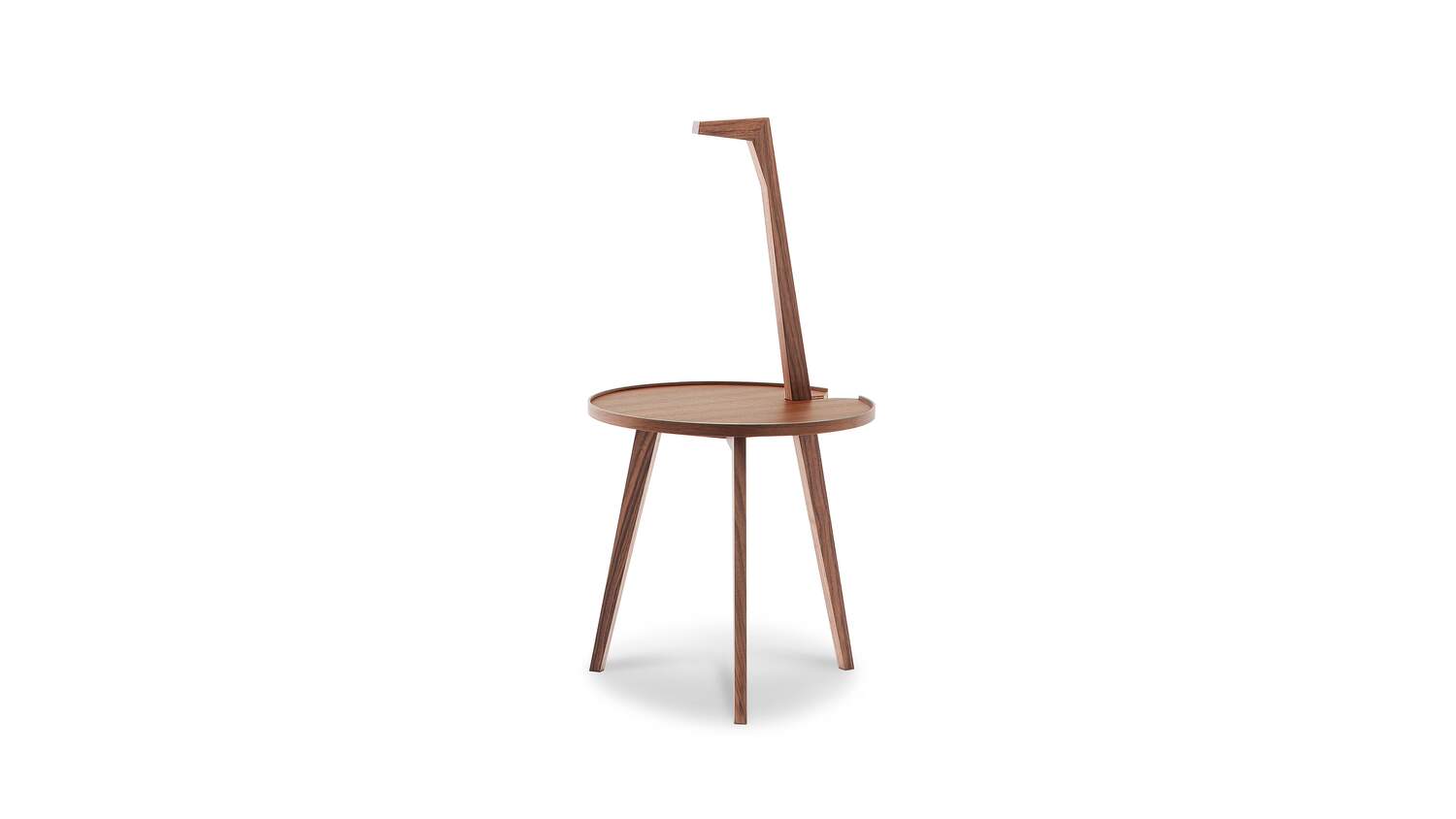
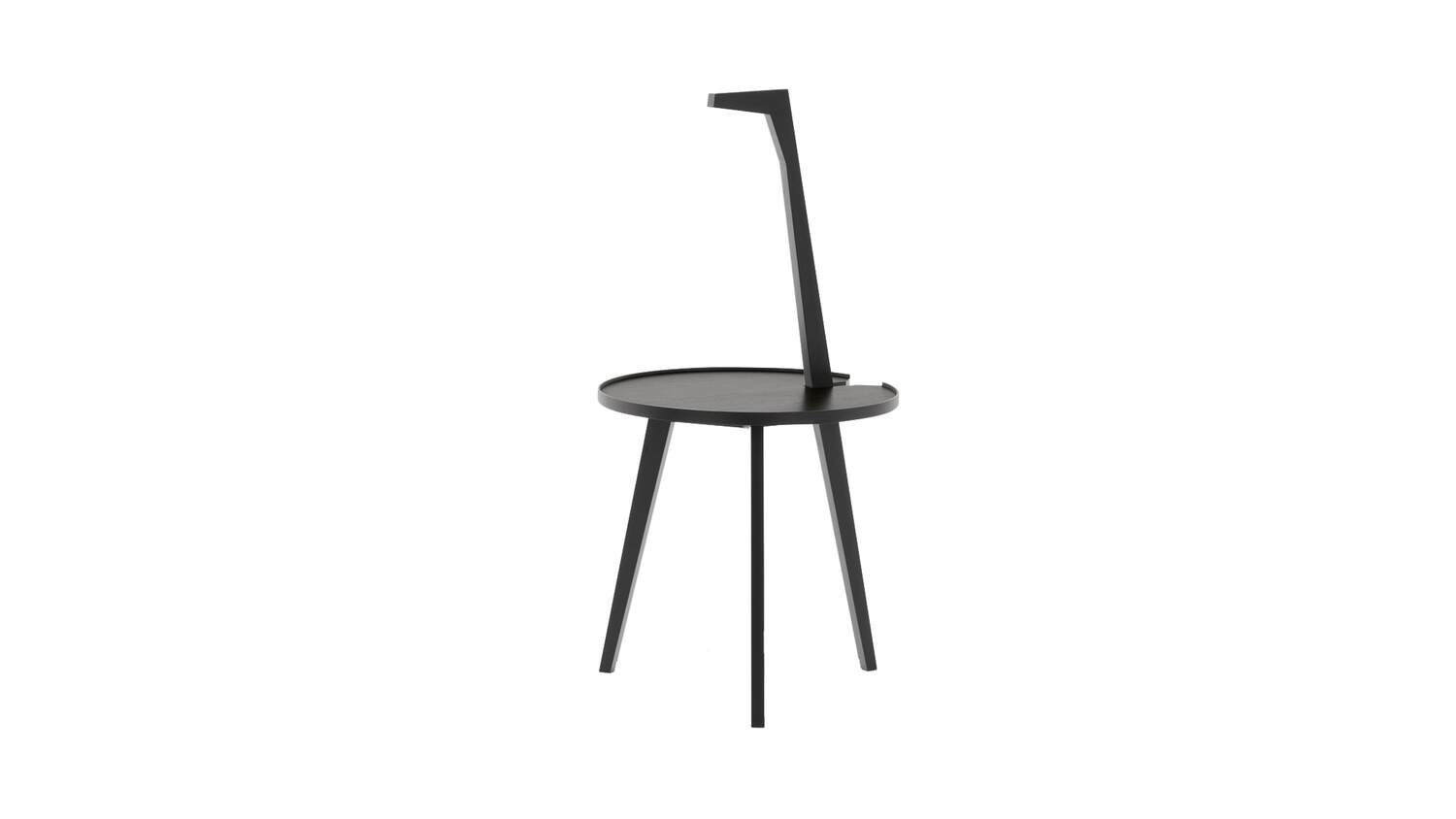
Designed by Franco Albini in 1958, thanks to its iconic design, Cicognino stands out in any space; its sophisticated, minimalist lines and playful shape, reminiscent of a small stork, convey a reassuring sense of familiarity.
DESIGN BY
PRODUCT CARE AND MAINTENANCE
In this manual you will find some recommendations for the care and maintenance of your Cassina products.
The materials are divided into different categories; each one is accompanied by its own information sheet with instructions, preventative measures and methods for cleaning.
Downloads
Access 2D and 3D drawings, technical sheets, and complete documentation to explore every detail of our products.
Designed for professionals and those seeking in-depth information.
2008
Dubbed Cicognino, or “little stork”, this iconic design, is clean-cut and refined, witty yet reassuringly familiar. Franco Albini designed this table by reducing the frame to its essentials: the three slender legs, a table-top 40cm in diameter, and a wooden trim that makes it reminiscent of a tray. One of the three legs extends higher than the others, ending as a handle that can be used for moving the table about. Meantime, the table-top serves as a link between the other parts, augmenting the overall sense of balance and stability. The attention to detail and the unusual shape make this a highly expressive piece with an accomplished style that plays well in any context.
I MAESTRI
He was a major figure in the Rationalist Movement, excelling in architectural, furniture, industrial and museum design. After receiving a degree in architecture from the Politecnico di Milano in 1929, he worked with the Ponti and Lancia design studios.is work for the magazine Casabella also played a key part in his development, marking his conversion to the Rationalist Movement and his becoming its spokesman on the Italian cultural scene.
Access to your account to proceed