


















































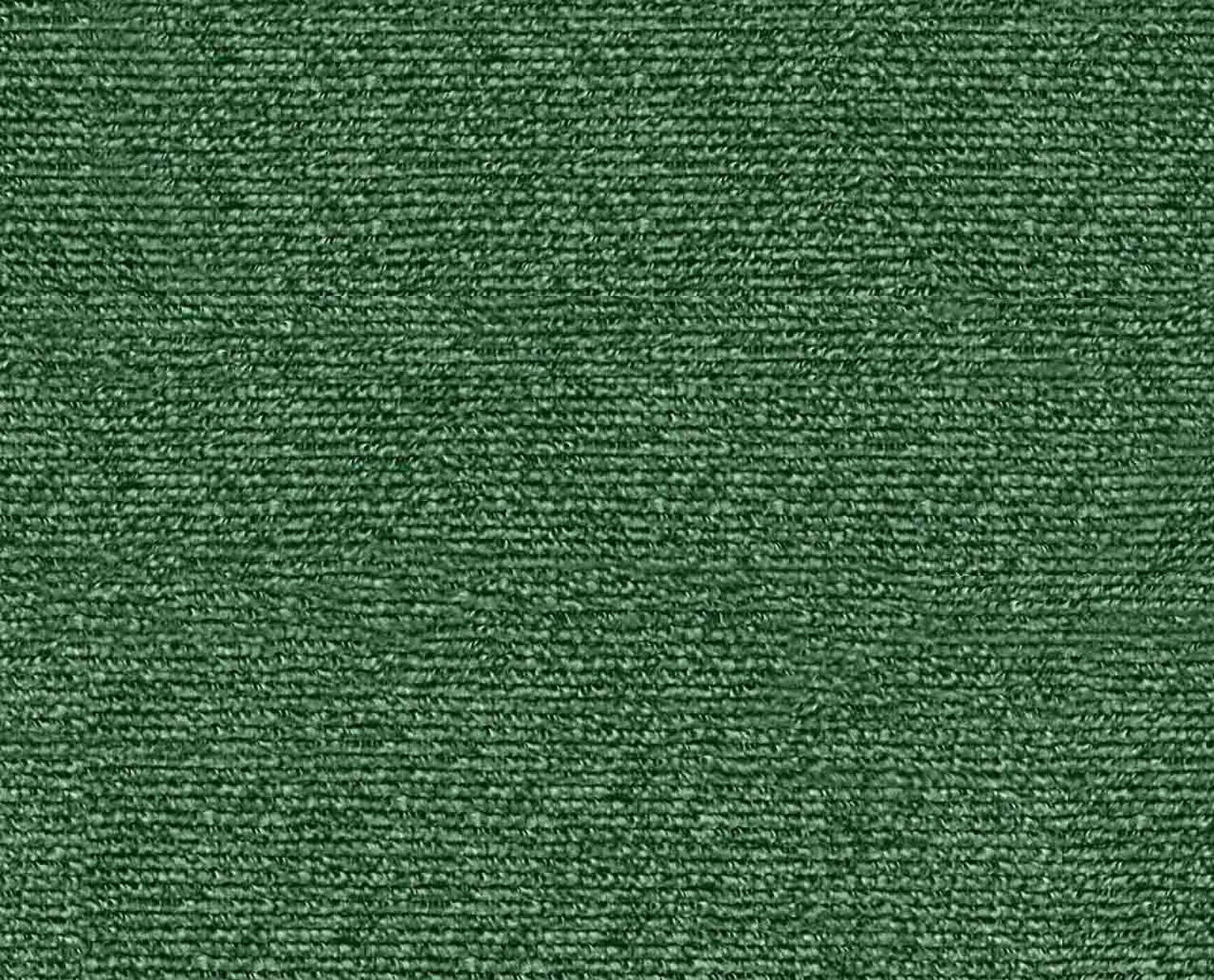
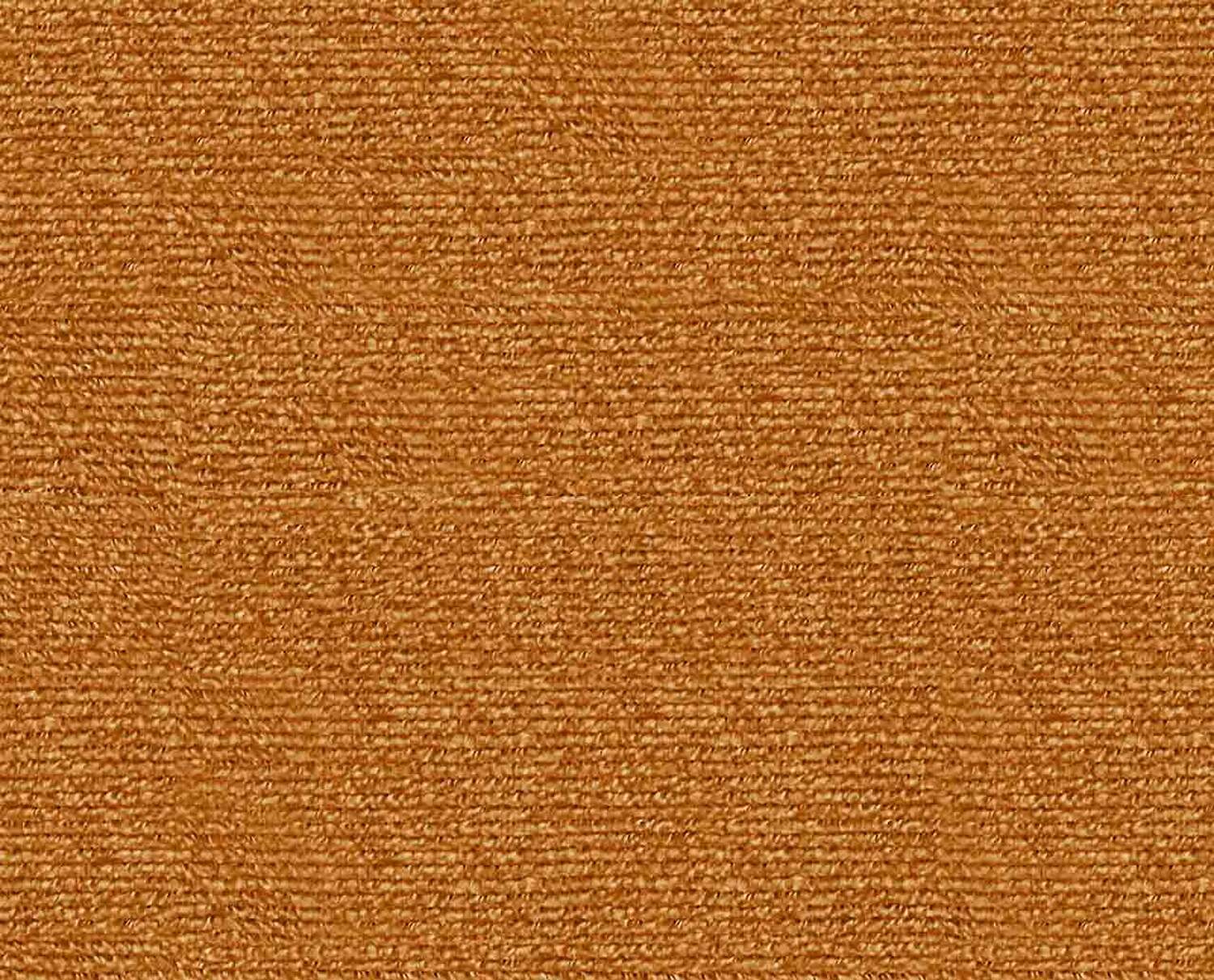
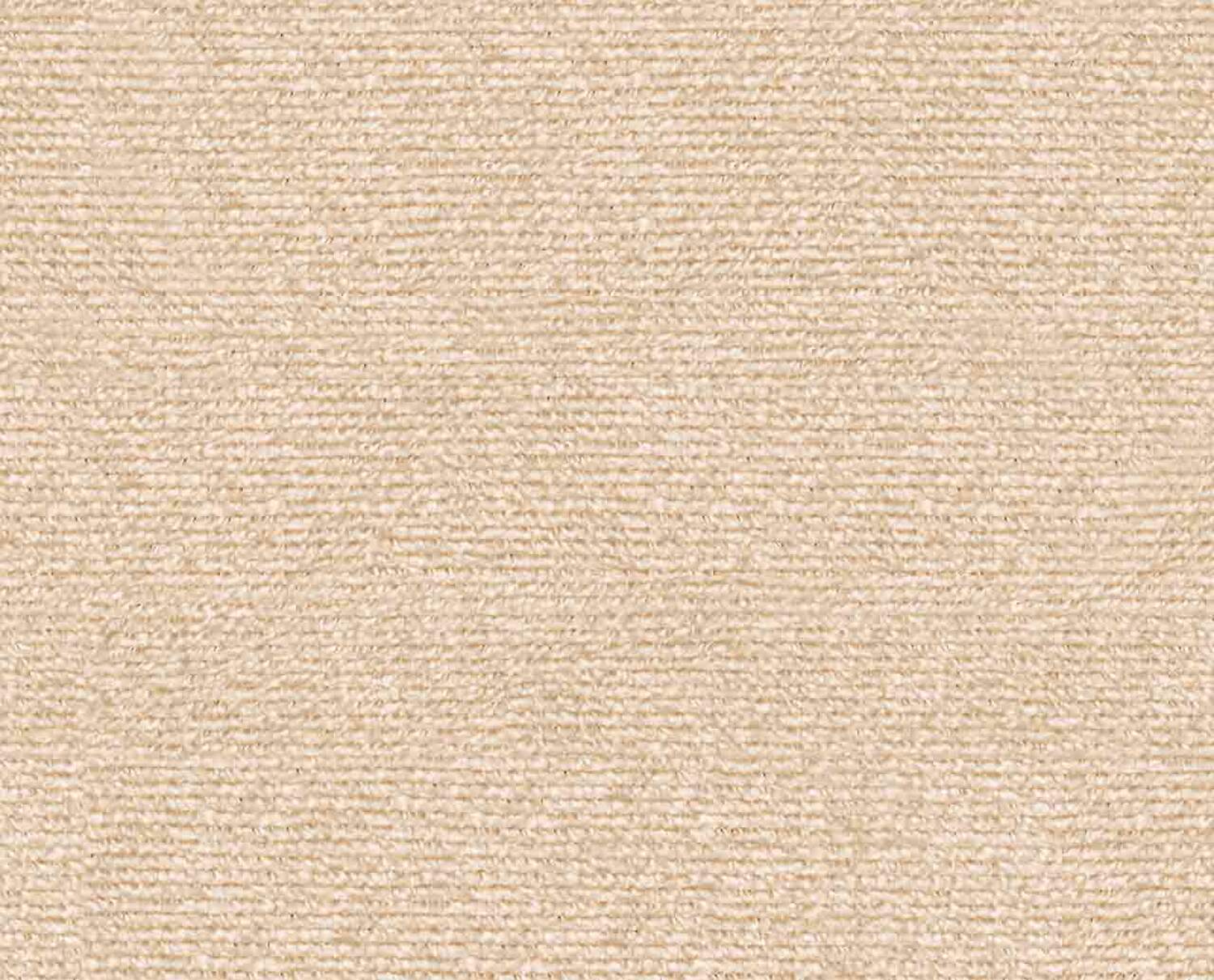


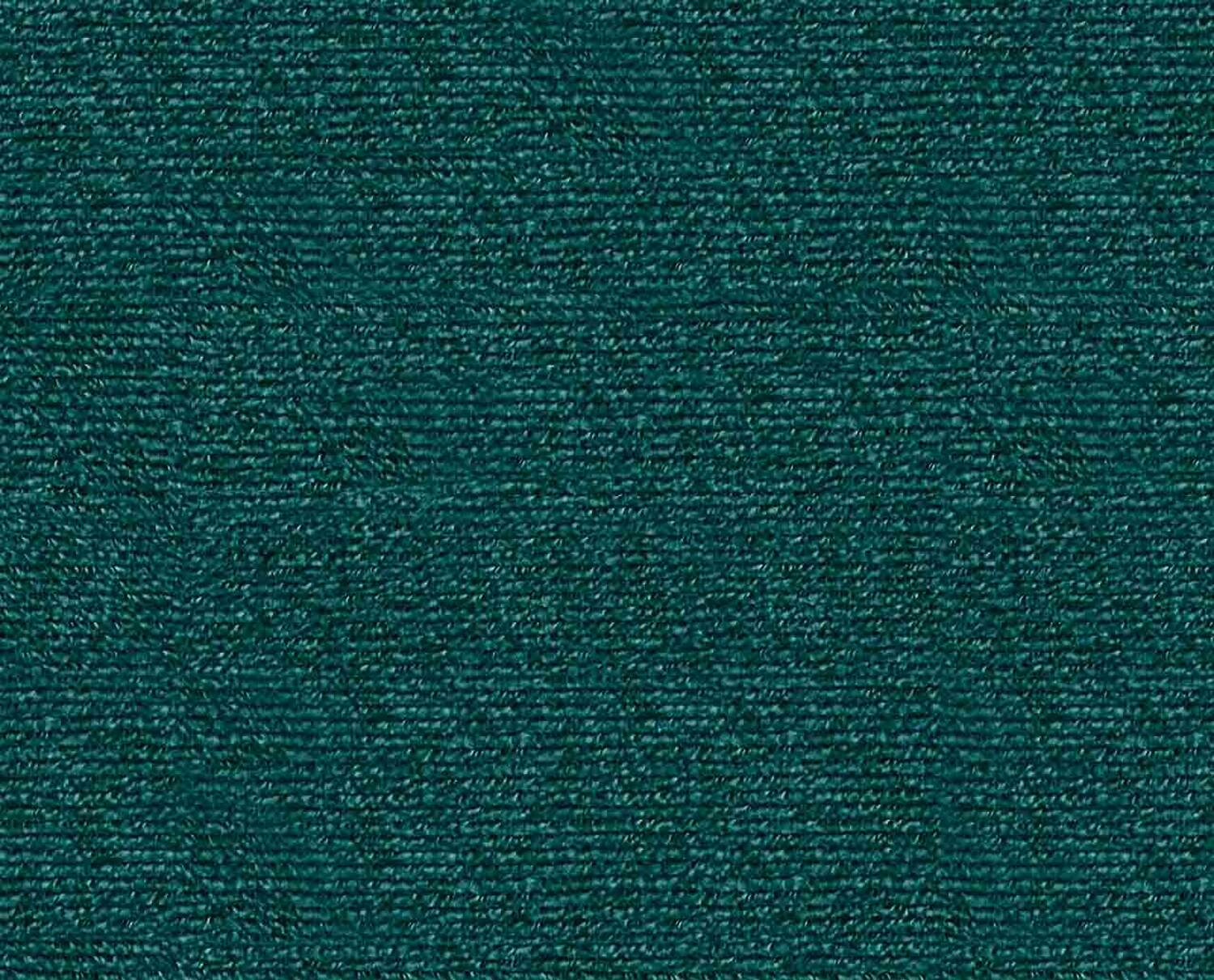


















































































Access to your account to proceed
Le Corbusier


CONTEMPORARY ELEGANCE
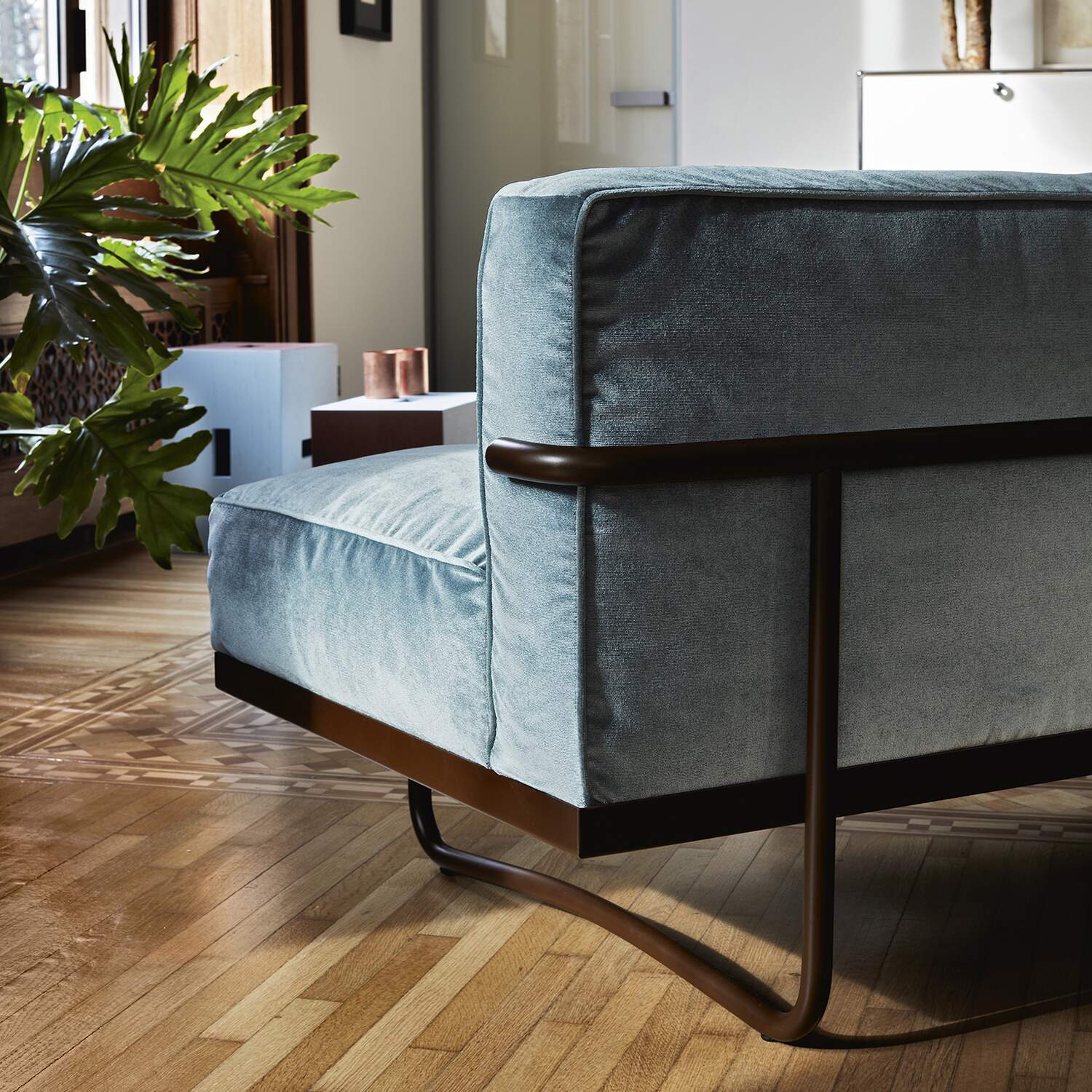
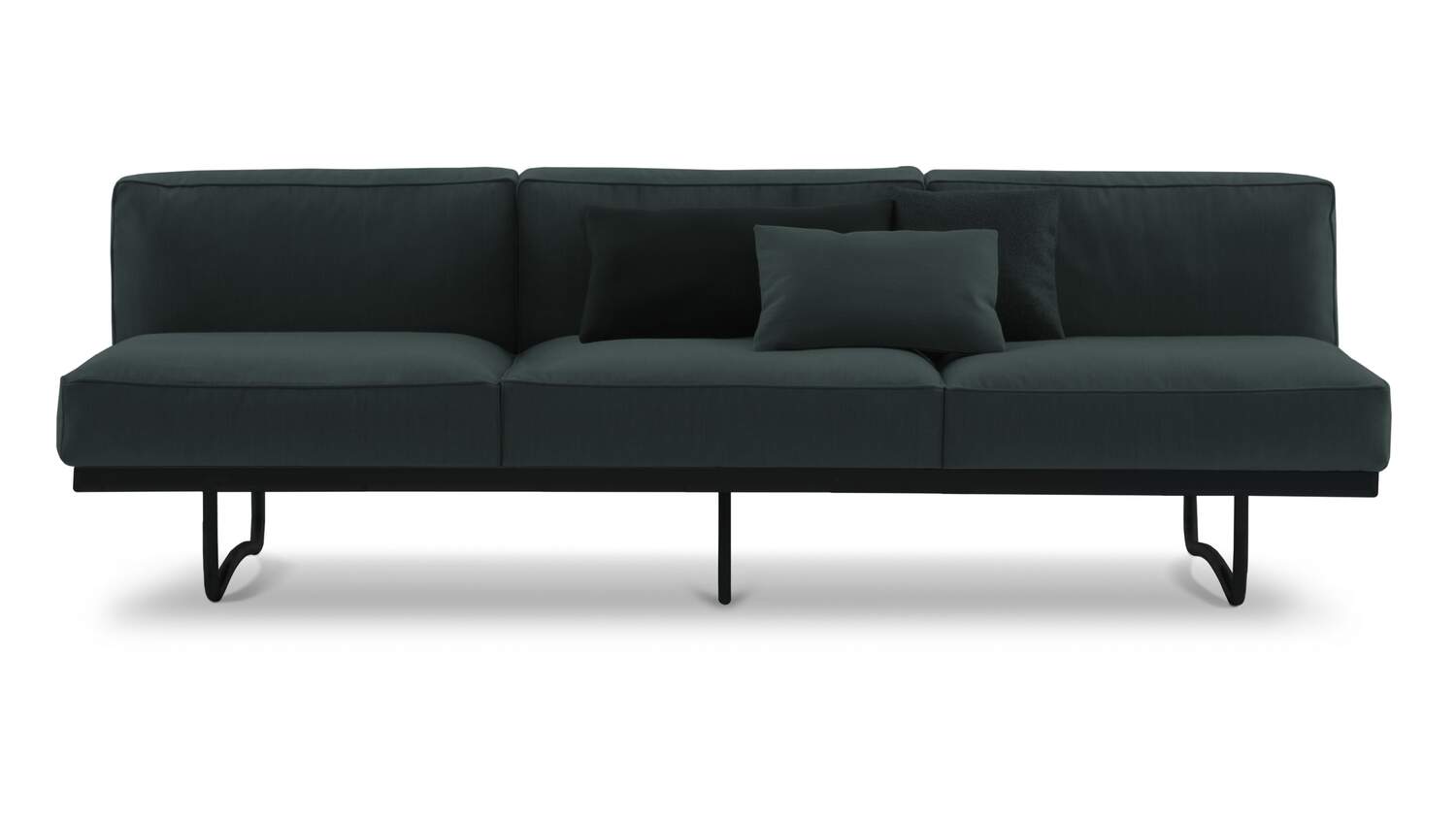
Comfortable, contemporary lines distinguish this sofa designed by Le Corbusier for his Paris apartment, where the original model is still preserved – the one that inspired a lengthy re-edition process carried out by Cassina.
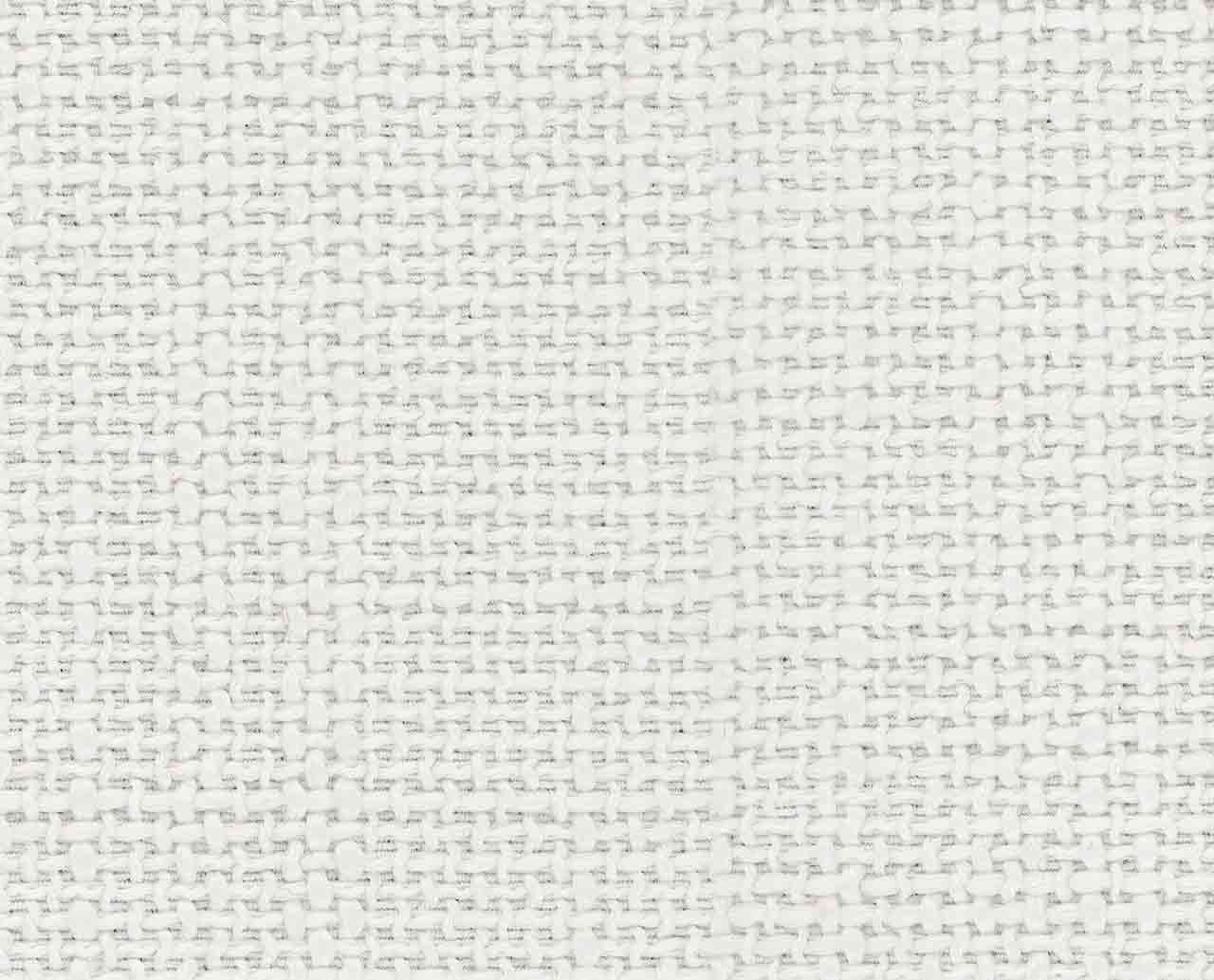
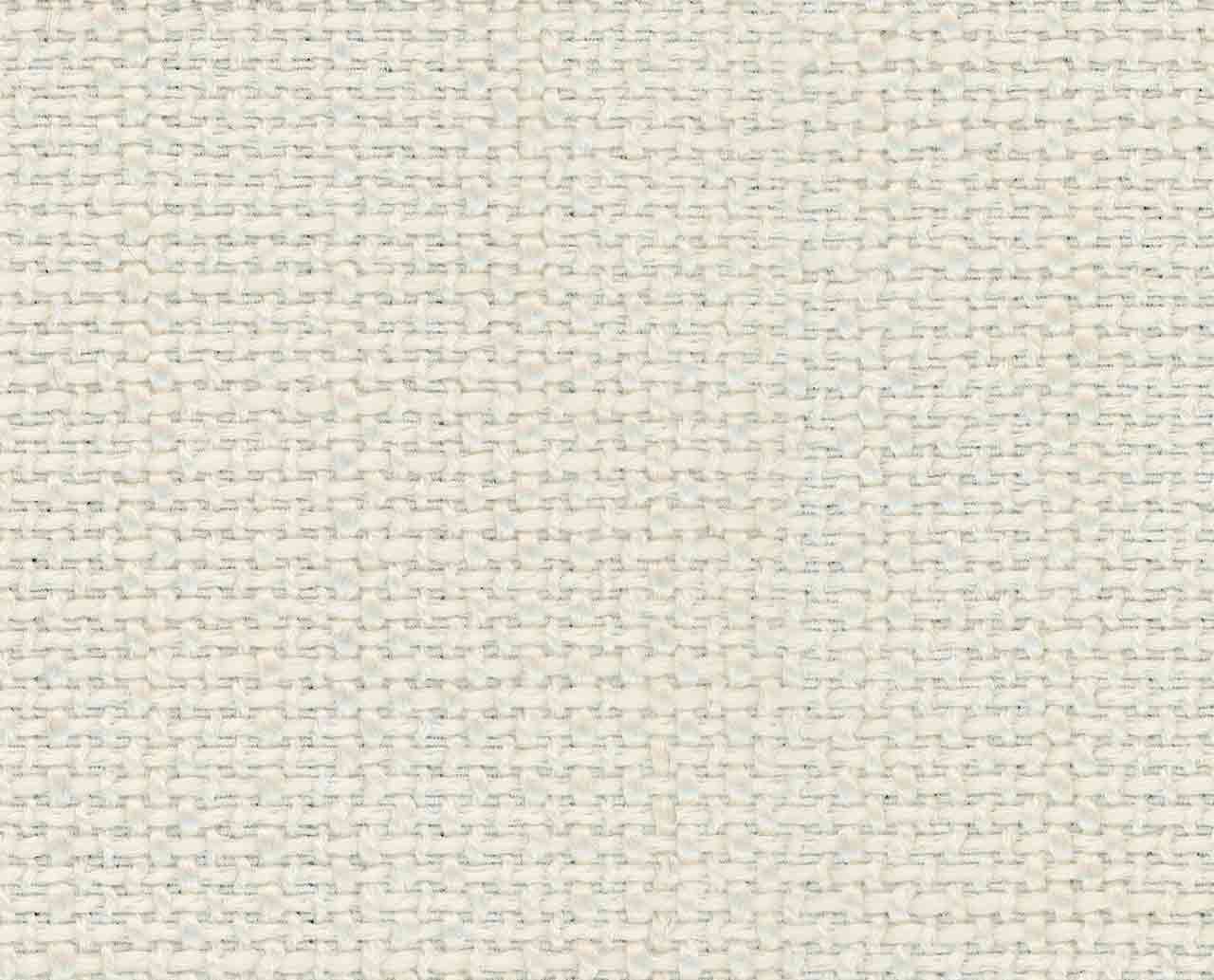
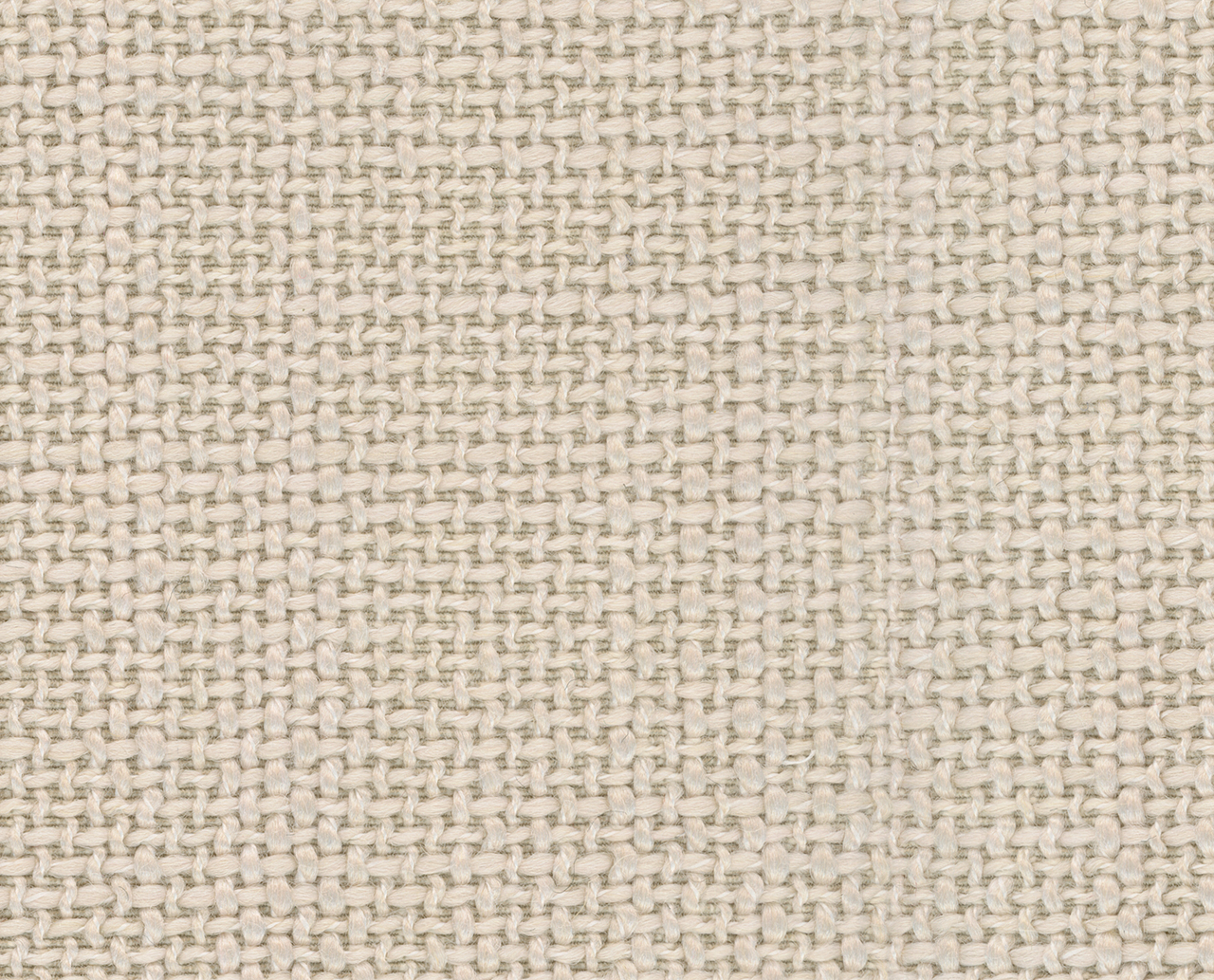
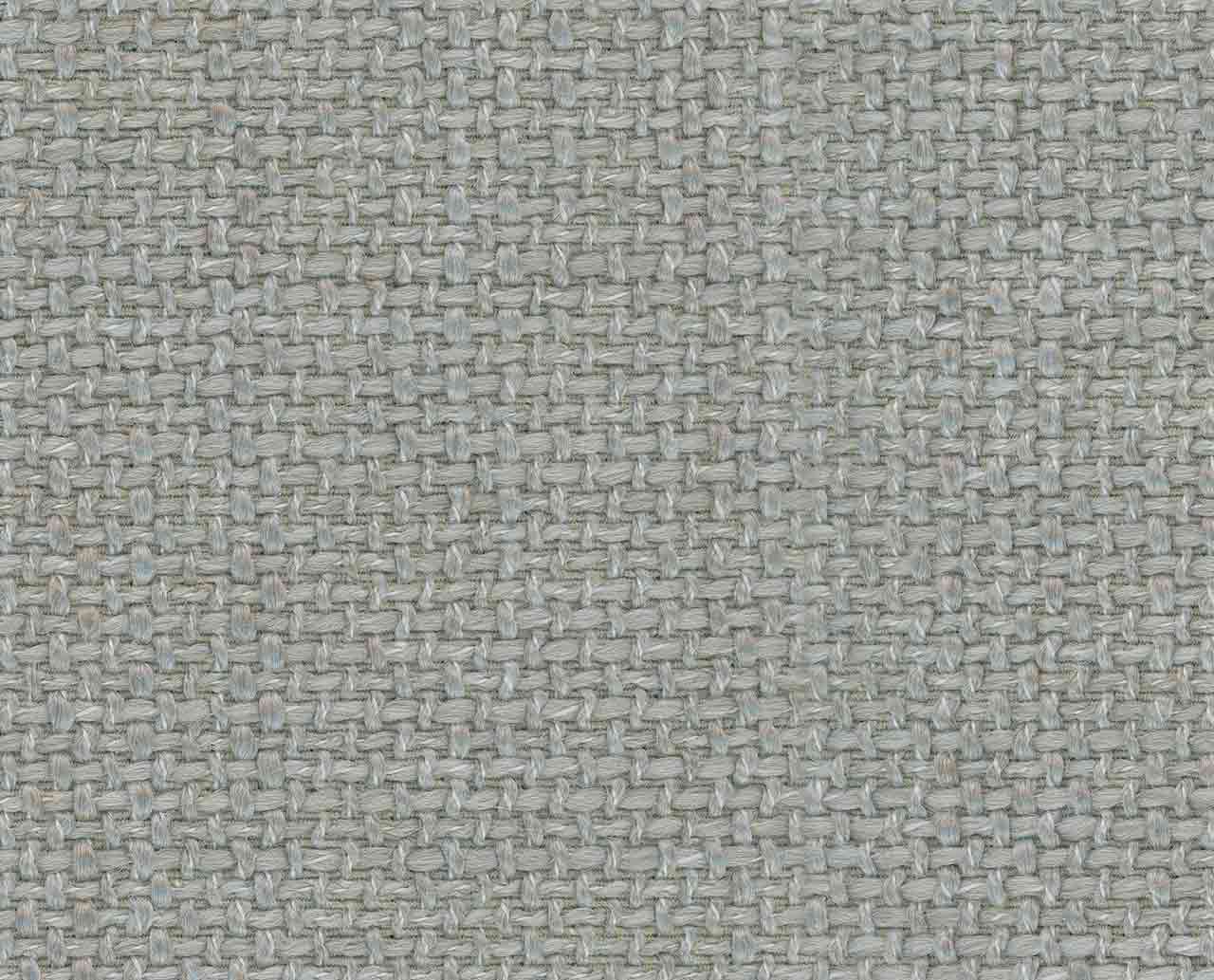
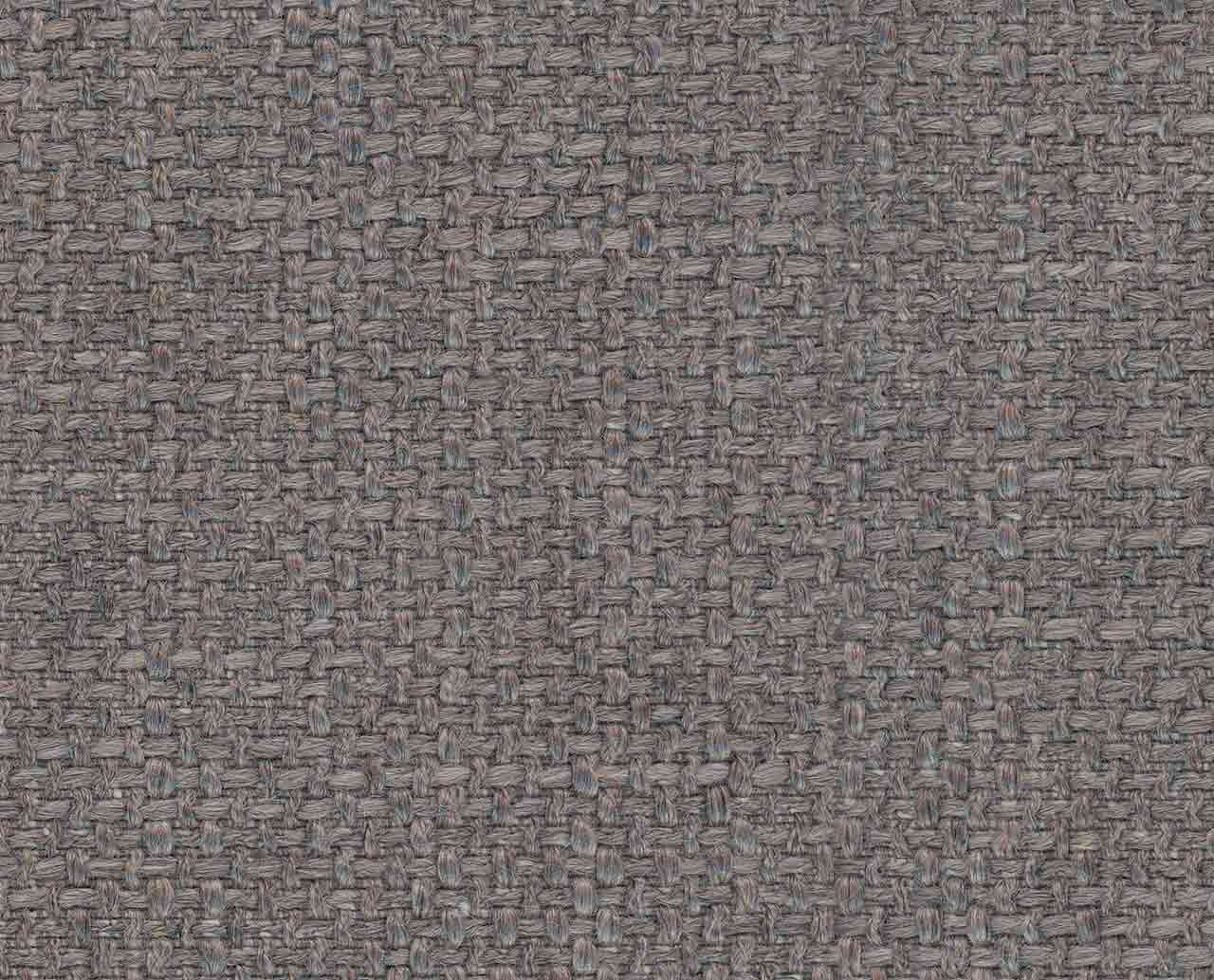
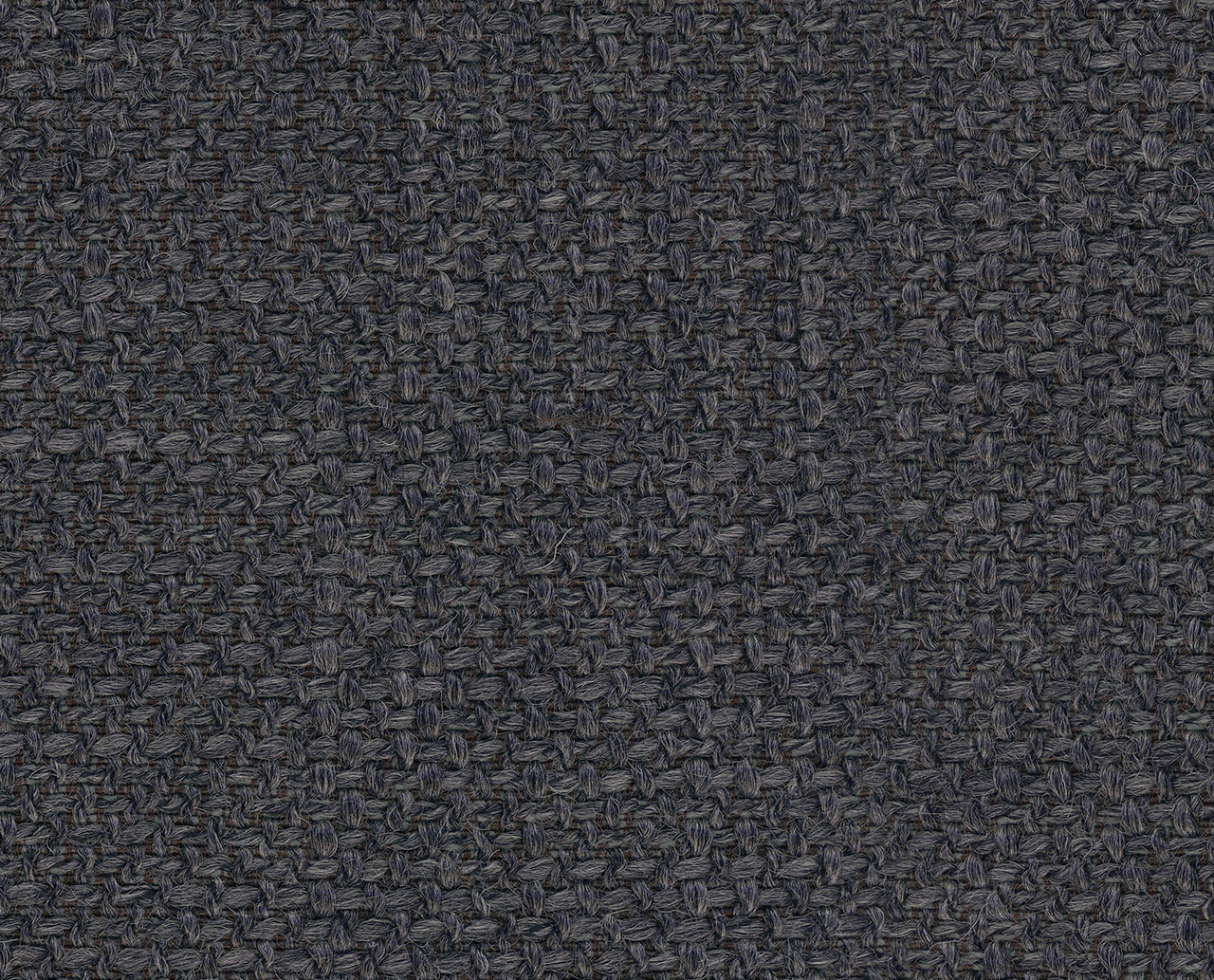
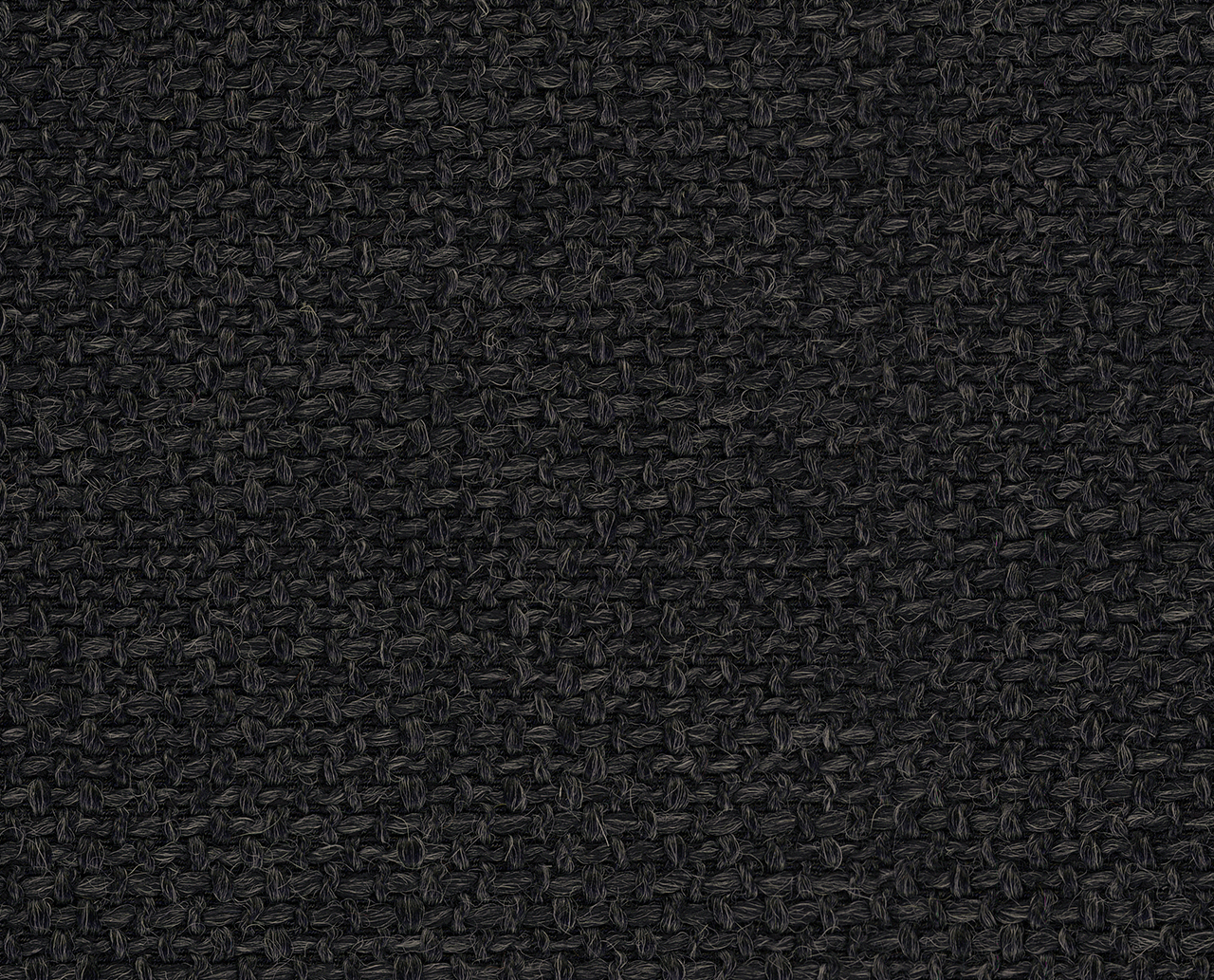
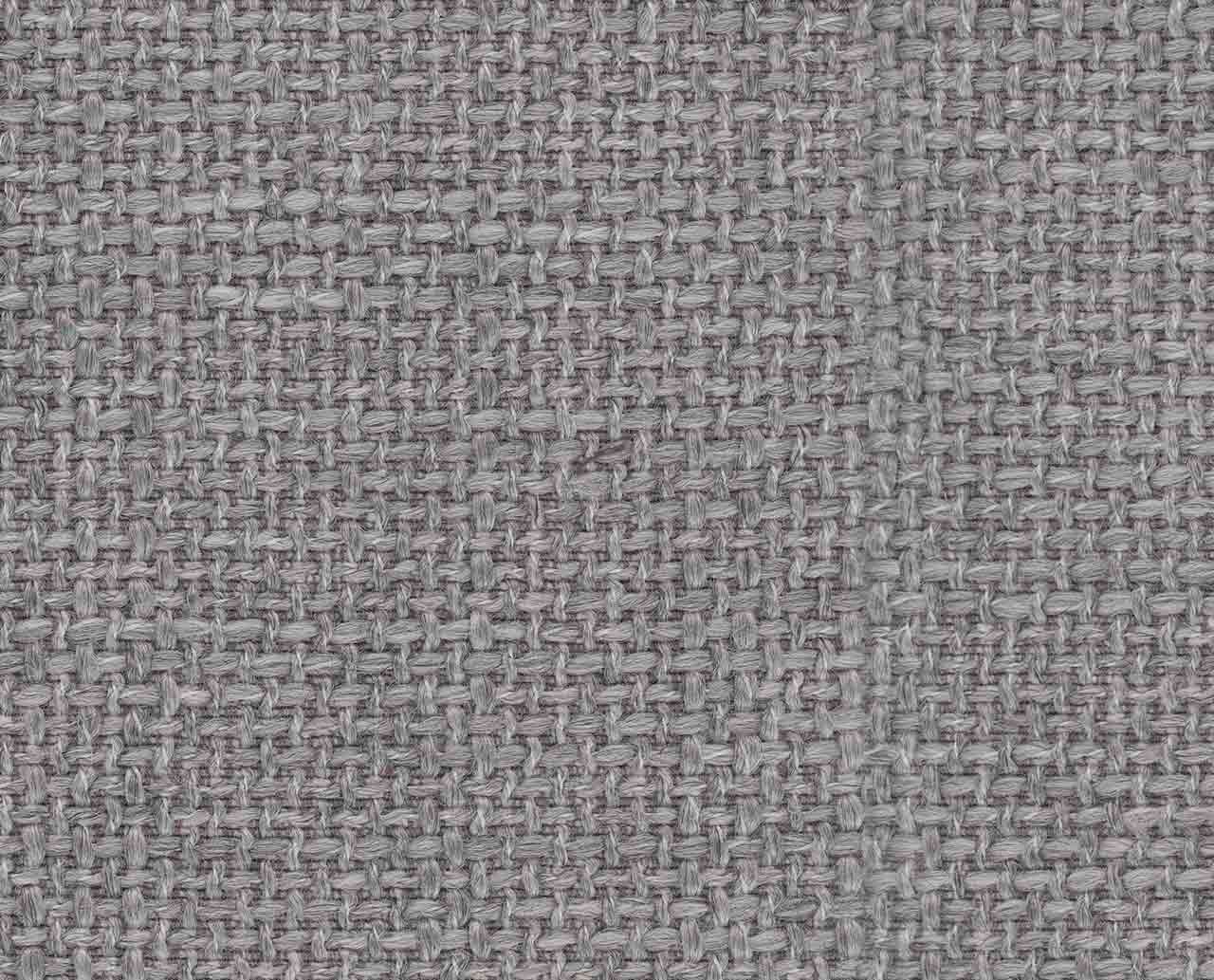


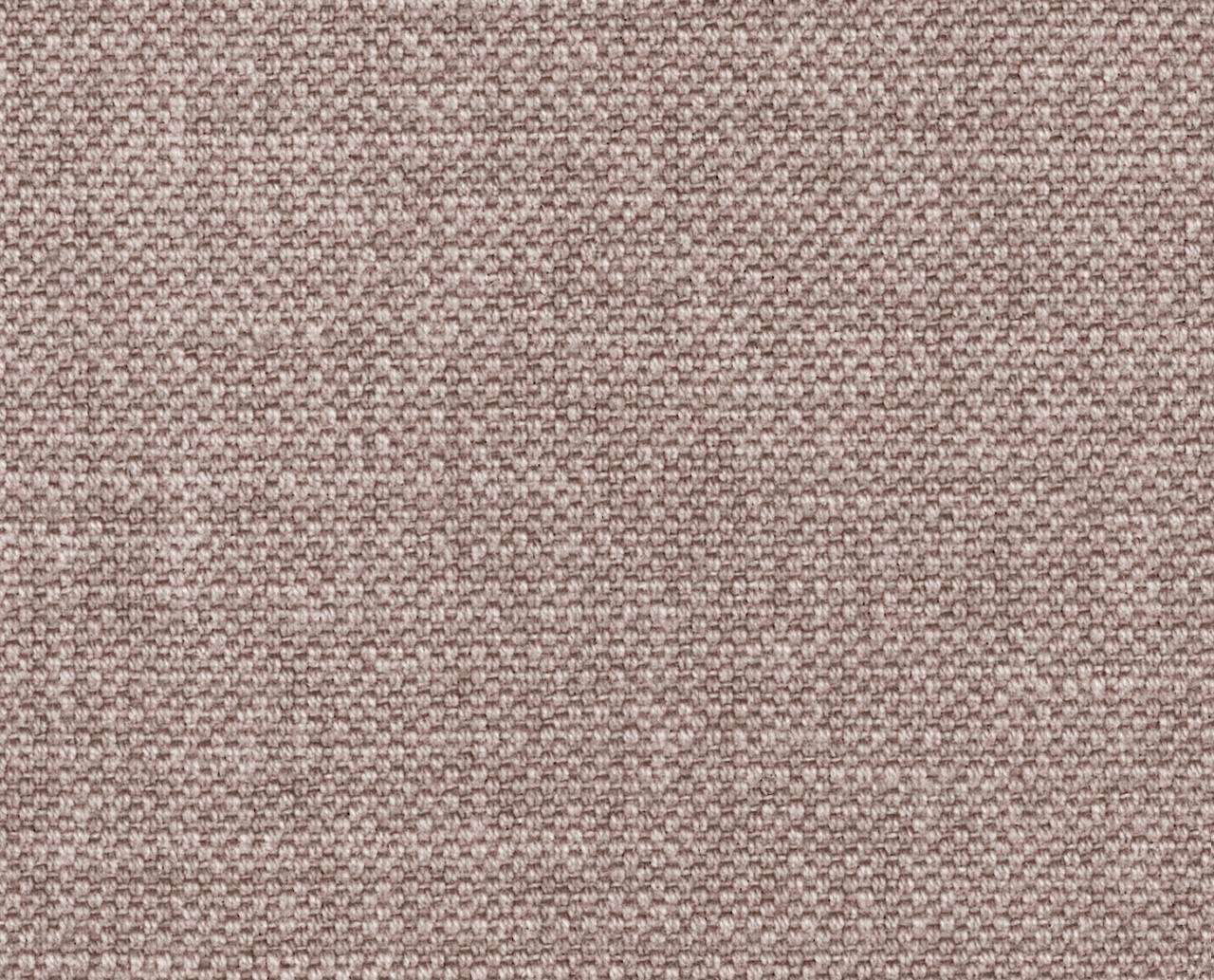
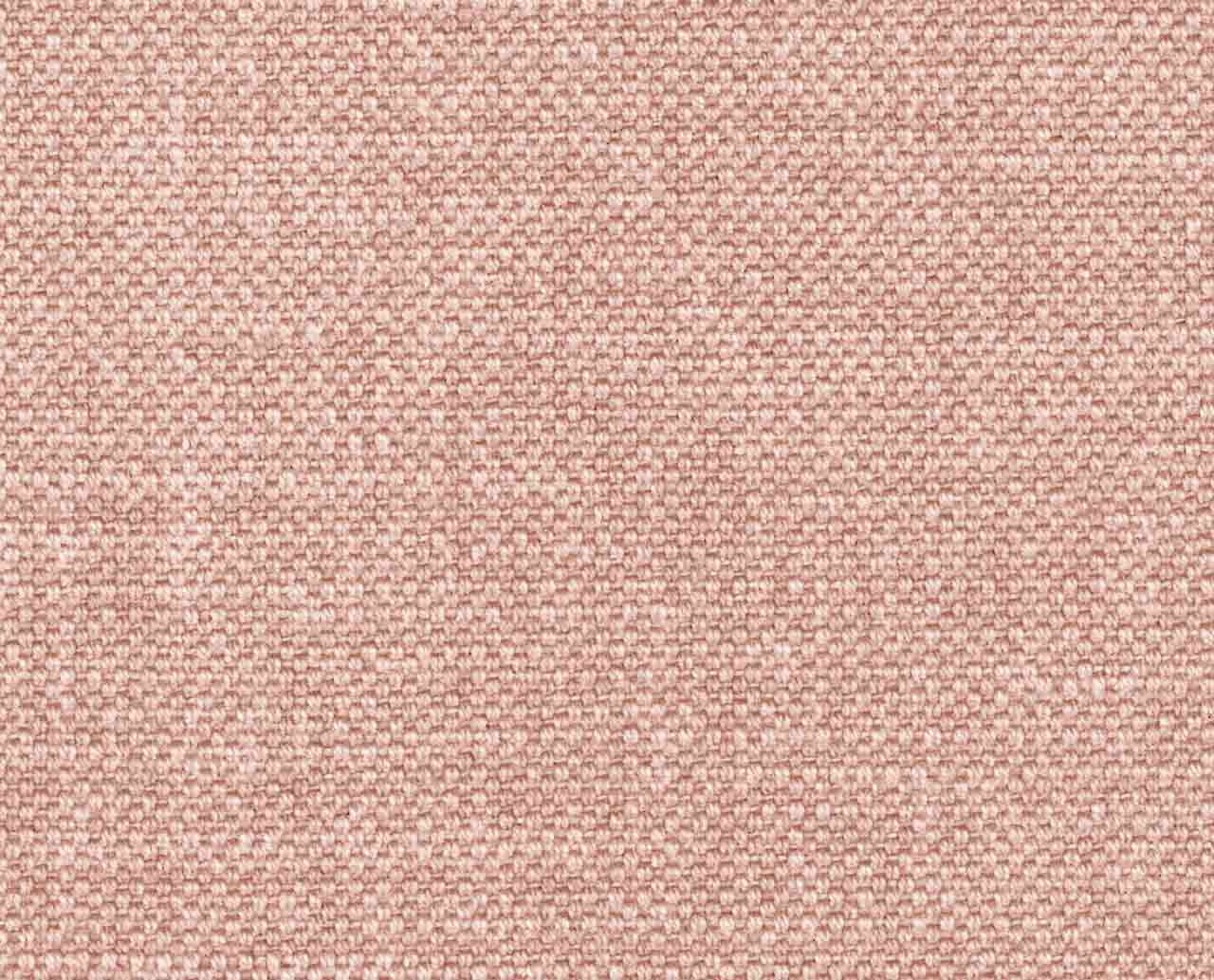
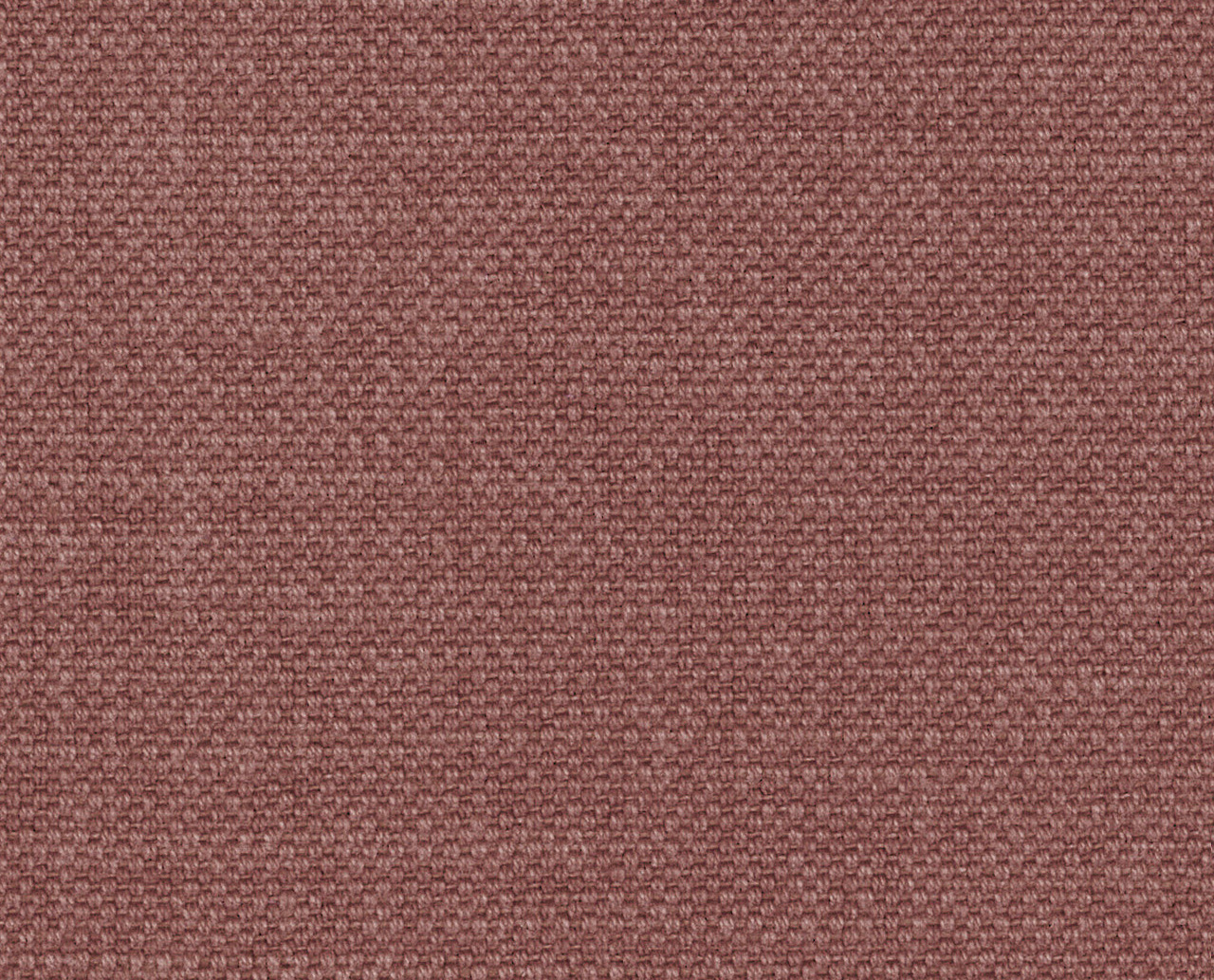
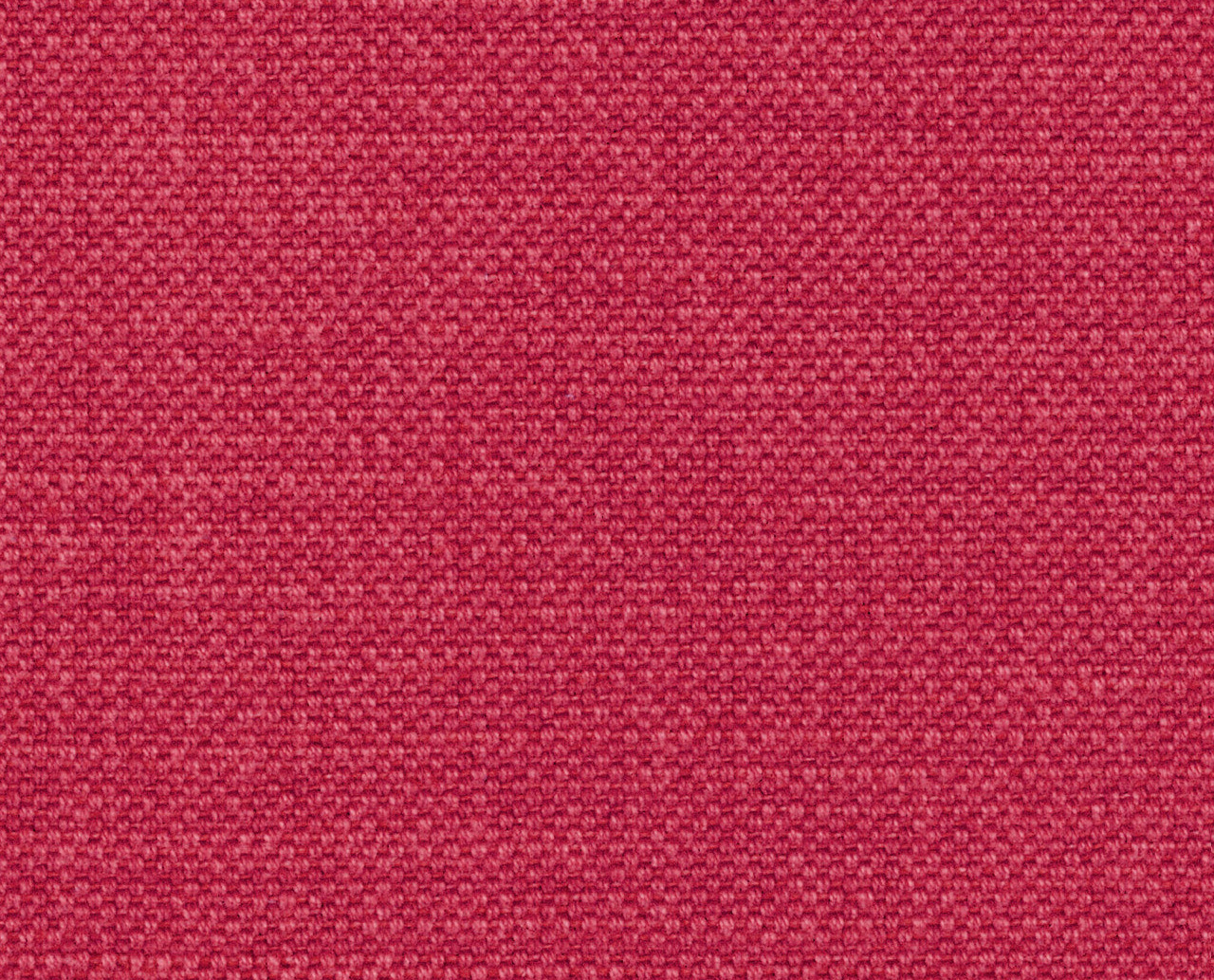


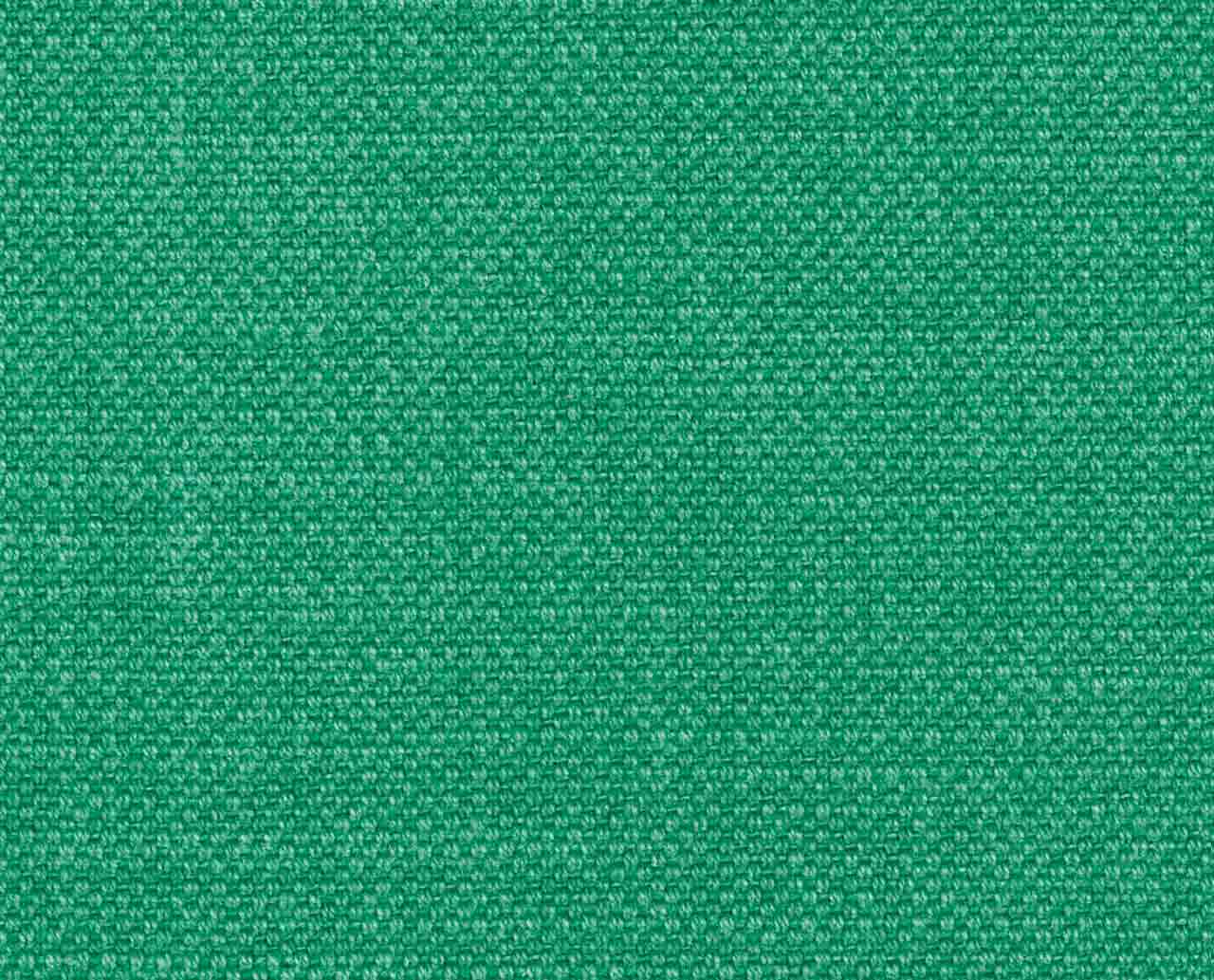
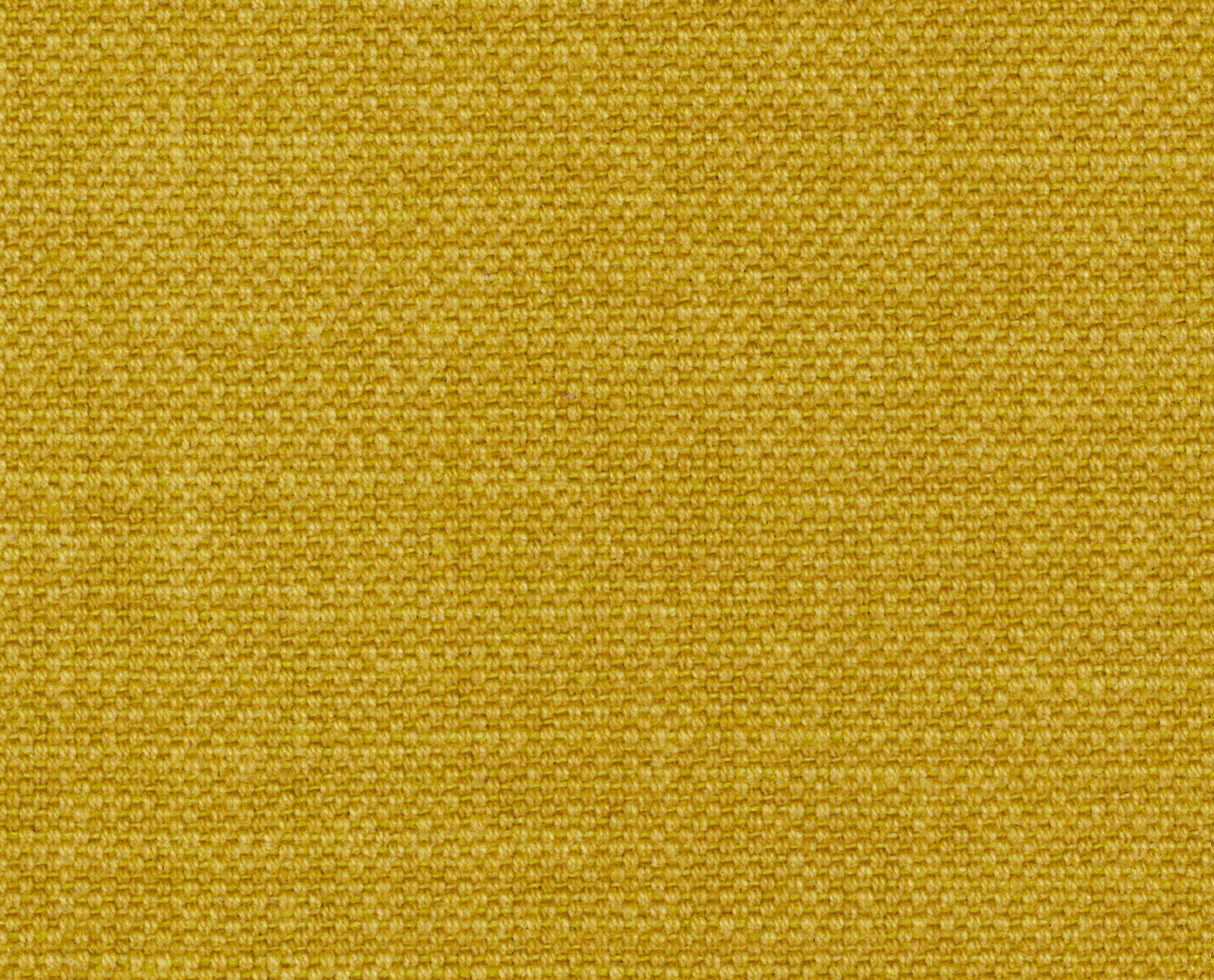
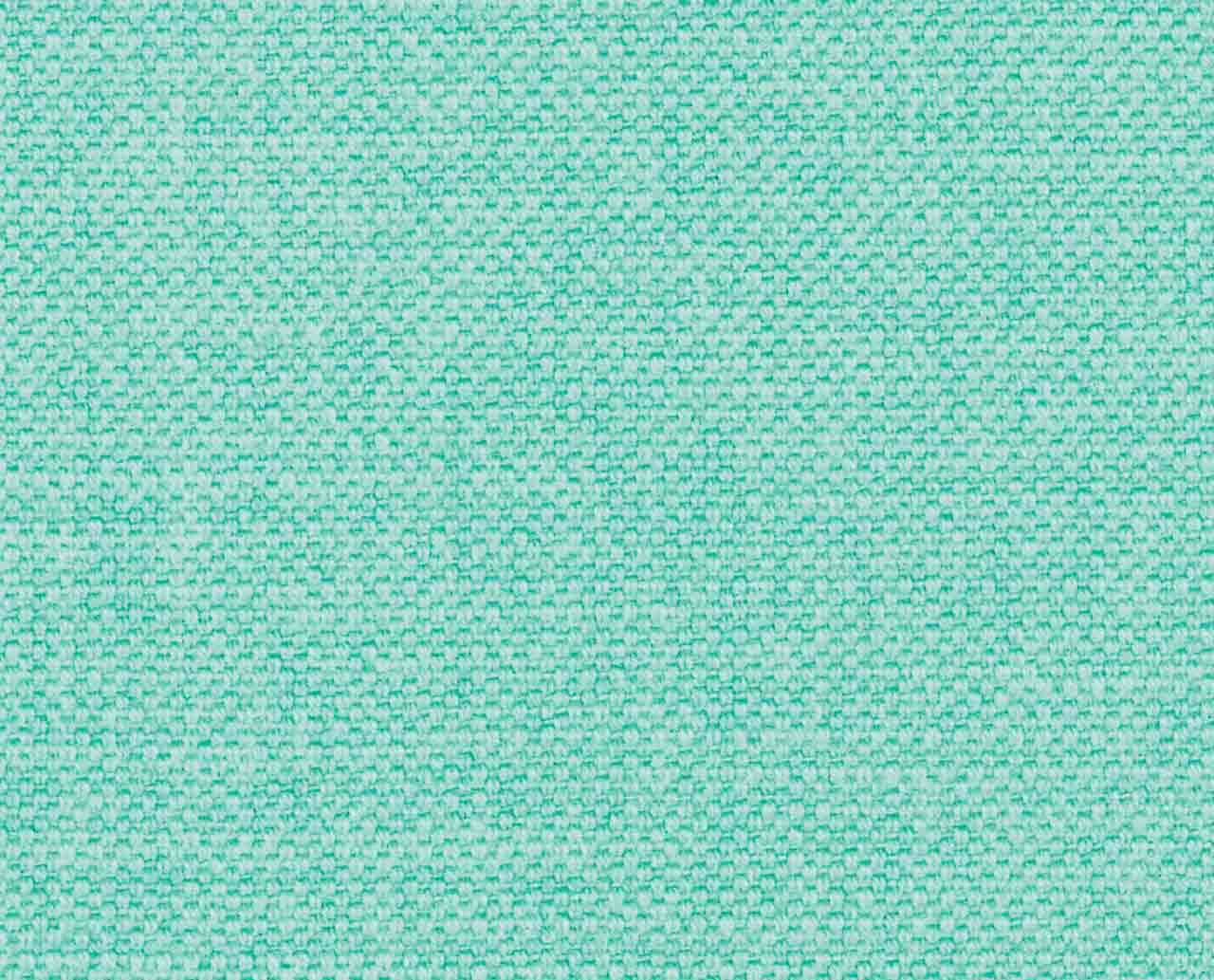
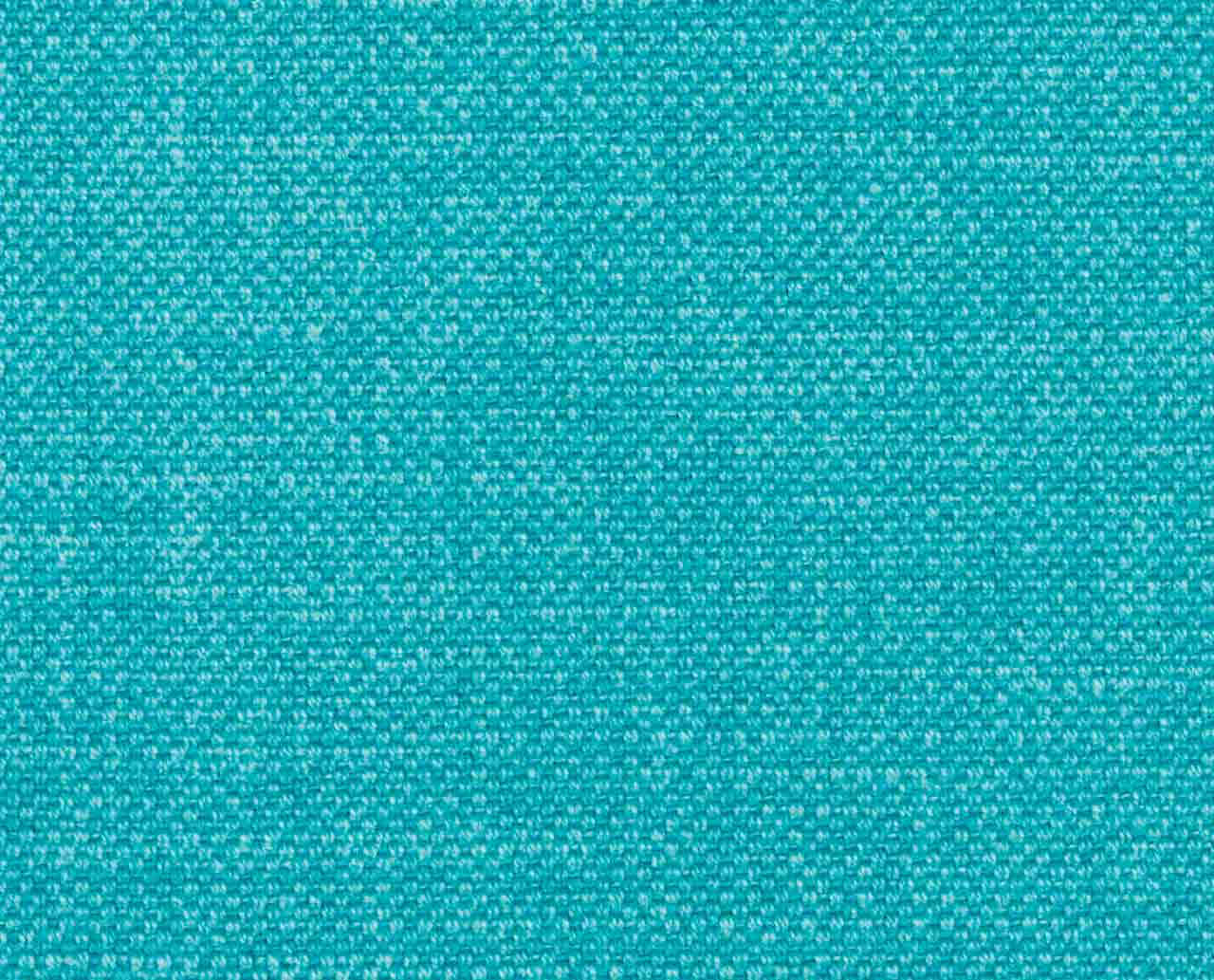




















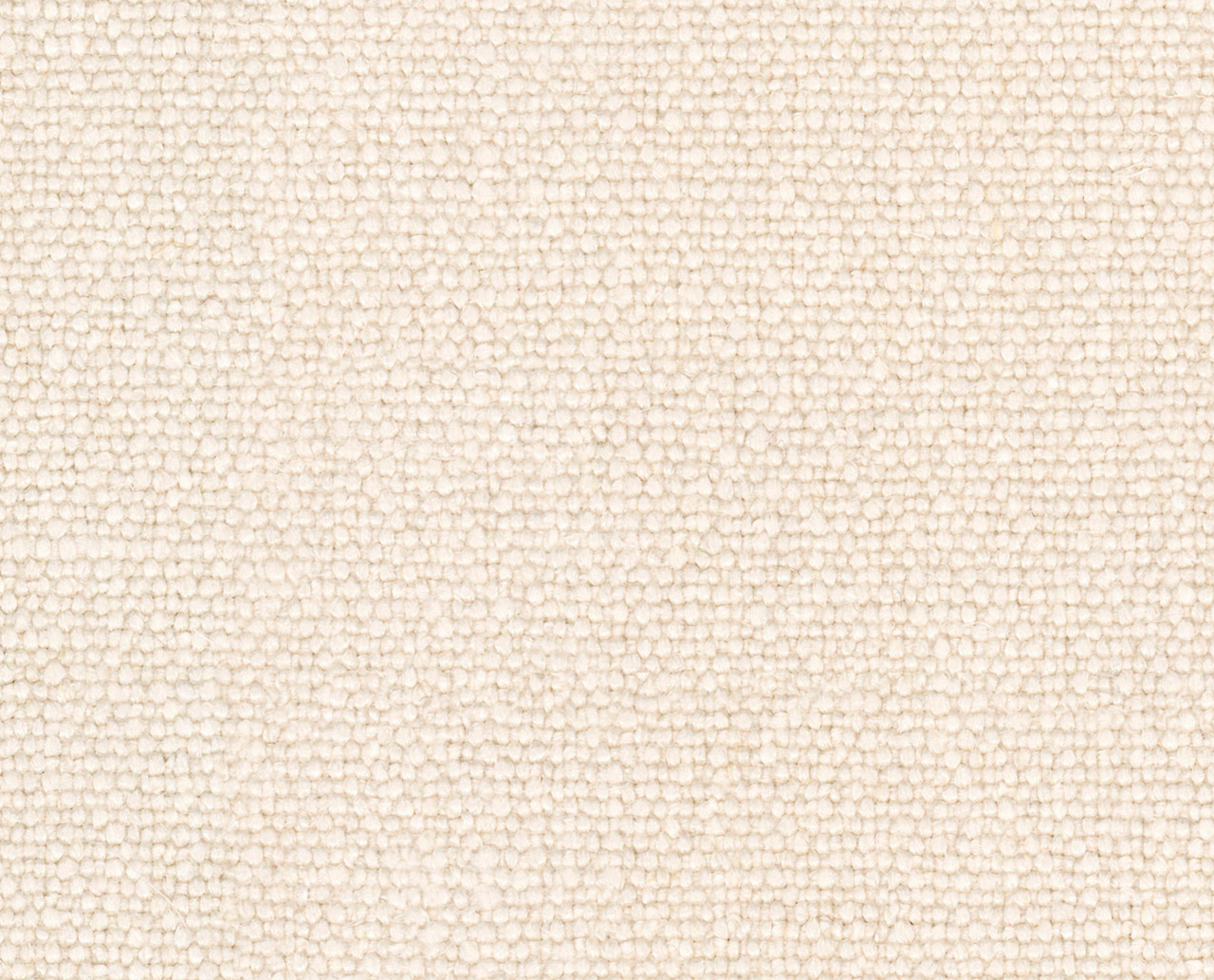
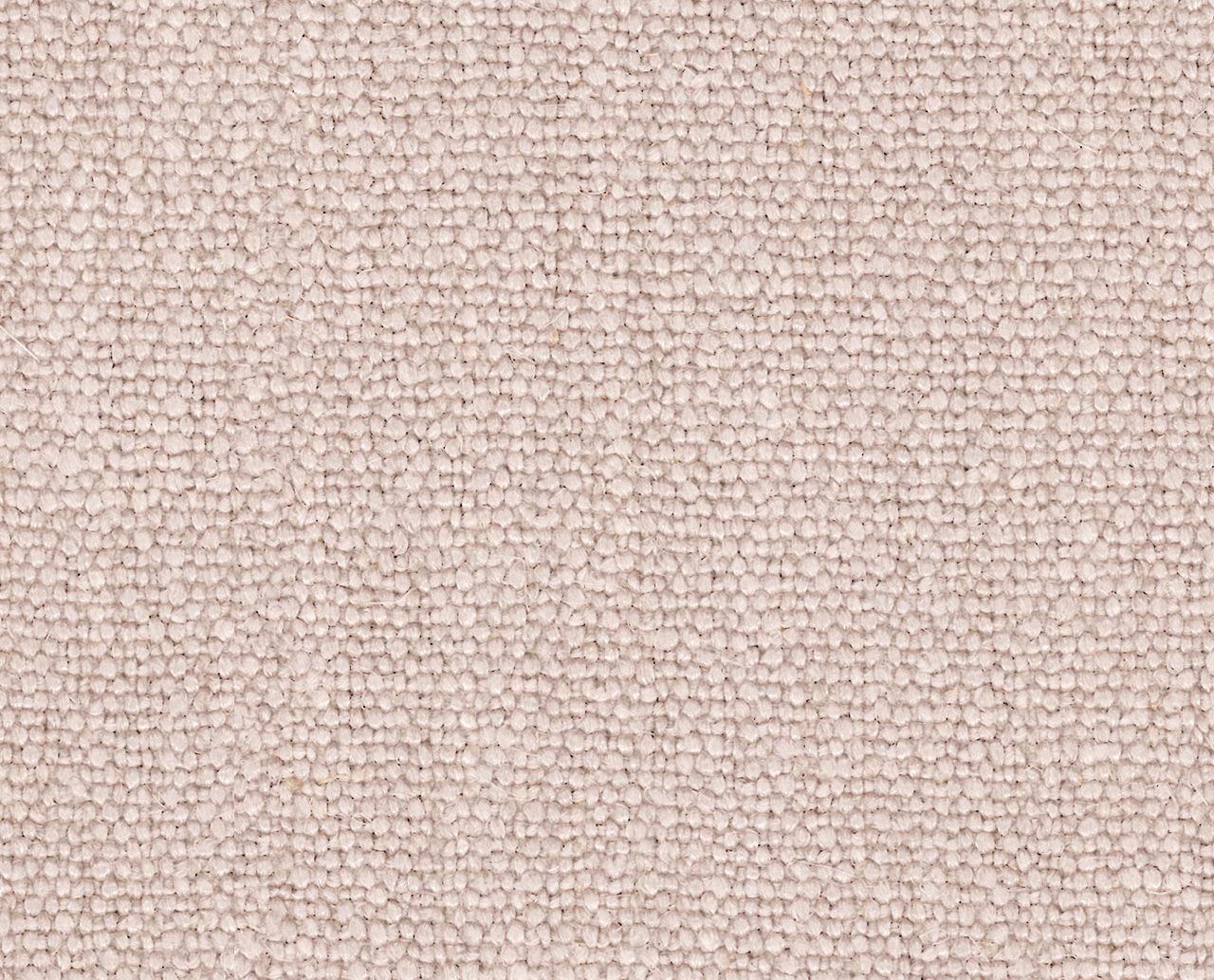
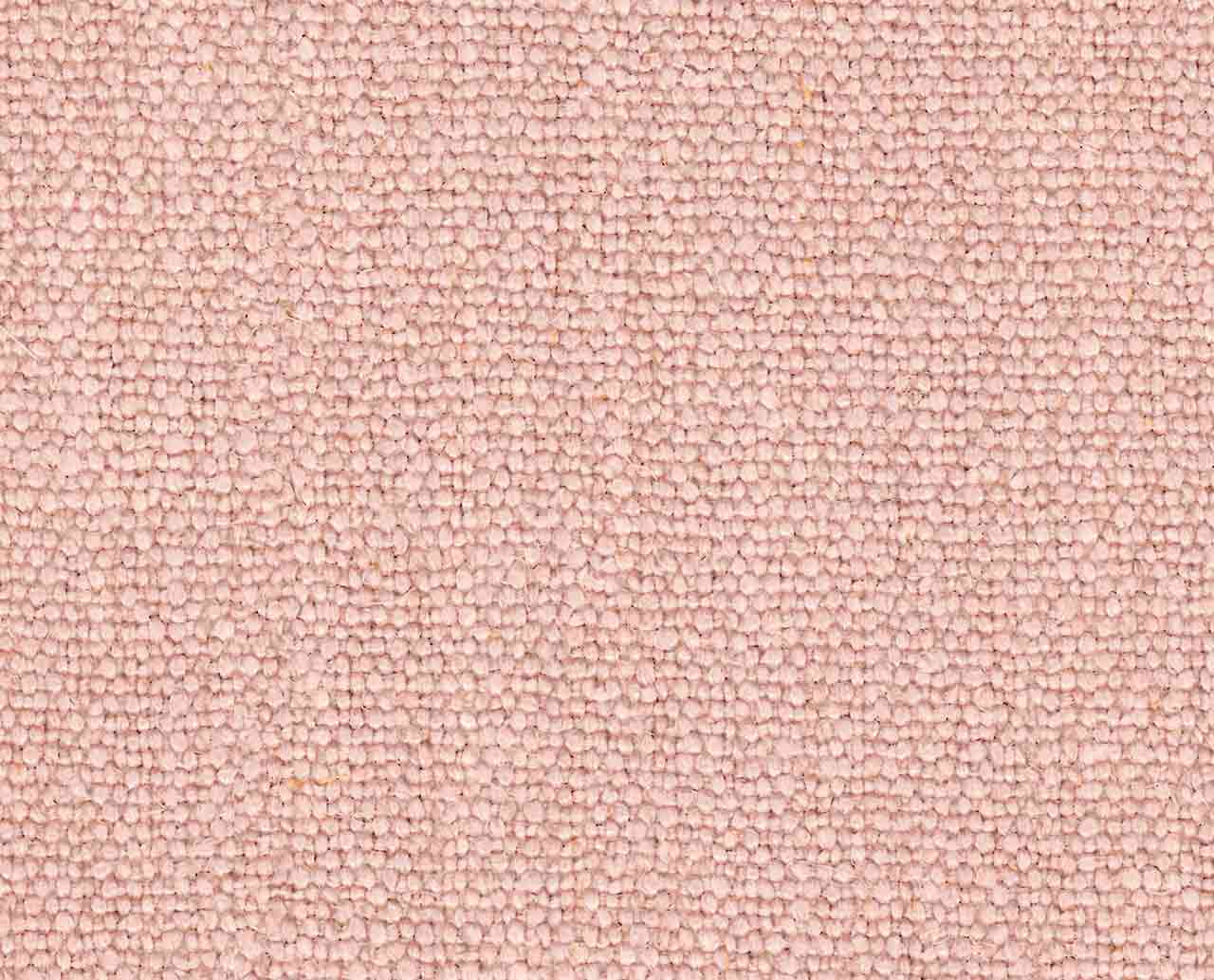
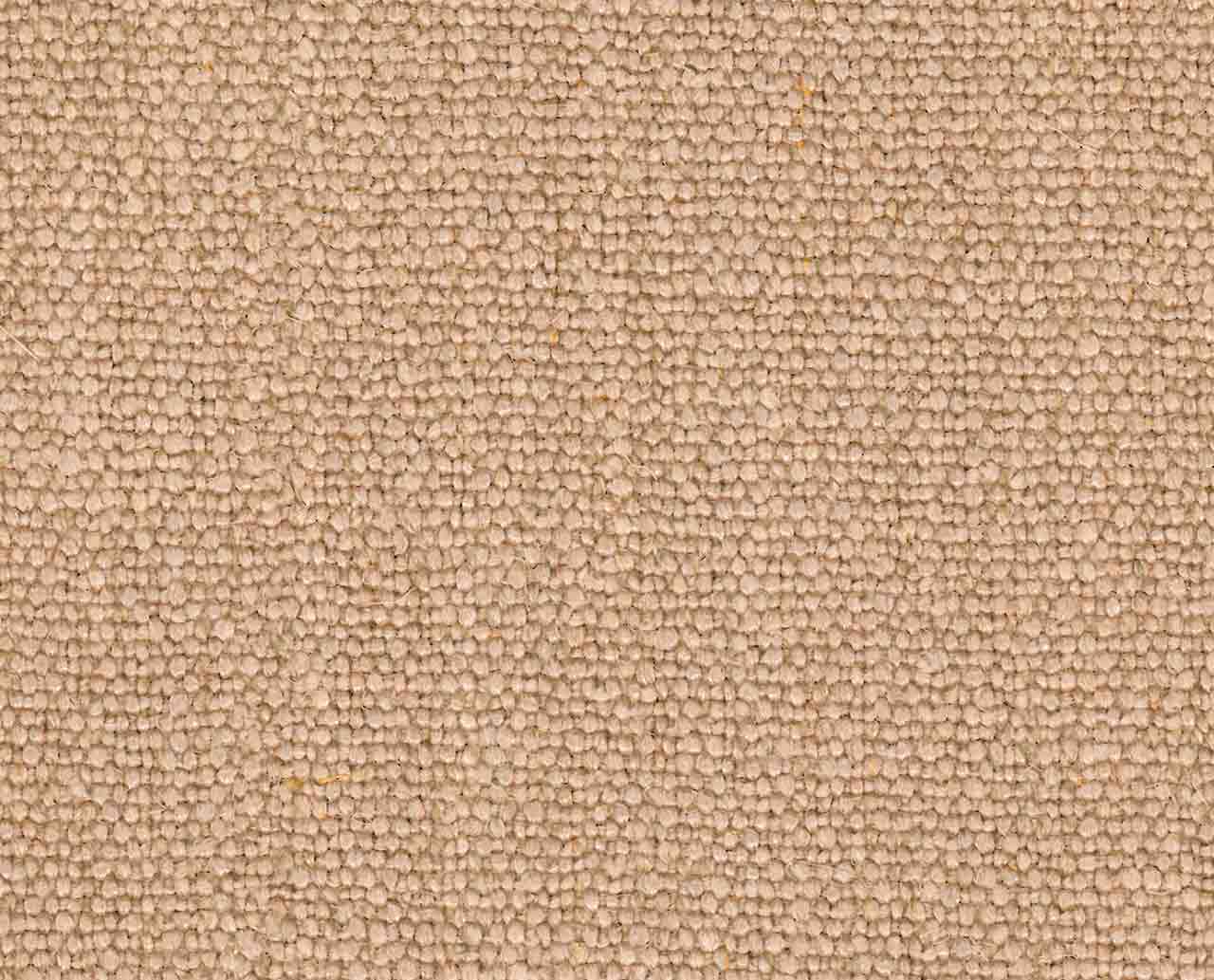
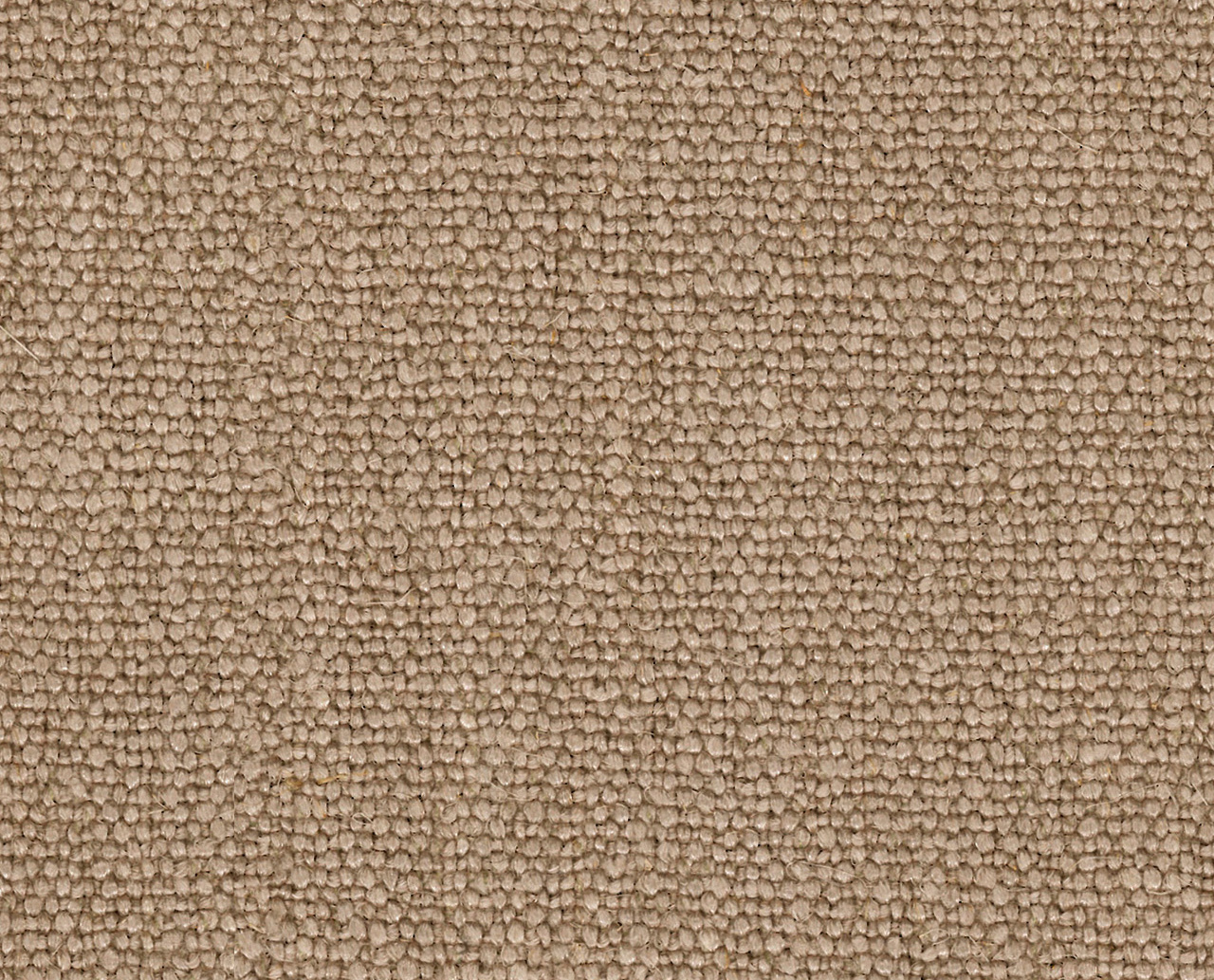
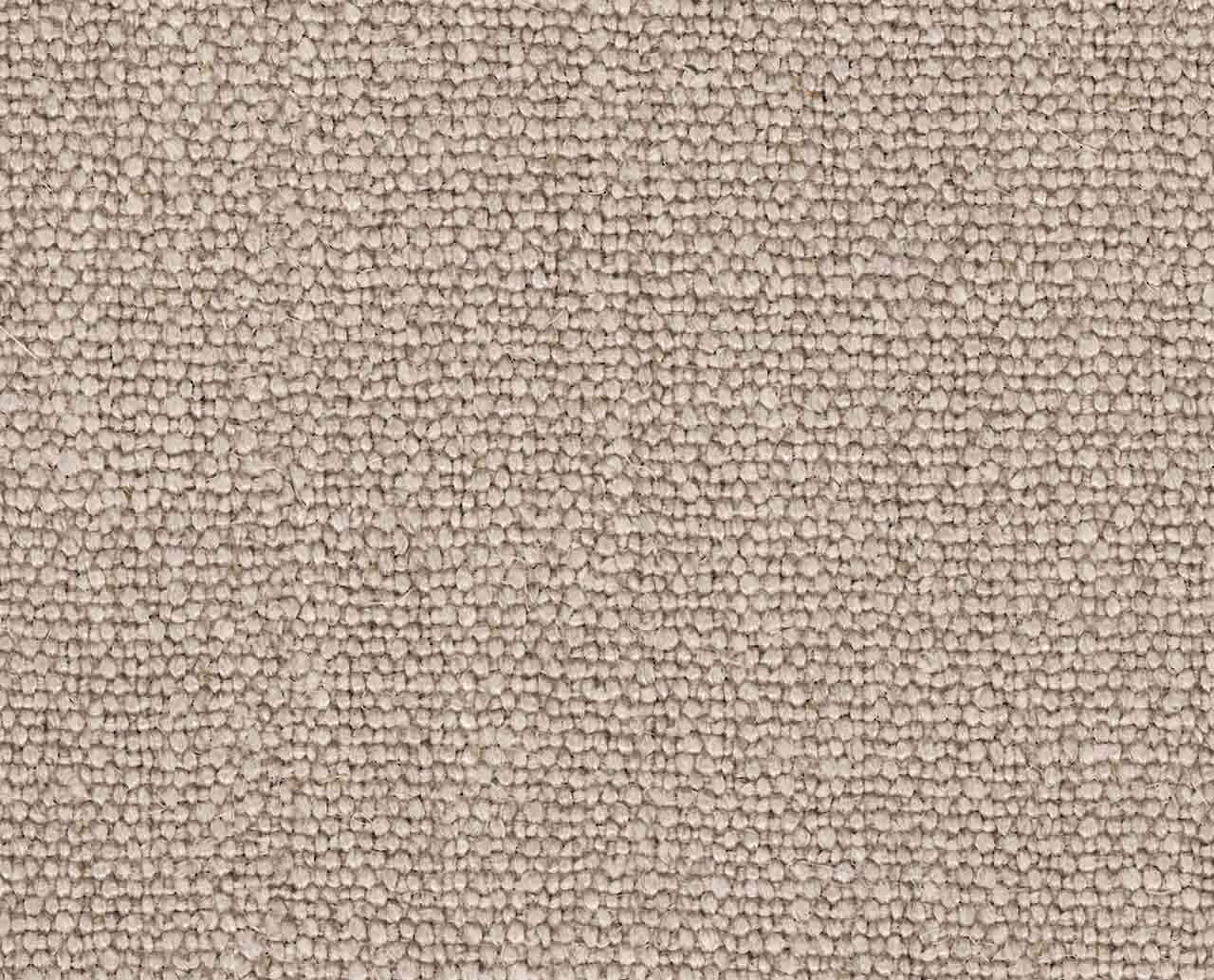
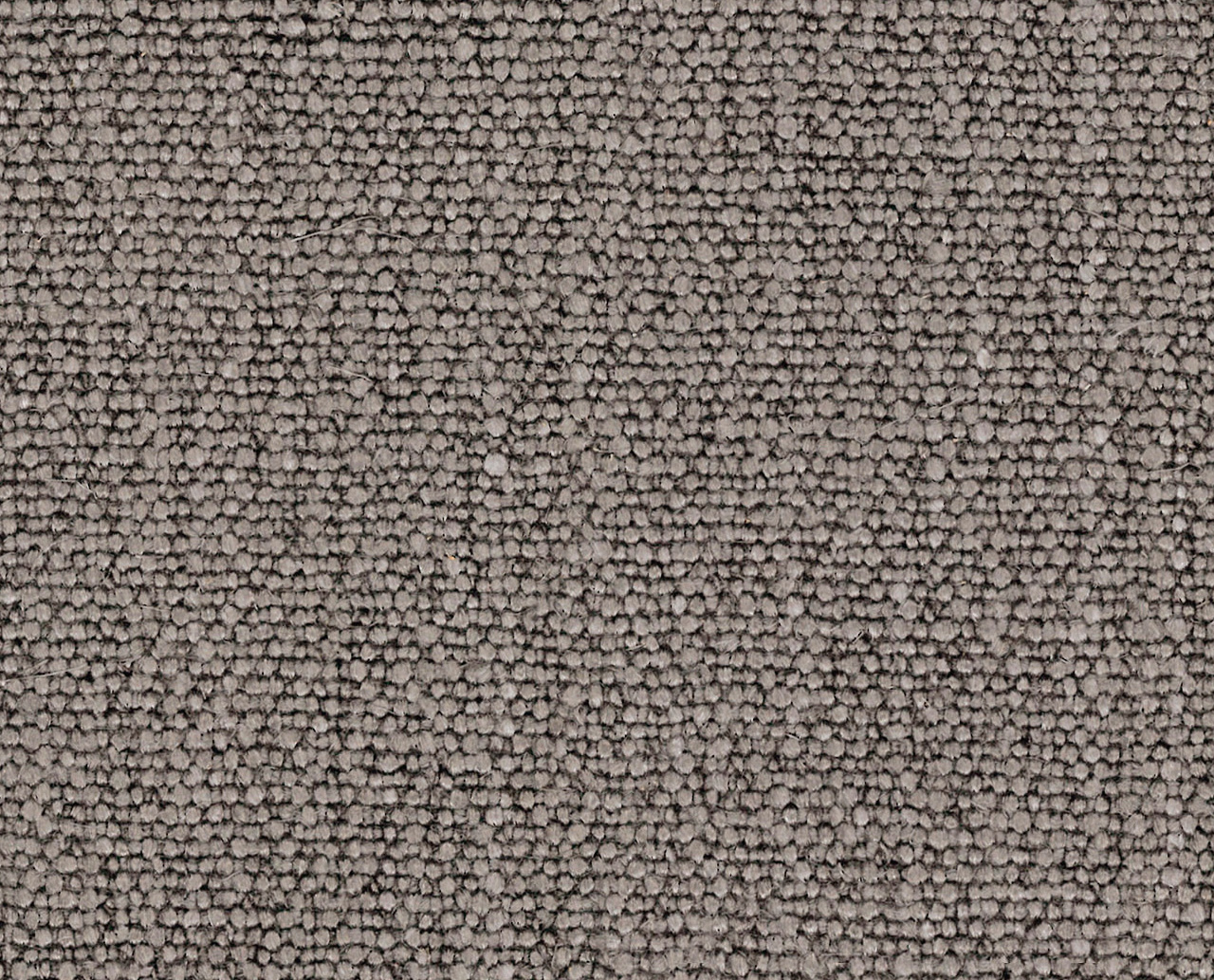
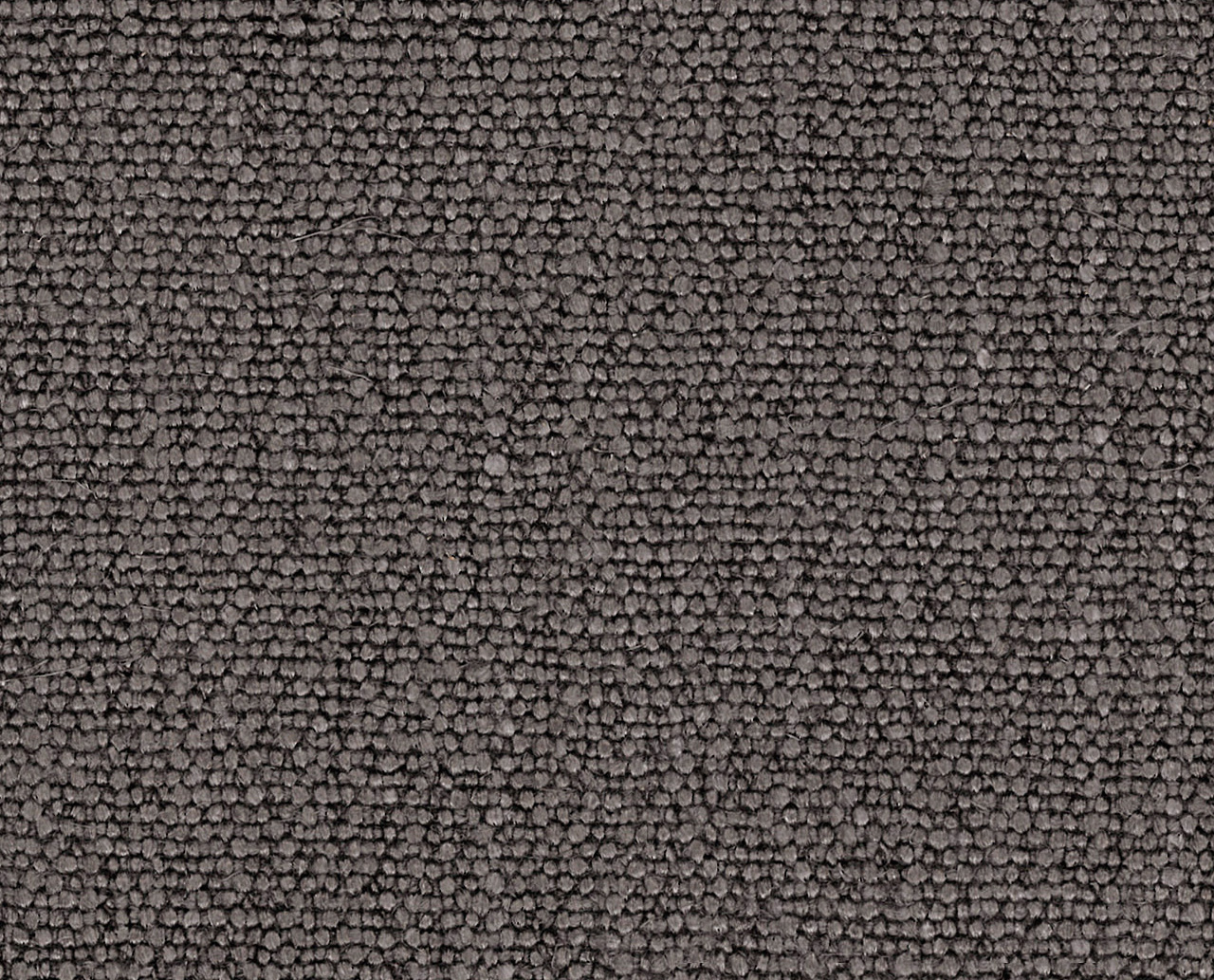
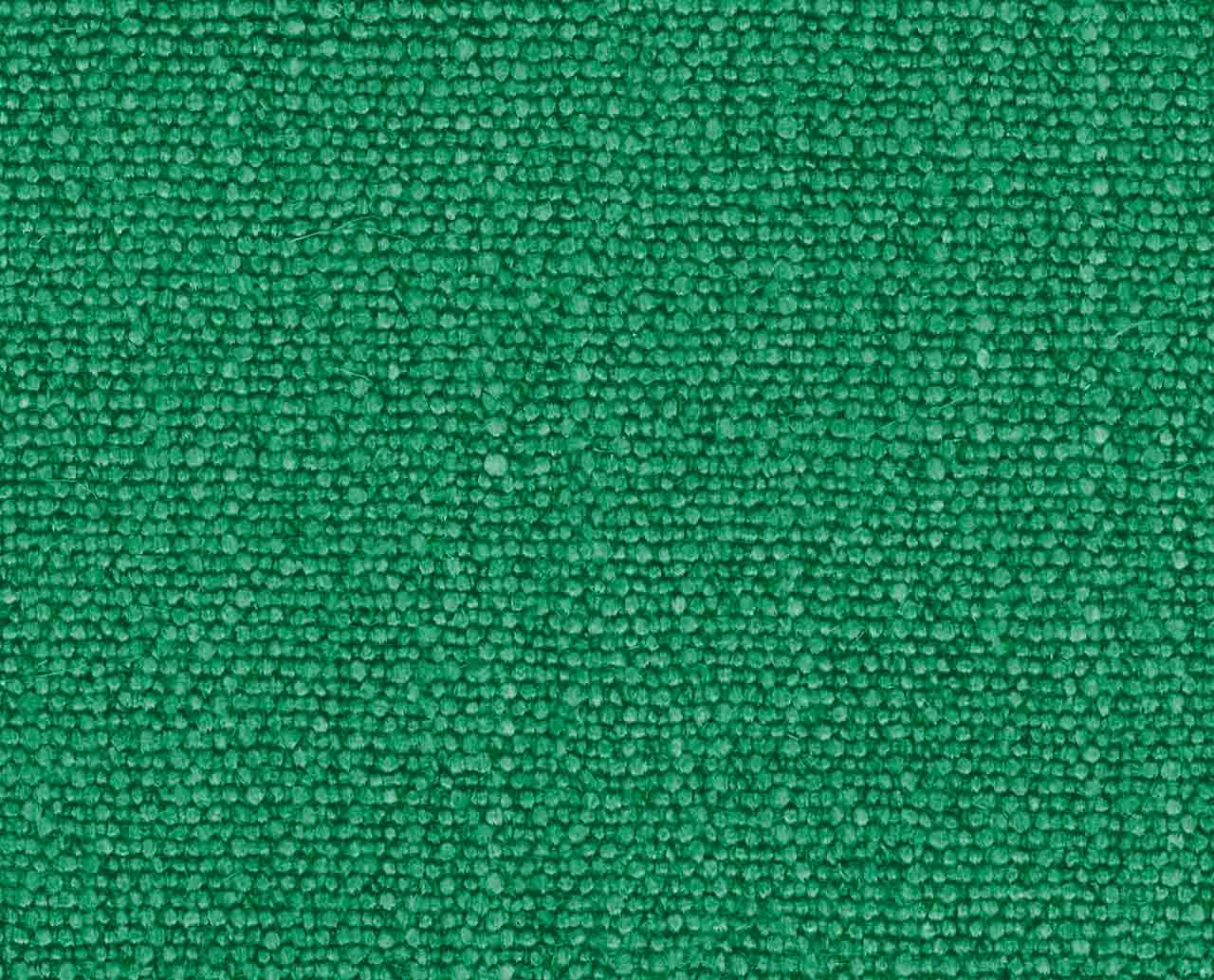
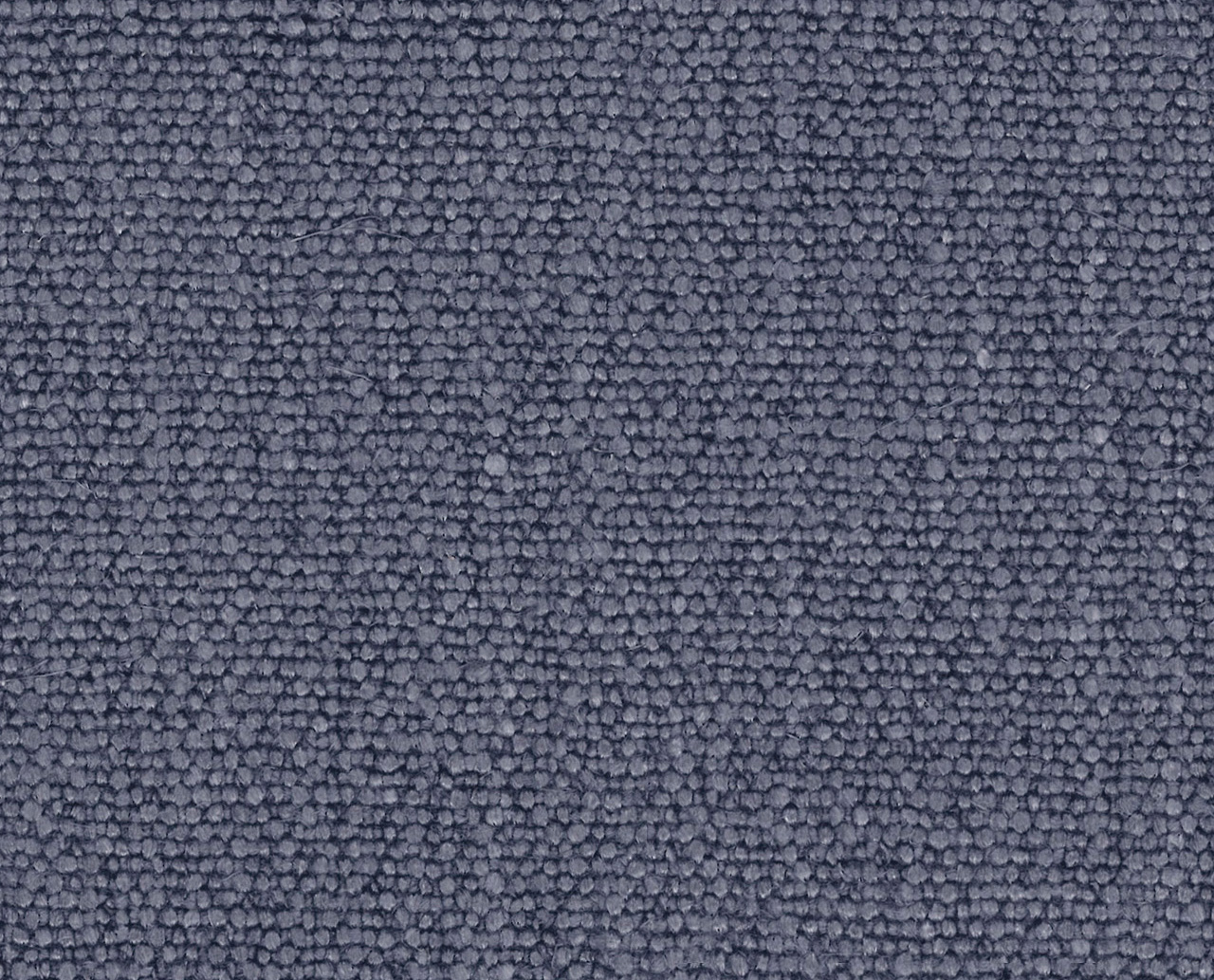
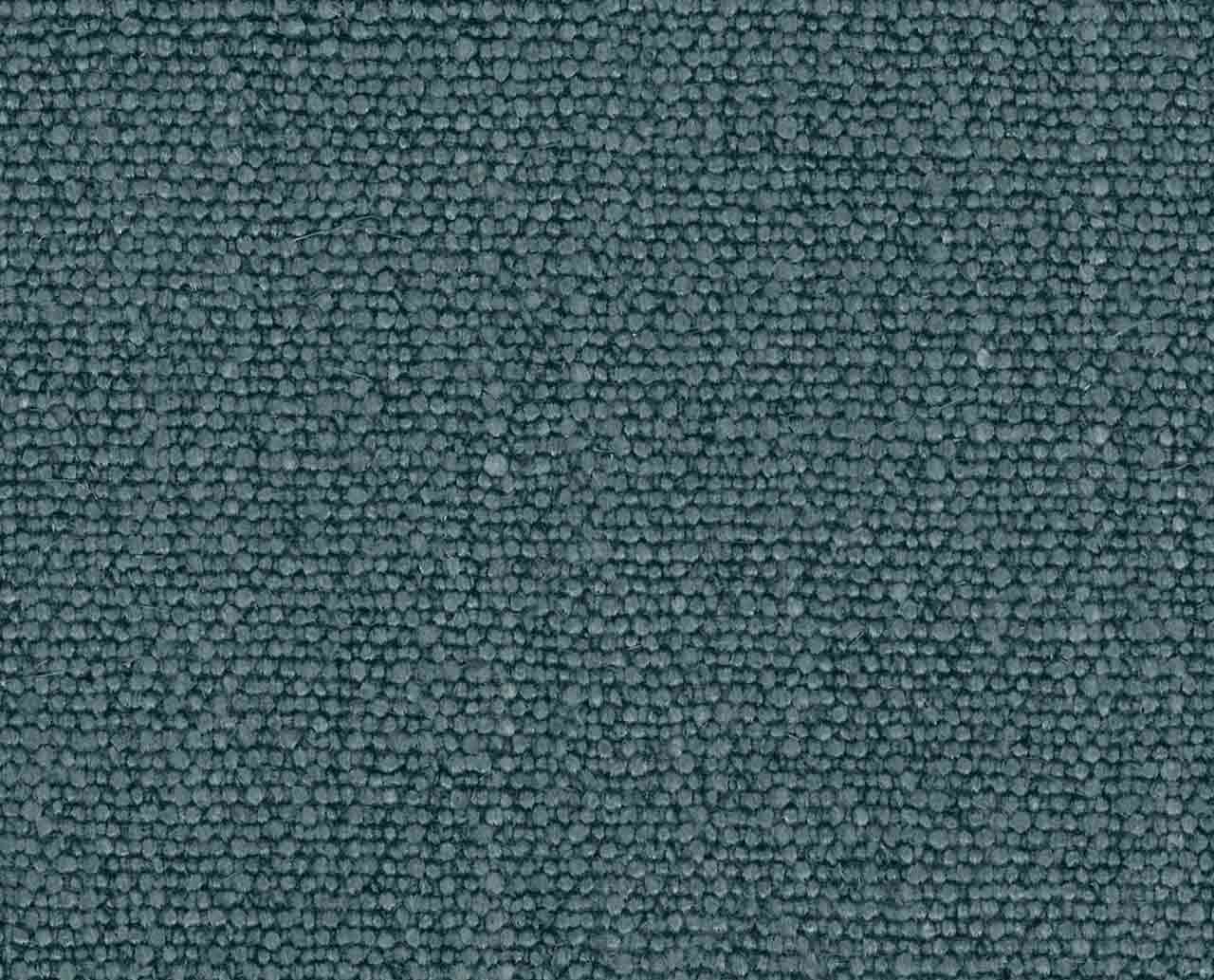
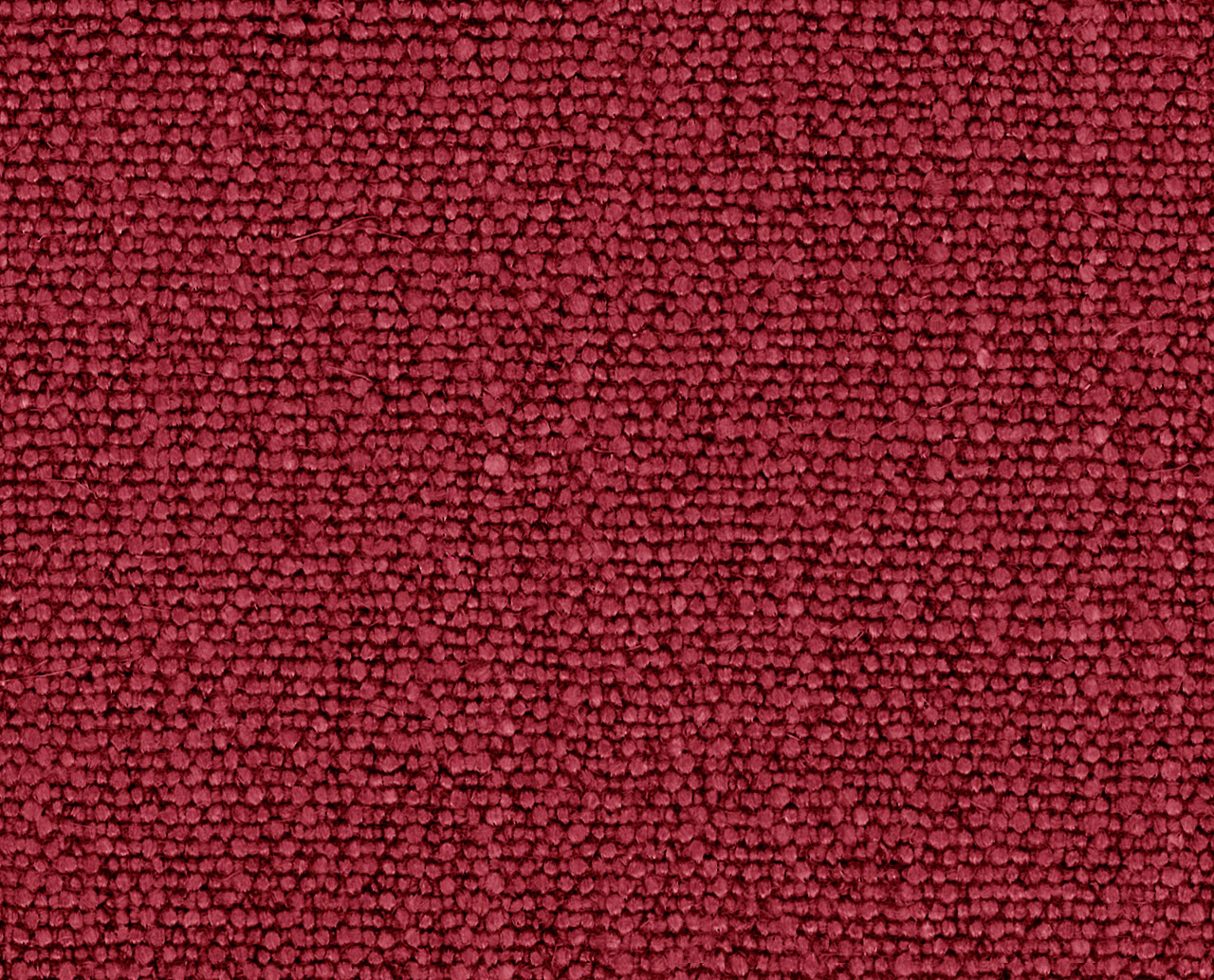














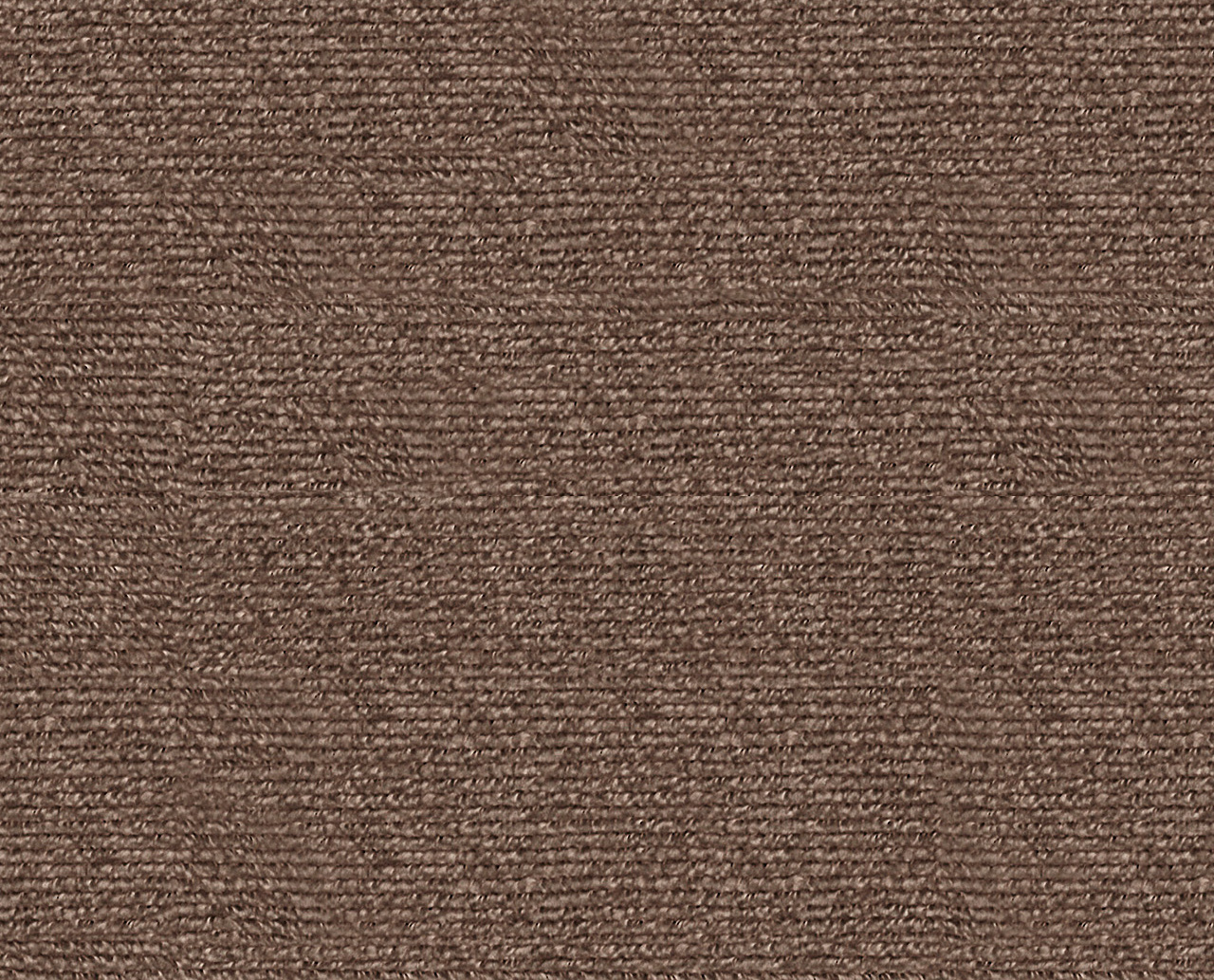
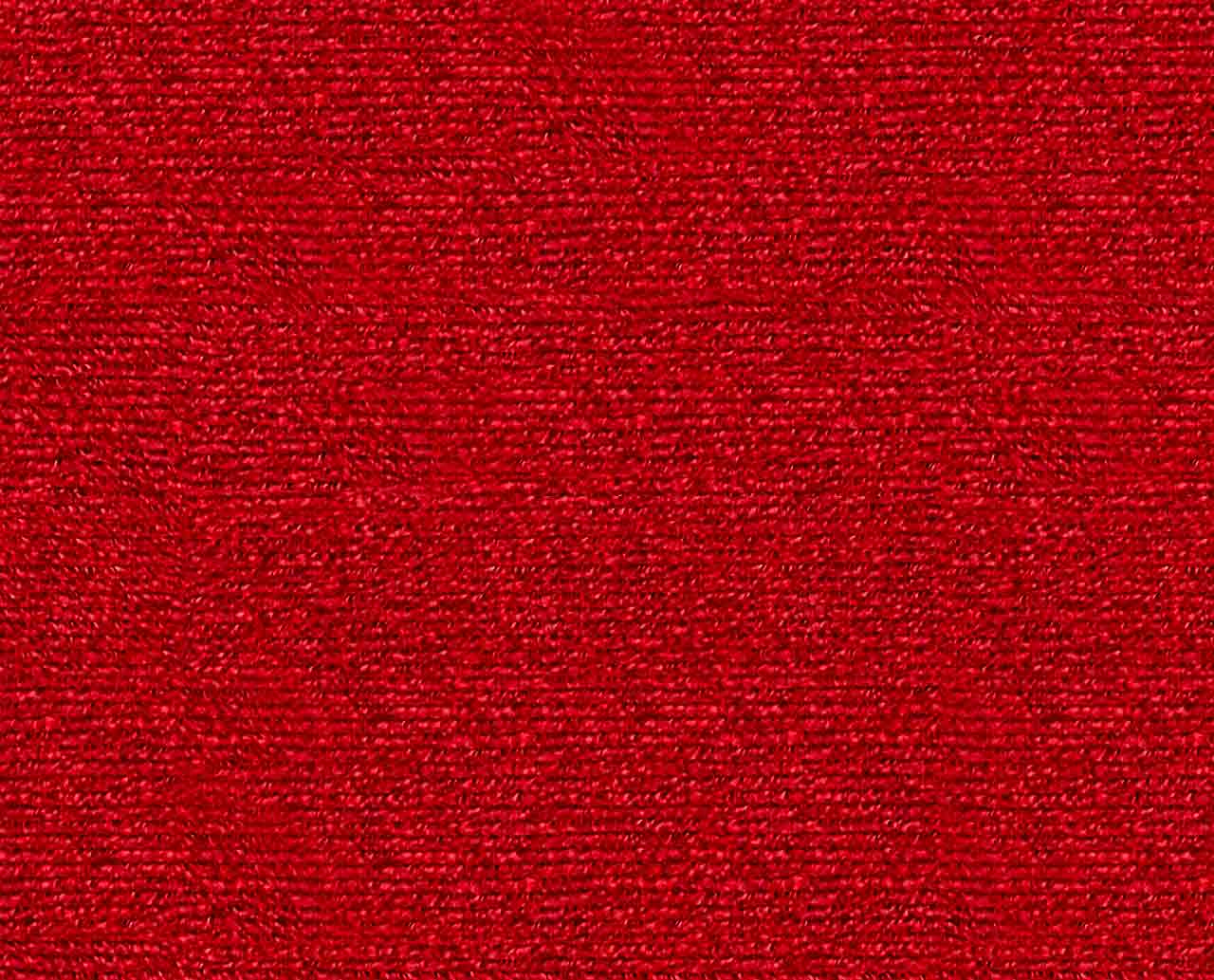
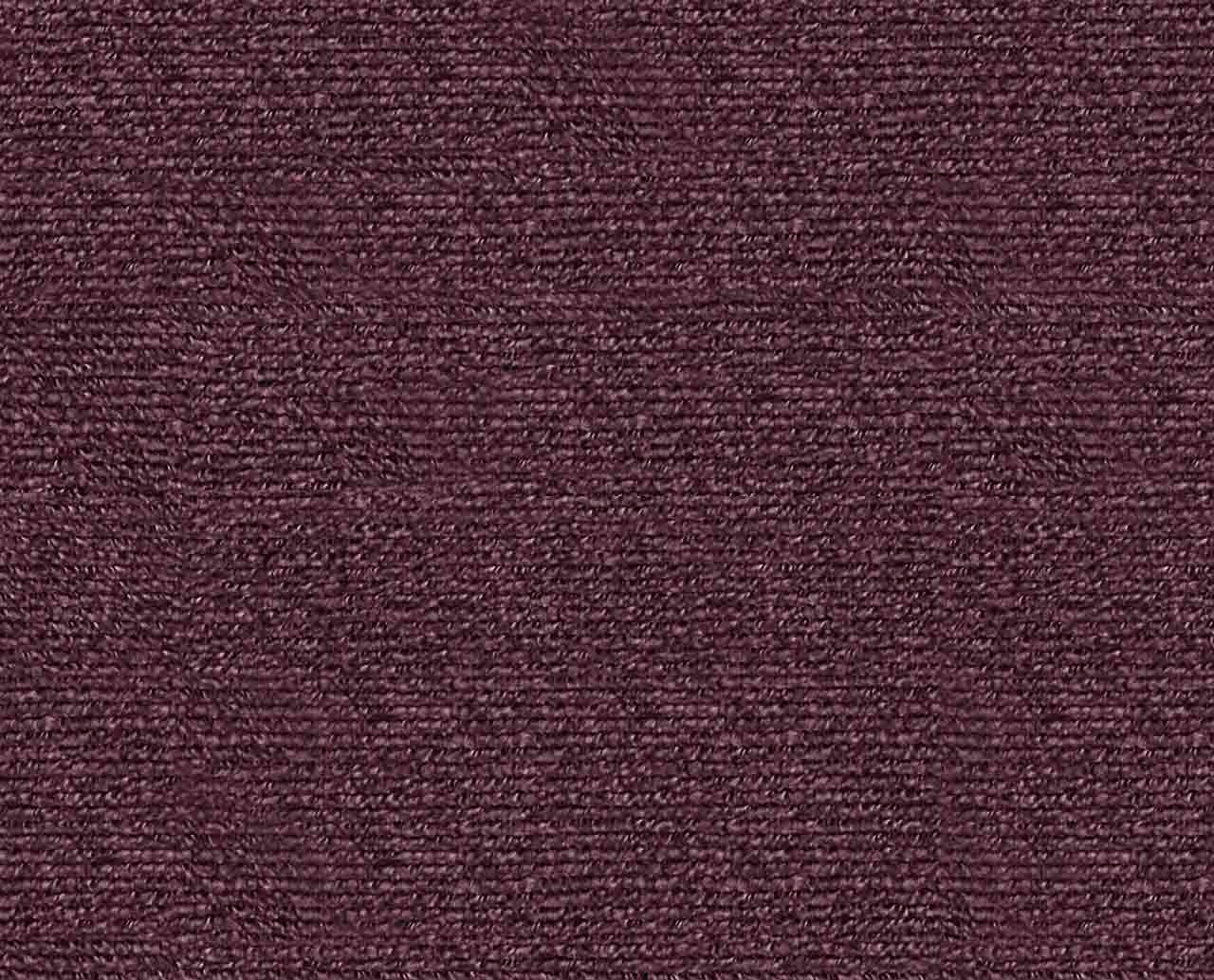
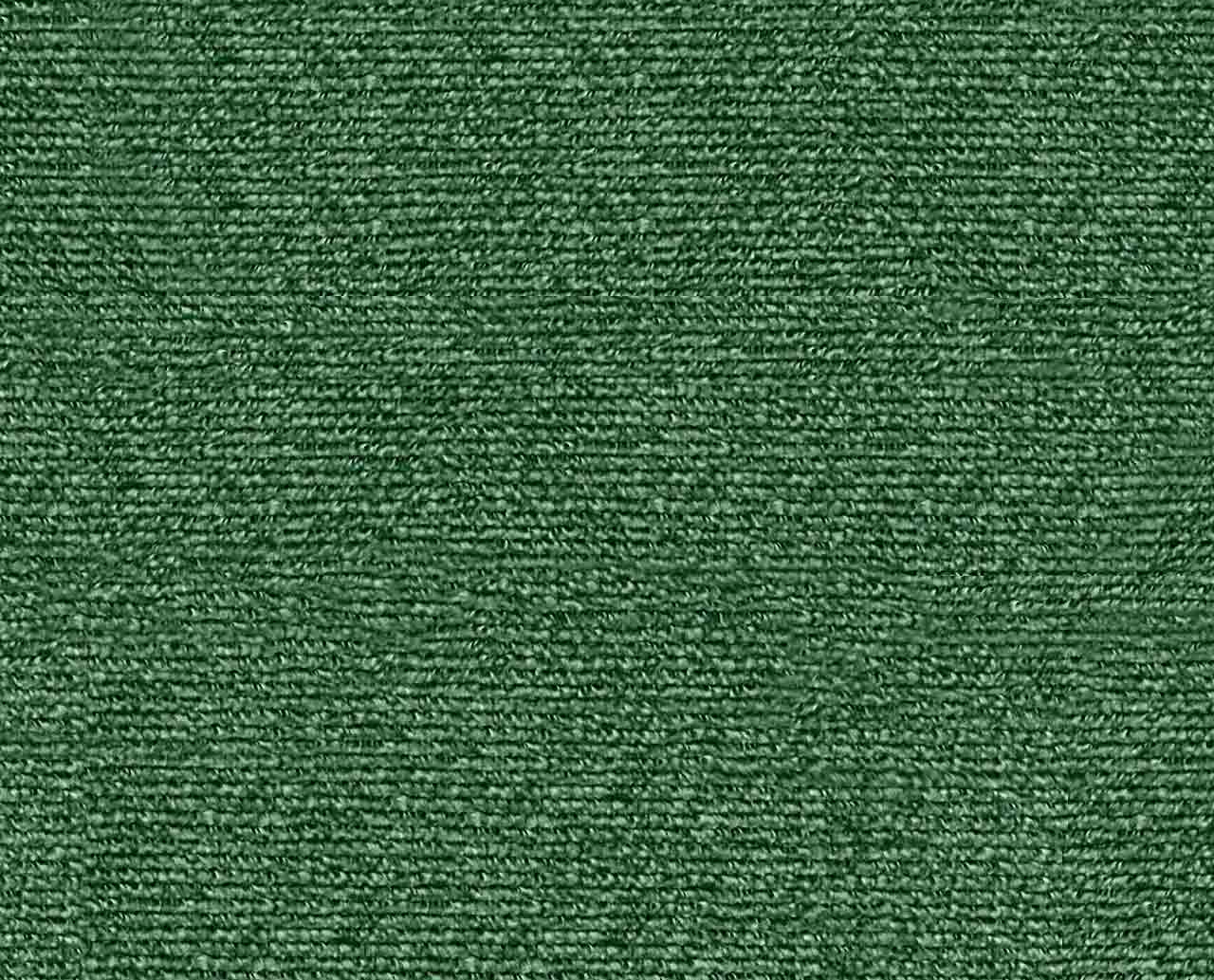
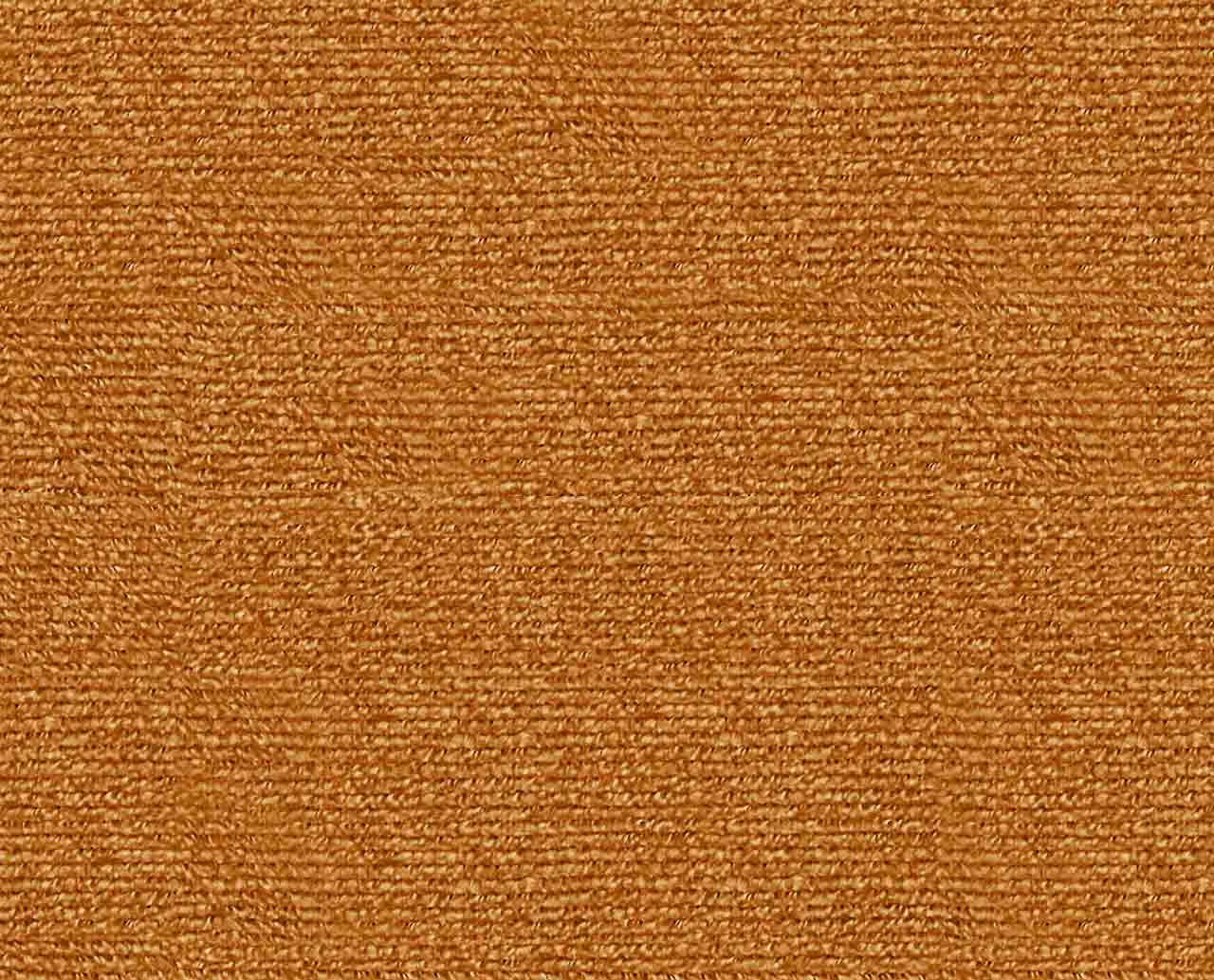
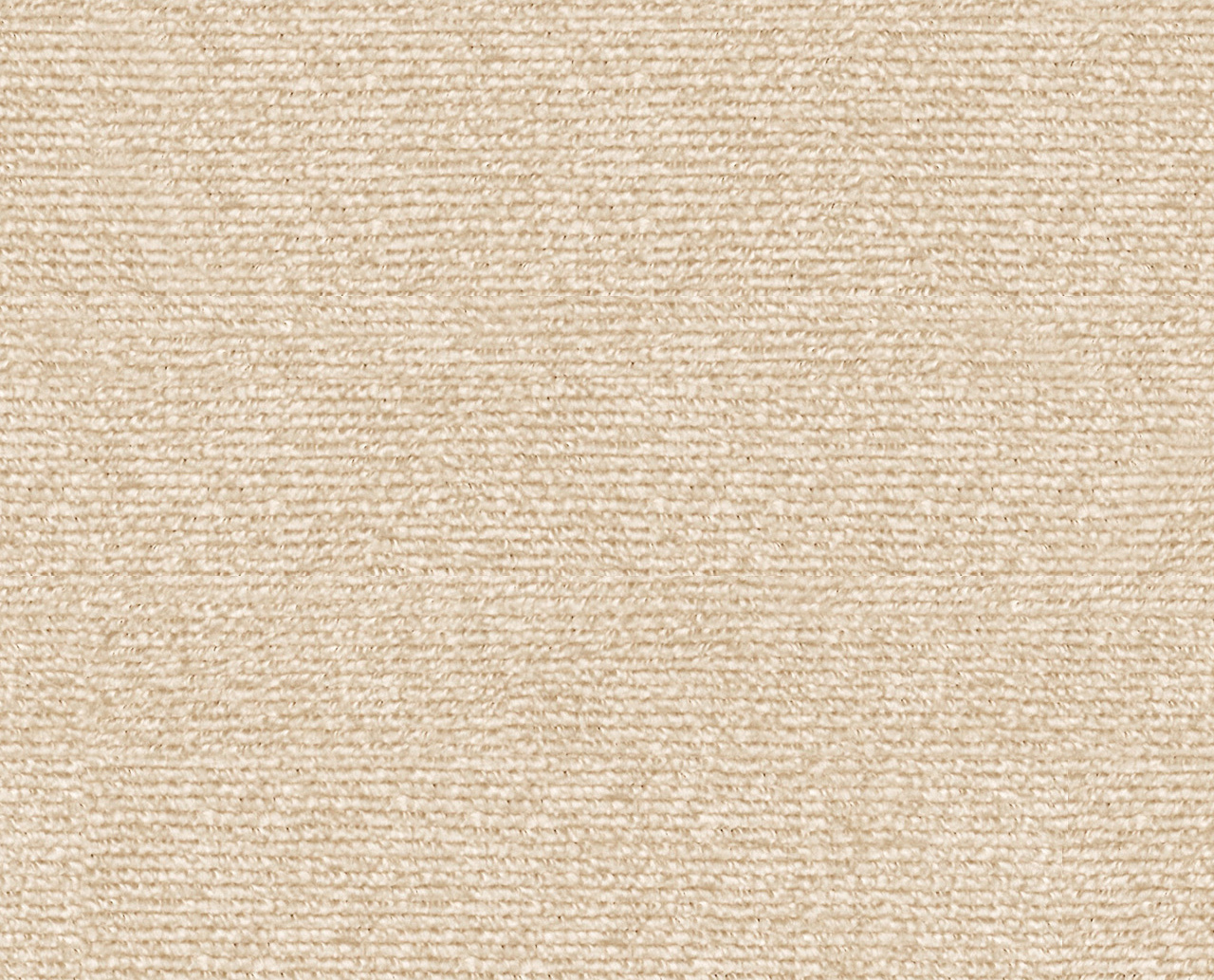

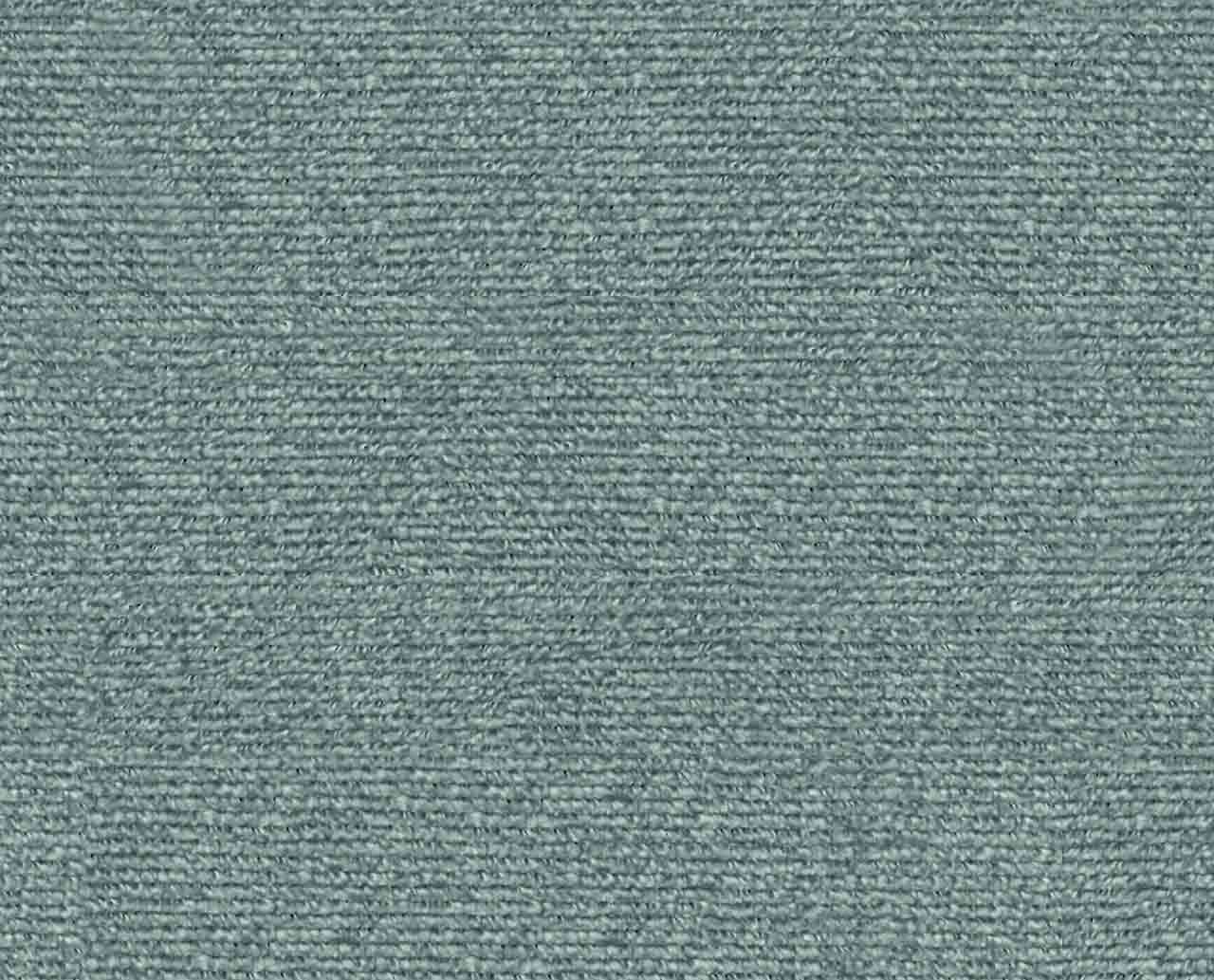
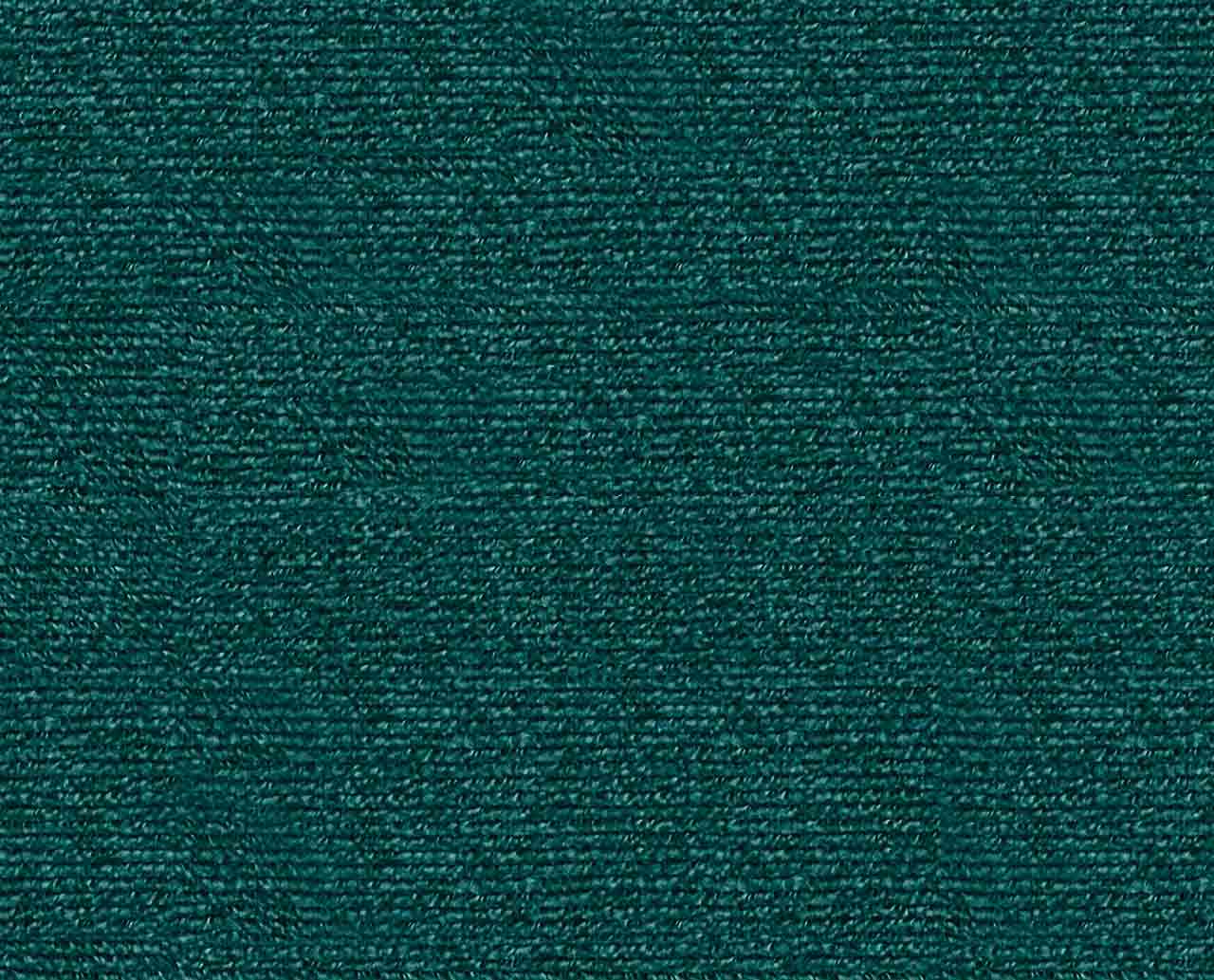
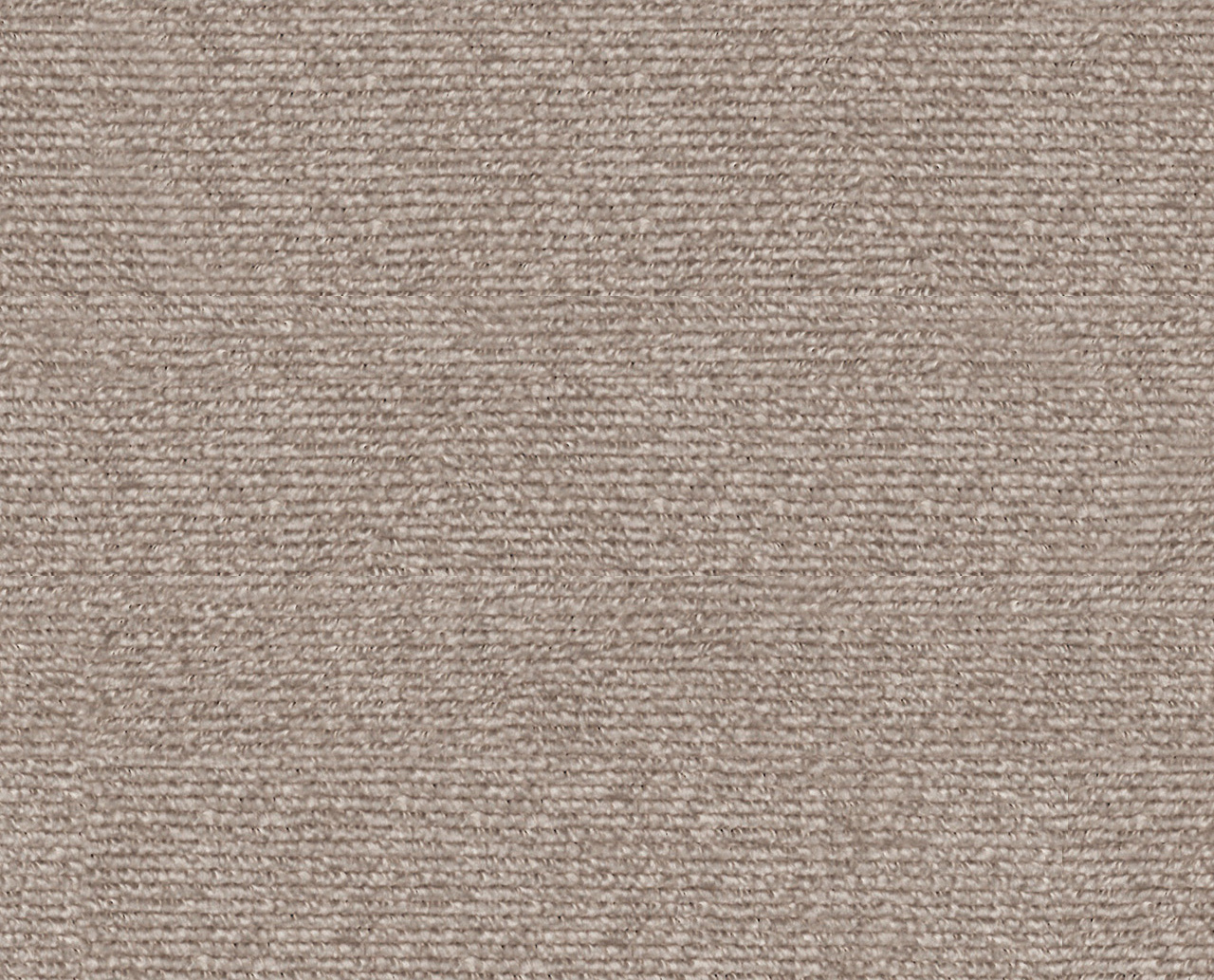
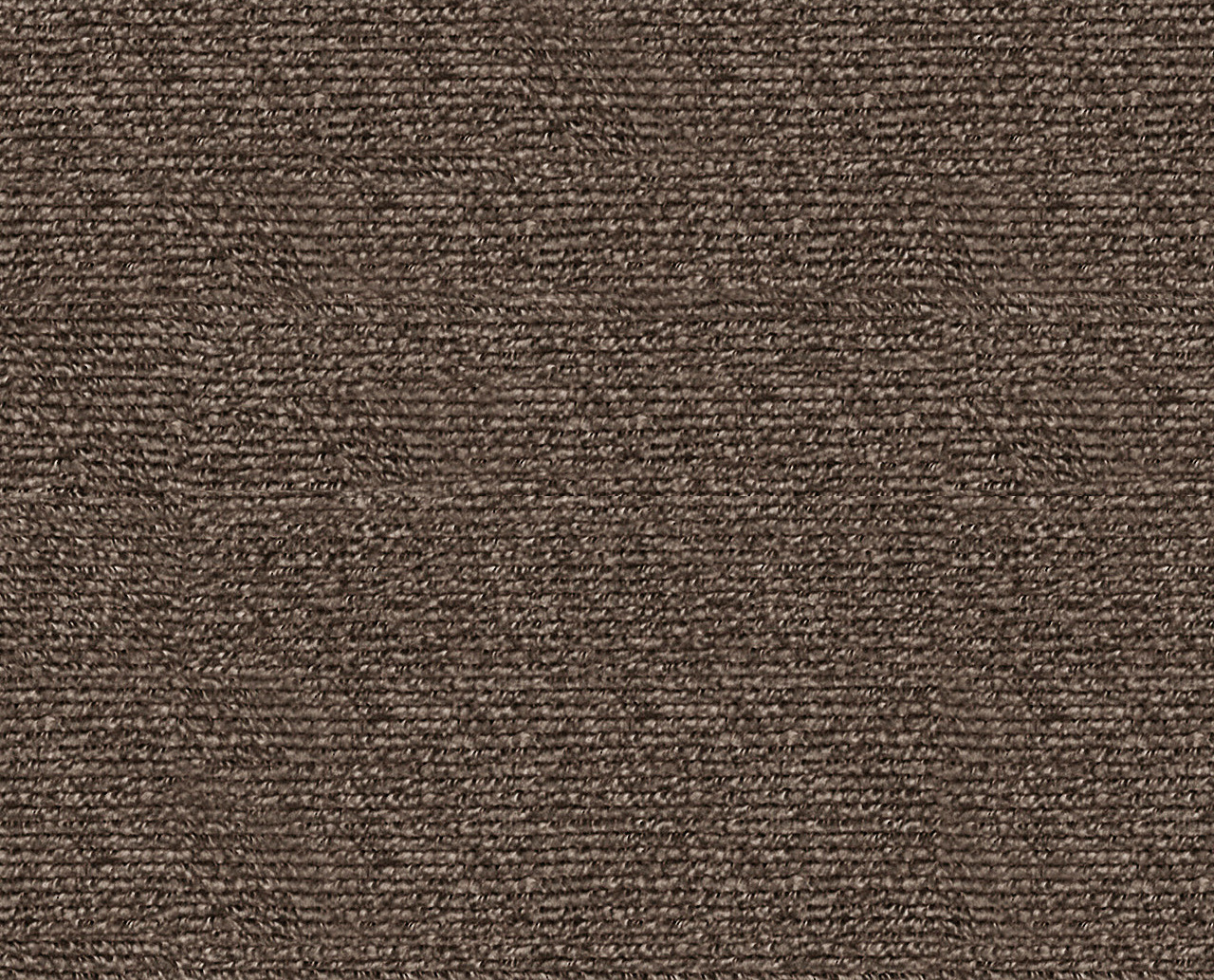
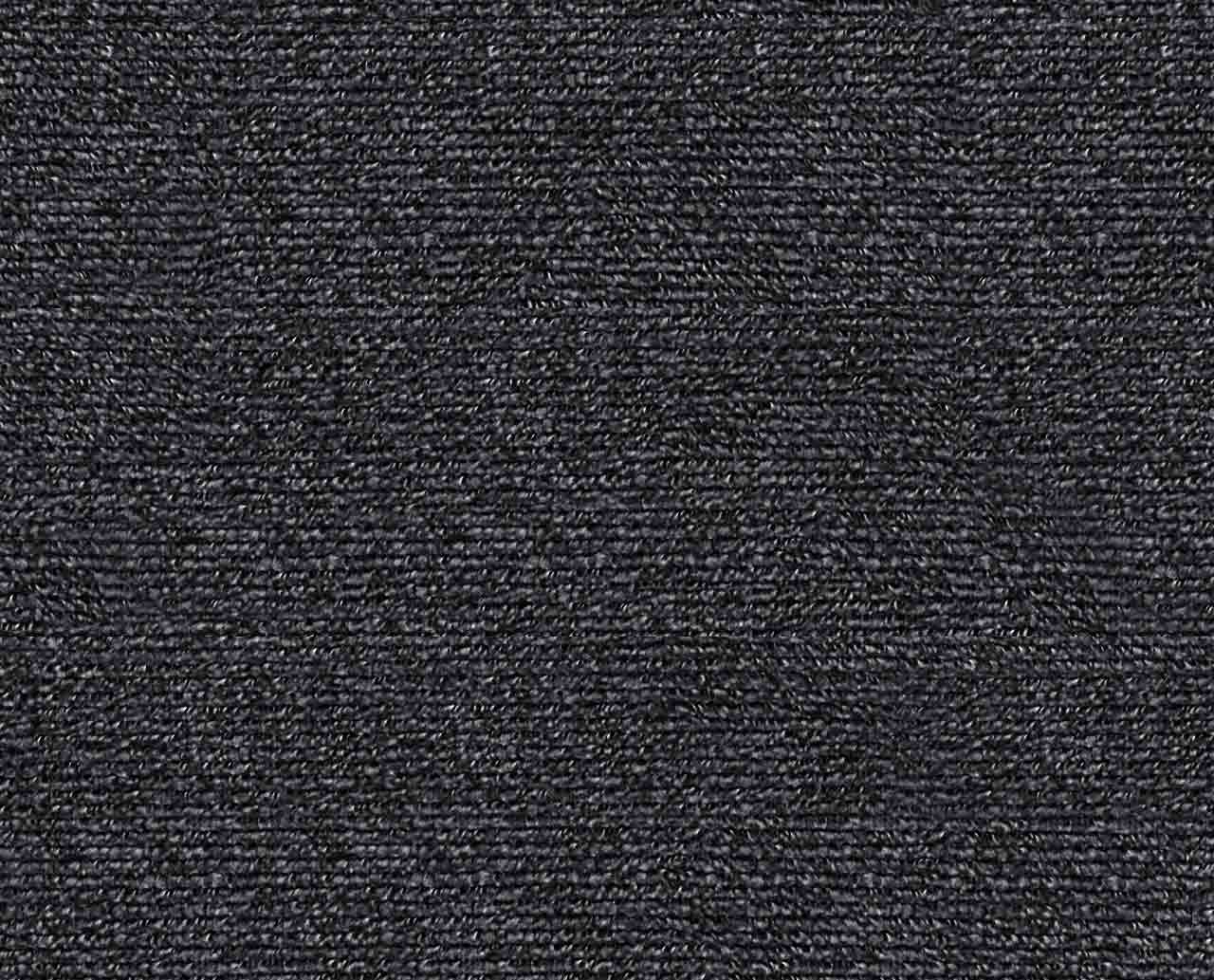
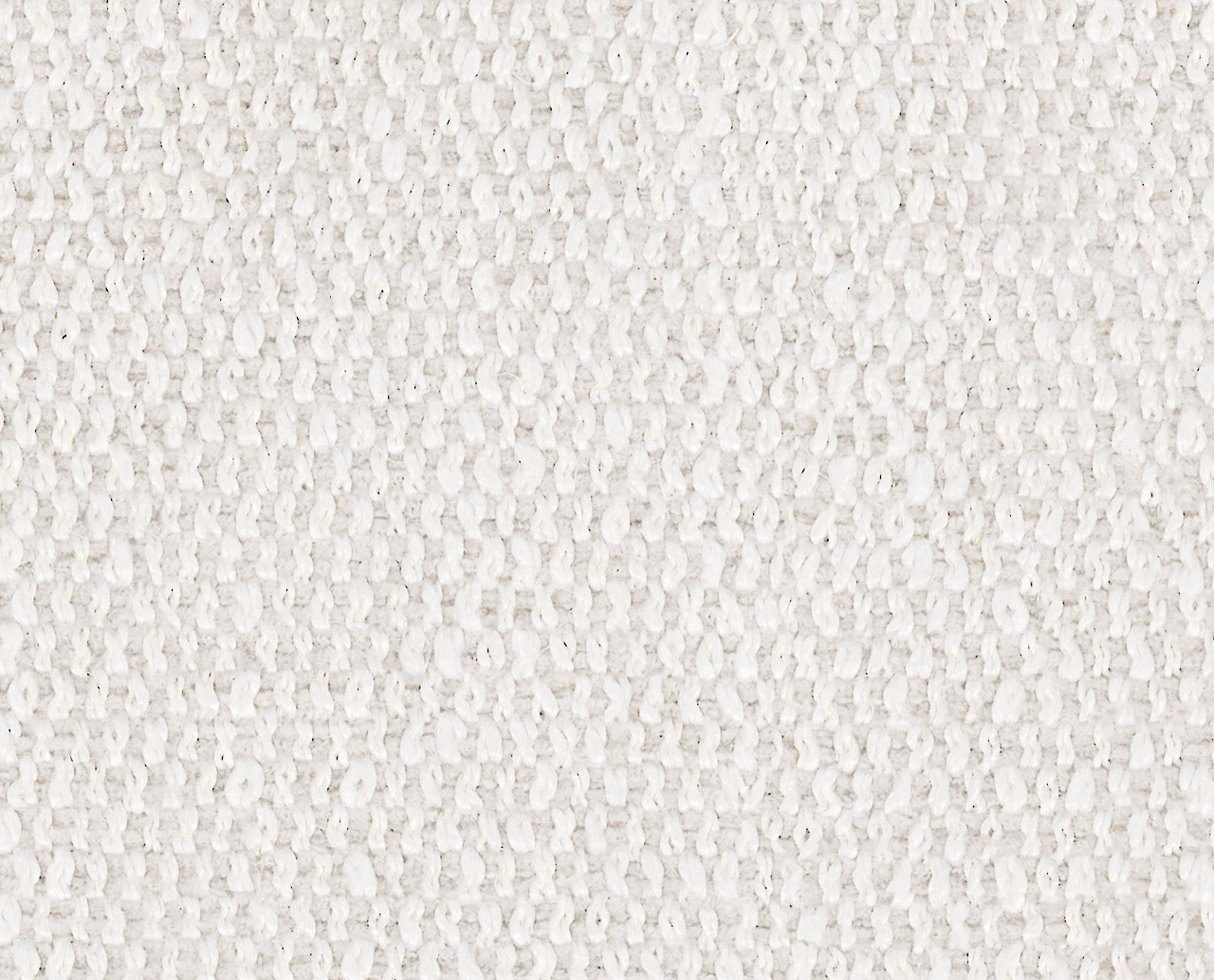
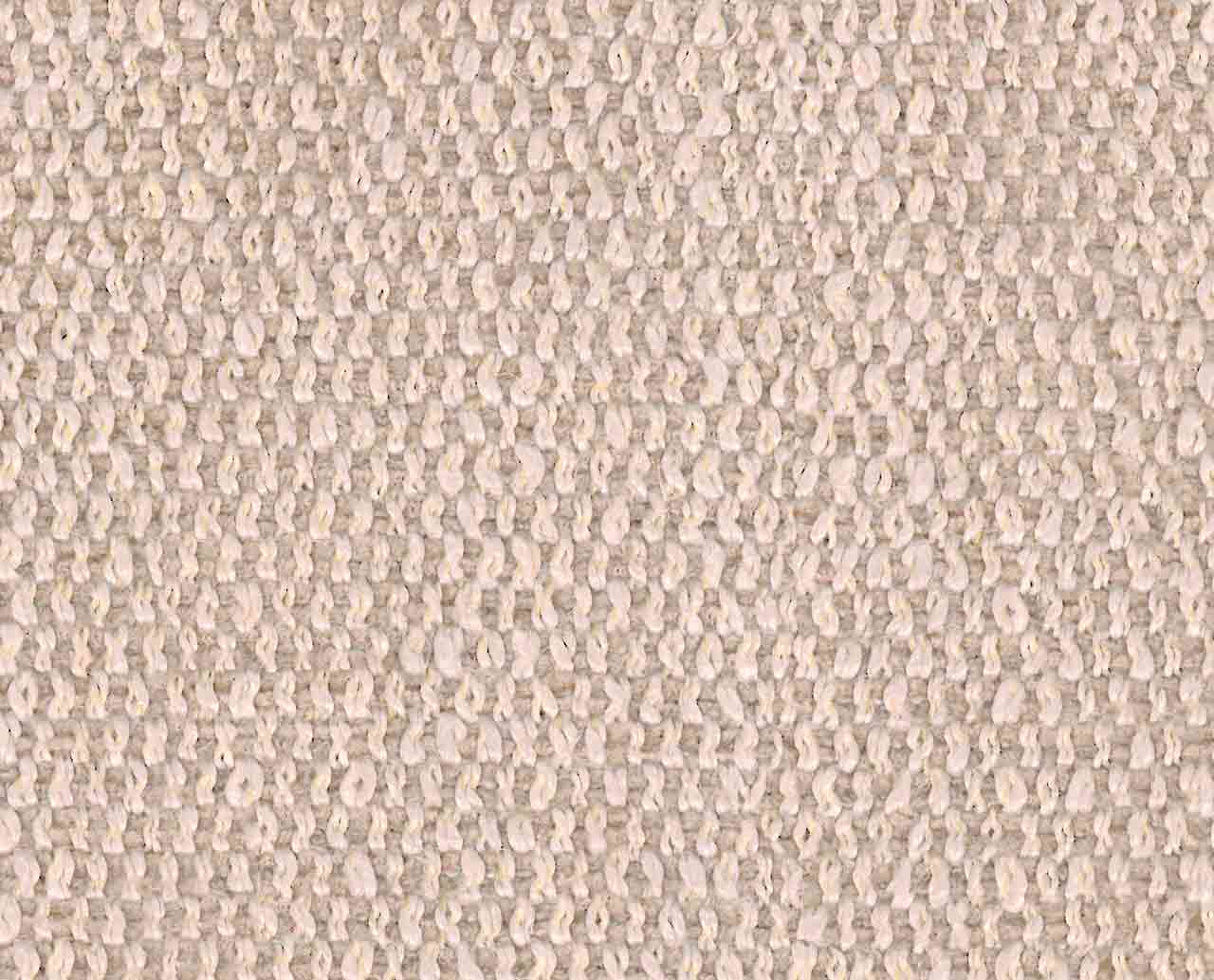
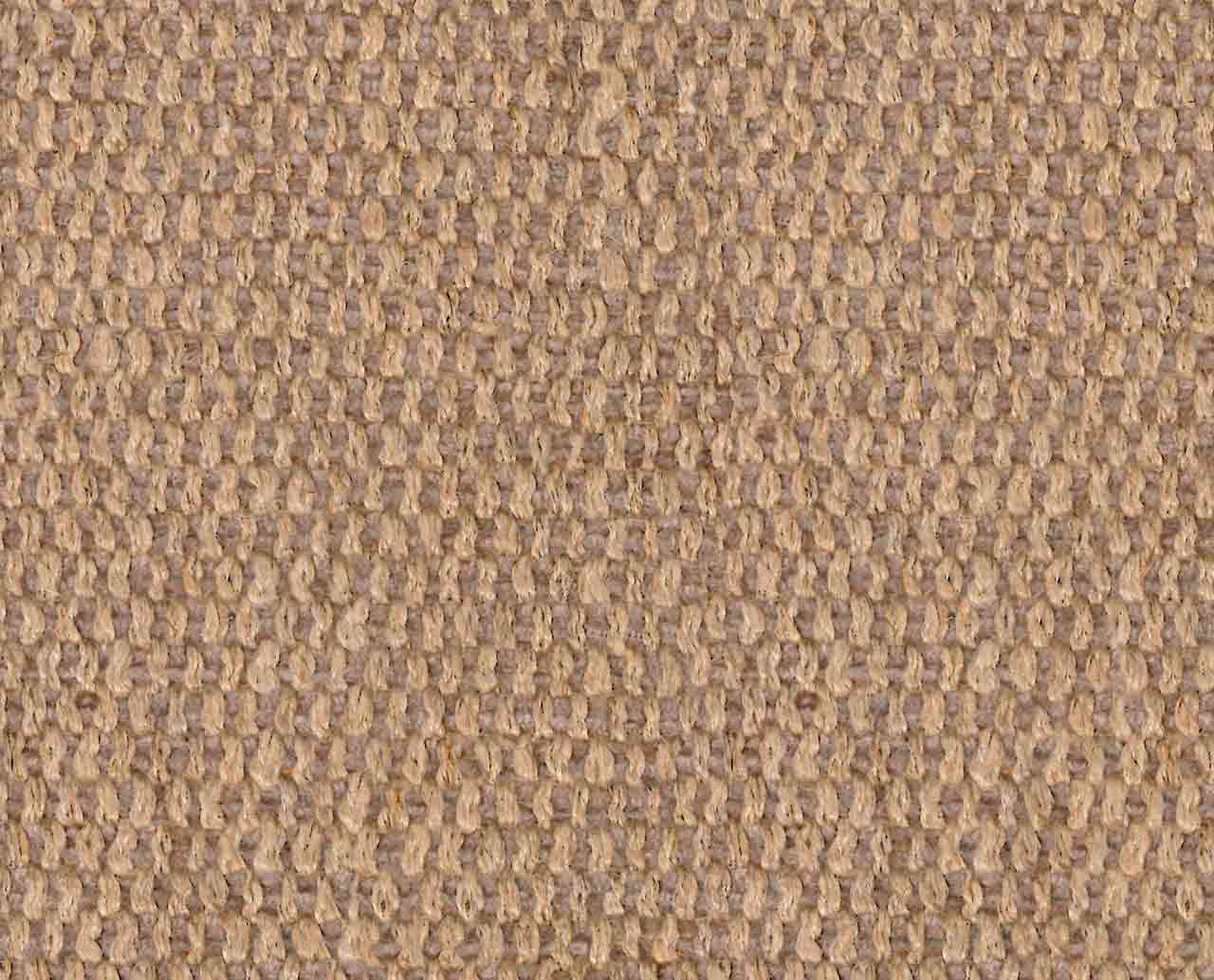
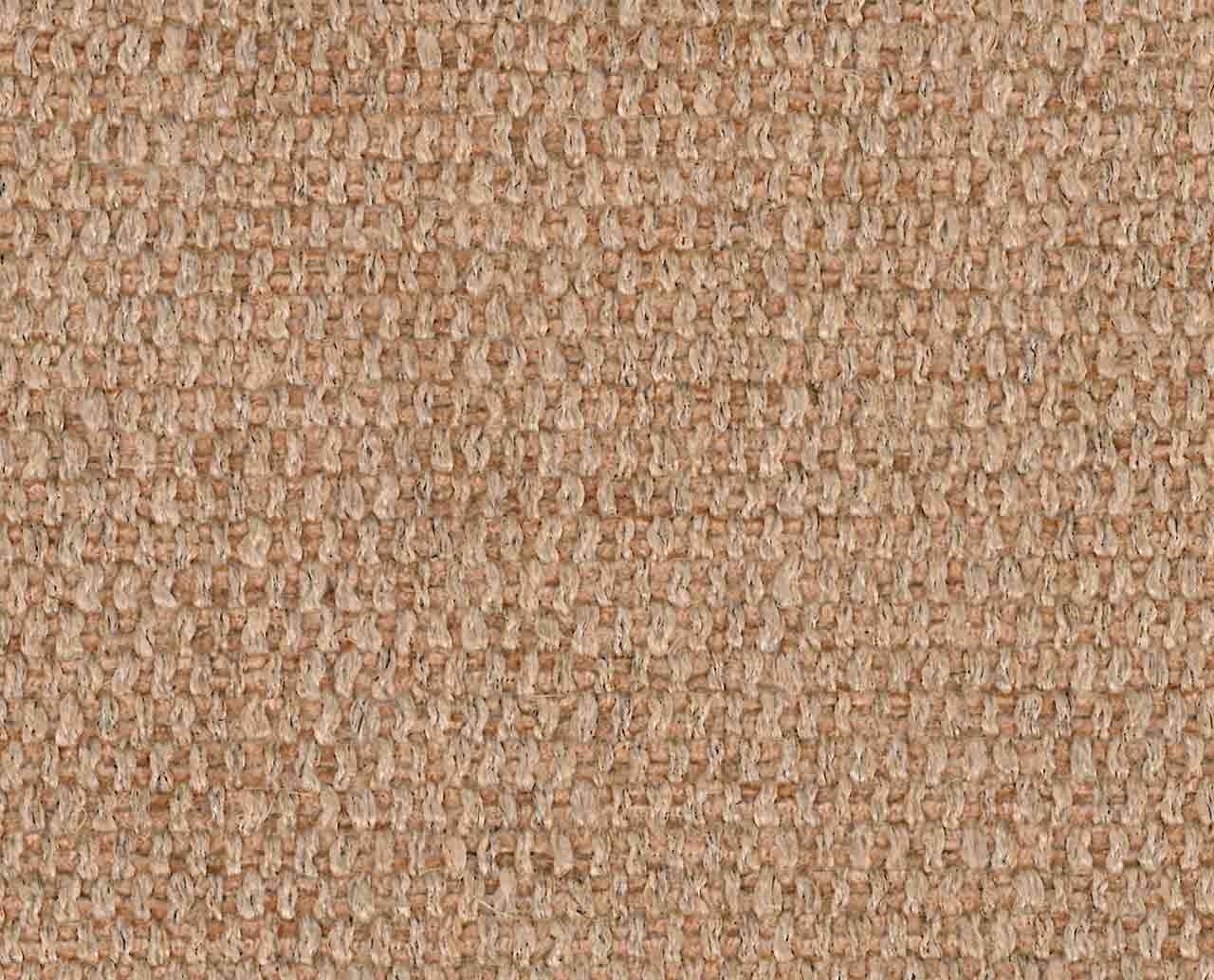
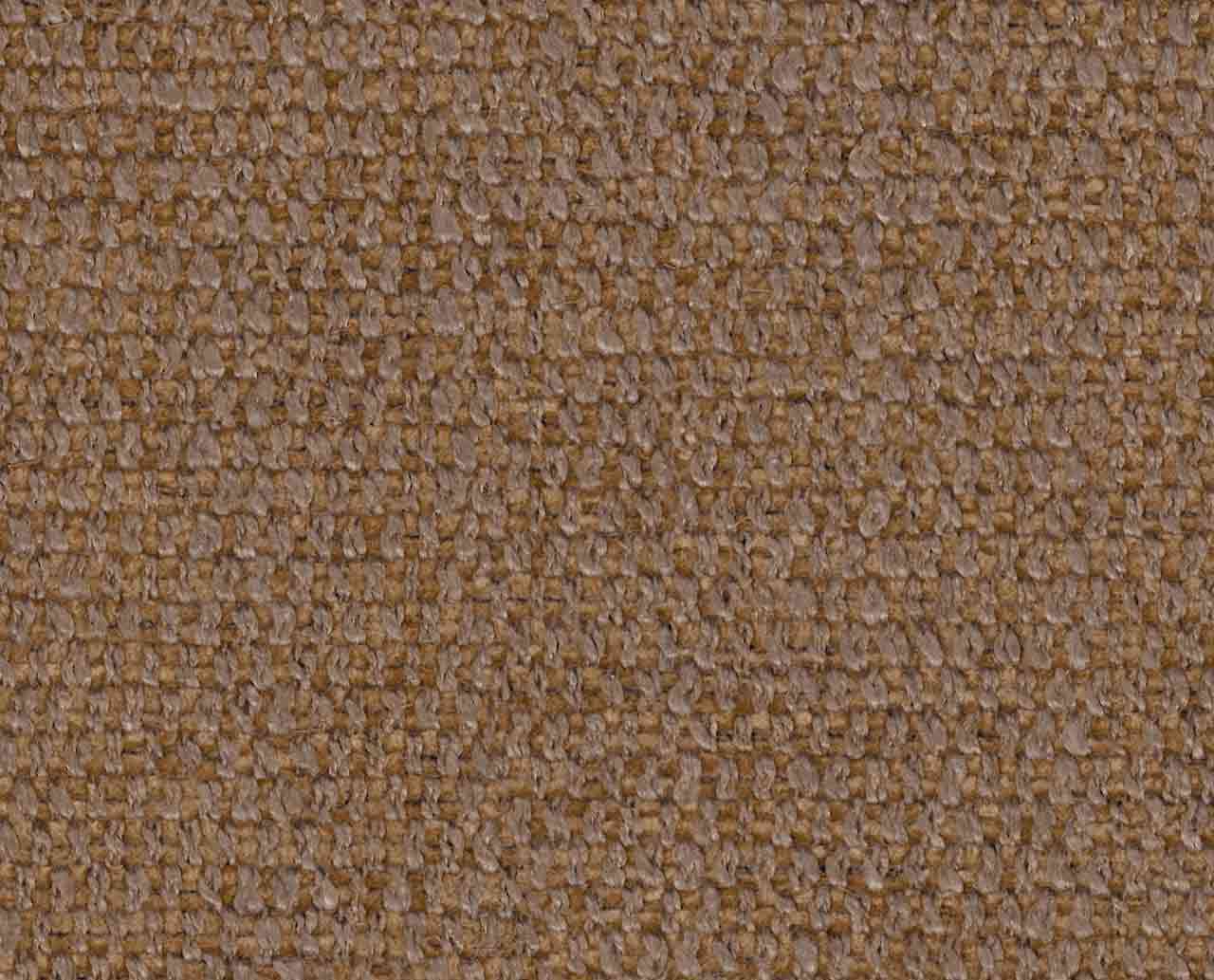
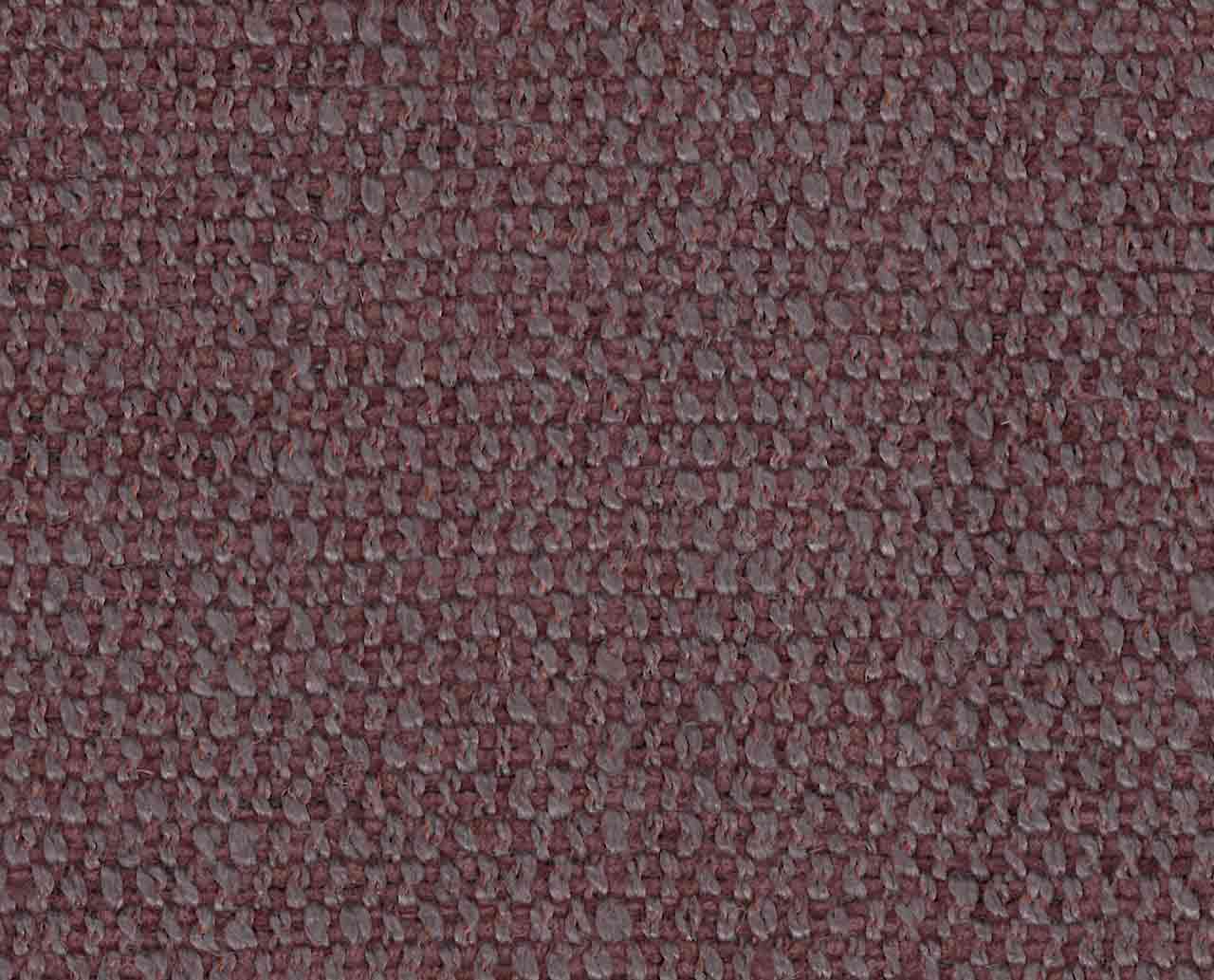
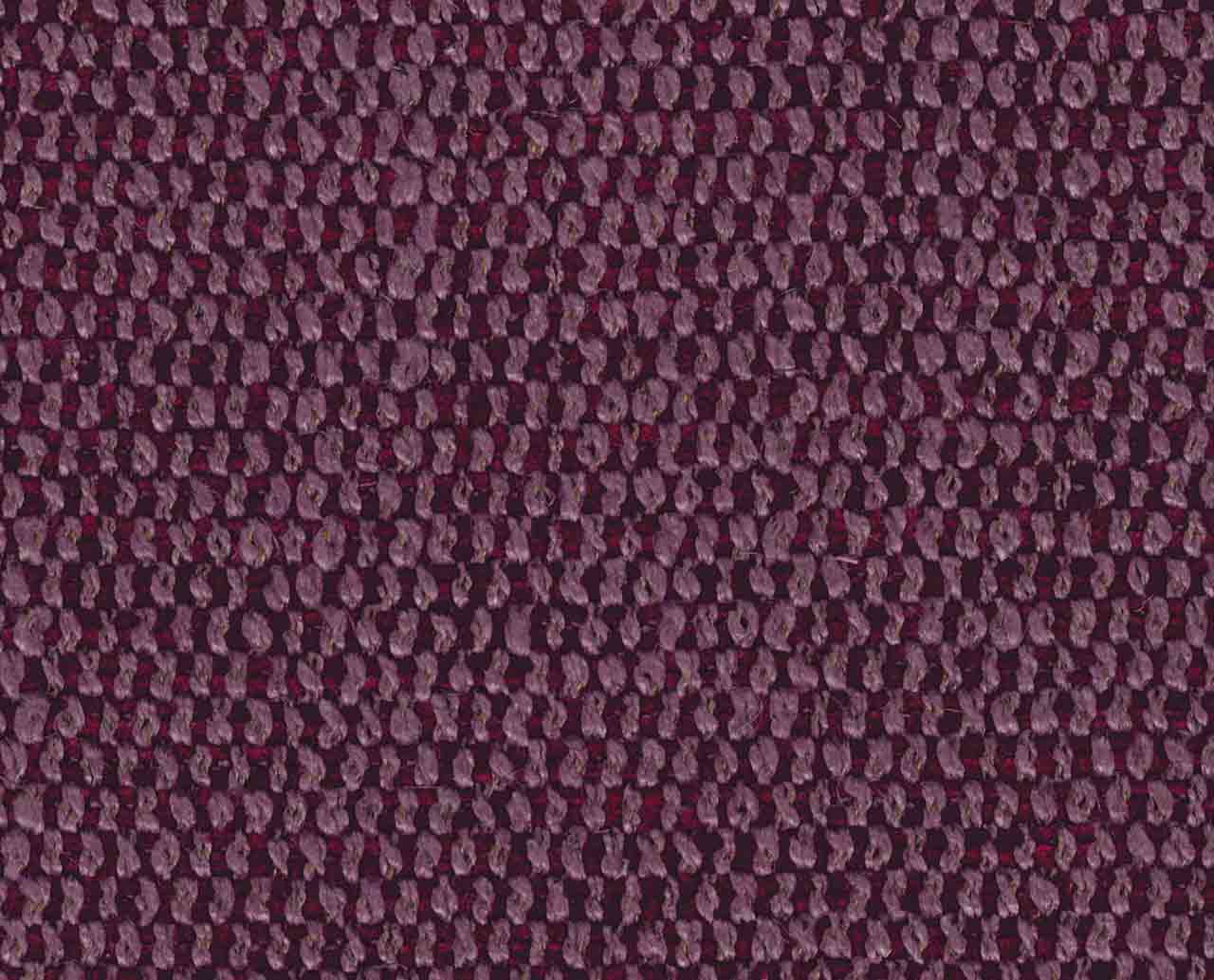
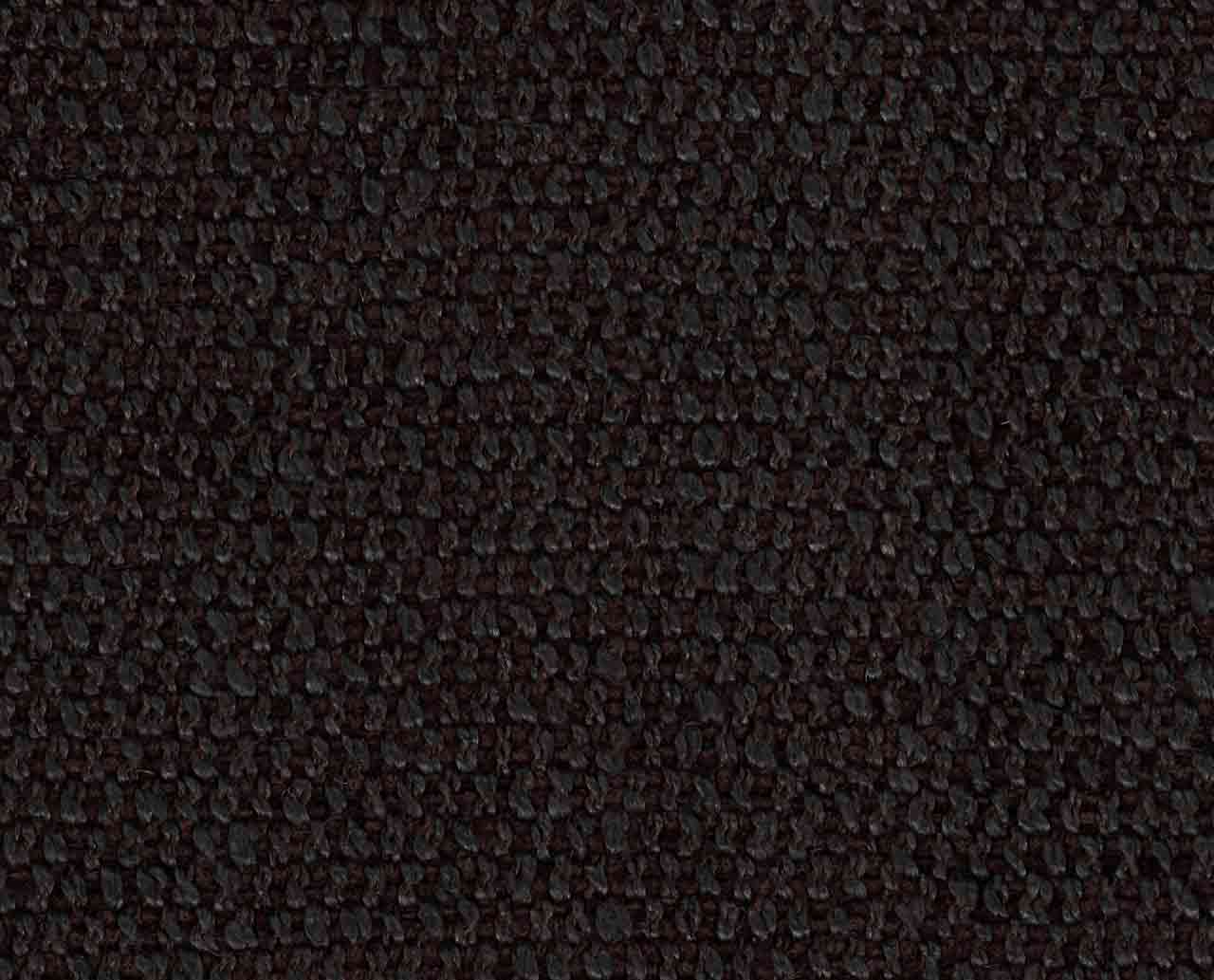

















































































DESIGN BY
PRODUCT CARE AND MAINTENANCE
In this manual you will find some recommendations for the care and maintenance of your Cassina products.
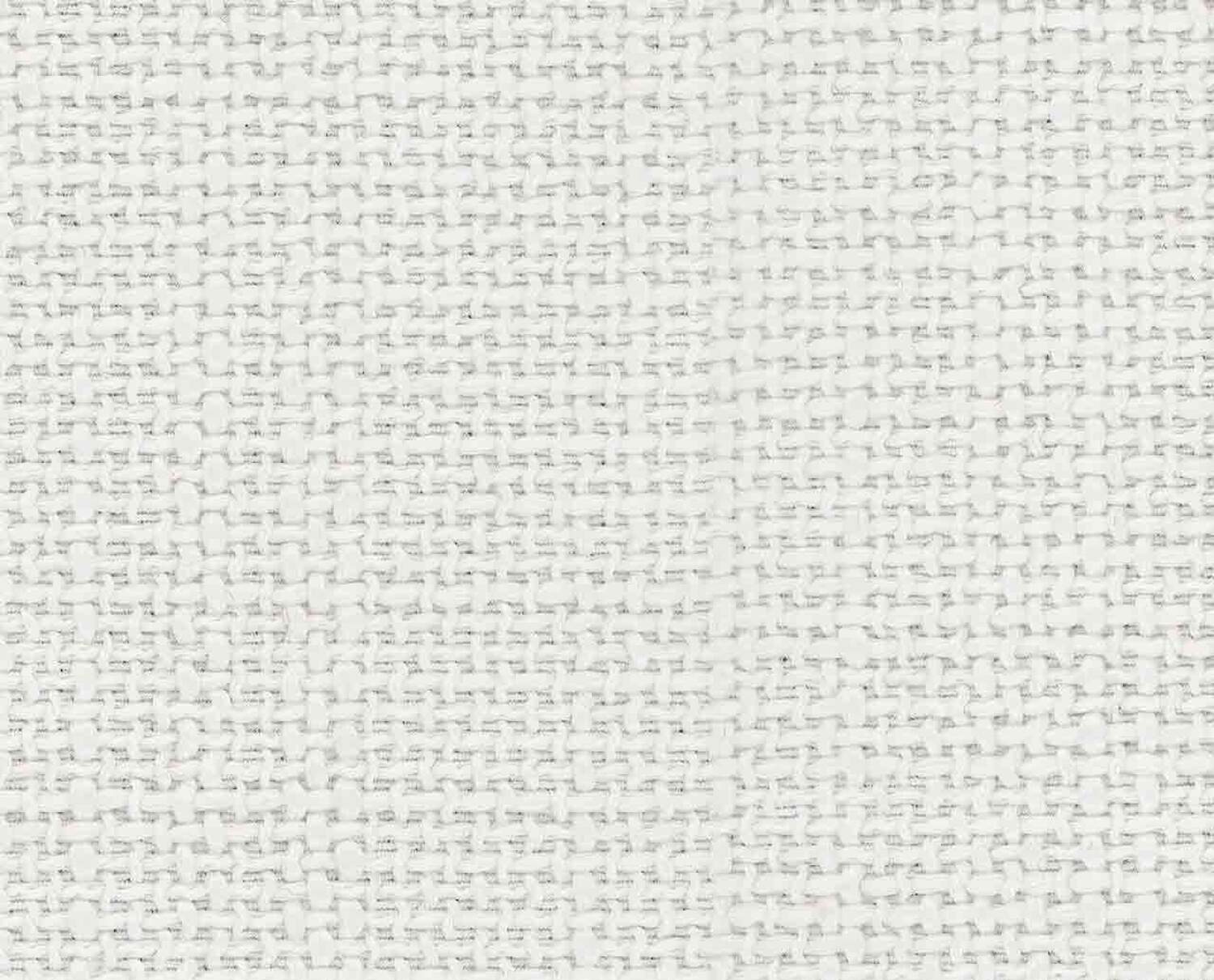
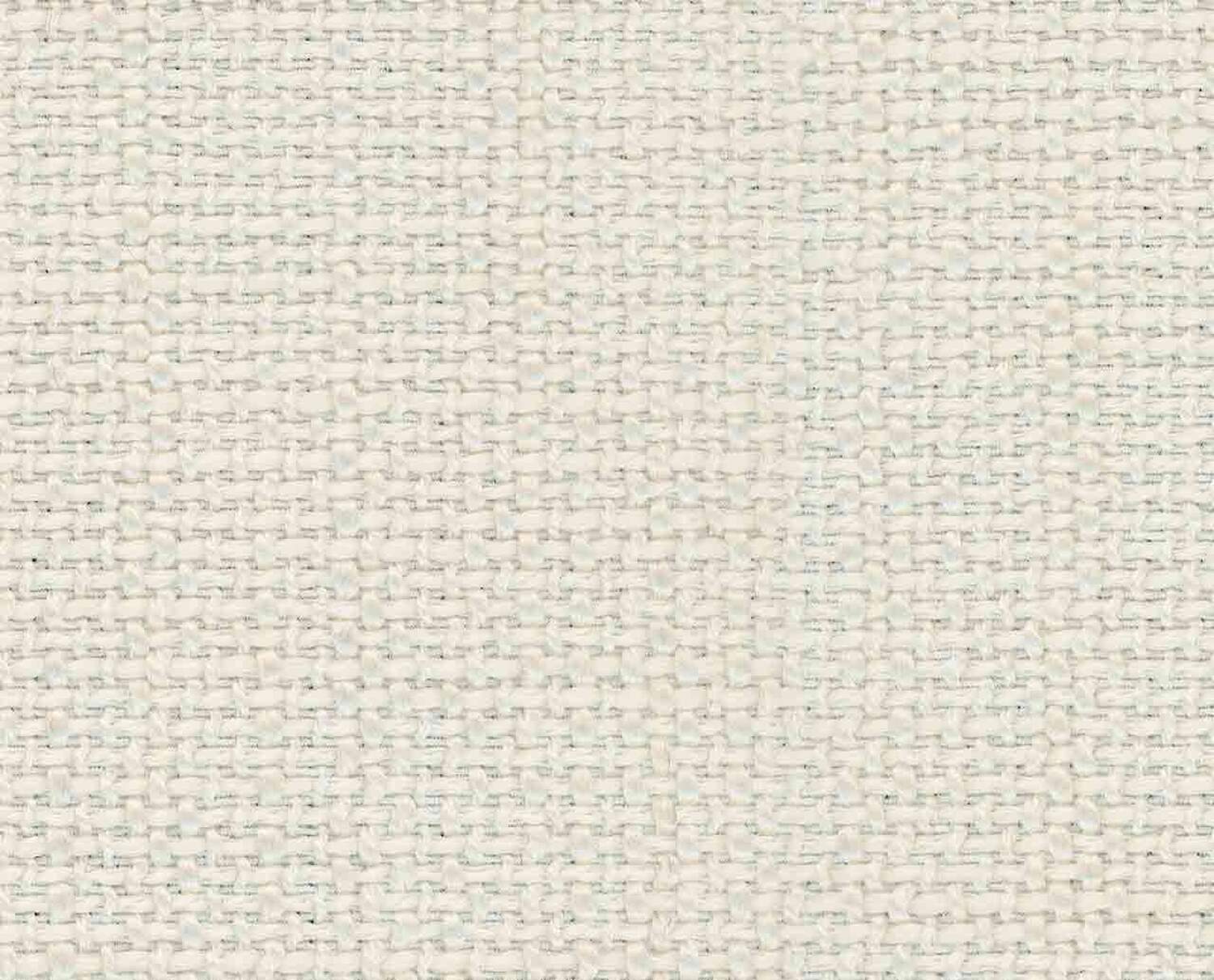
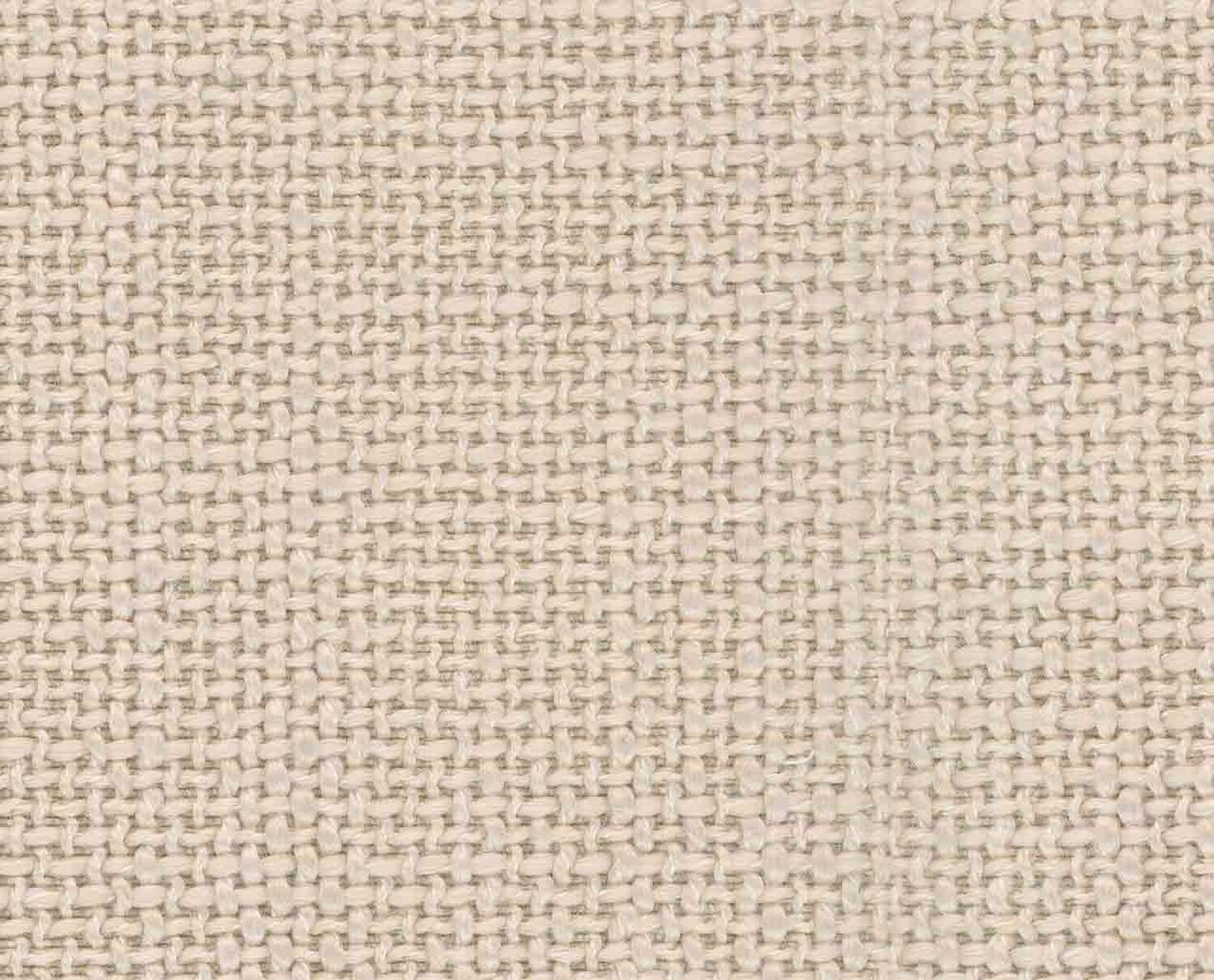
The materials are divided into different categories; each one is accompanied by its own information sheet with instructions, preventative measures and methods for cleaning.
A server error occurred. Please try again later.
The product sheet is not available for this item.
The server response is not valid. Please try again later.
The received document is empty. Please try again later.
Unable to connect to the server. Please check your connection and try again.
Please log in to download the product sheet.
2014
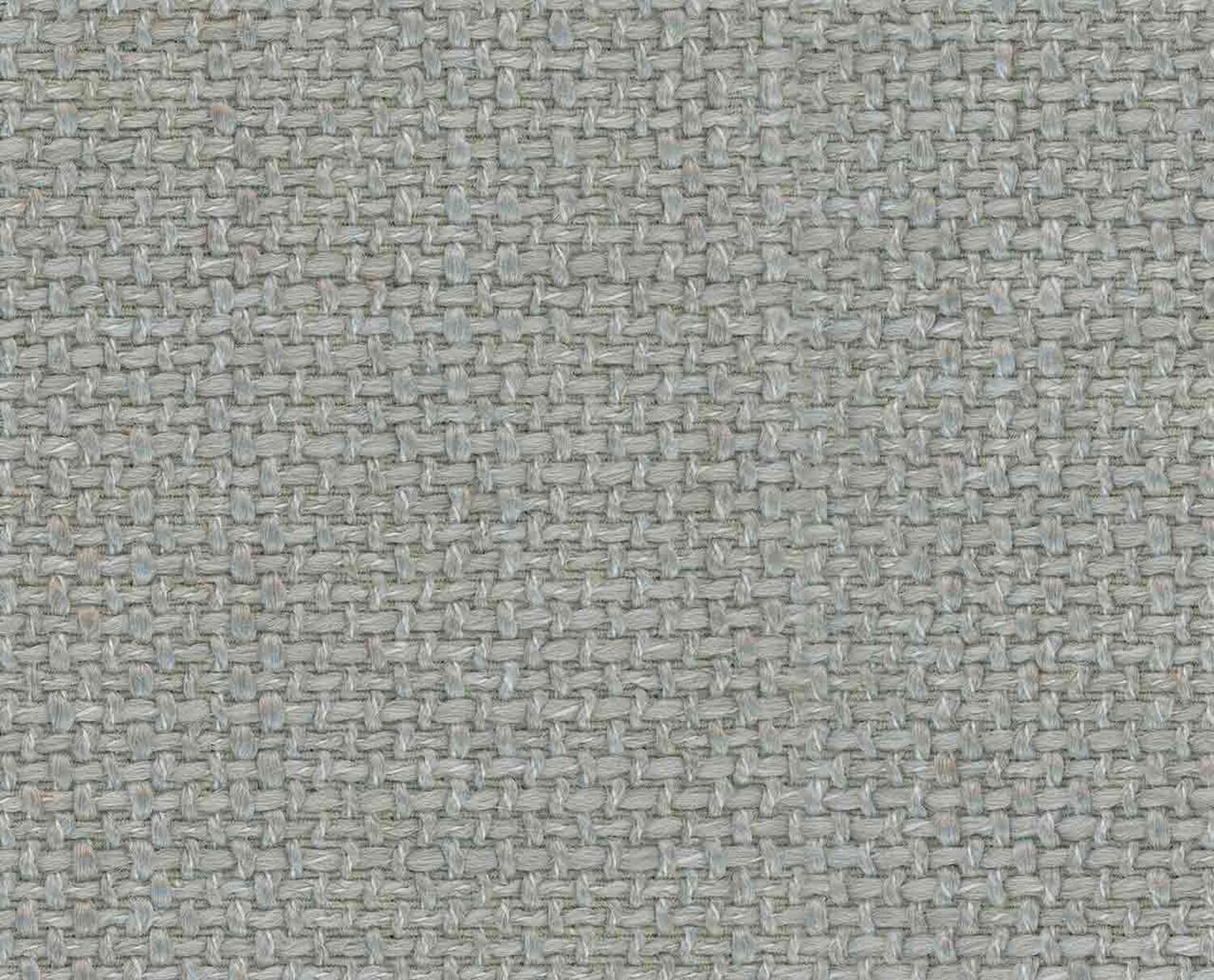
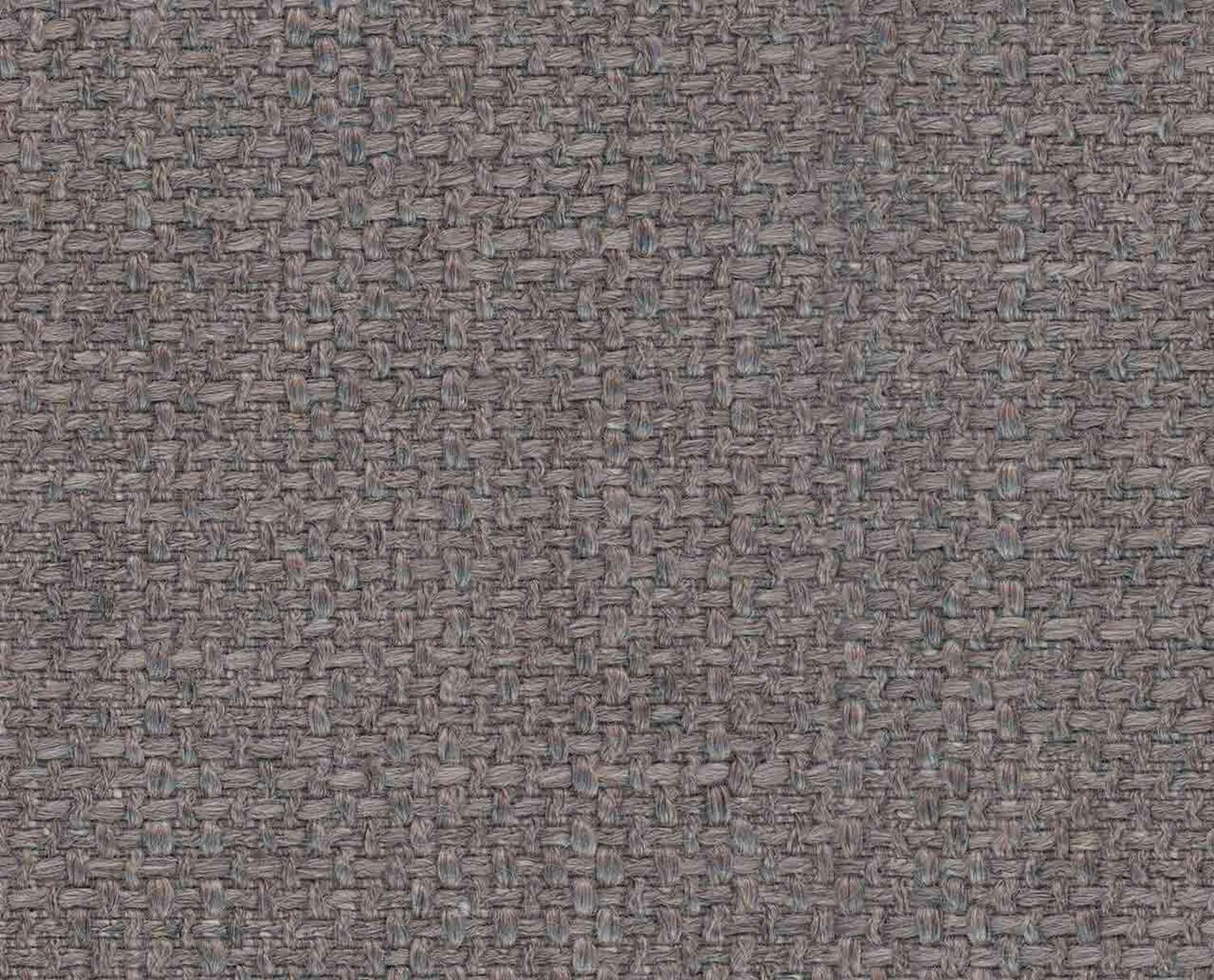
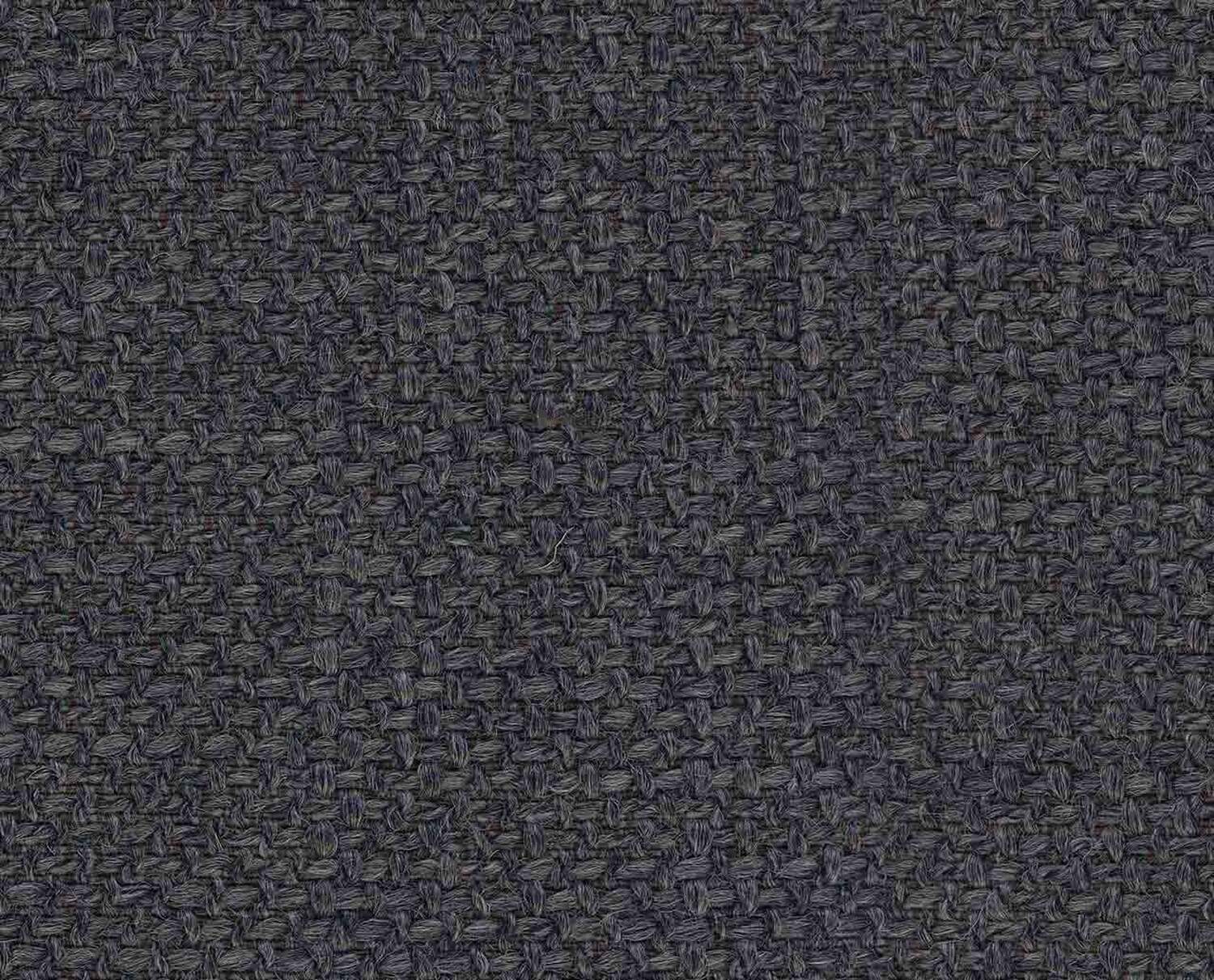
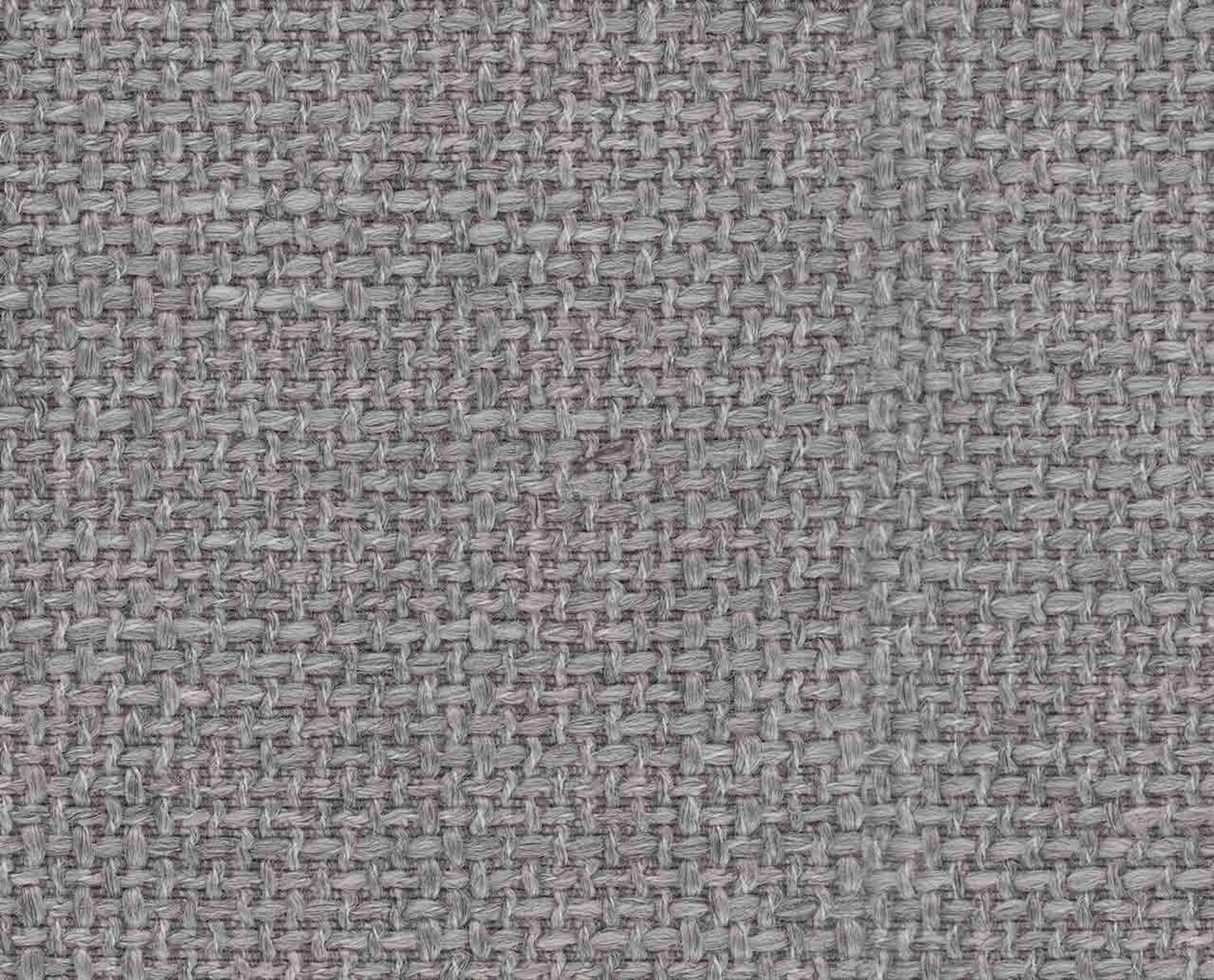
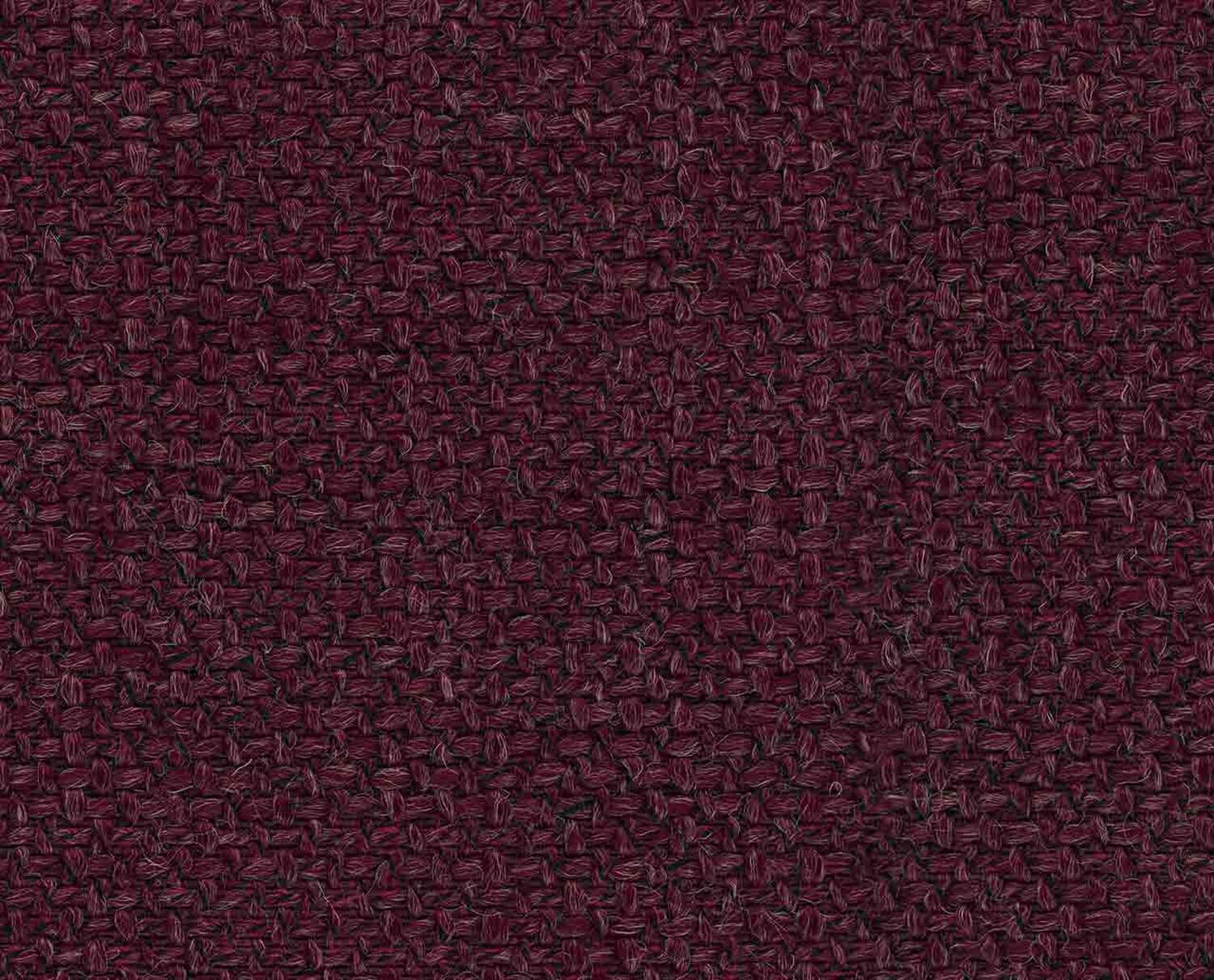
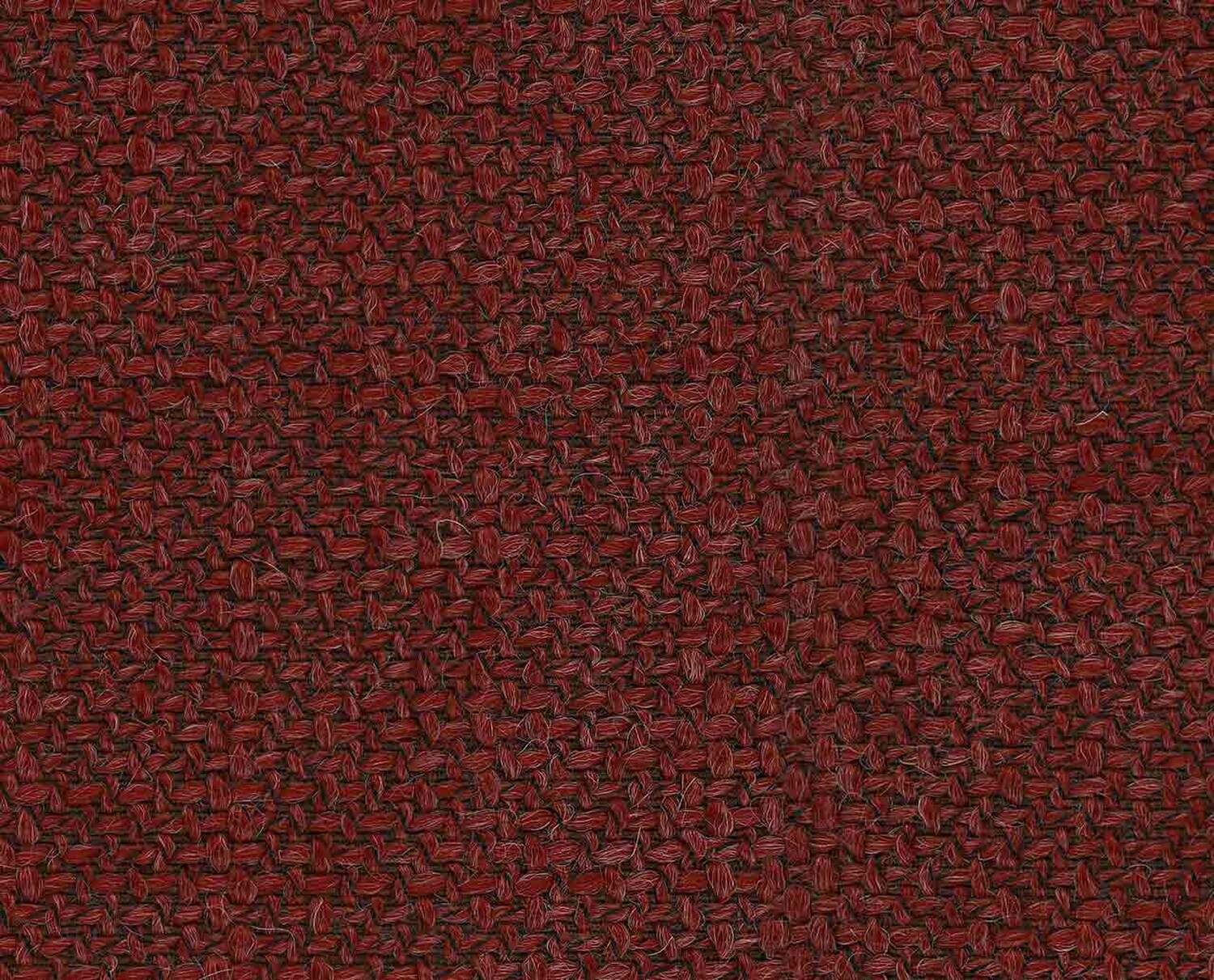
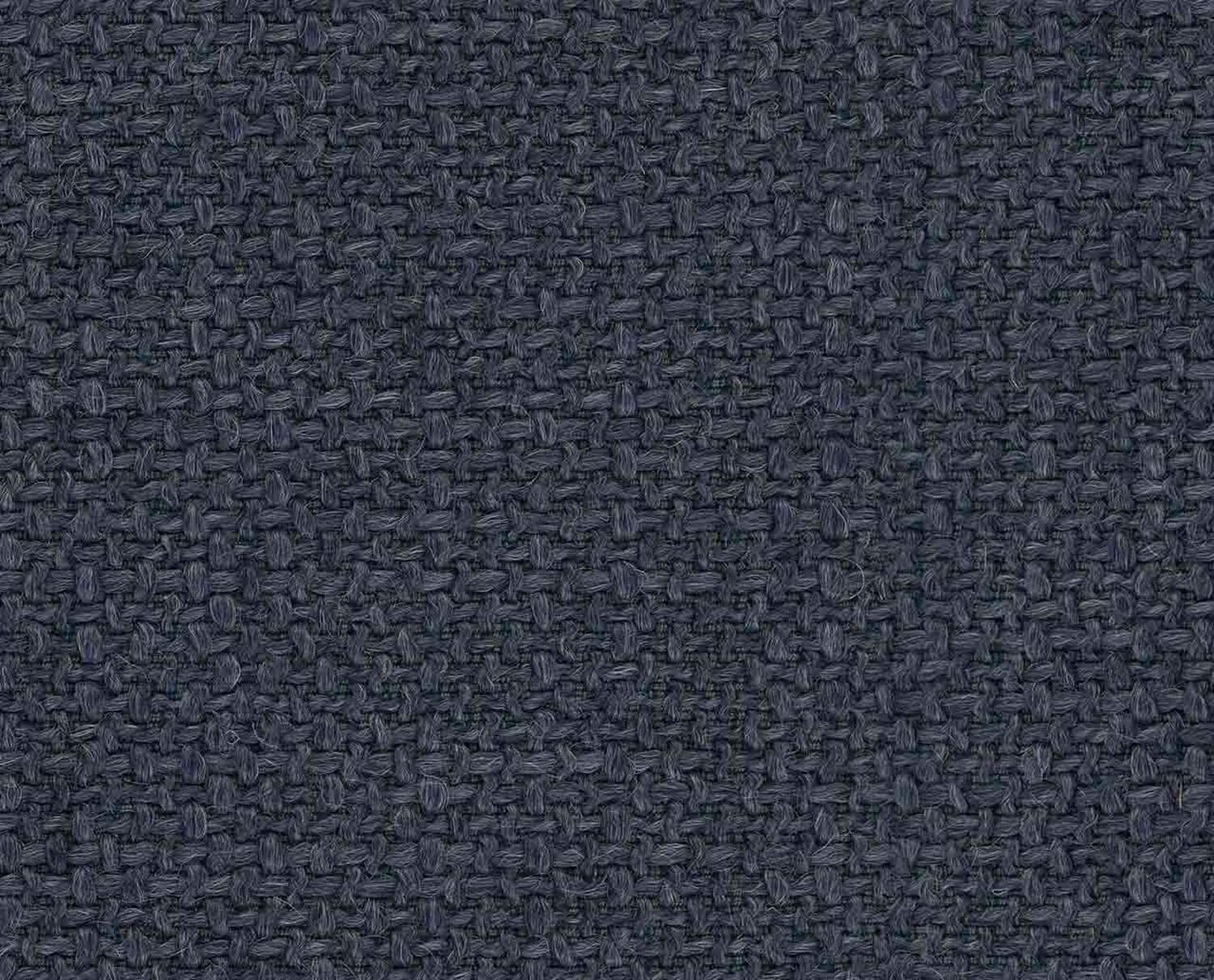
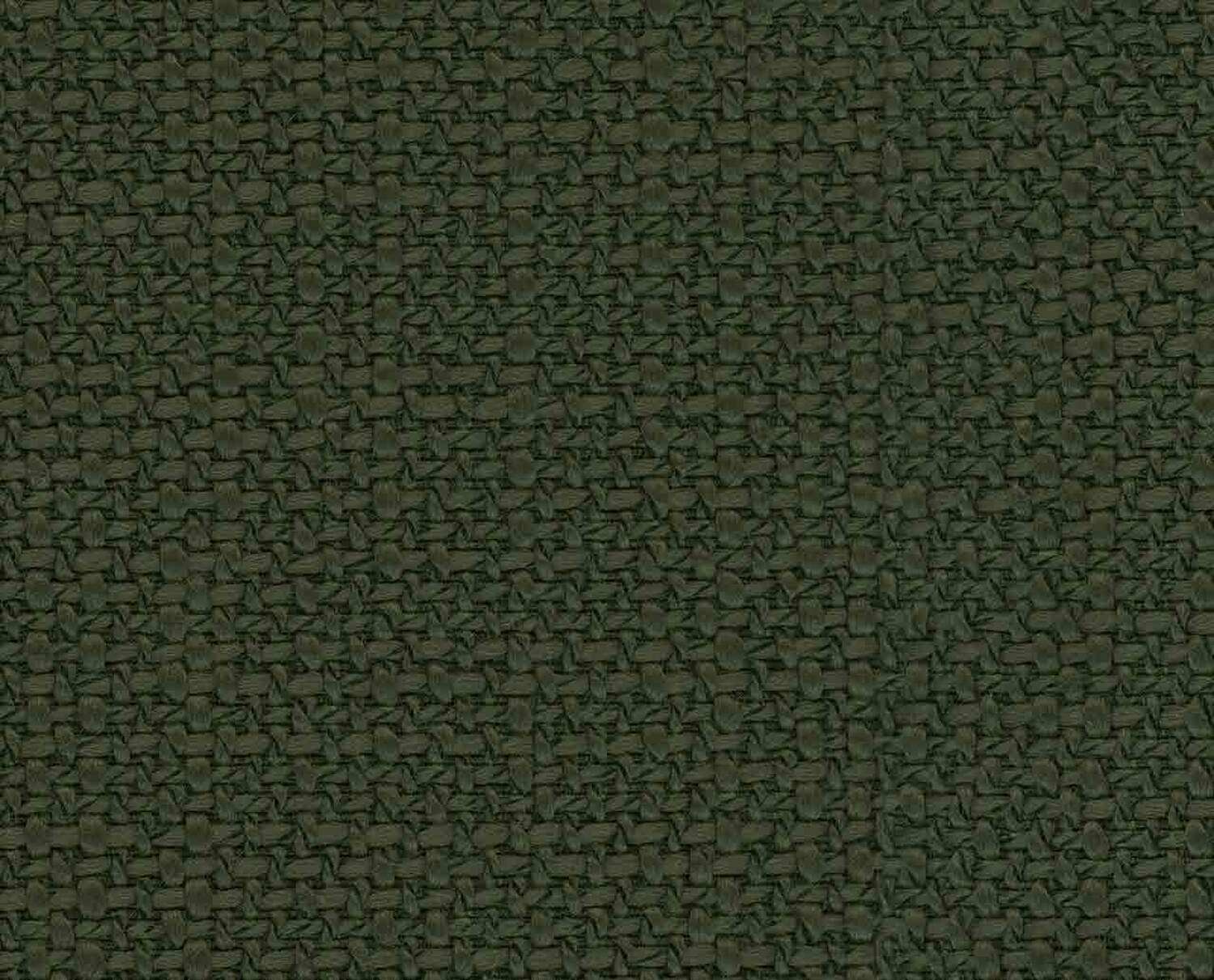
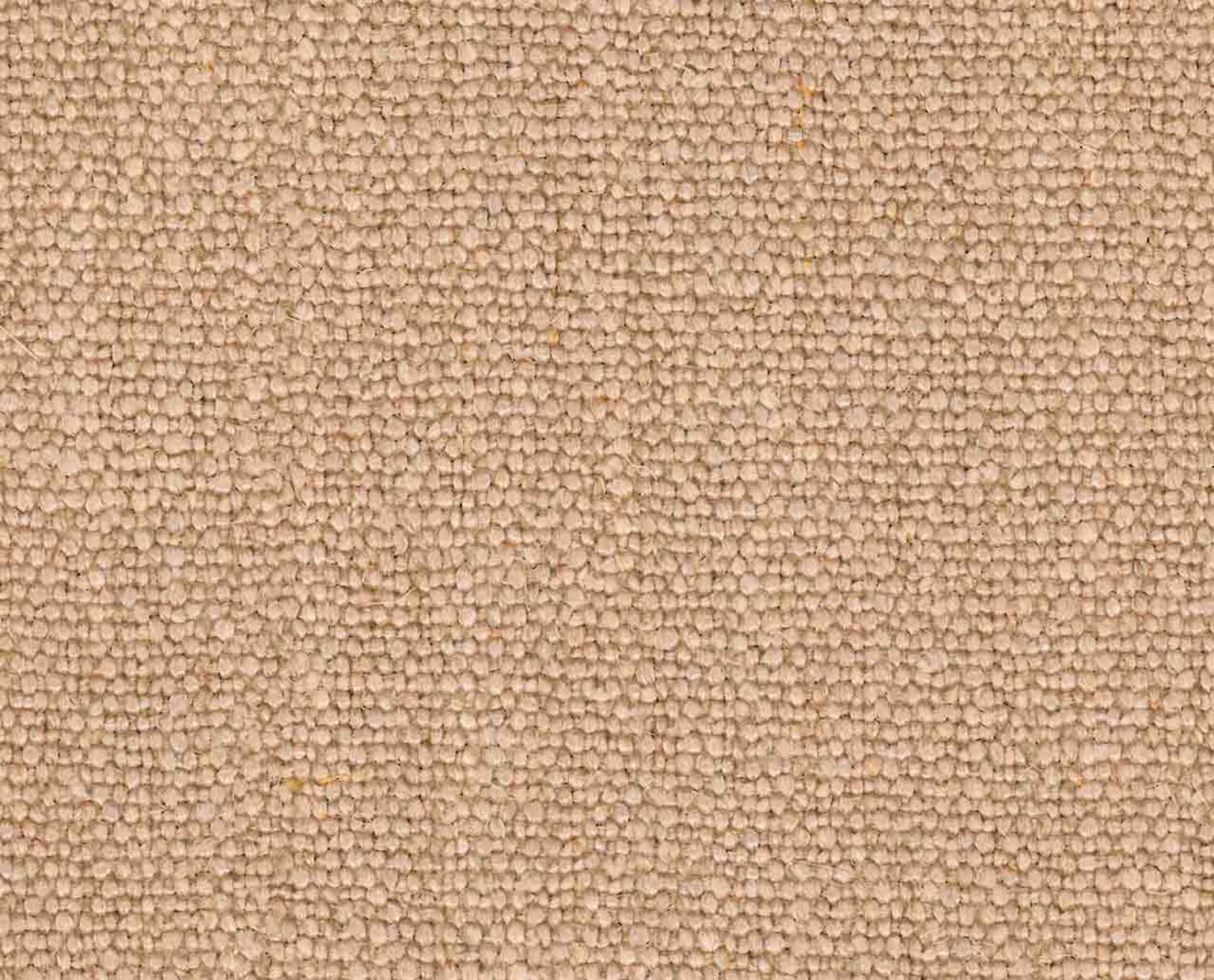
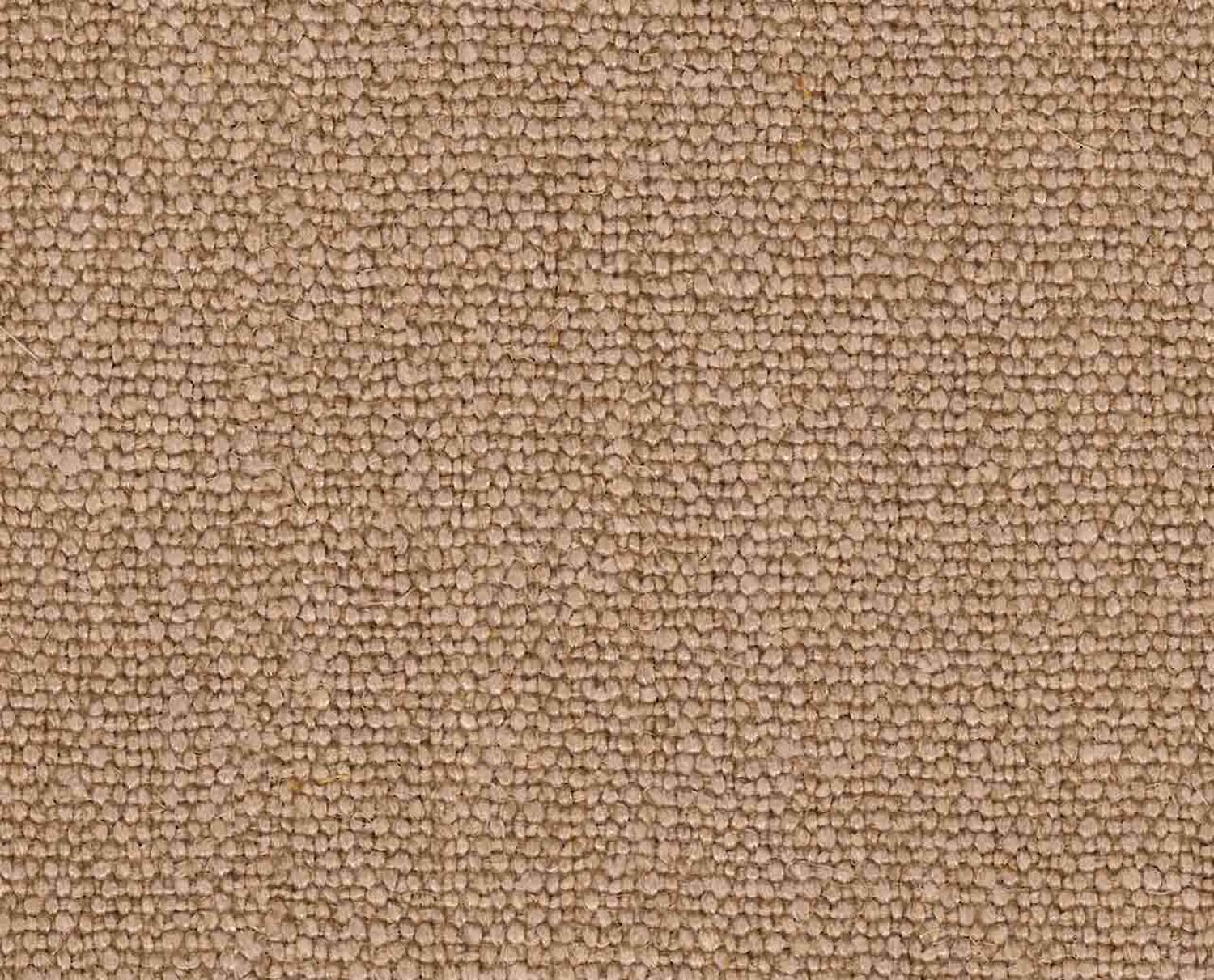
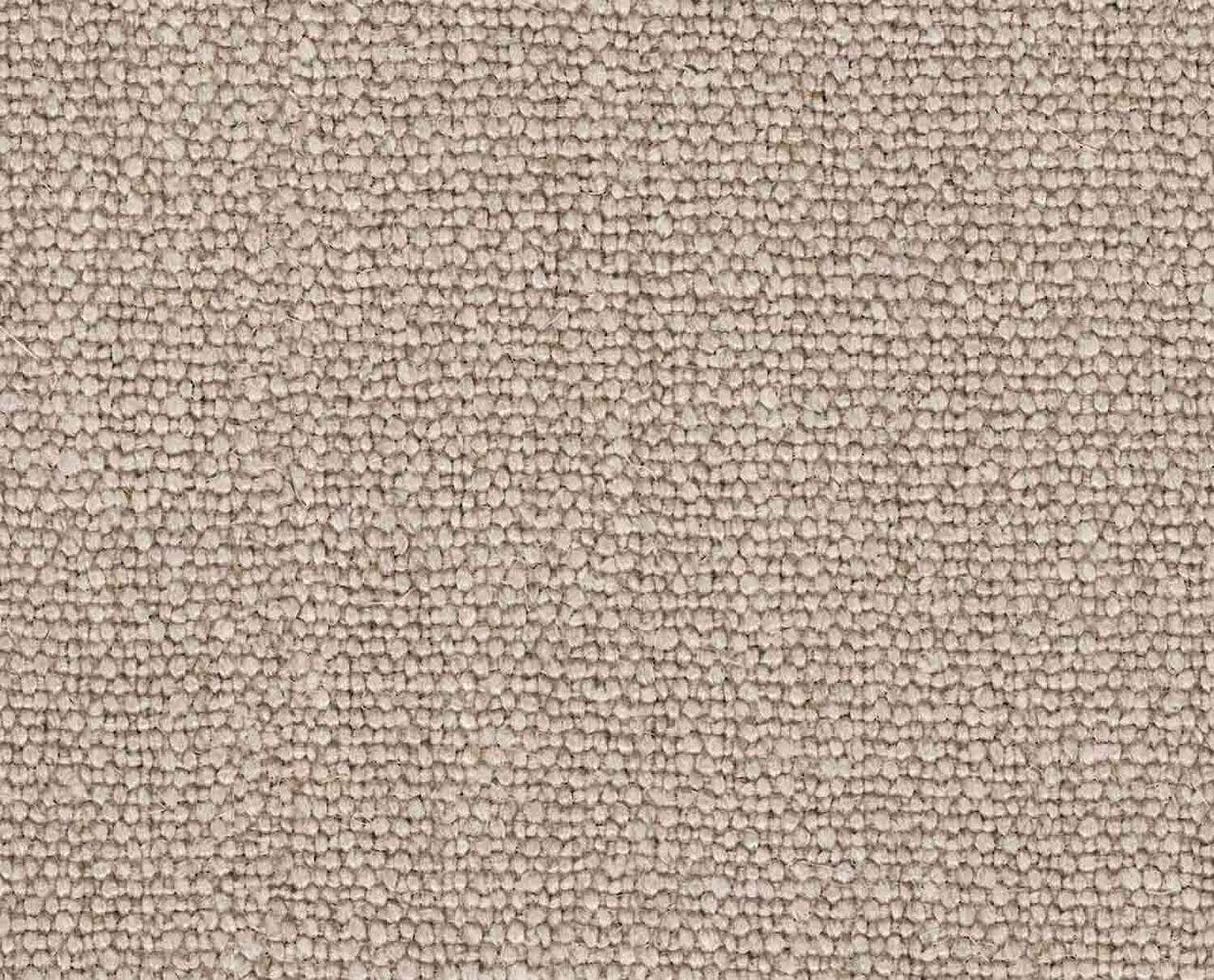
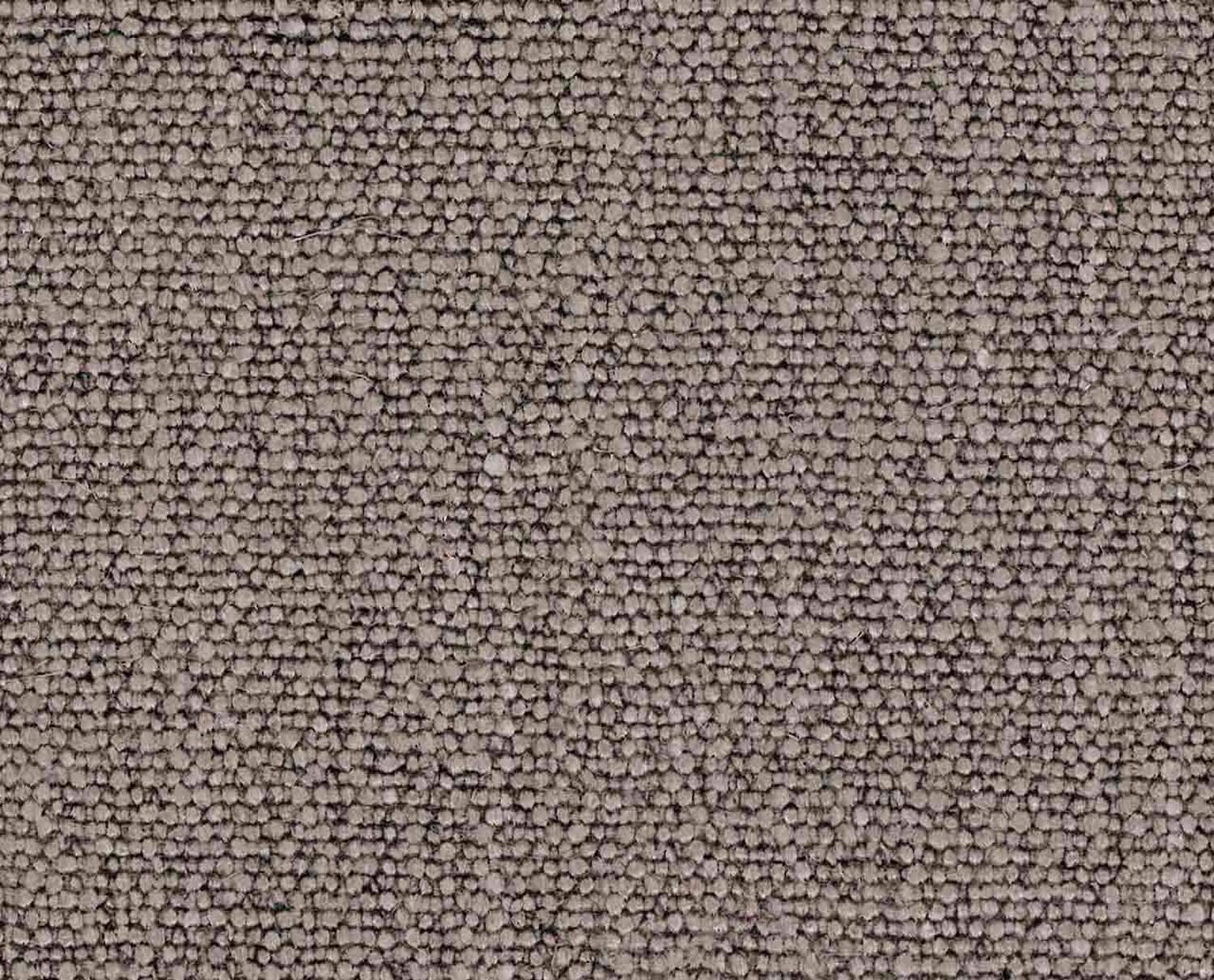
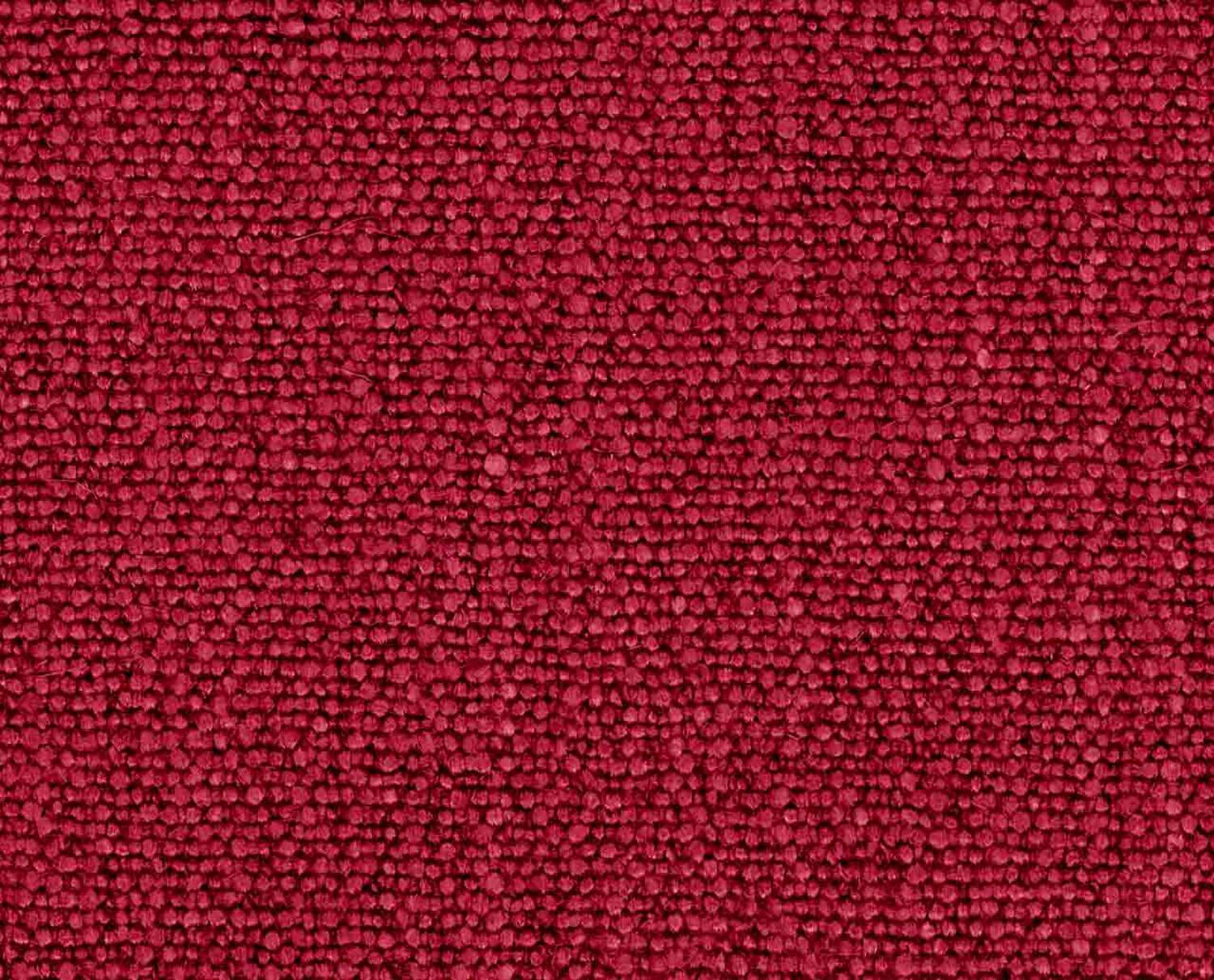
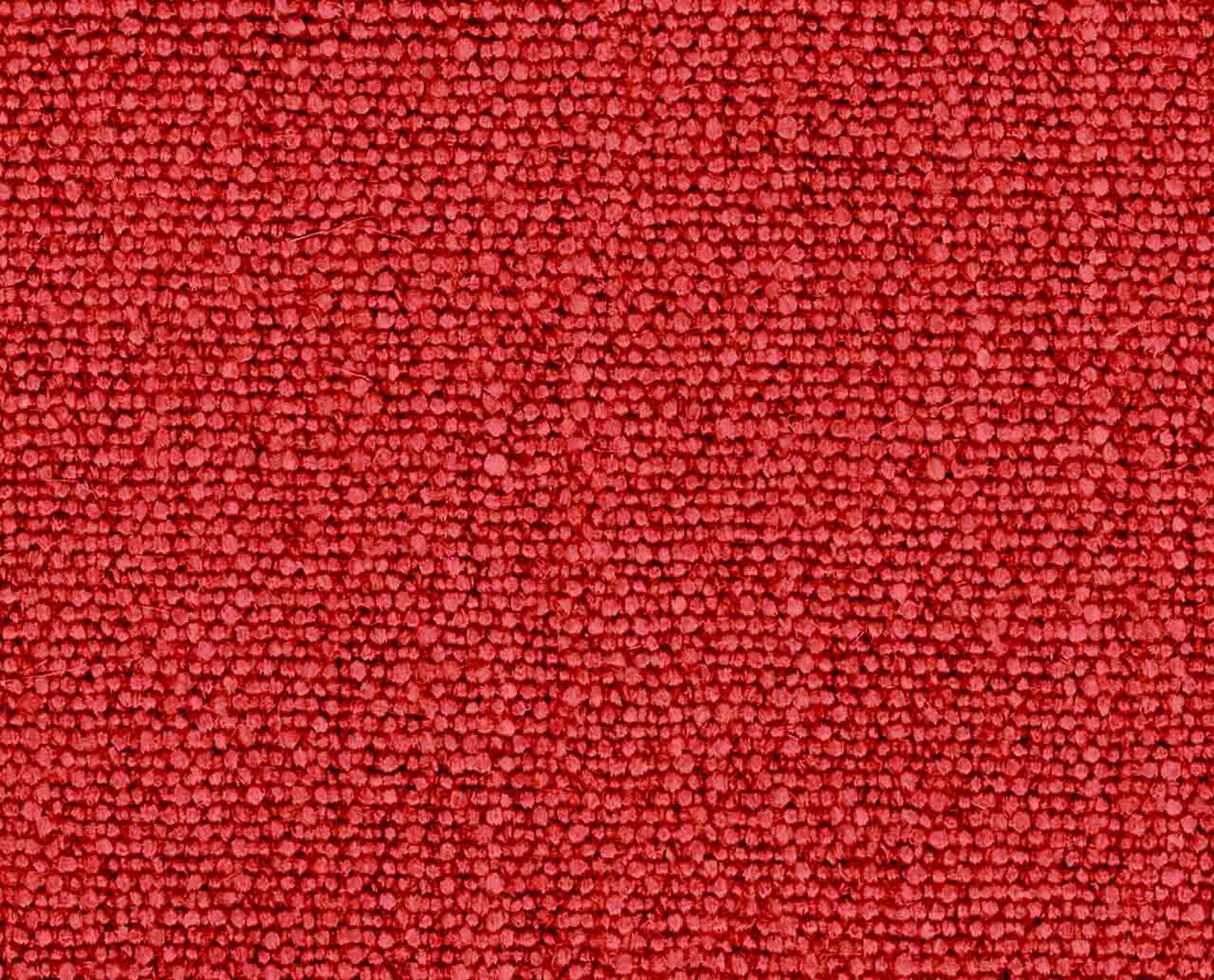
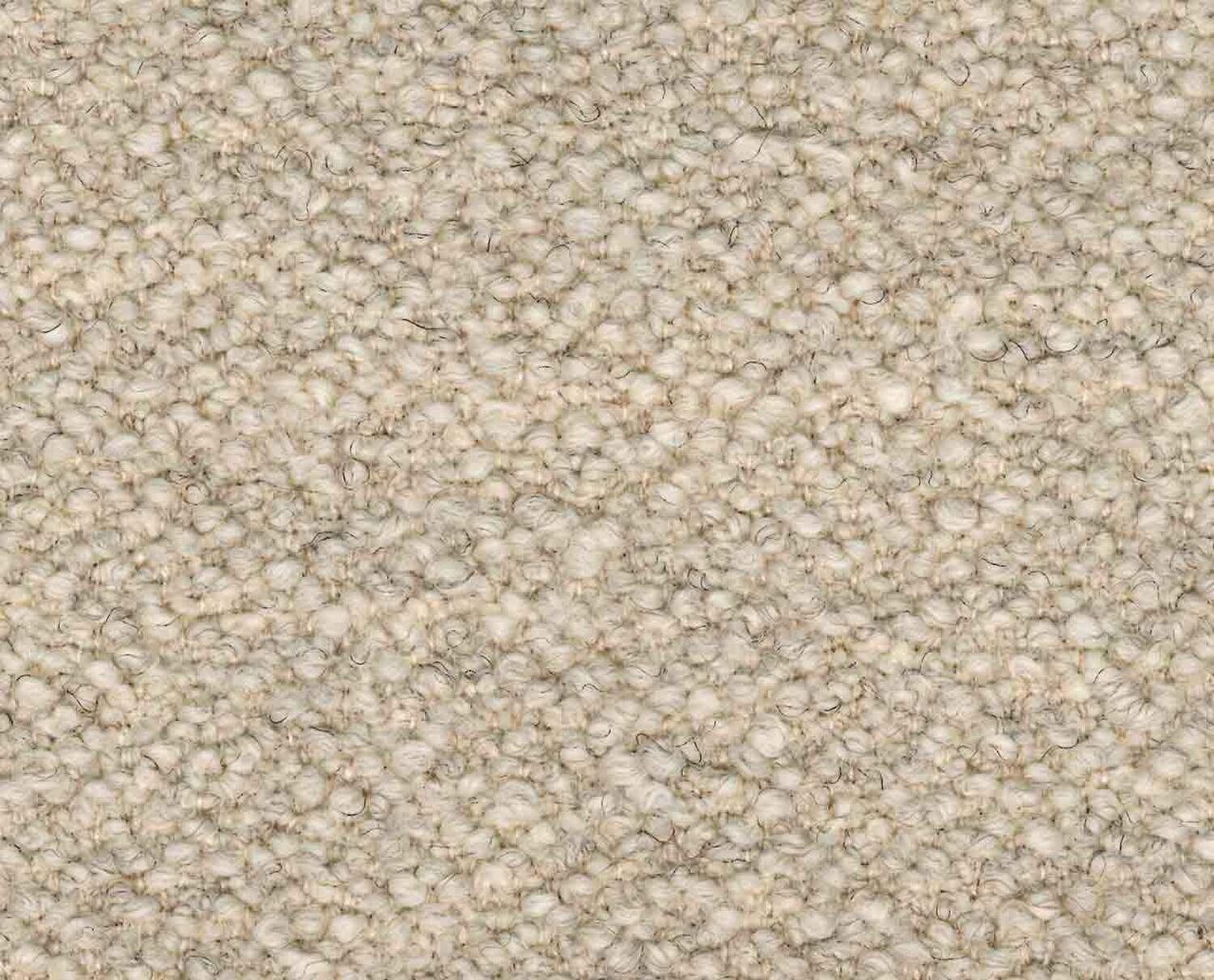
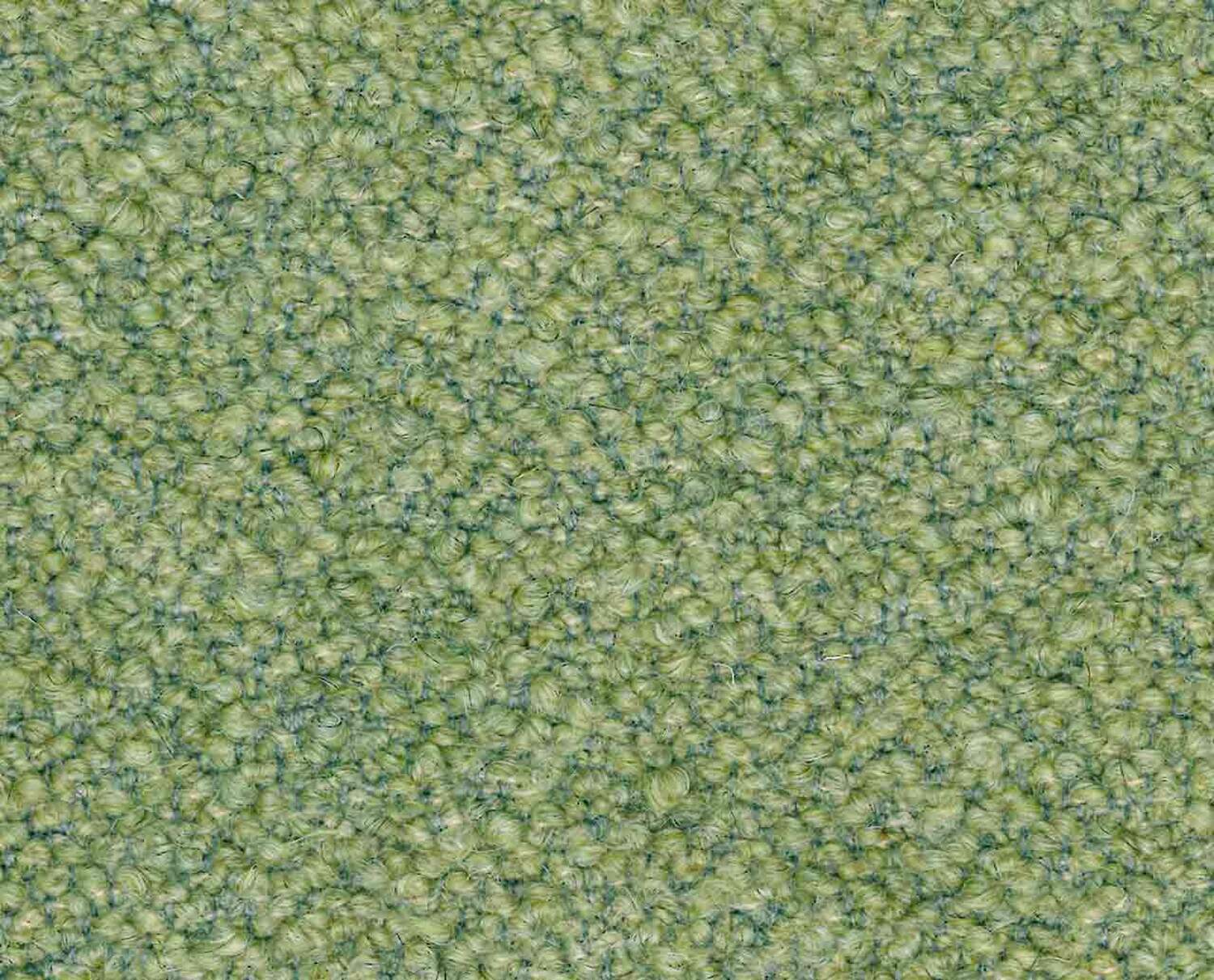
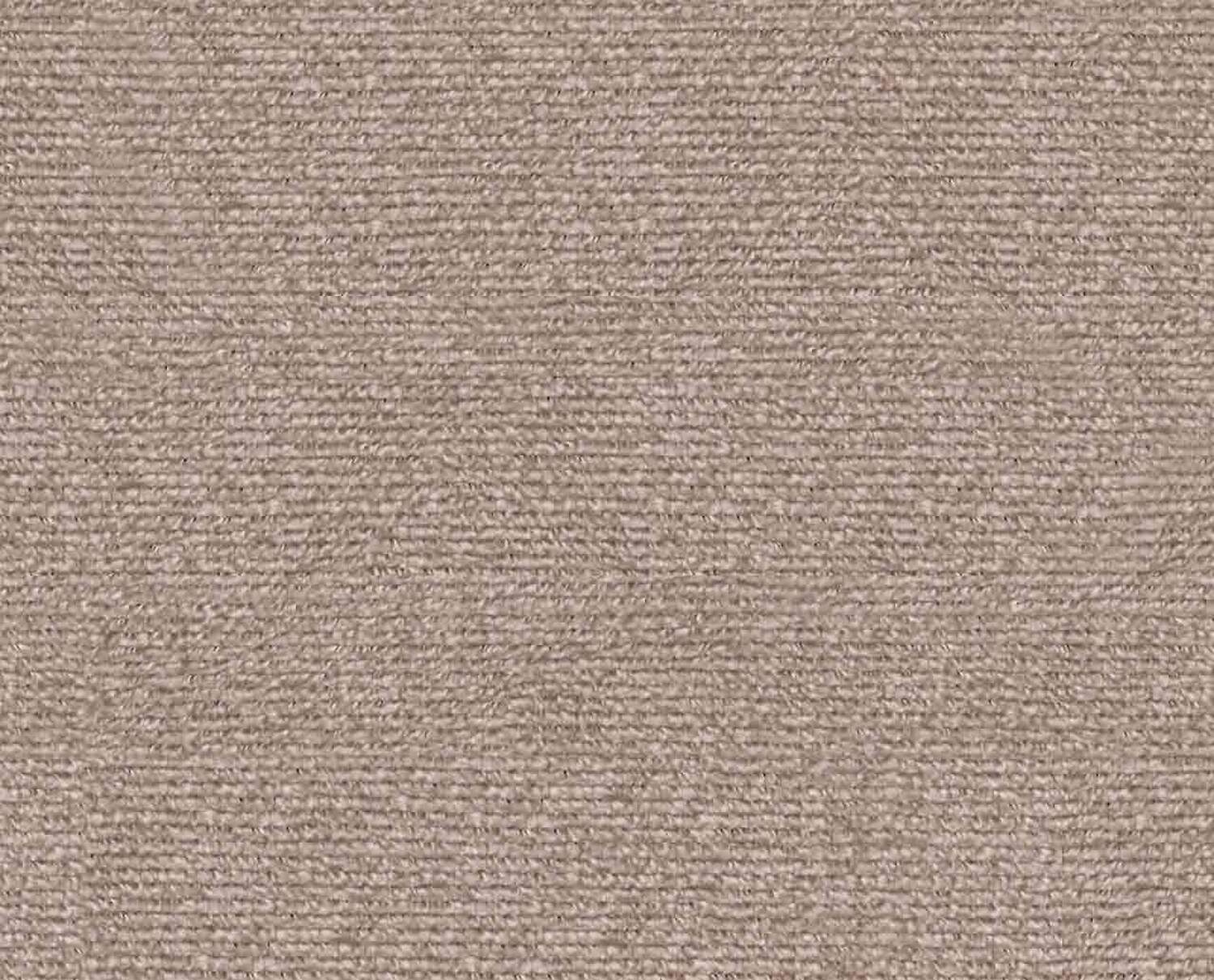
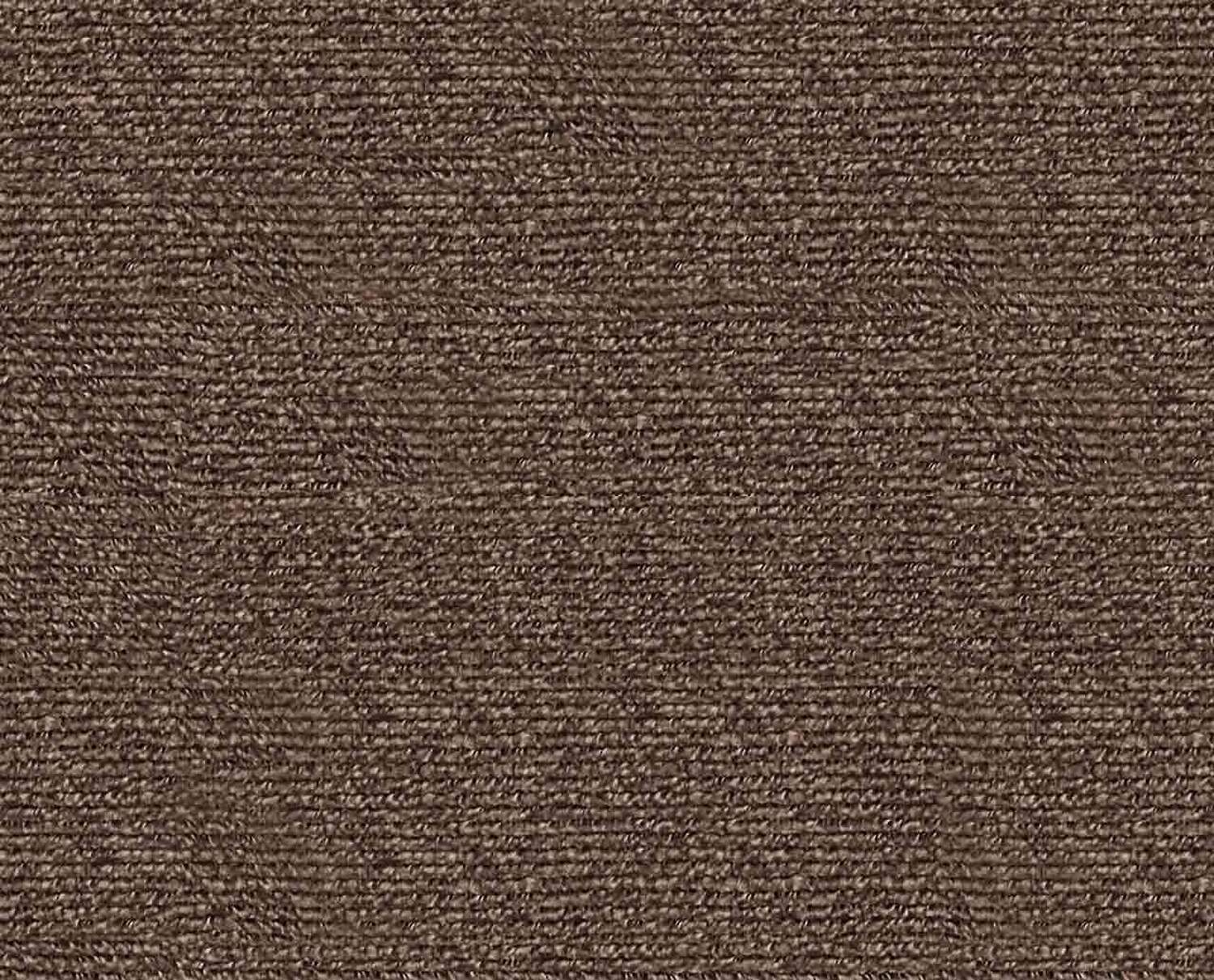
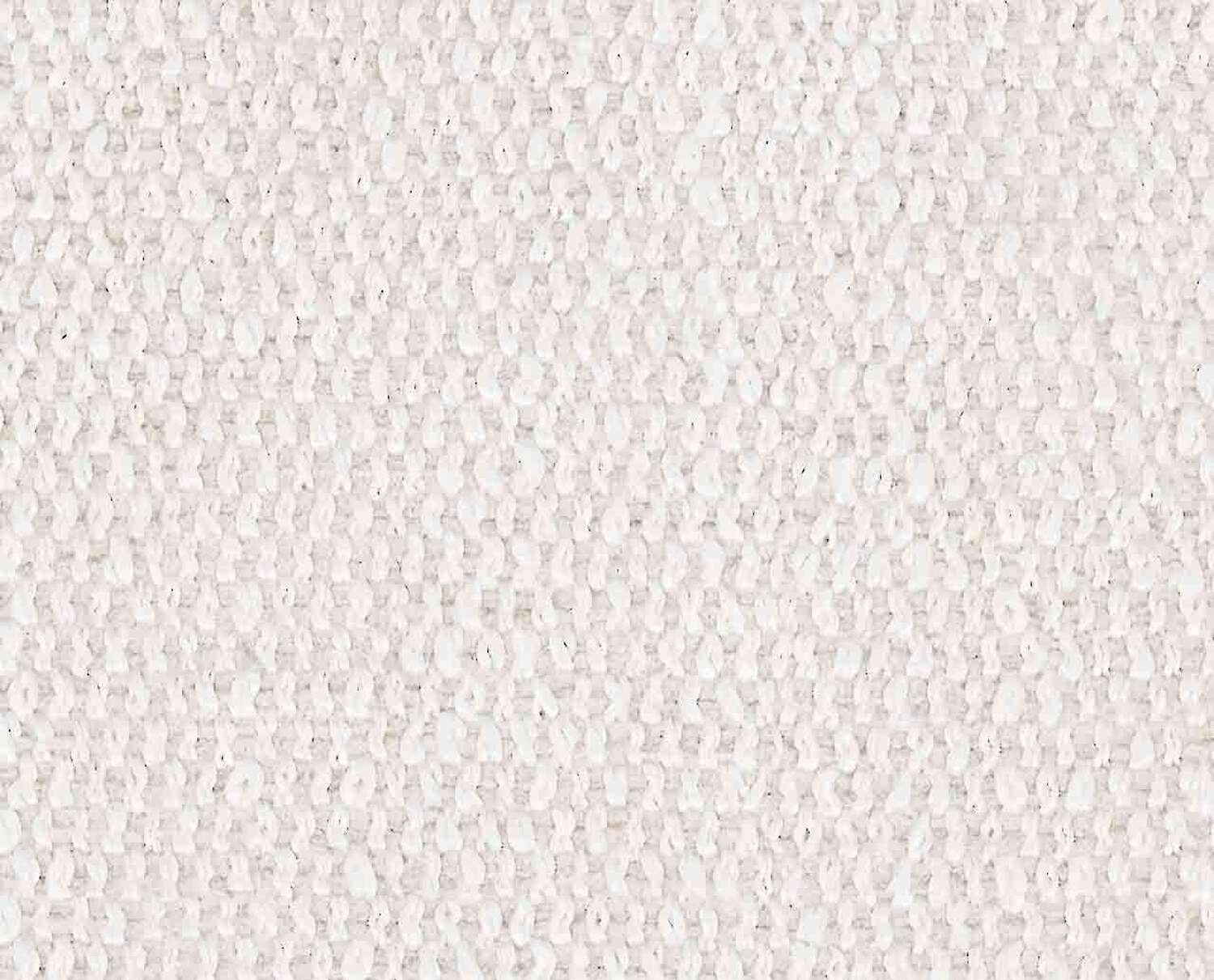
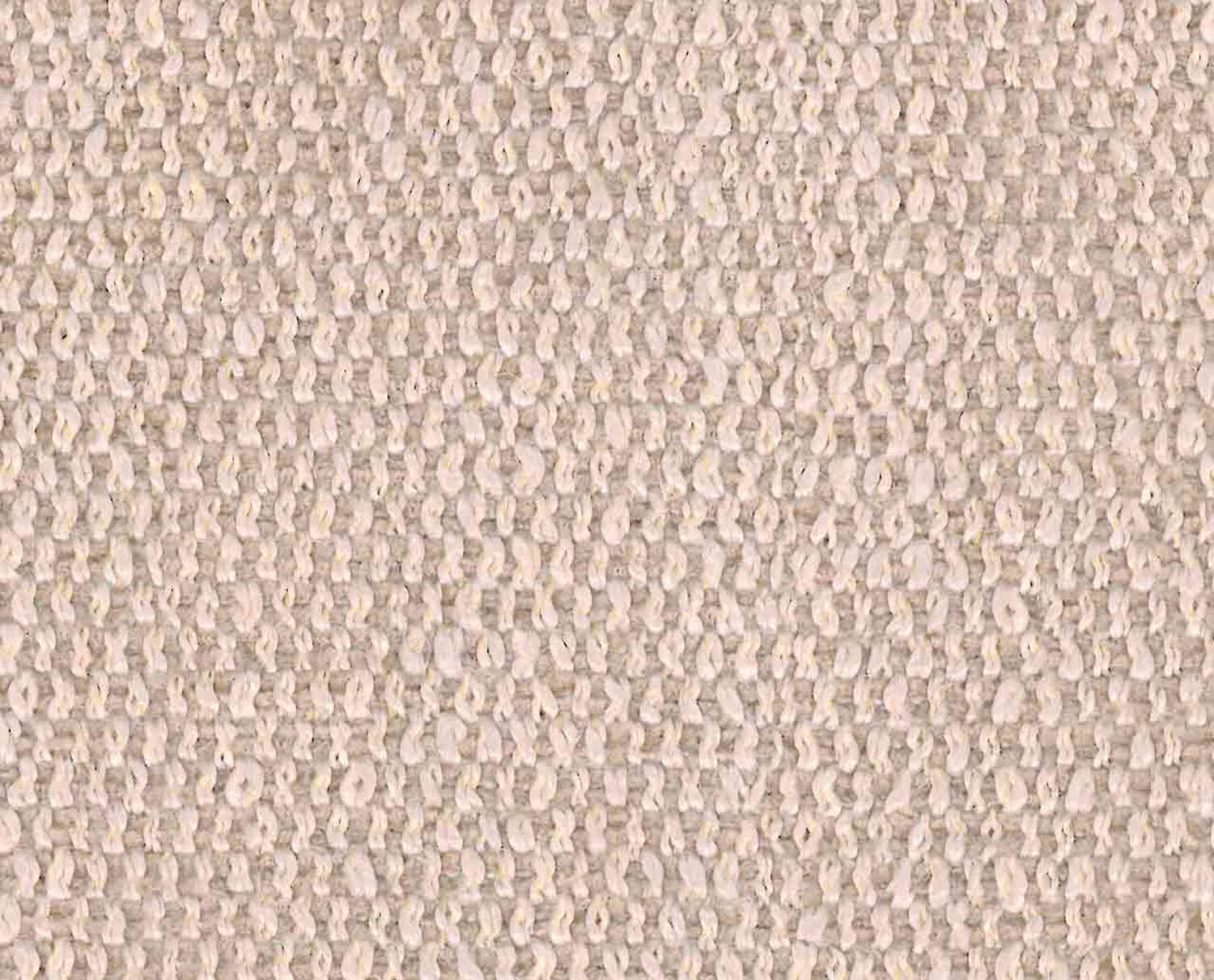
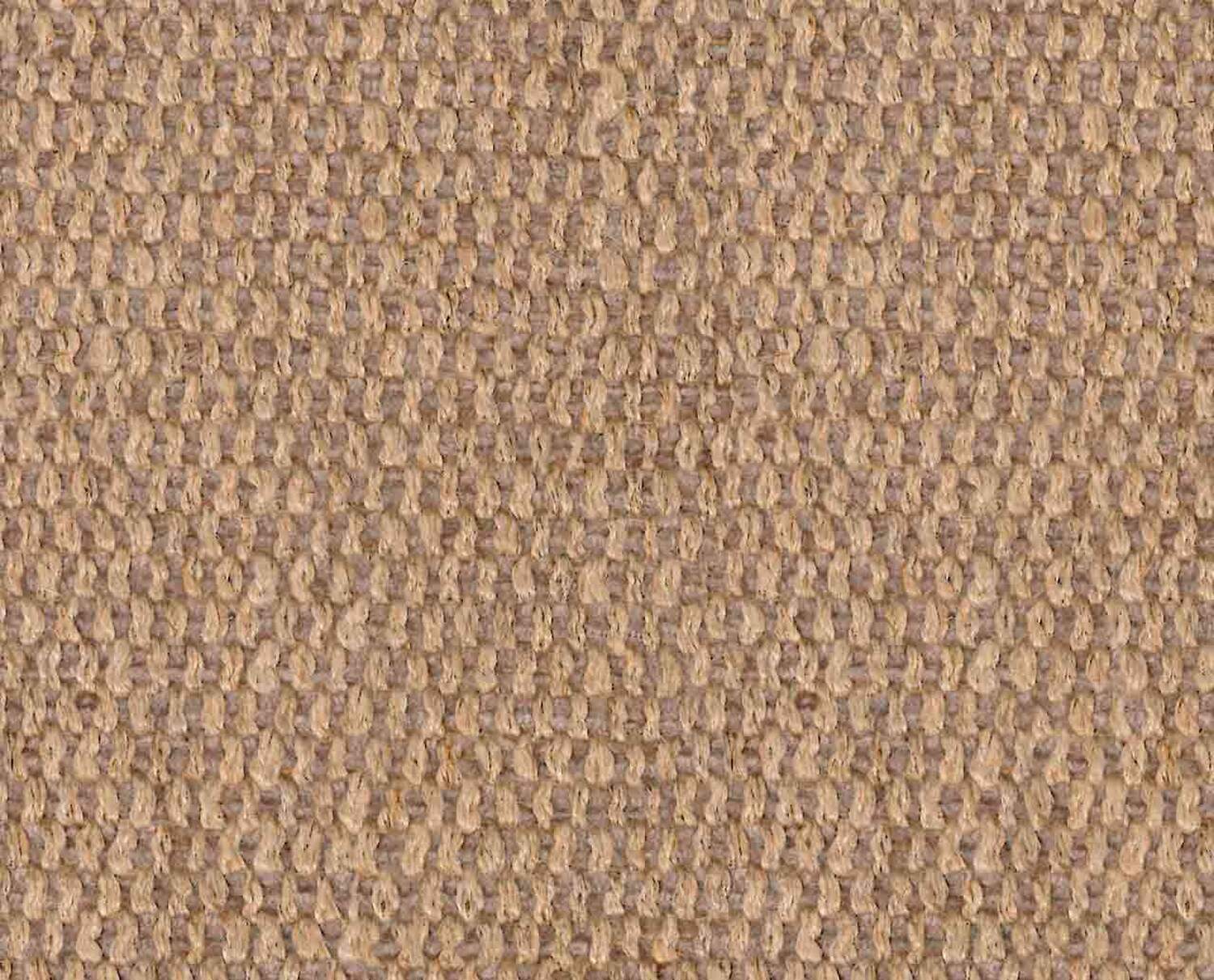
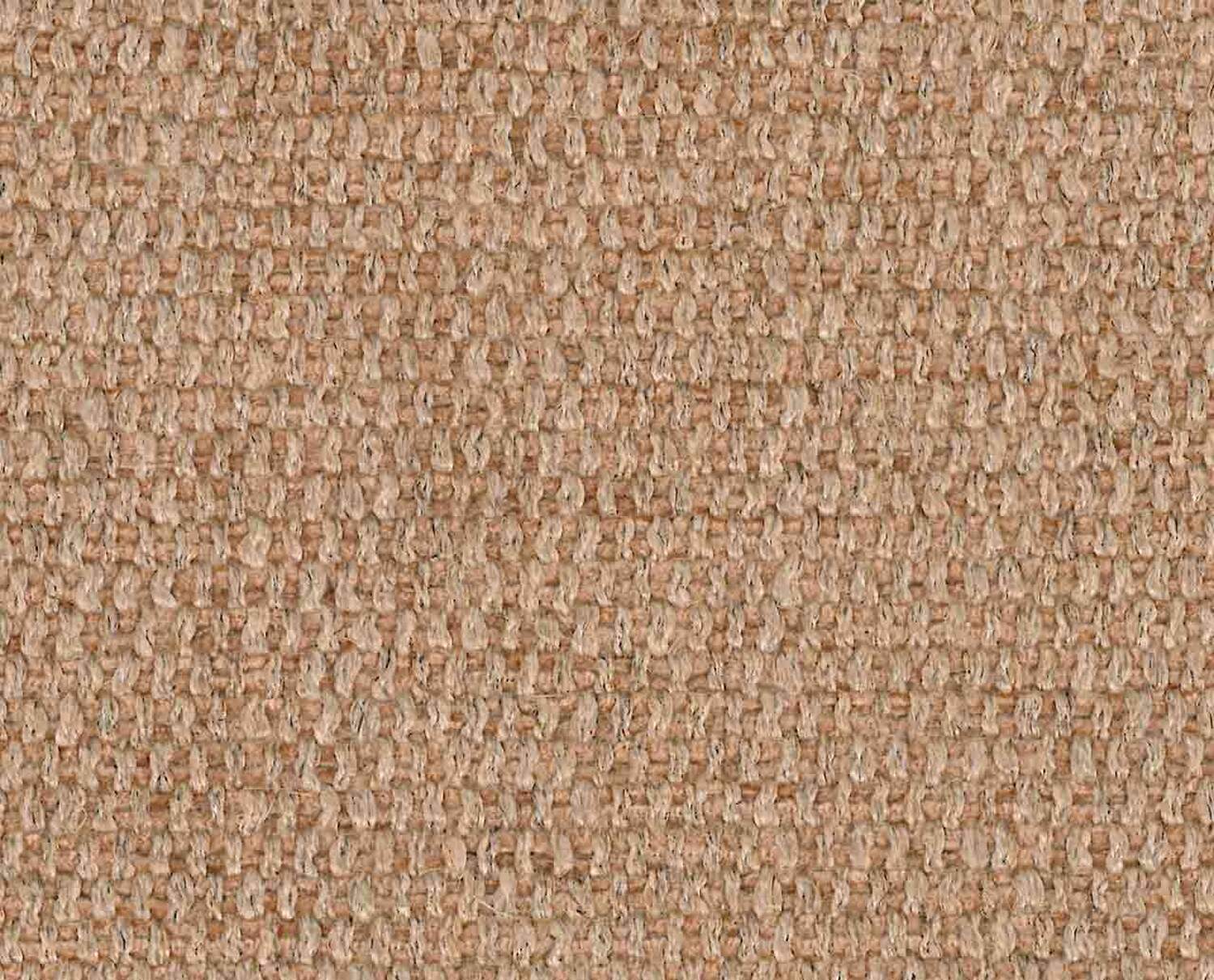
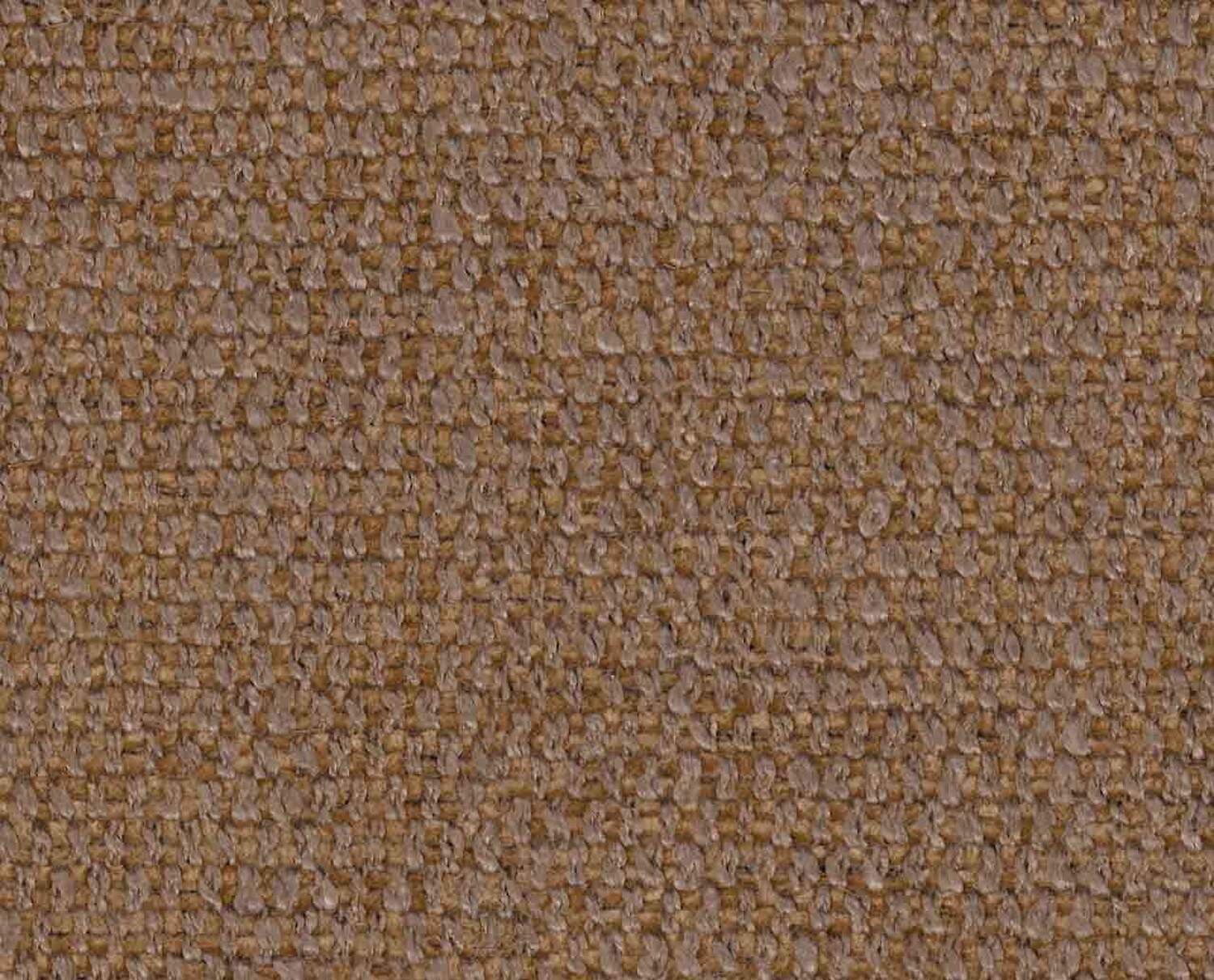
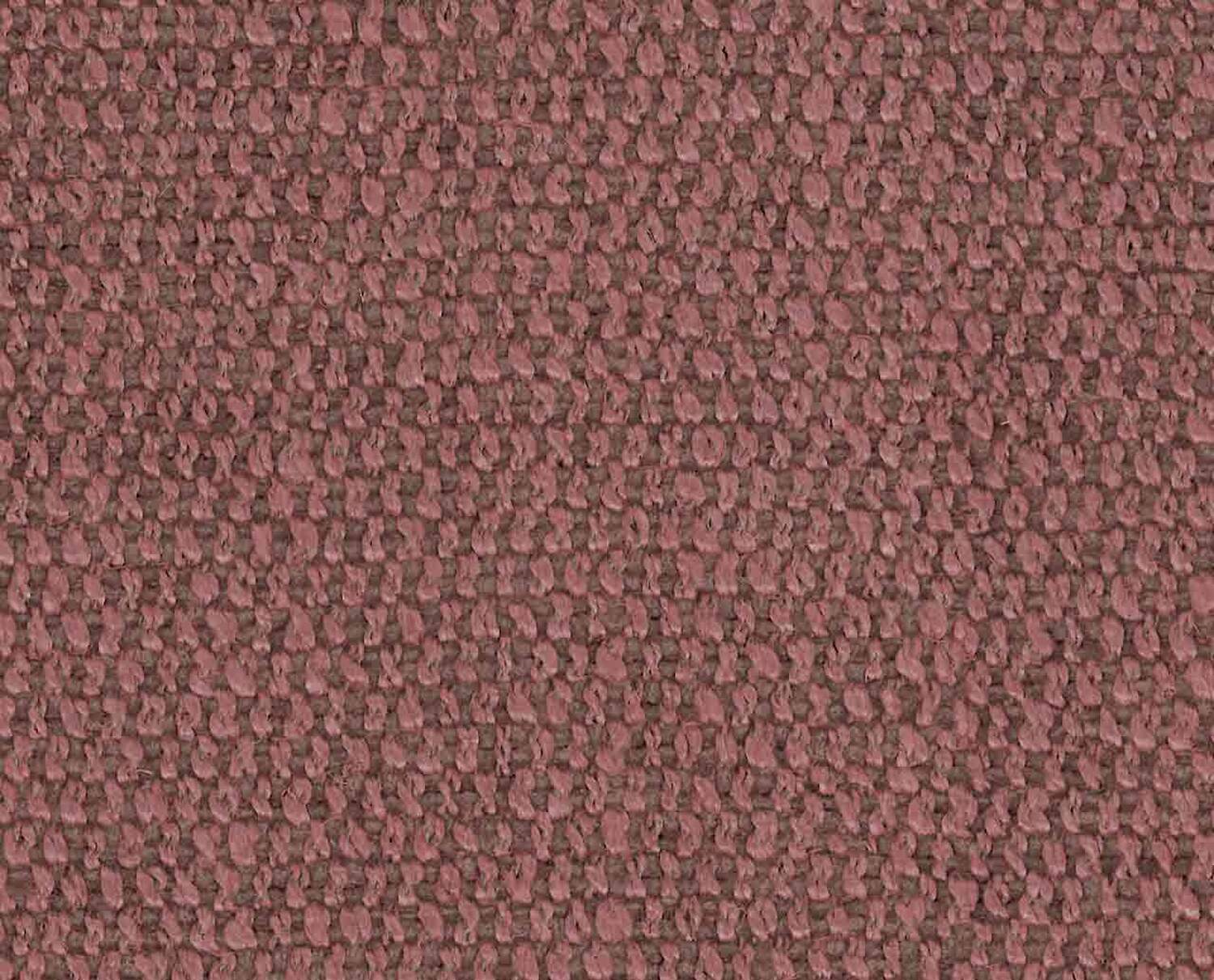
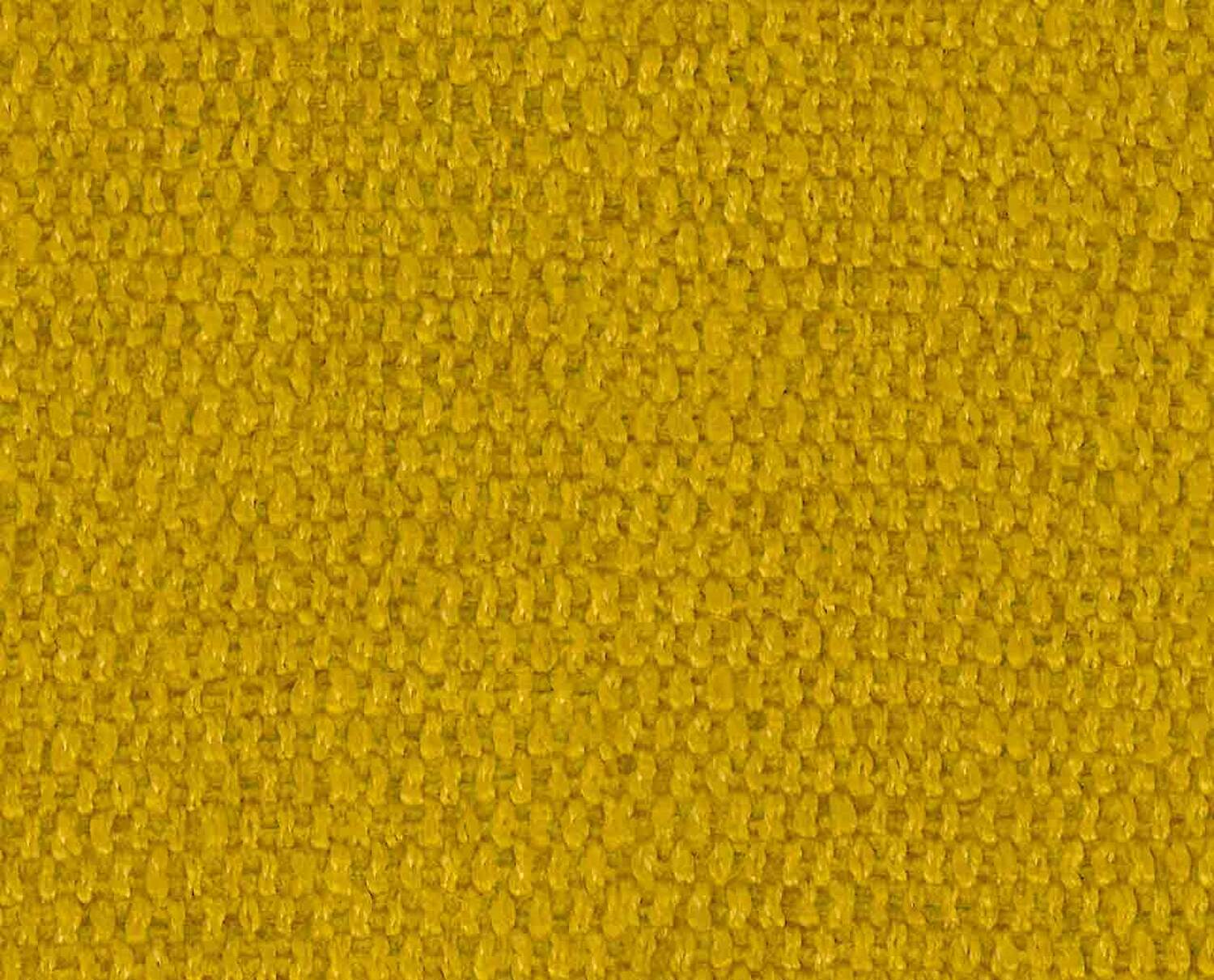
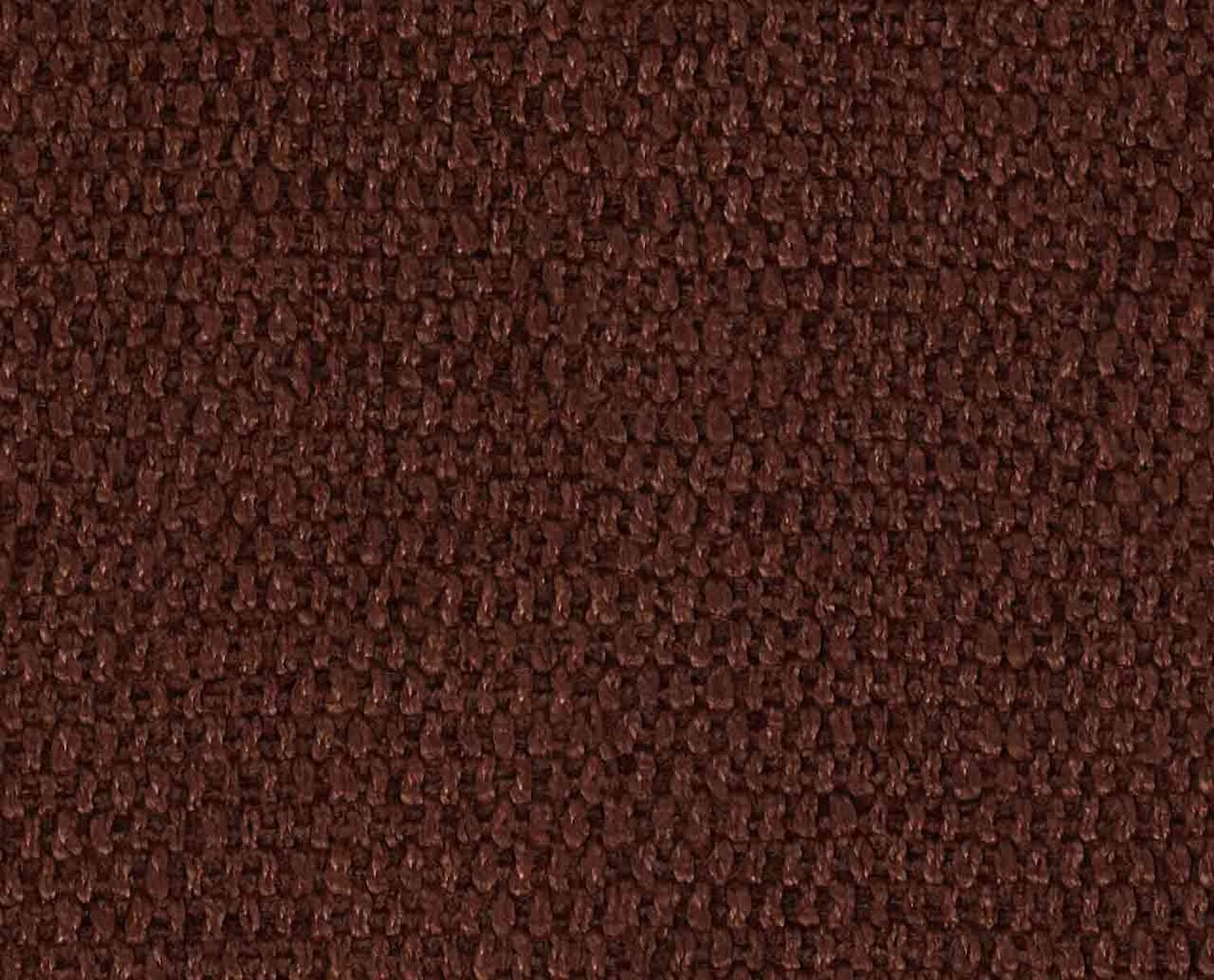
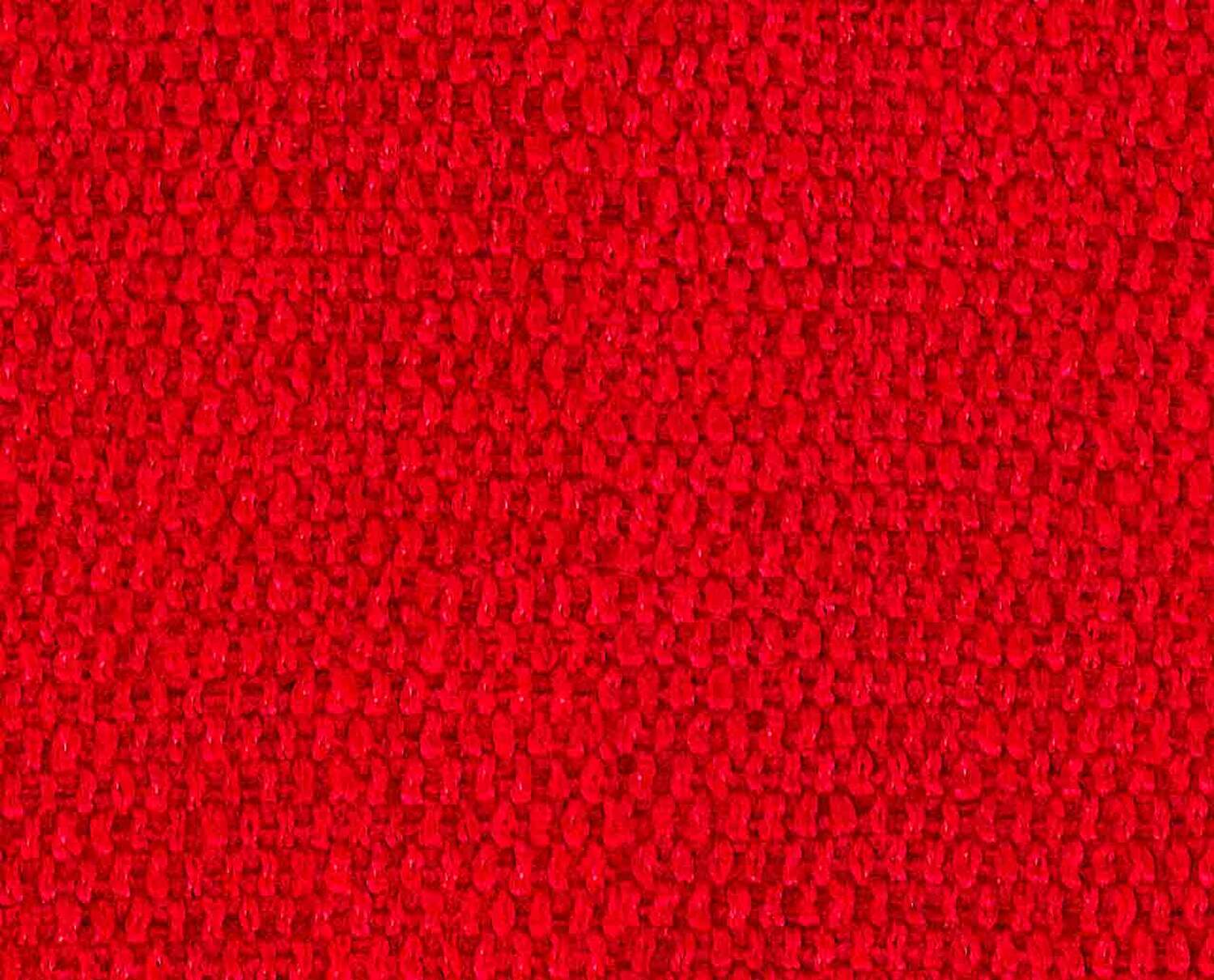
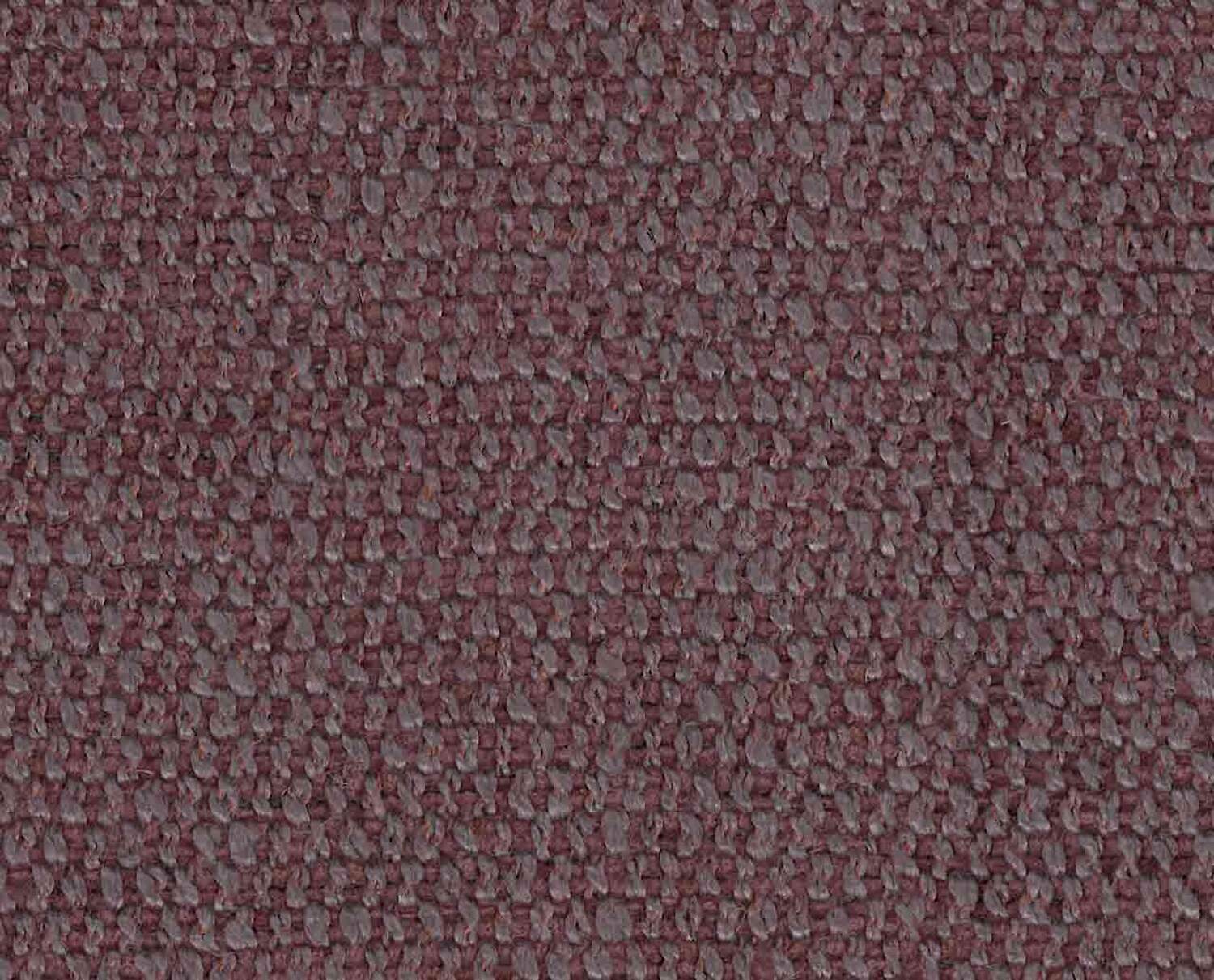
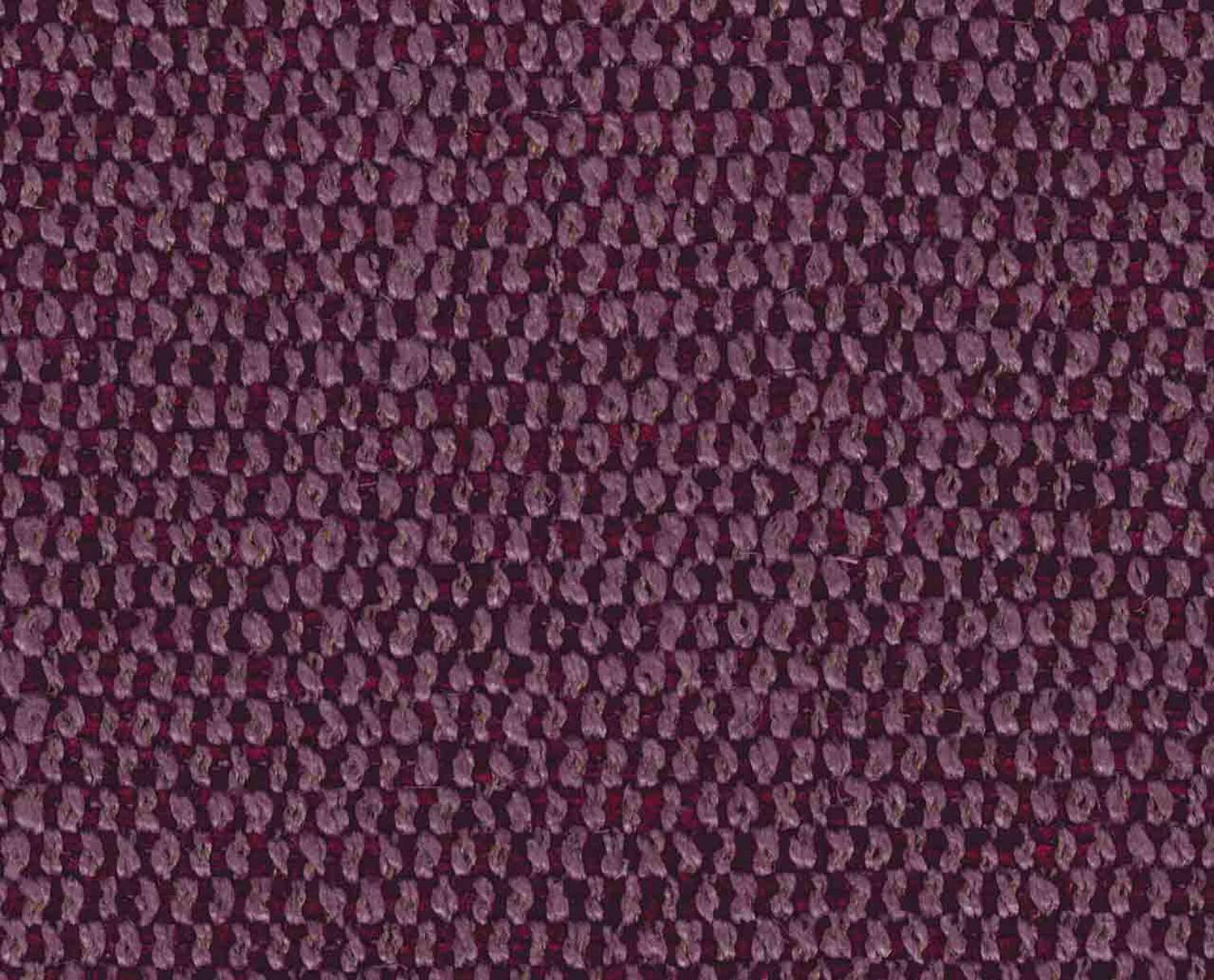
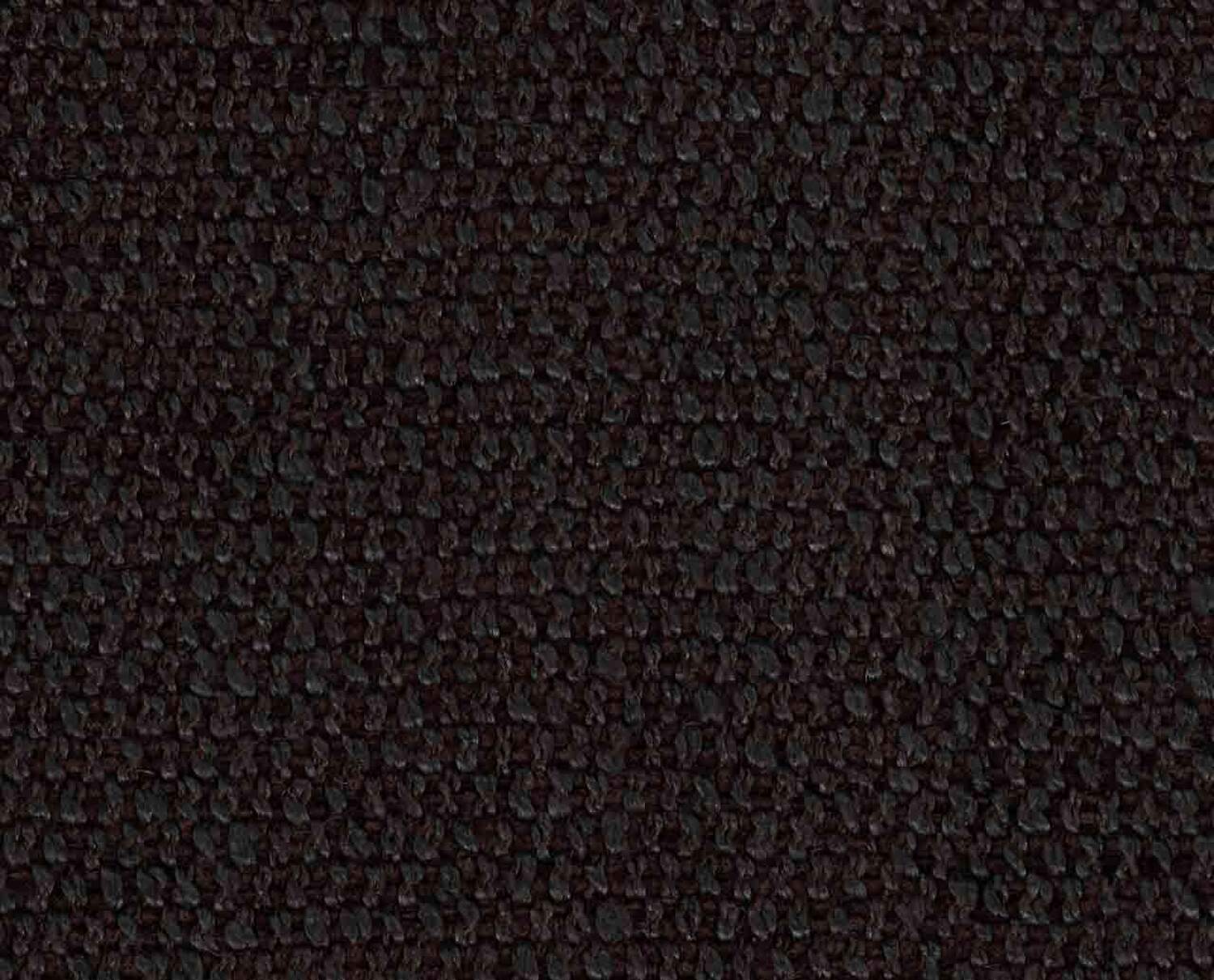
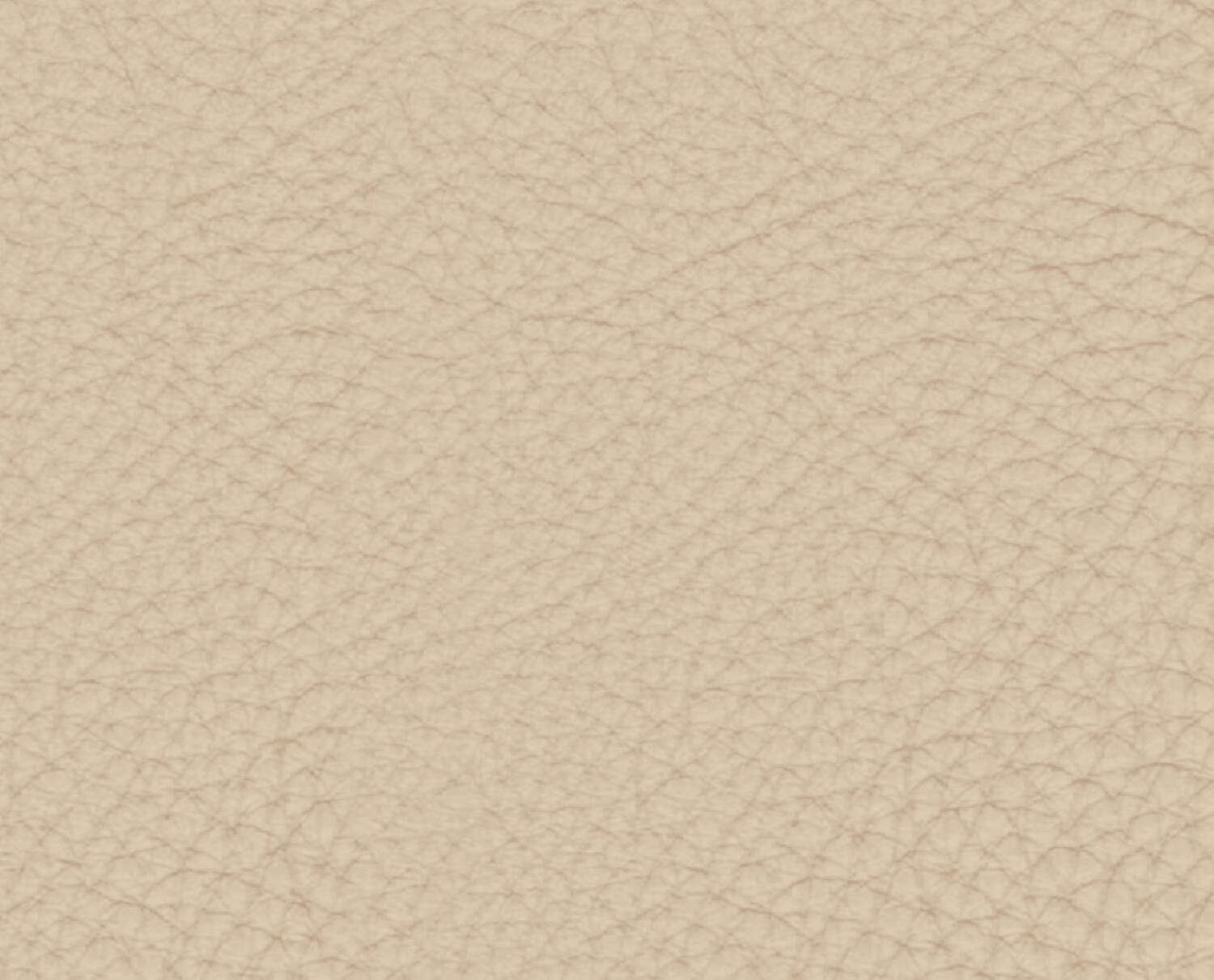
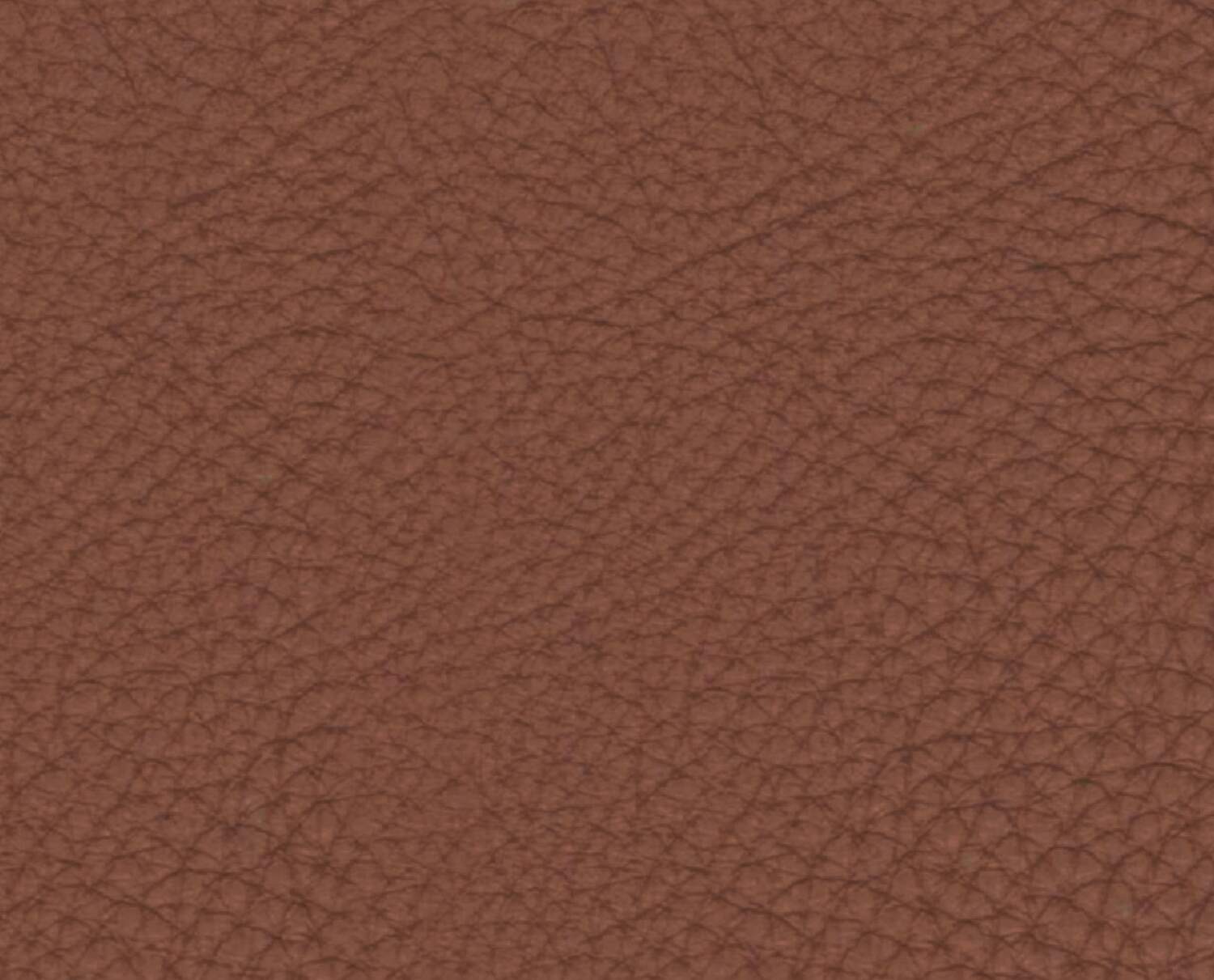
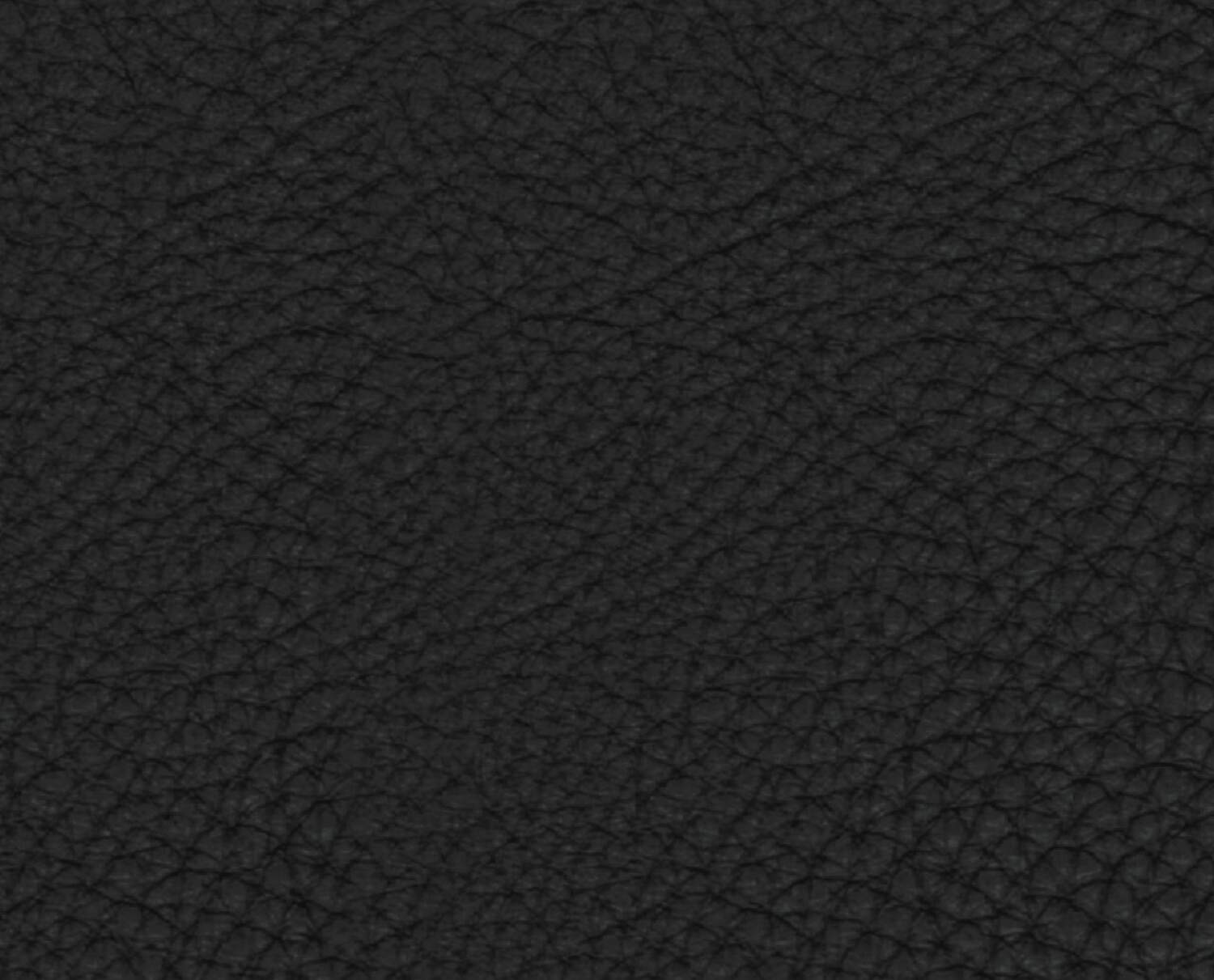
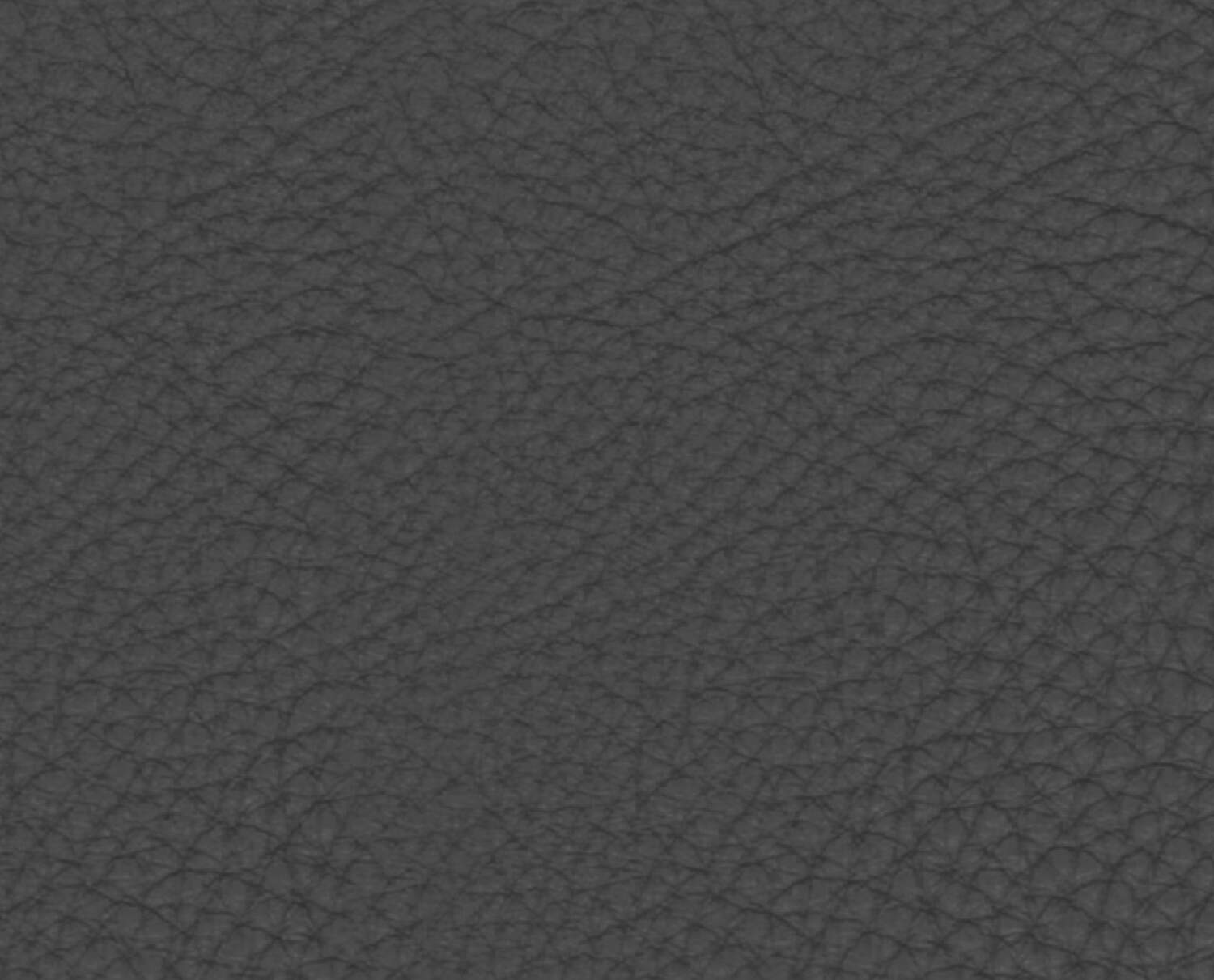
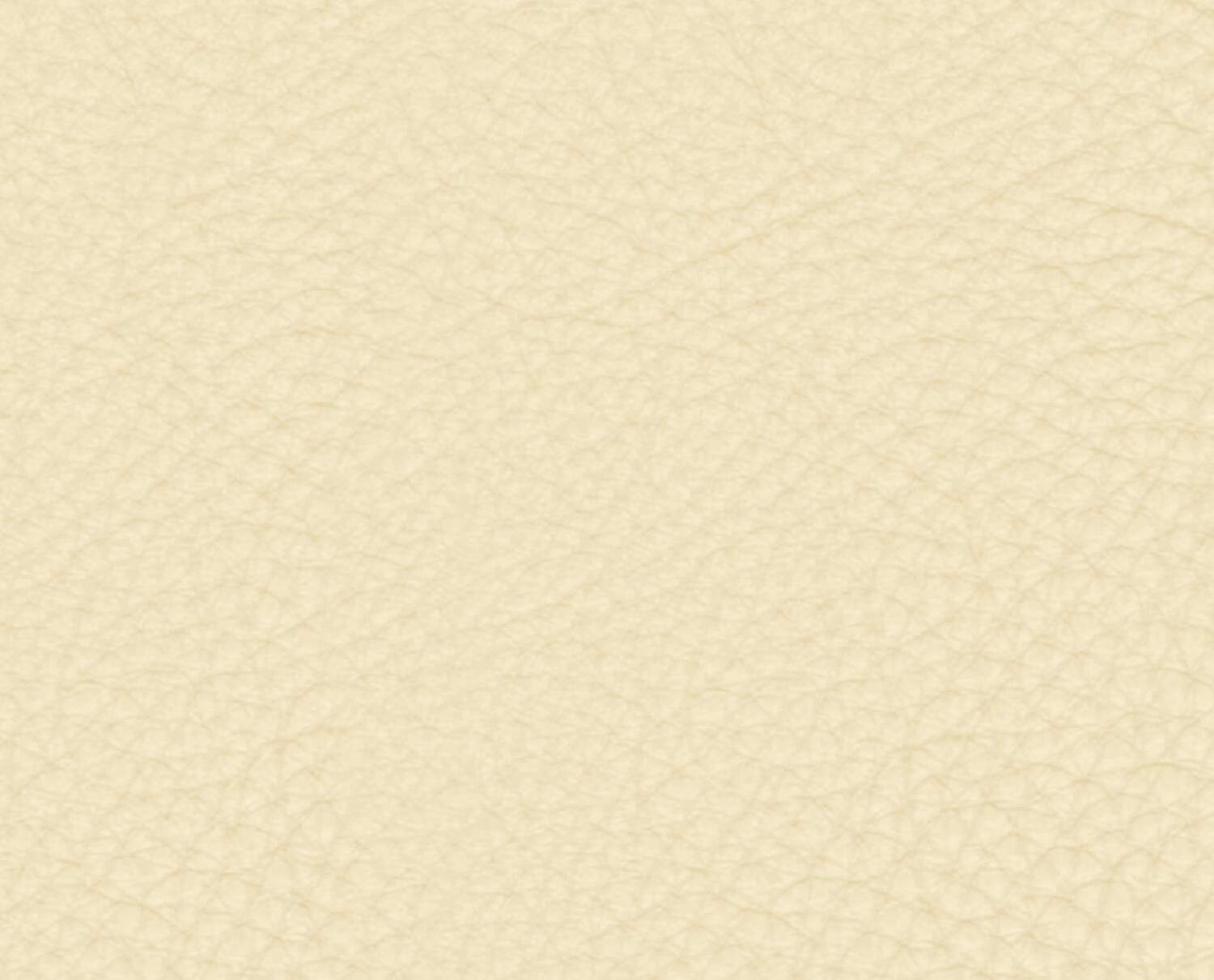
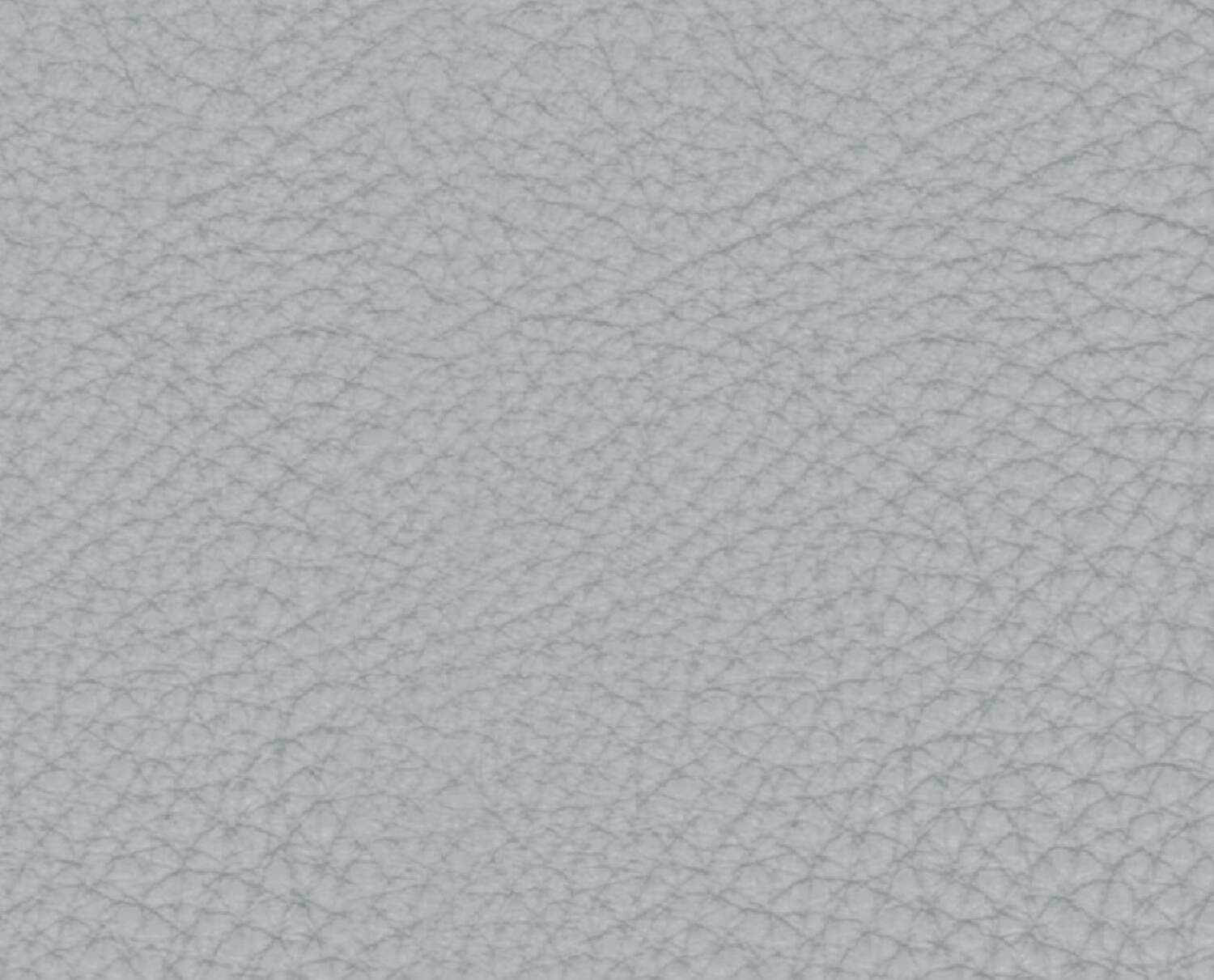
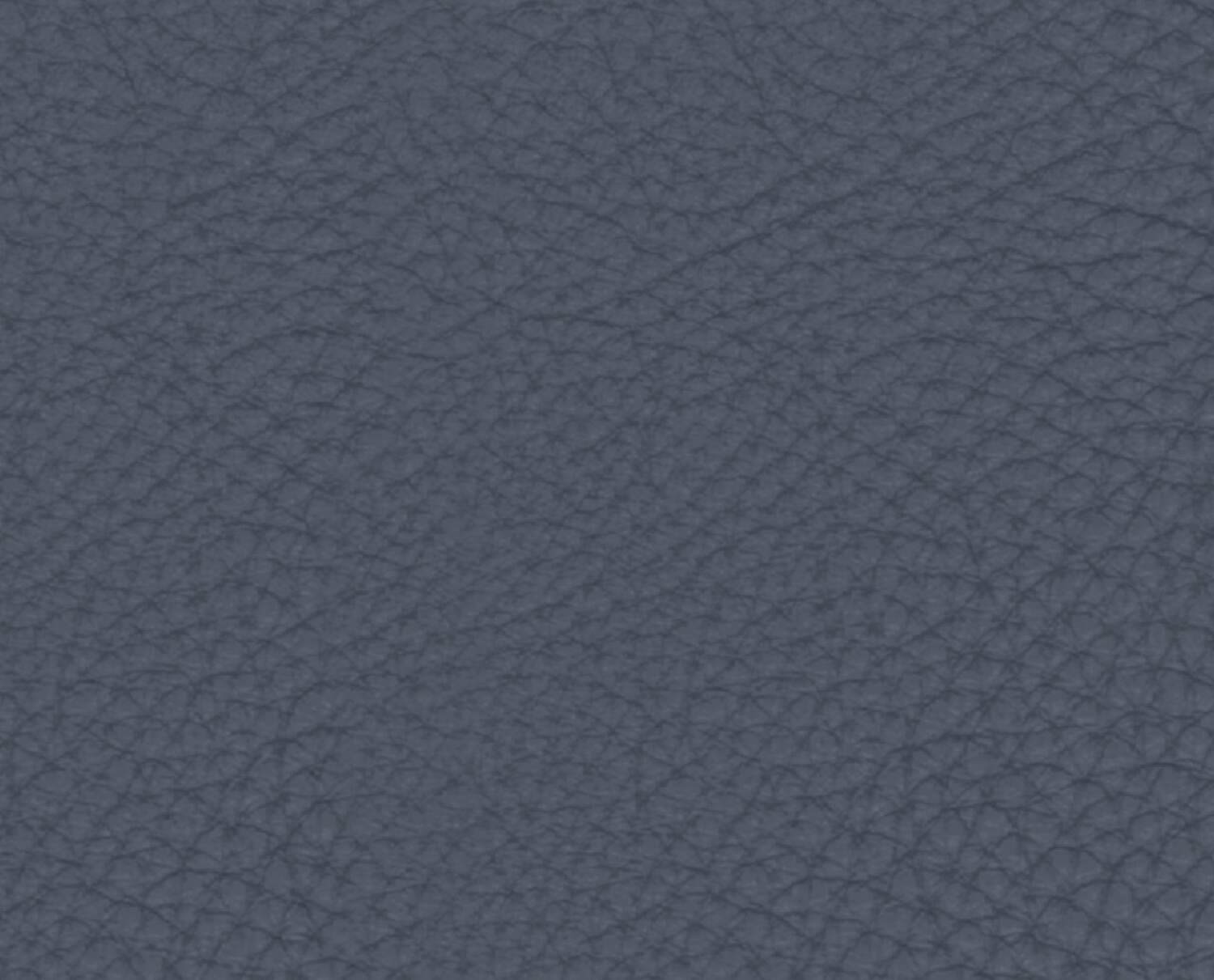
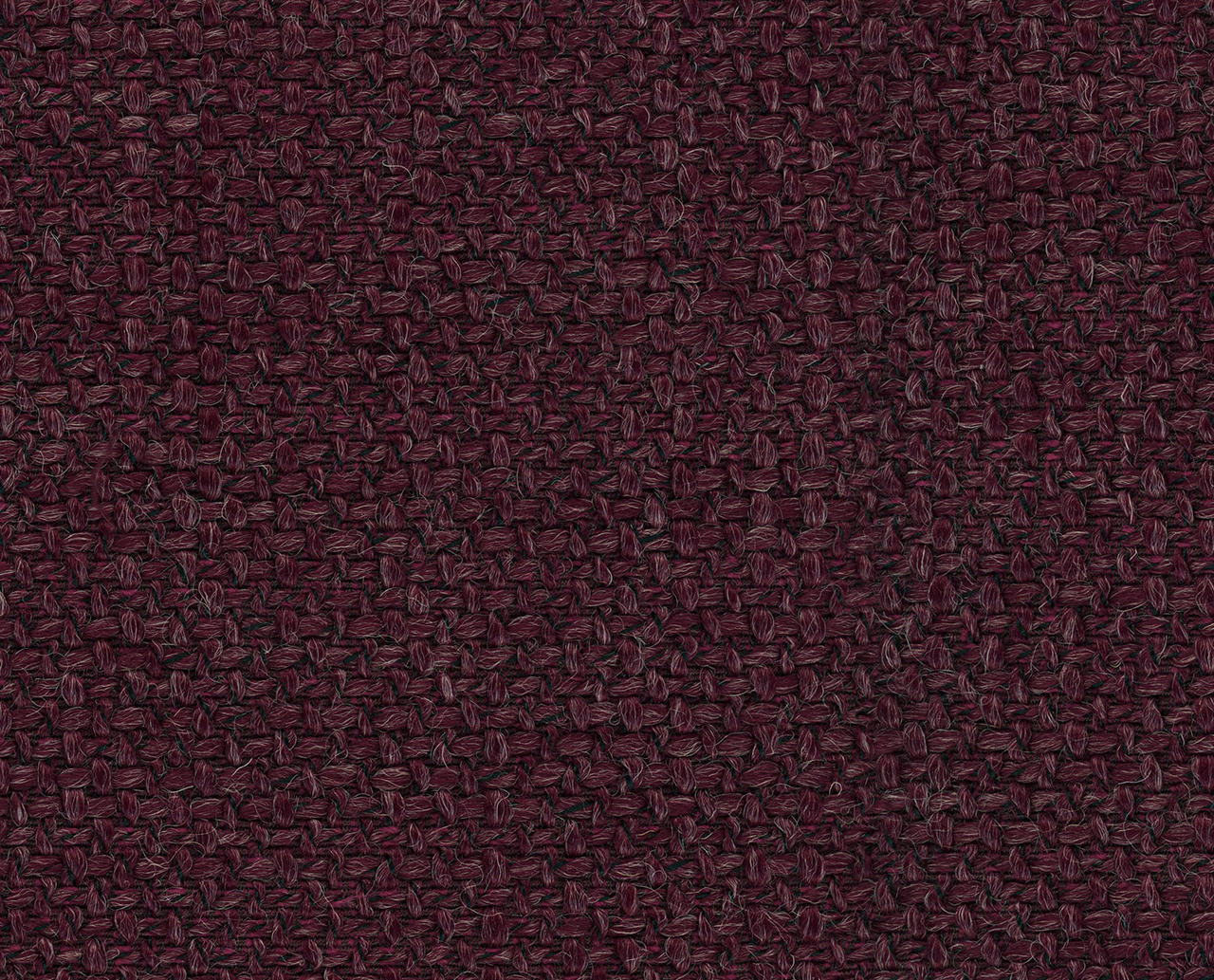
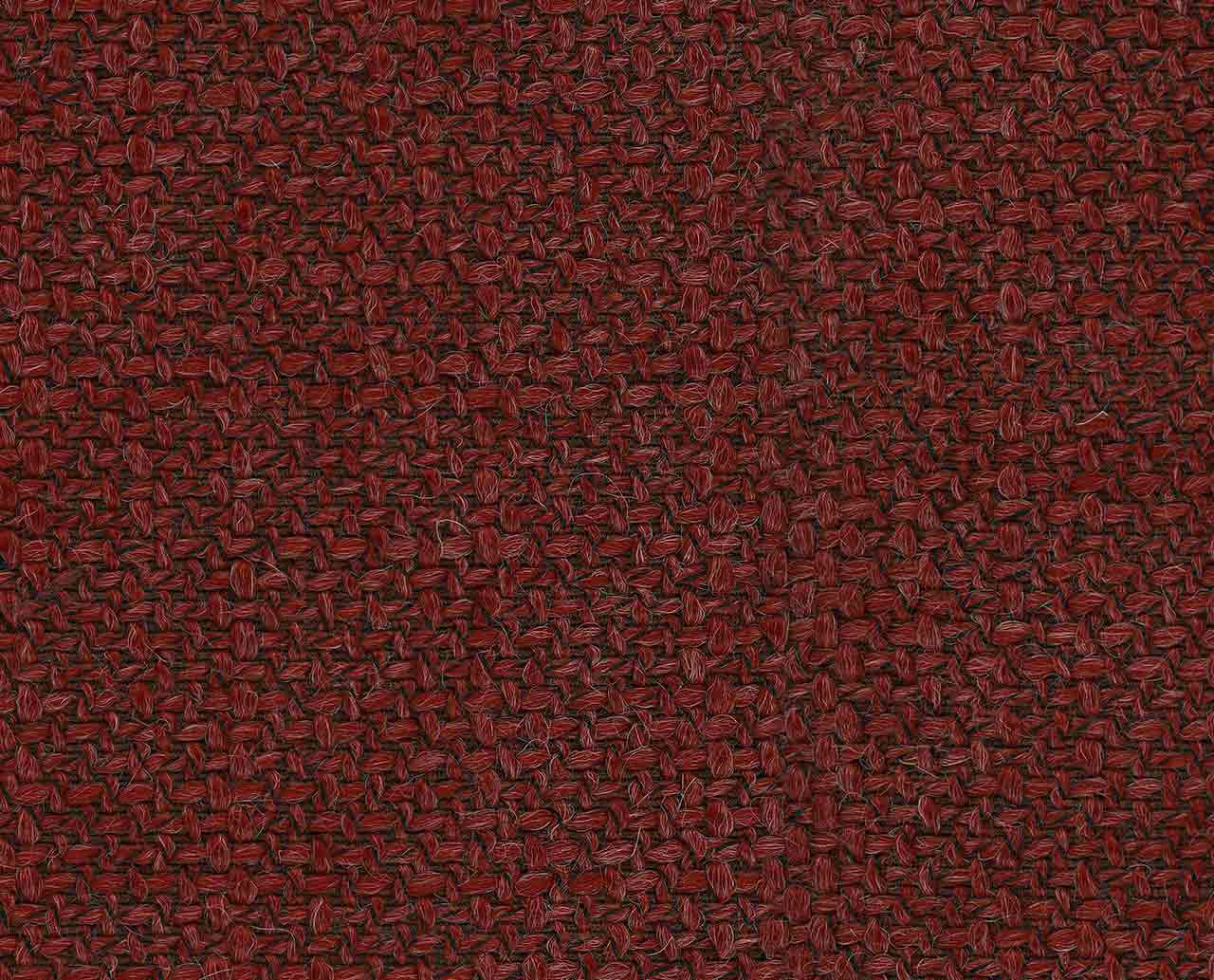
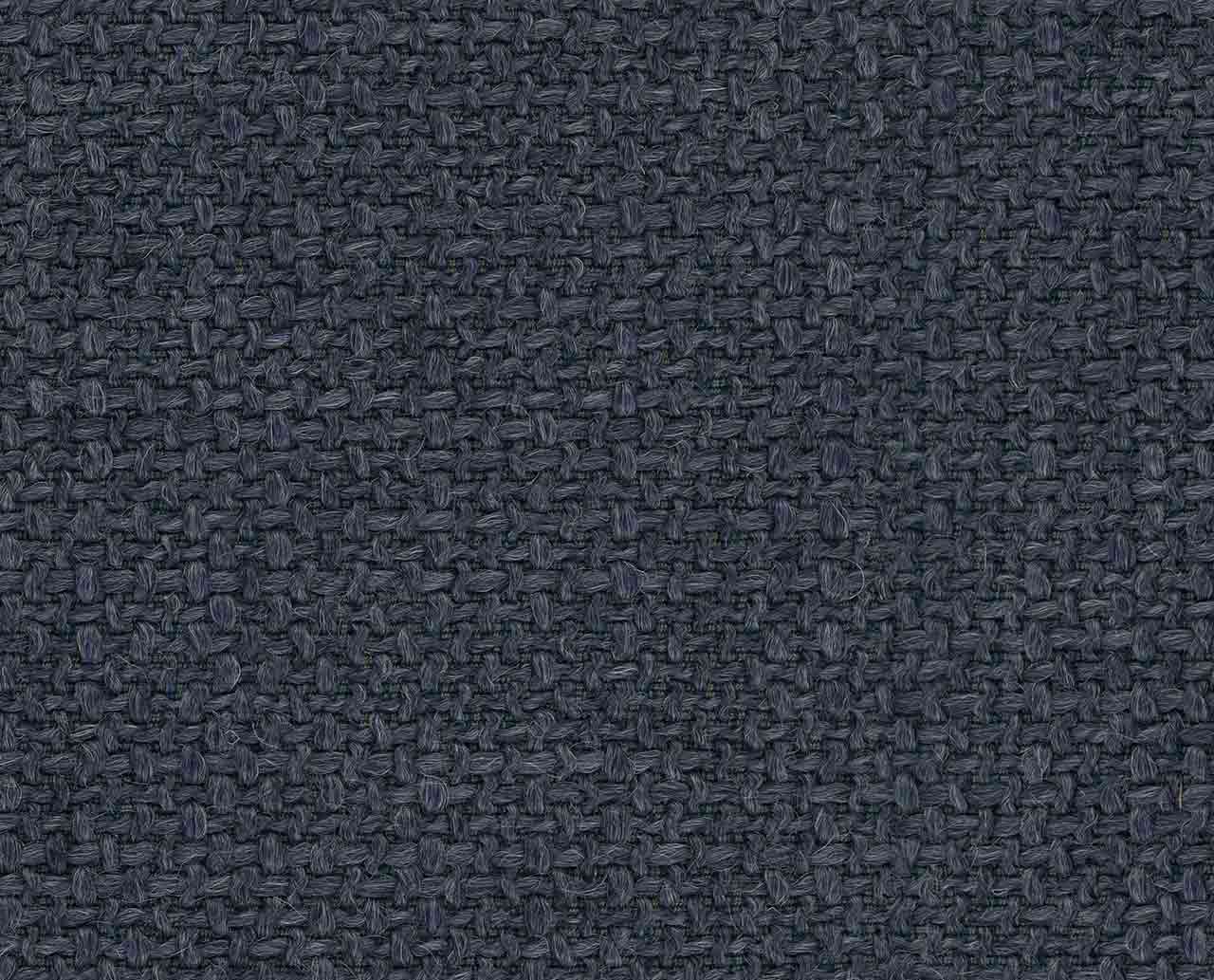
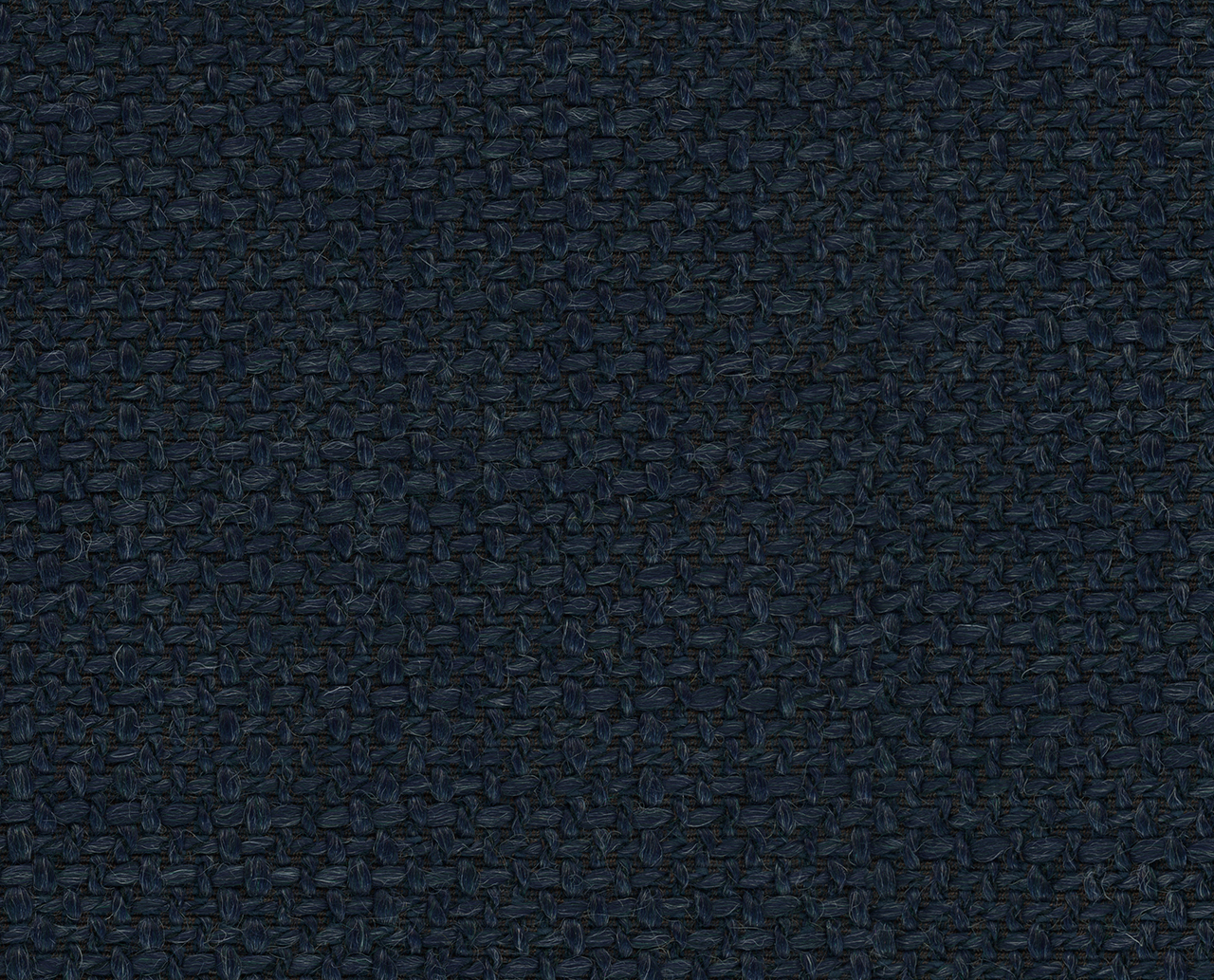
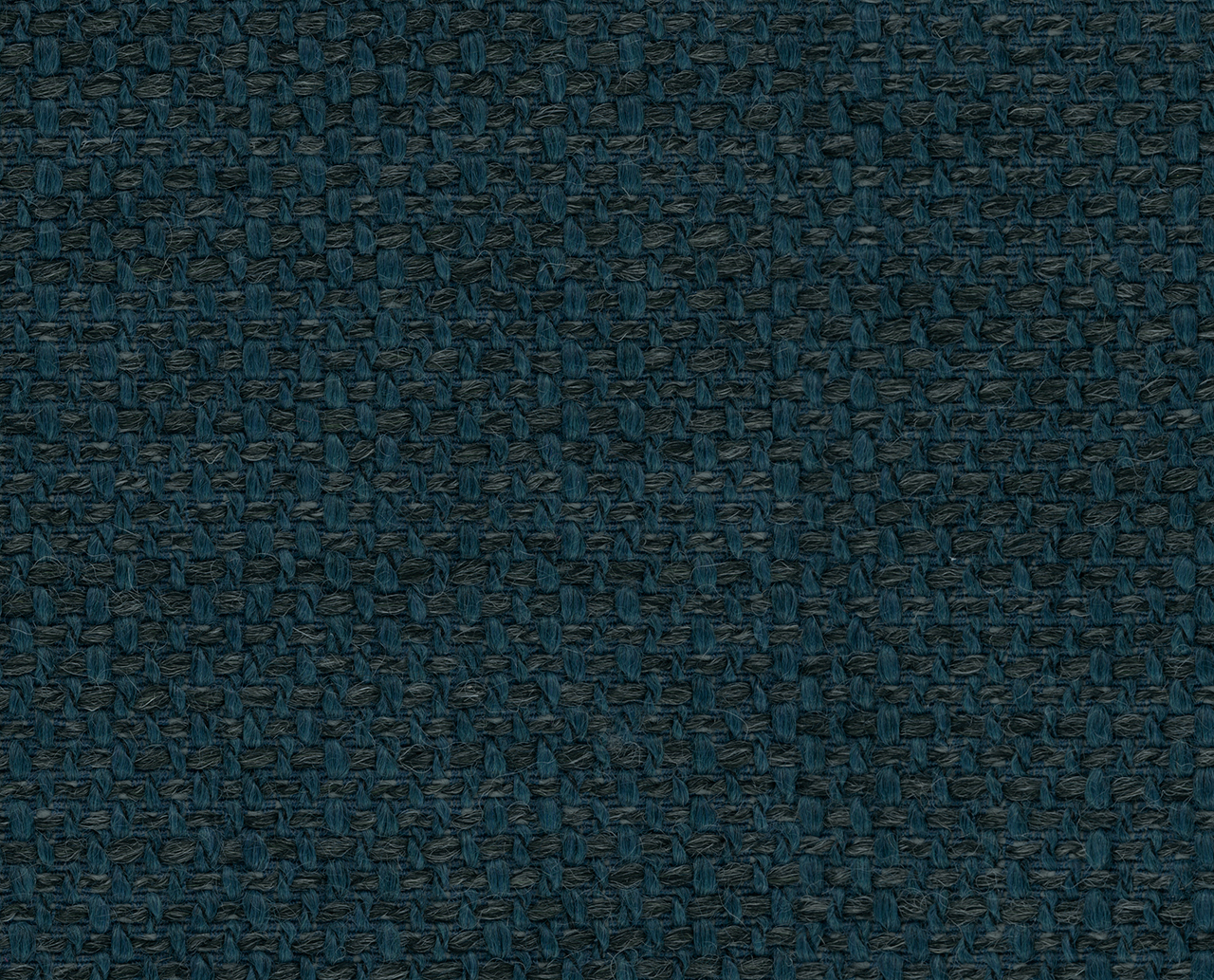
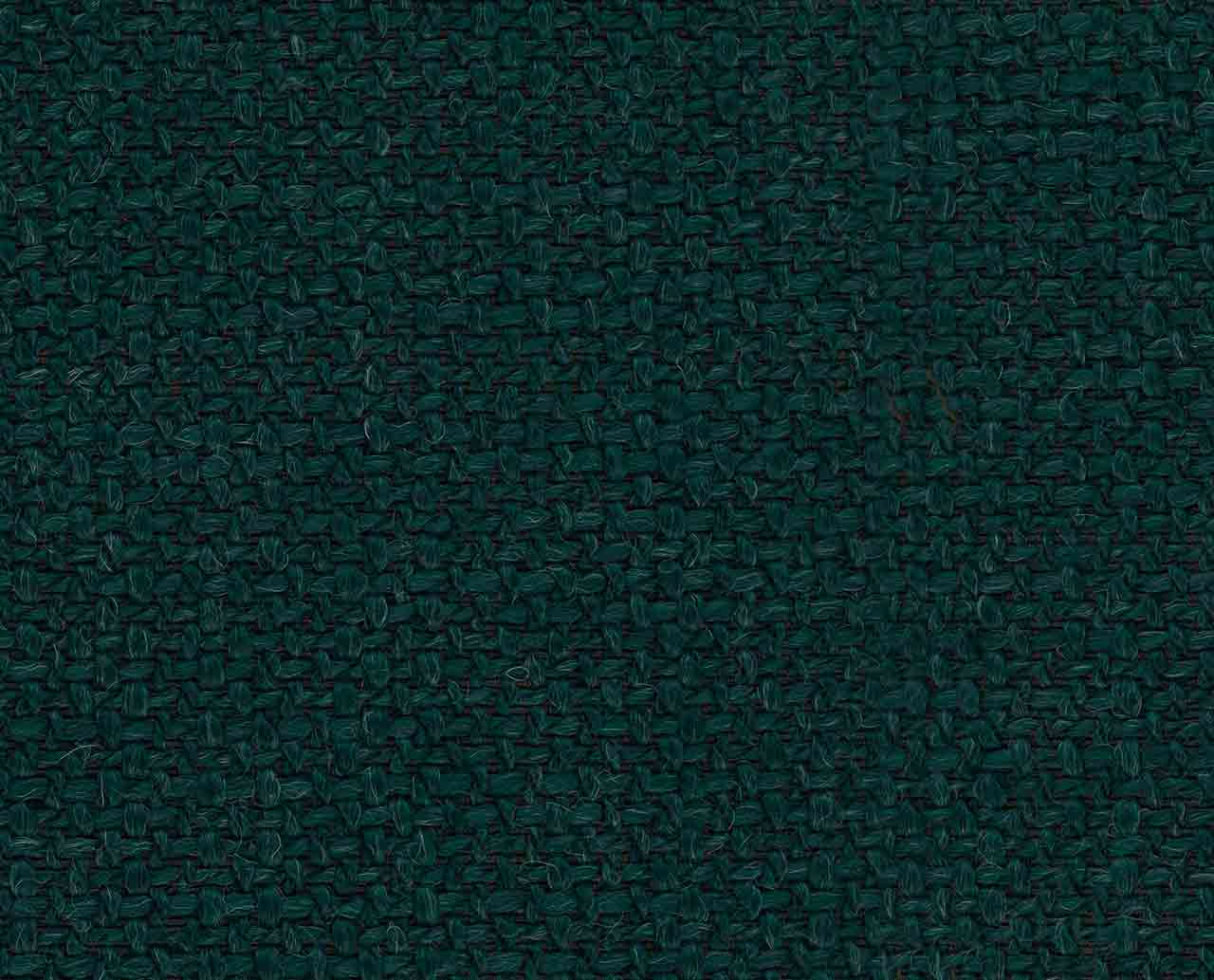
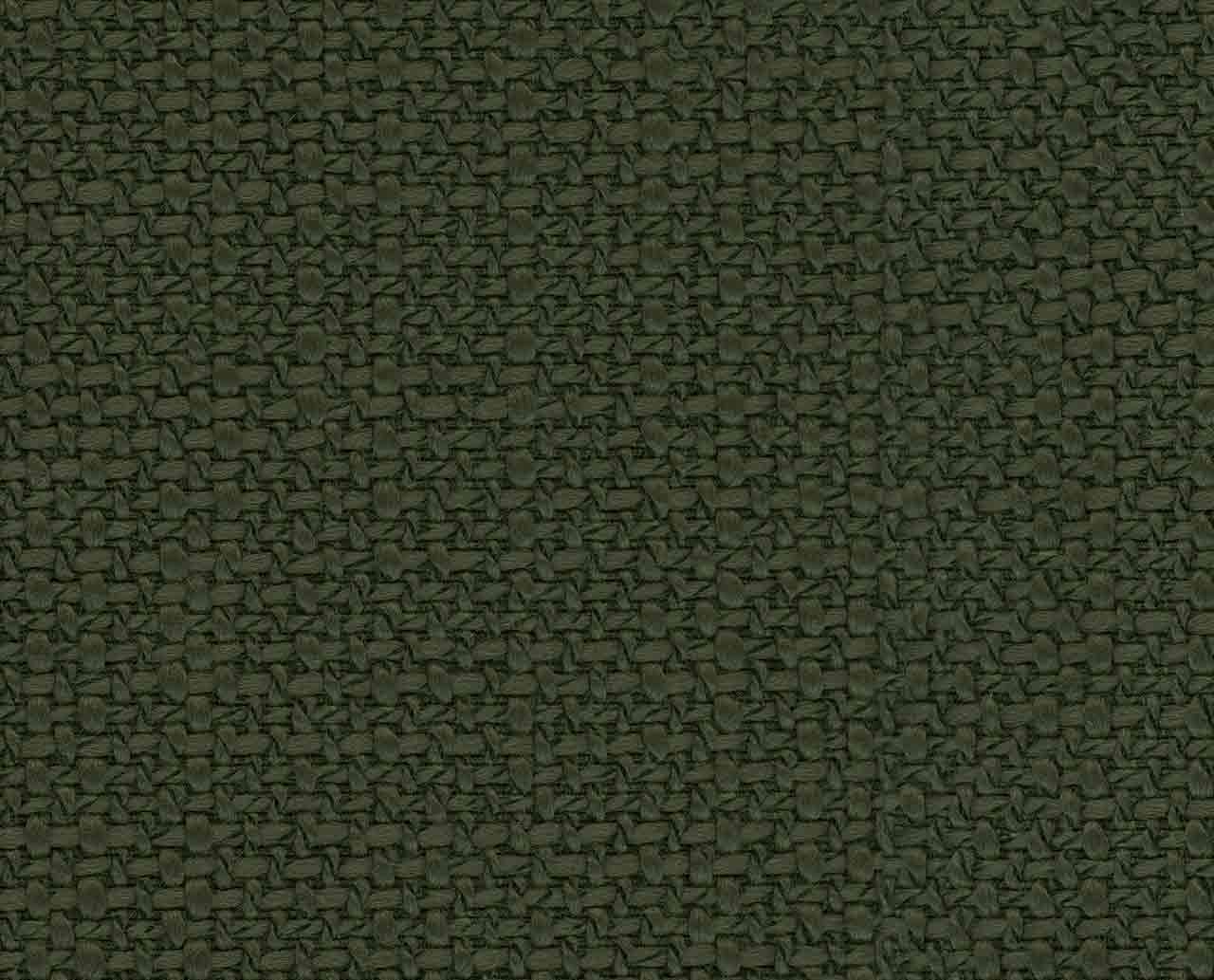
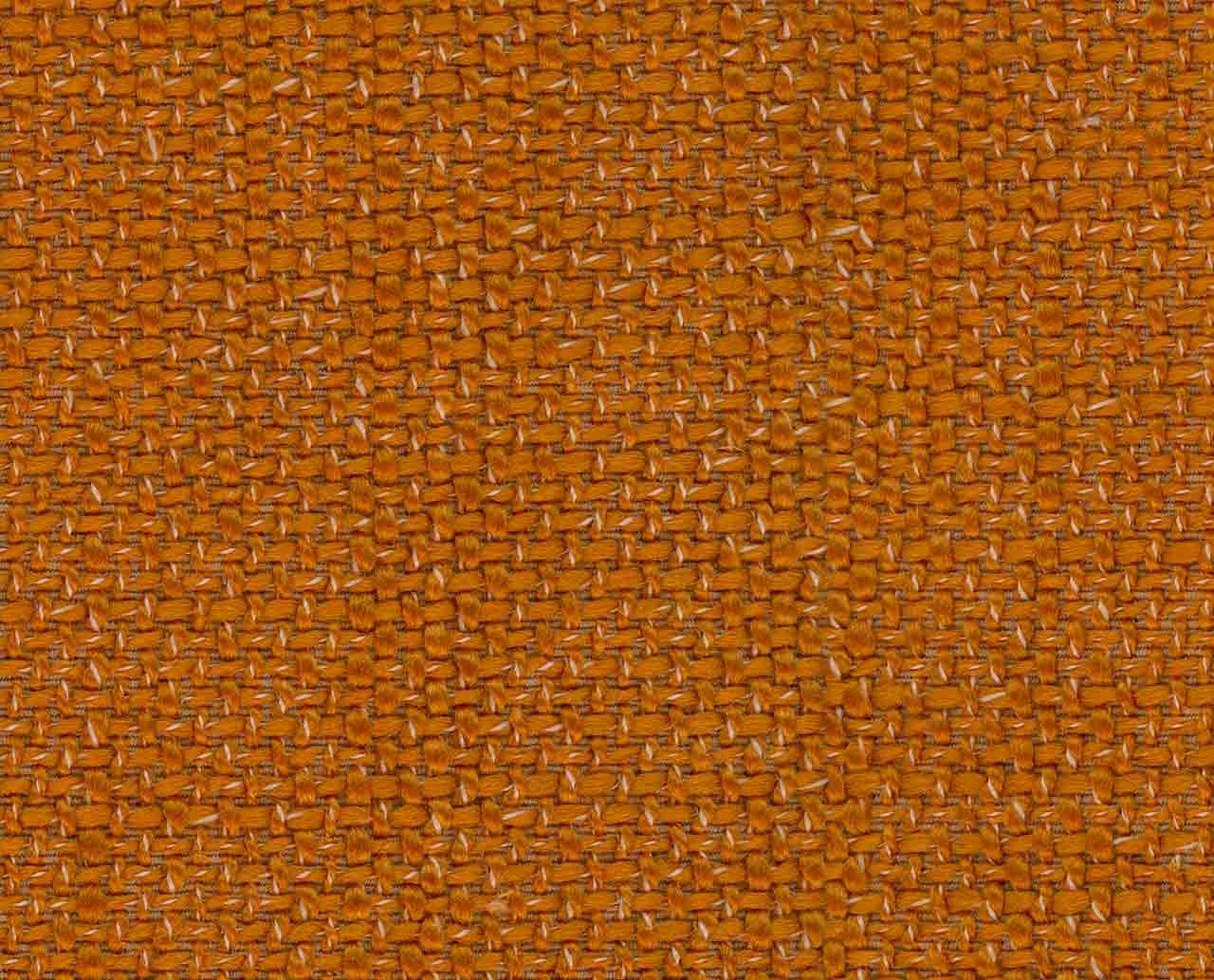
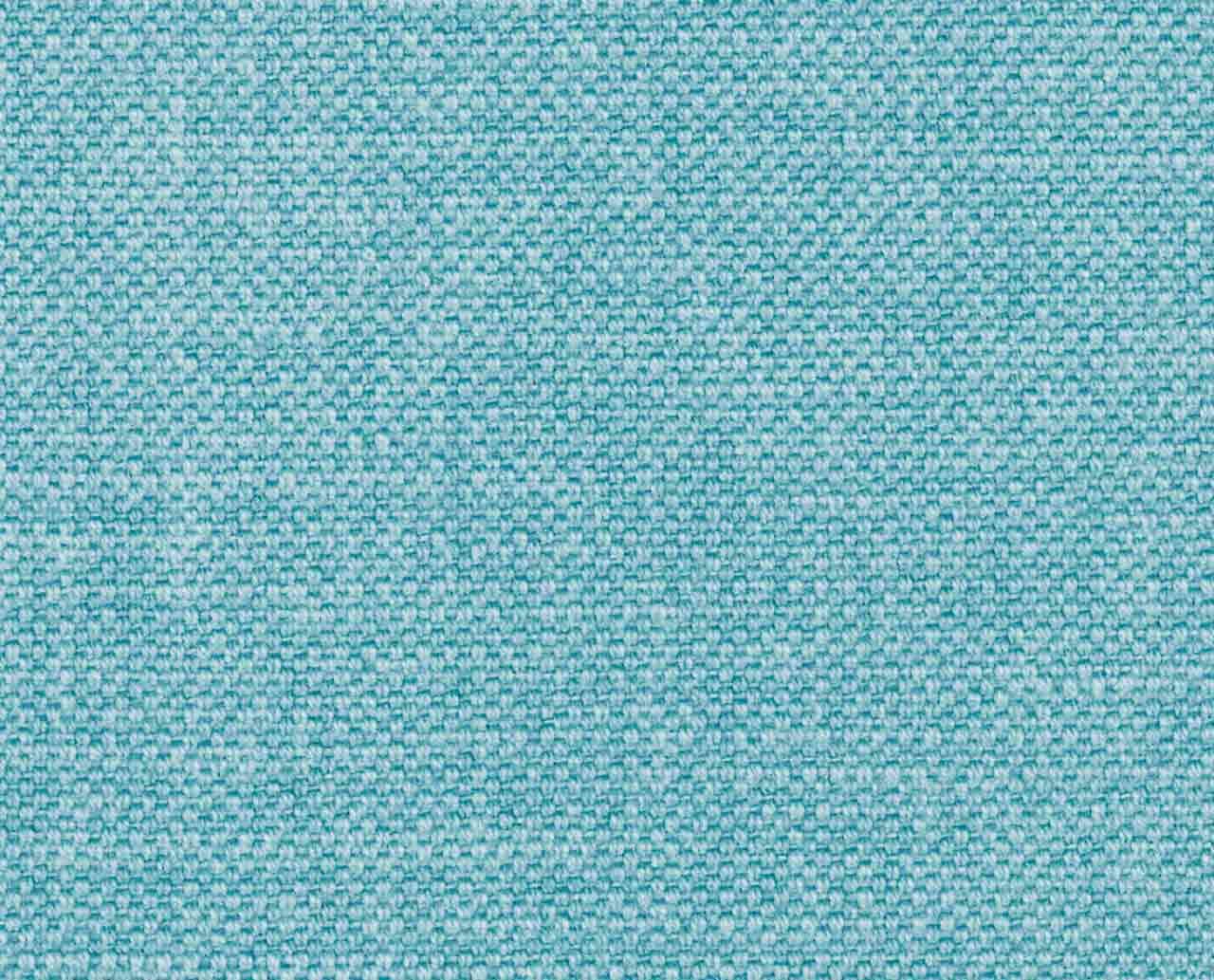
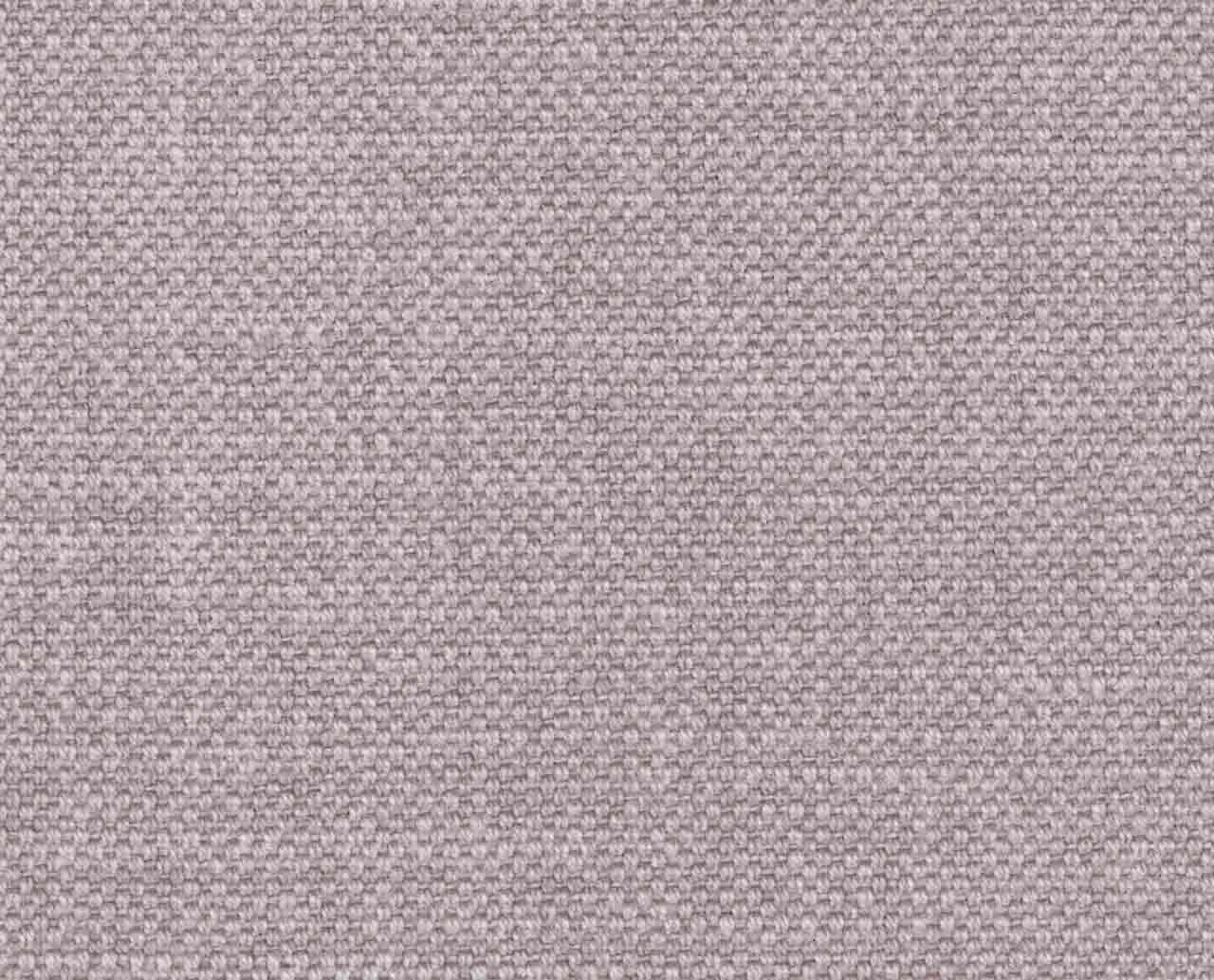
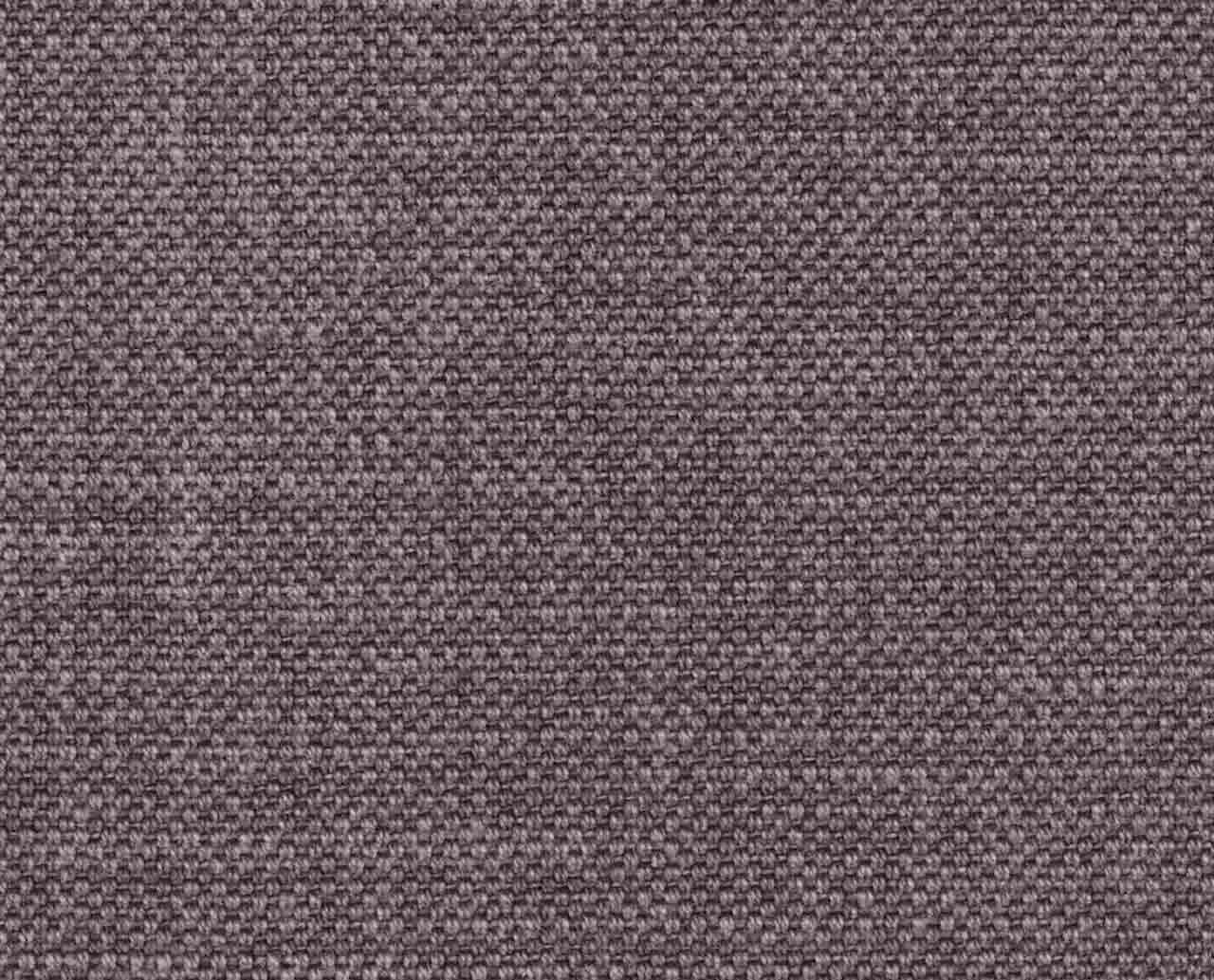
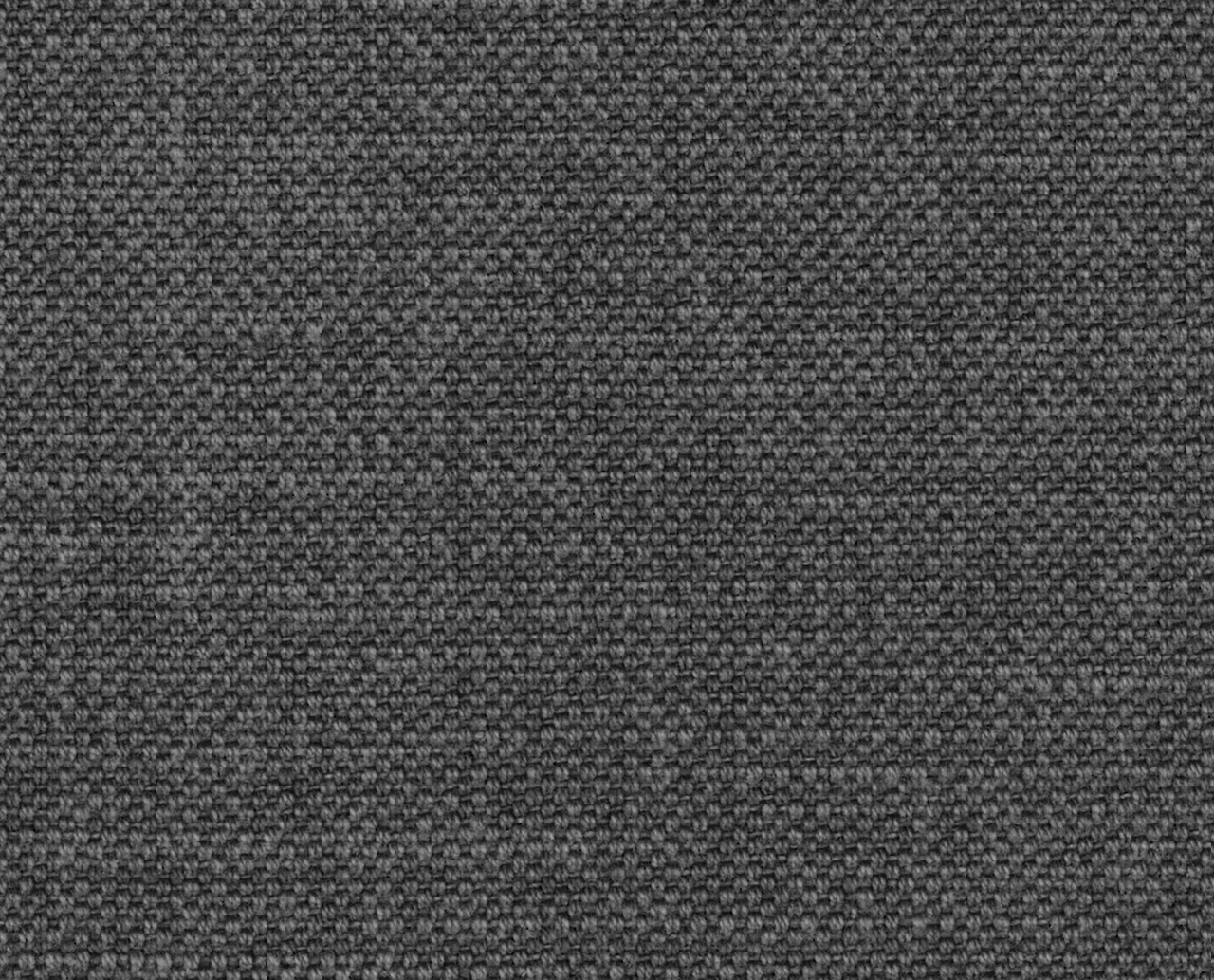
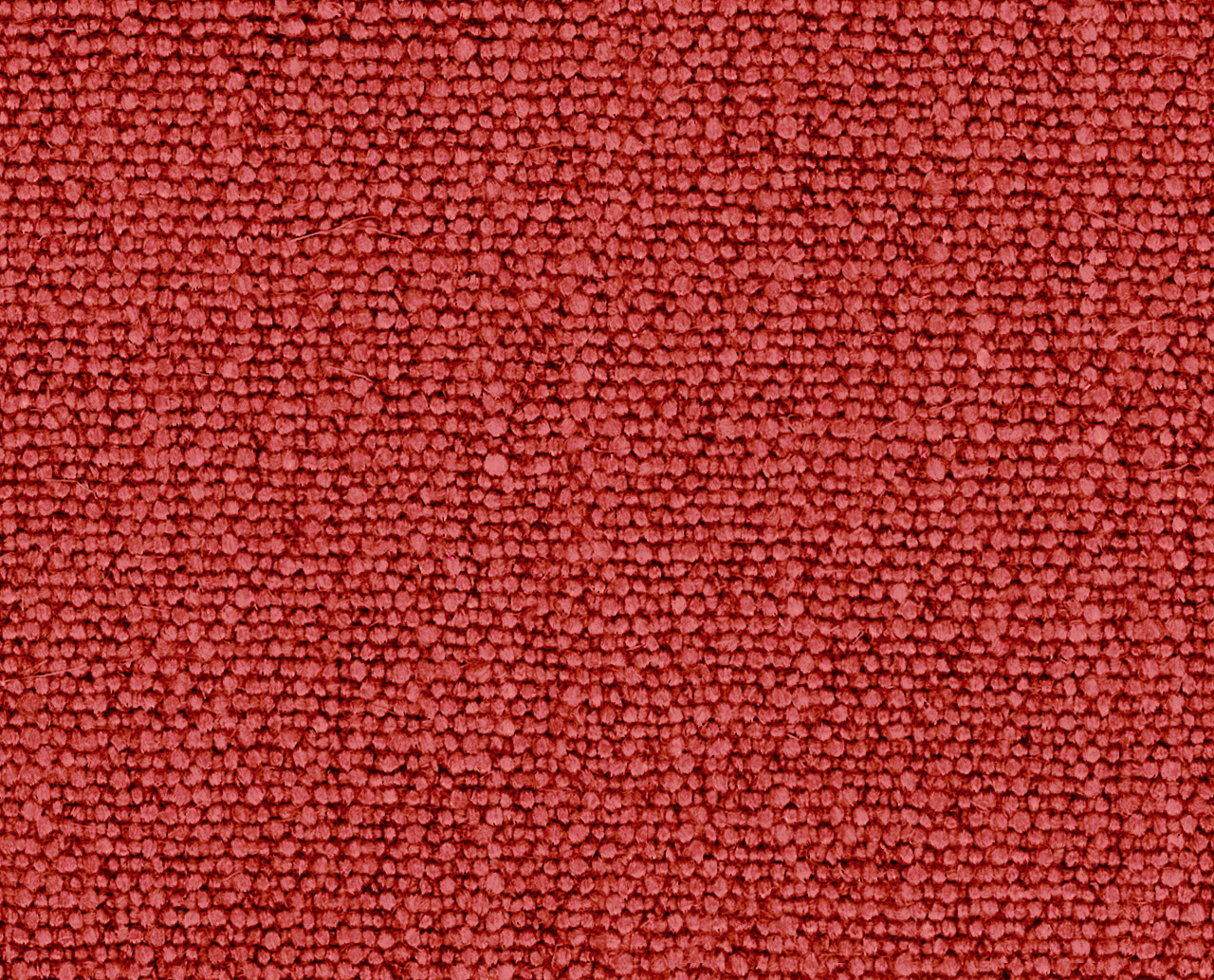
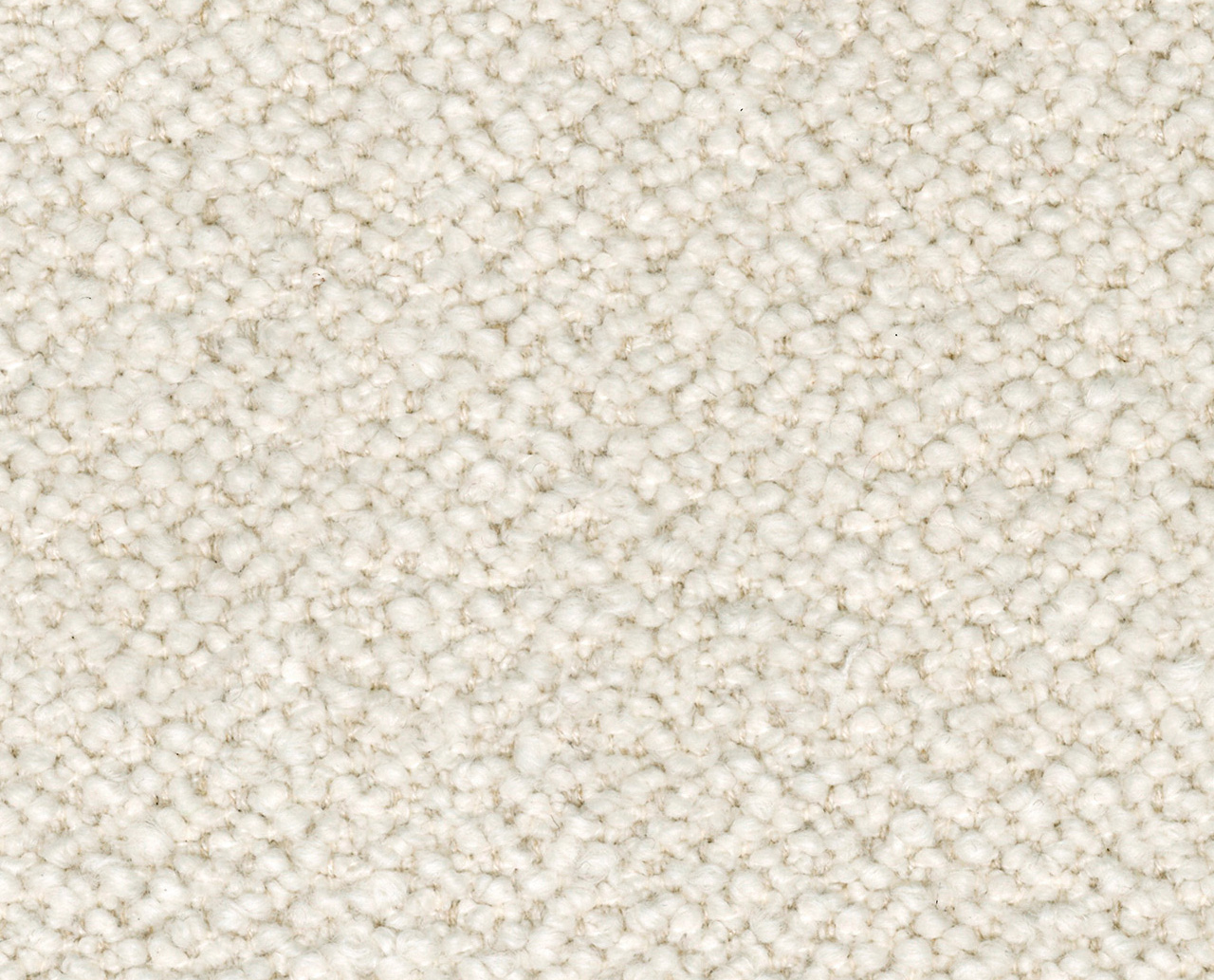
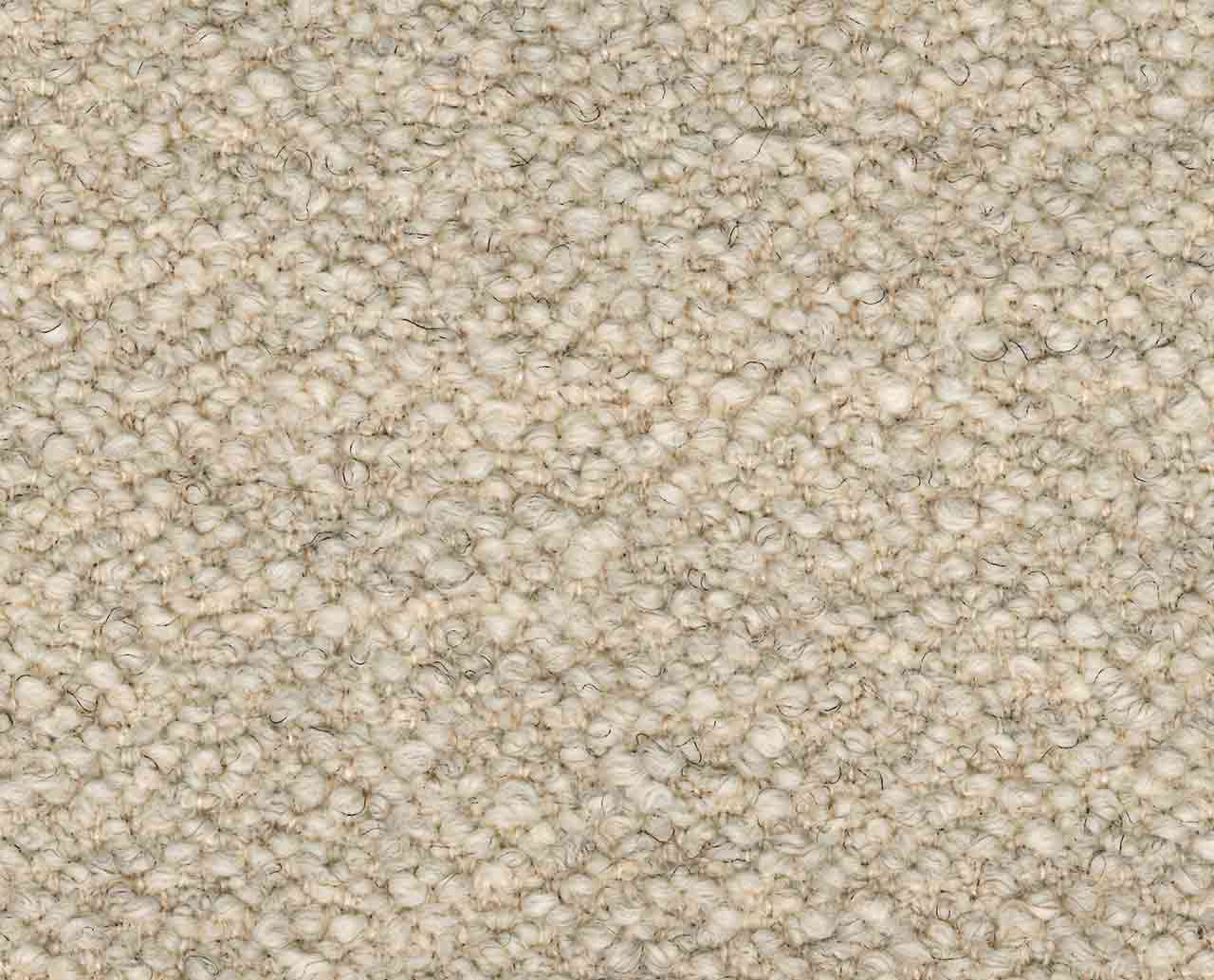
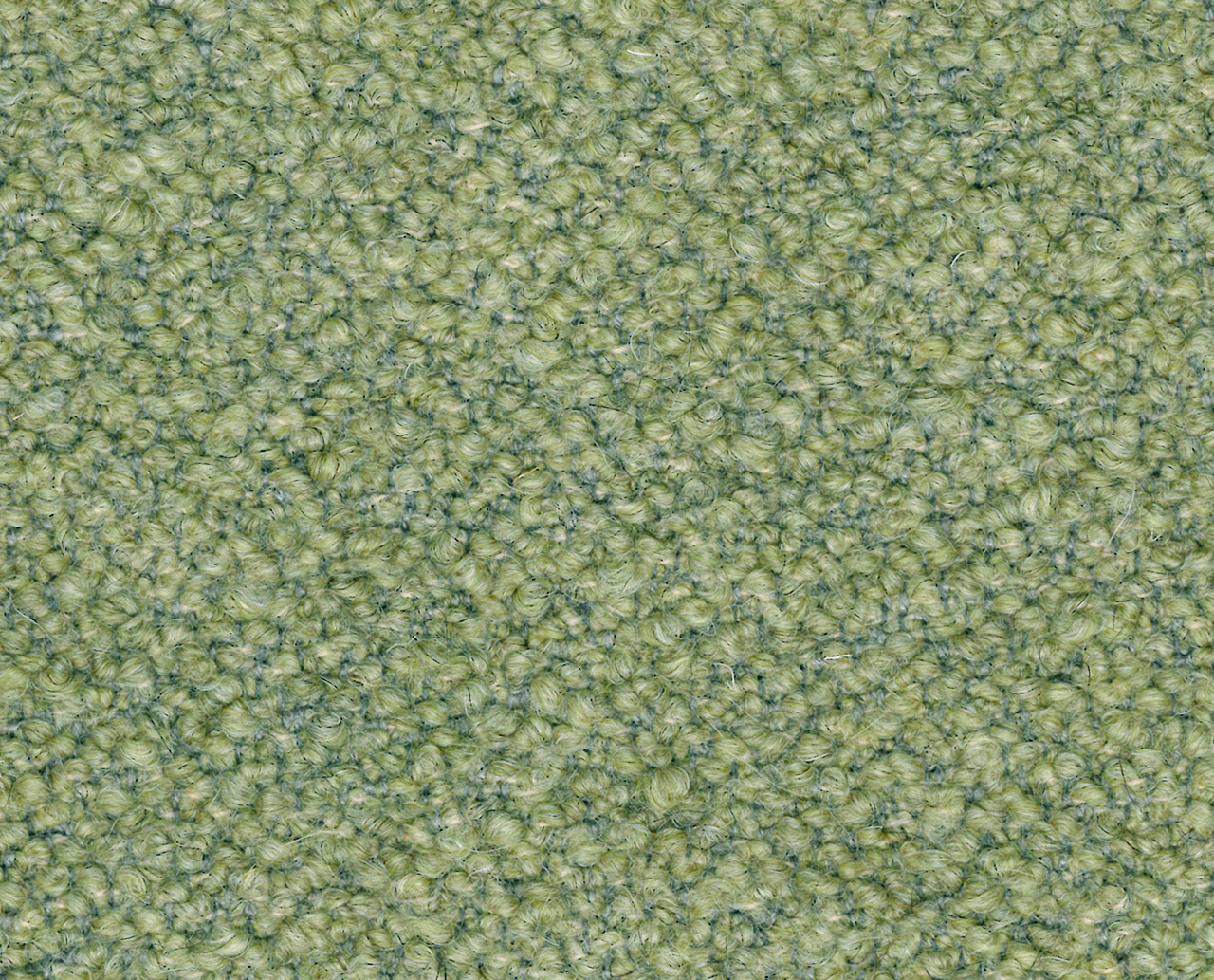
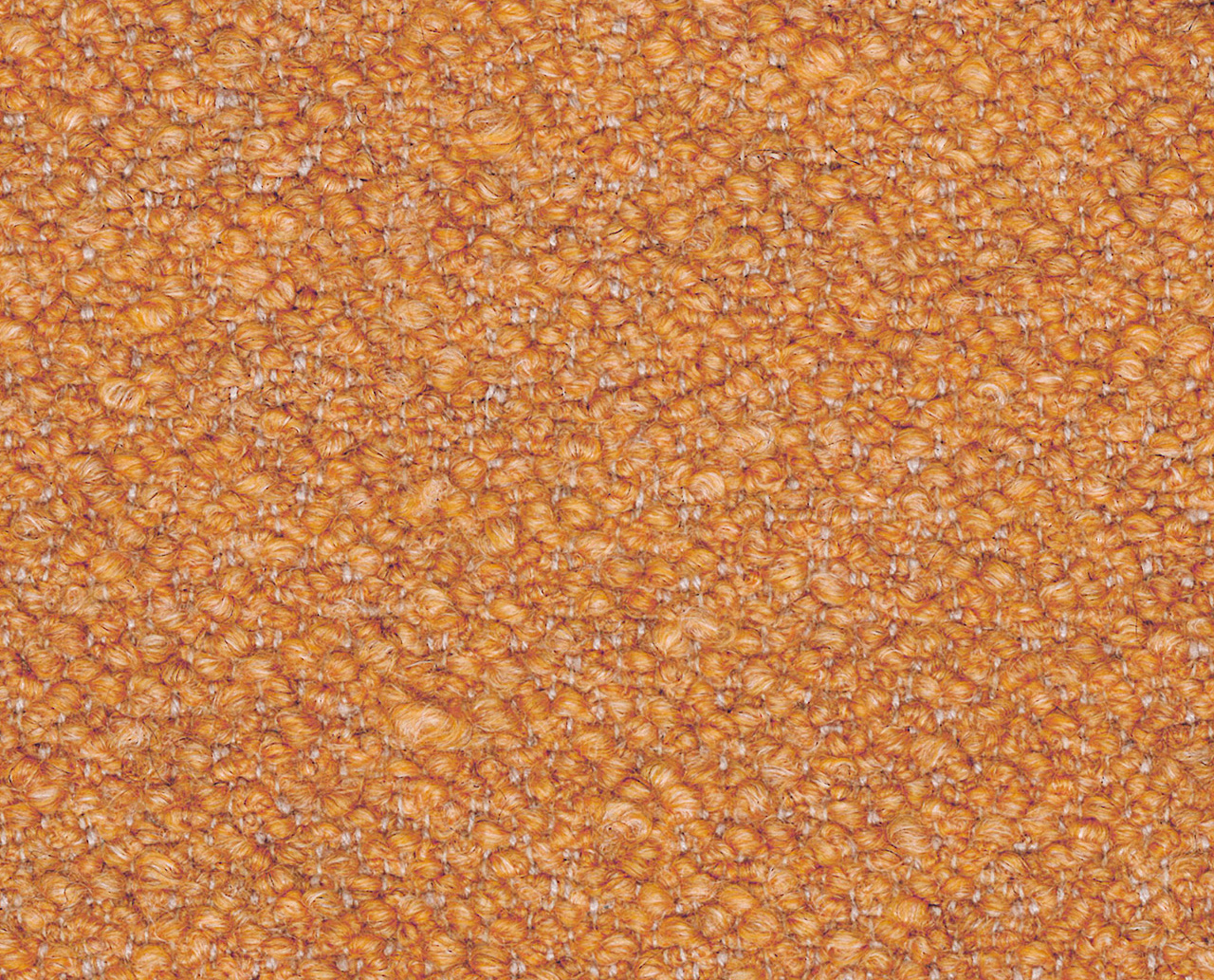
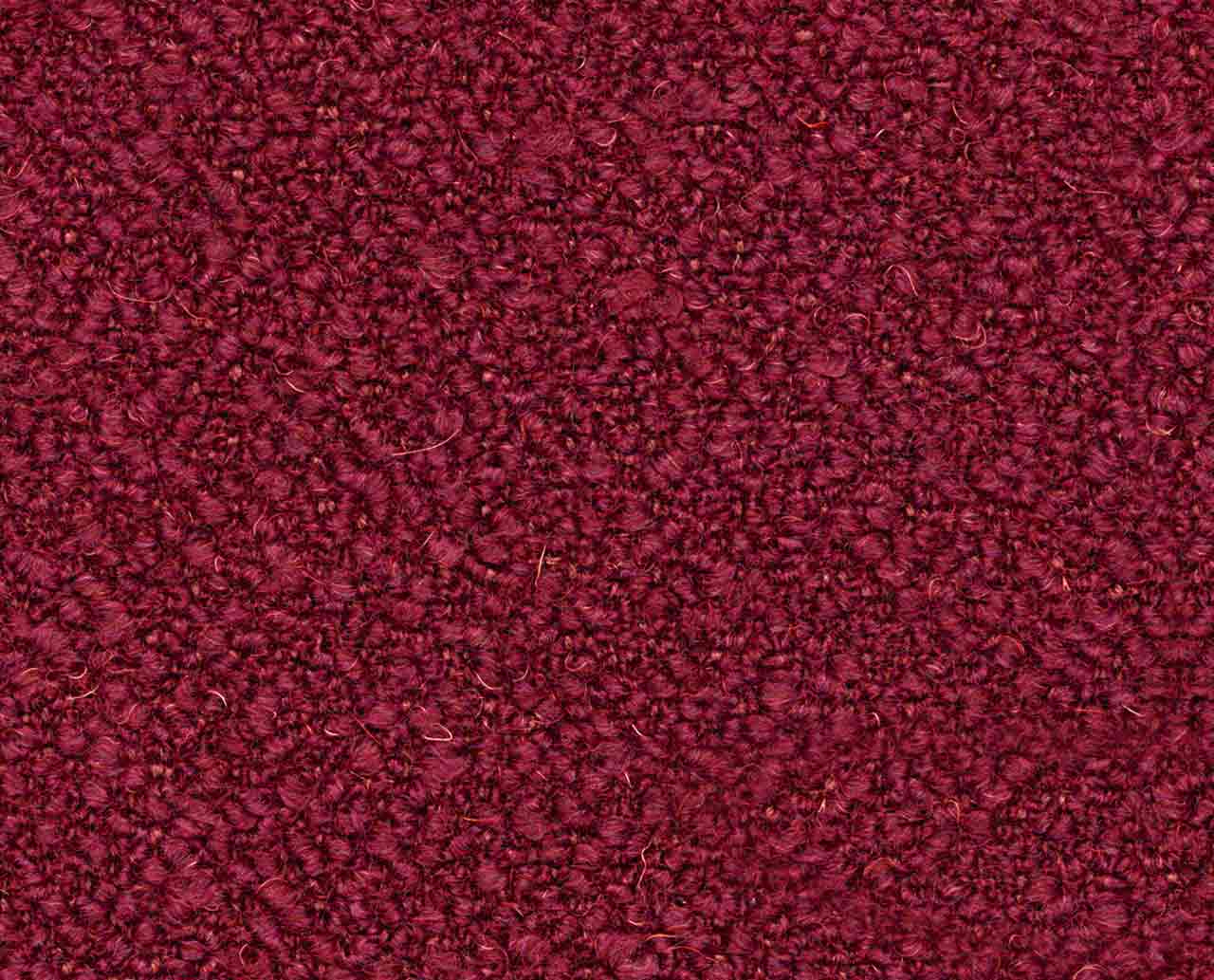
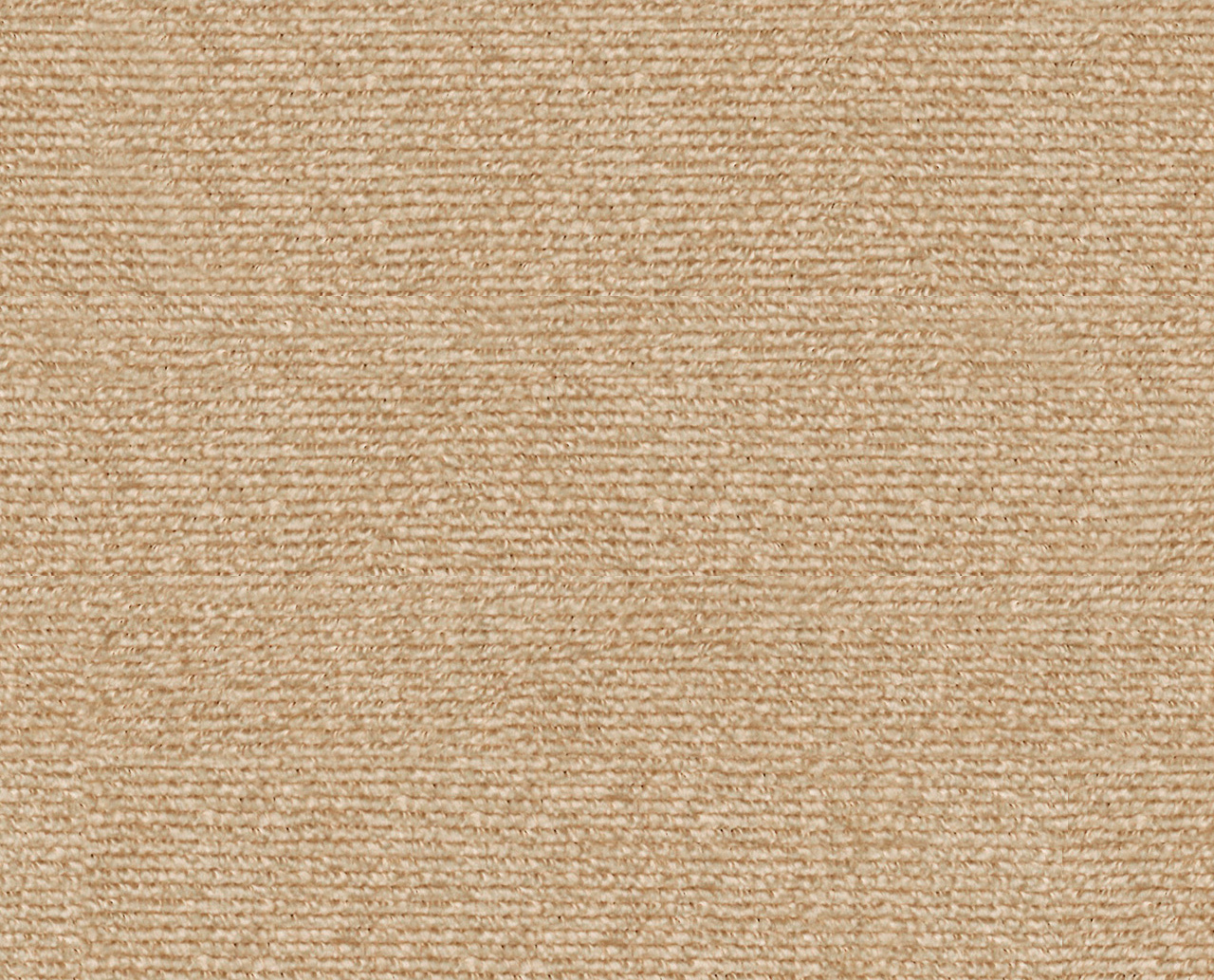
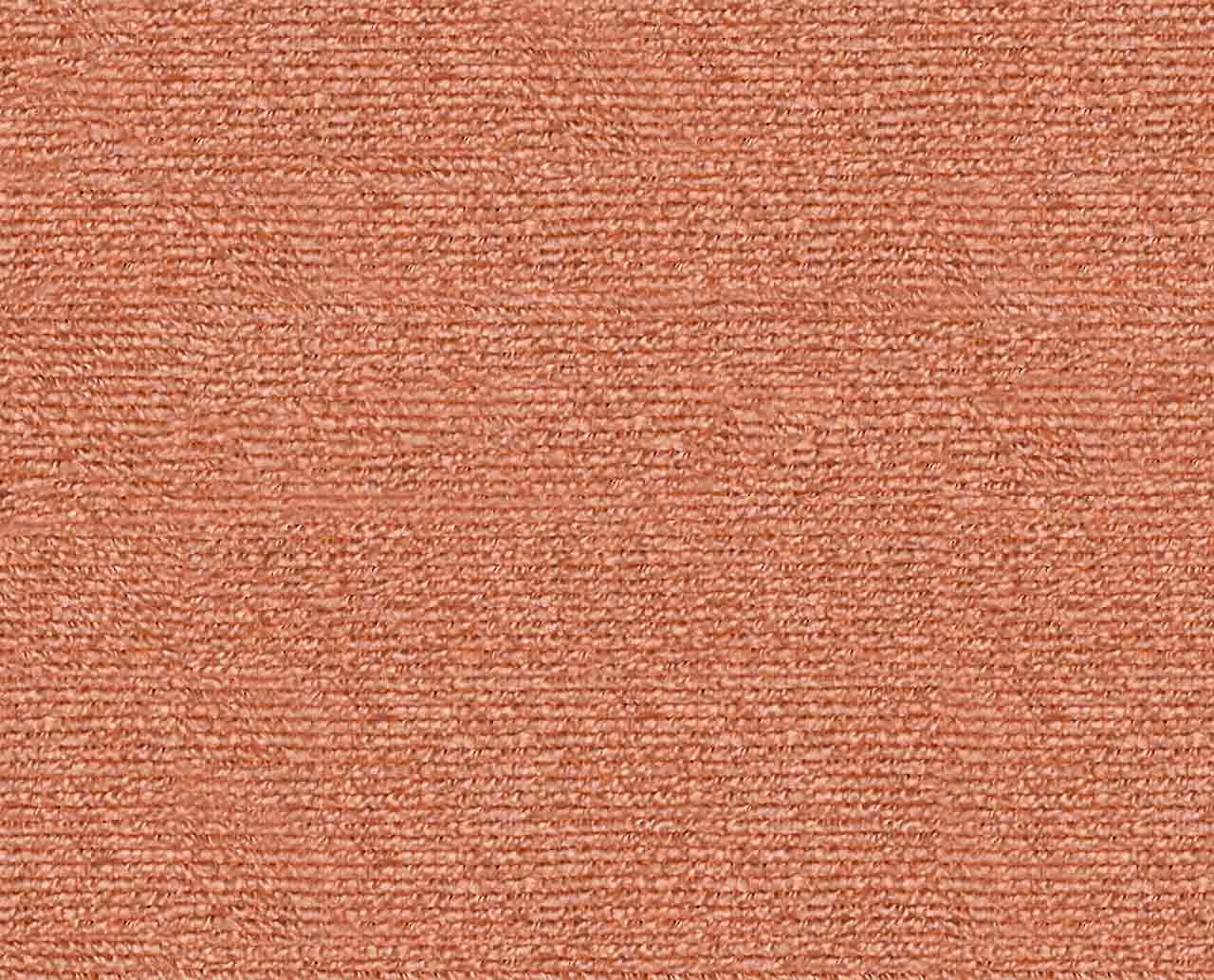
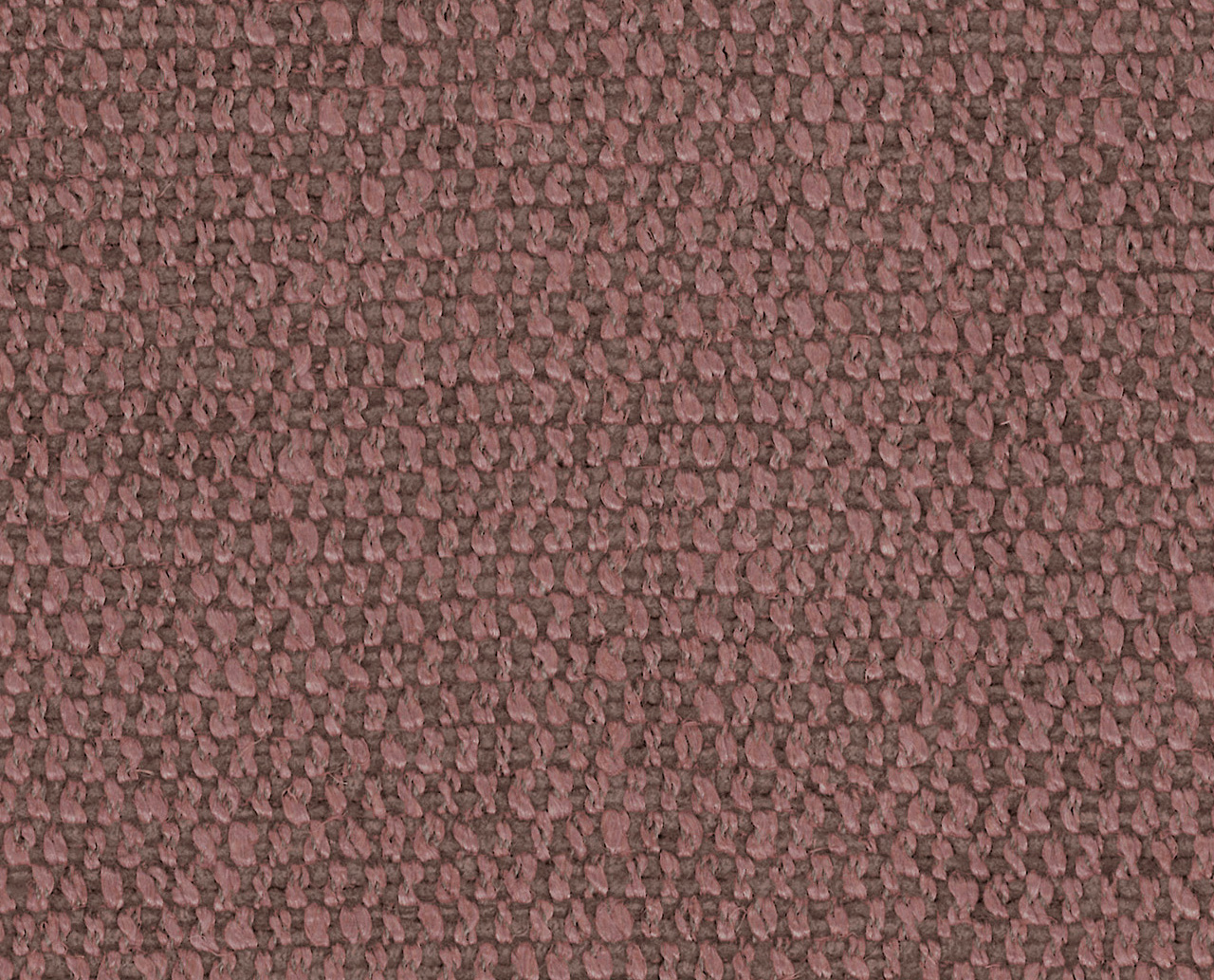
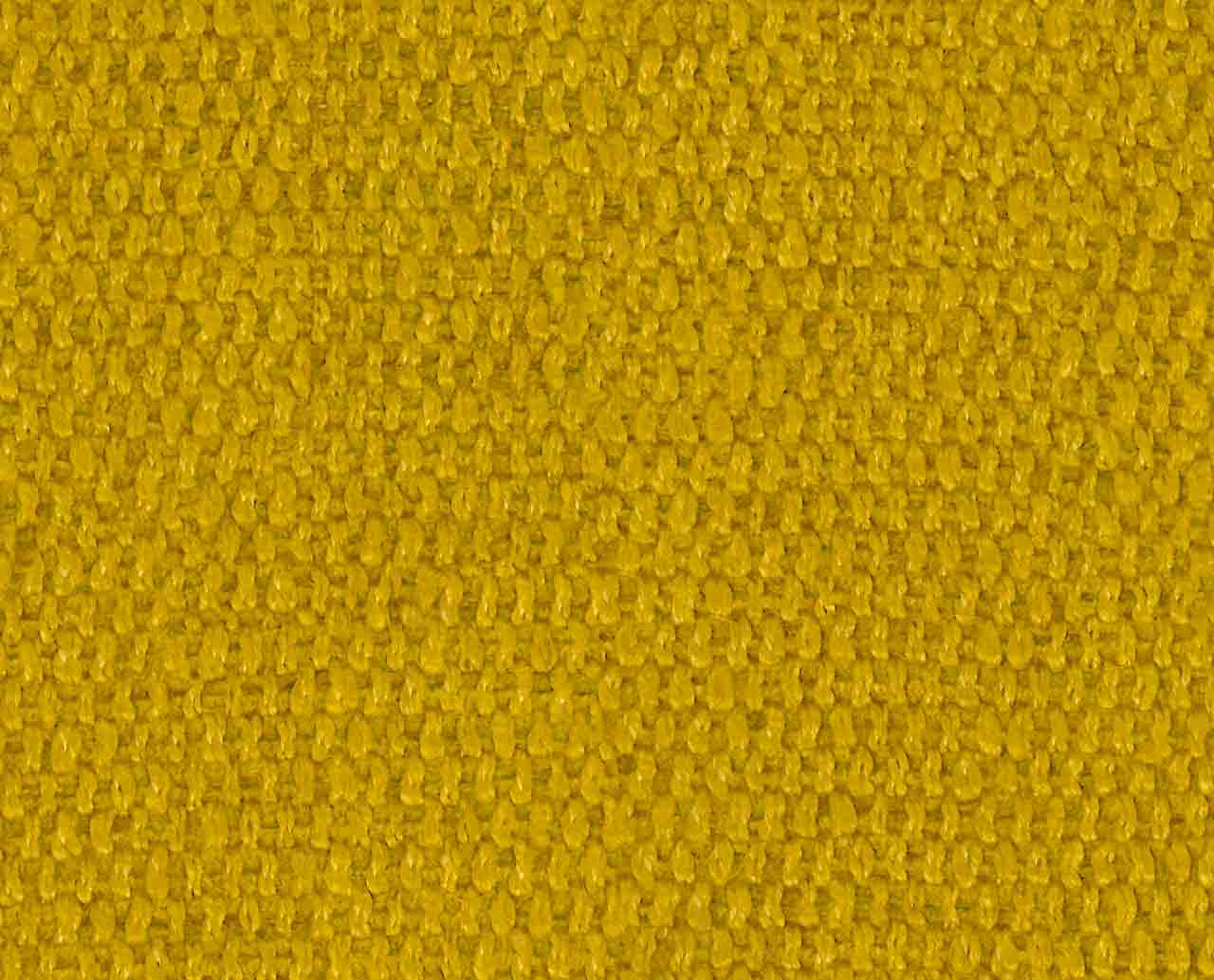
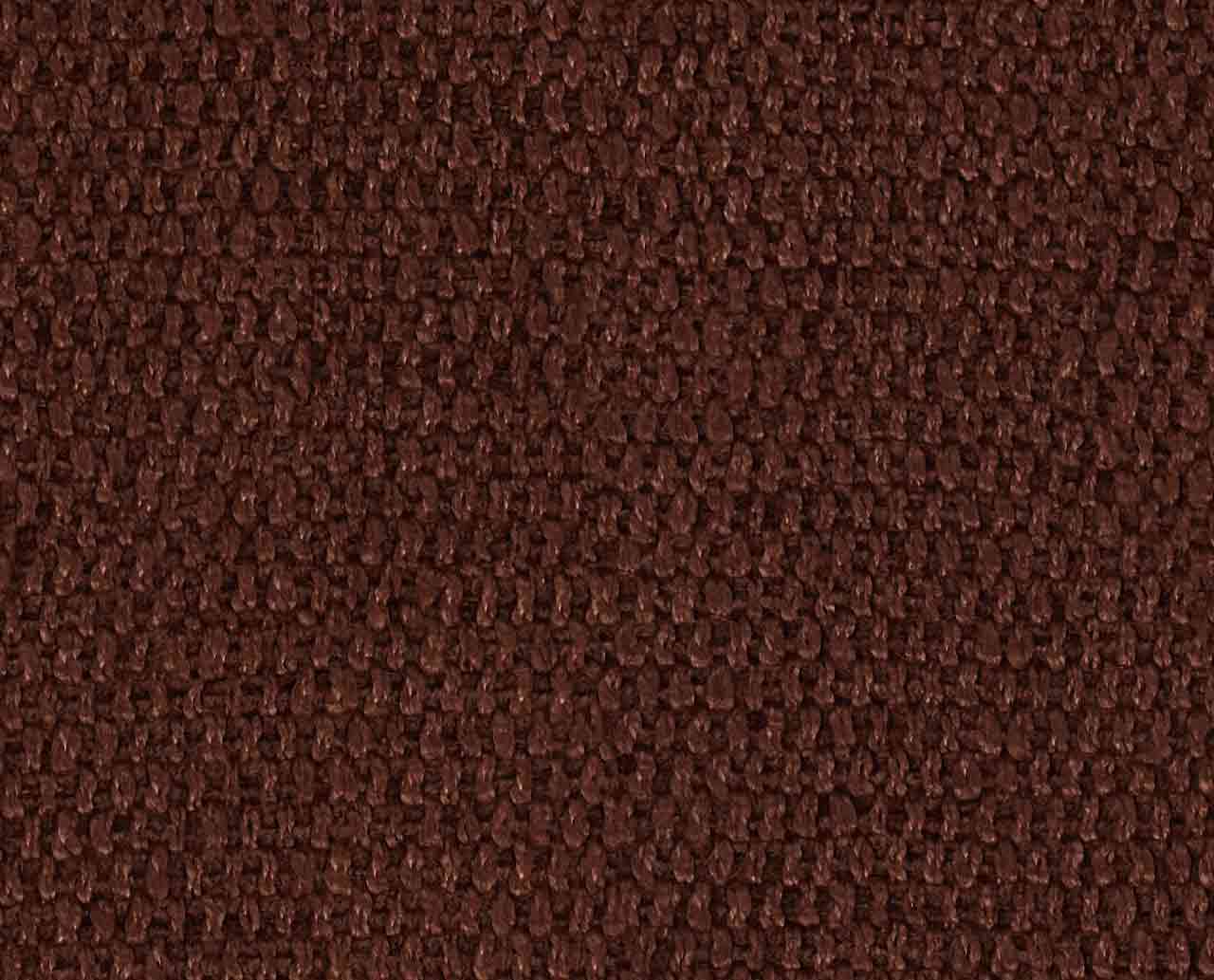
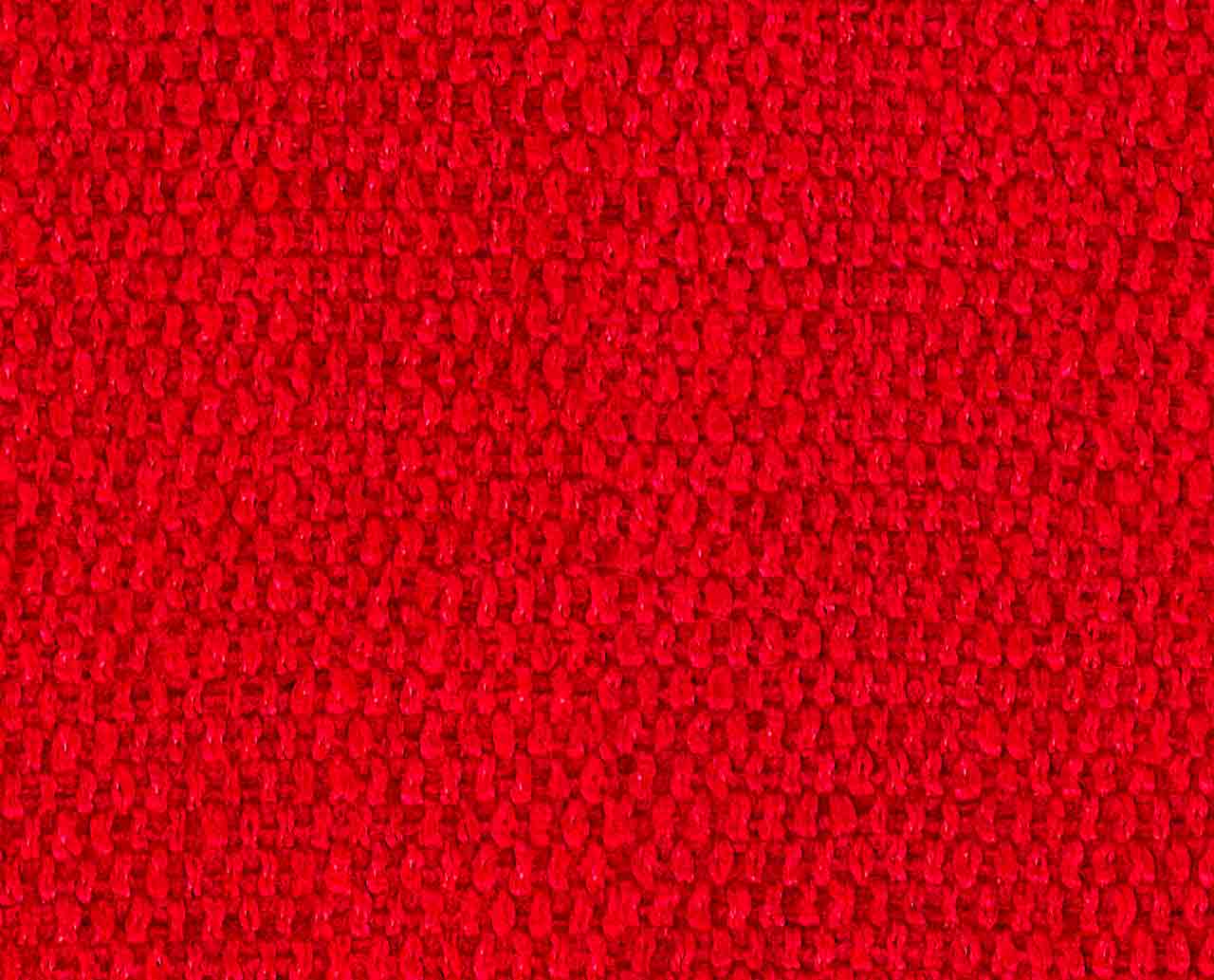
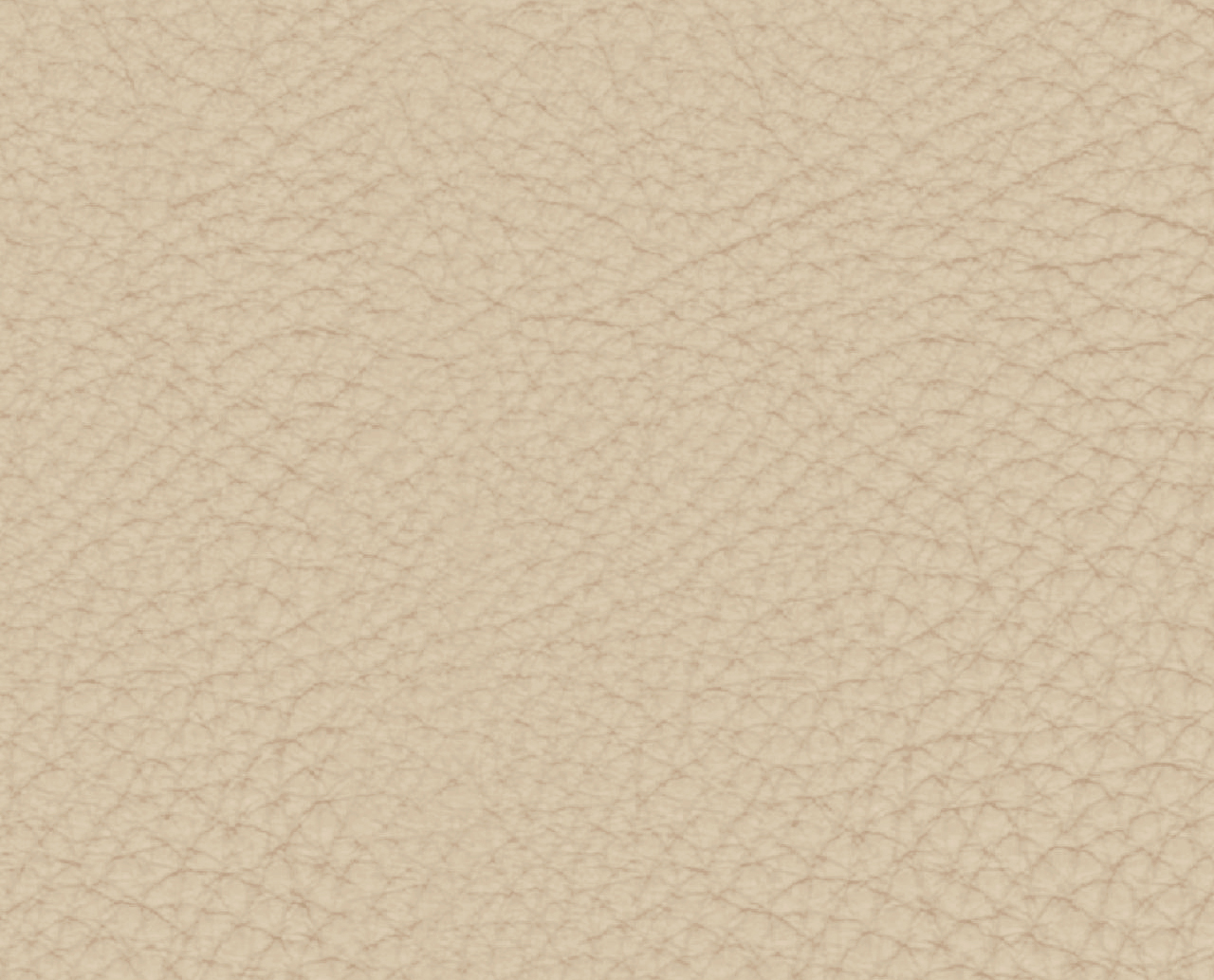
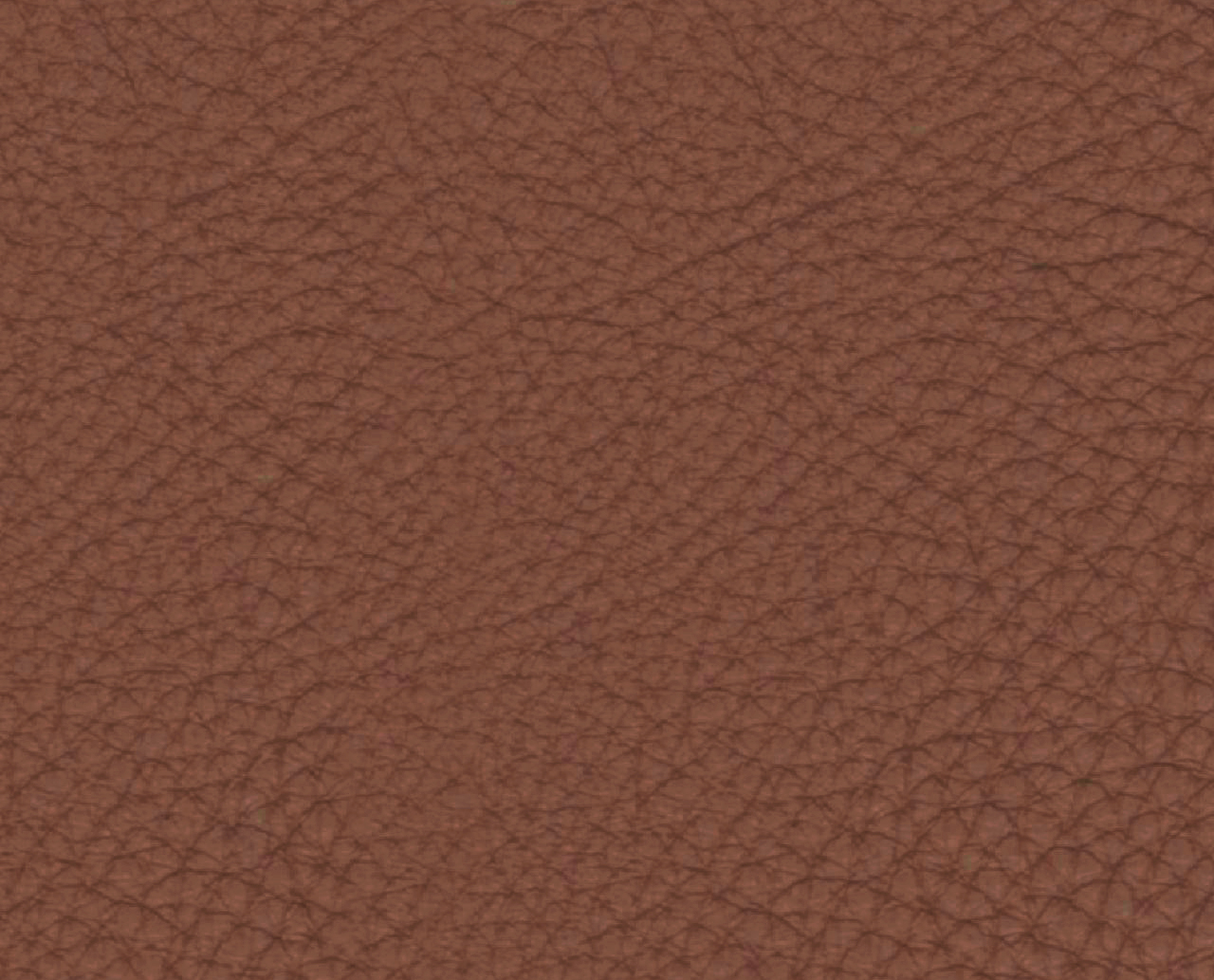
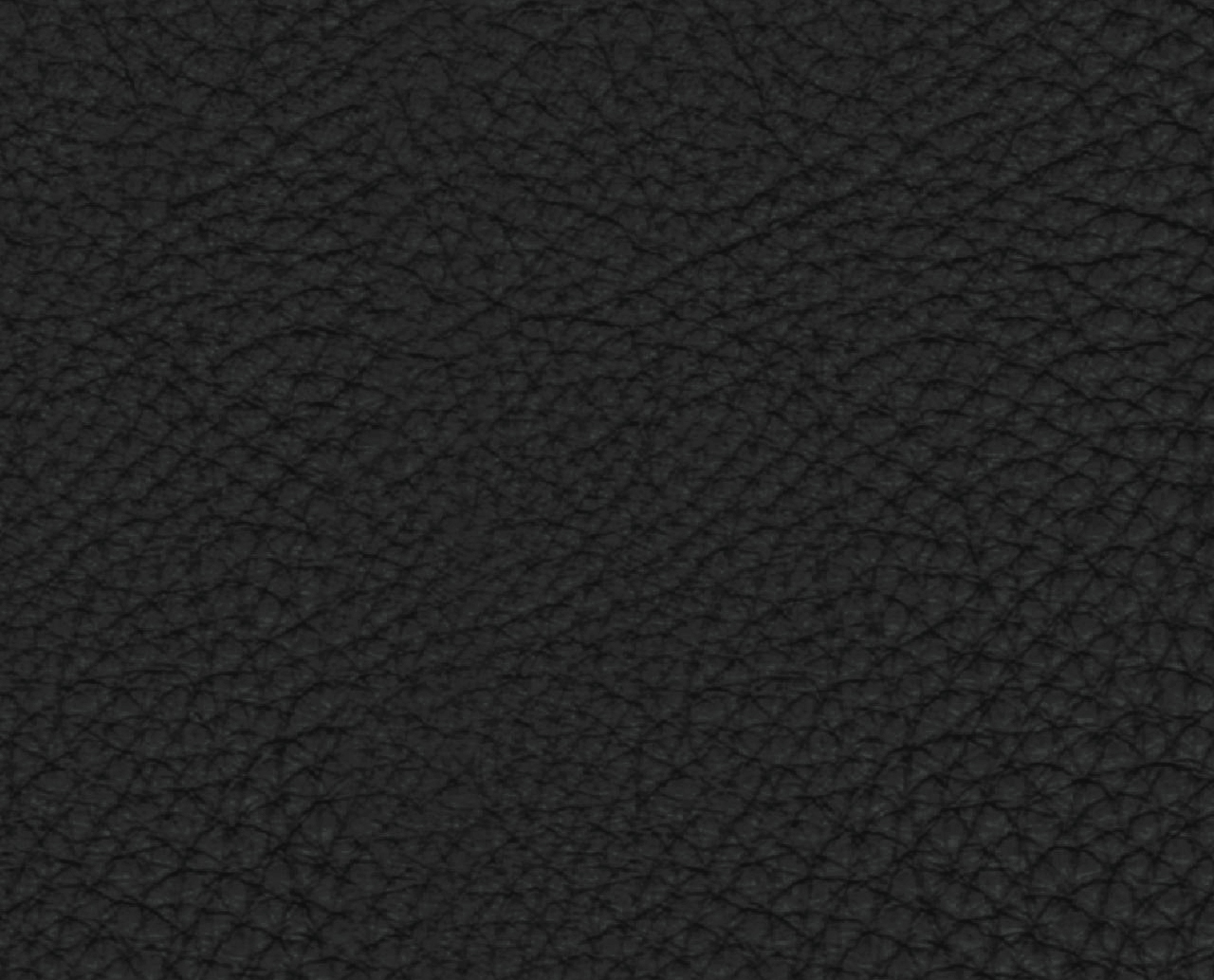
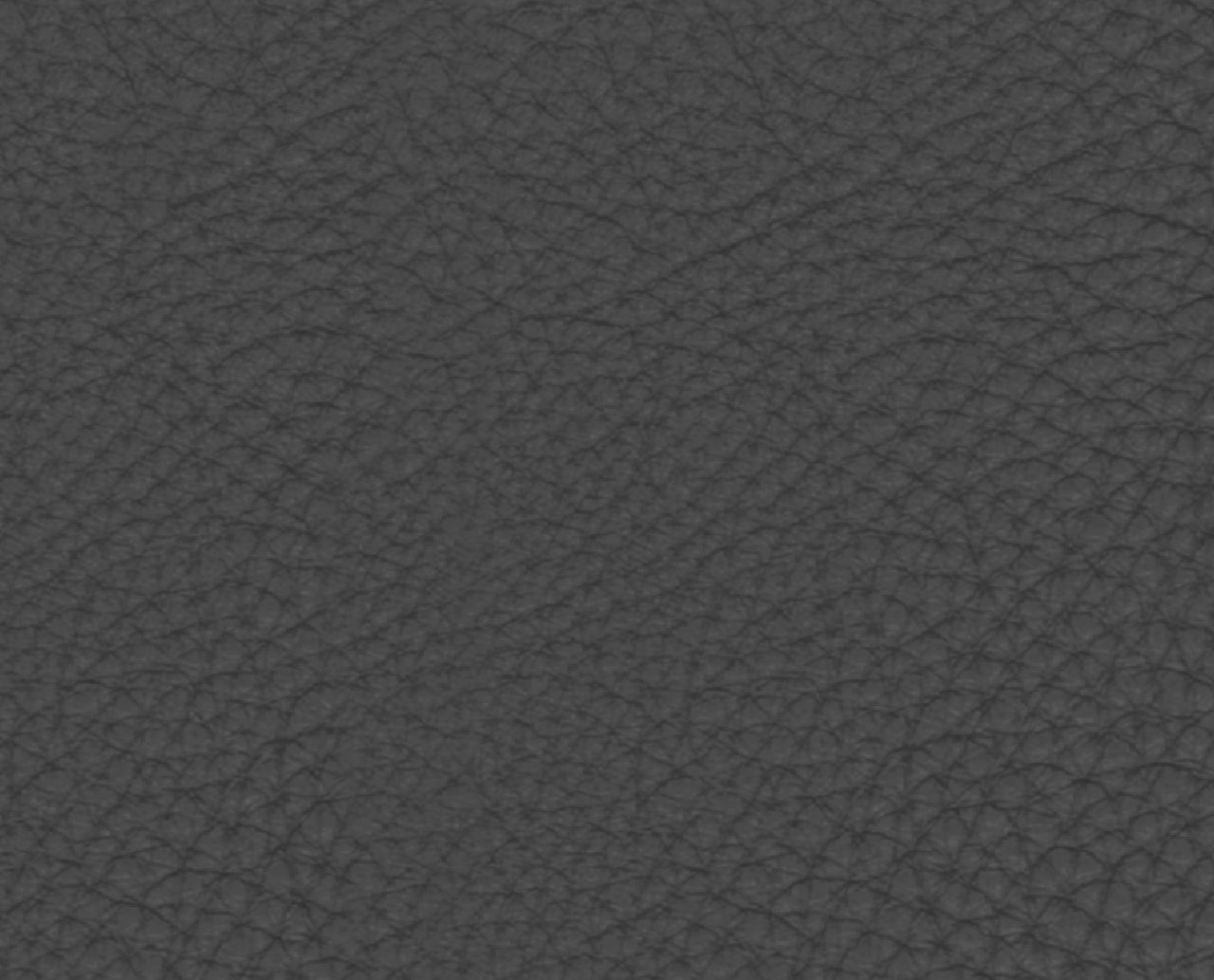
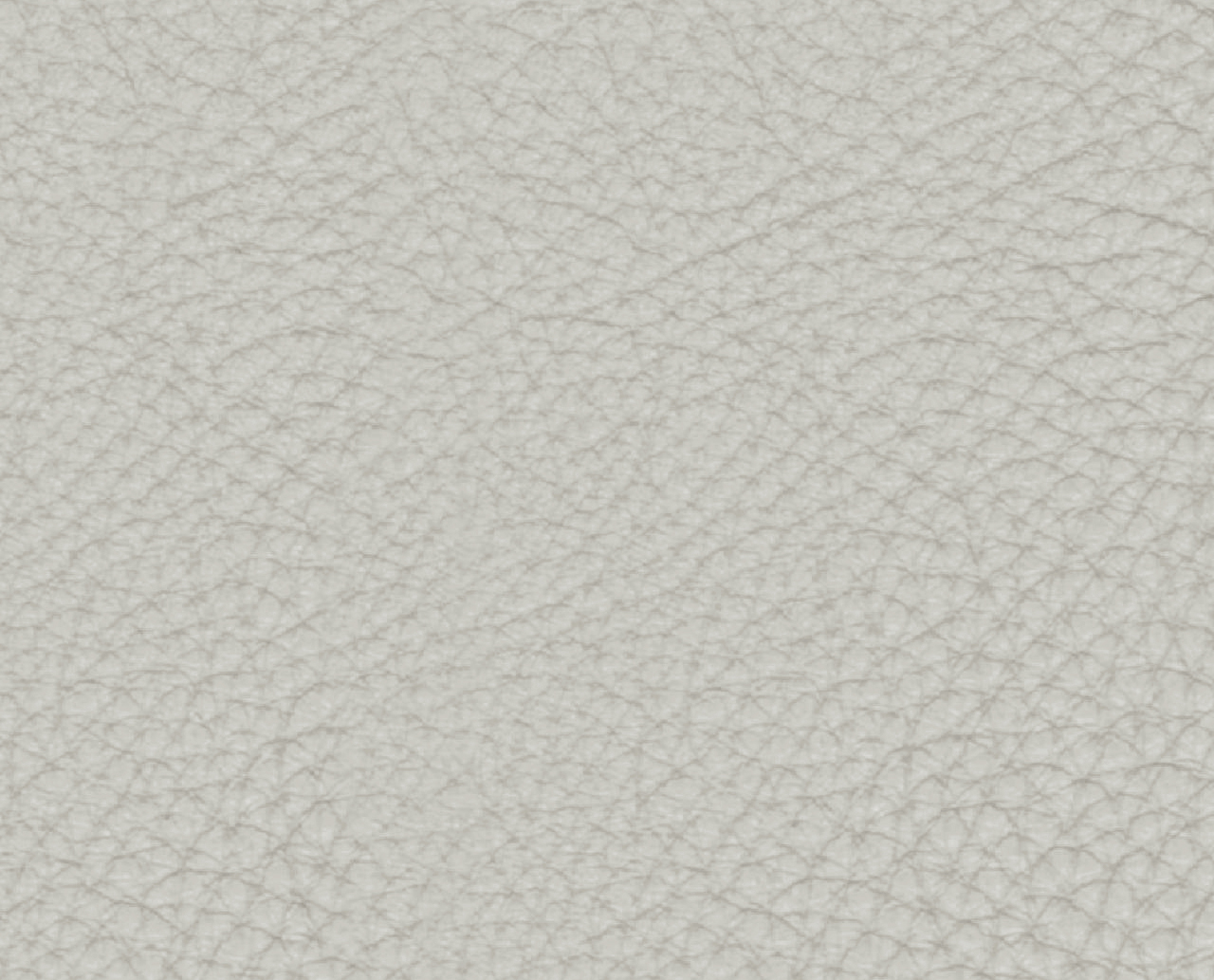
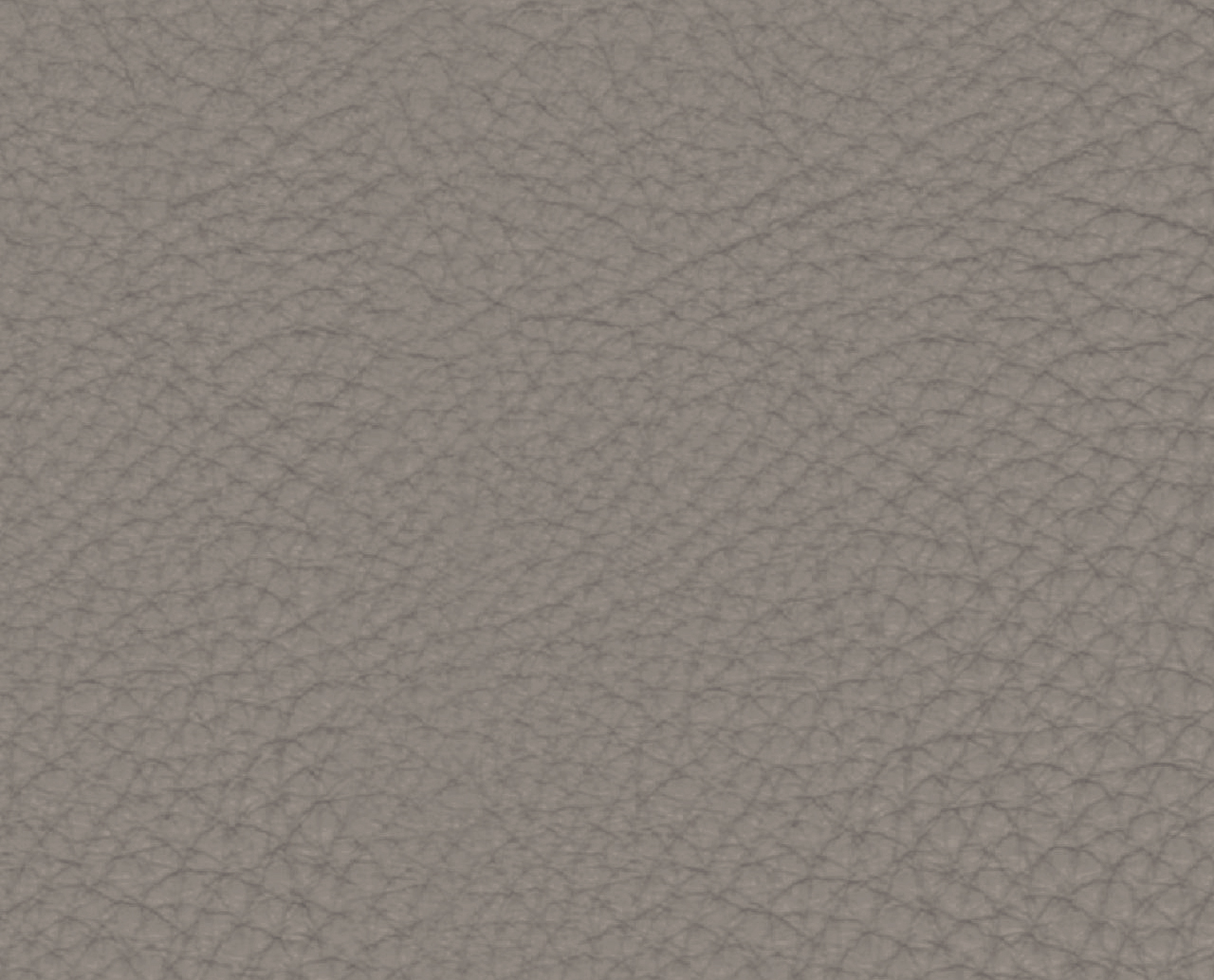
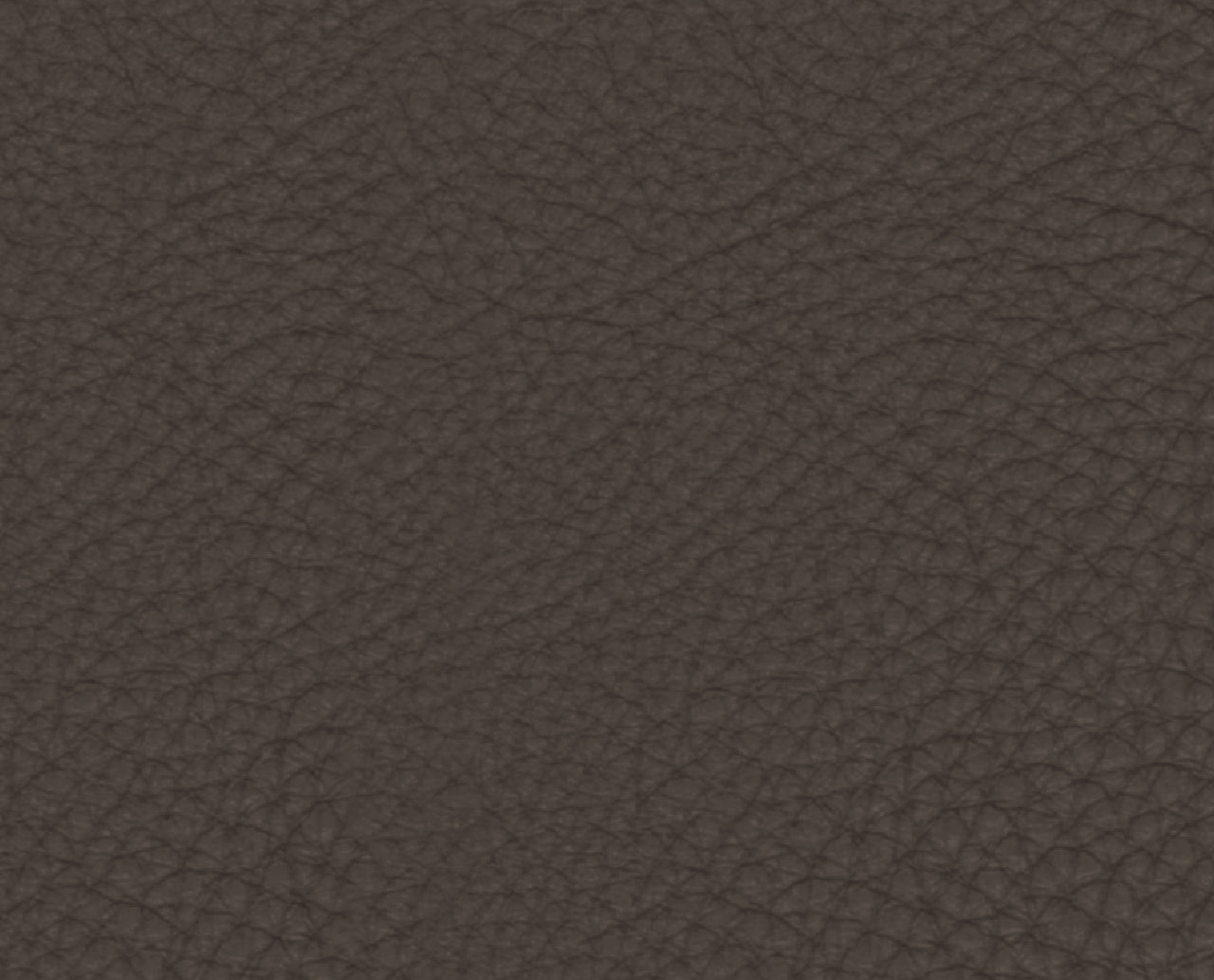
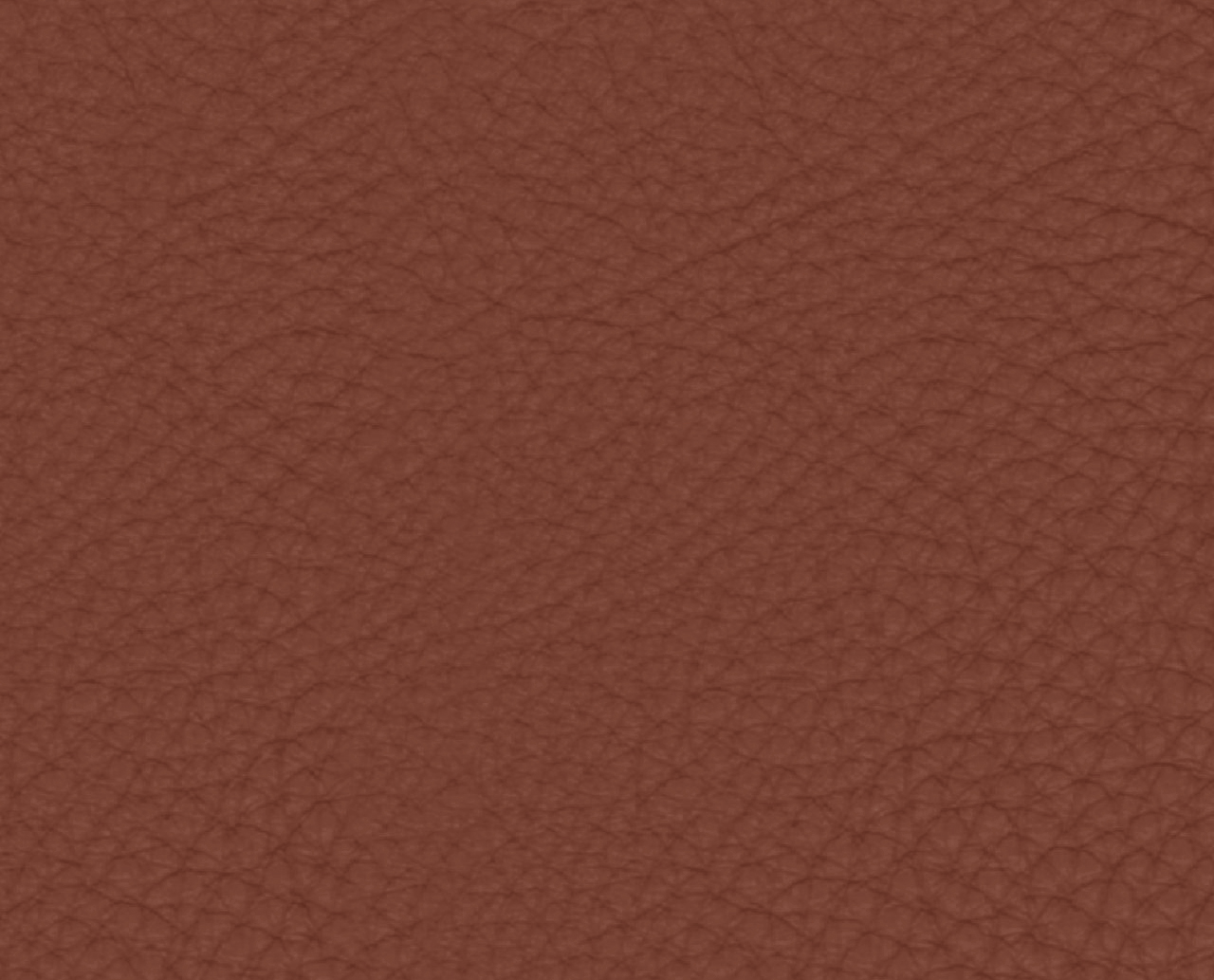
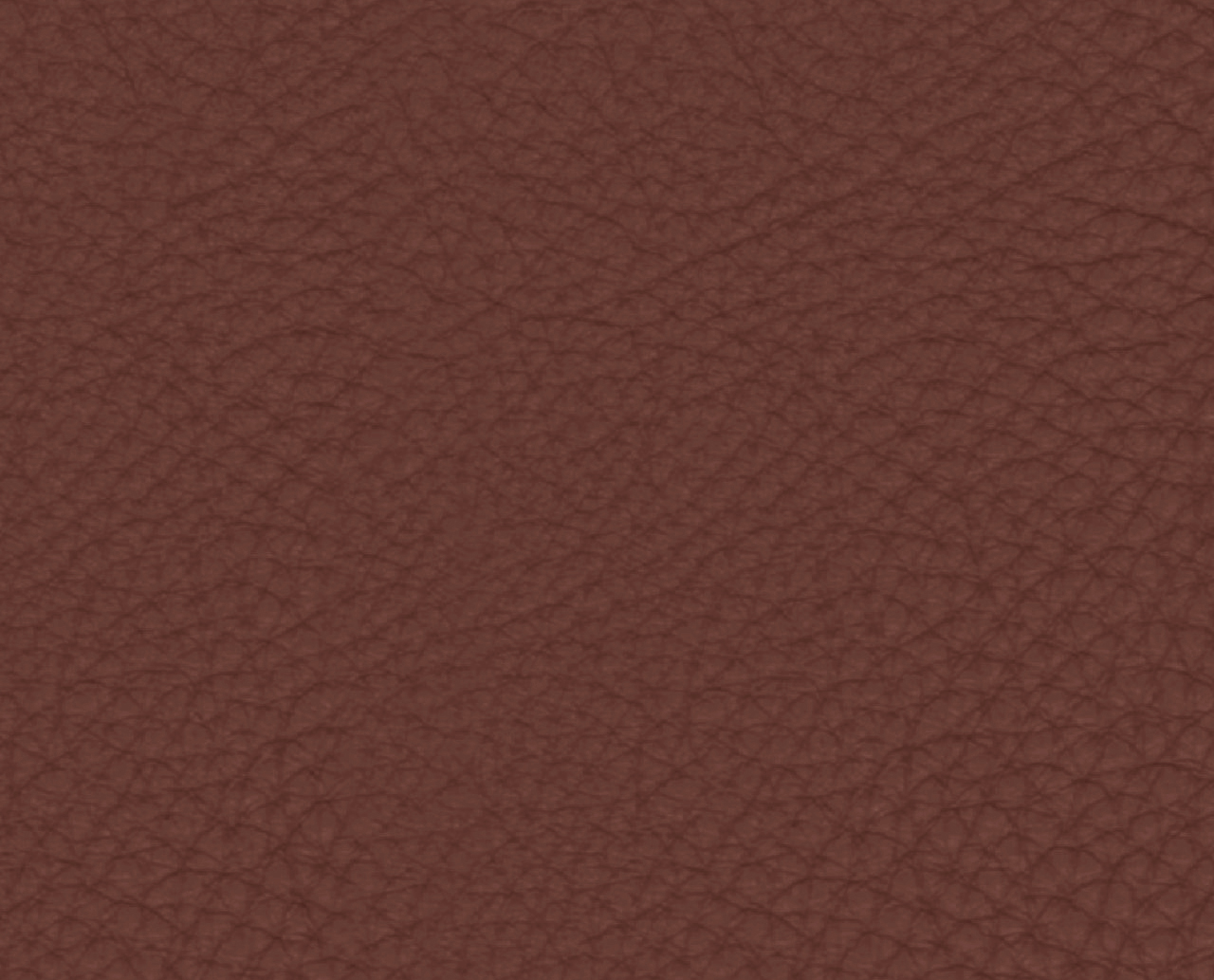
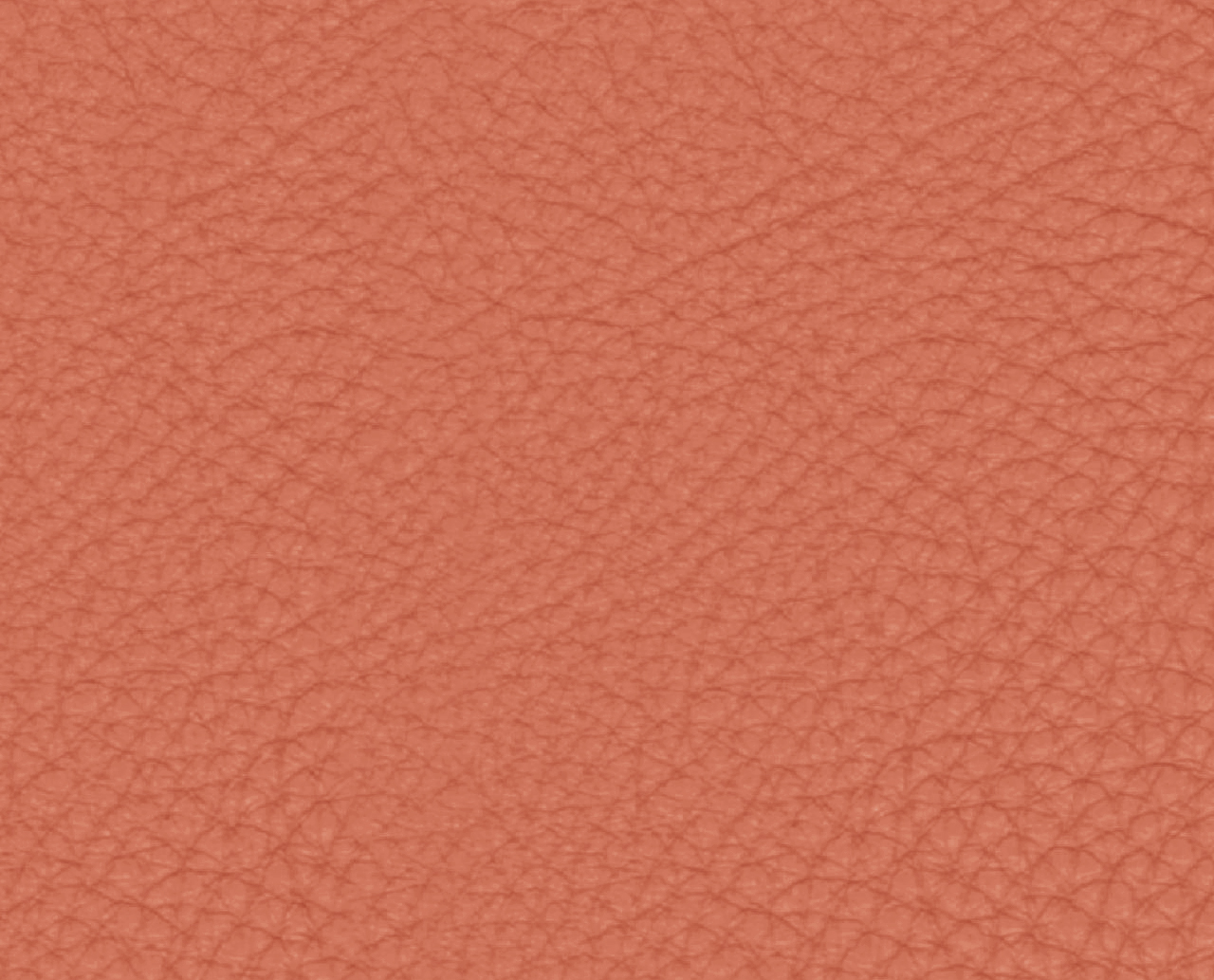
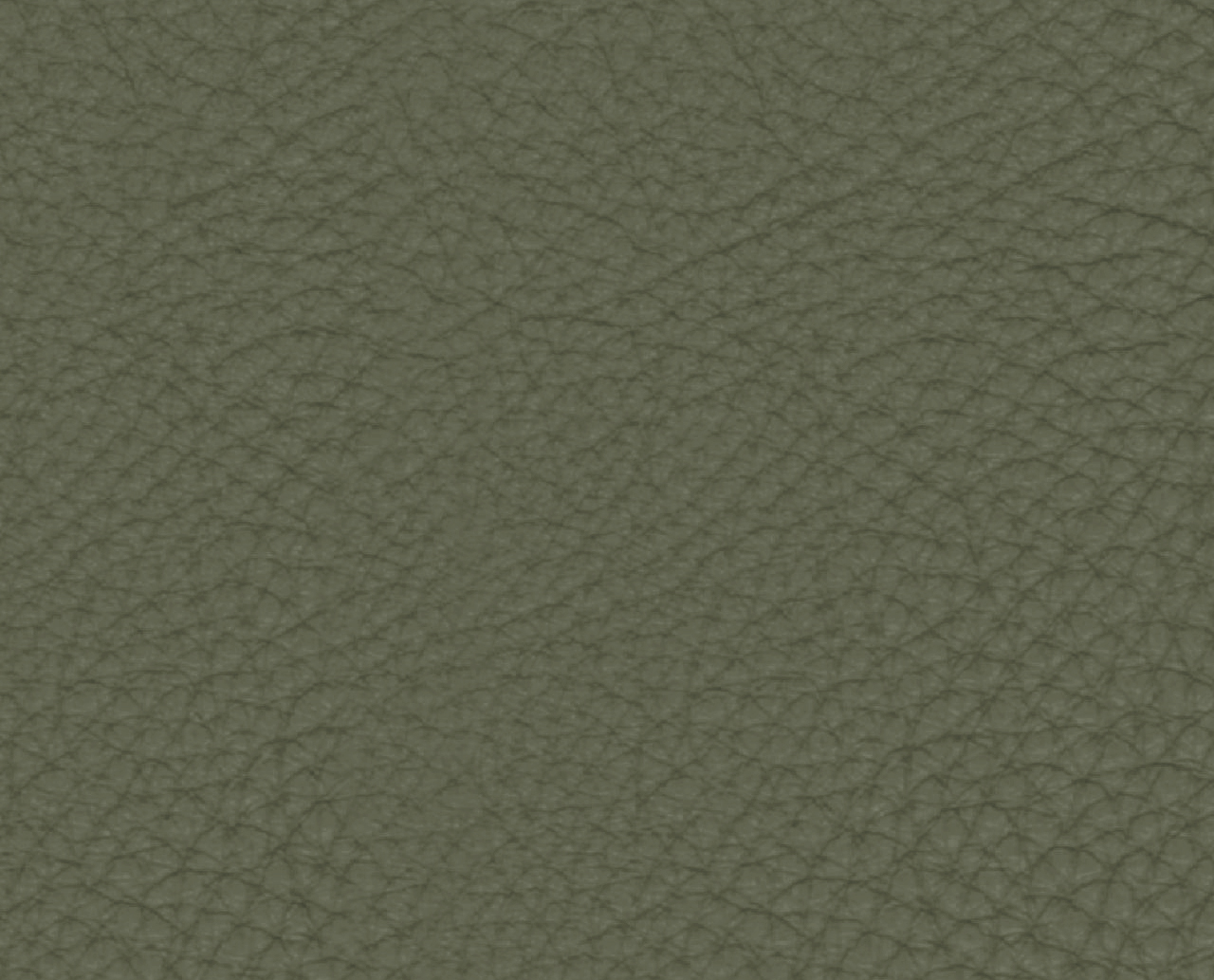
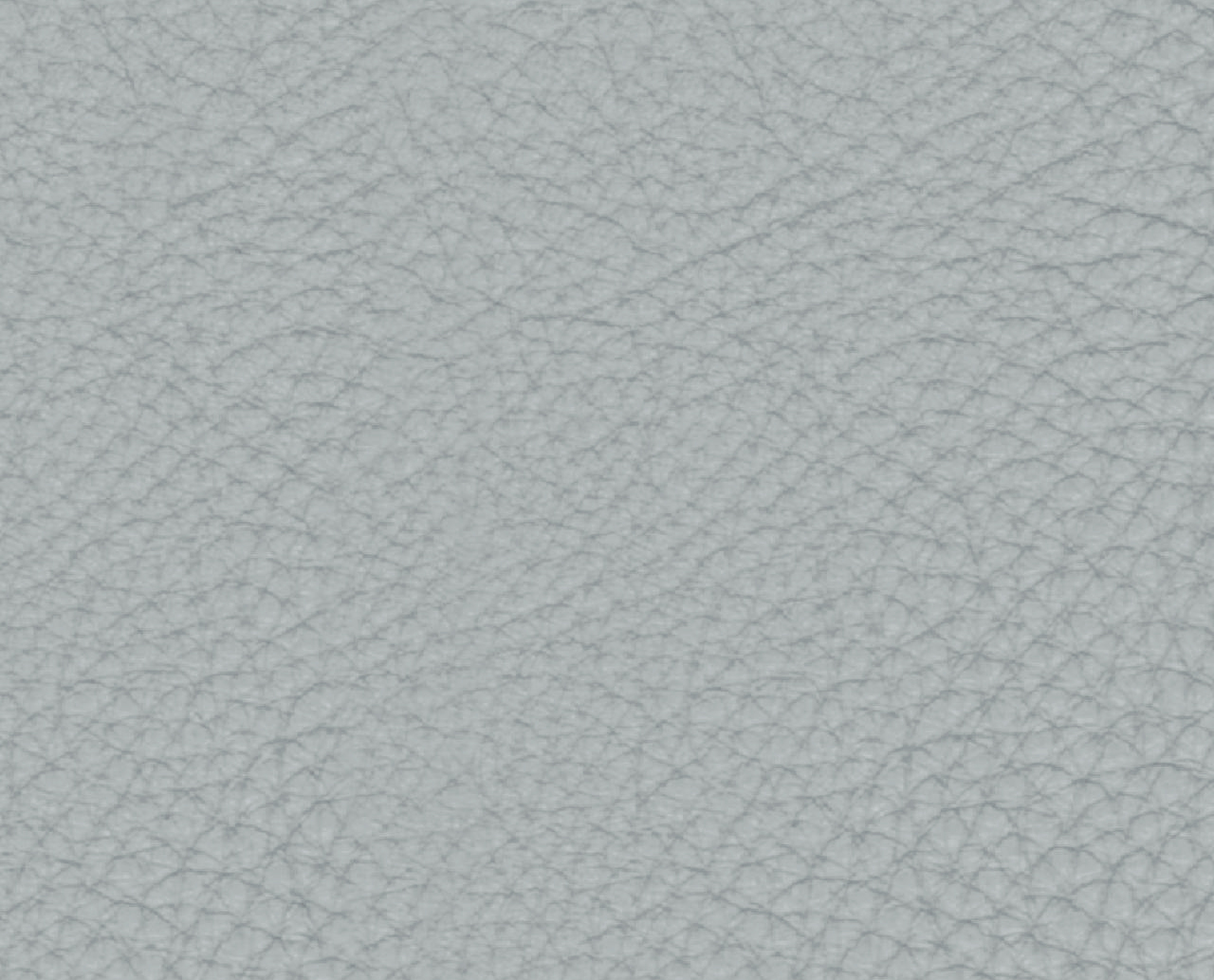
Comfortable, contemporary lines set apart this sofa designed by Le Corbusier for his Paris apartment, where the original model is still preserved, and that inspired the lengthy re-edition process carried out by Cassina. In 1974, Charlotte Perriand collaborated in the first reworking of the original, in one size only, with chrome finish. Over the years, the finishes have been expanded and the sizes modified. With sustainability in mind, the sofa is made with circular materials. The comfortable, elegant structure is dominated by cushions that feature the introduction of recycled PET wadding to form the backrest and seat, supported by an instantly recognizable metal base available in the seven collection colours. The current two- or three-seat edition comes with leather or fabric upholstery. The model is part of the Le Corbusier®, Pierre Jeanneret®, Charlotte Perriand® Collection.
I MAESTRI
Charles-Edouard Jeanneret, known as Le Corbusier, was born at La Chaux-de-Fonds, in the Swiss Jura, in 1887; he died in France, at Roquebrune-Cap-Martin, on the French Côte d’Azur, in 1965.Early in his career his work met with some resistance owing to its alleged «revolutionary» nature and the radical look it acquired from its «purist» experiments; in time , however, it won the recognition it deserved and it is still widely admired.
A server error occurred. Please try again later.
The product sheet is not available for this item.
The server response is not valid. Please try again later.
The received document is empty. Please try again later.
Unable to connect to the server. Please check your connection and try again.
Please log in to download the product sheet.