


Access to your account to proceed
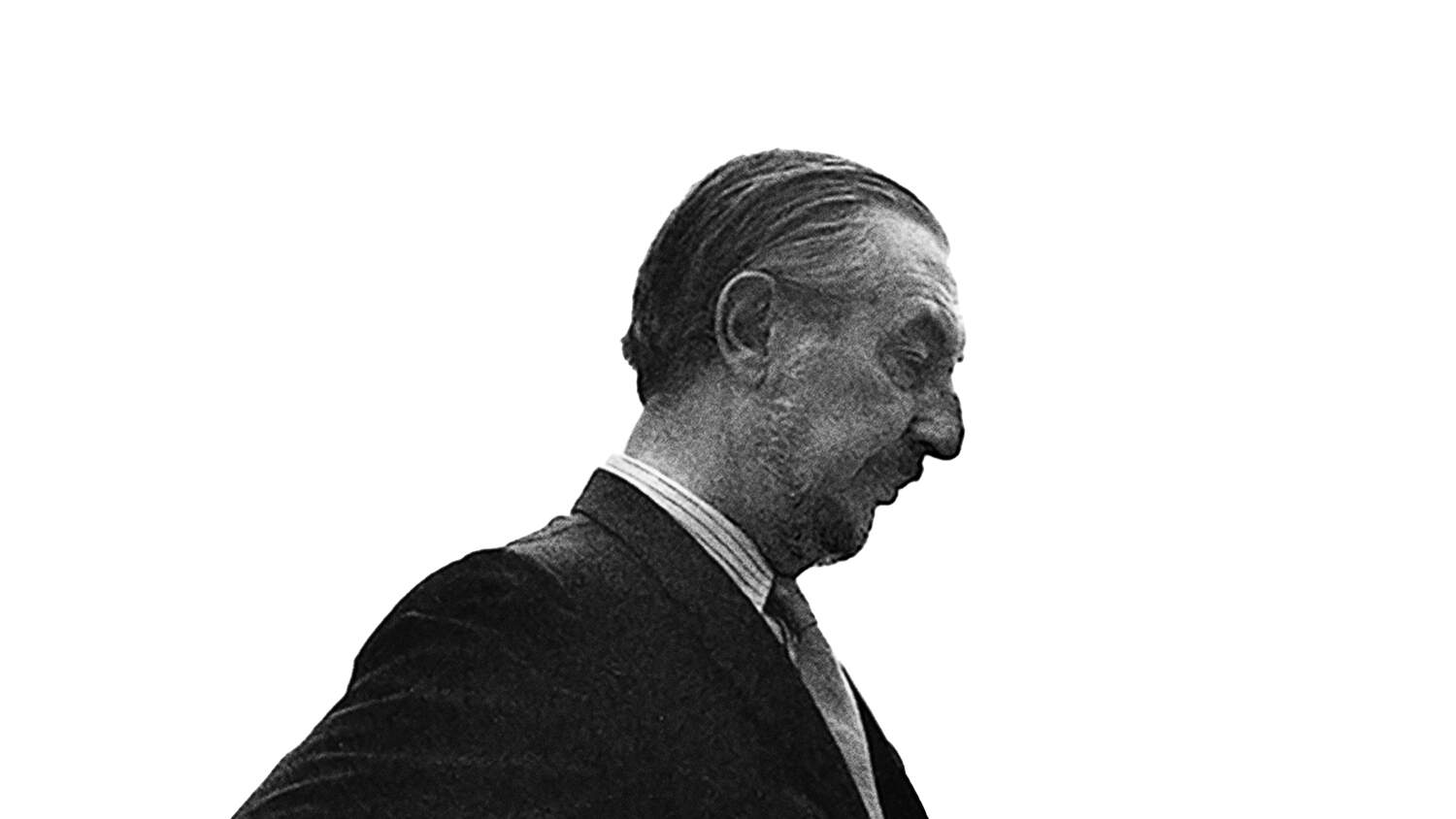
Carlo Scarpa


Carlo Scarpa designed Sarpi Office in 1974, successor to the popular sculptural Doge table. While alluding to the same features as its predecessor, the Sarpi Office base is upside-down and has a smaller footprint, allowing the table to also be used in smaller office spaces.
DESIGN BY
PRODUCT CARE AND MAINTENANCE
In this manual you will find some recommendations for the care and maintenance of your Cassina products.
The materials are divided into different categories; each one is accompanied by its own information sheet with instructions, preventative measures and methods for cleaning.
Certifications and Assembly
This section contains, where available, the certifications regarding quality, safety, and compliance standards, as well as the instructions for the correct installation of the item.
1974
Carlo Scarpa designed this masterpiece in 1974, successor to the popular sculptural Doge table, part of the home collection. While alluding to the same textural features as its predecessor, the new base is upside-down and has a smaller footprint, allowing the table to also be used in smaller office spaces. The table comes with cable slot located at the center of the top, with the option of various electrical configurations.
I CONTEMPORANEI
From architecture to works in glass, from design projects to preparing museum exhibitions, the work of Carlo Scarpa has always stood out in the unmistakable way in which it manages to bring together his love for materials, his attention to detail and his masterly elaboration of organic and Wrightian poetics. Architect, designer and artist, Scarpa left the Venice Academy of Art in 1926 and began professional work, but continued to visit craftsmen’s’ workshops and Venetian master glassworkers. For twenty years, right up until the second half of the Forties, he received numerous commissions to design, convert prepare buildings.
Access to your account to proceed