


































































































Access to your account to proceed
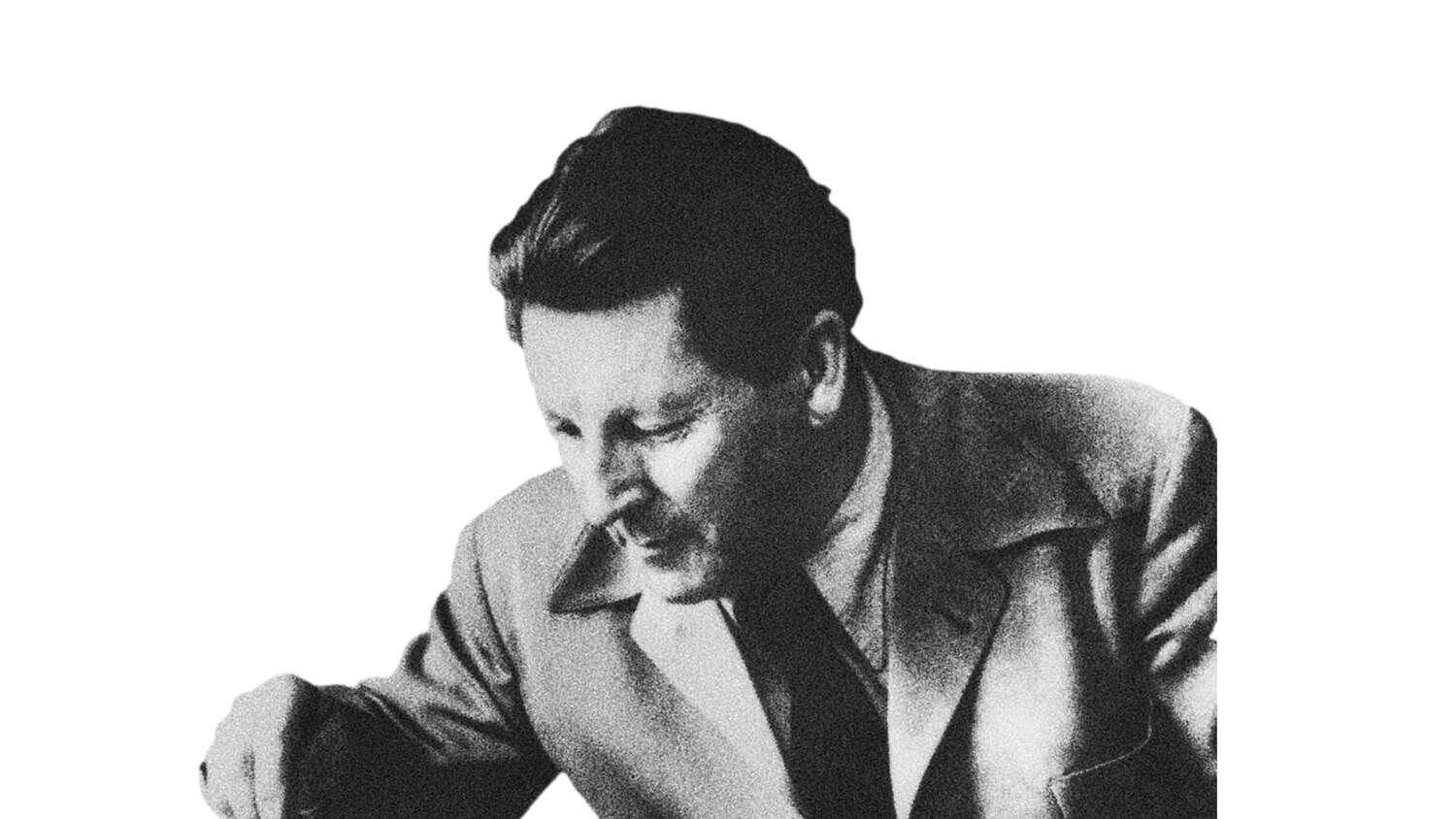
Gerrit Thomas Rietveld
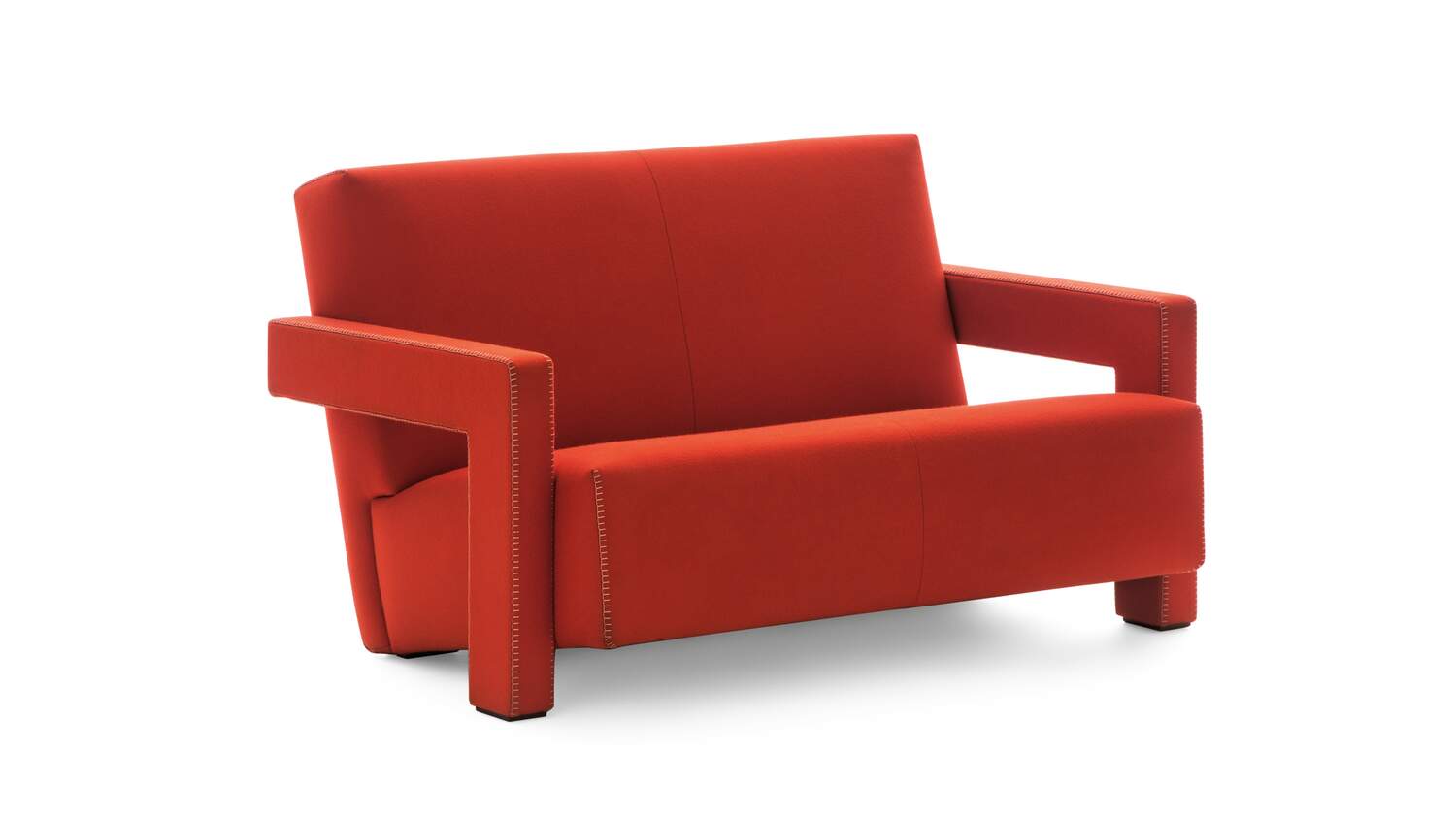
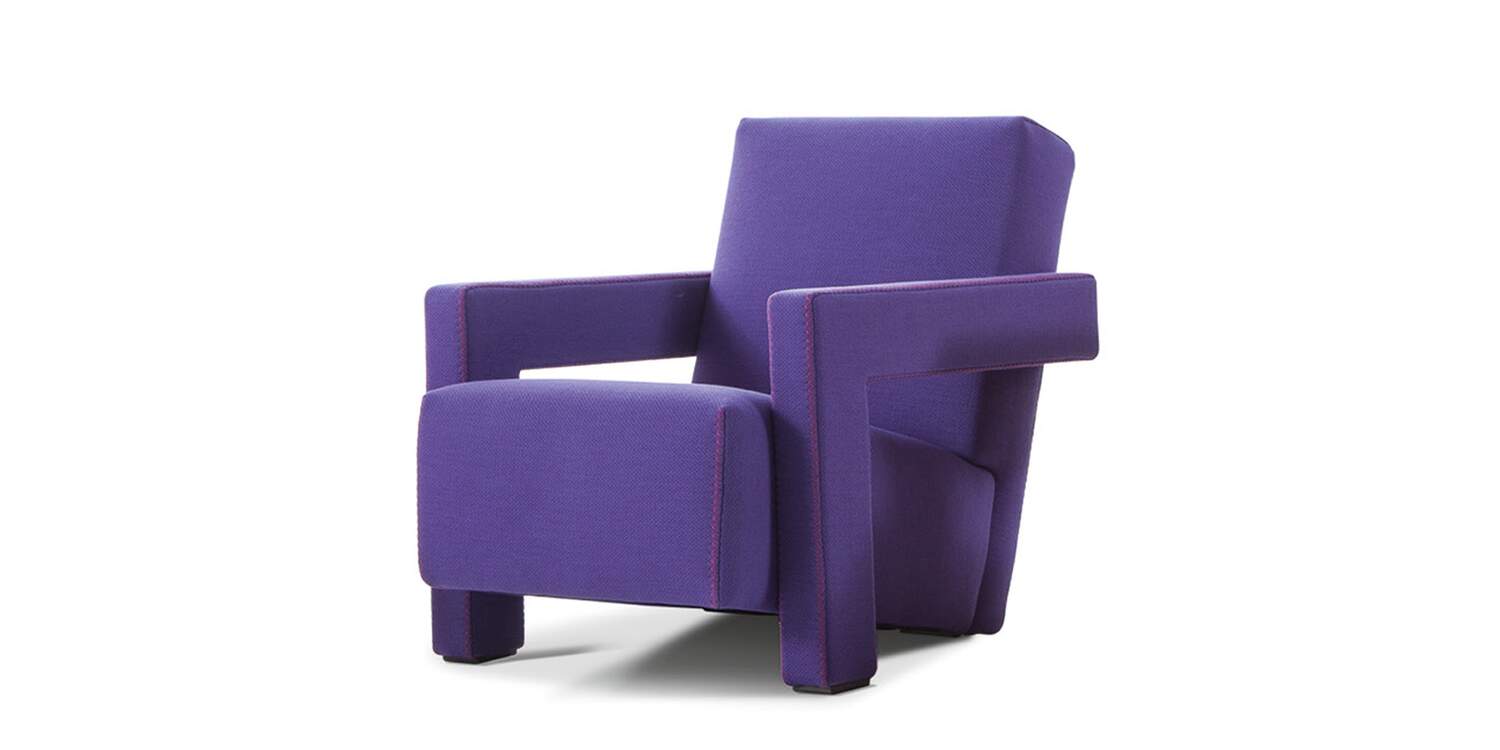
Thanks to the depth of its seat and generous padding, this sofa retains the same aesthetic features and level of comfort as the armchair designed in 1935 by Gerrit Thomas Rietveld.
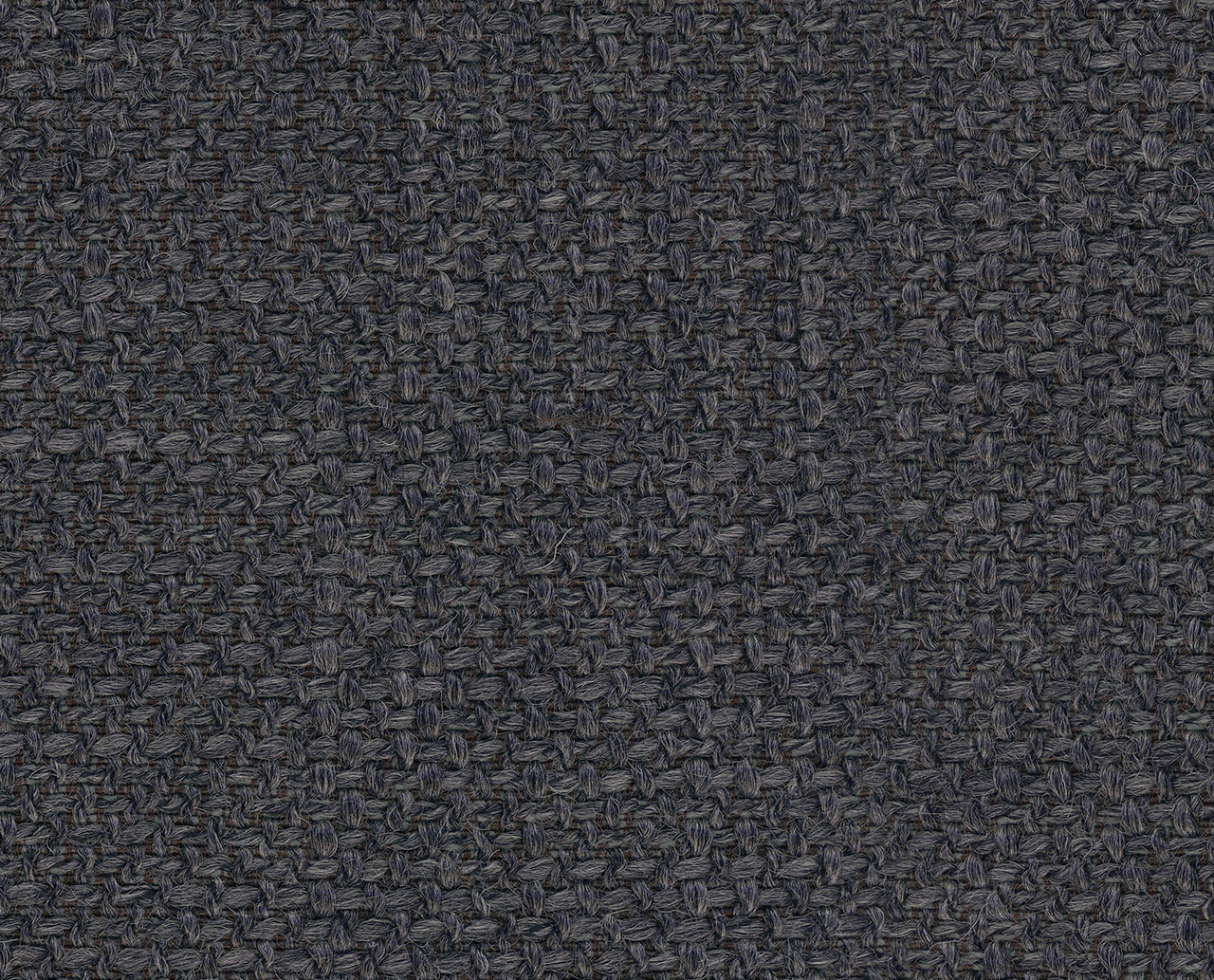
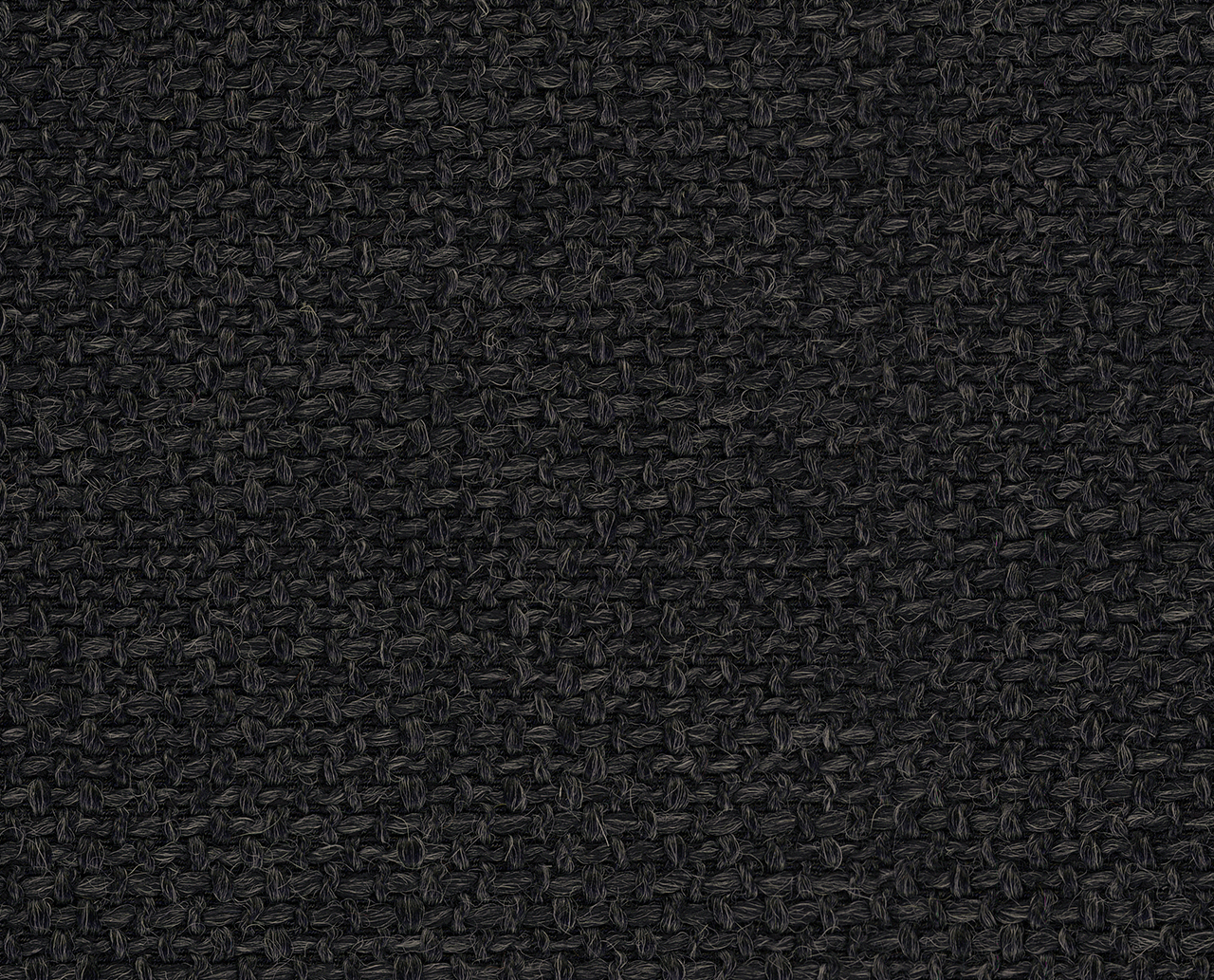
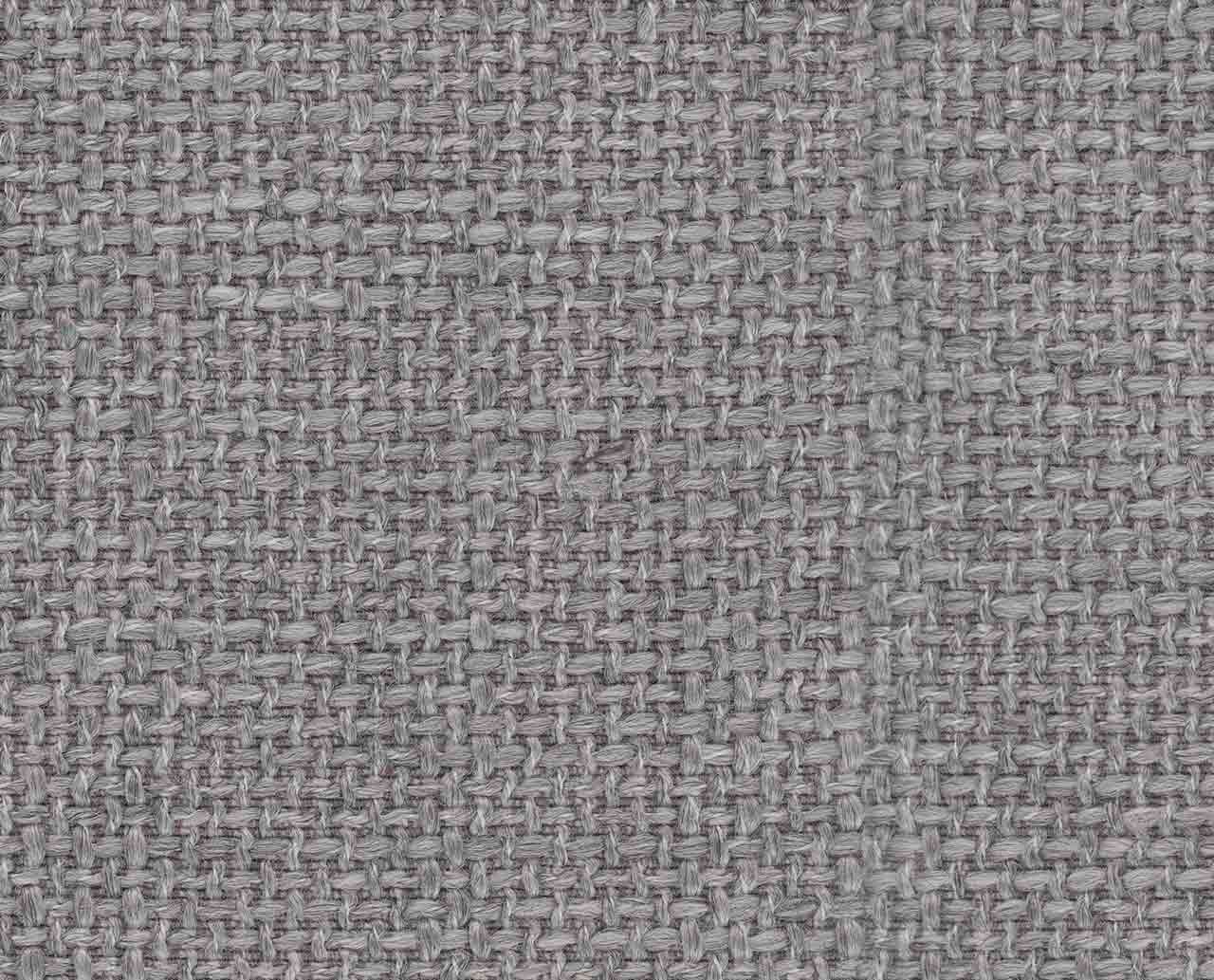
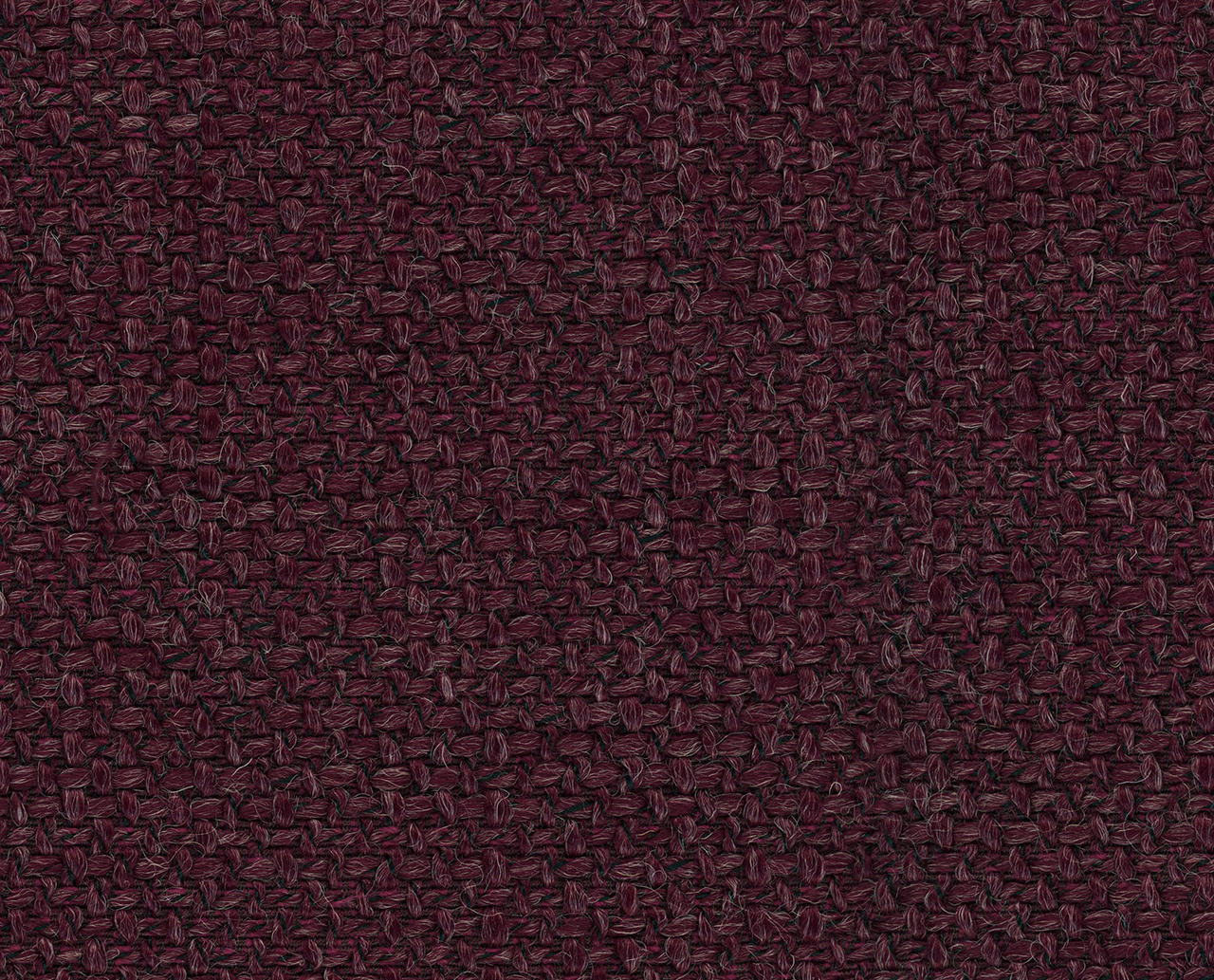


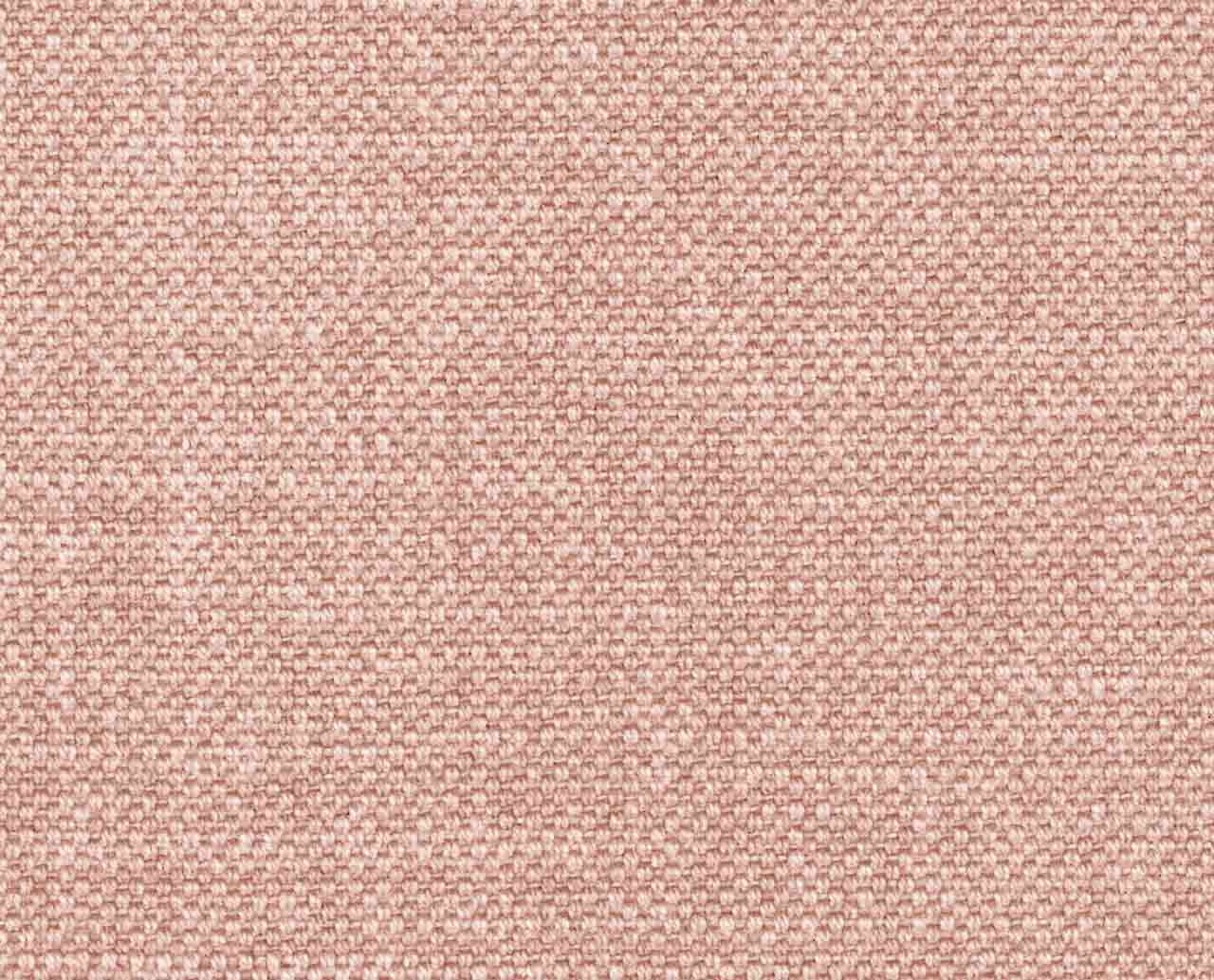
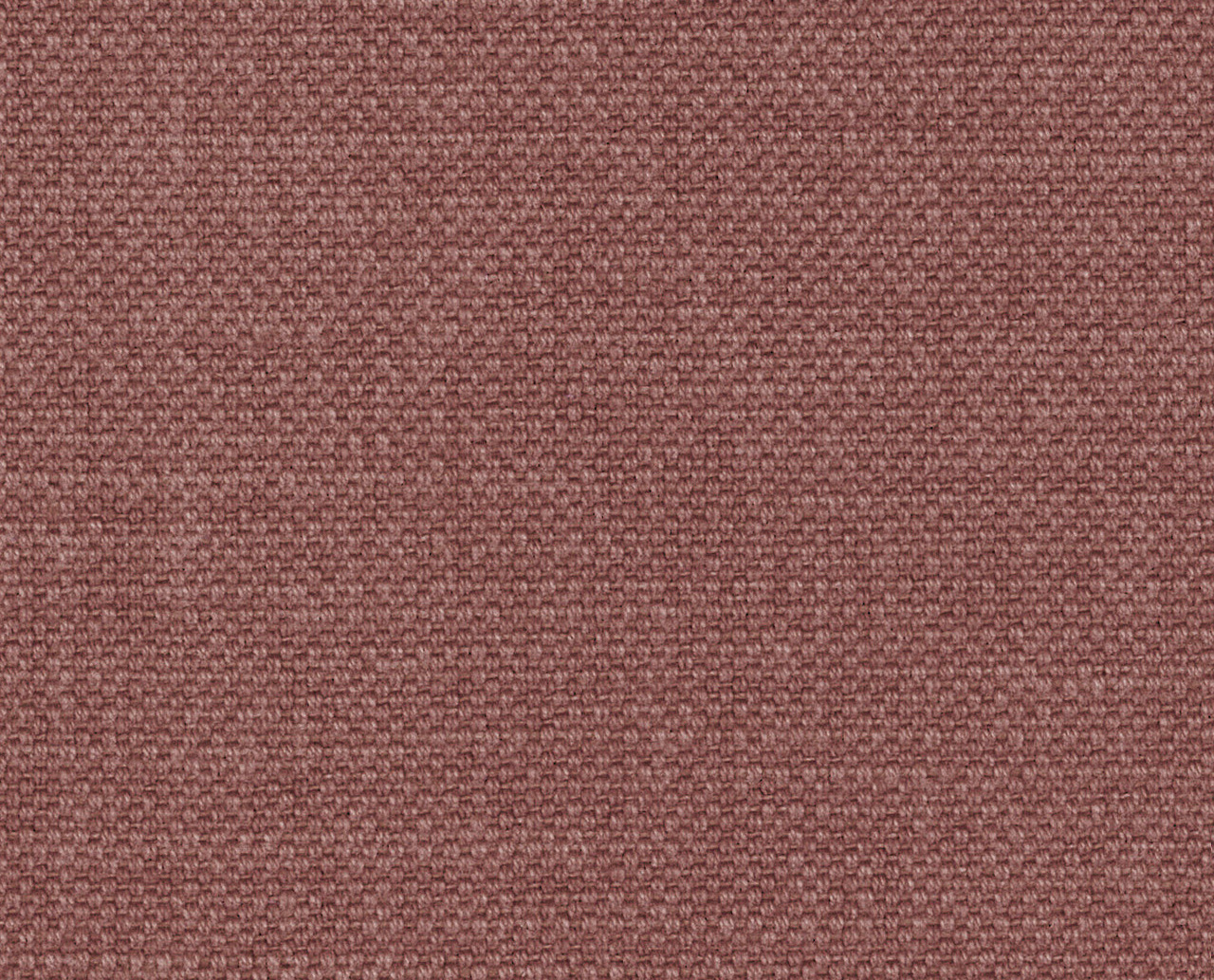
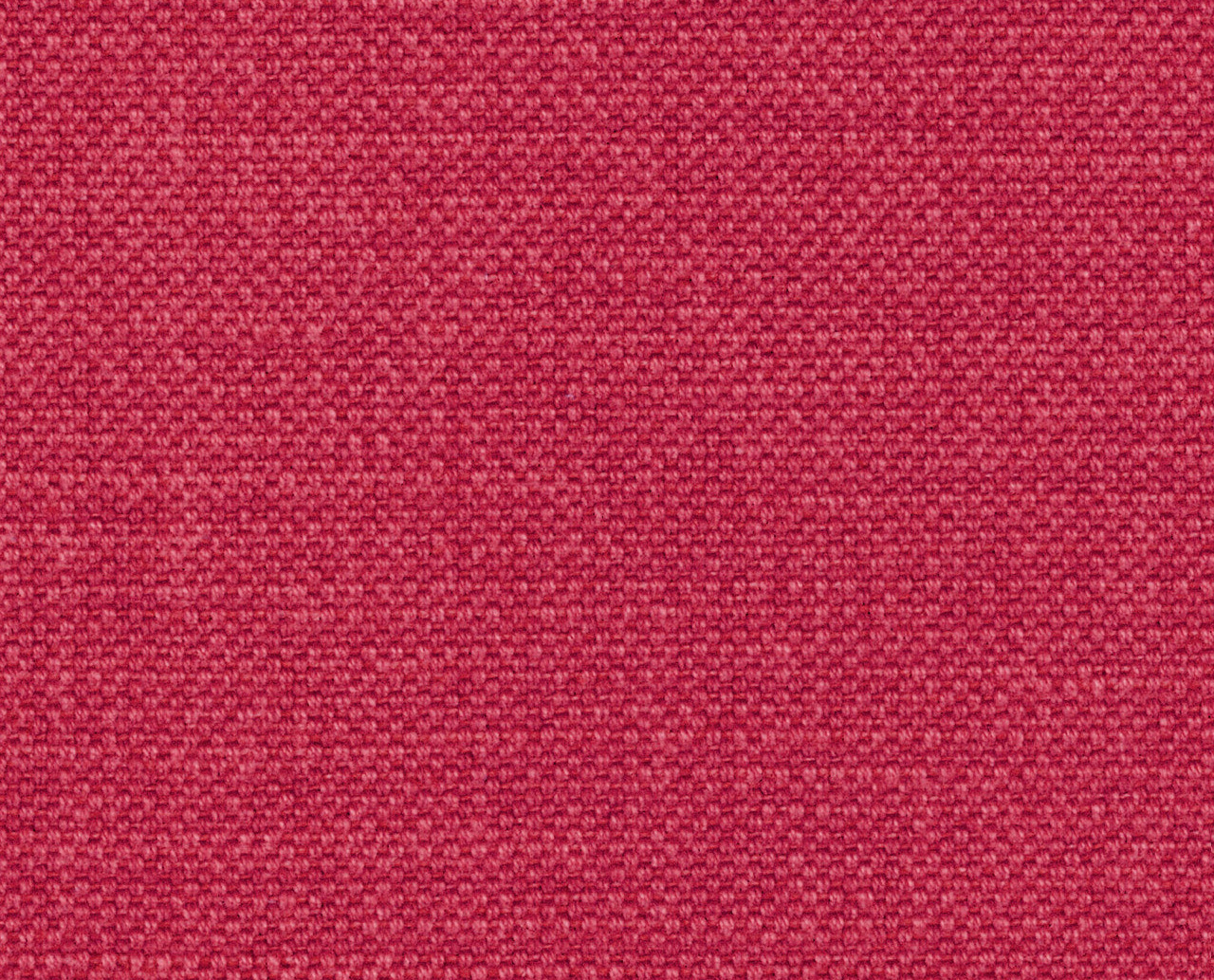
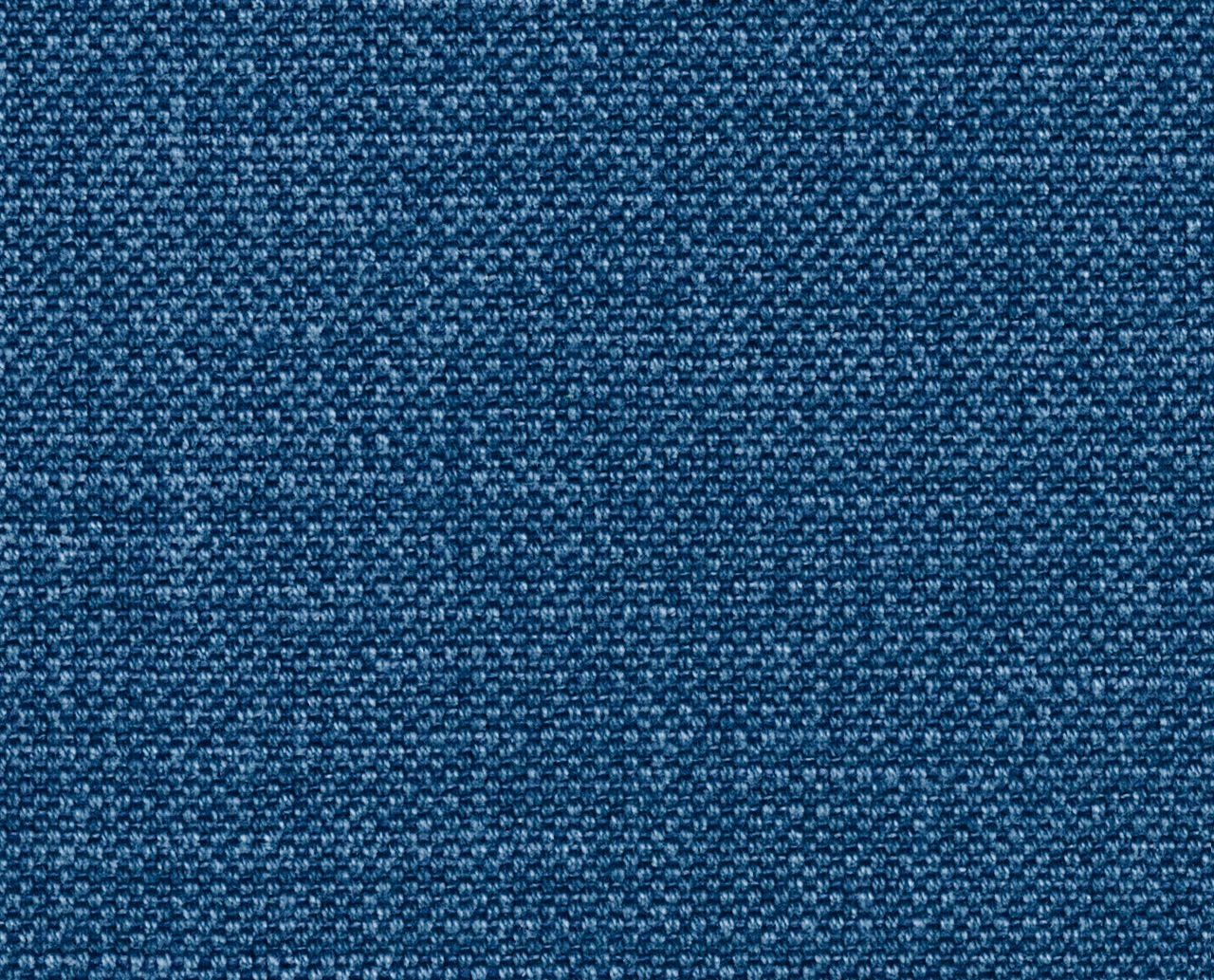

















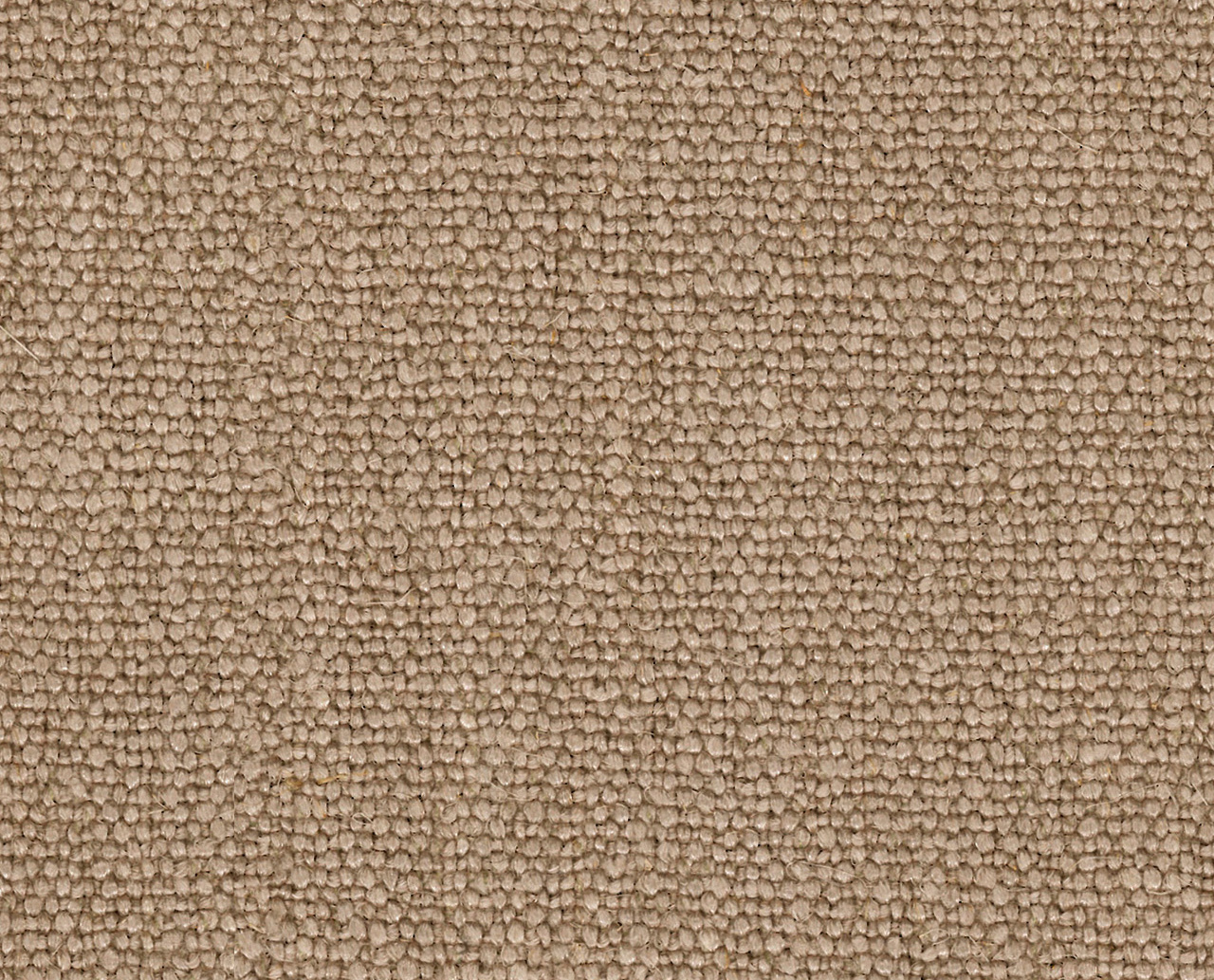
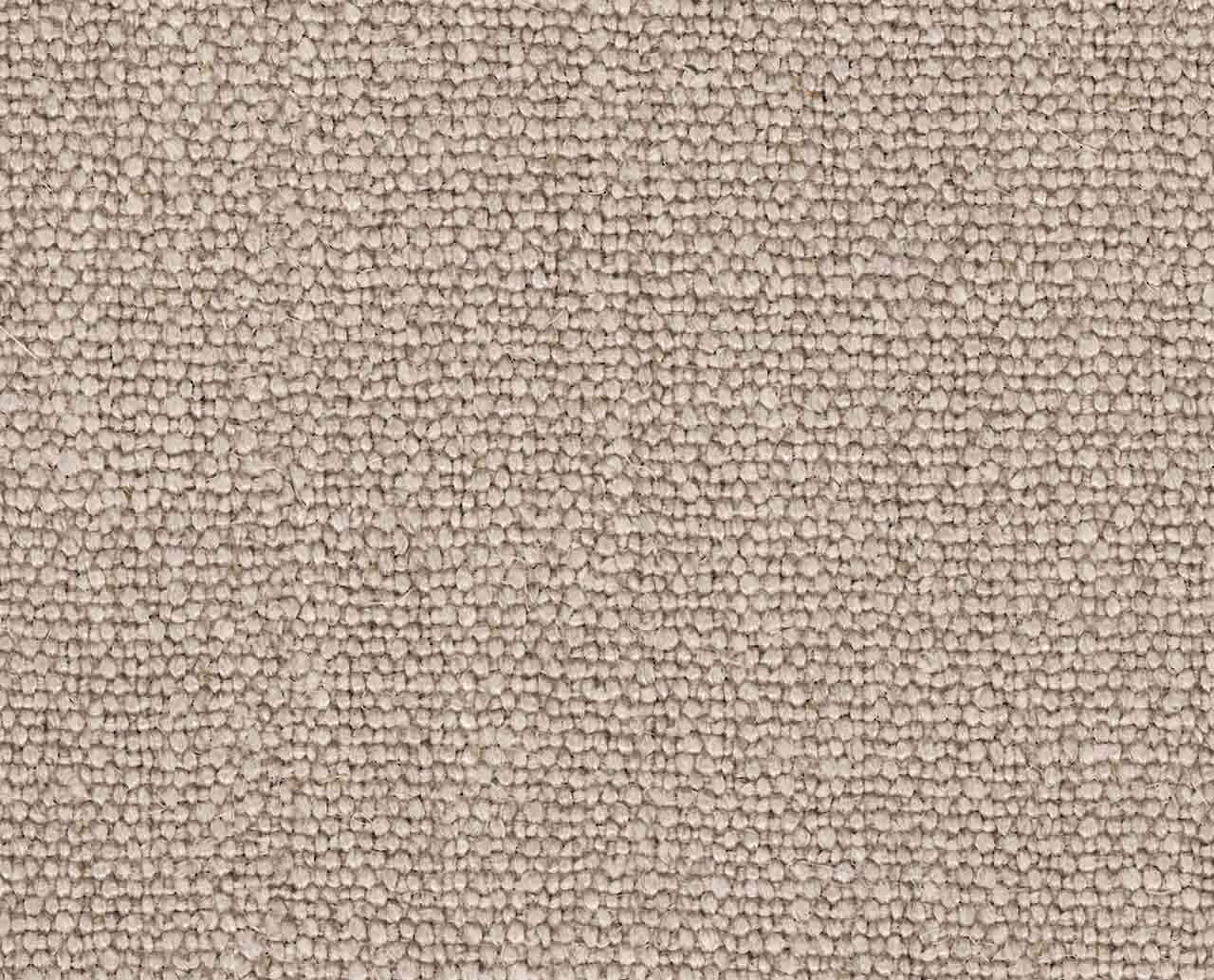
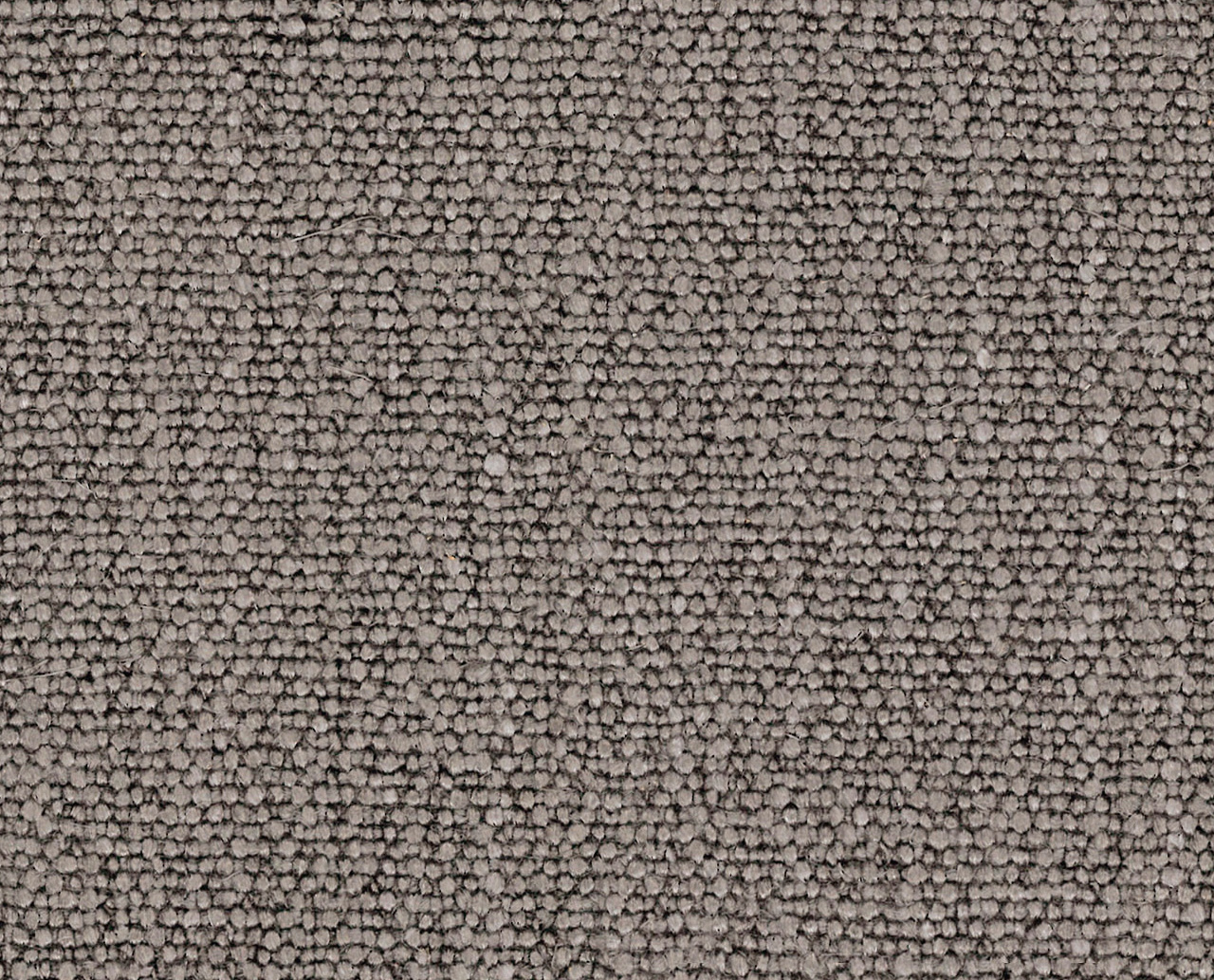
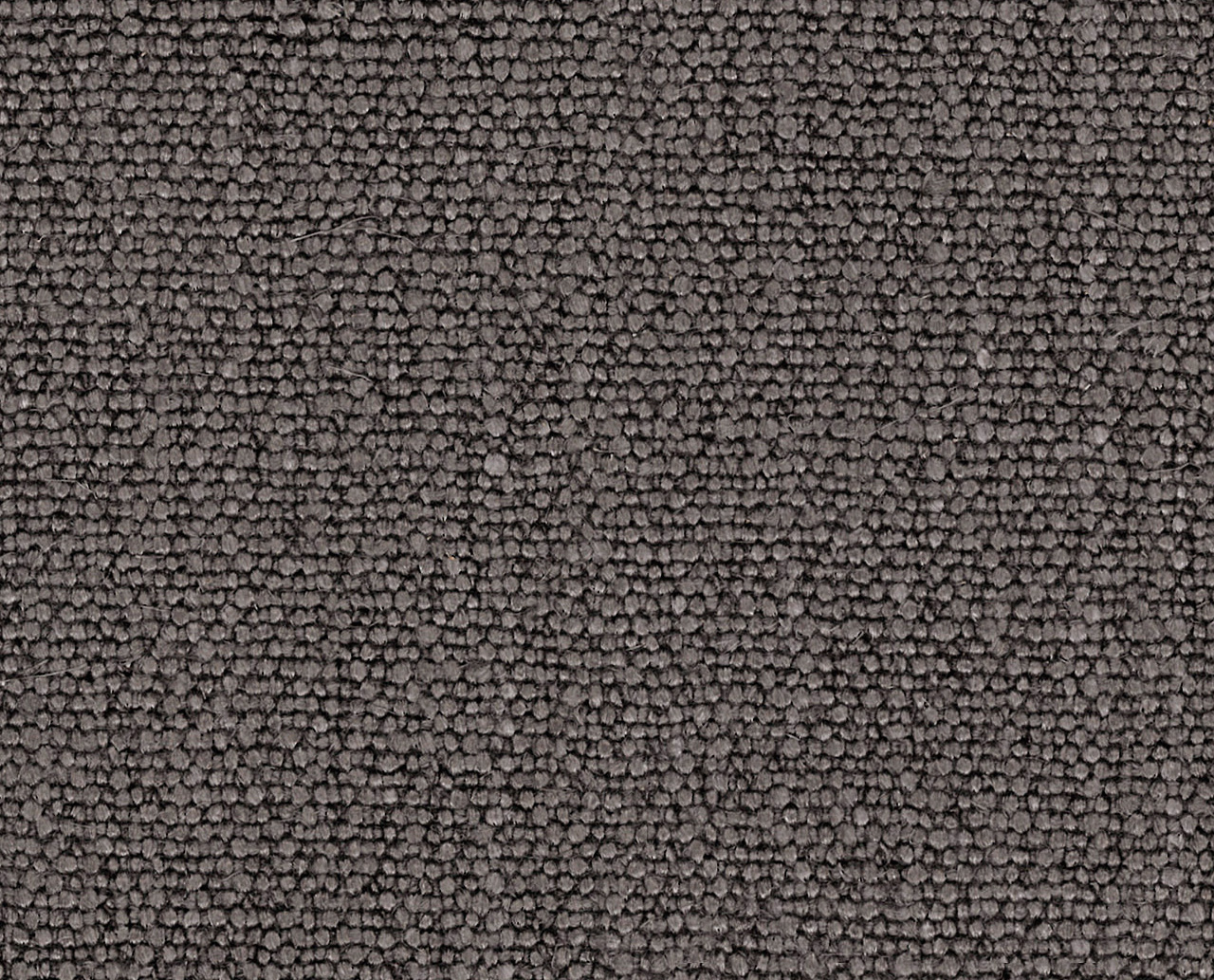













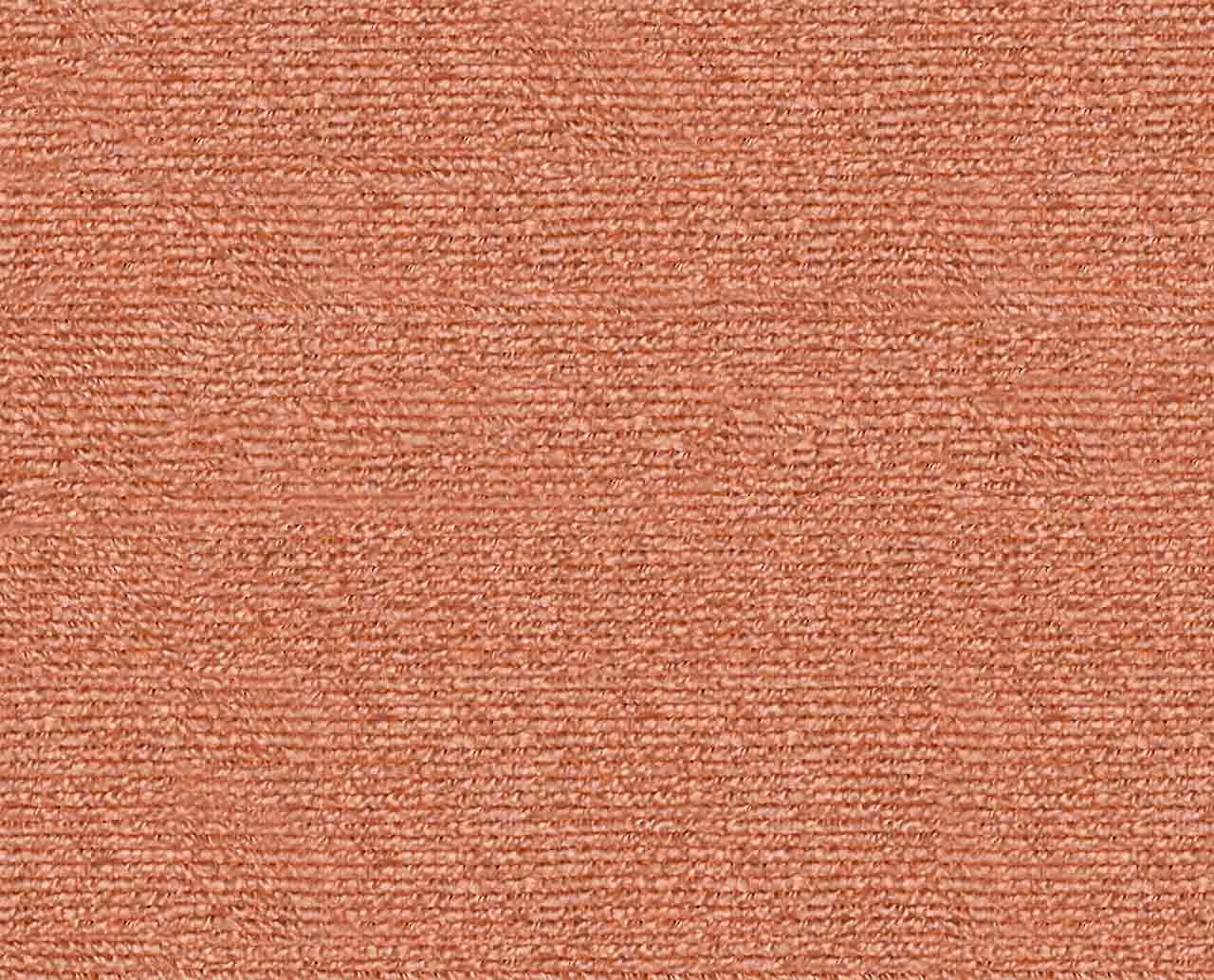
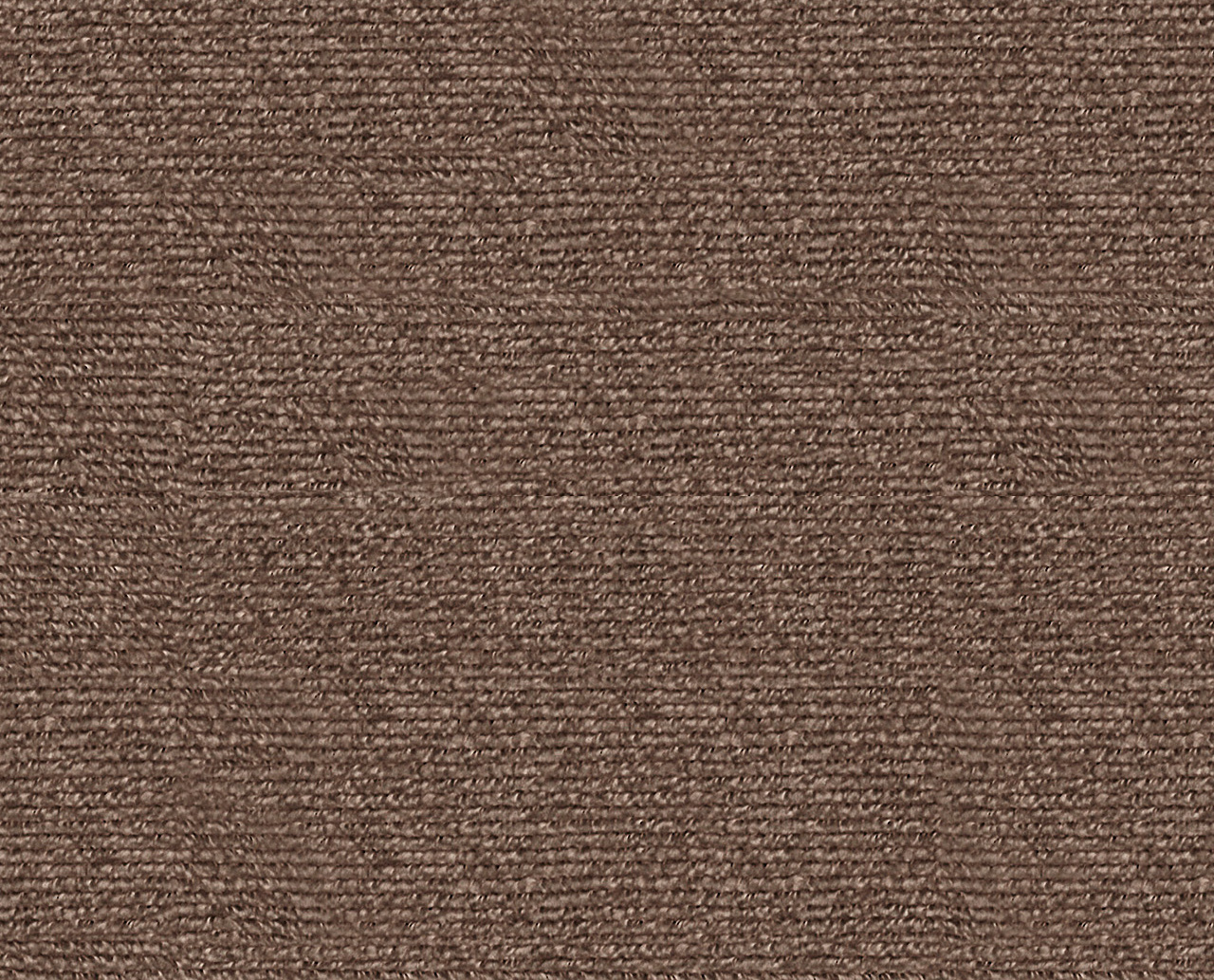
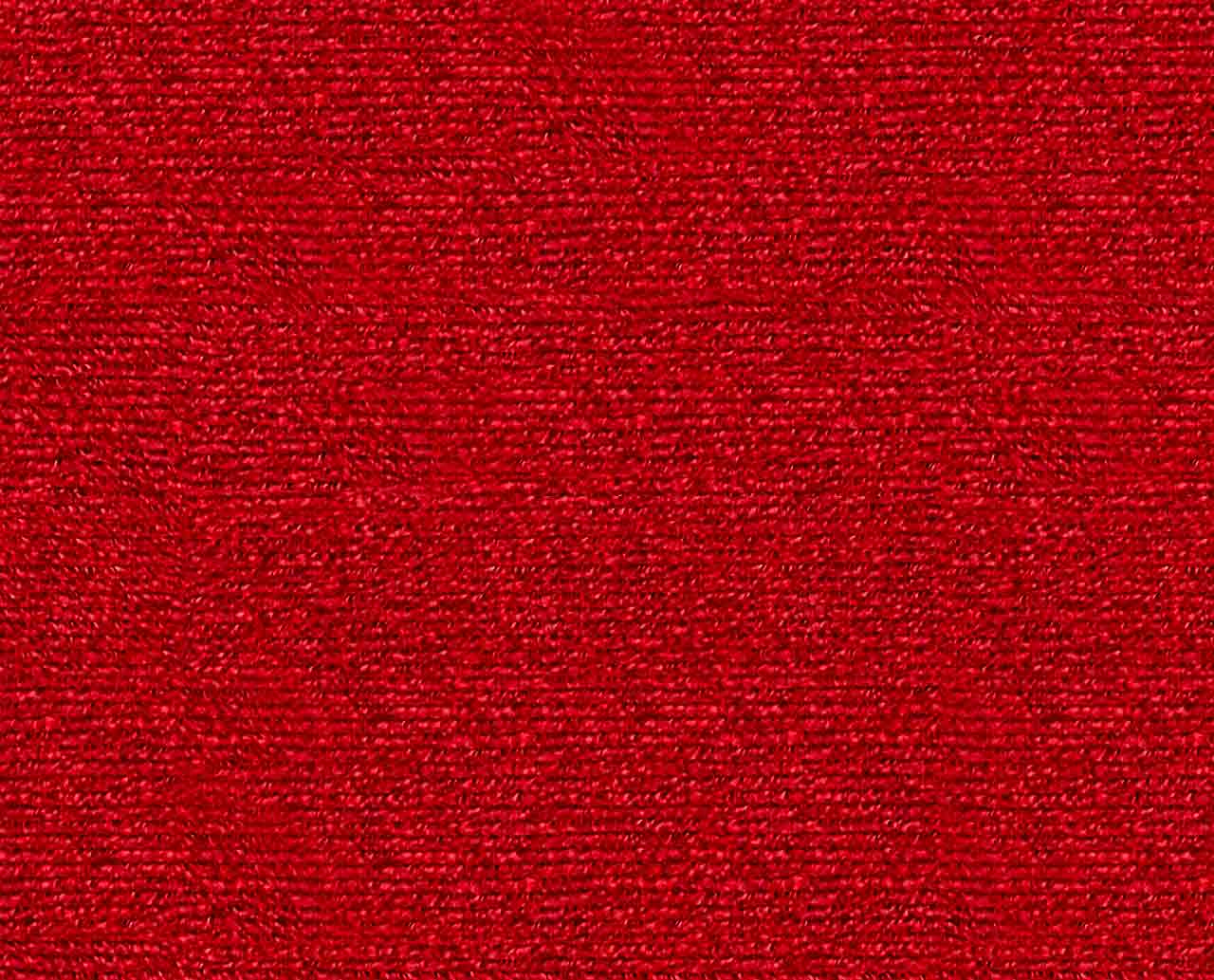
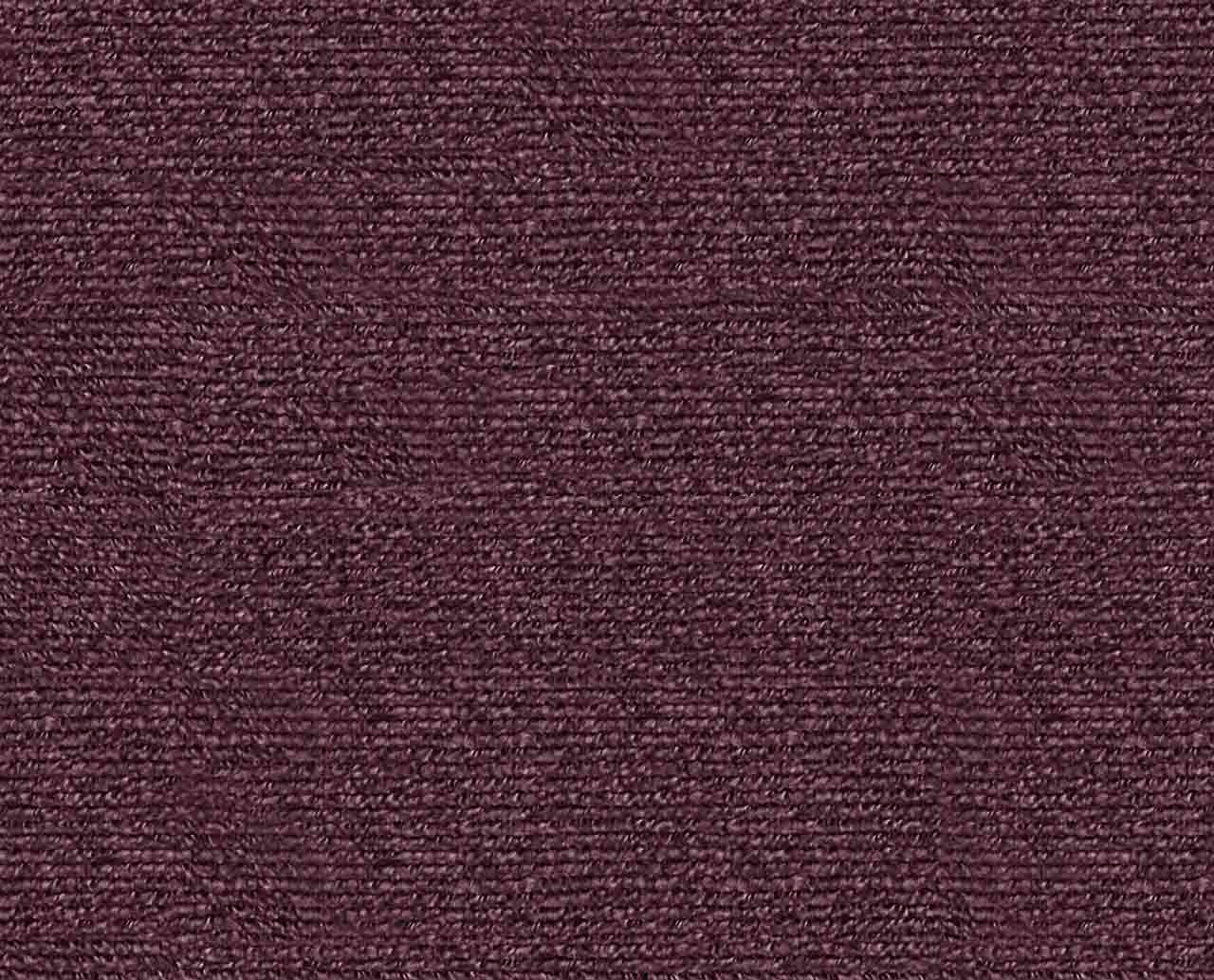
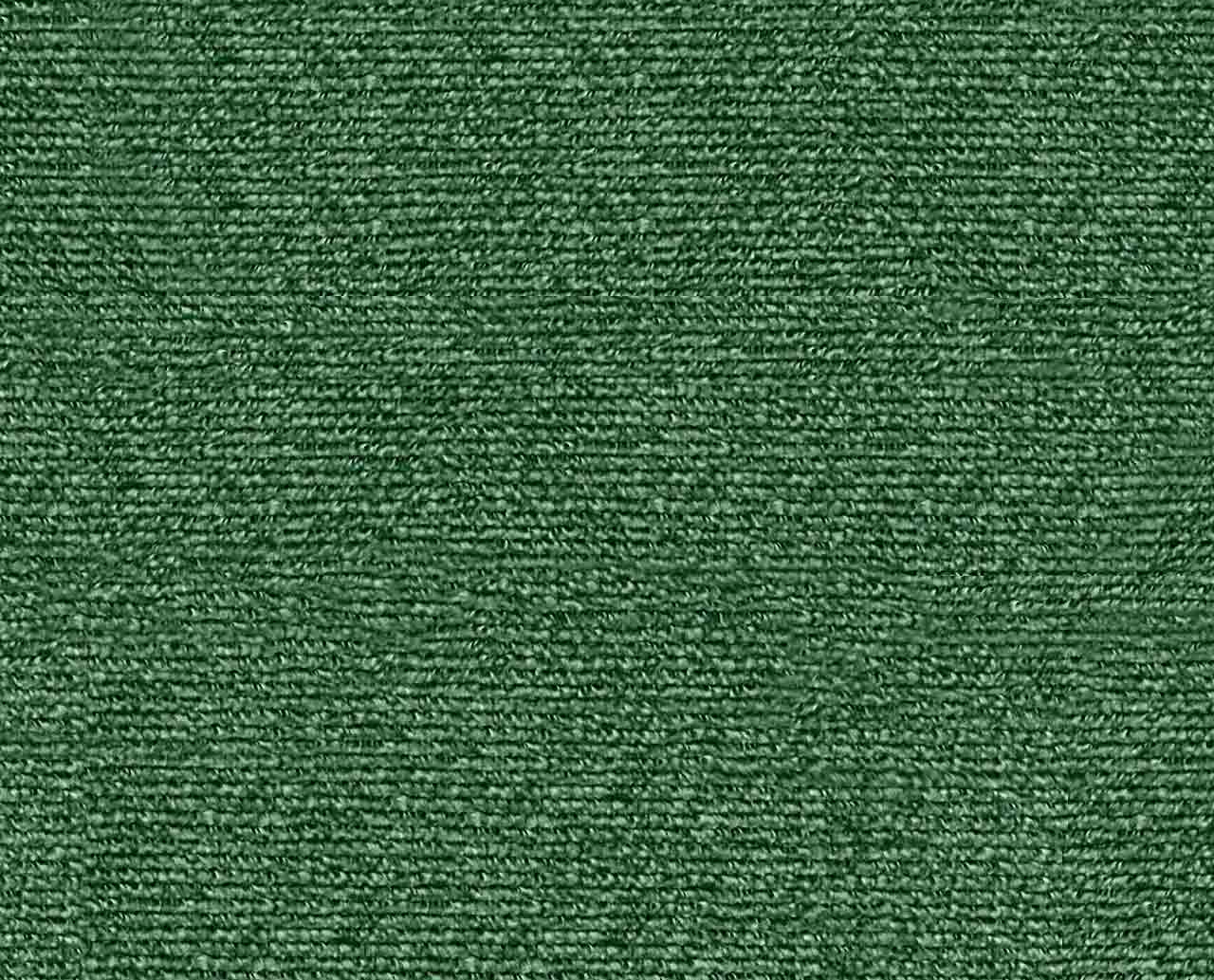
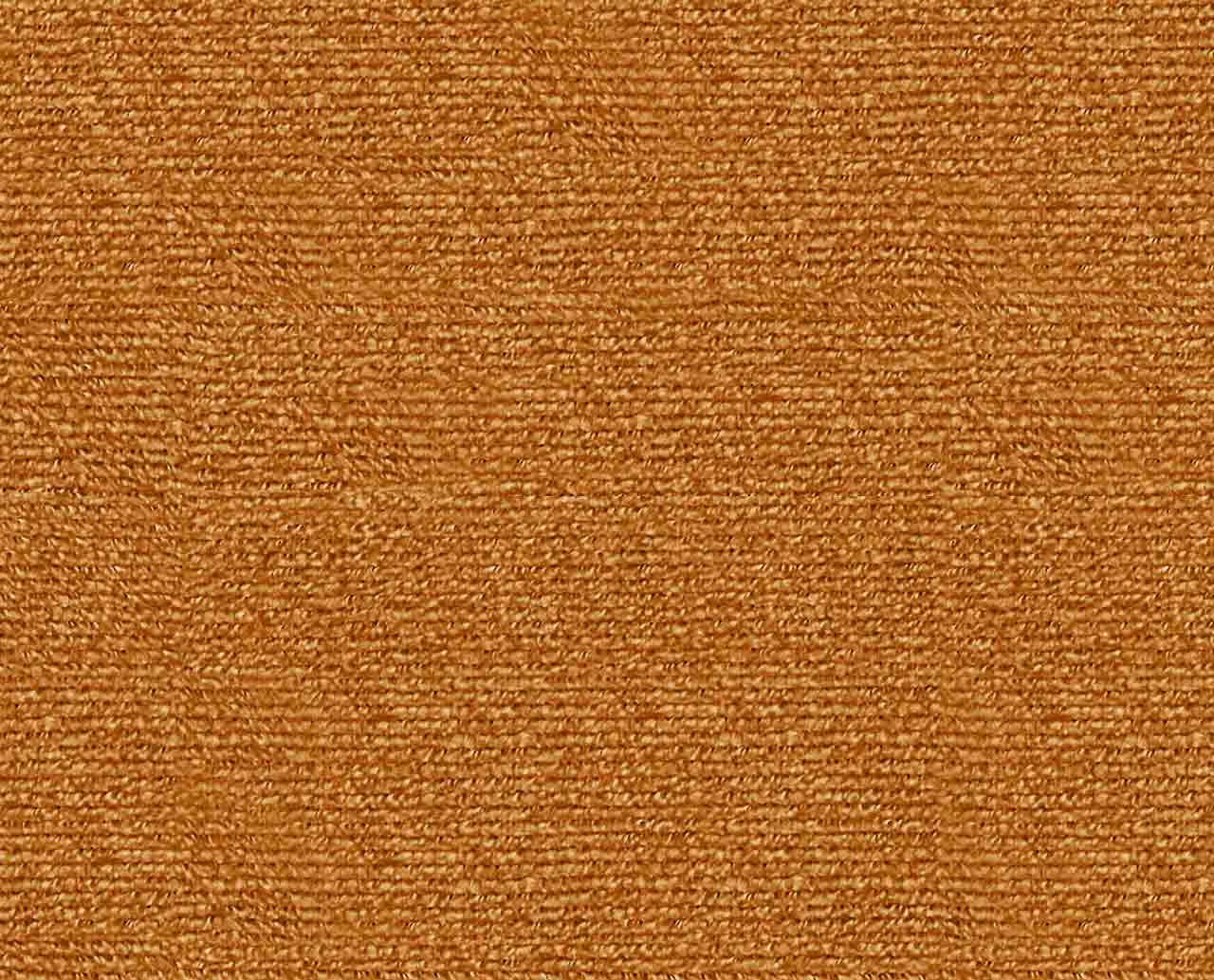
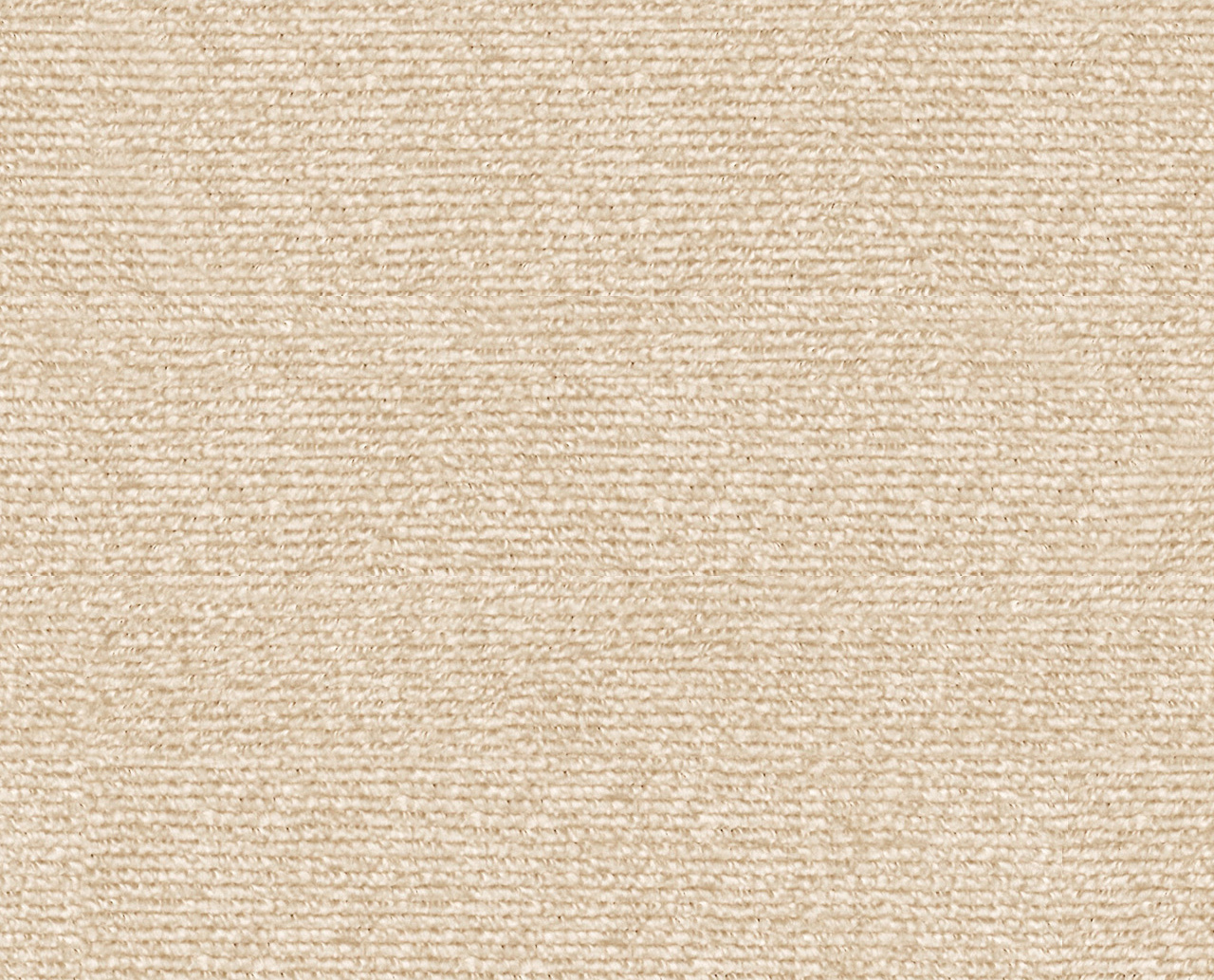
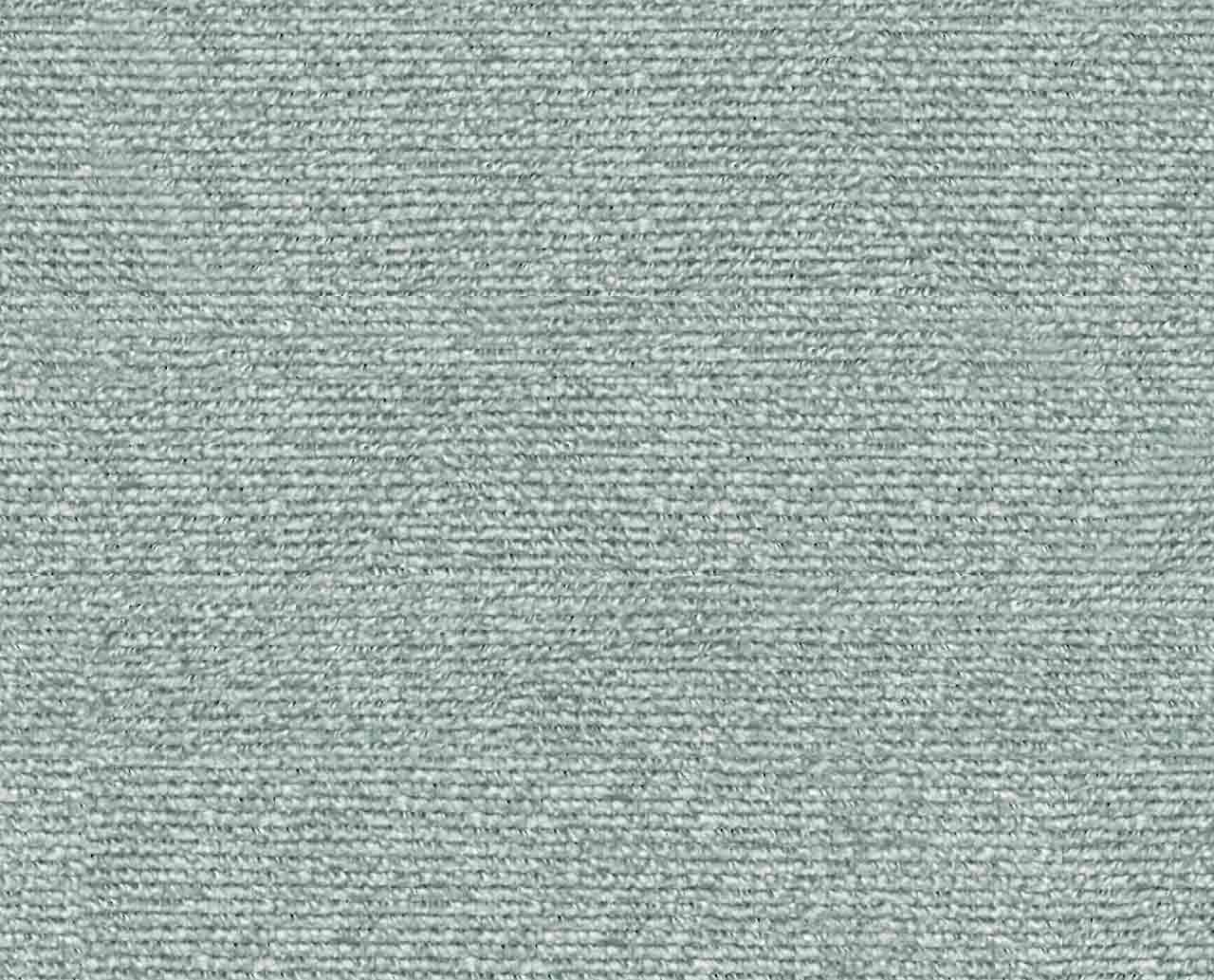
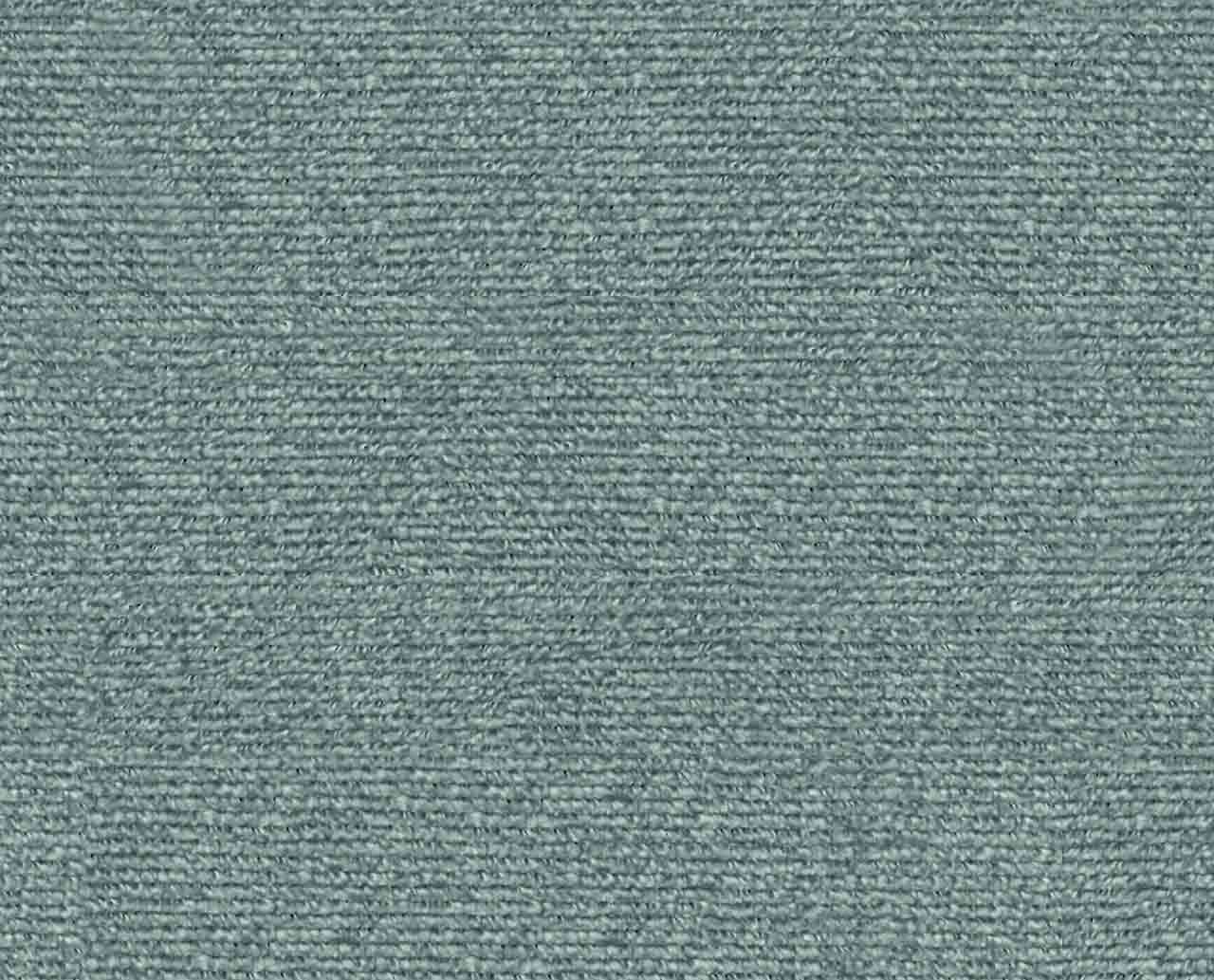
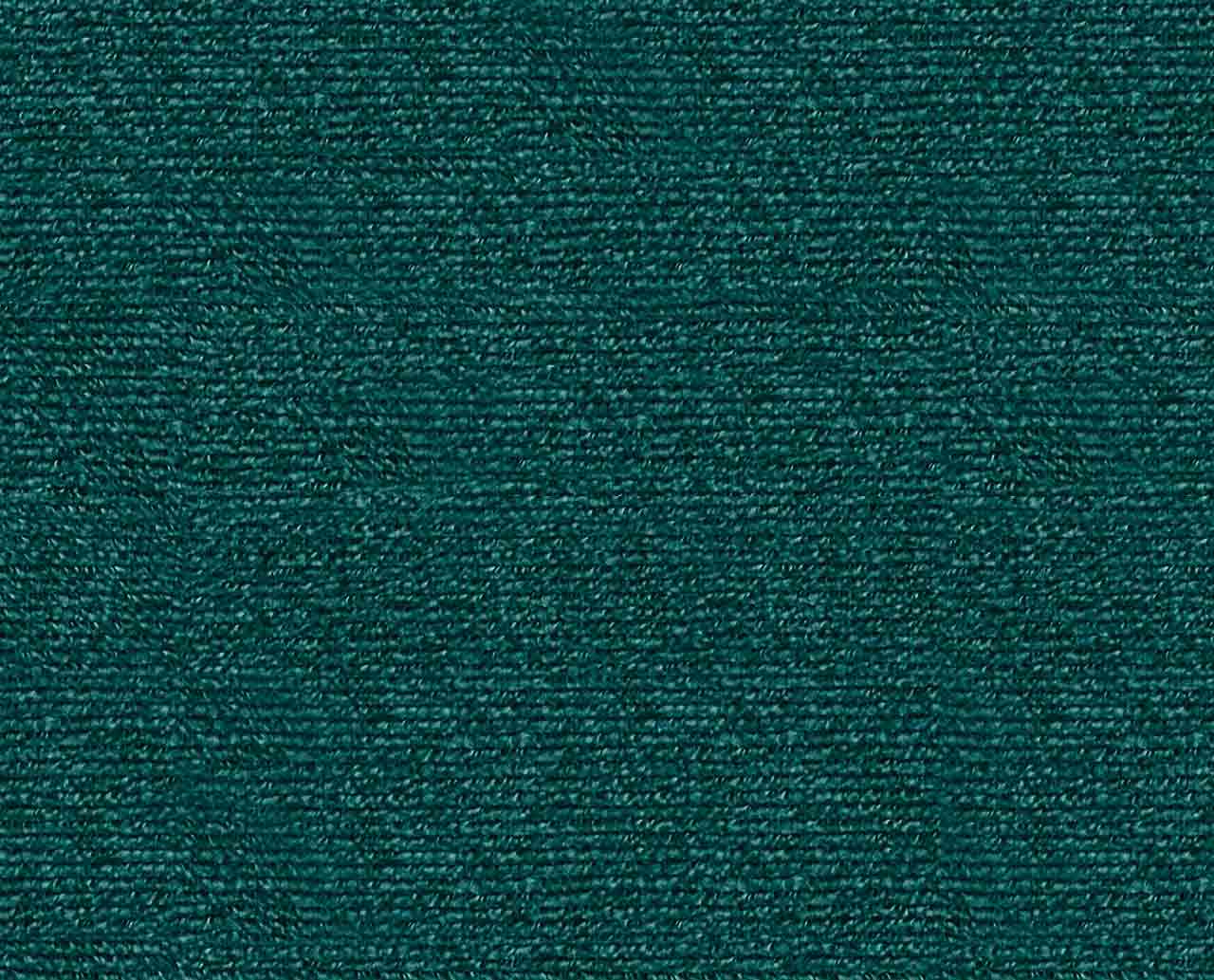
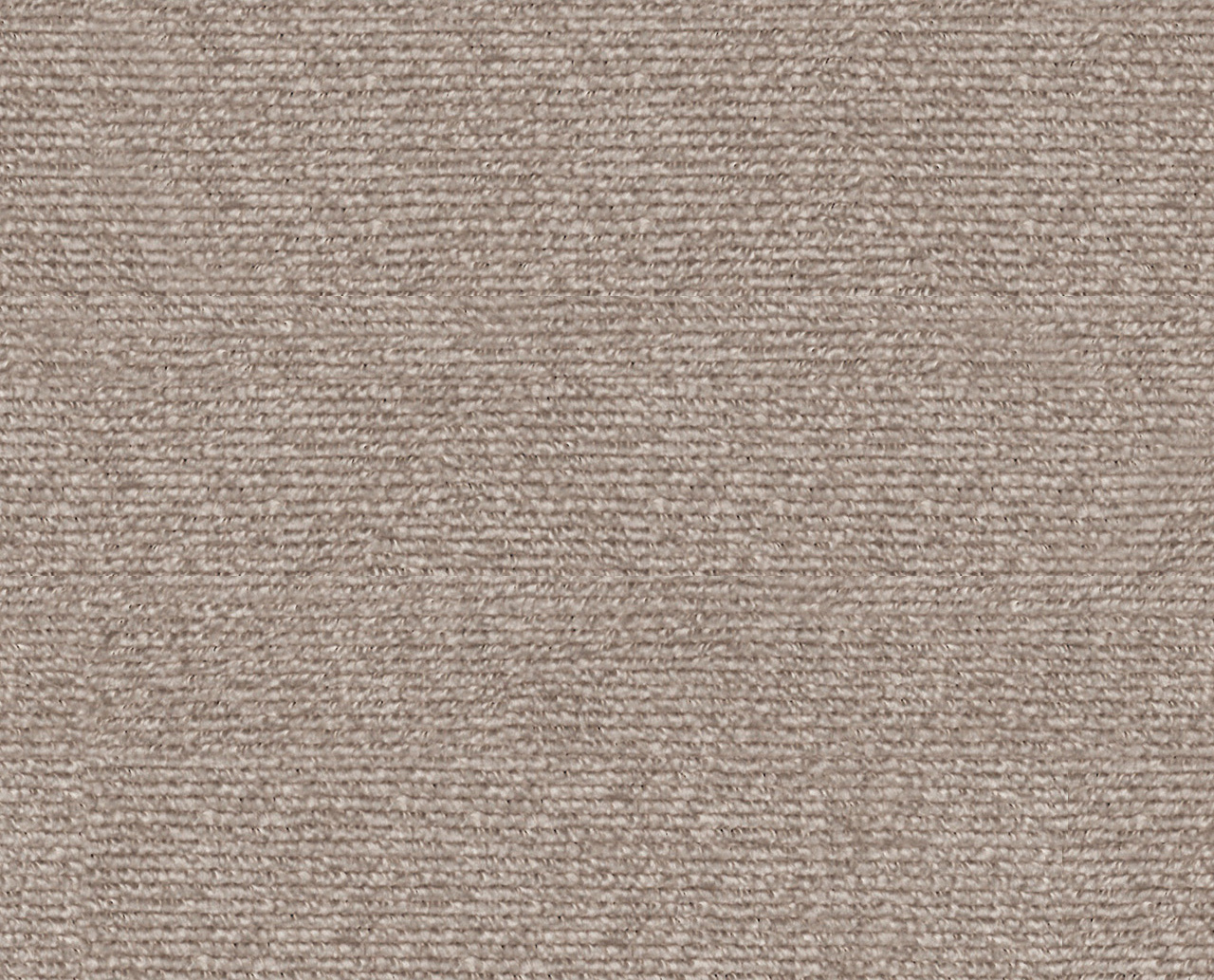
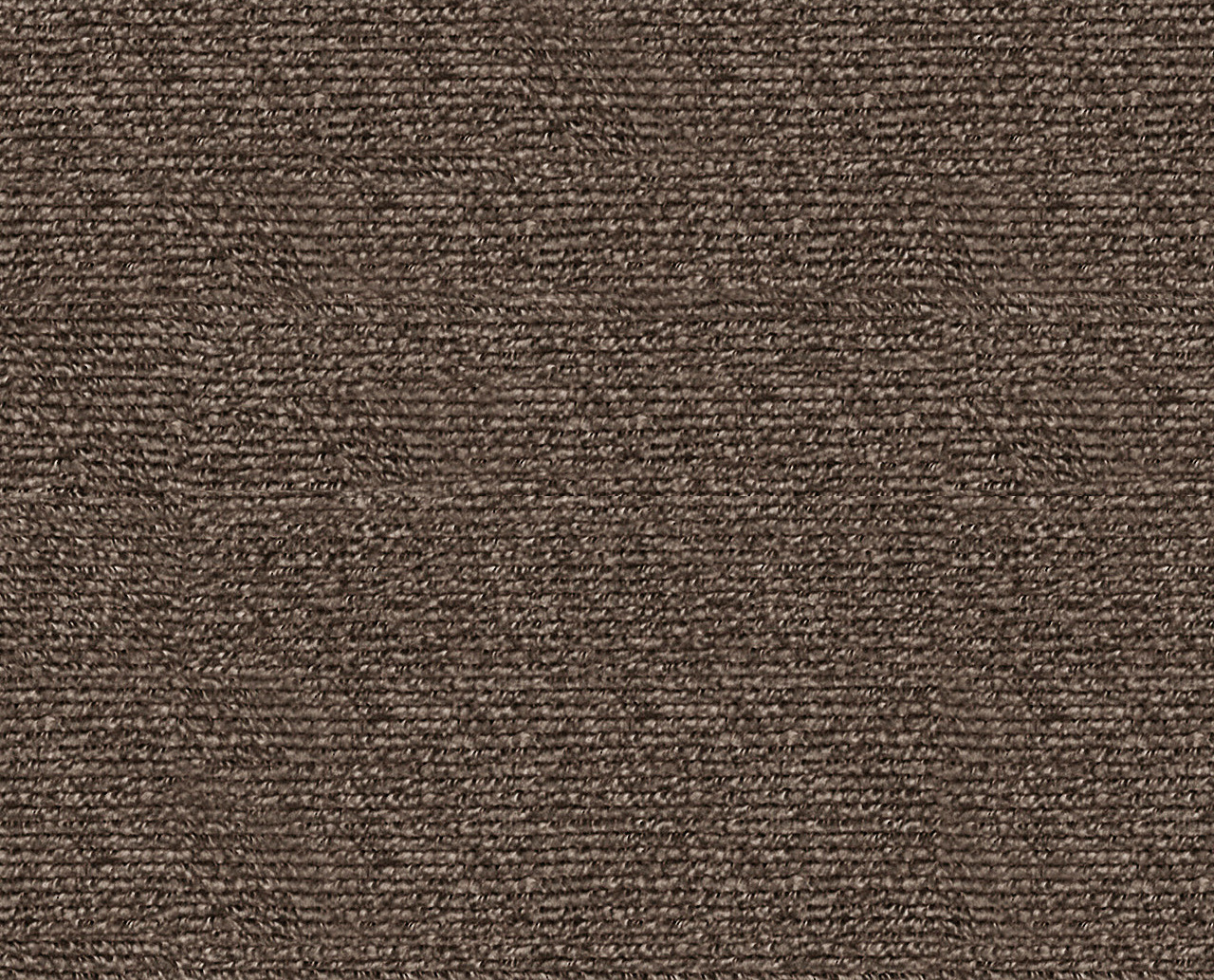
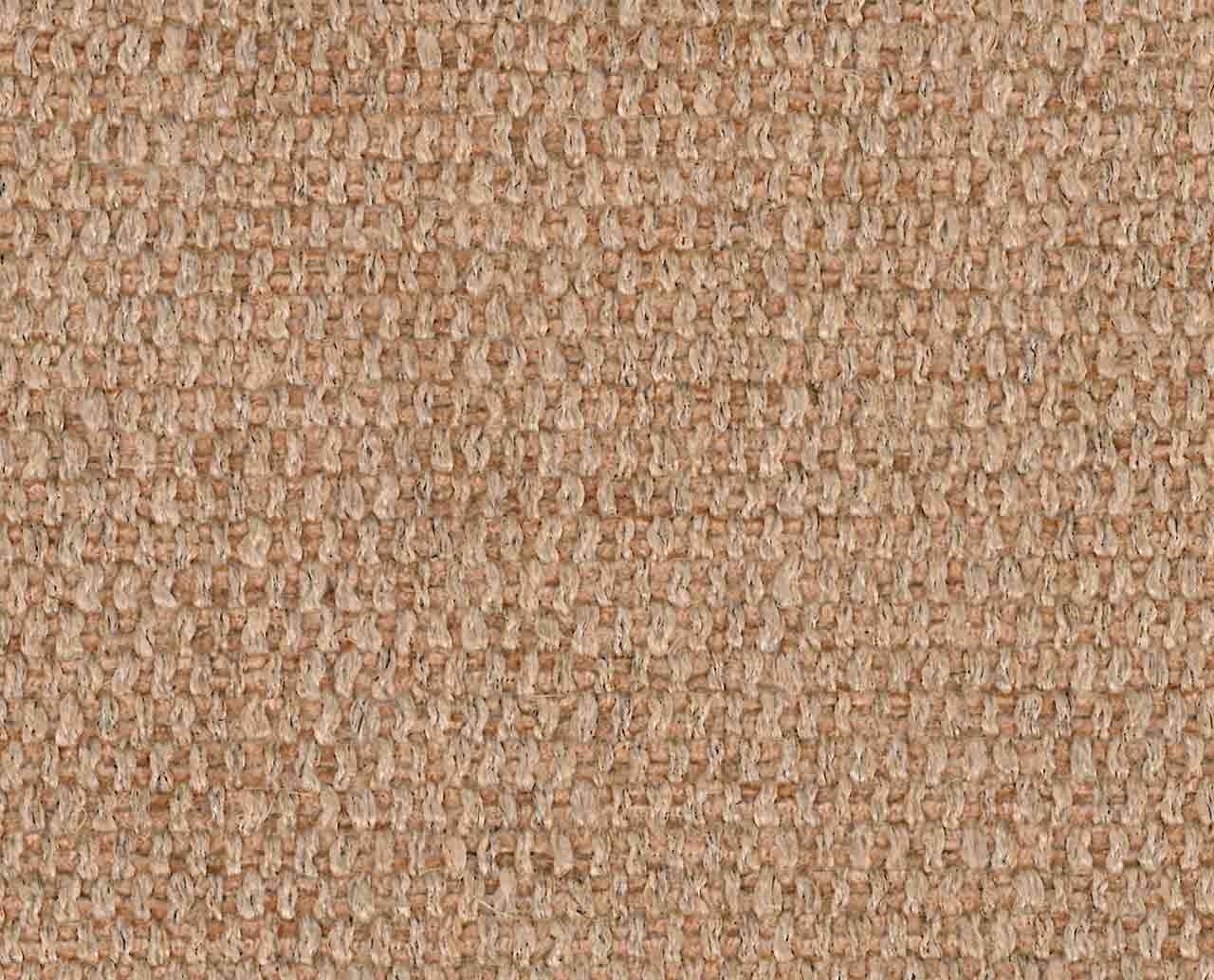
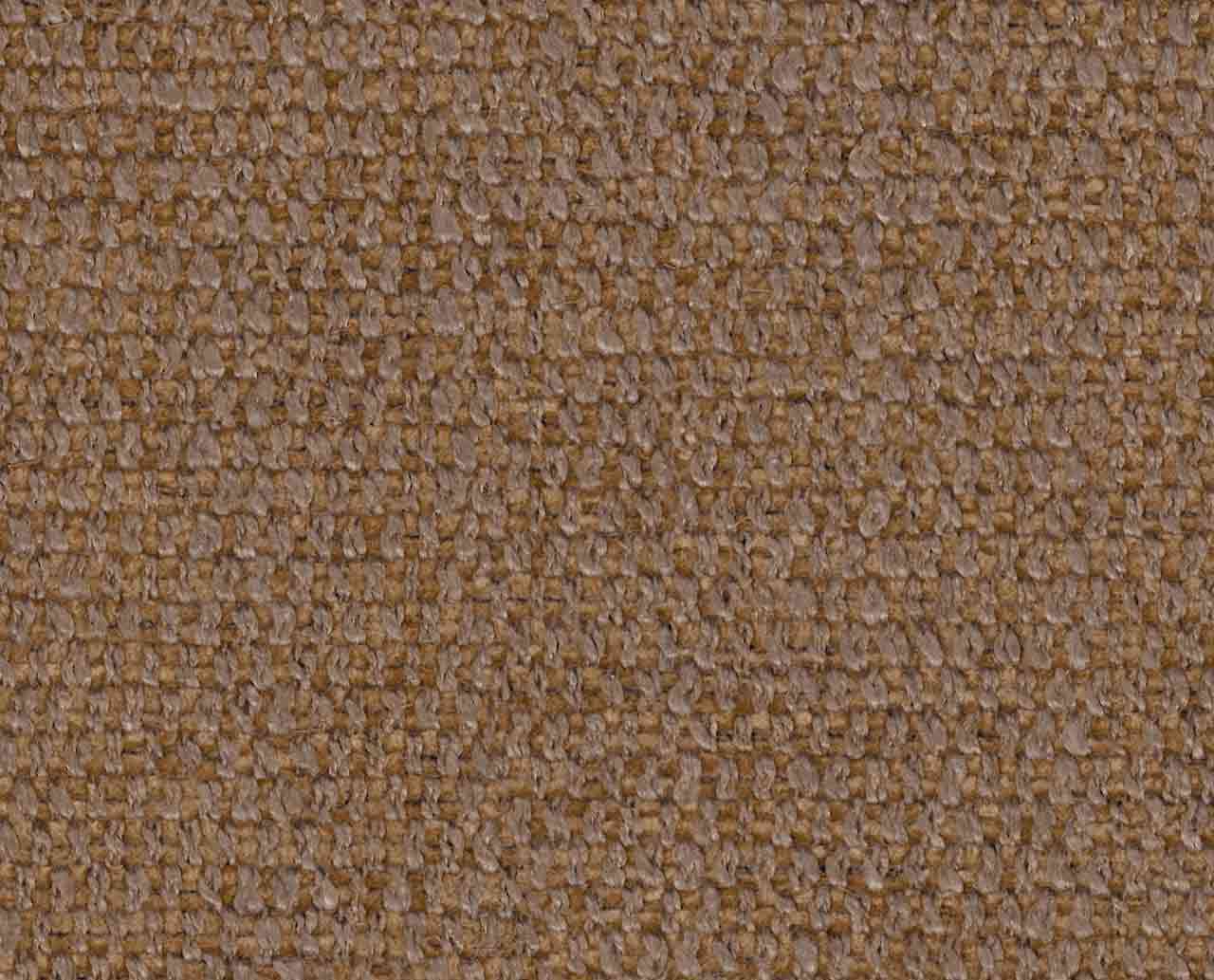
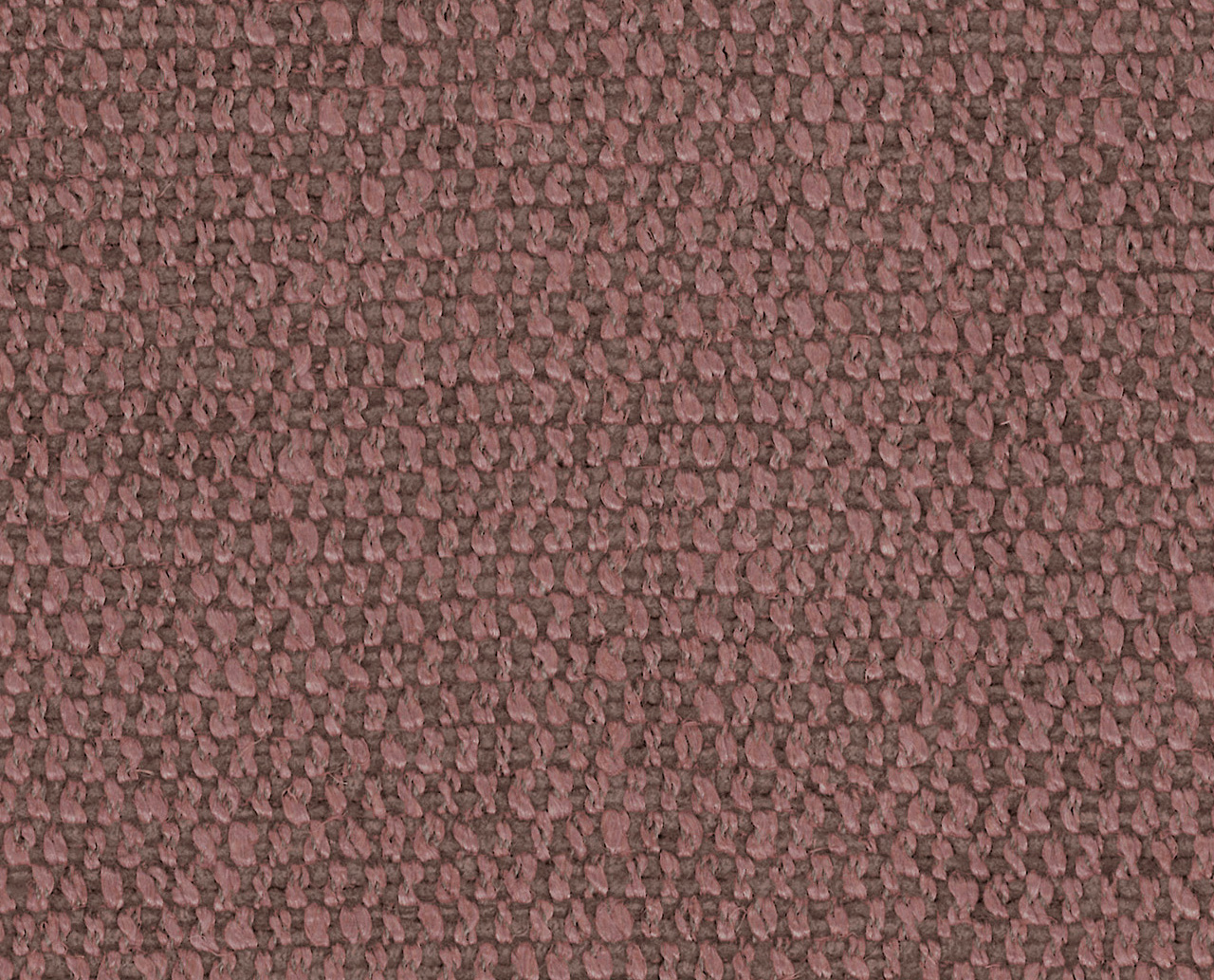
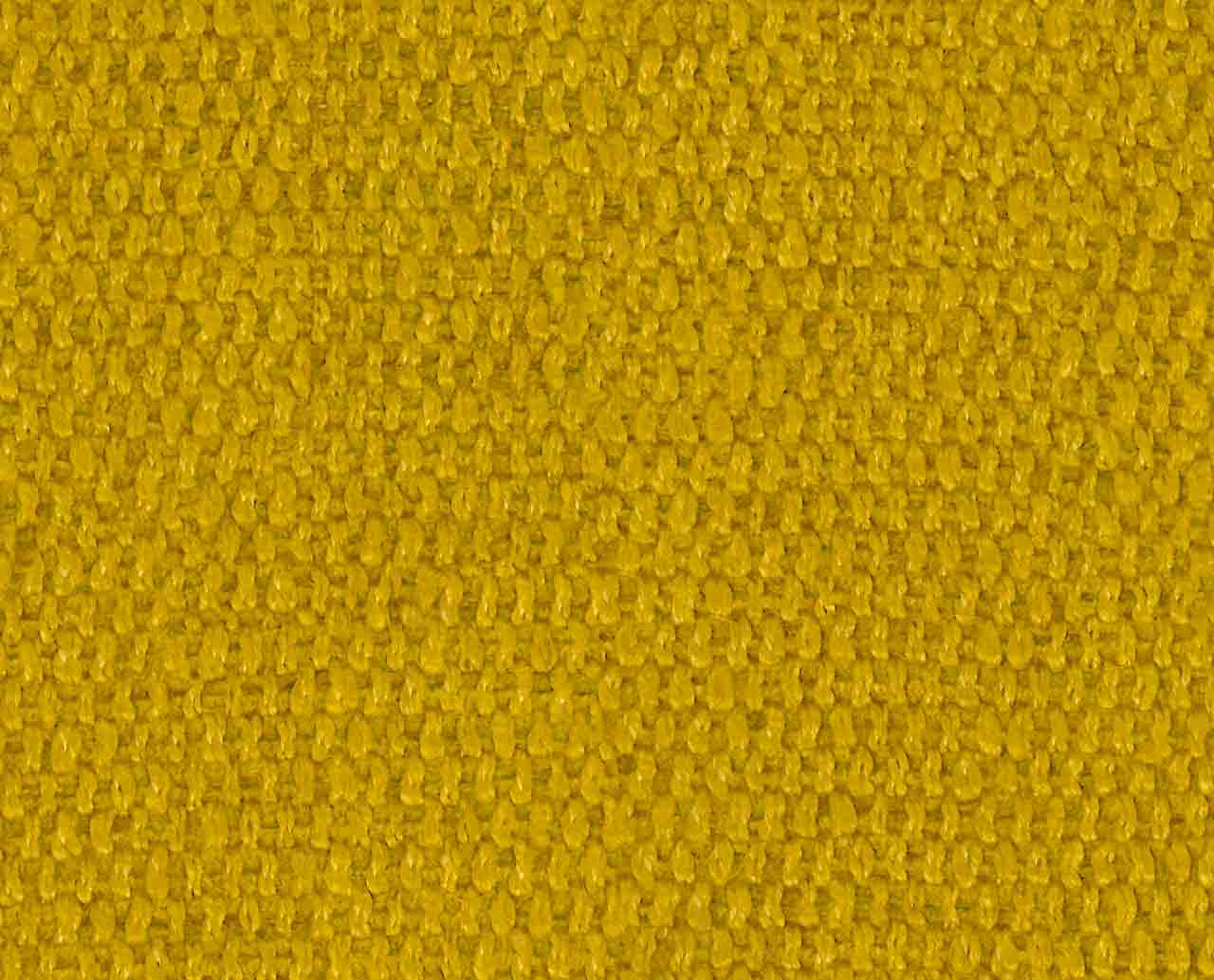
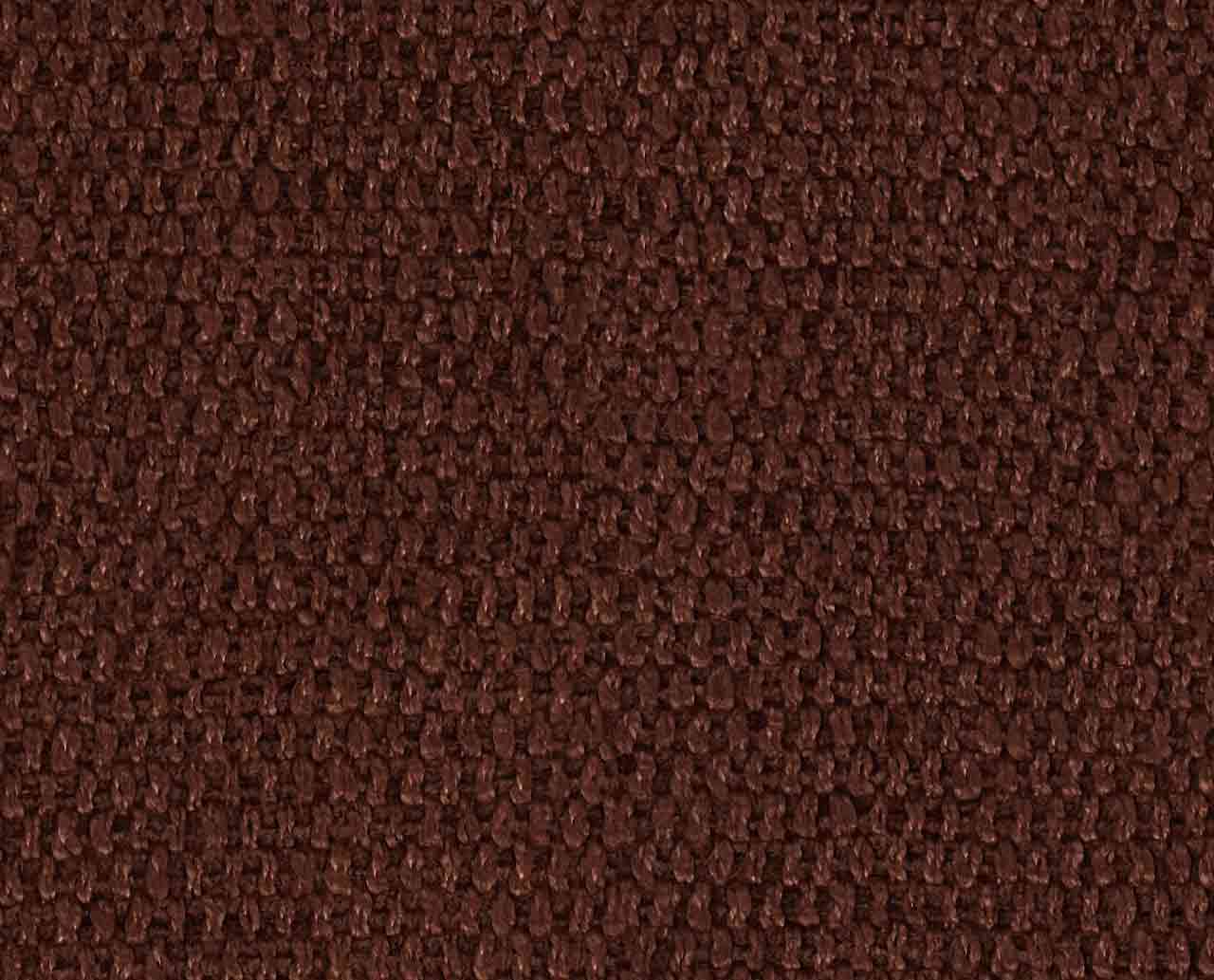
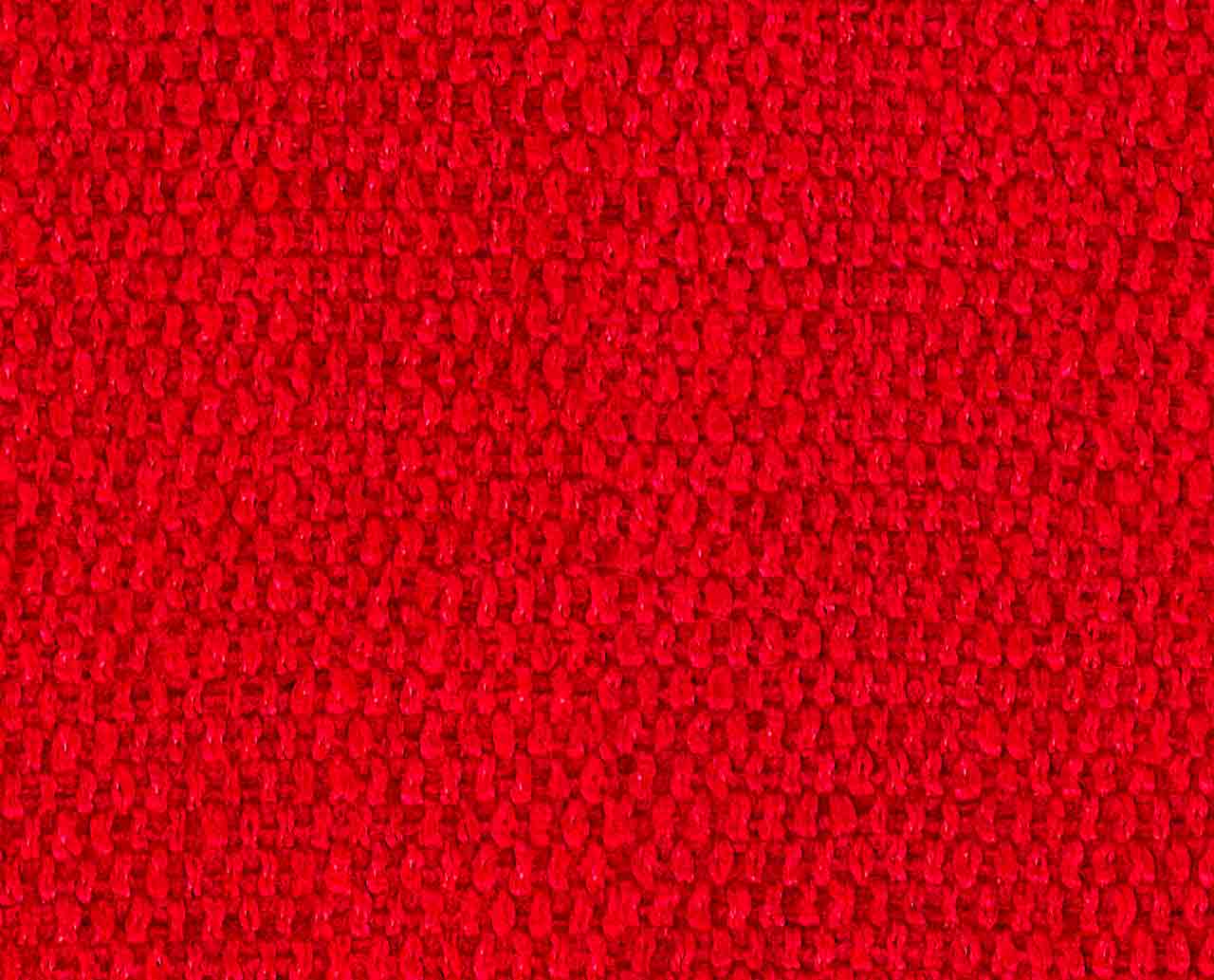
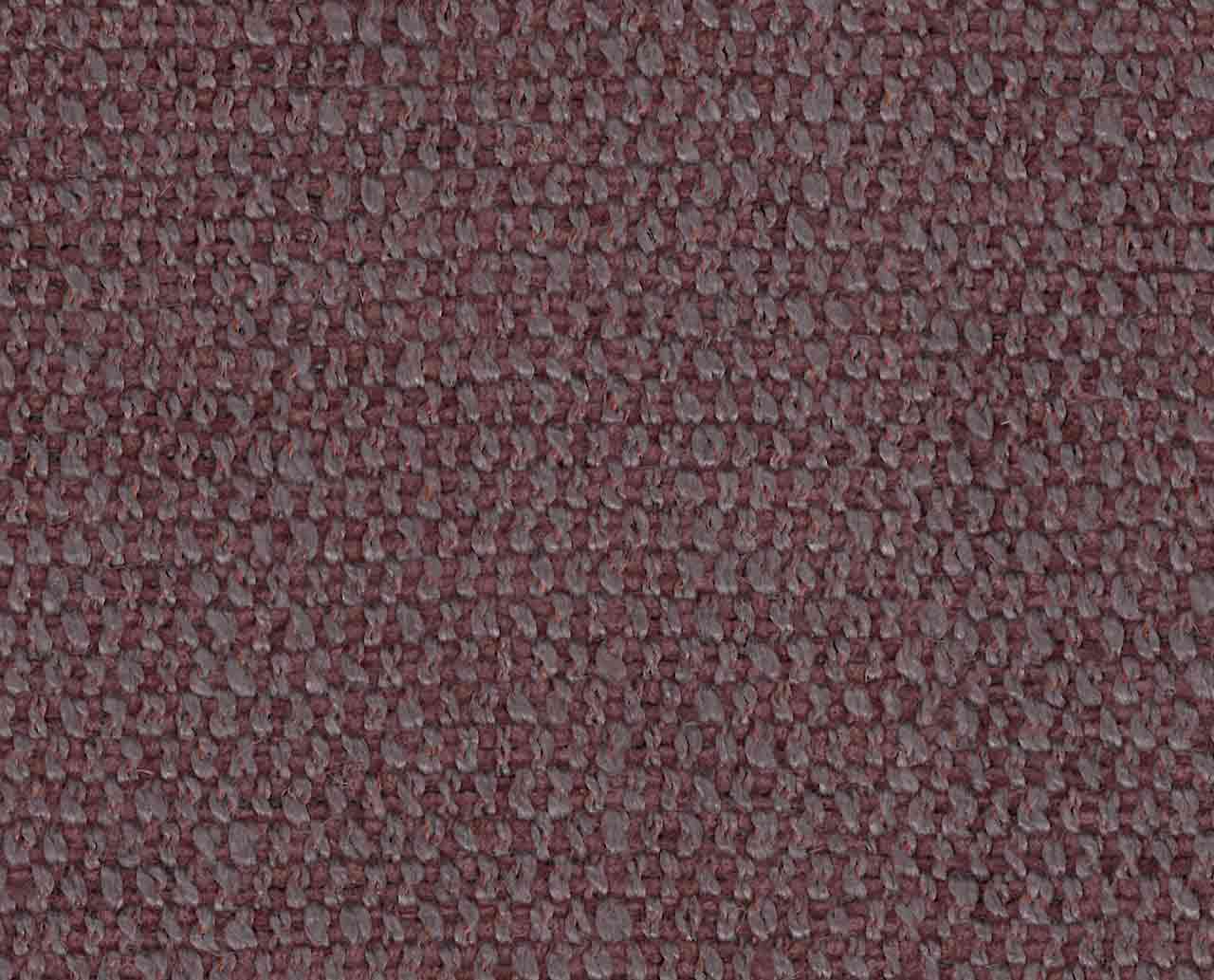
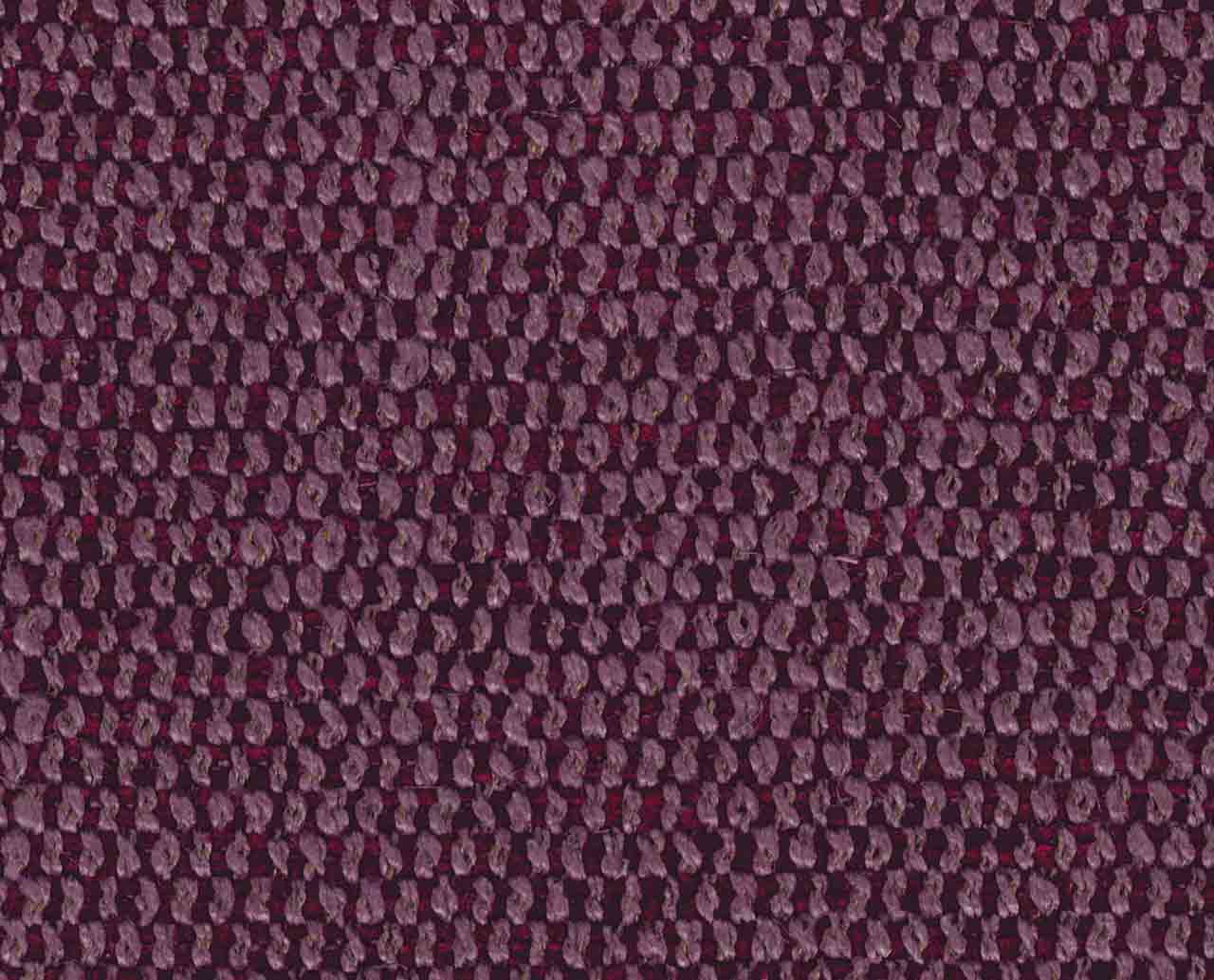
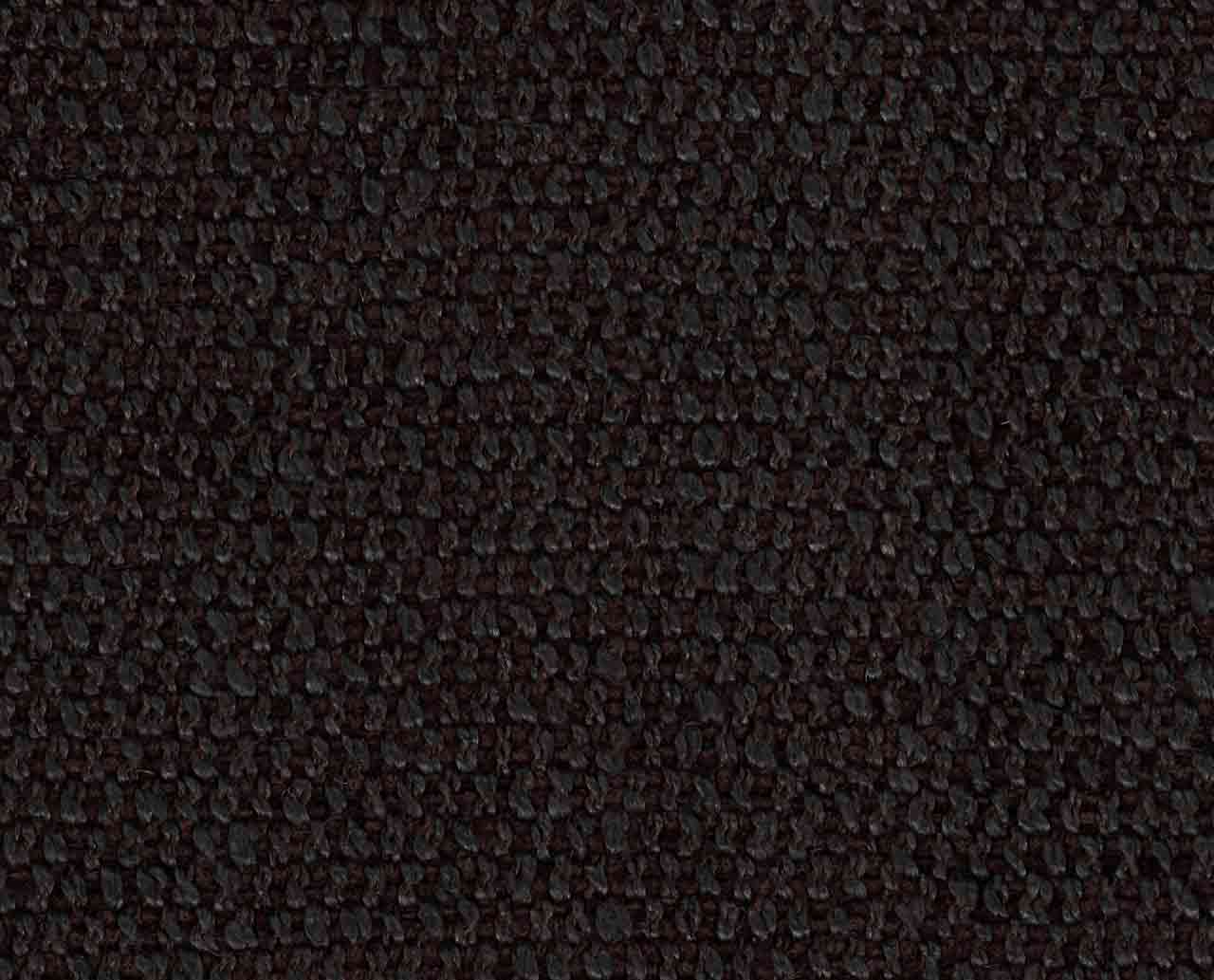
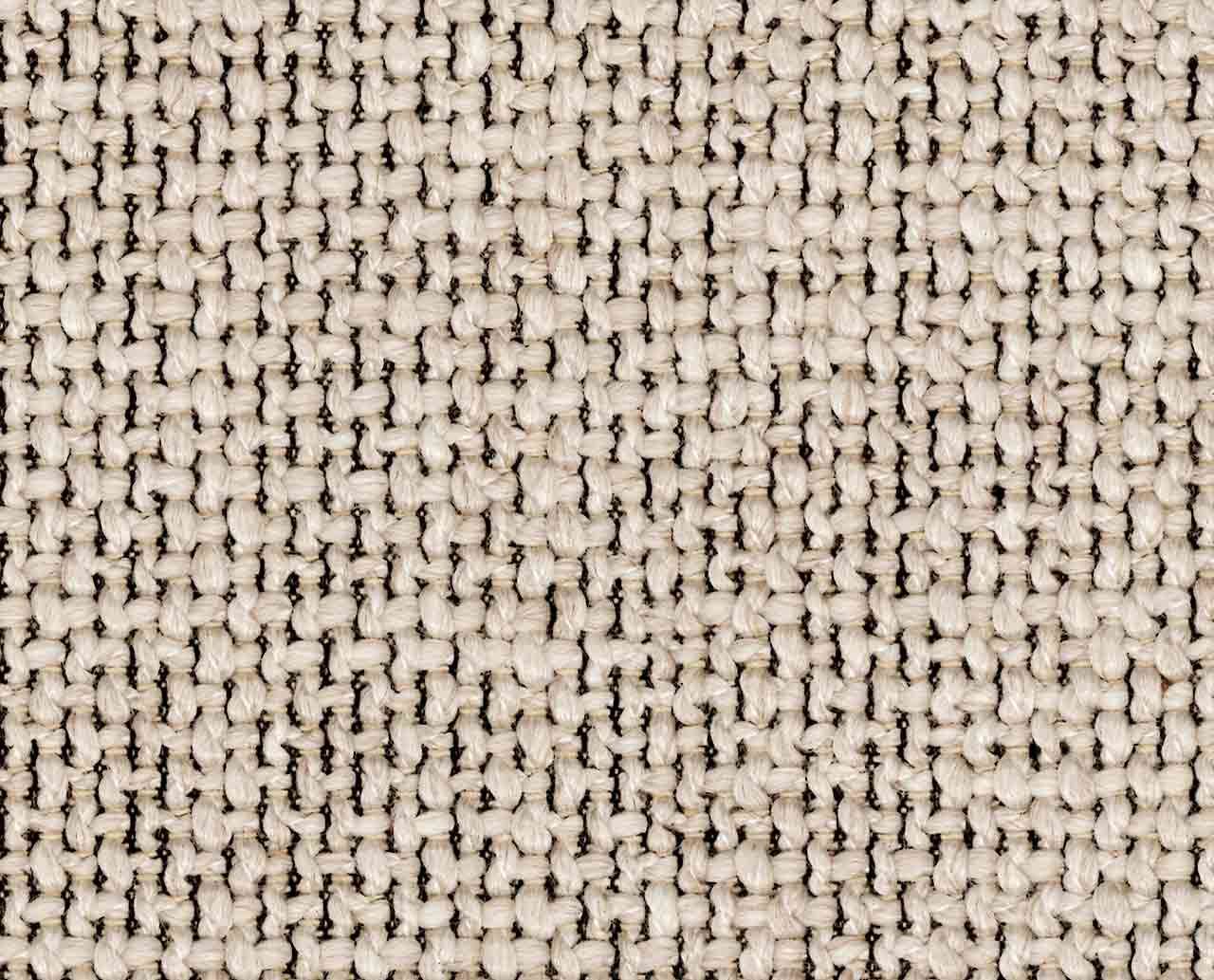
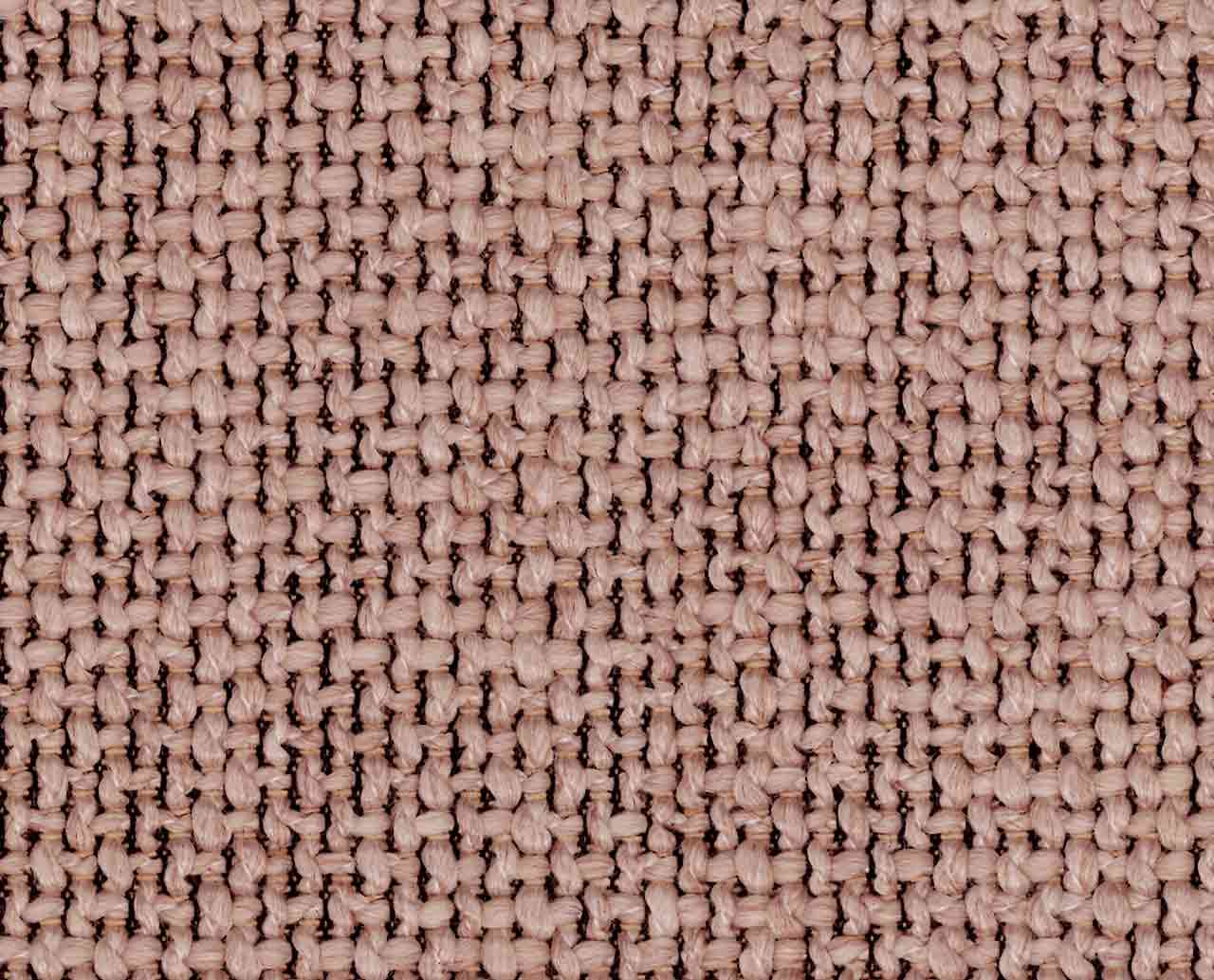
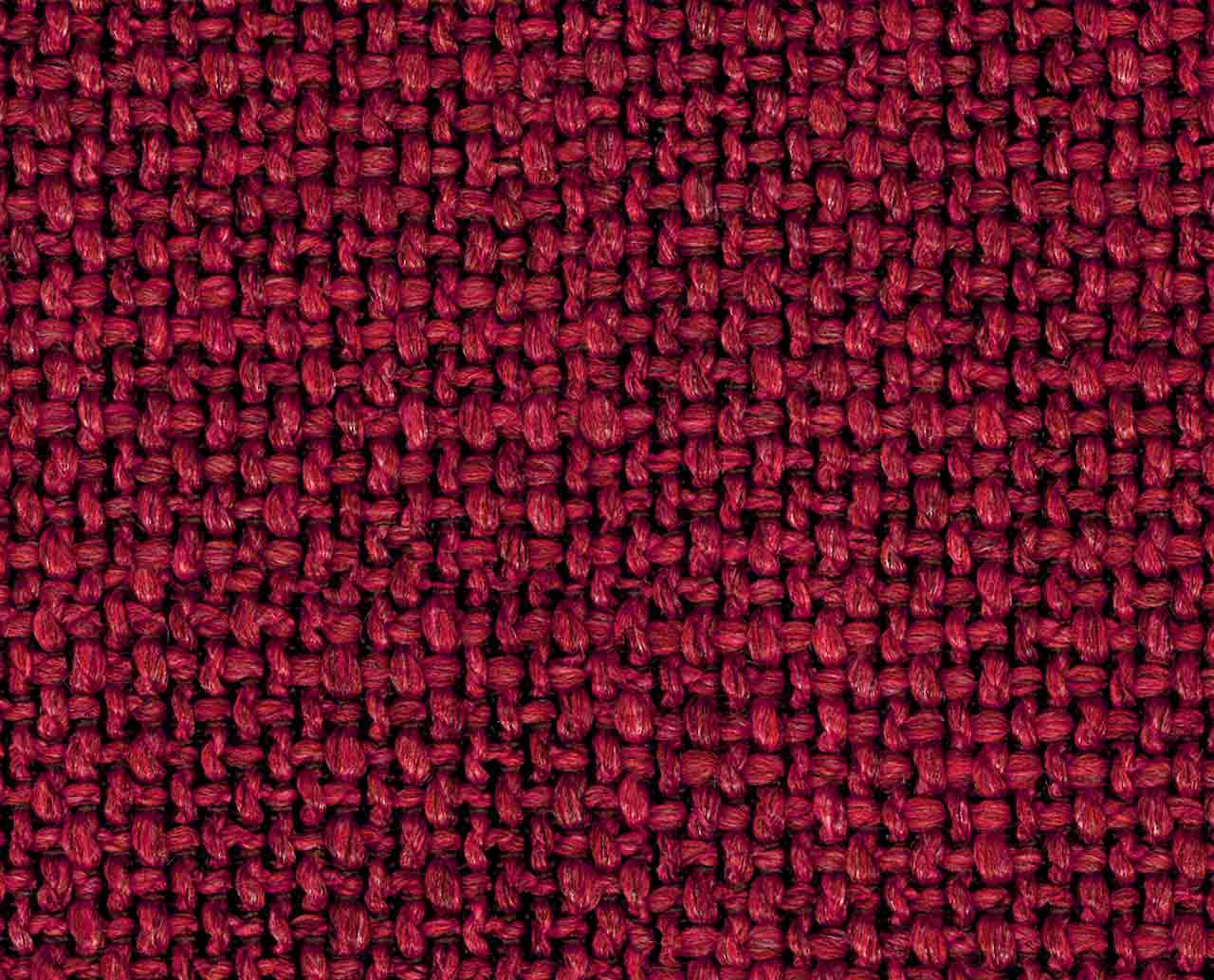



















































DESIGN BY
PRODUCT CARE AND MAINTENANCE
In this manual you will find some recommendations for the care and maintenance of your Cassina products.
The materials are divided into different categories; each one is accompanied by its own information sheet with instructions, preventative measures and methods for cleaning.
A server error occurred. Please try again later.
The product sheet is not available for this item.
The server response is not valid. Please try again later.
The received document is empty. Please try again later.
Unable to connect to the server. Please check your connection and try again.
Please log in to download the product sheet.
1988
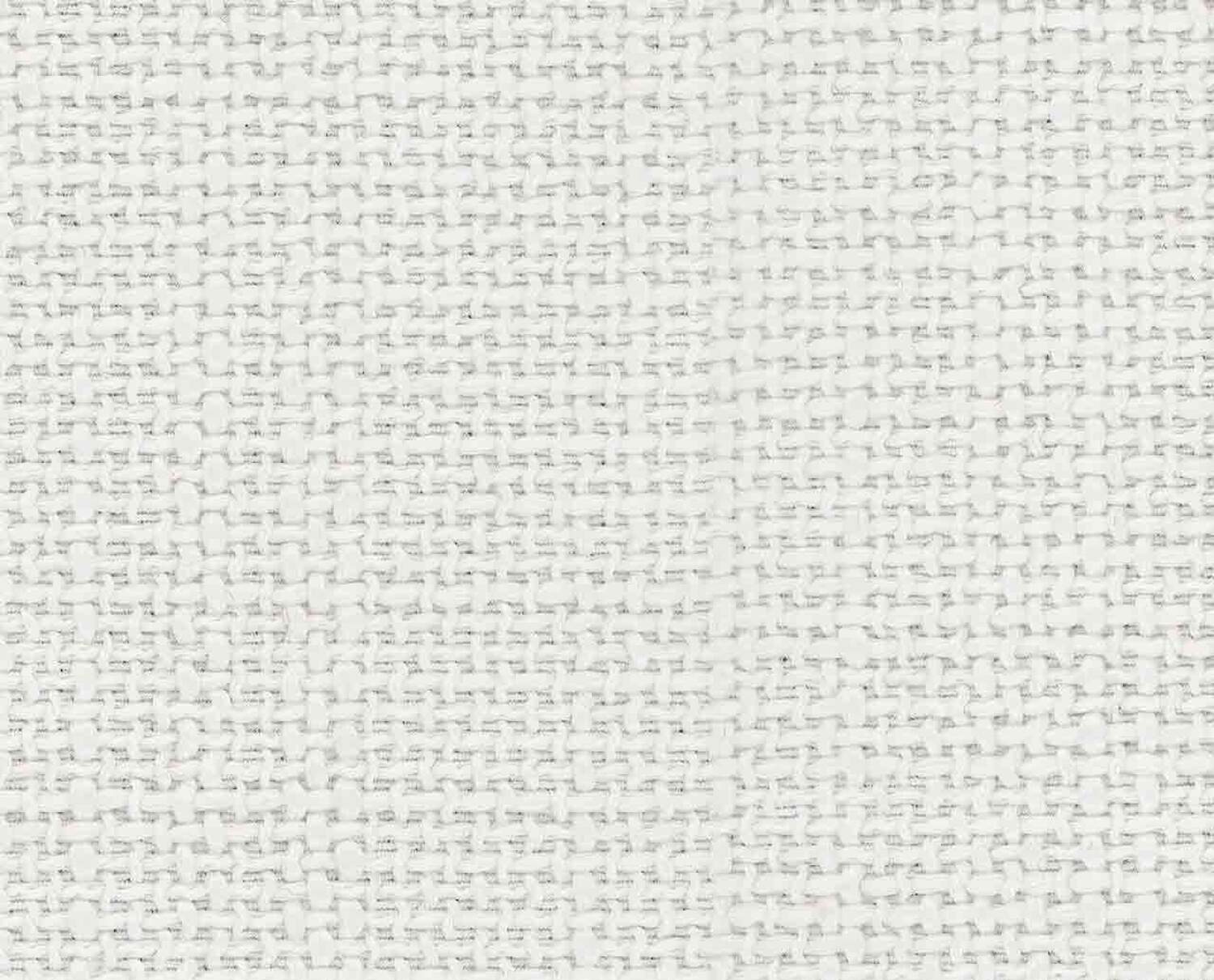
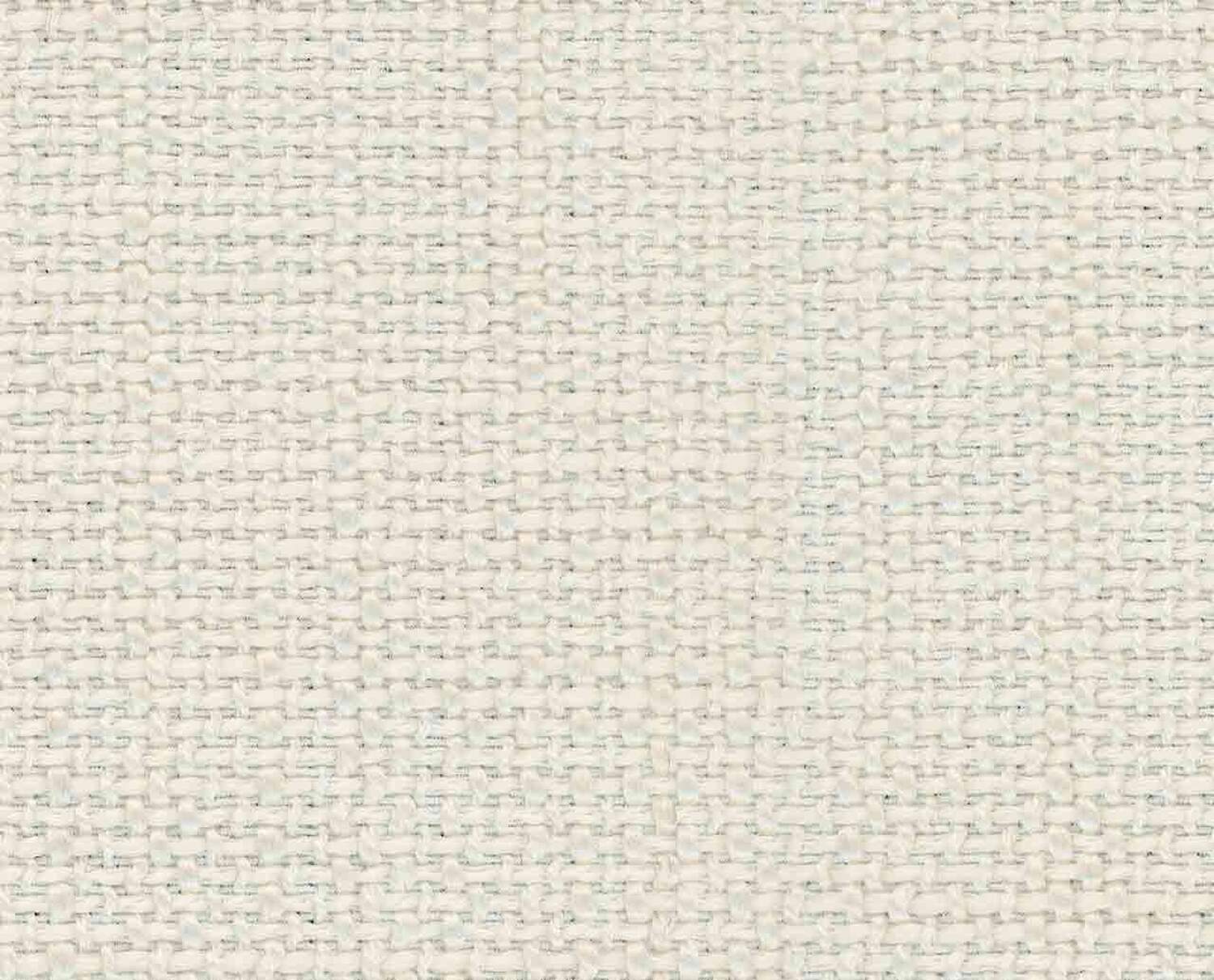
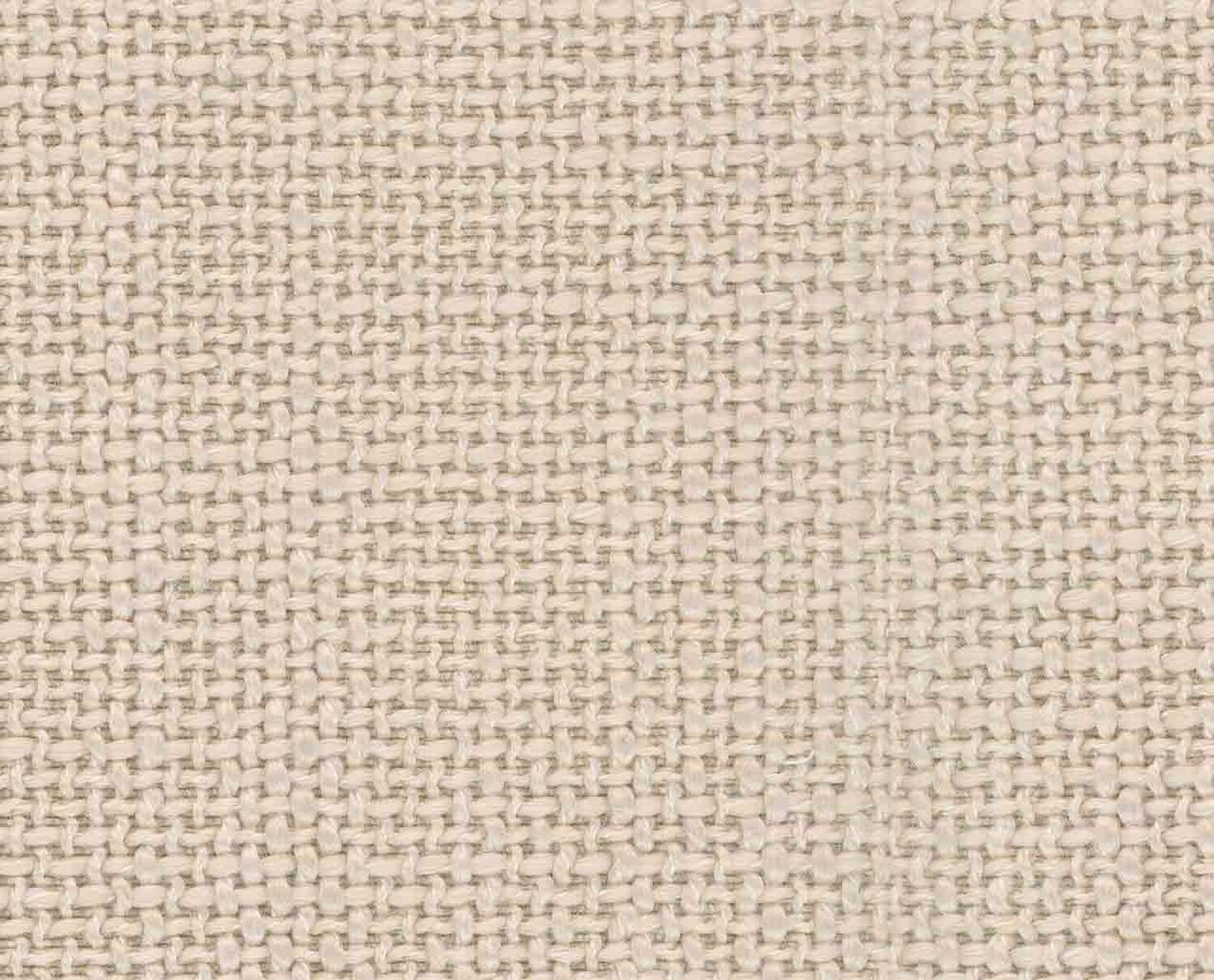
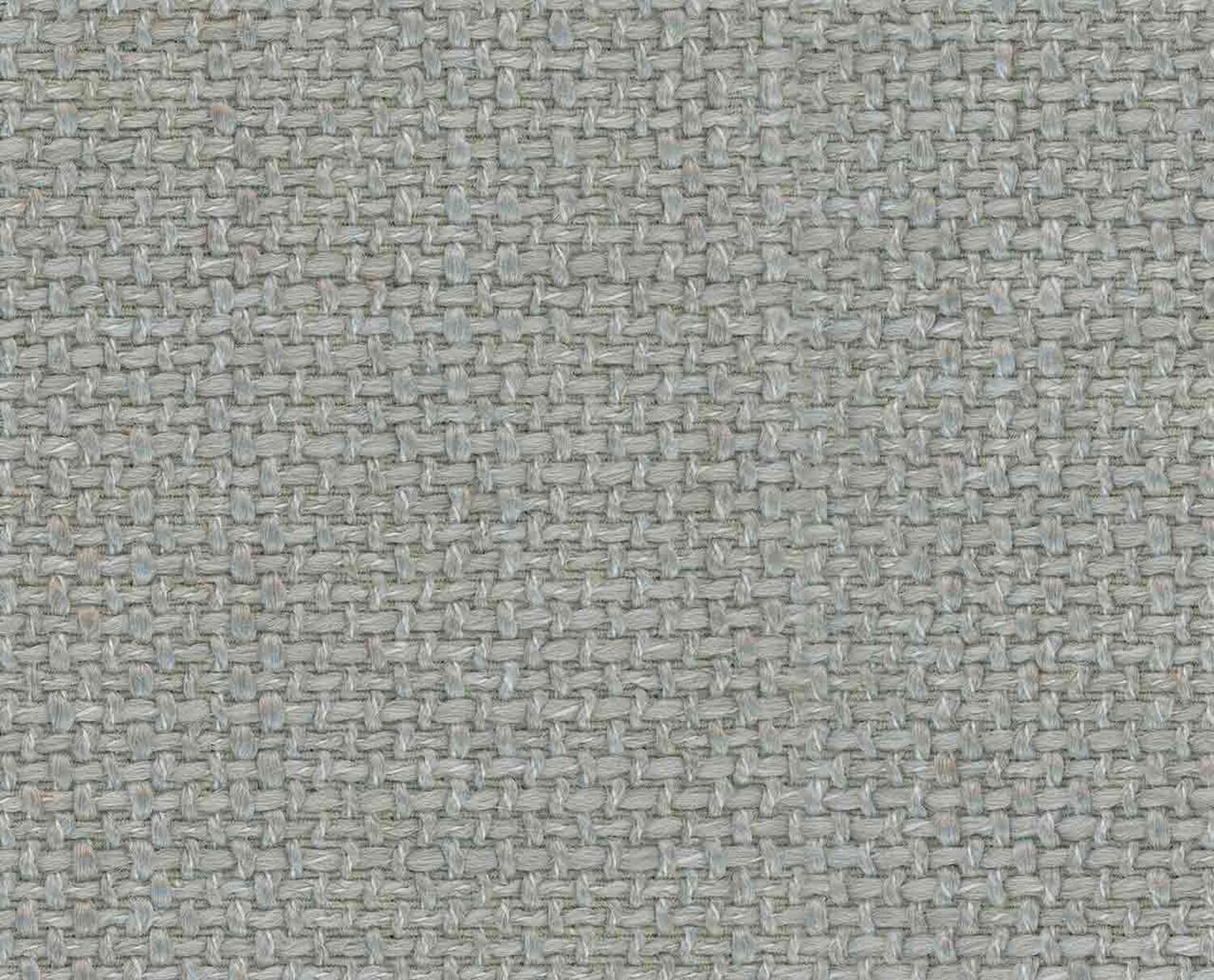
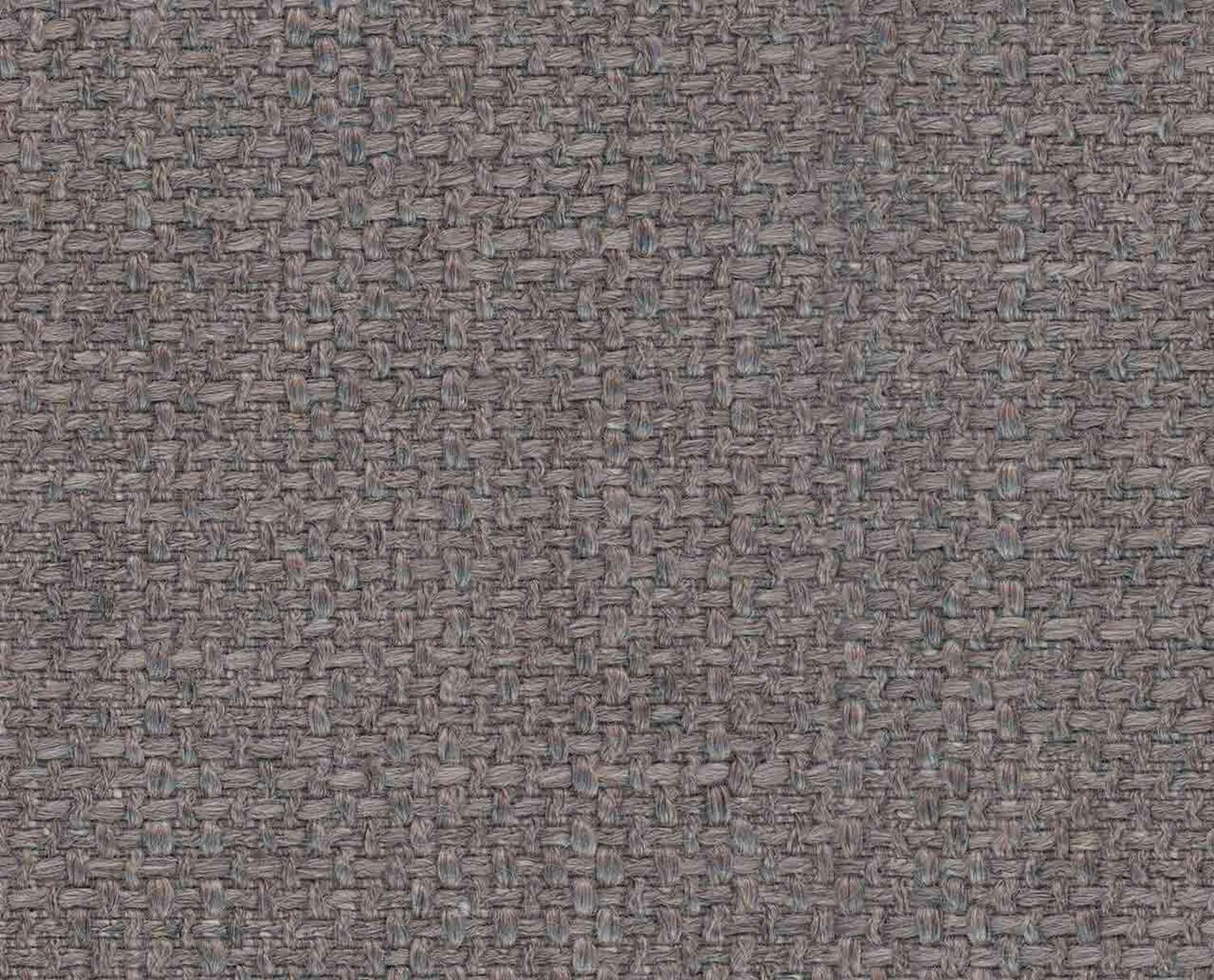
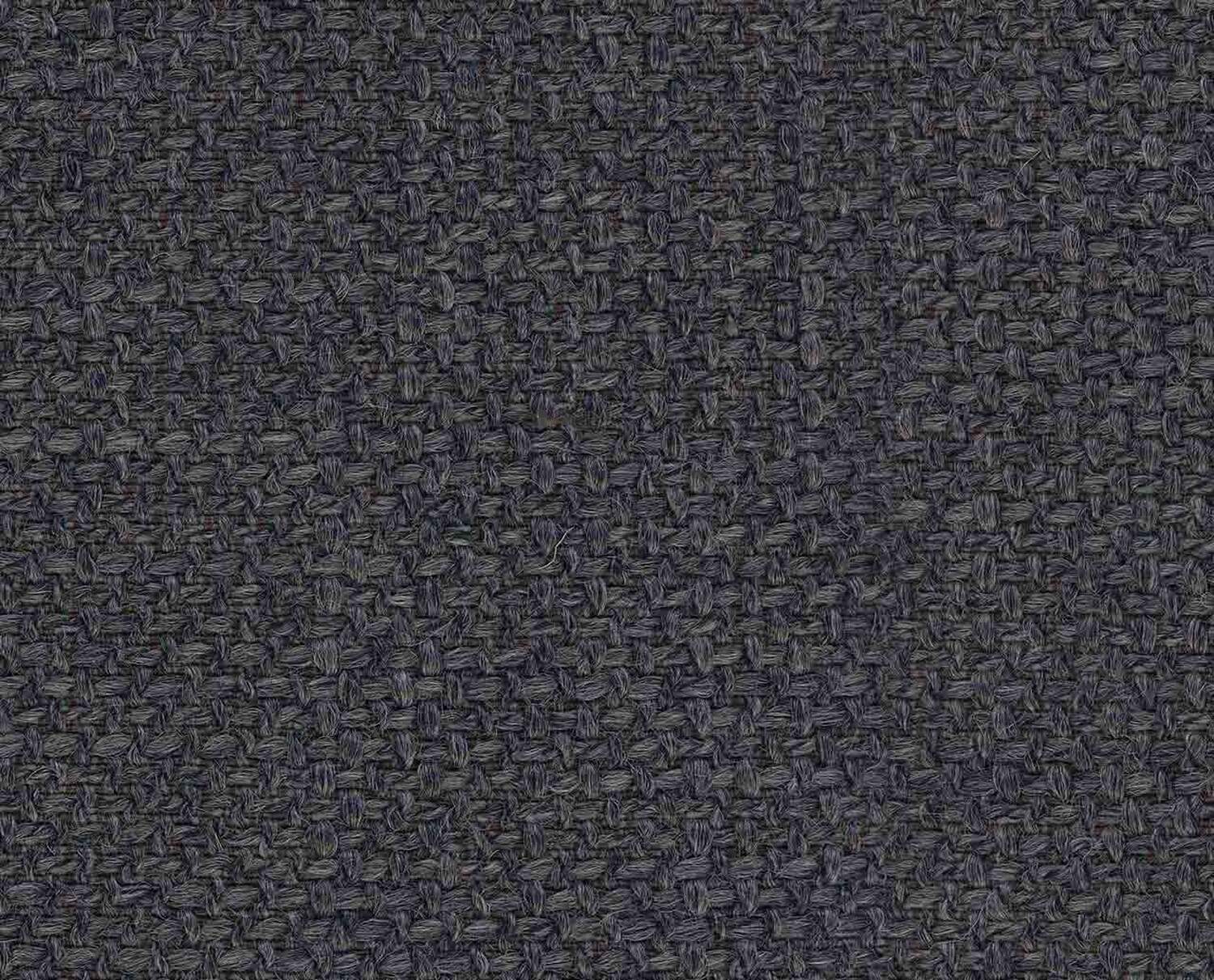
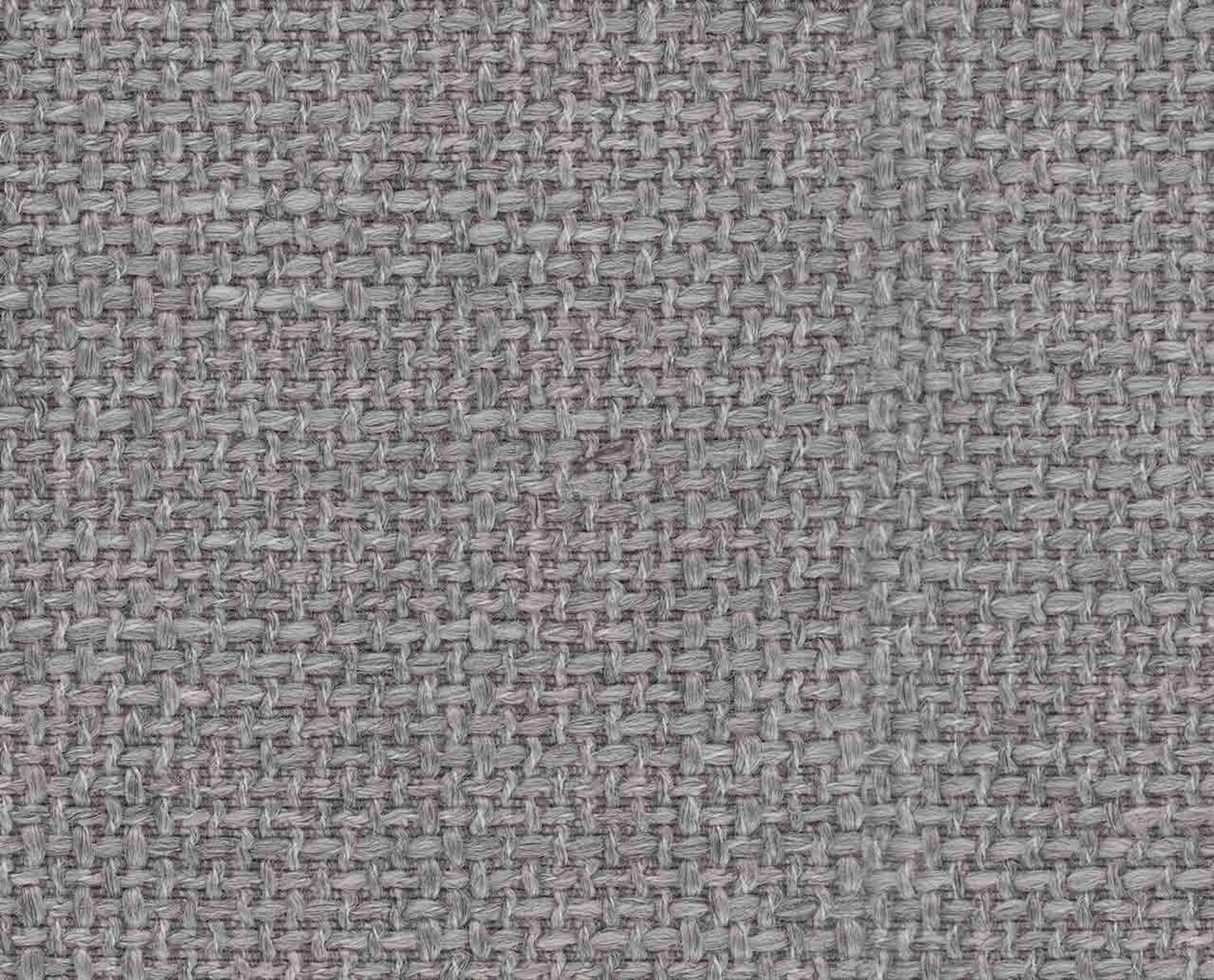
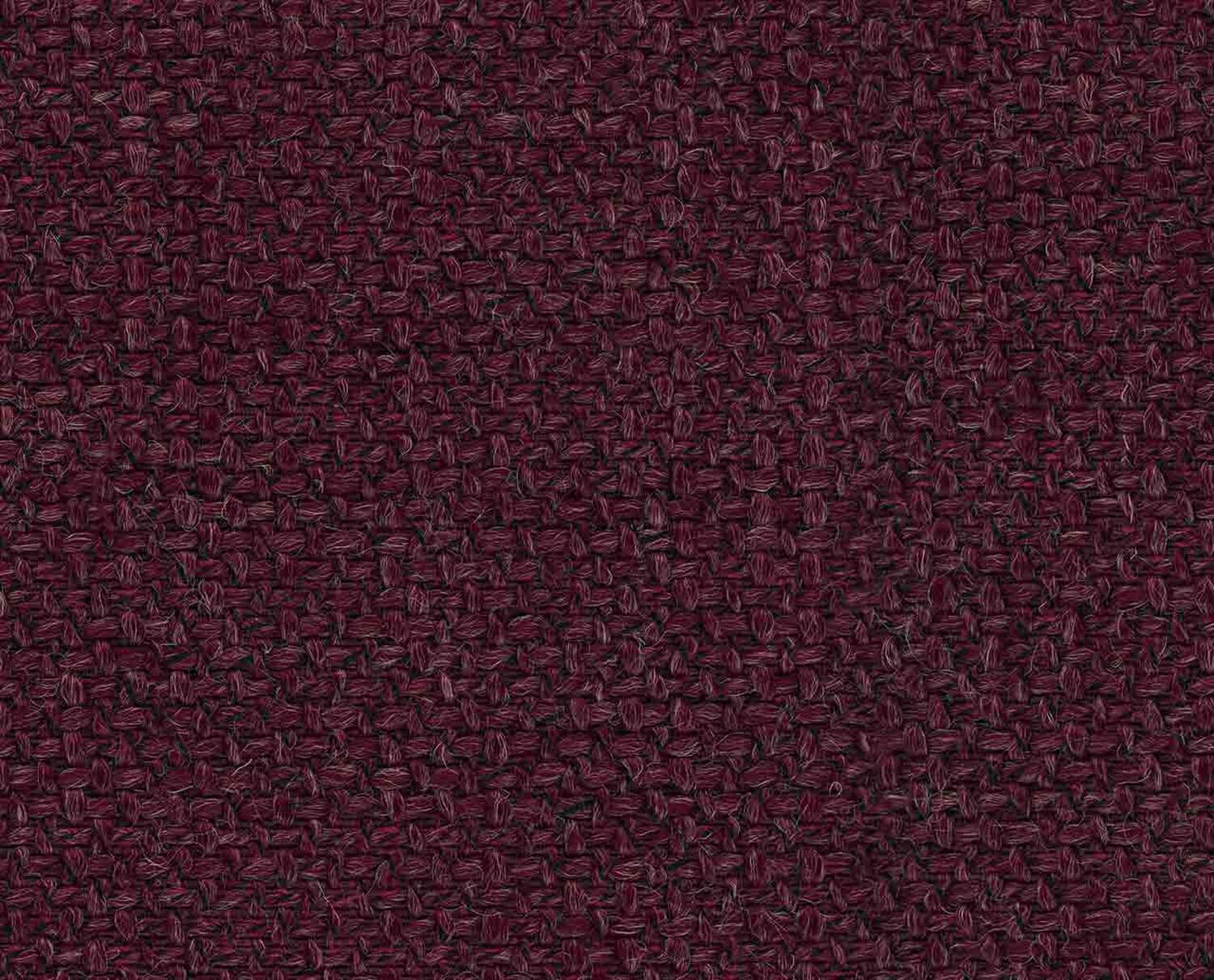
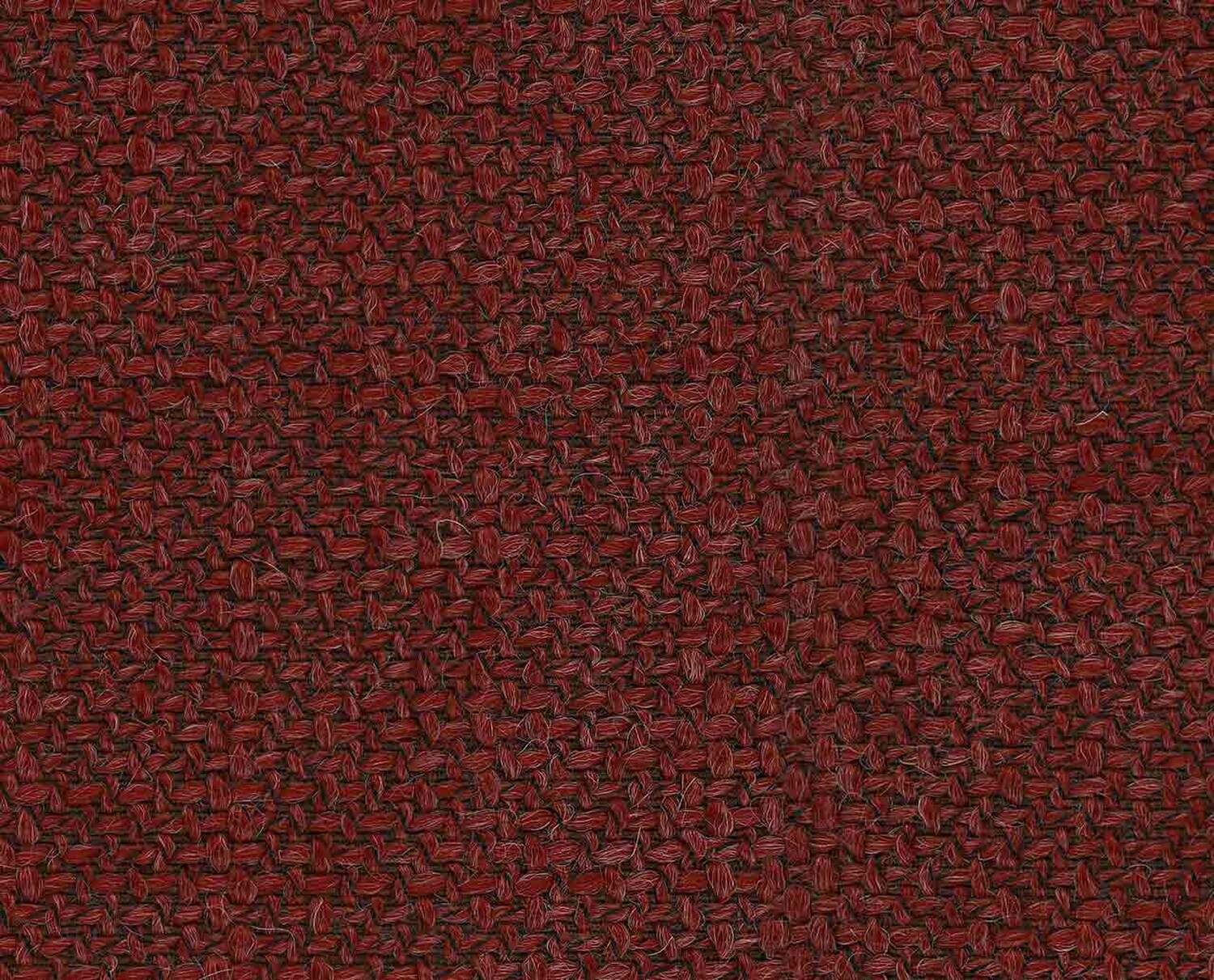
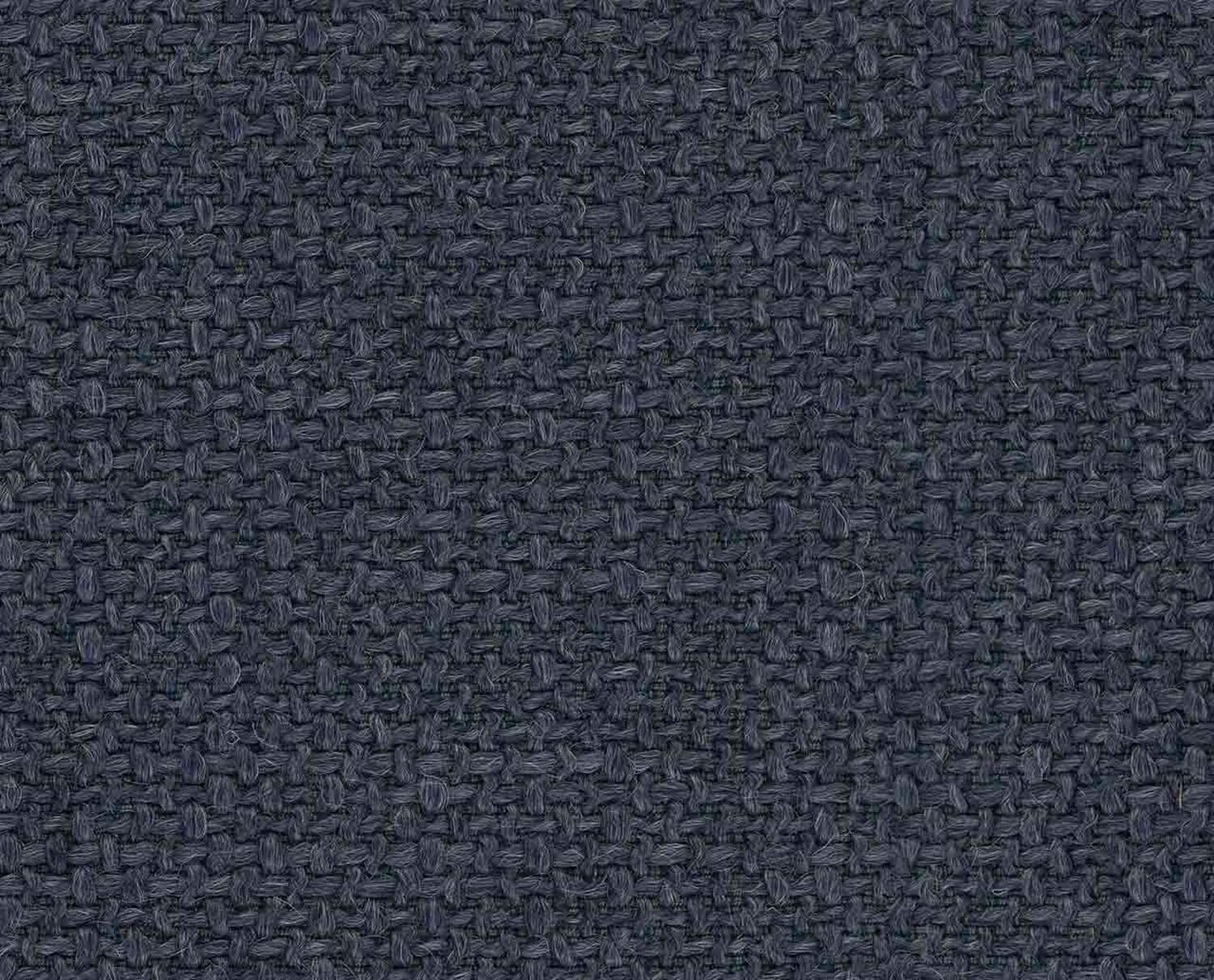
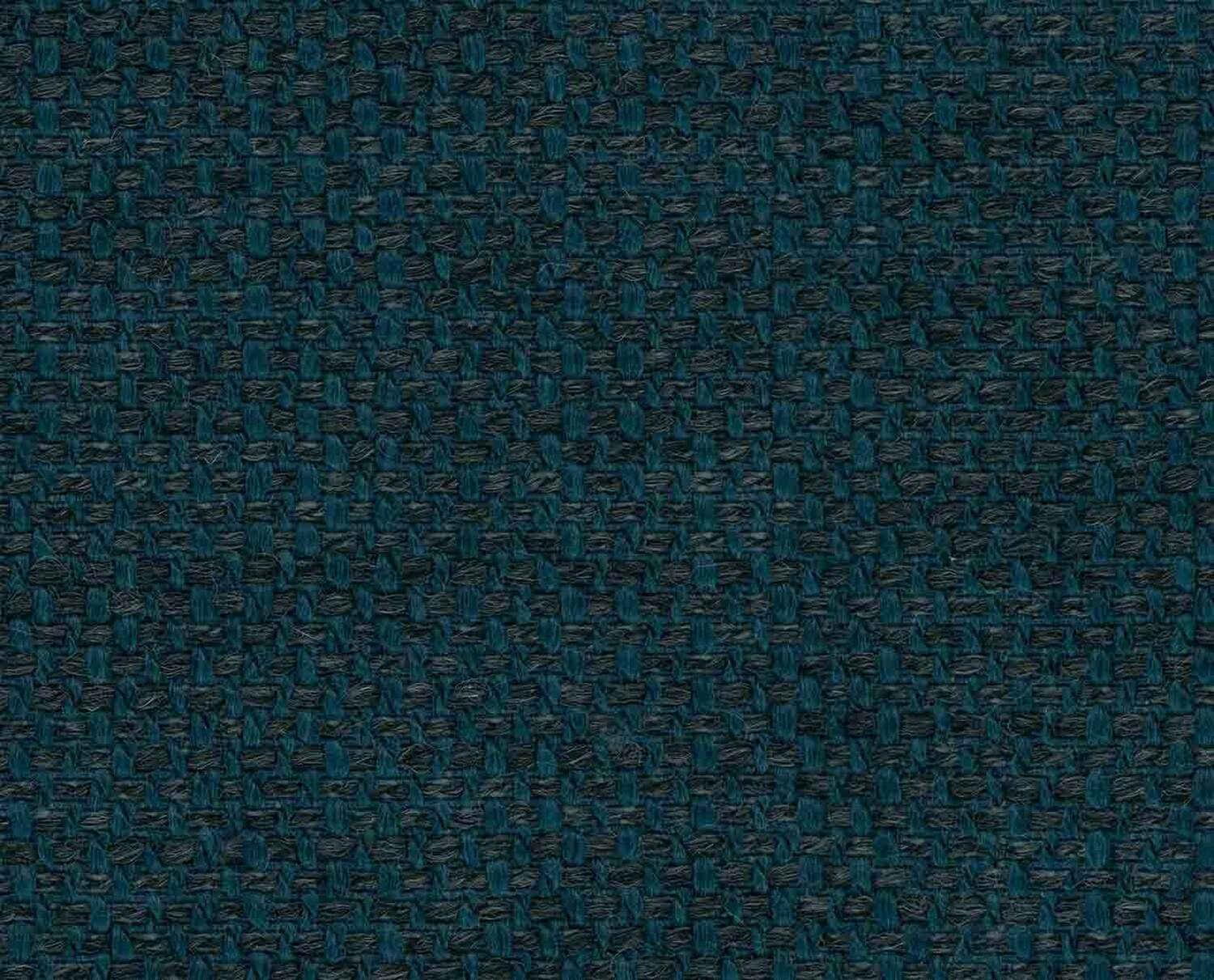
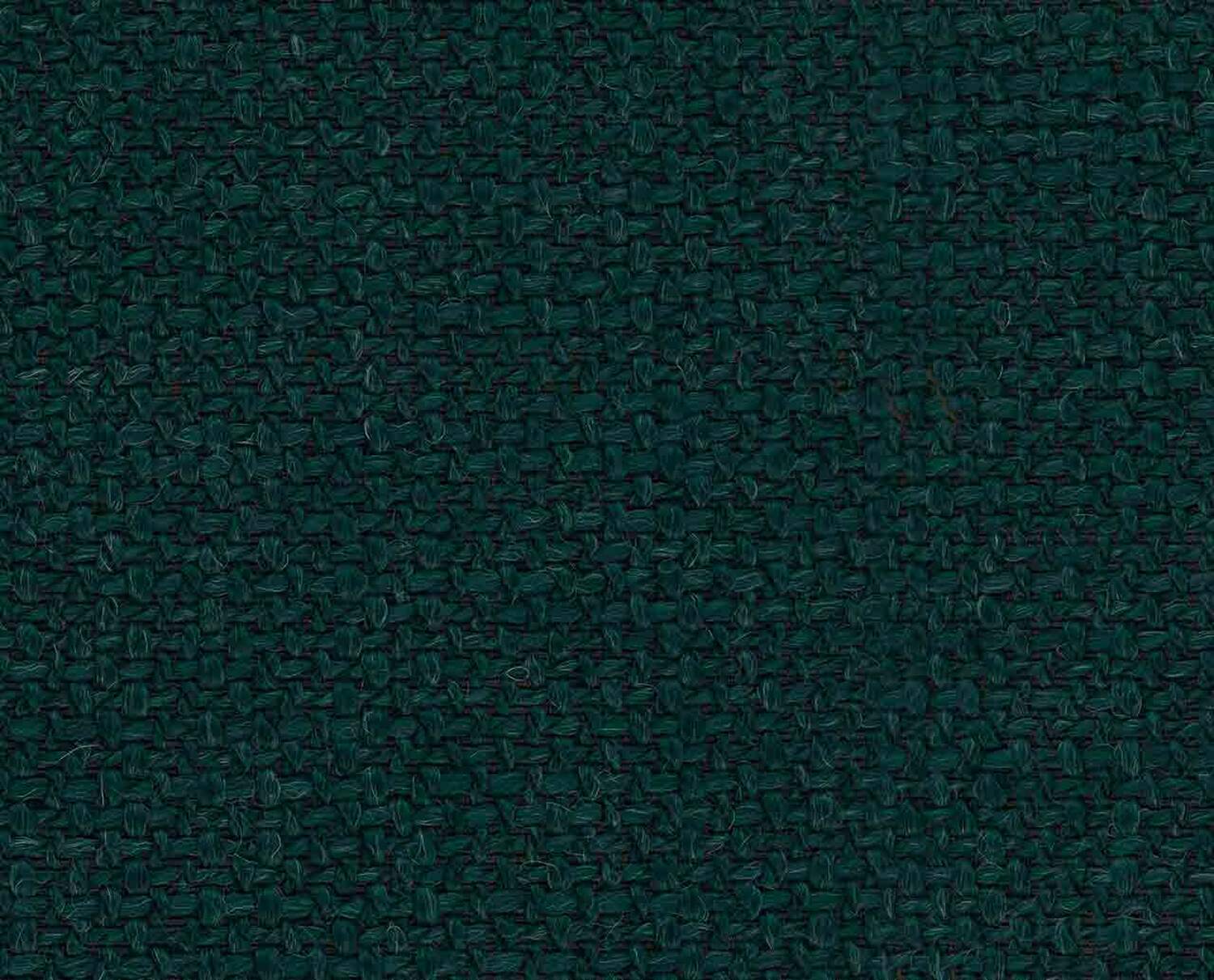
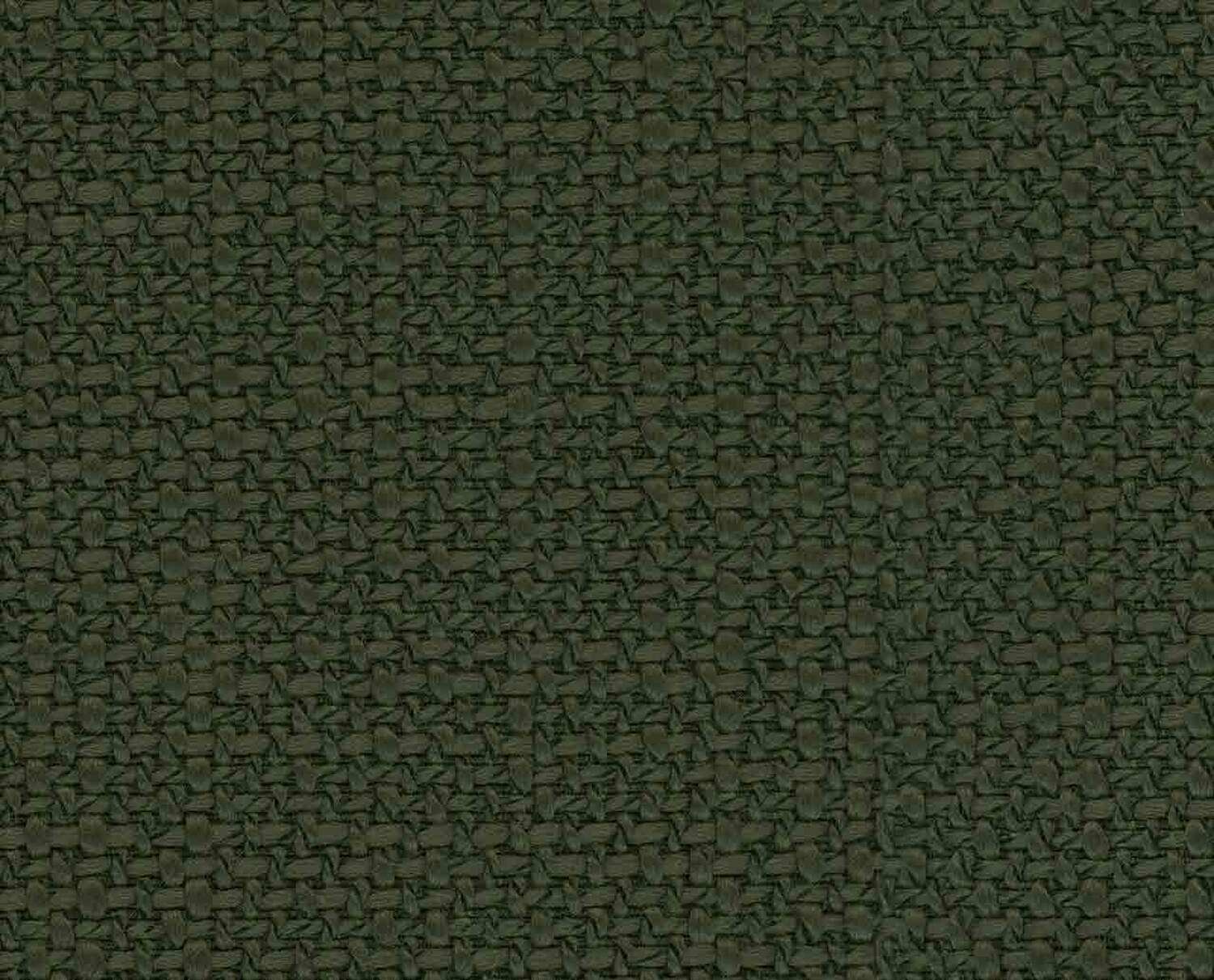
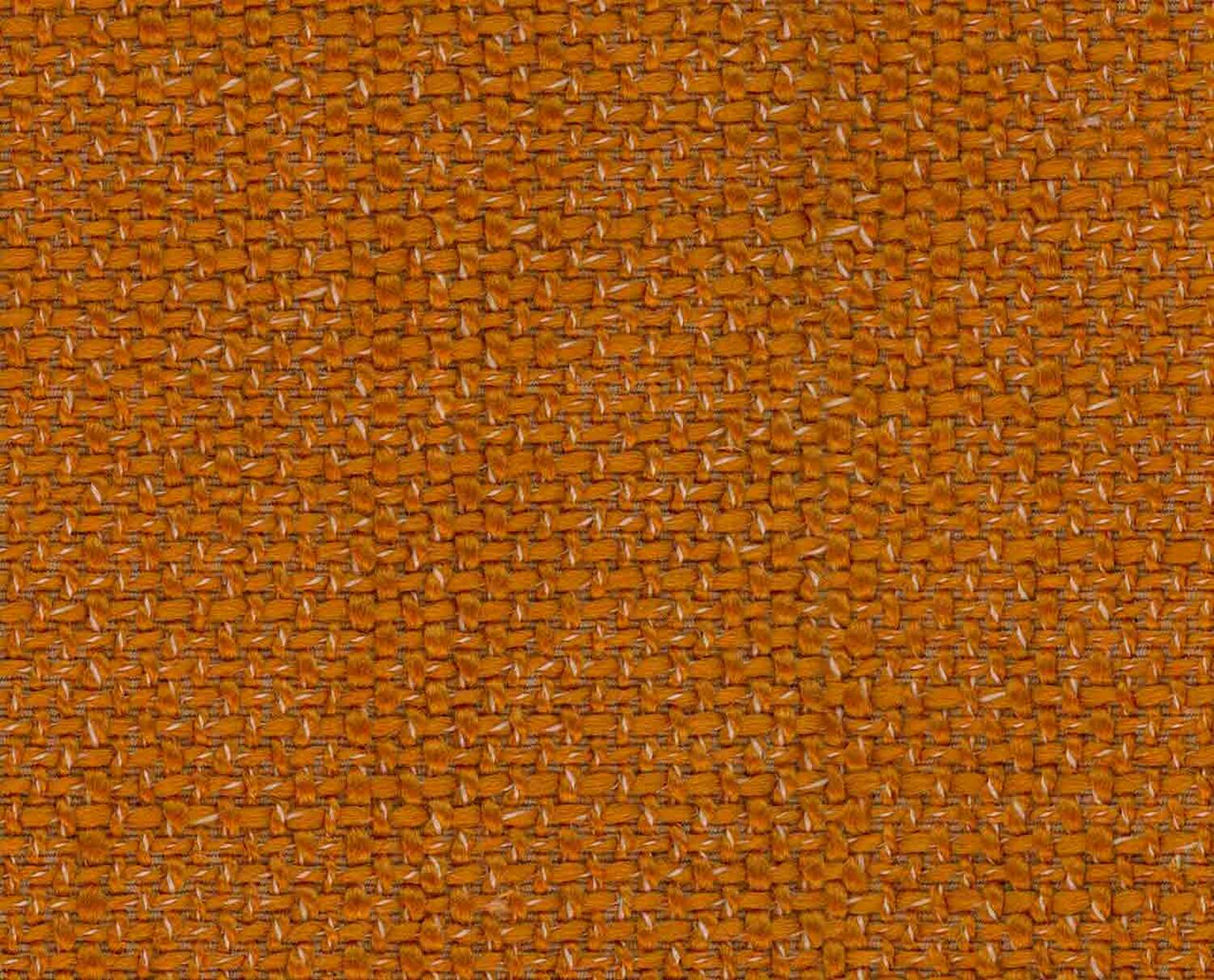
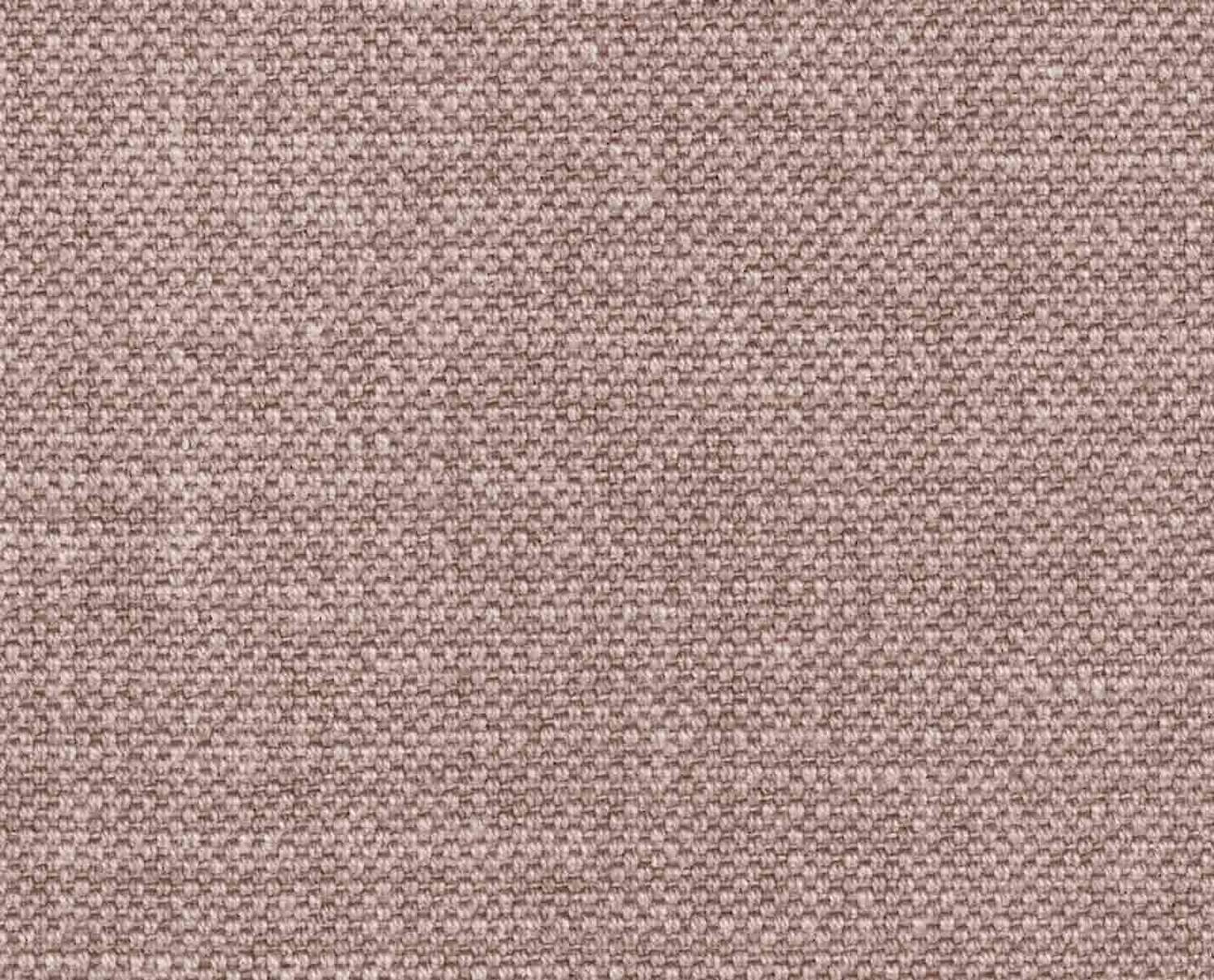
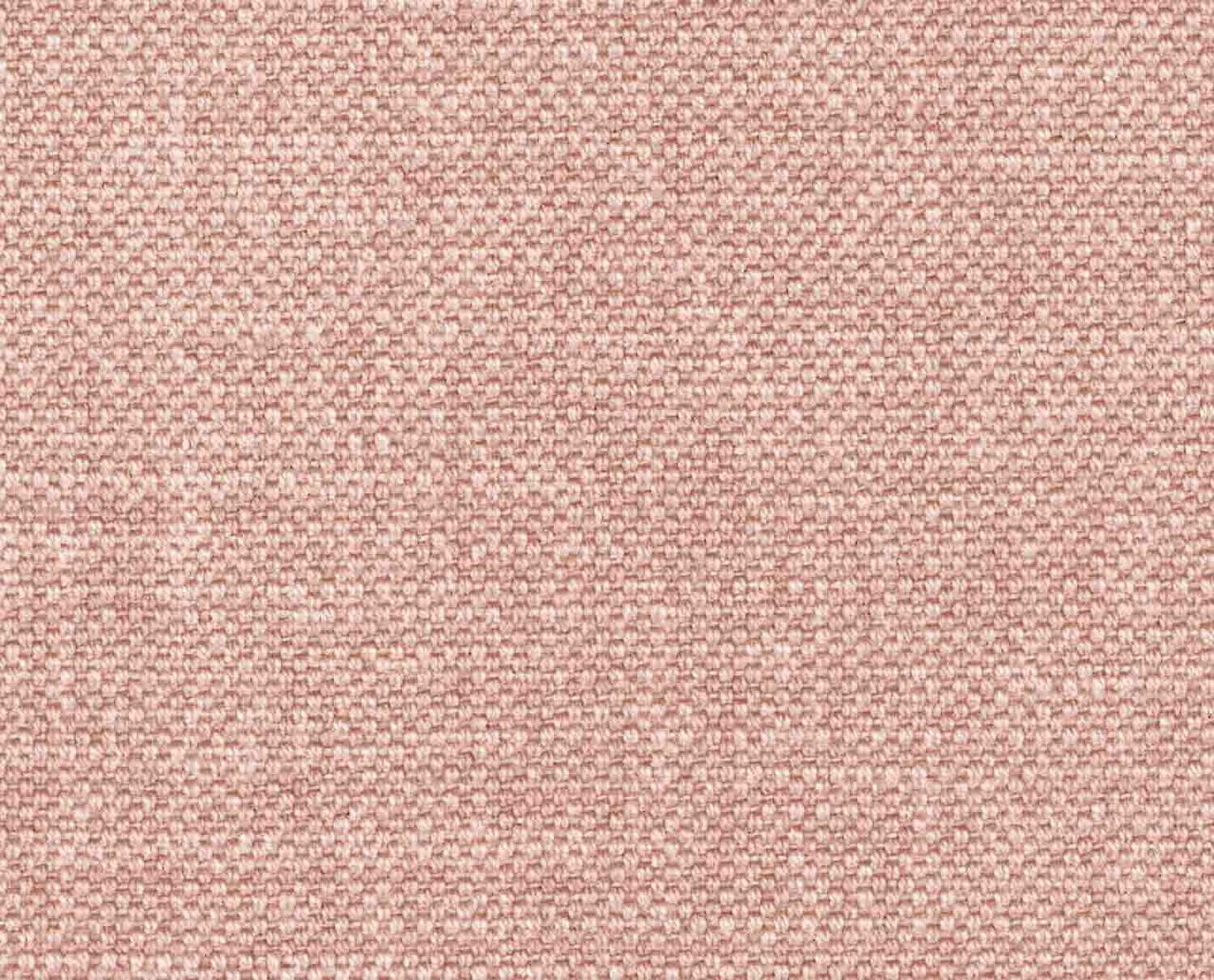
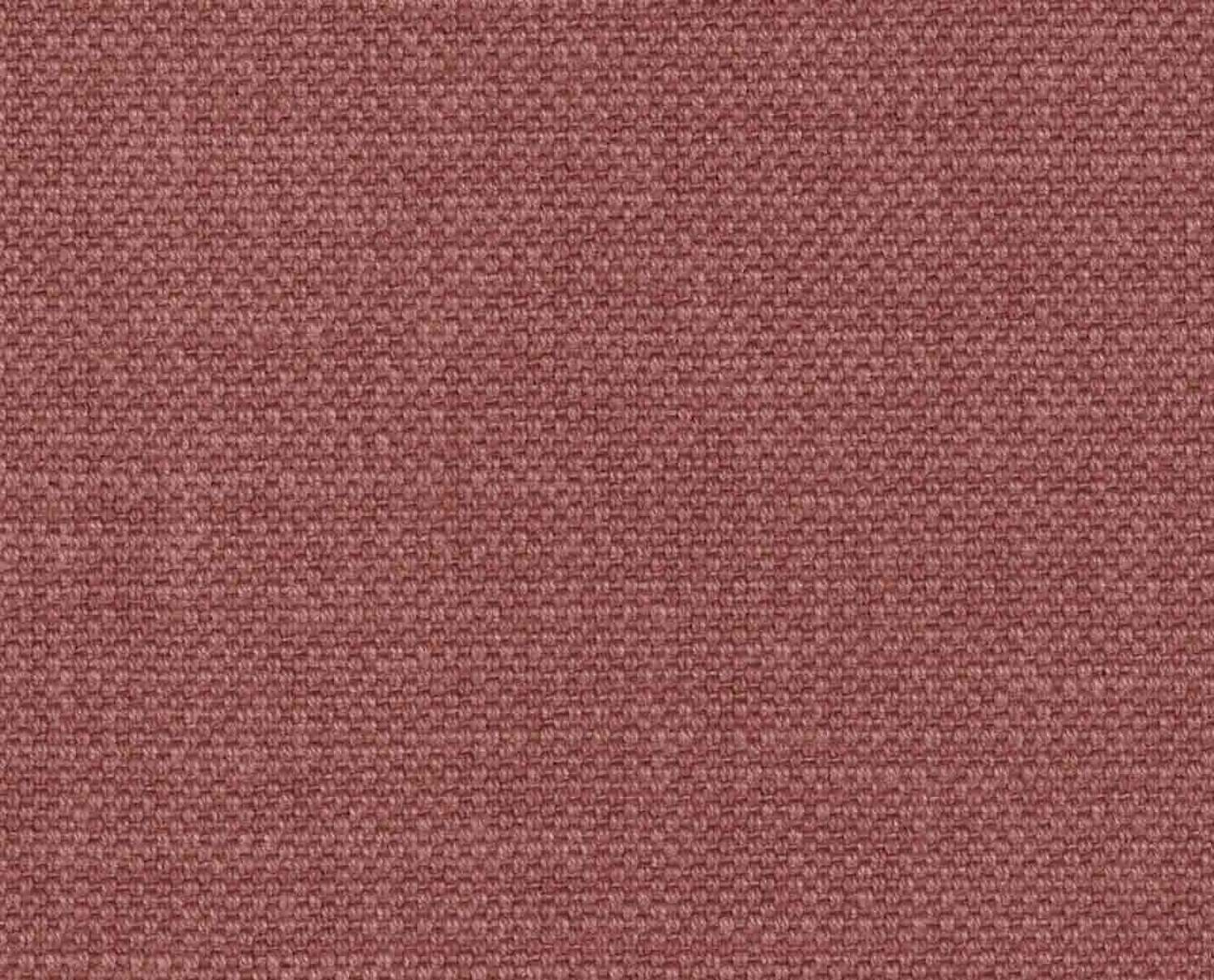
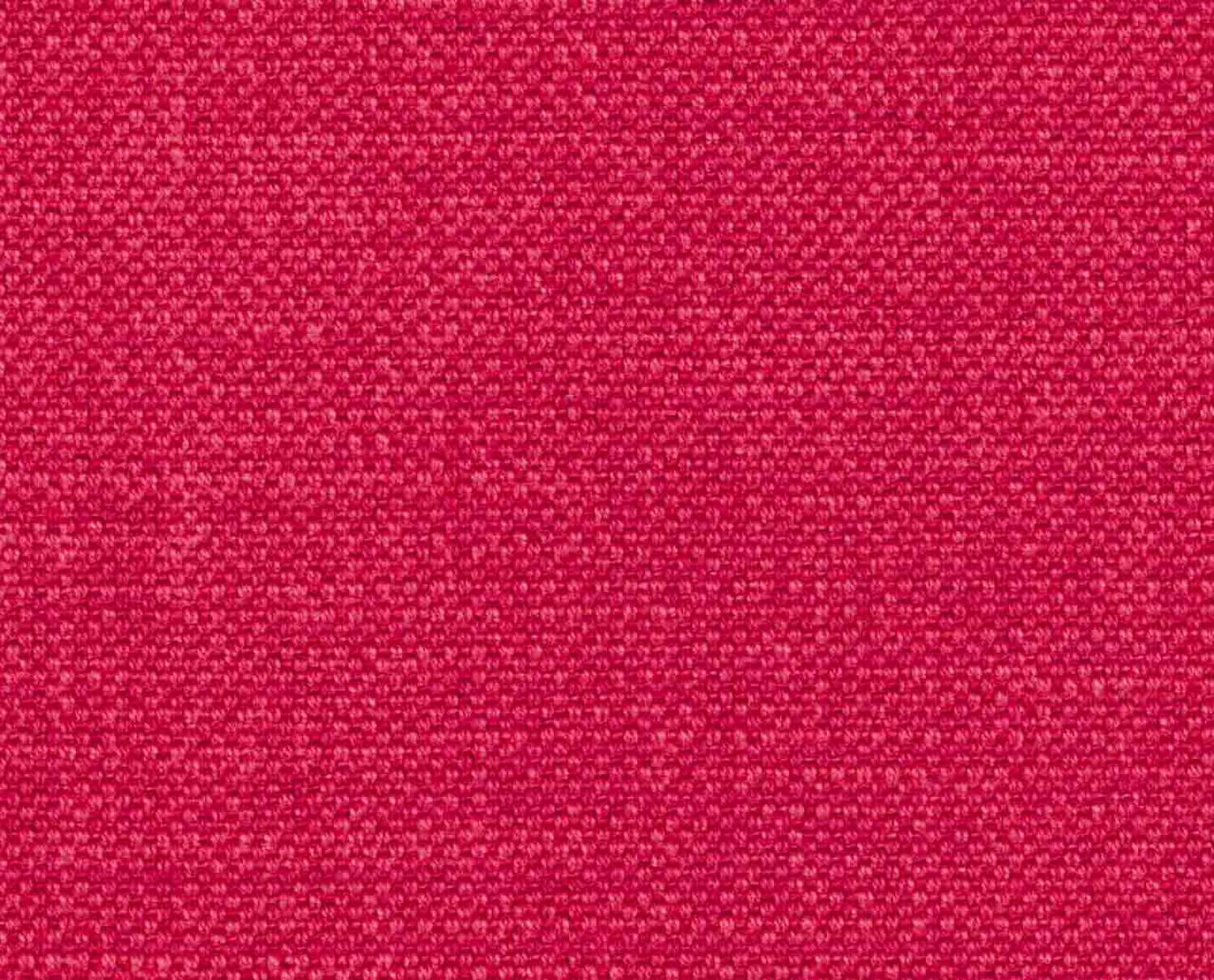
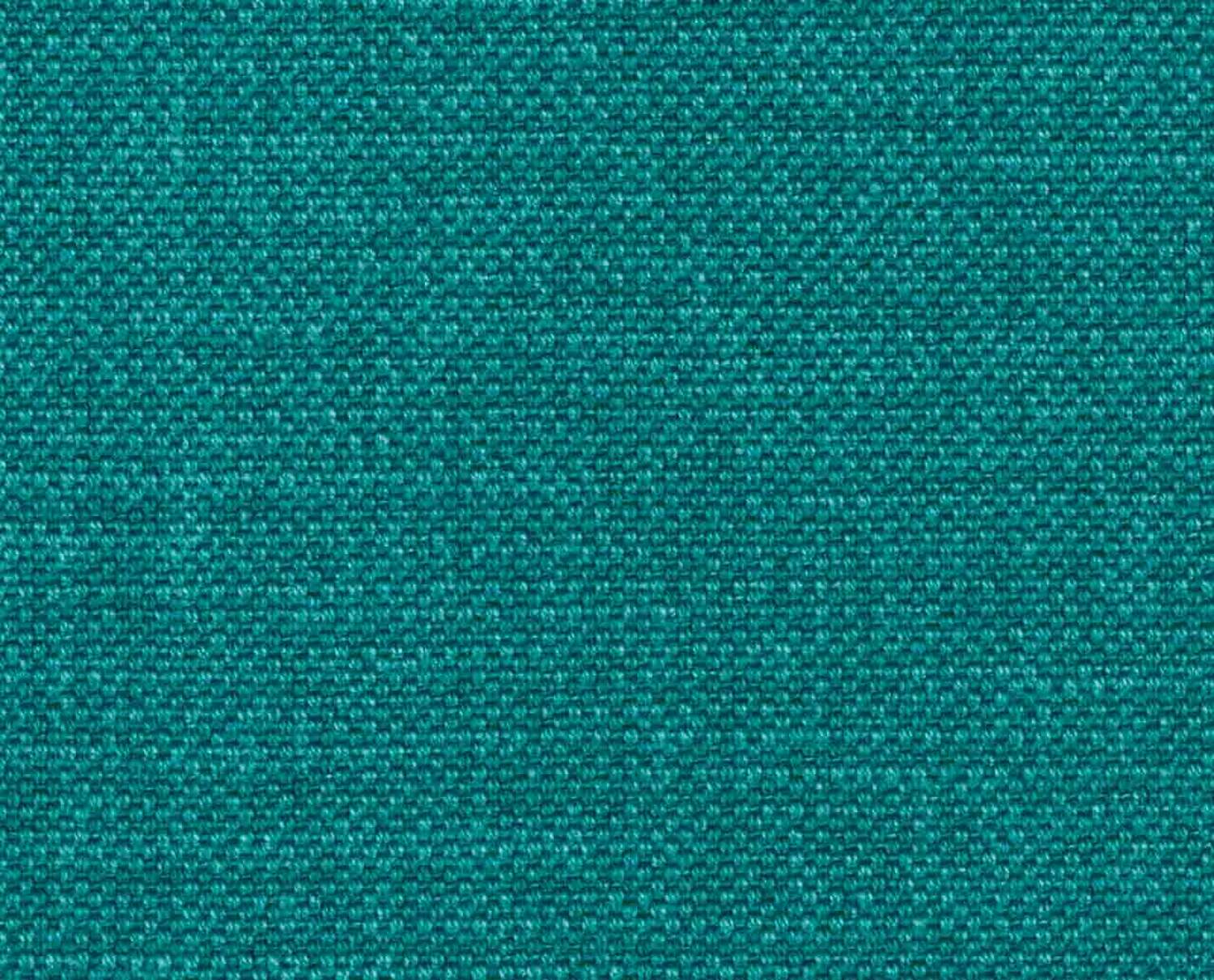
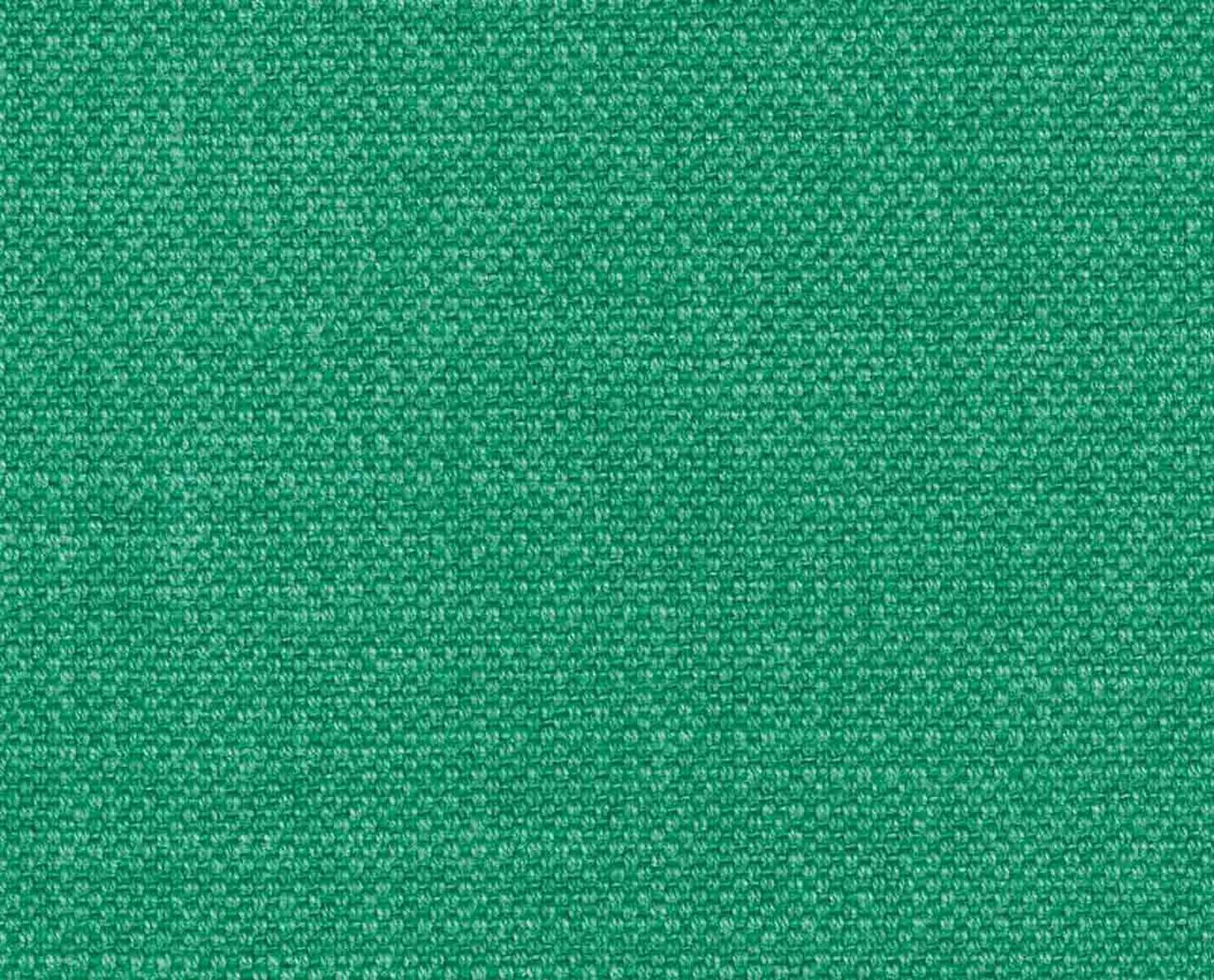
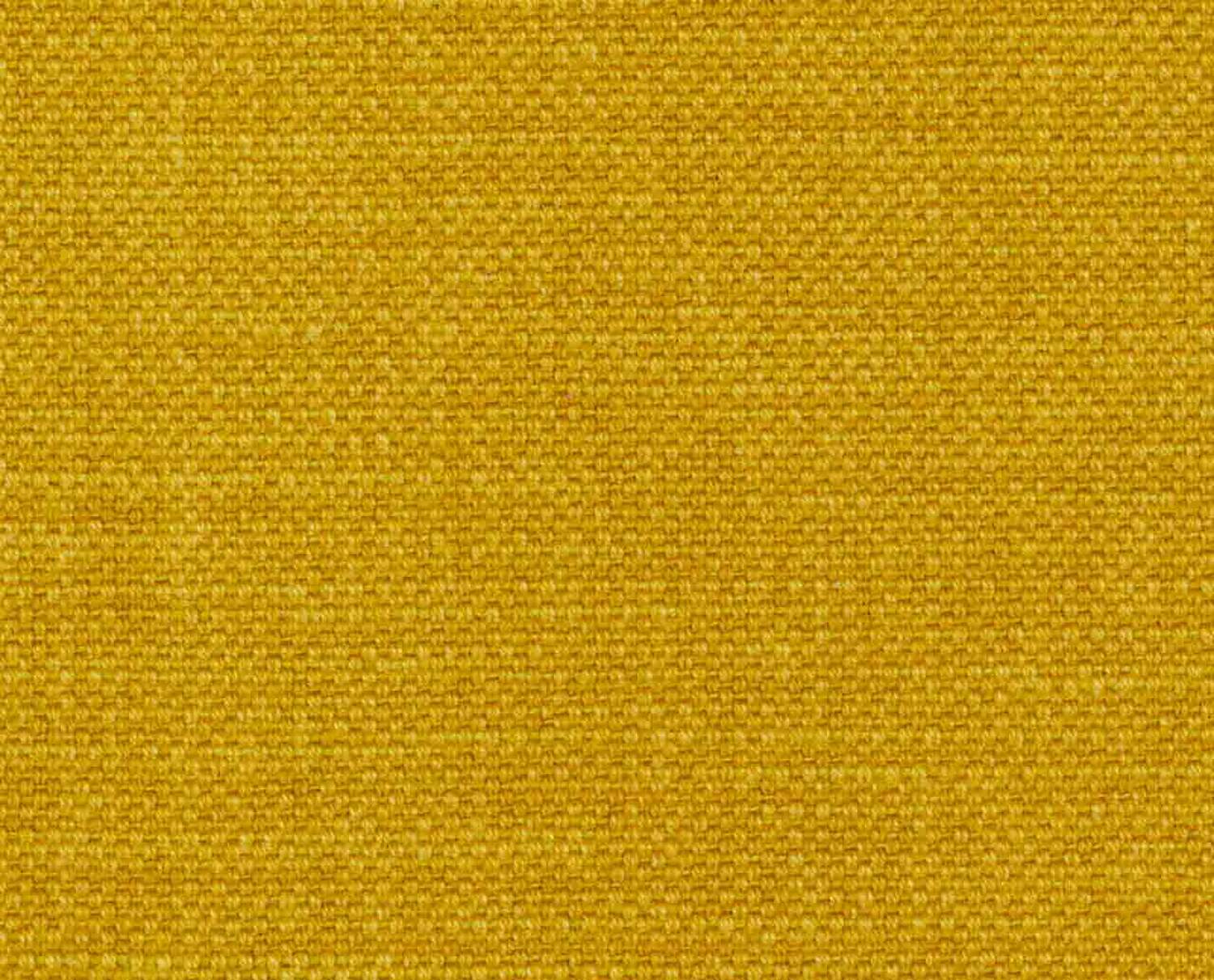
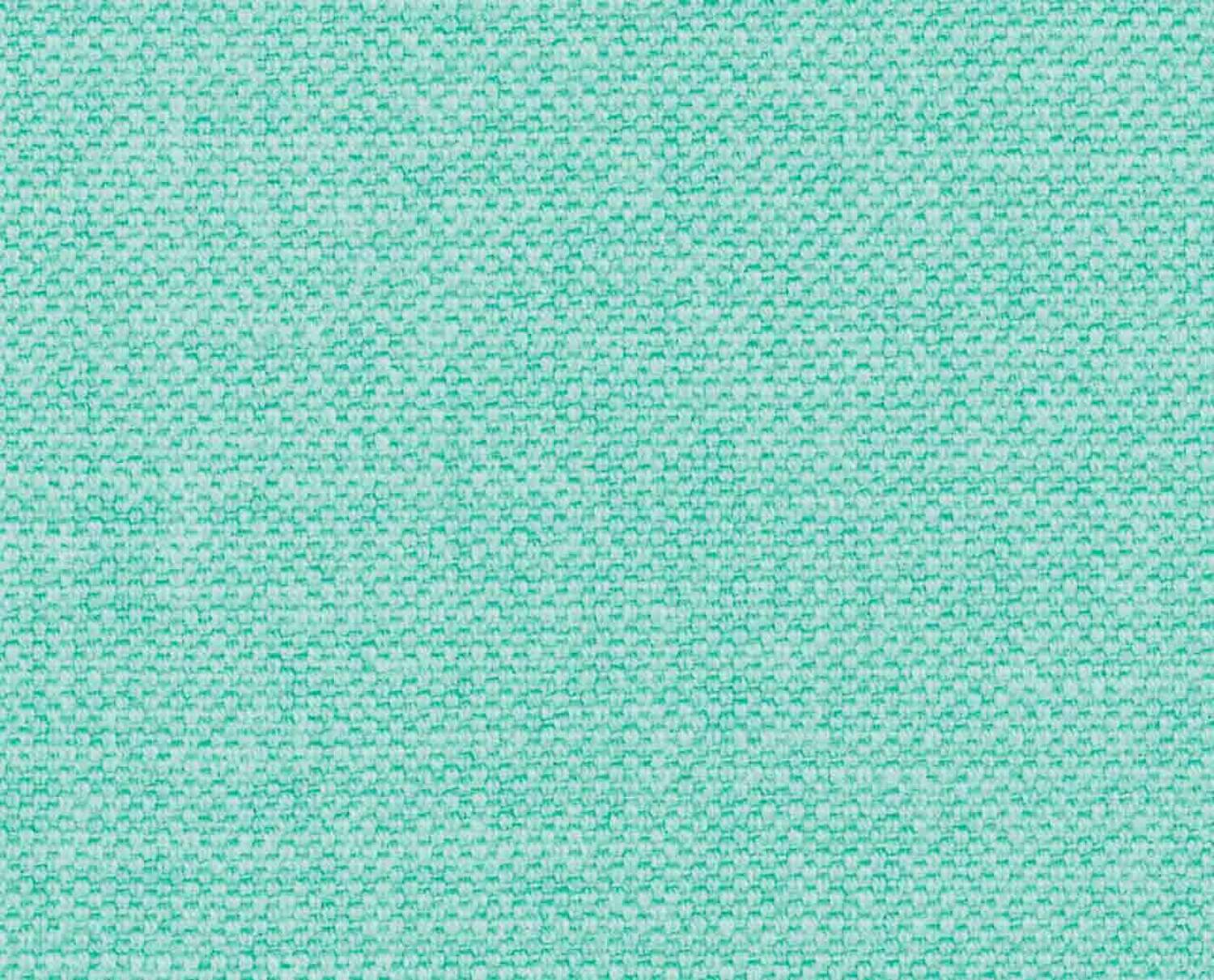
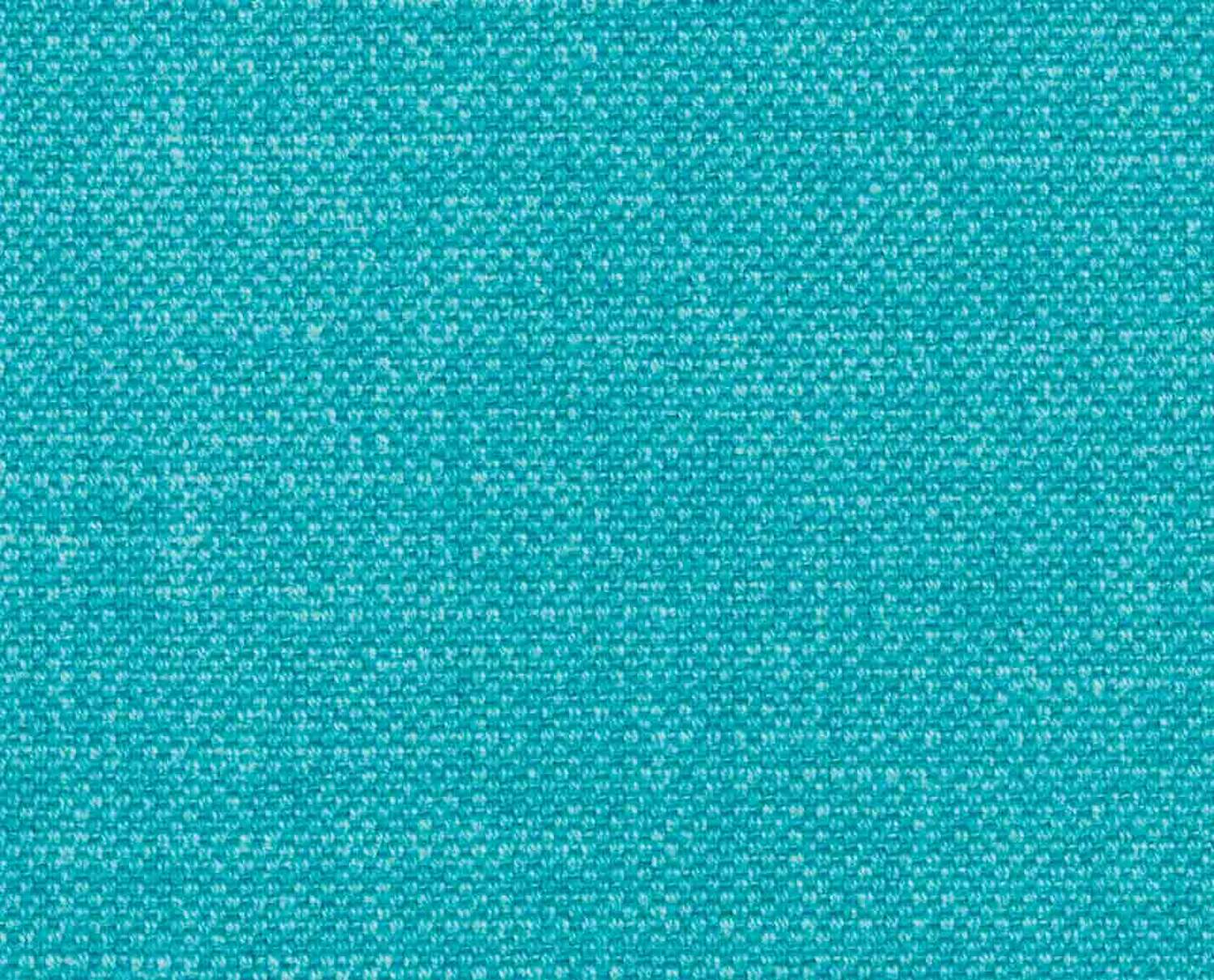
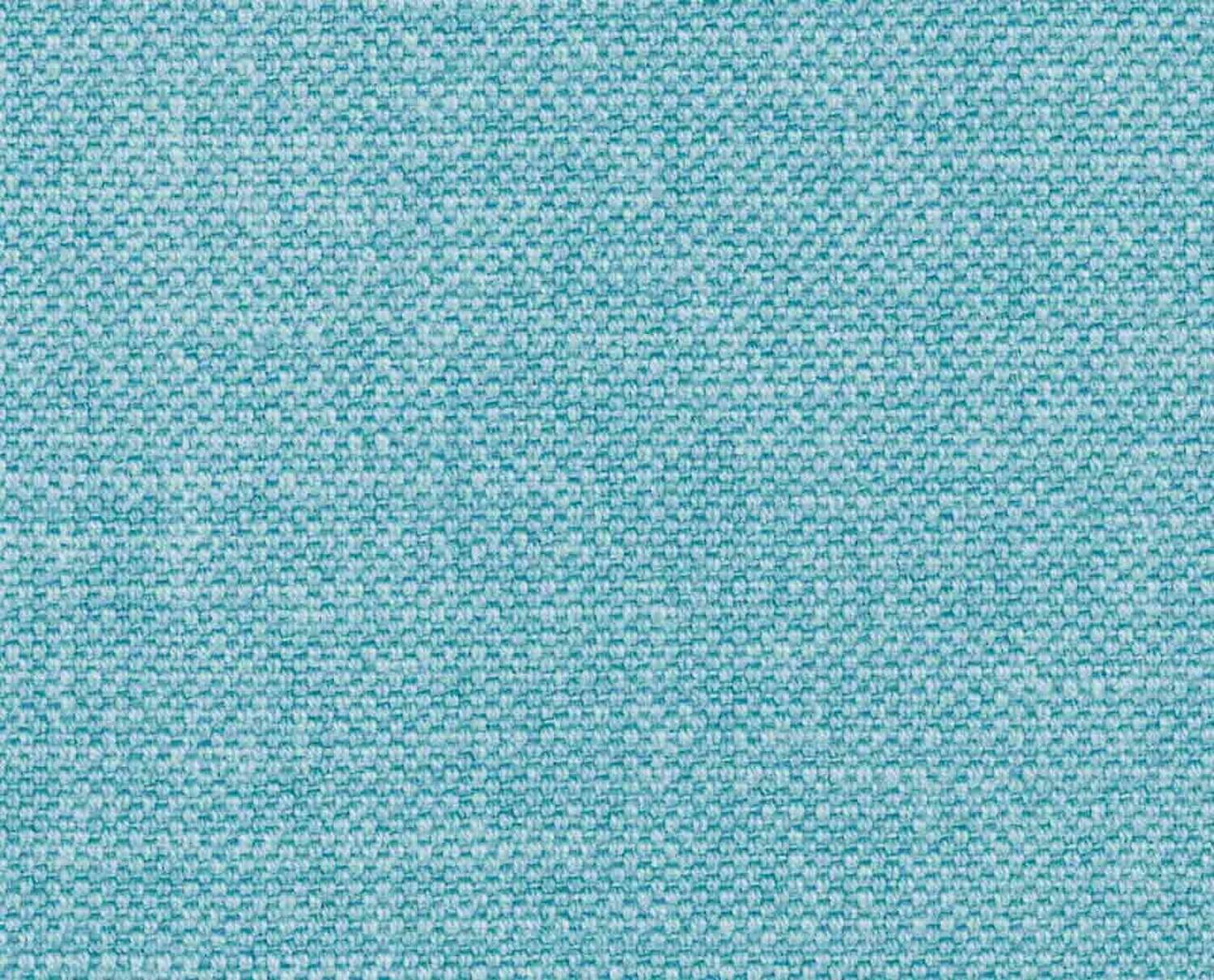
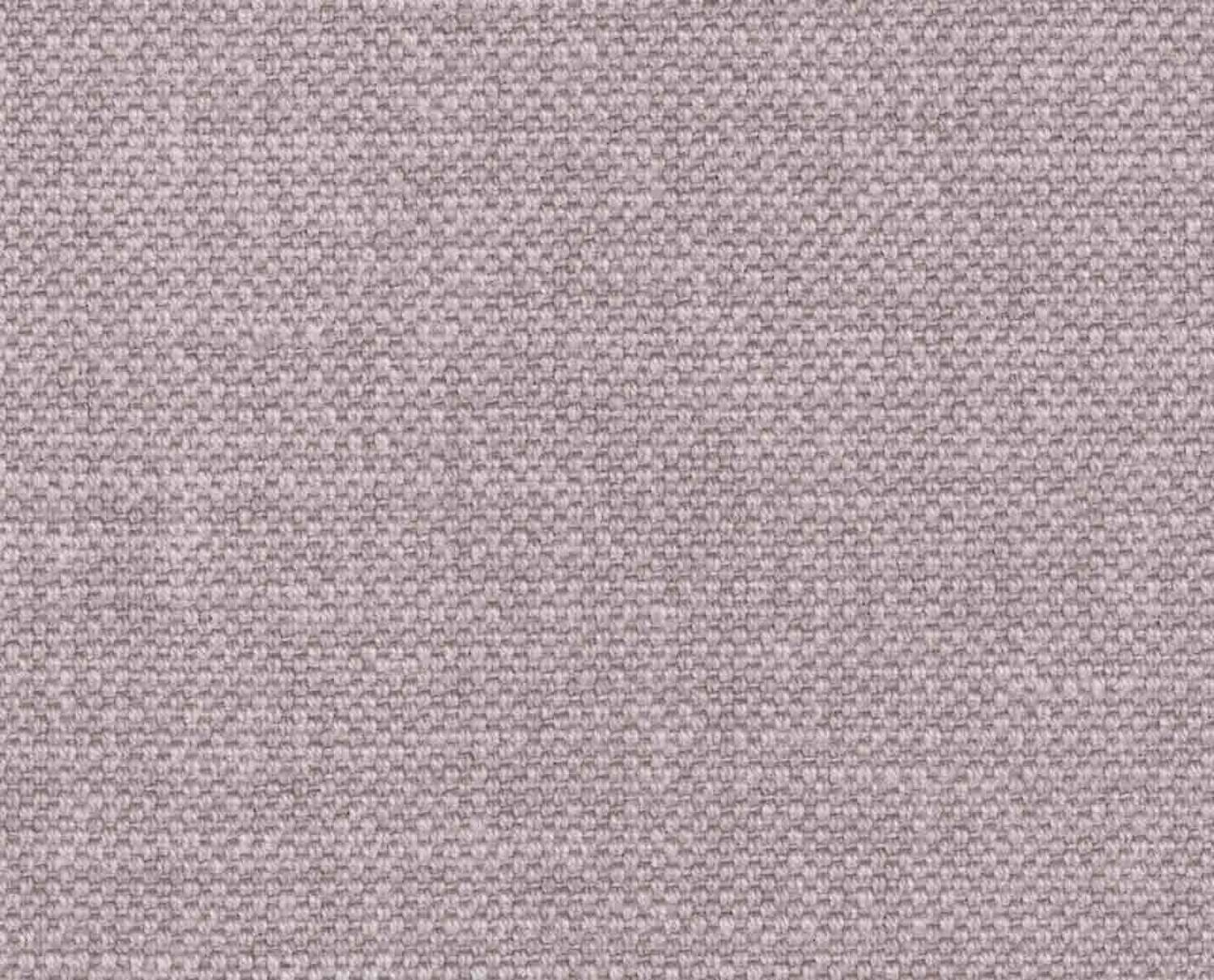
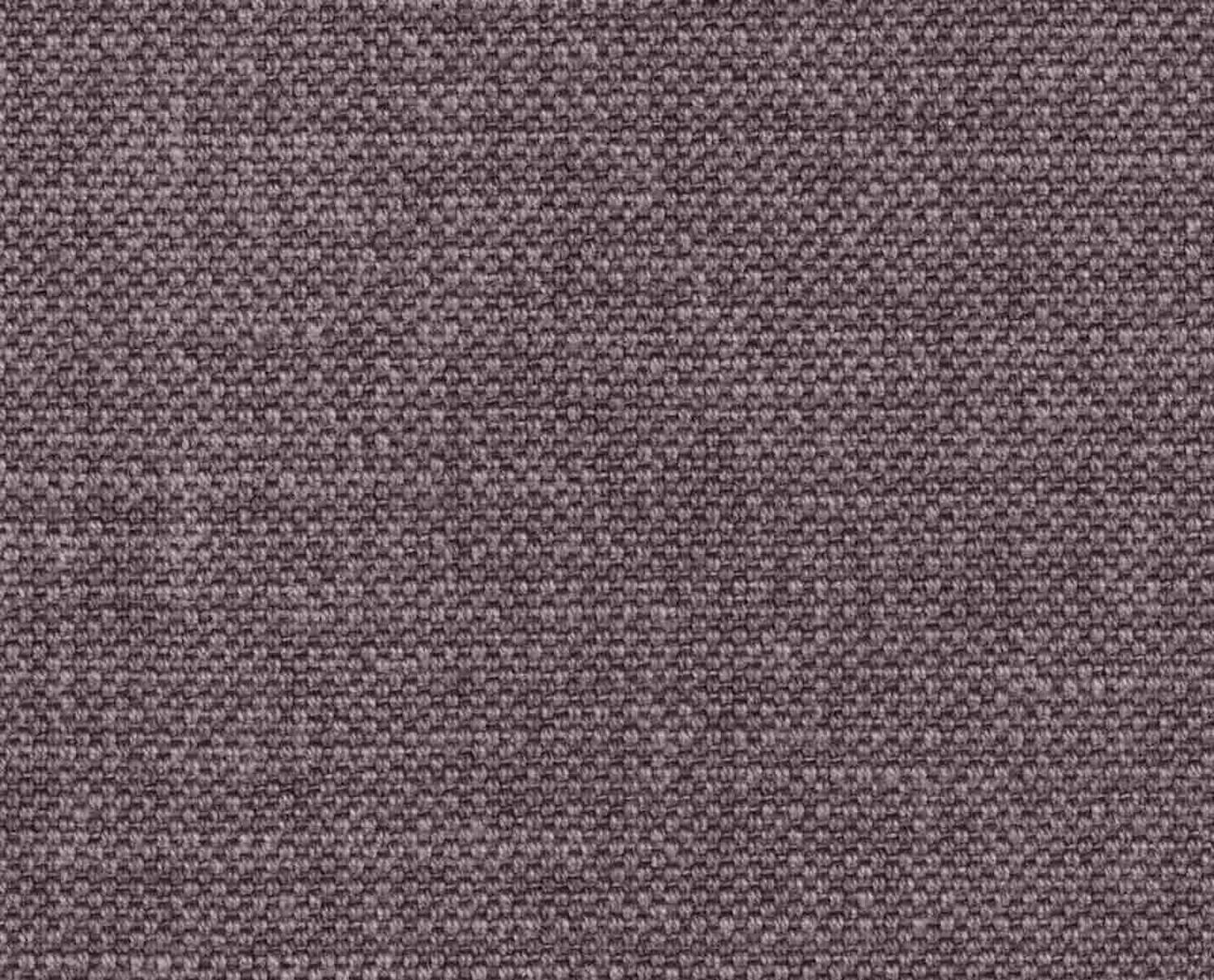
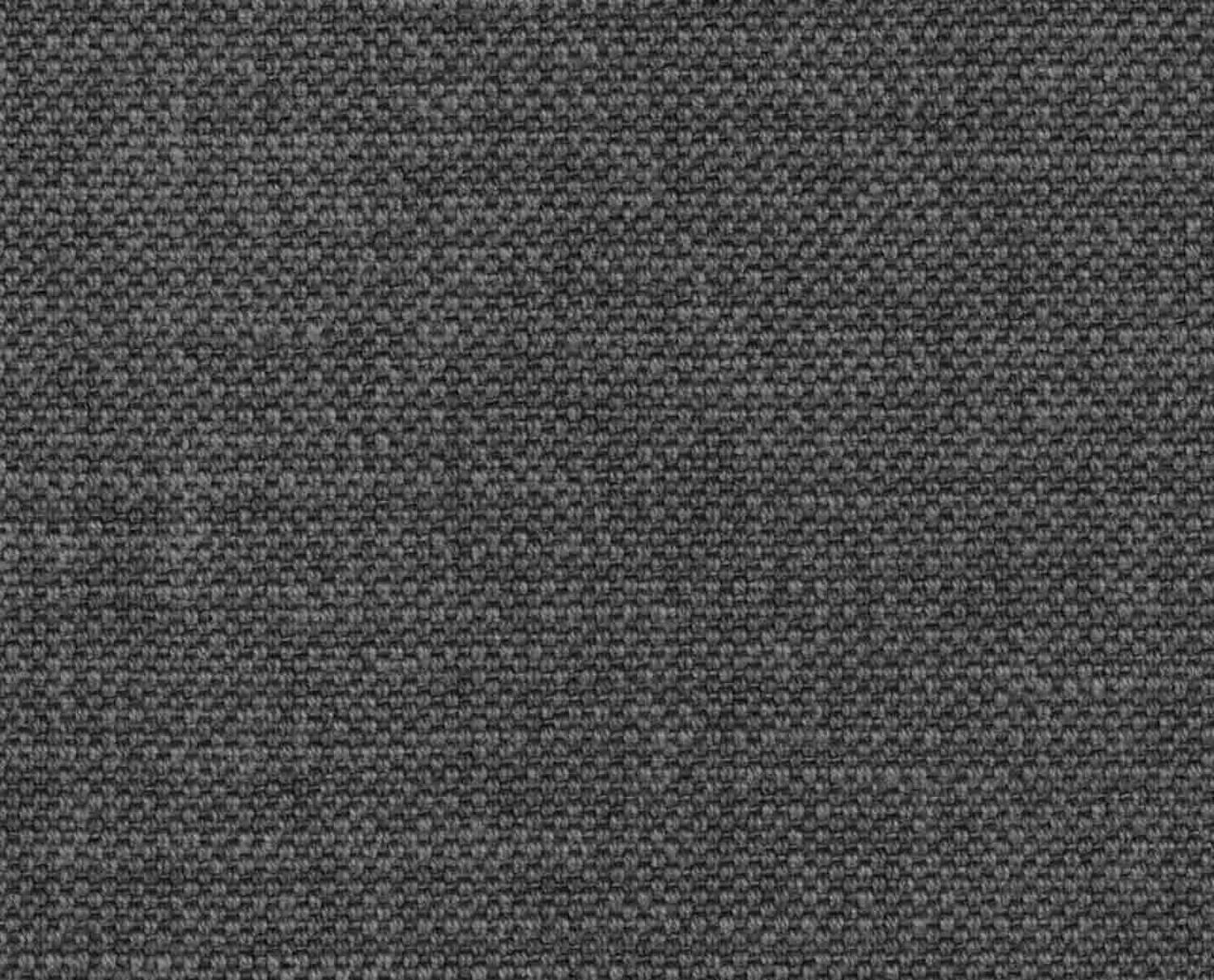
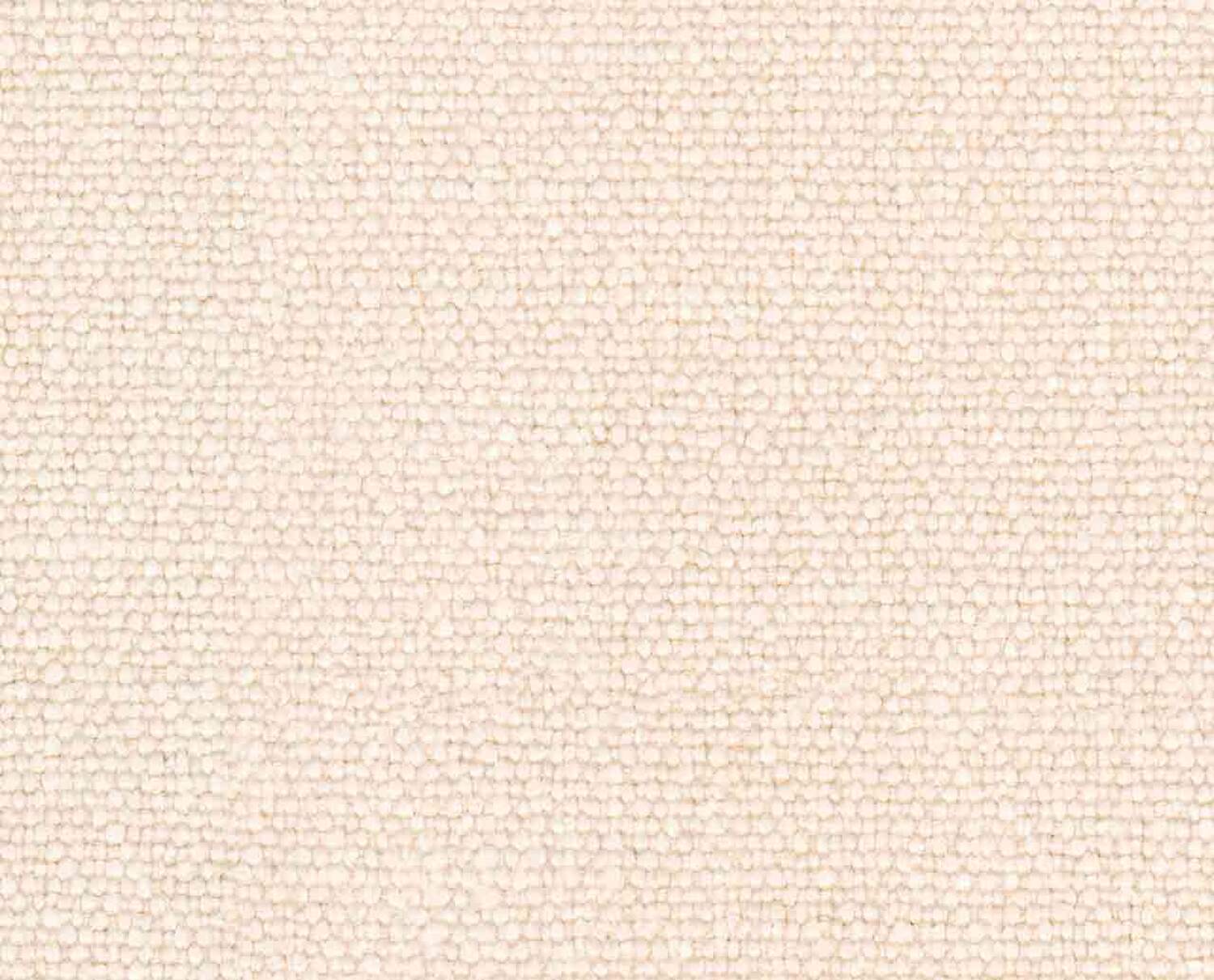
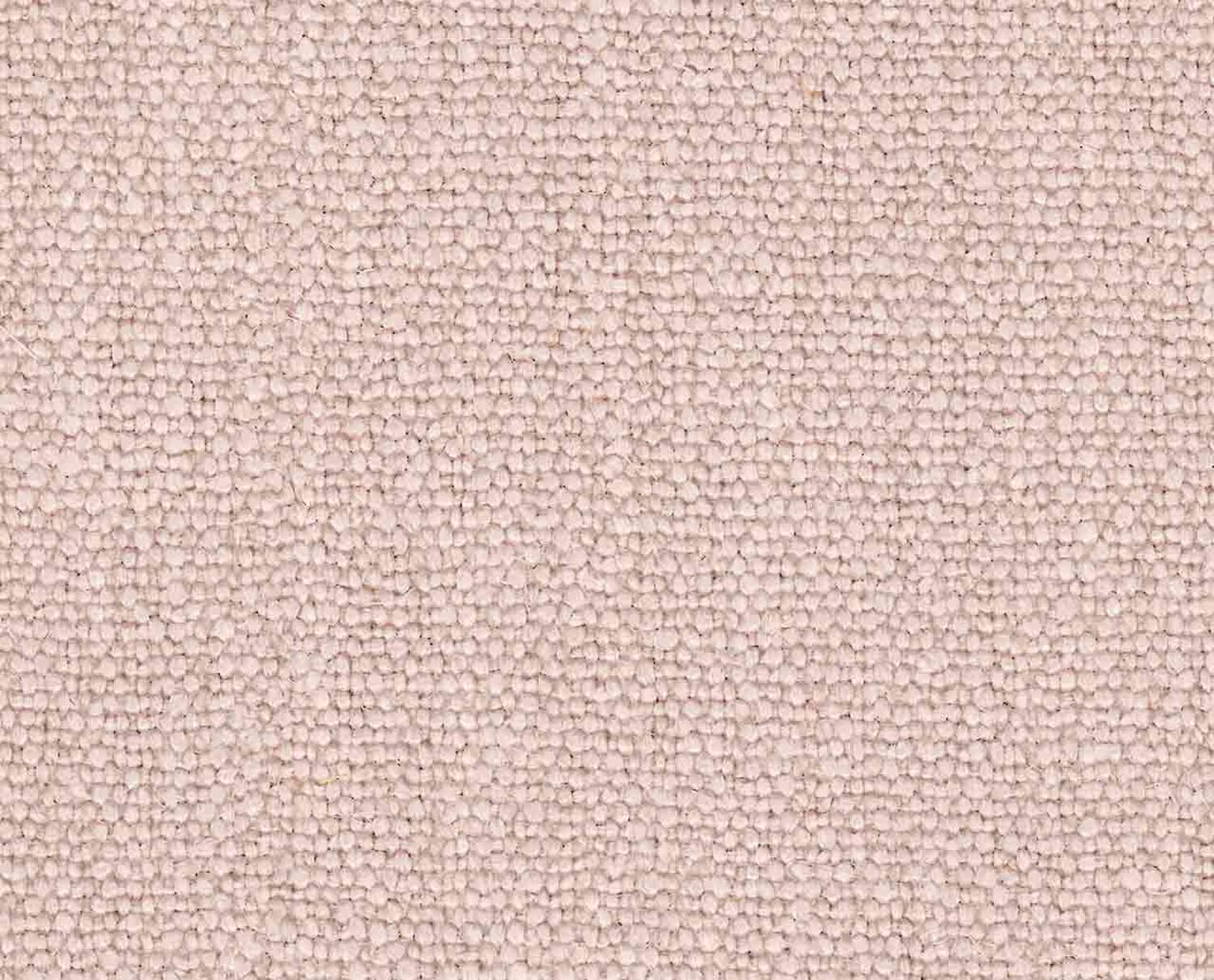
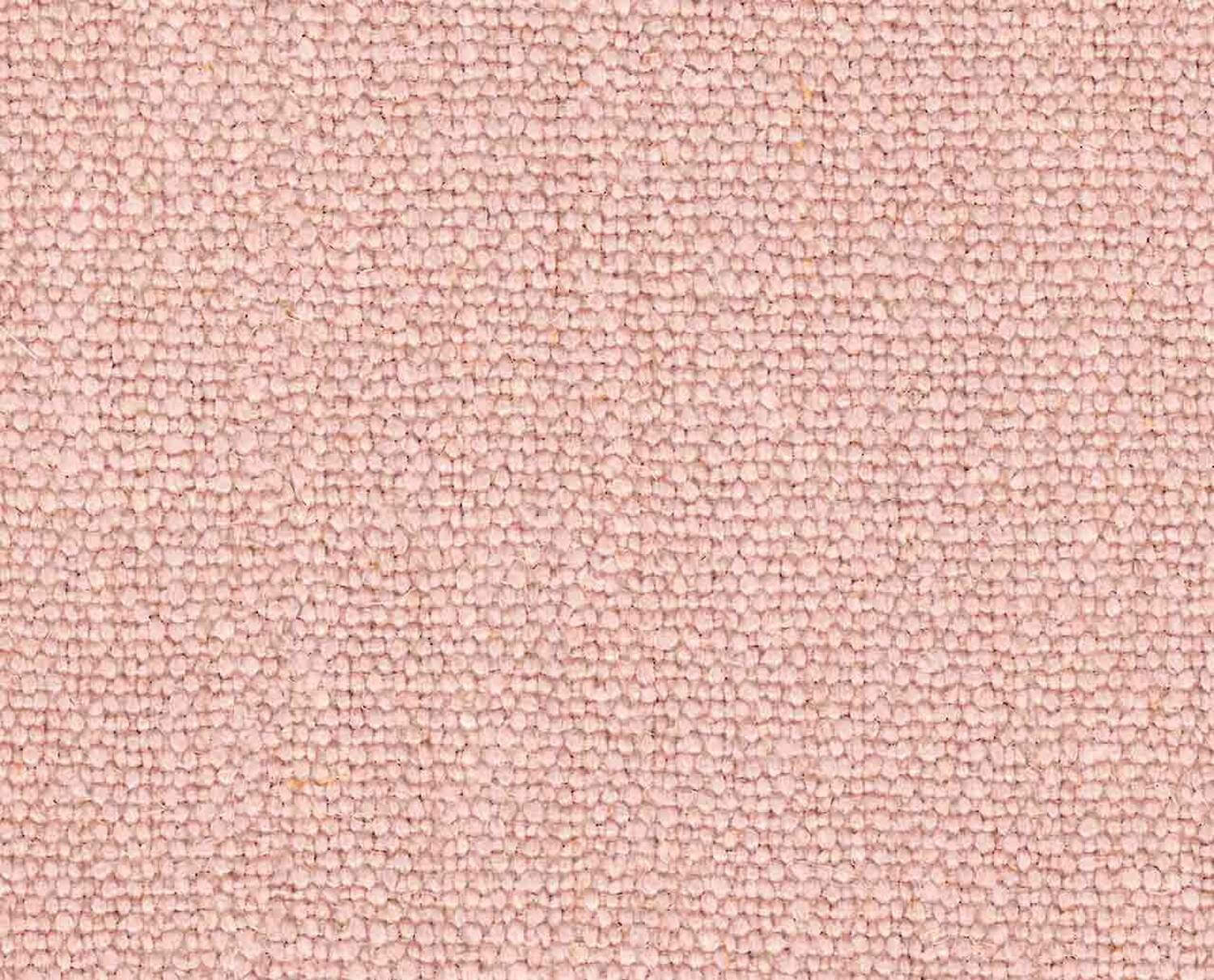
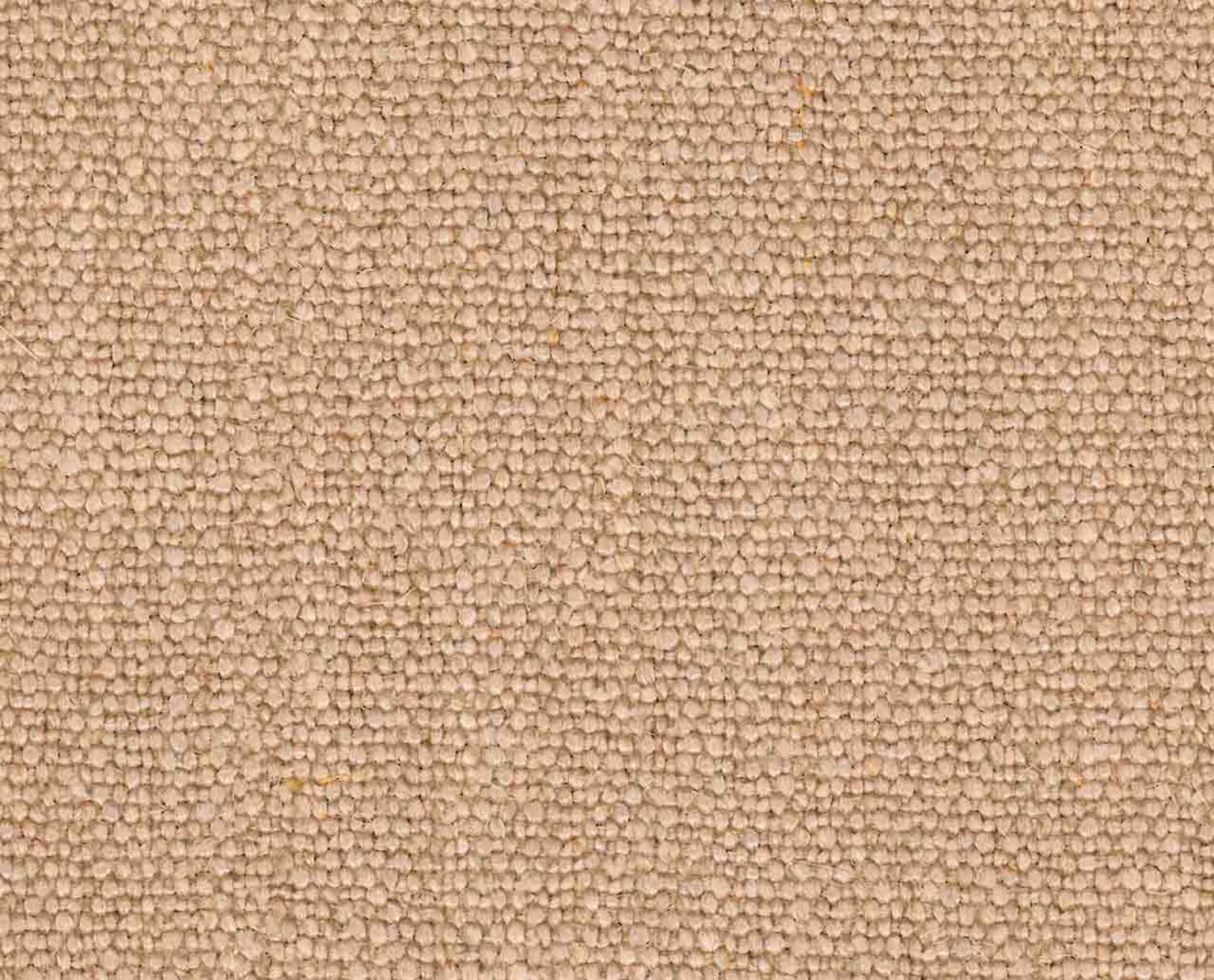
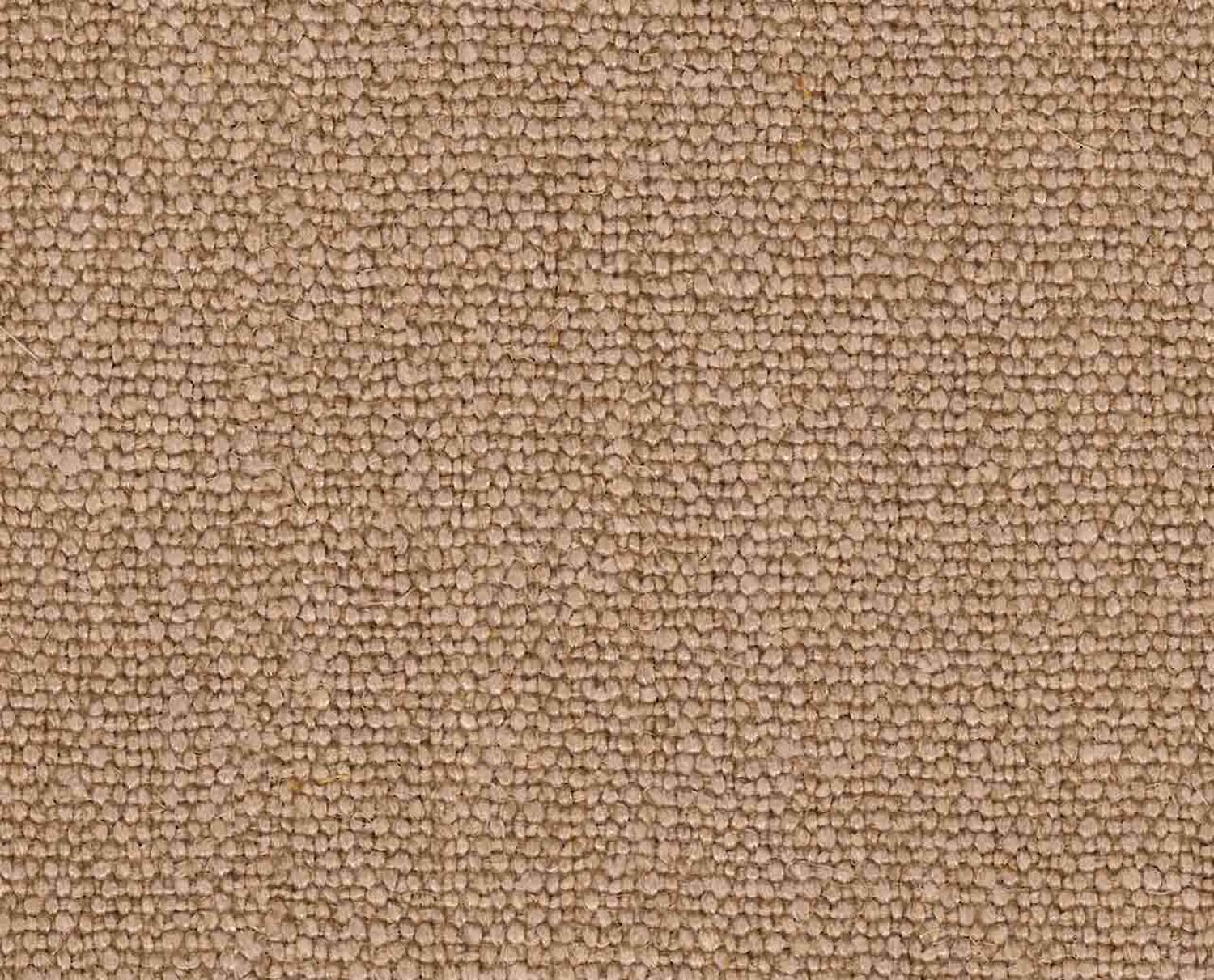
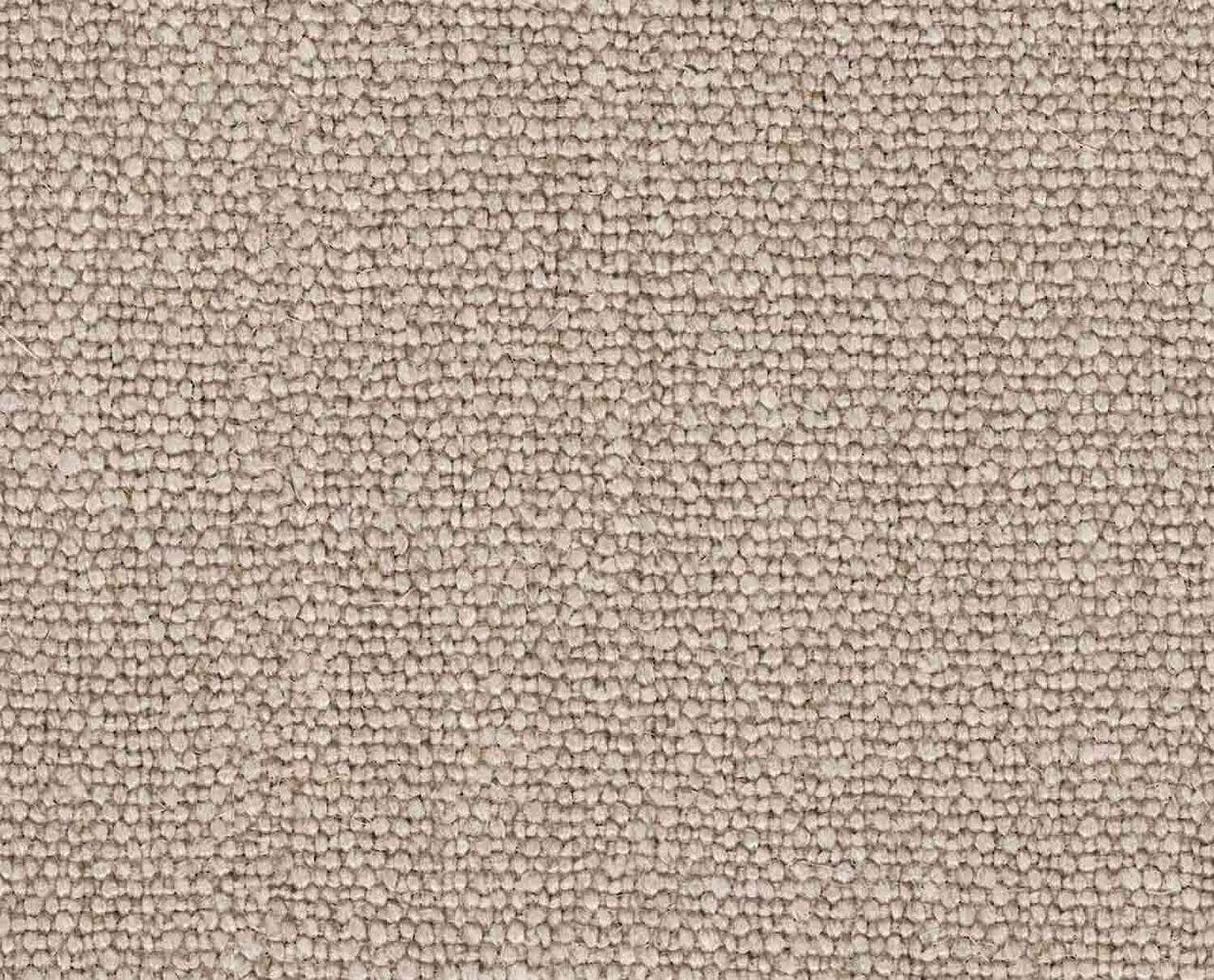
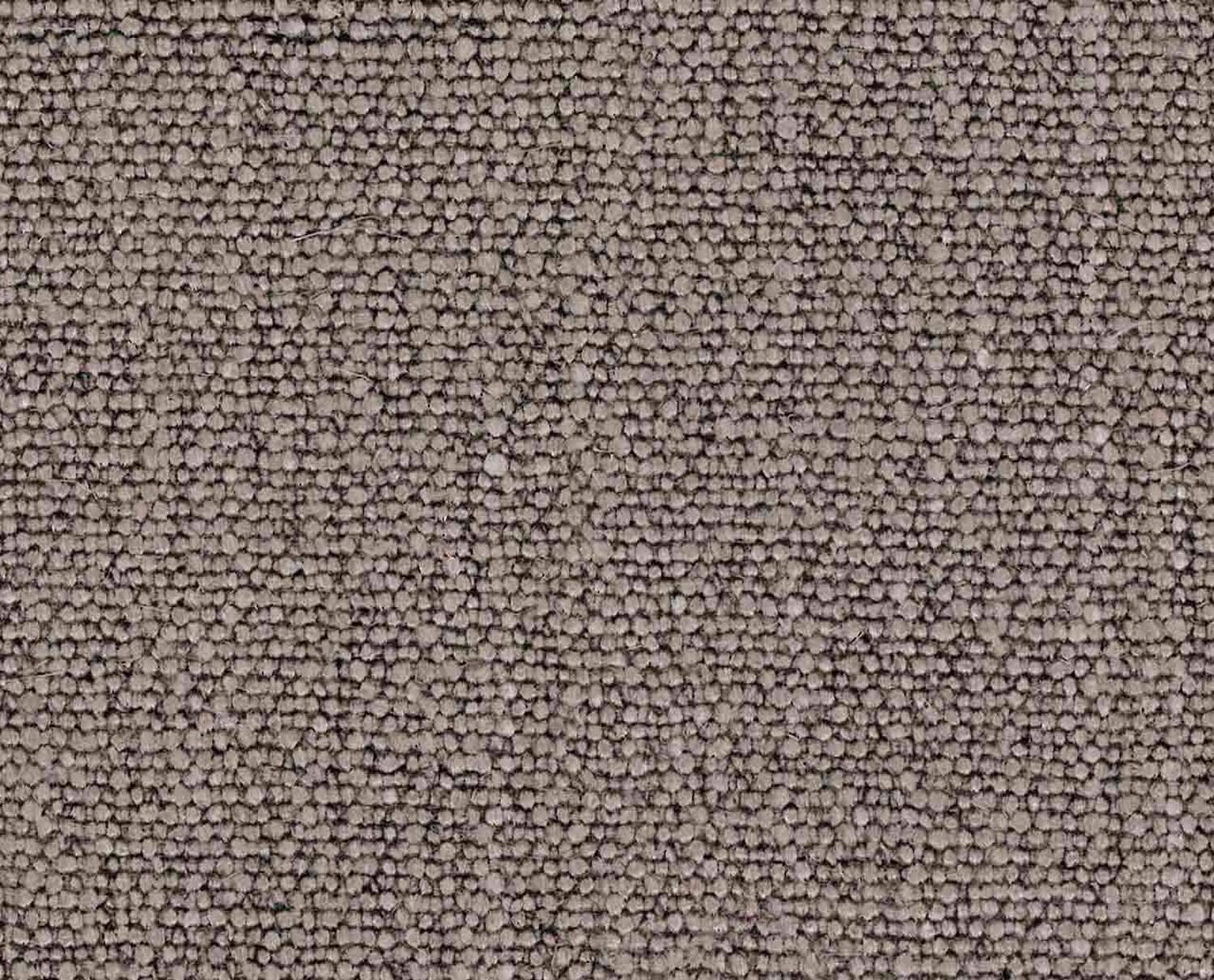
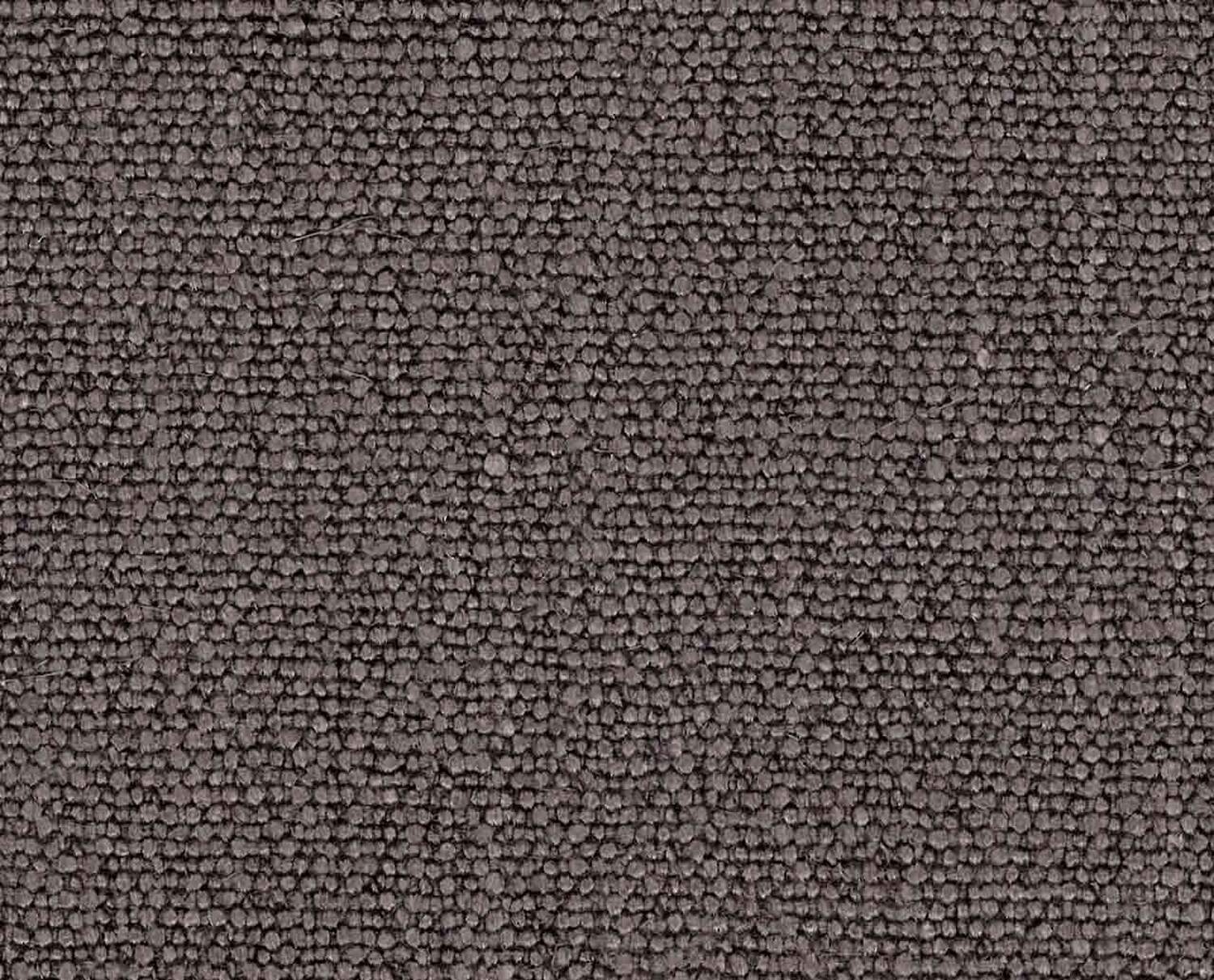
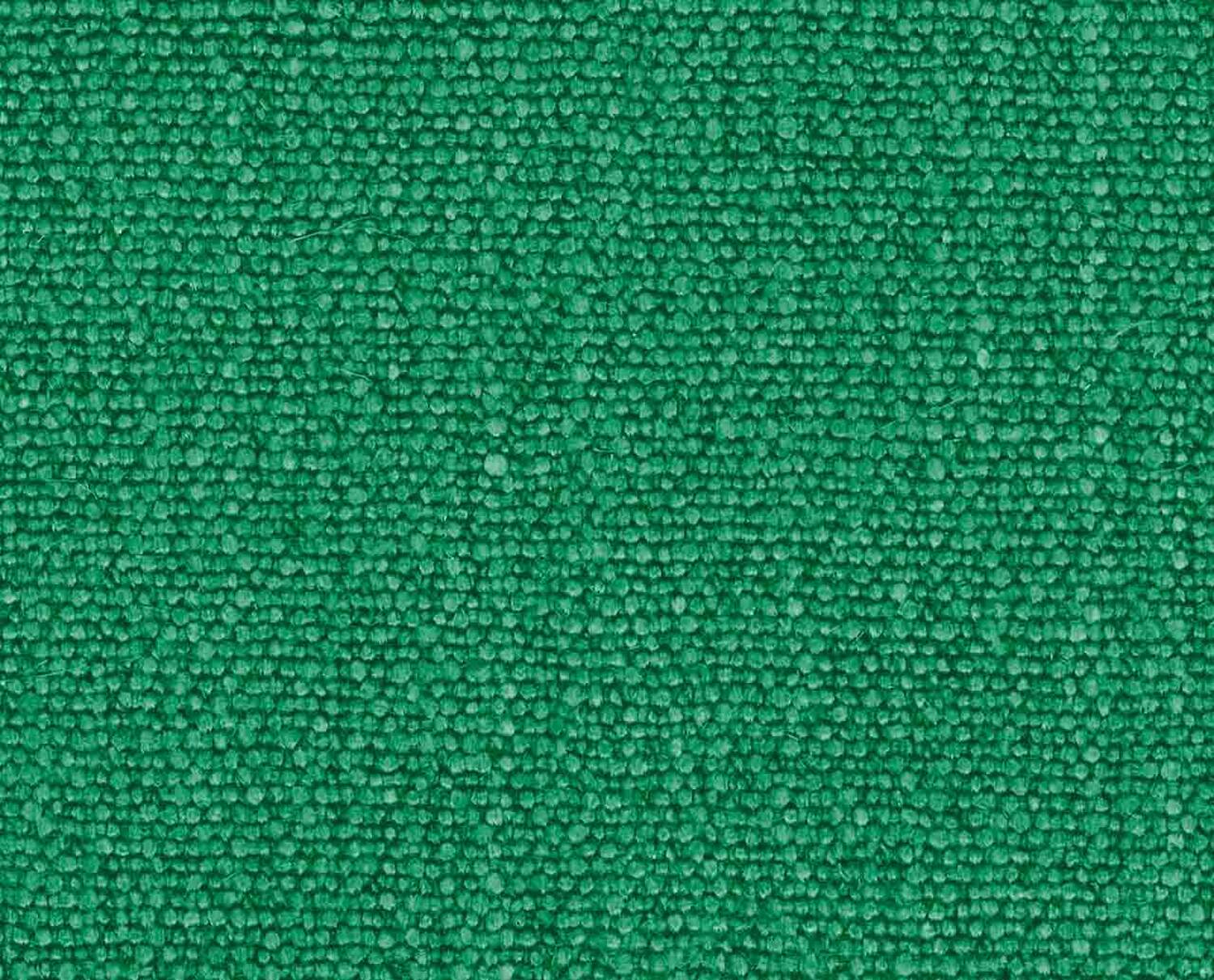
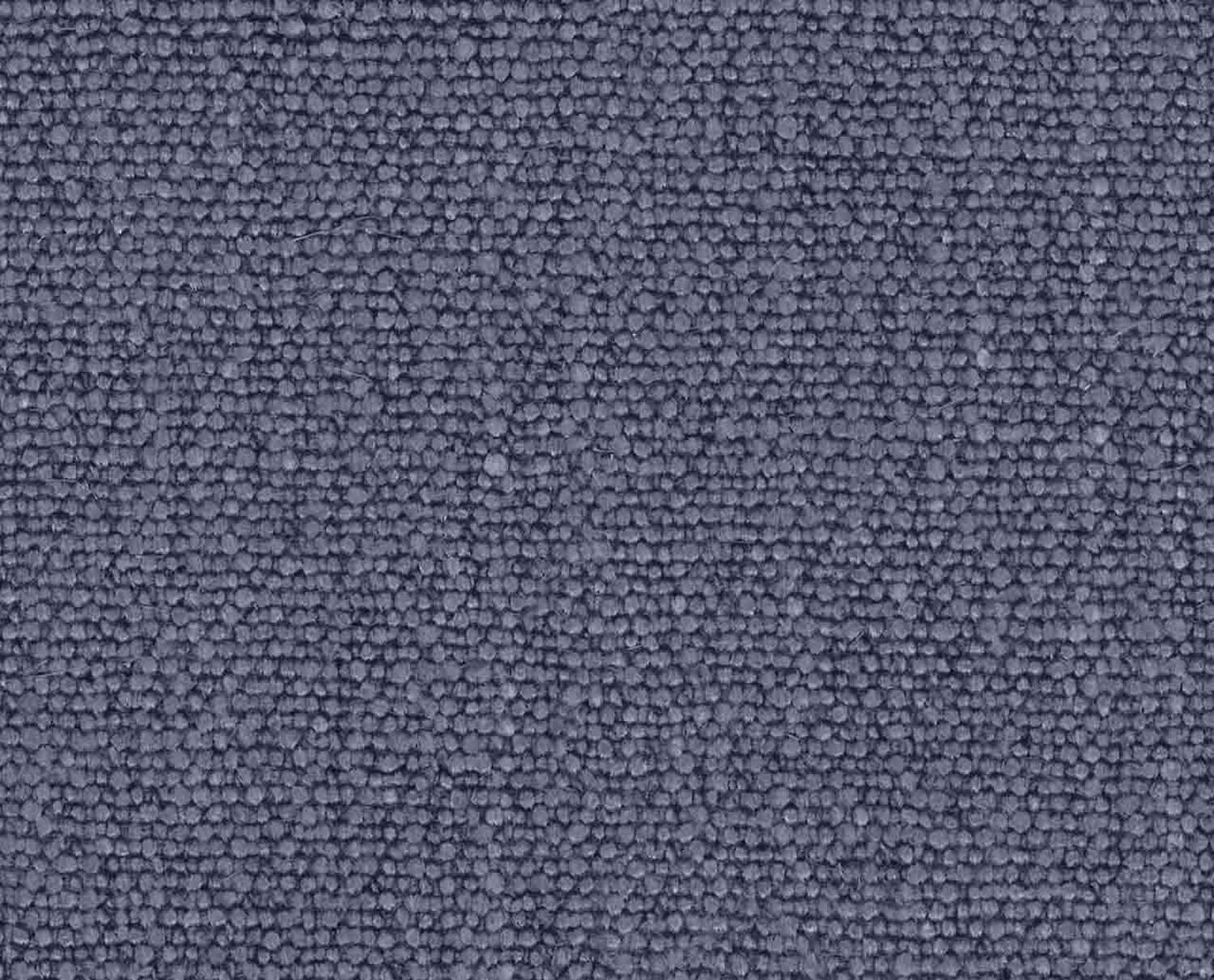
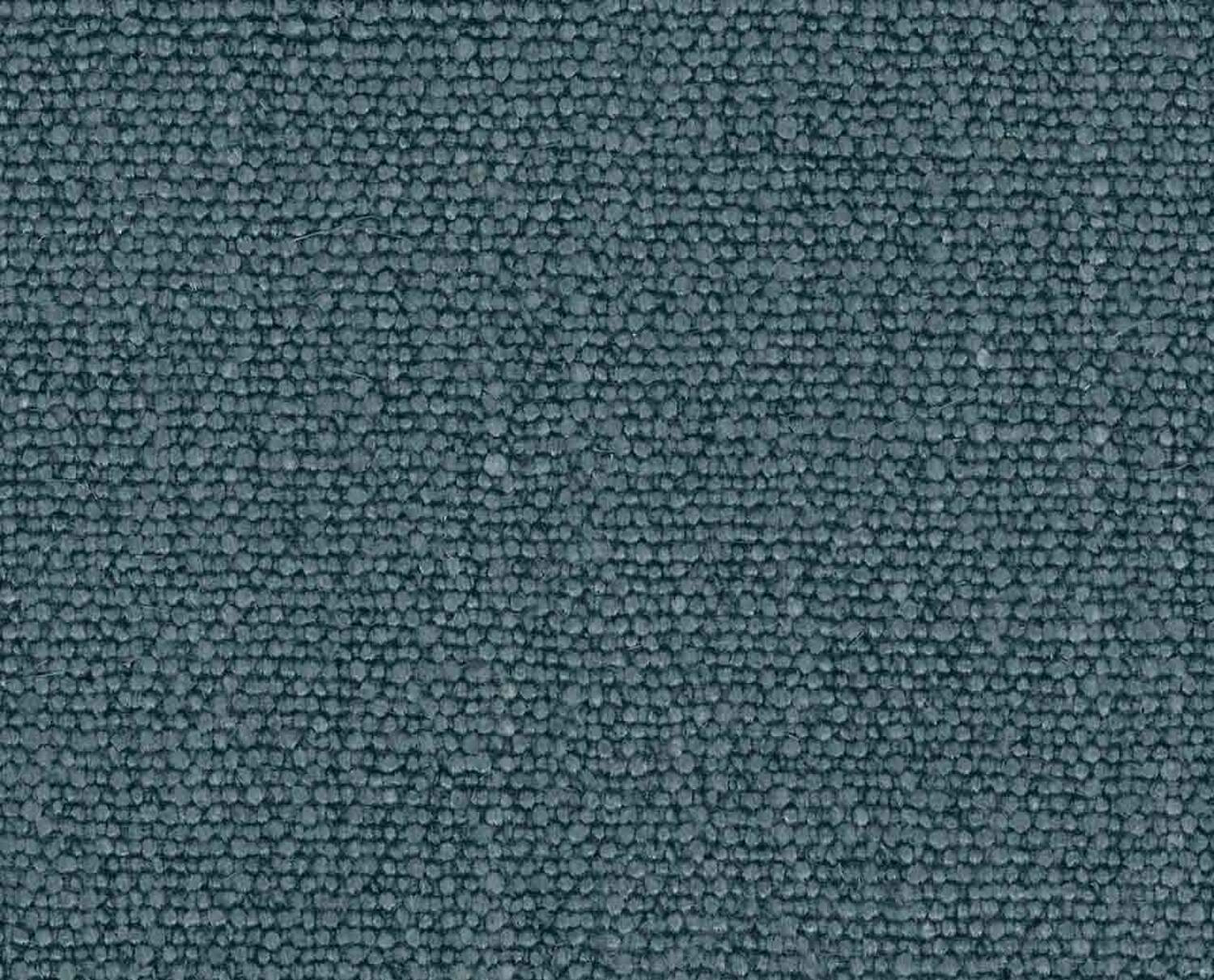
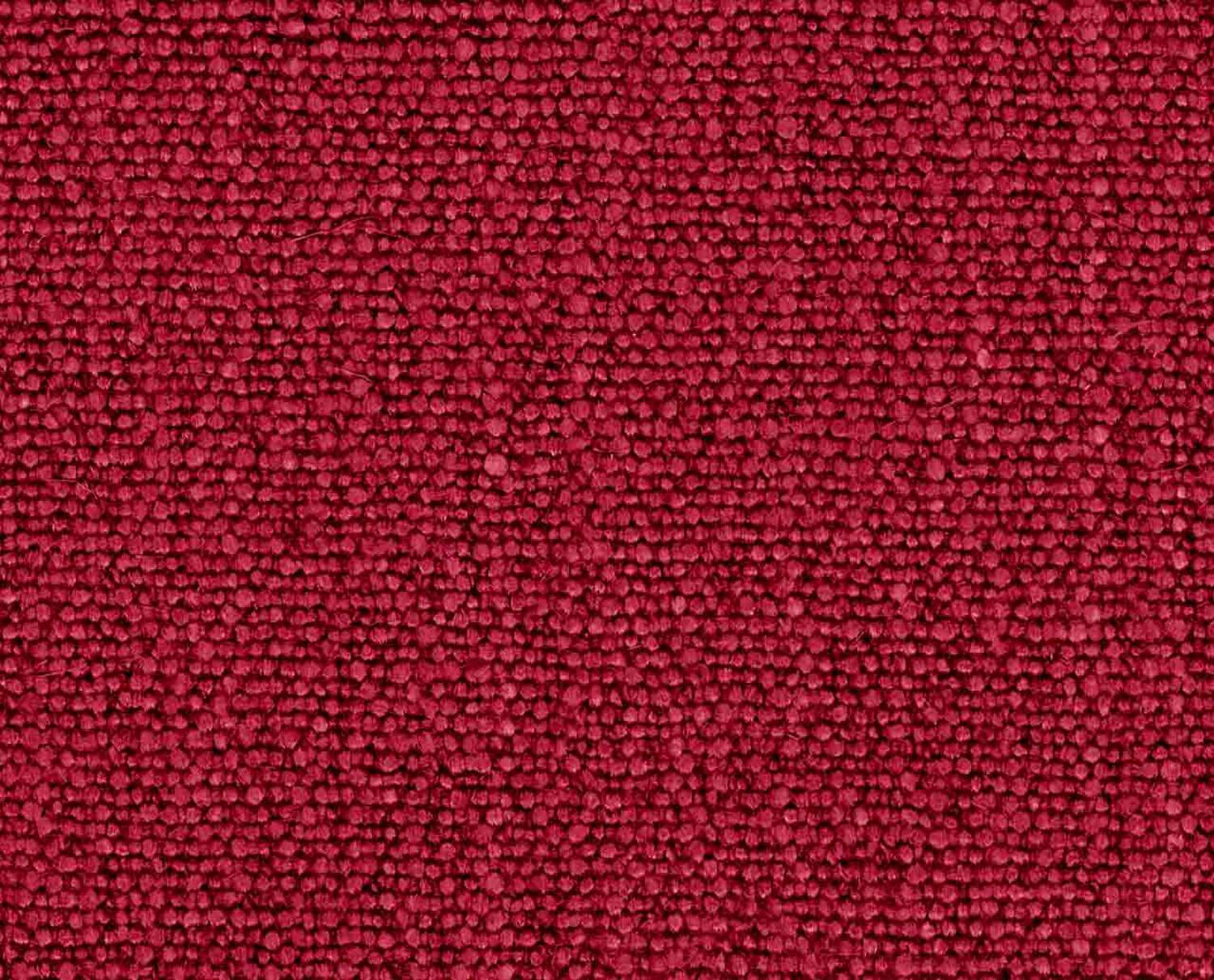
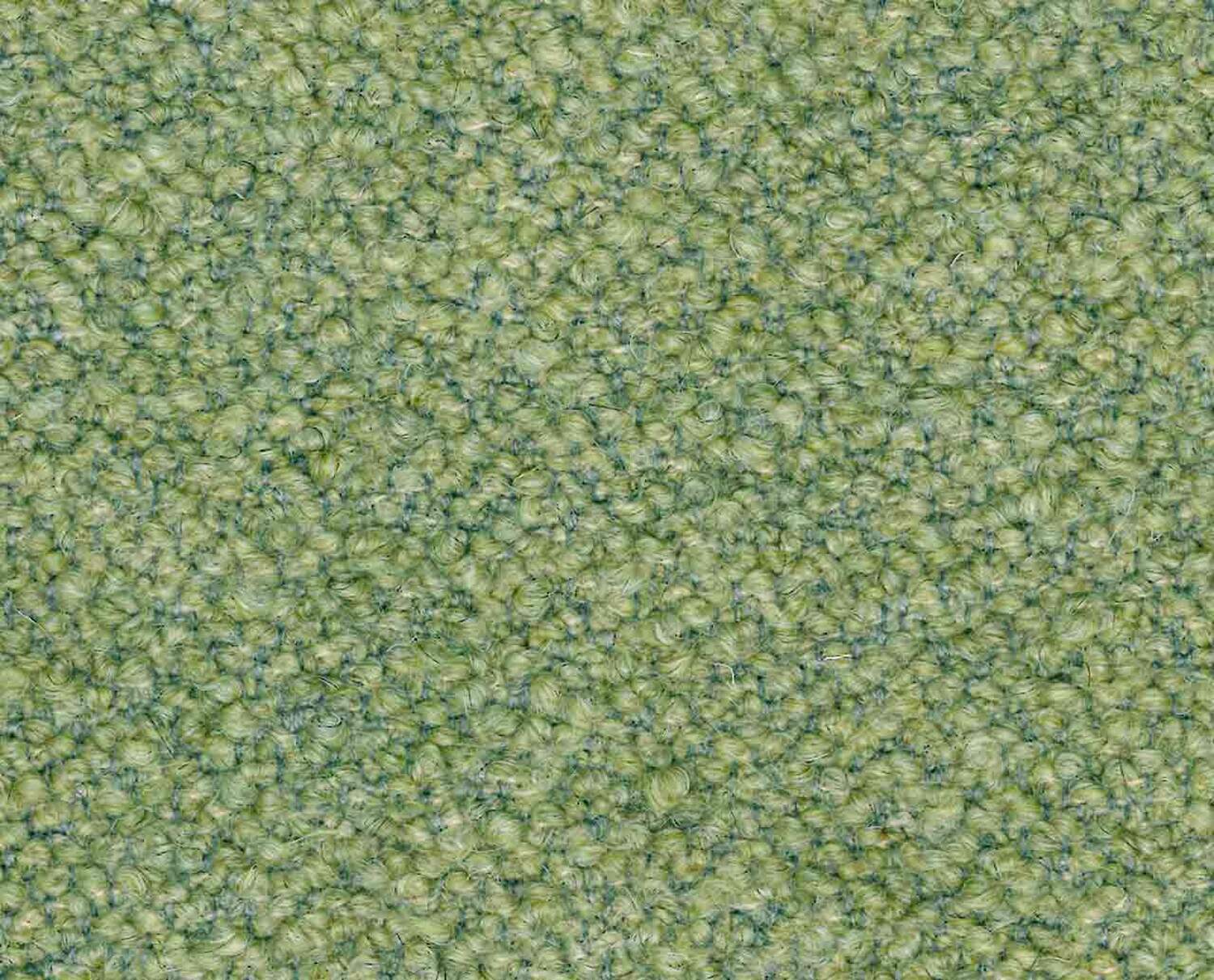
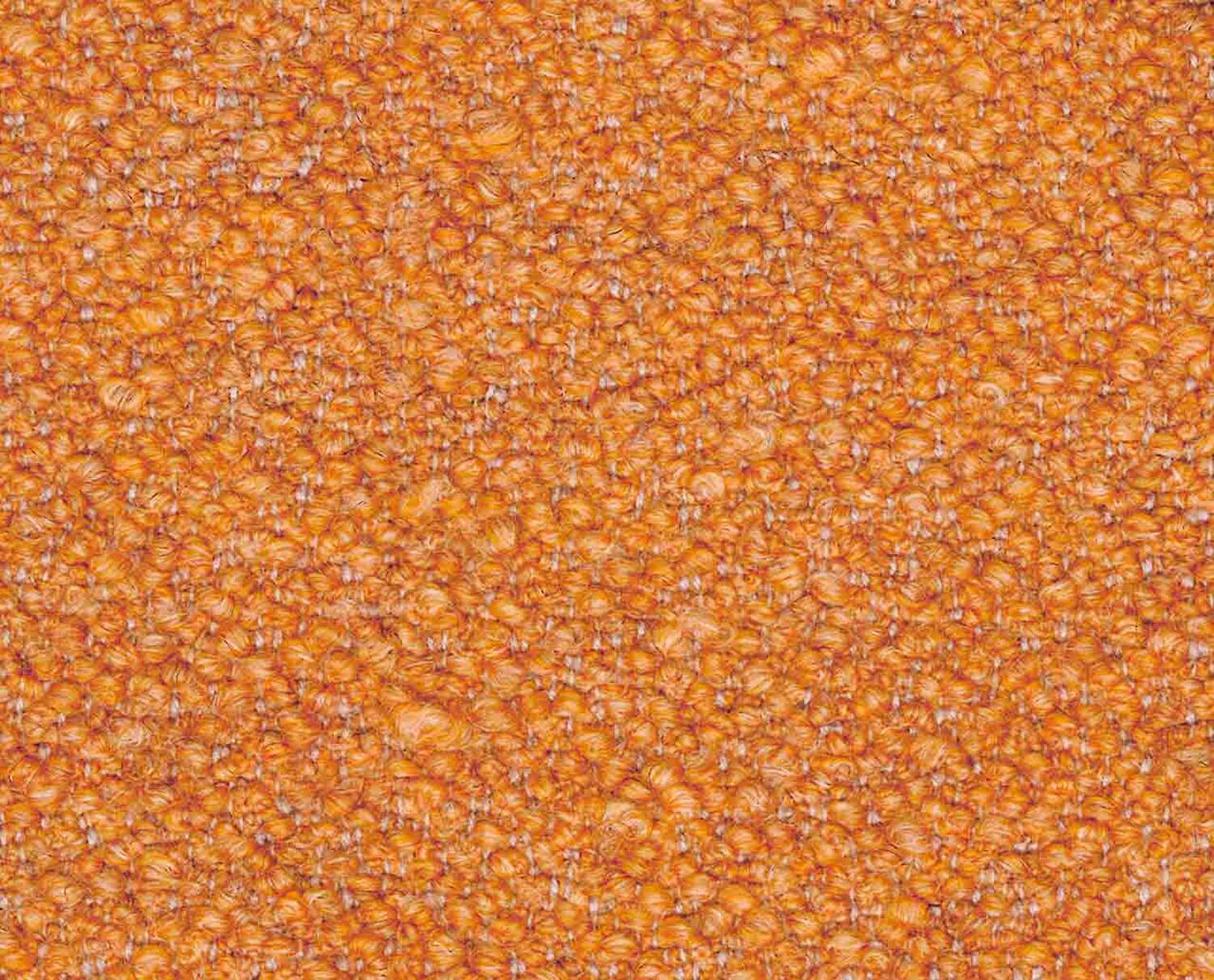
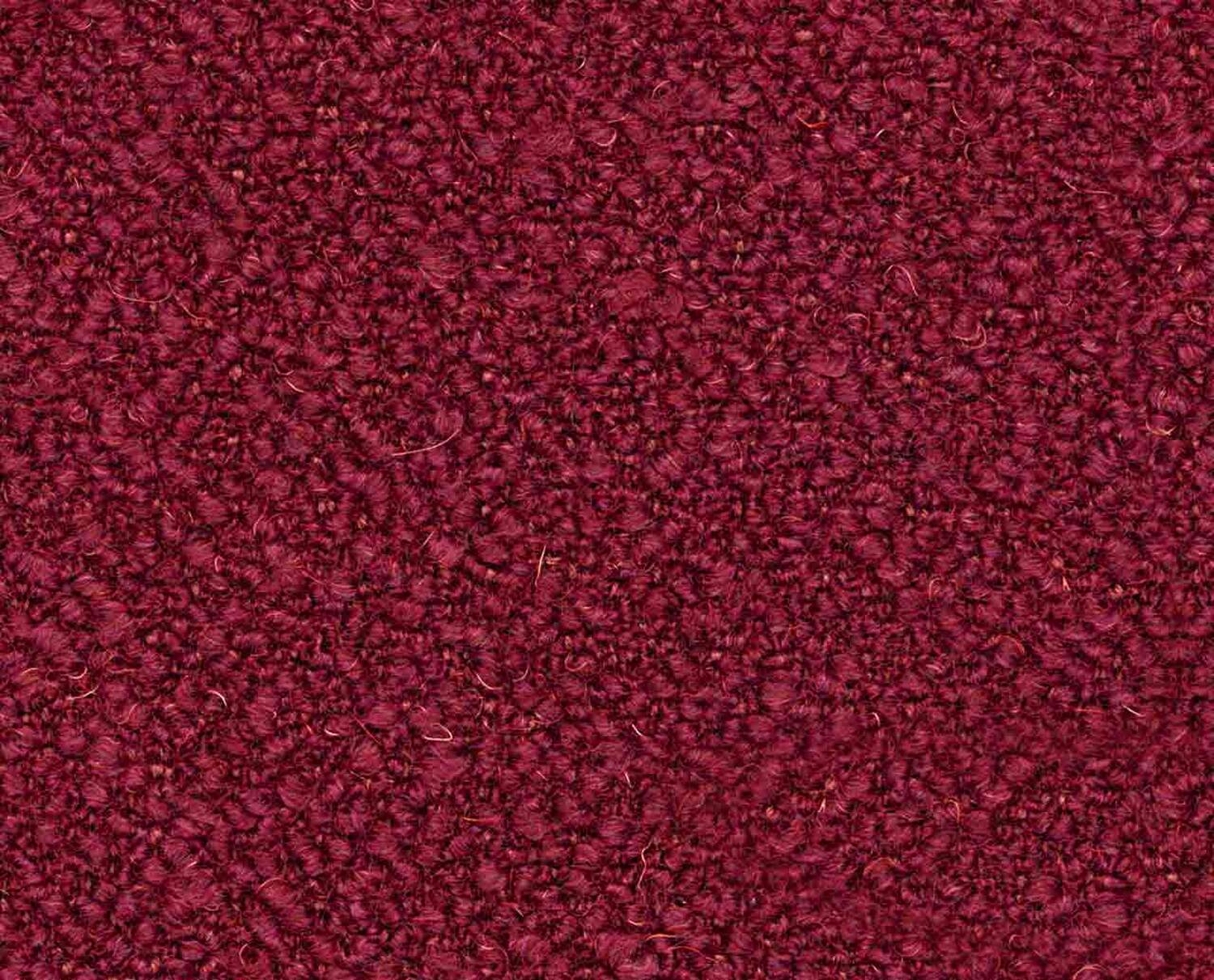
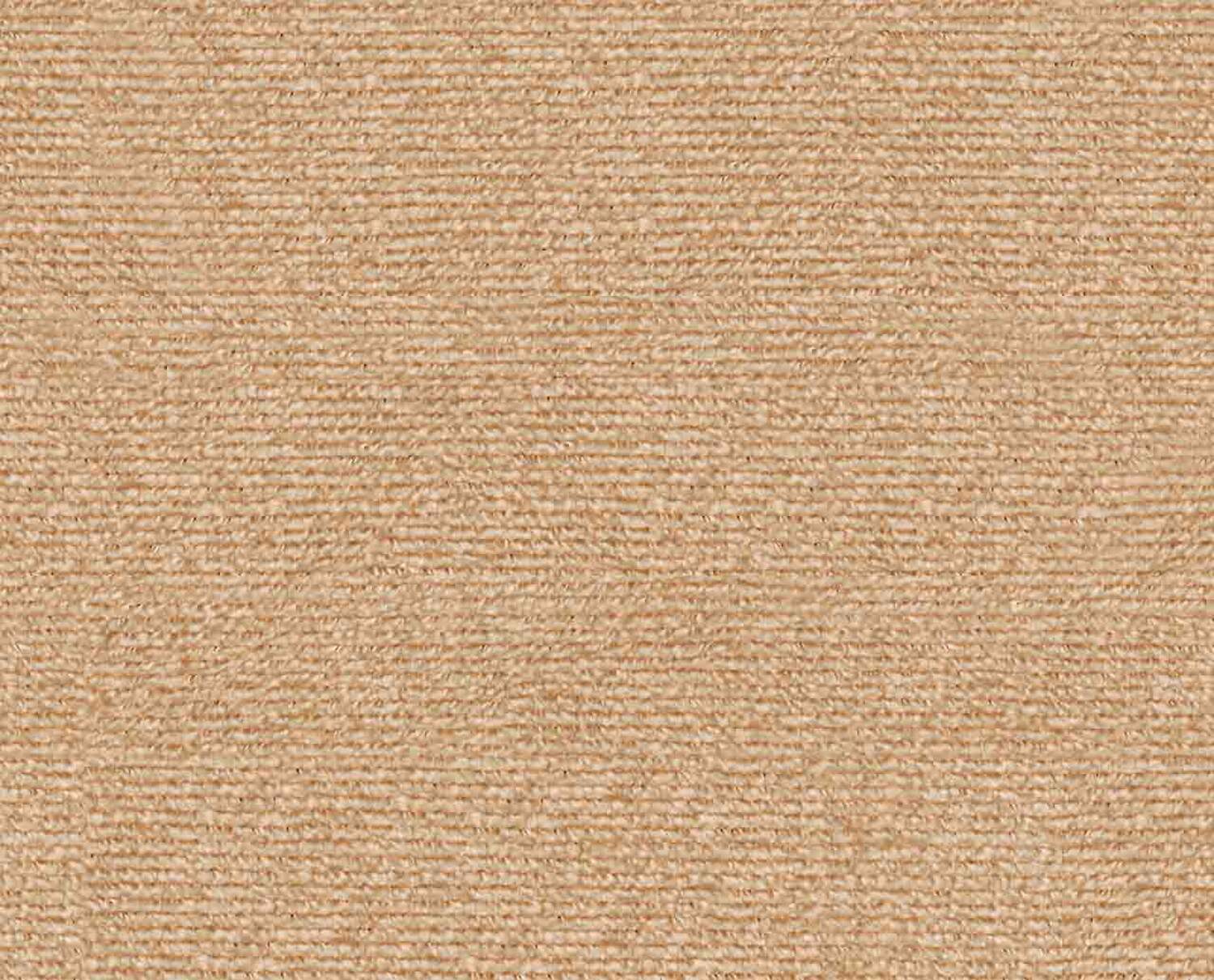
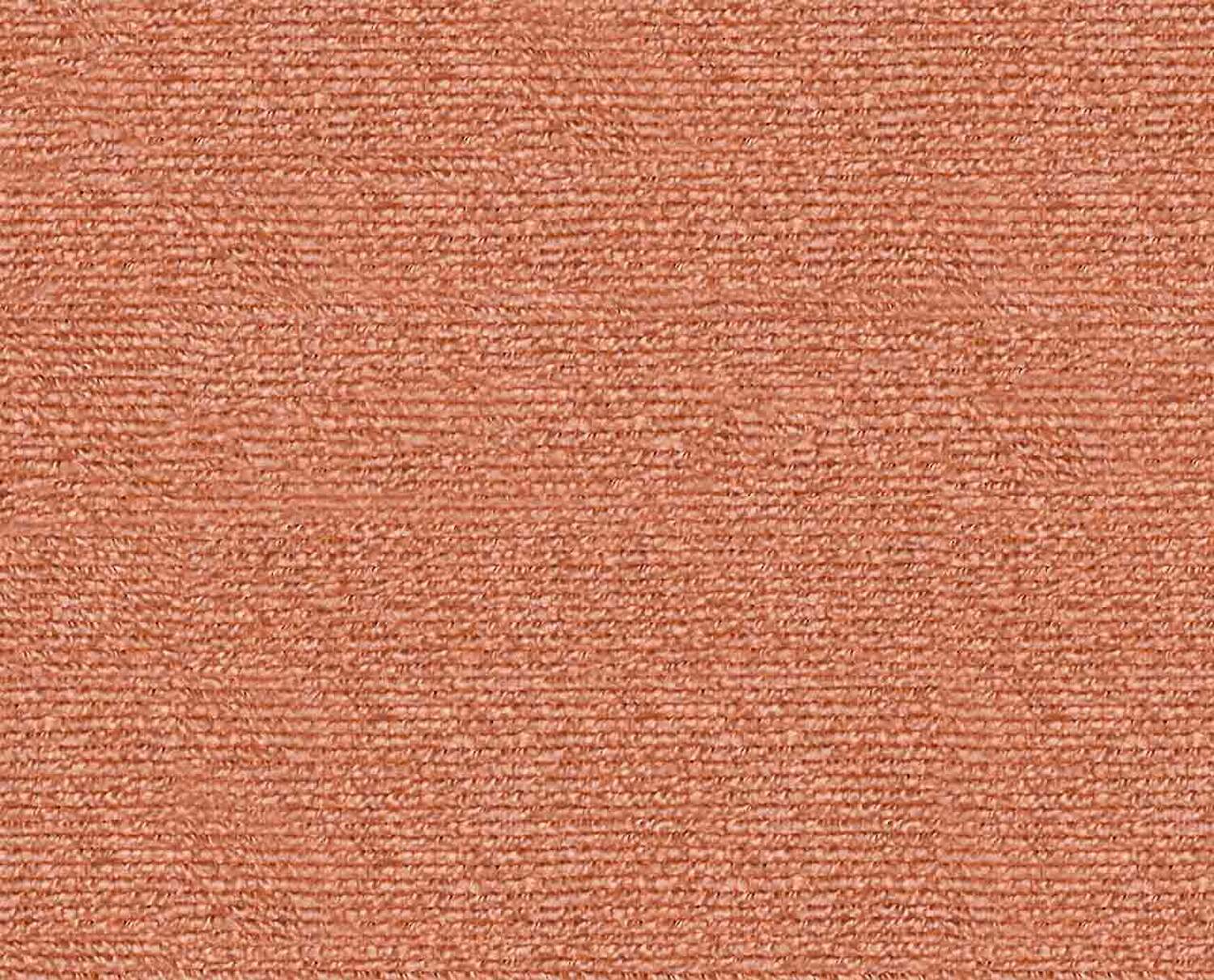
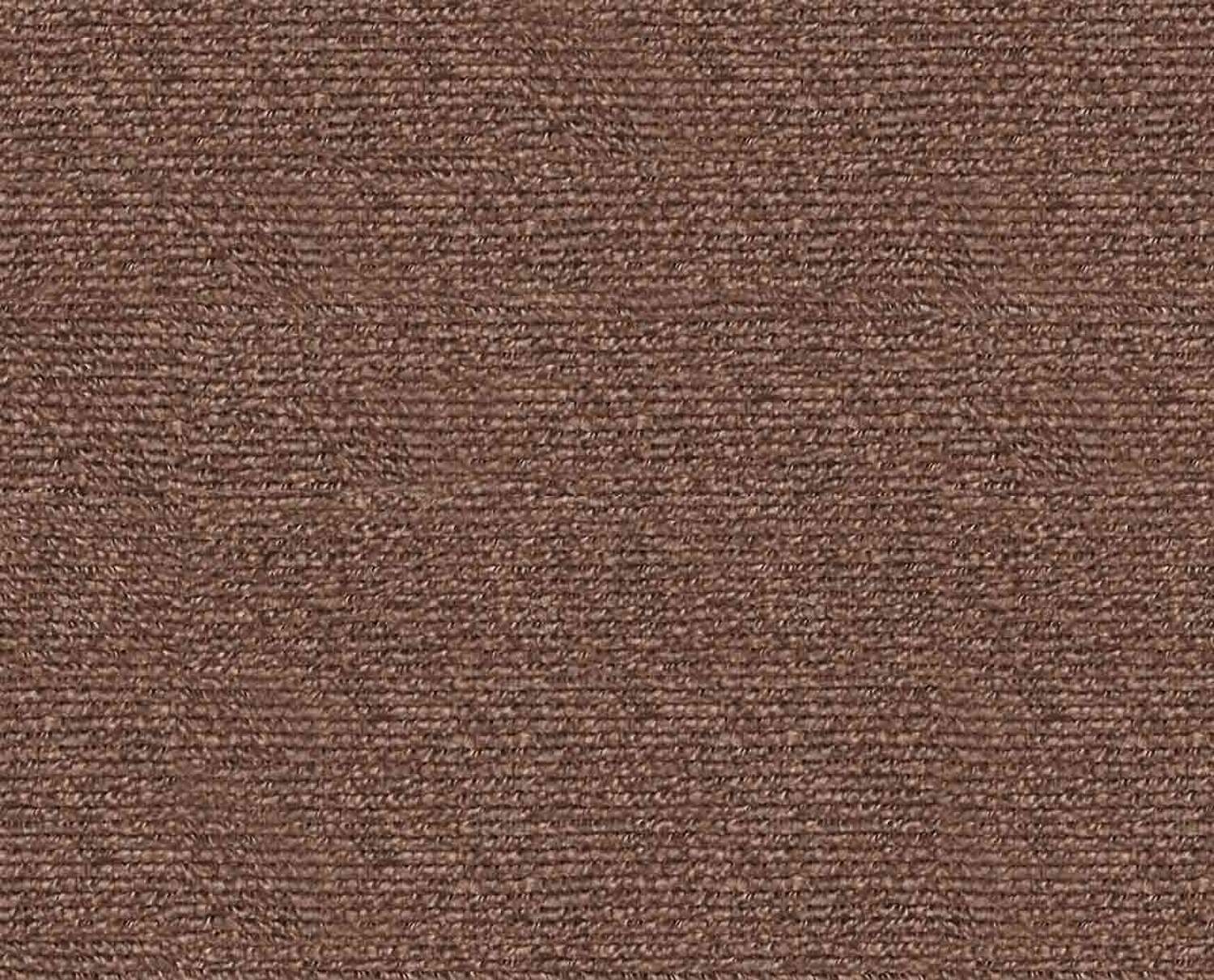
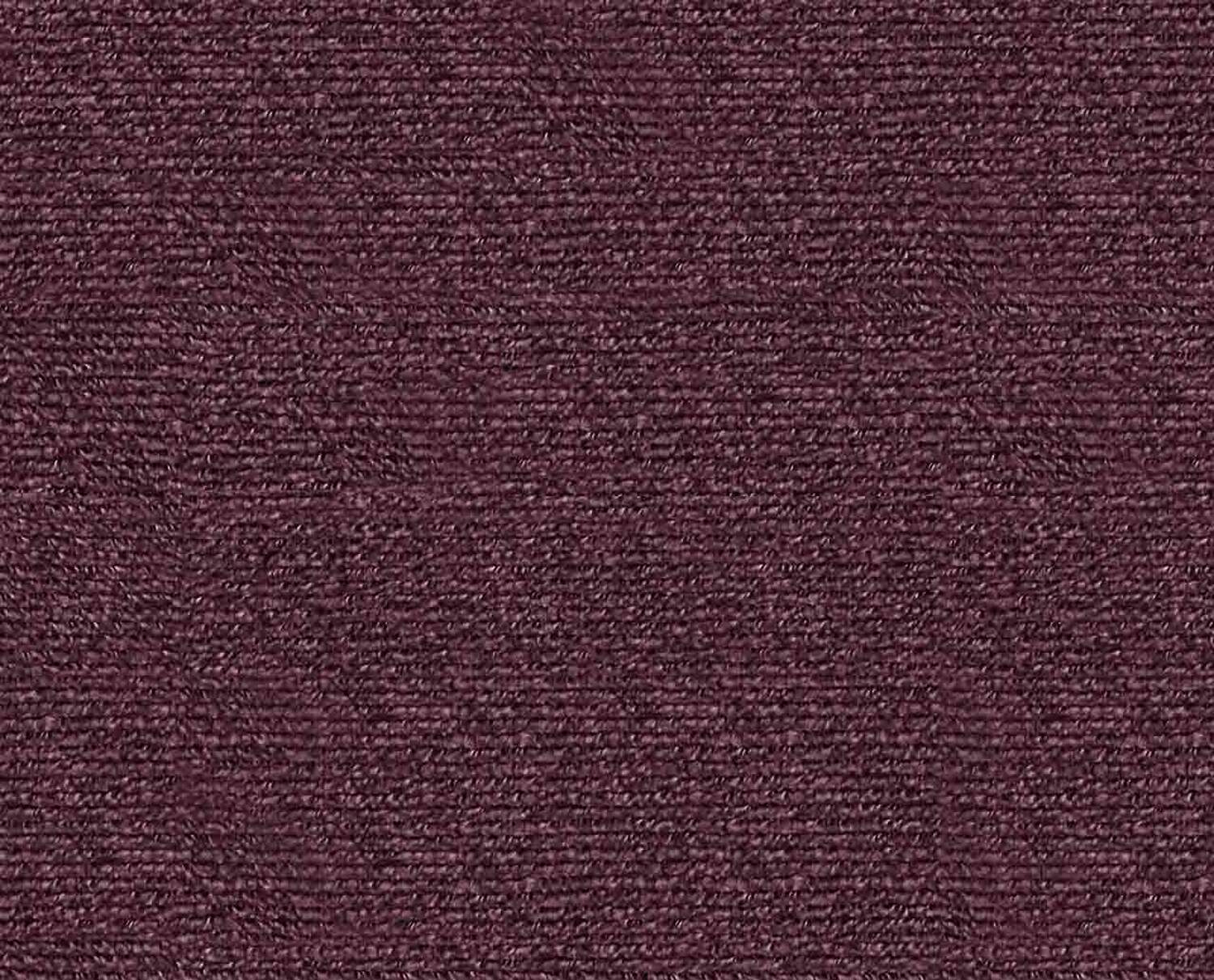
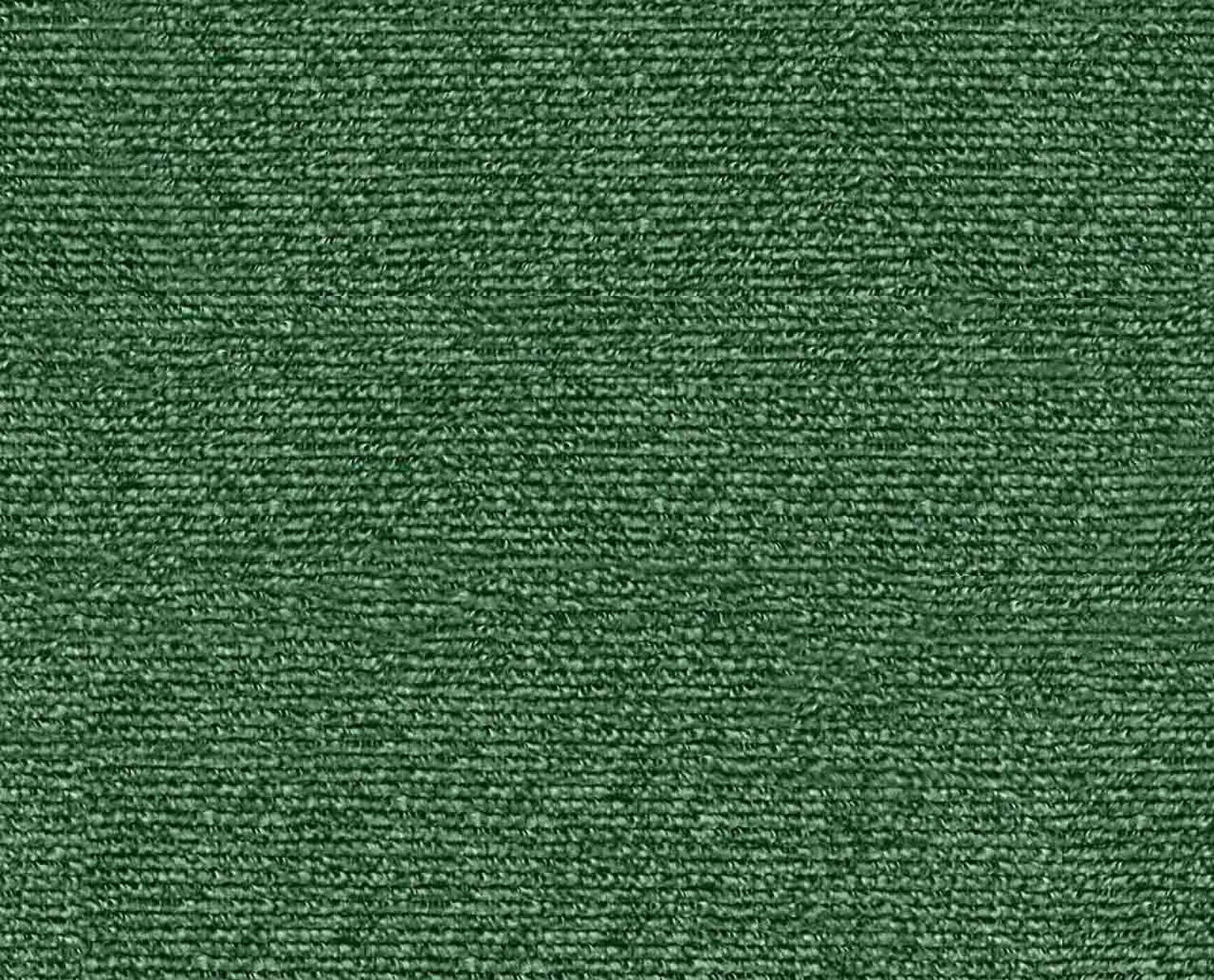
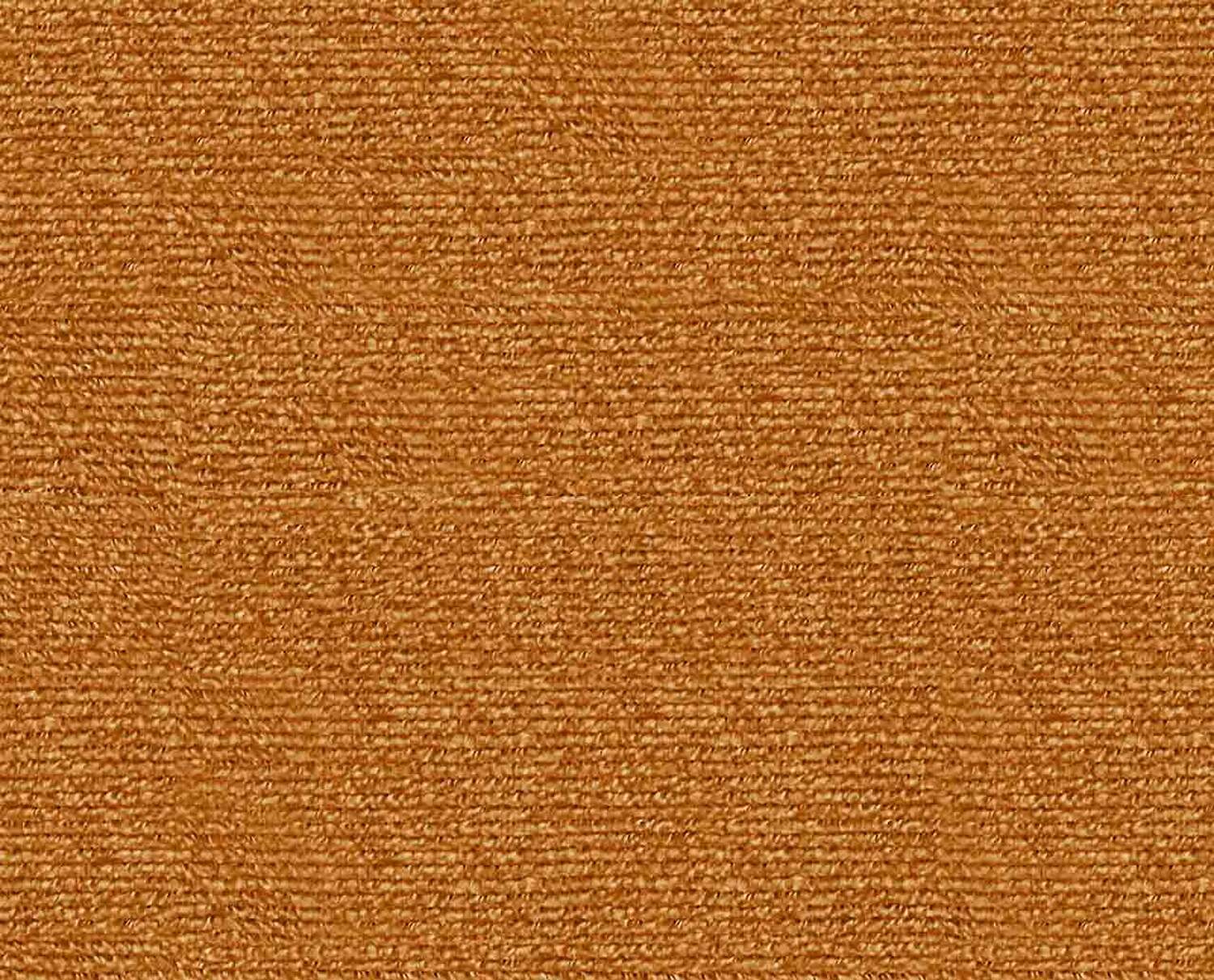
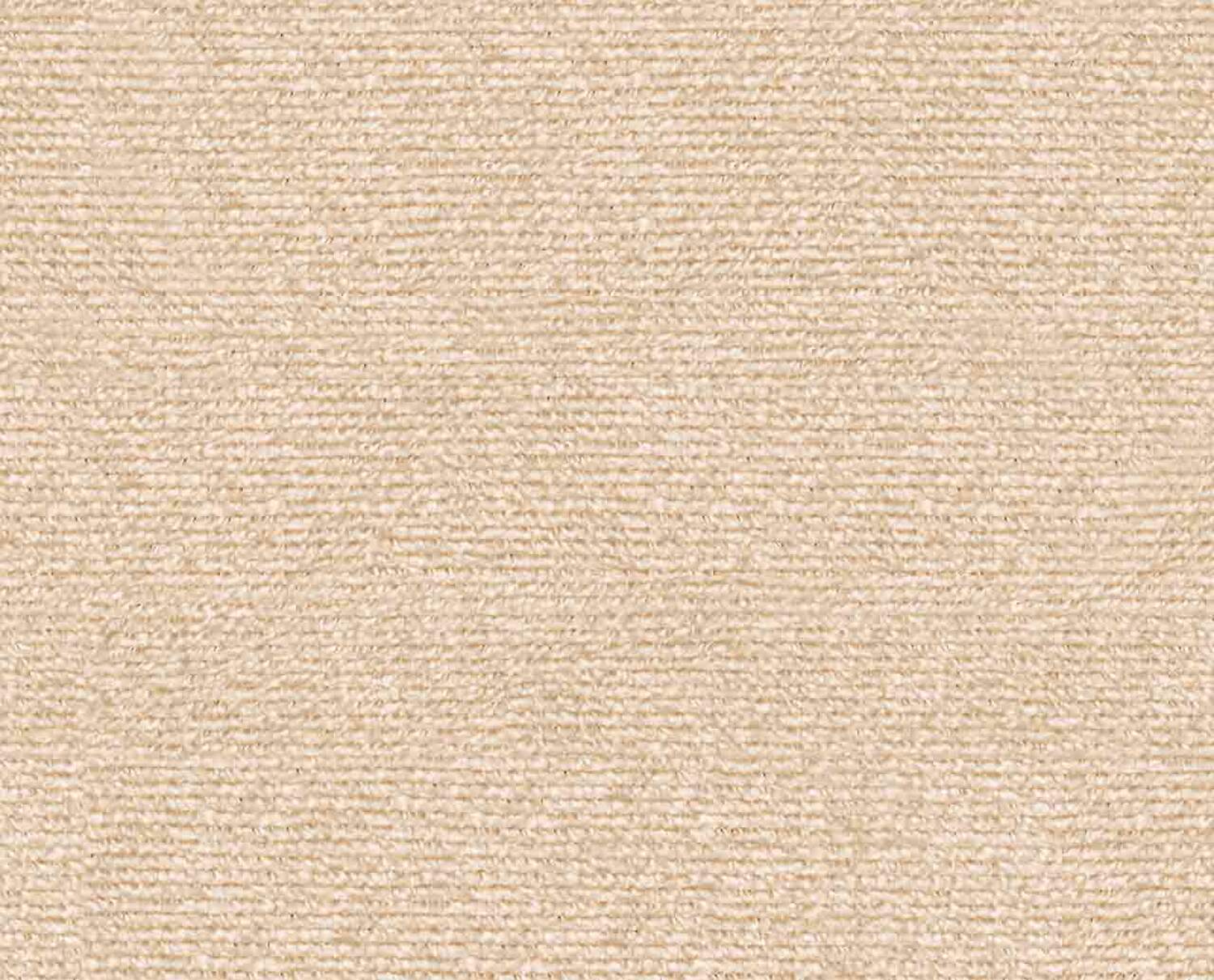
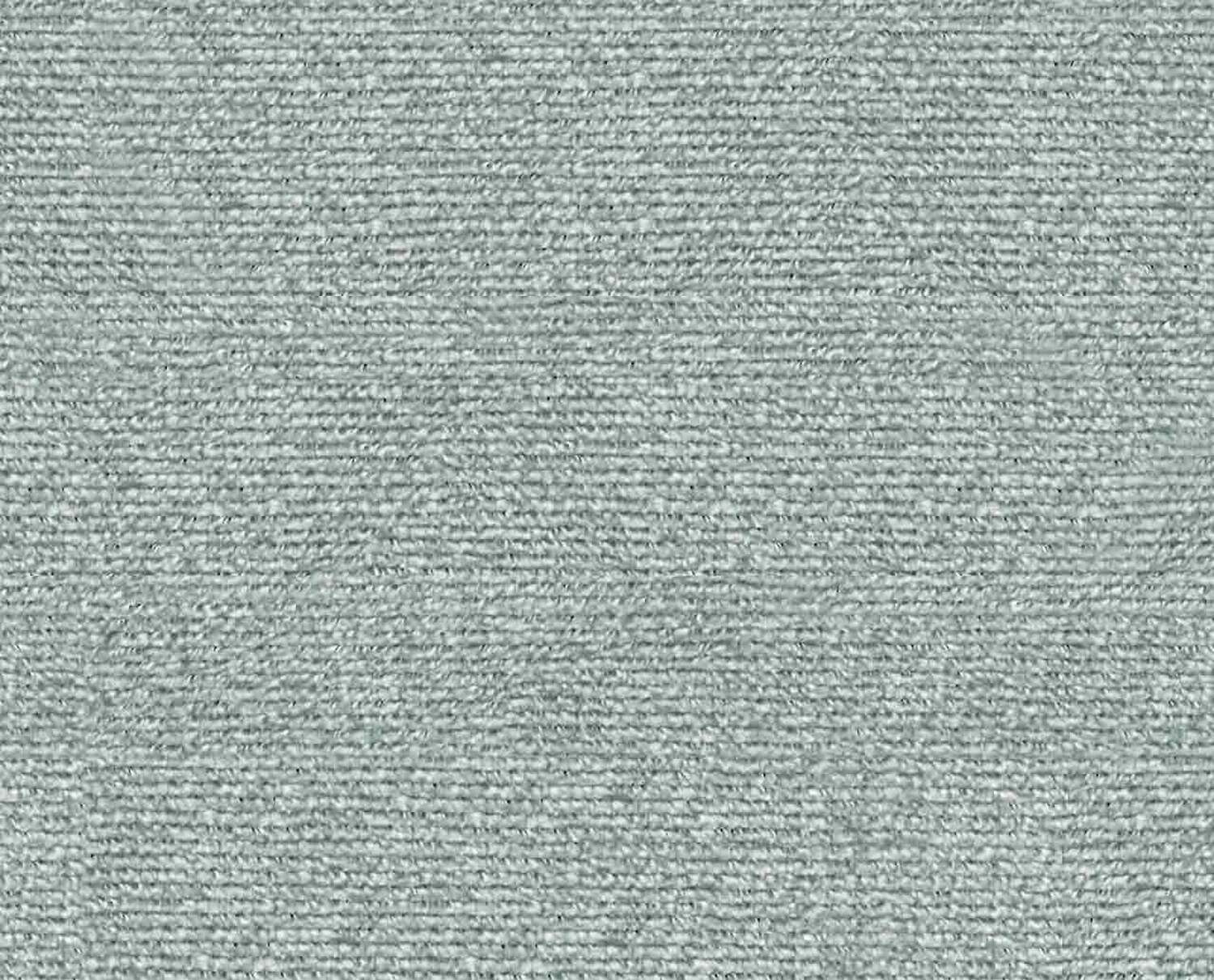
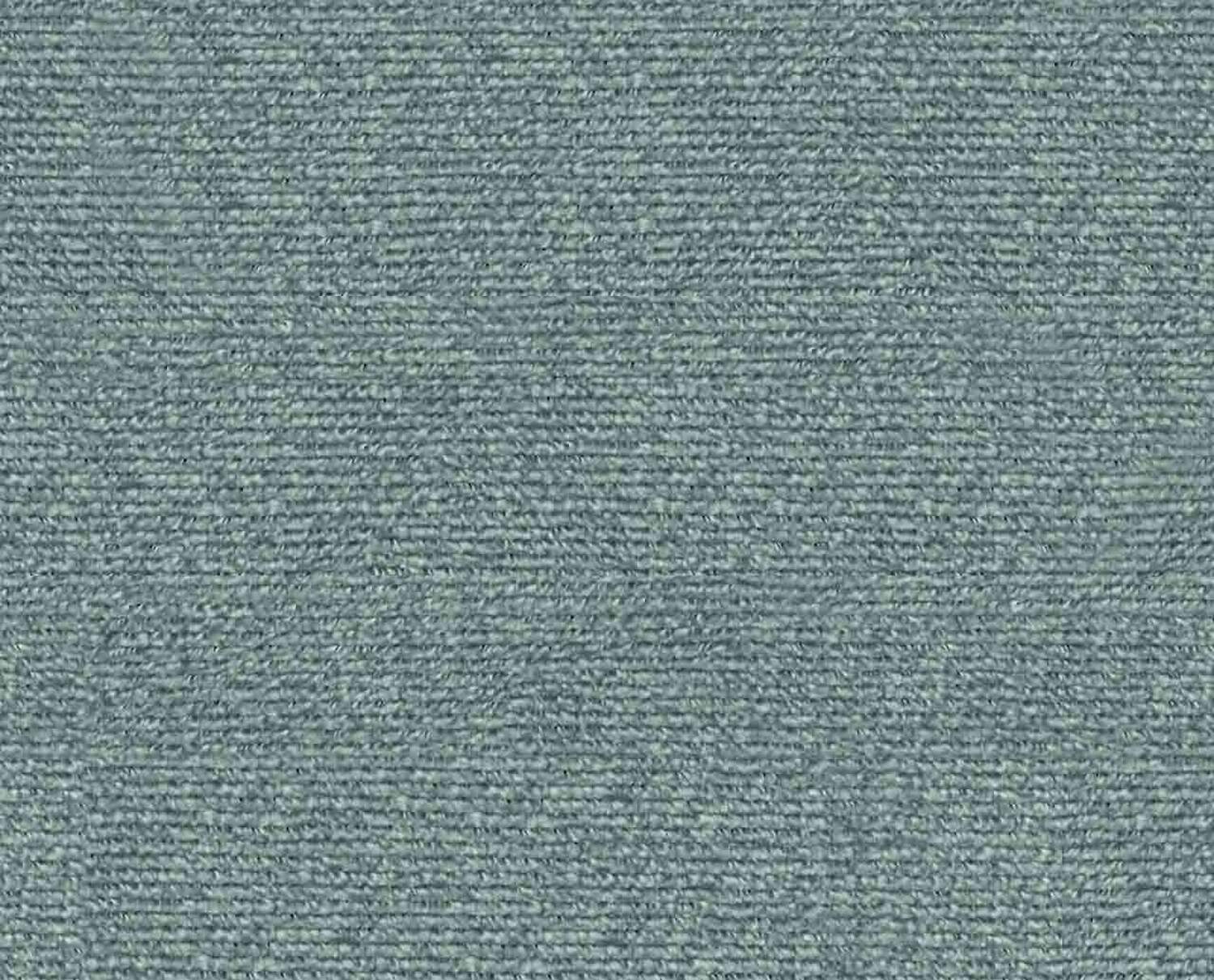
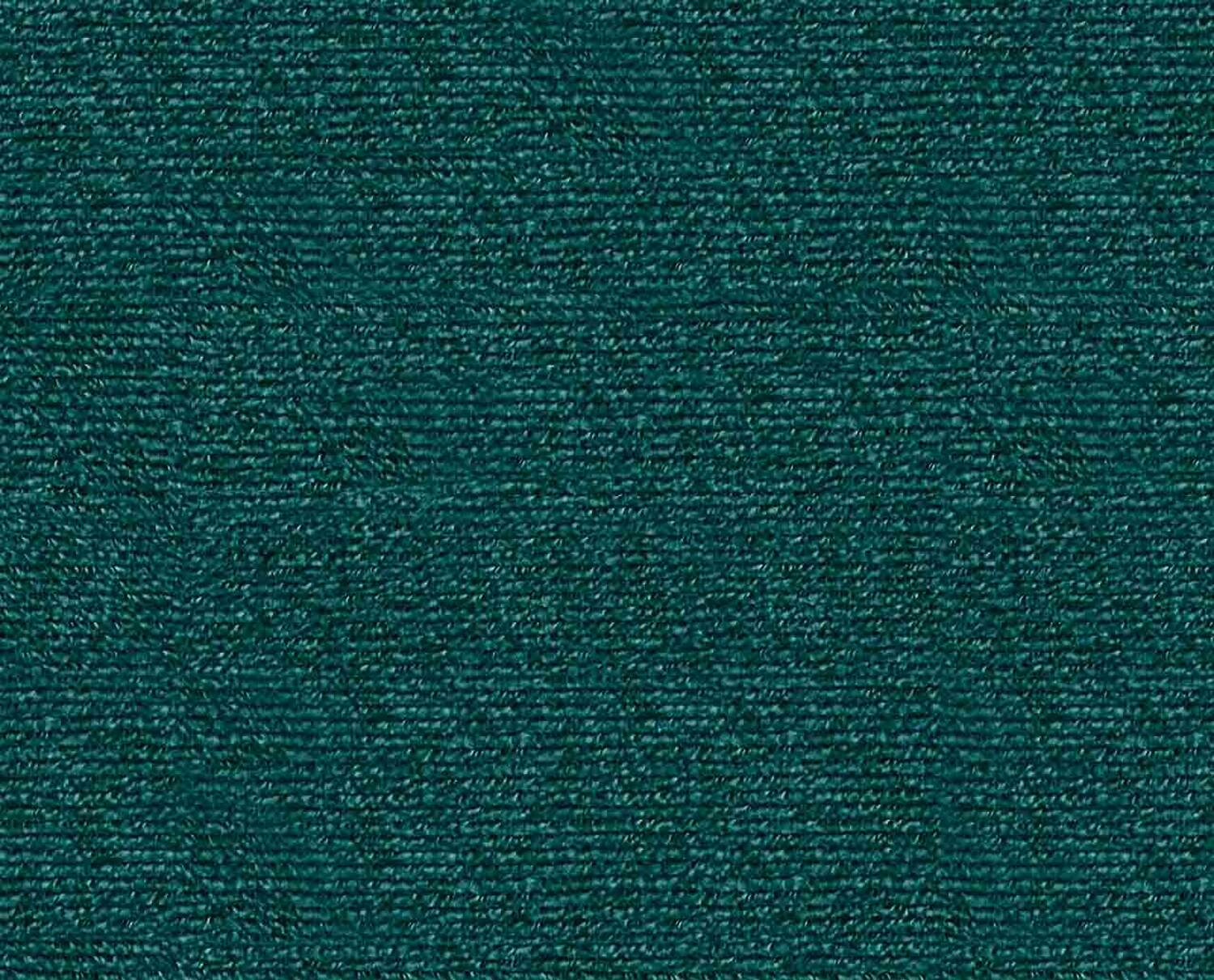
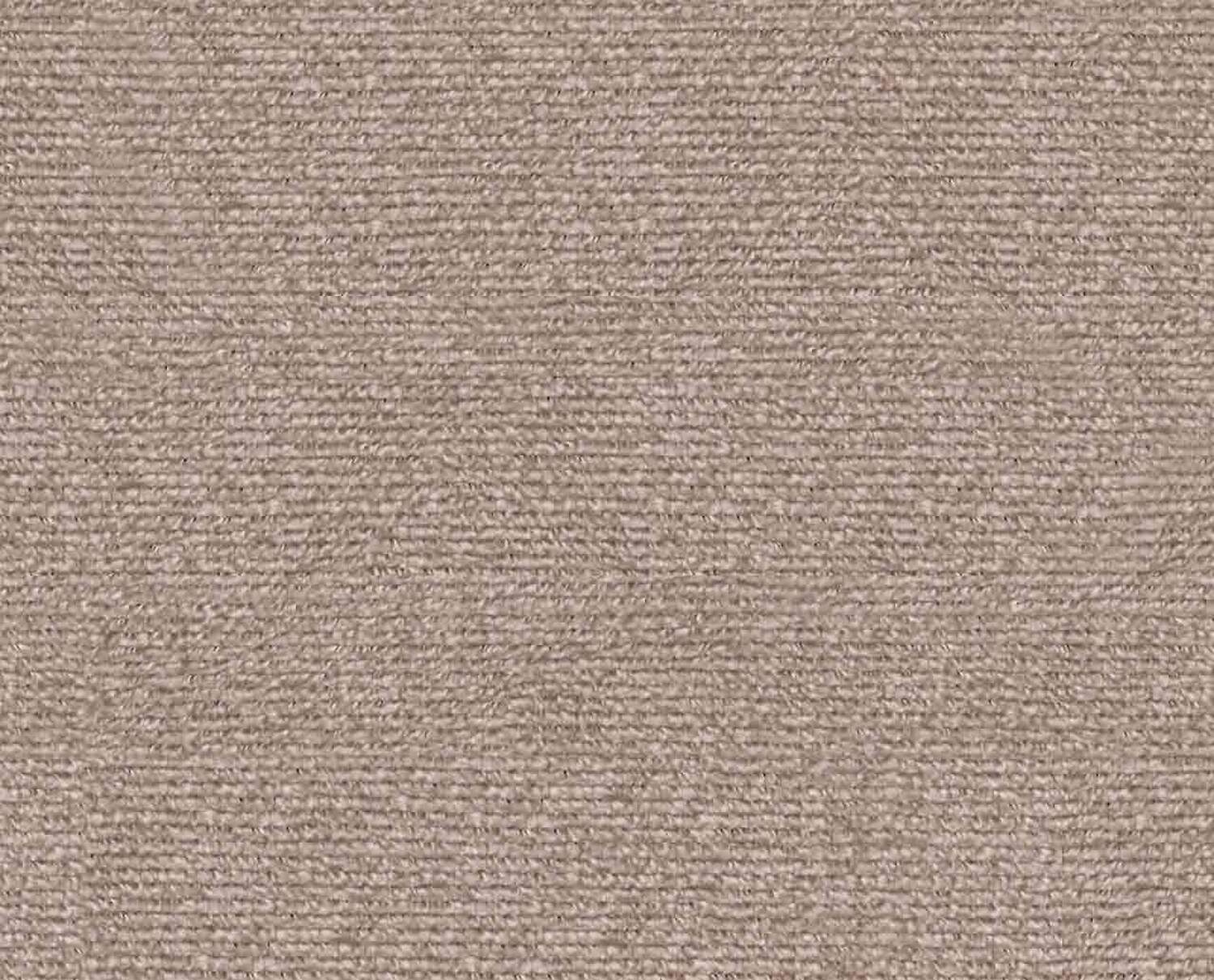
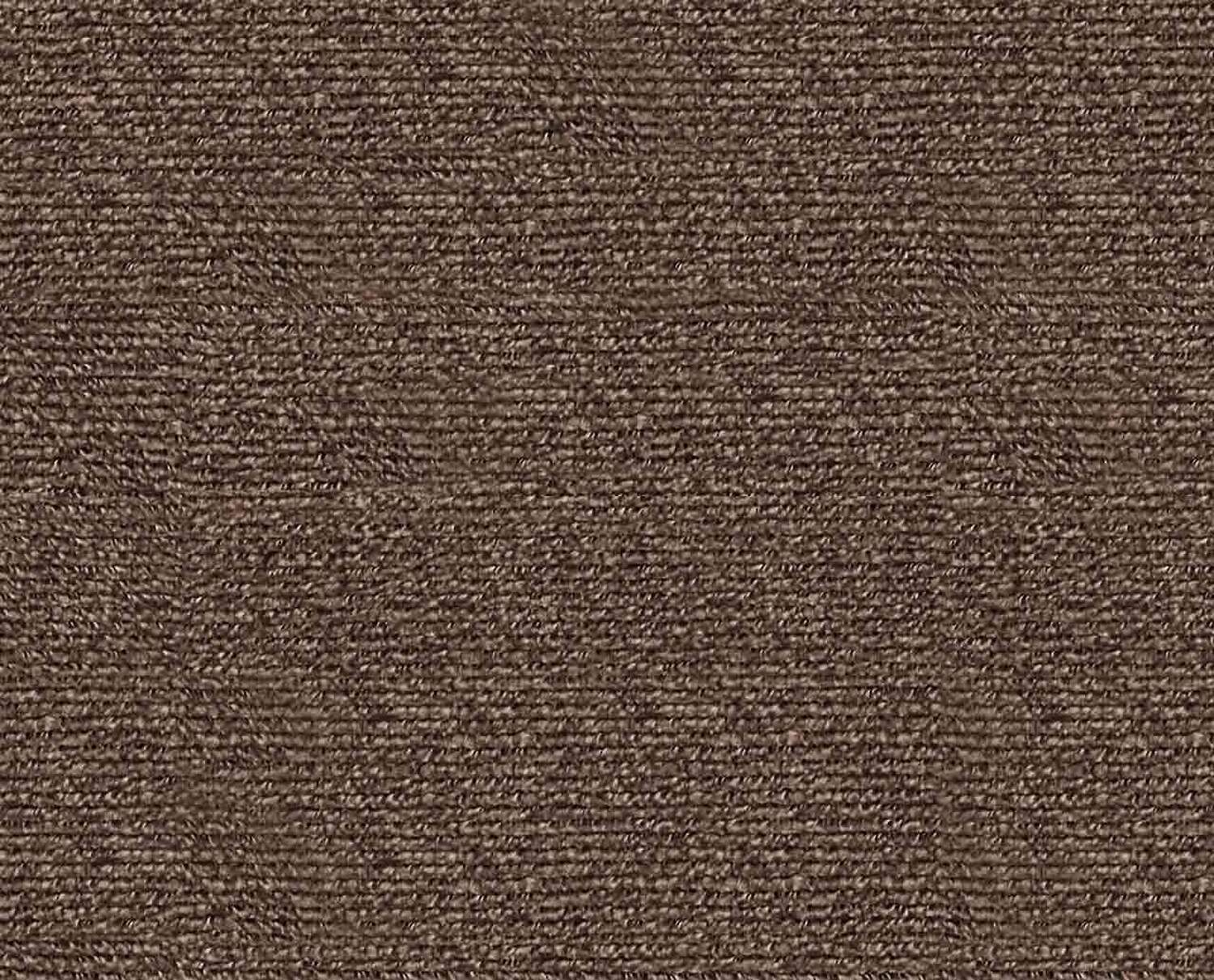
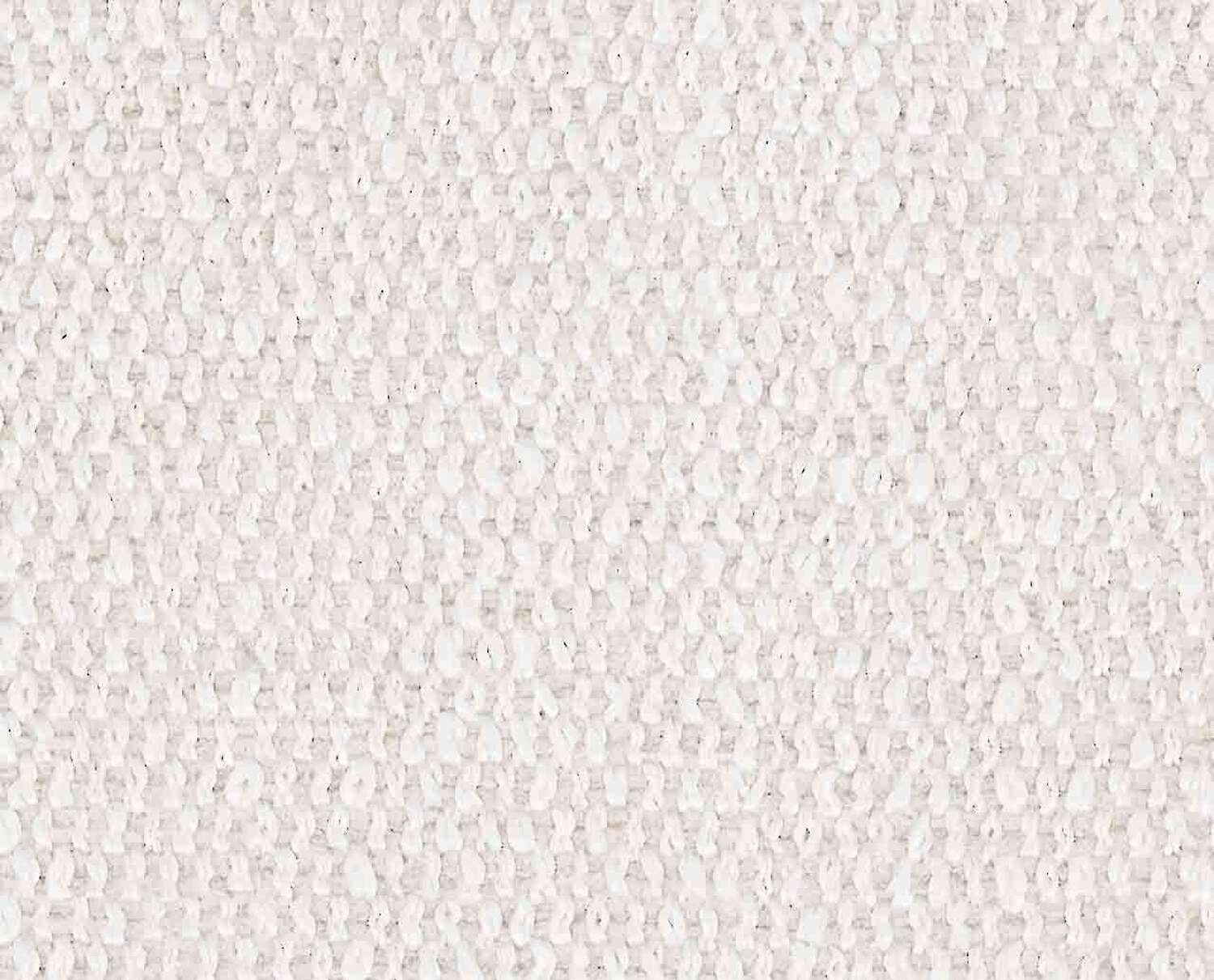
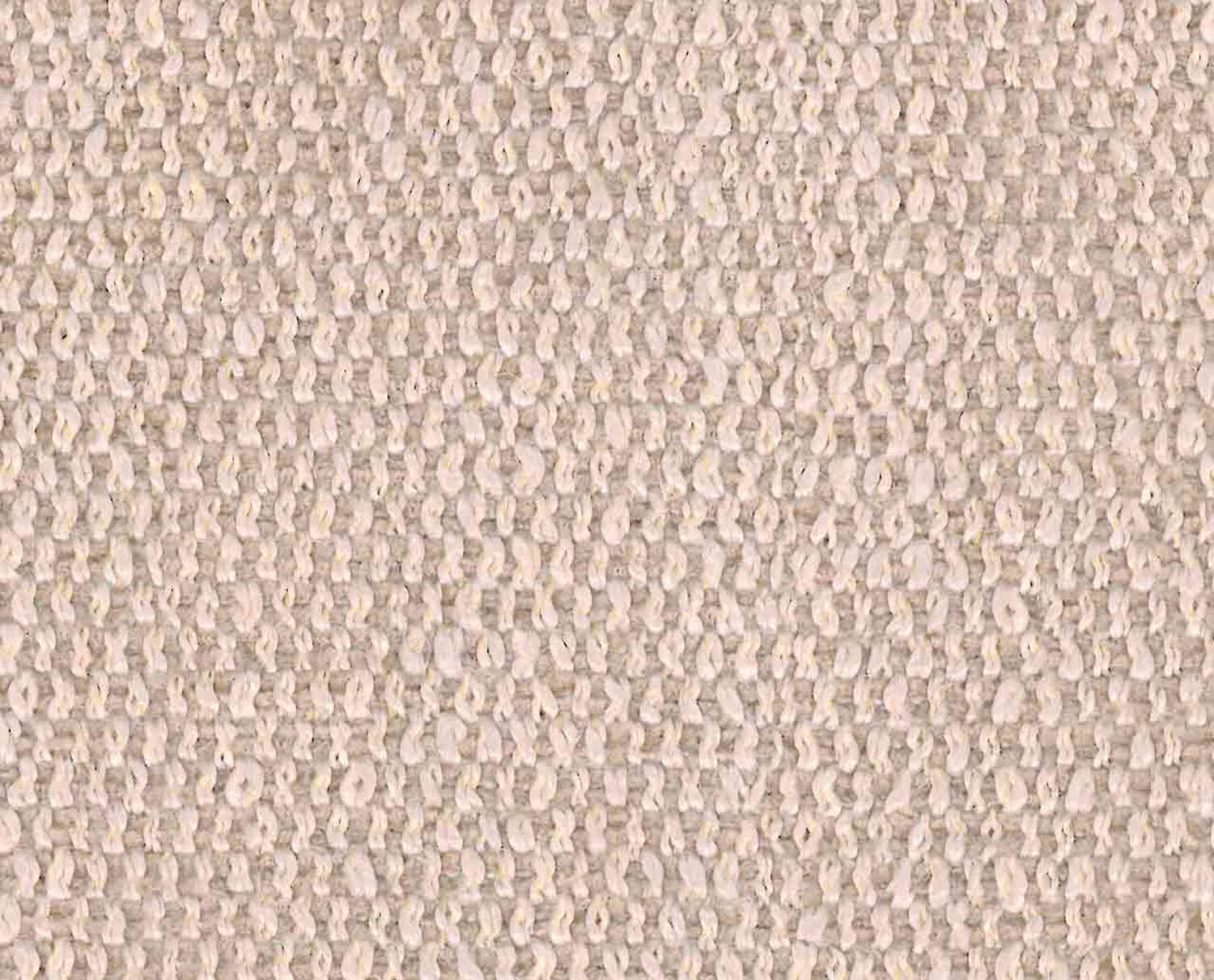
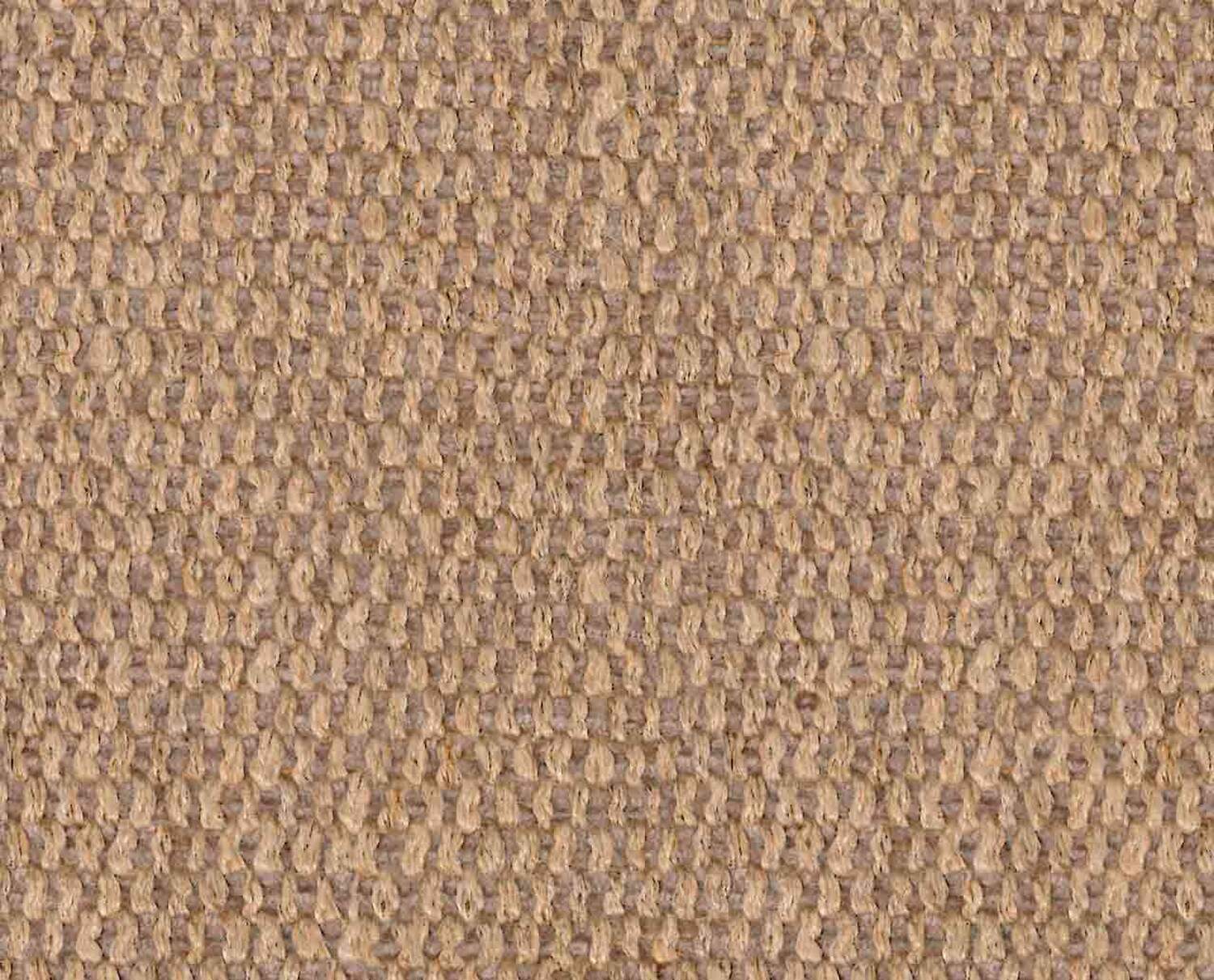
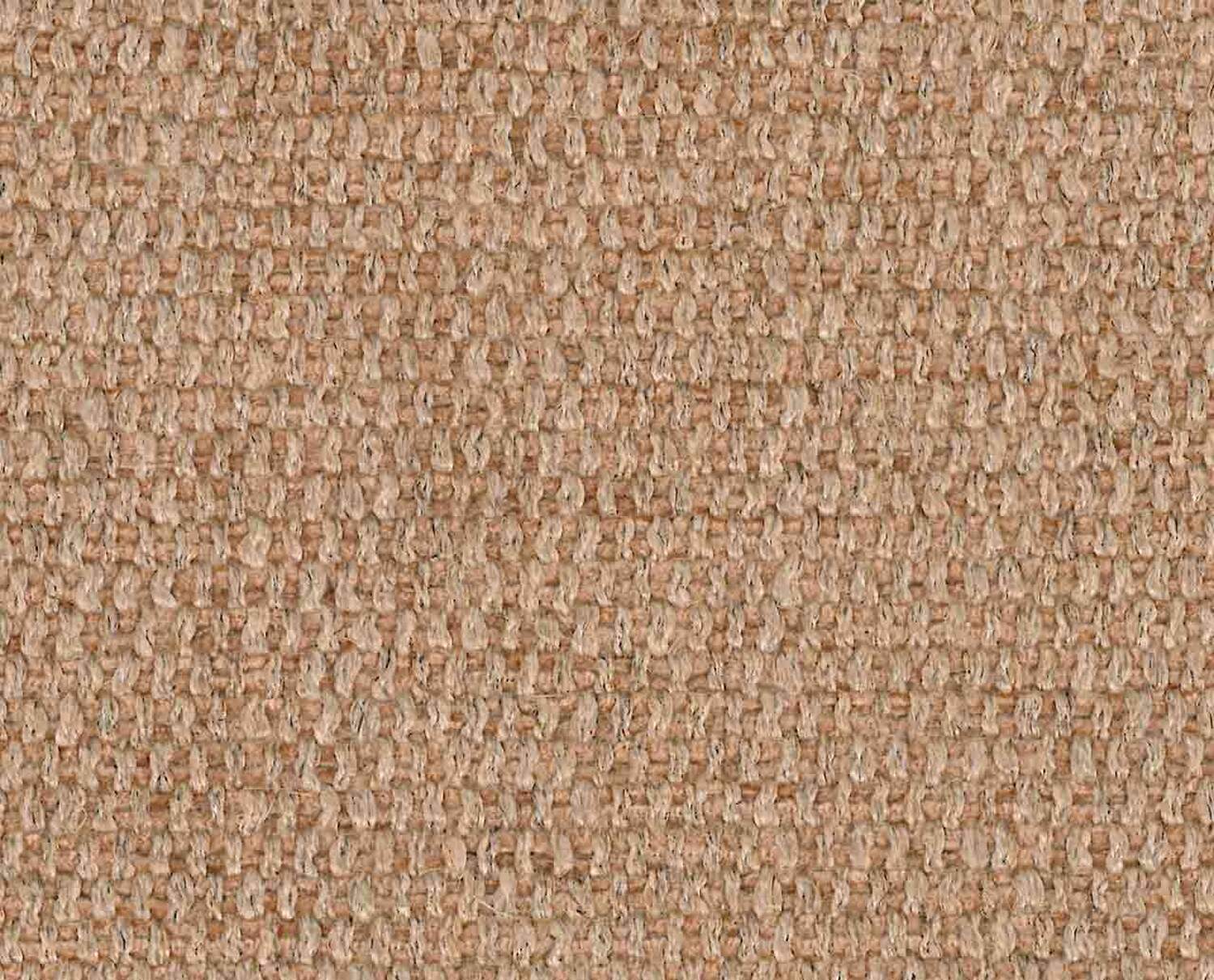
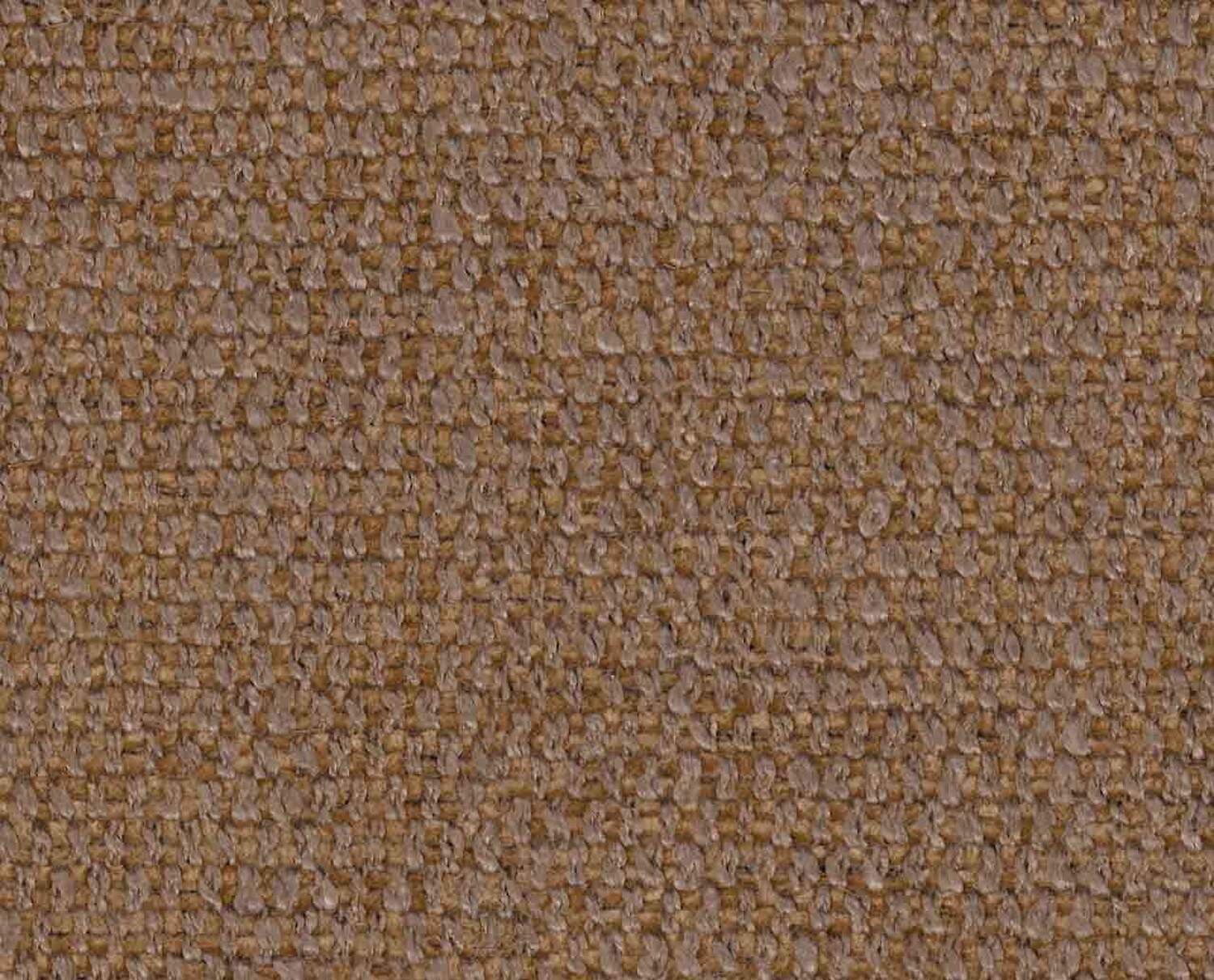
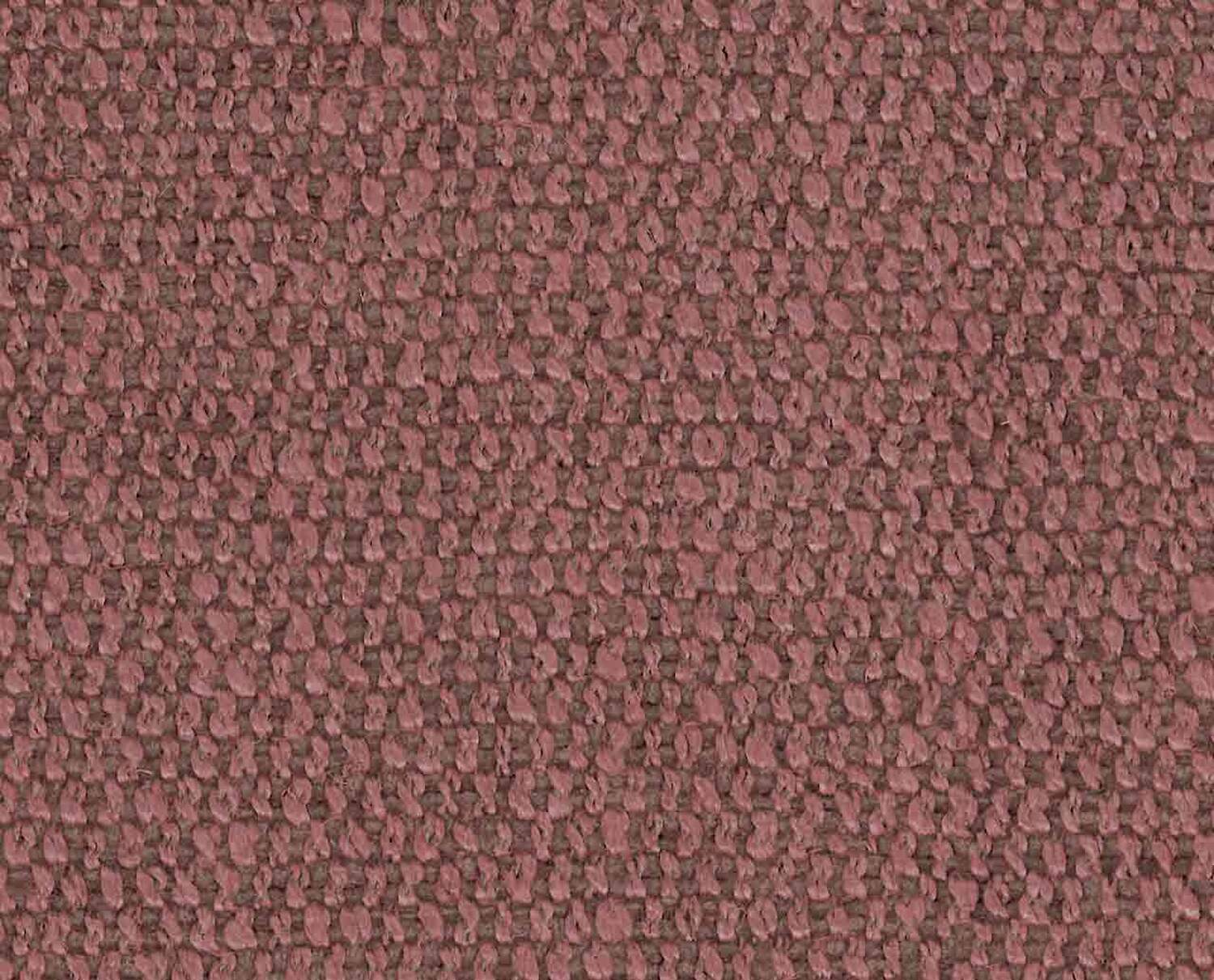
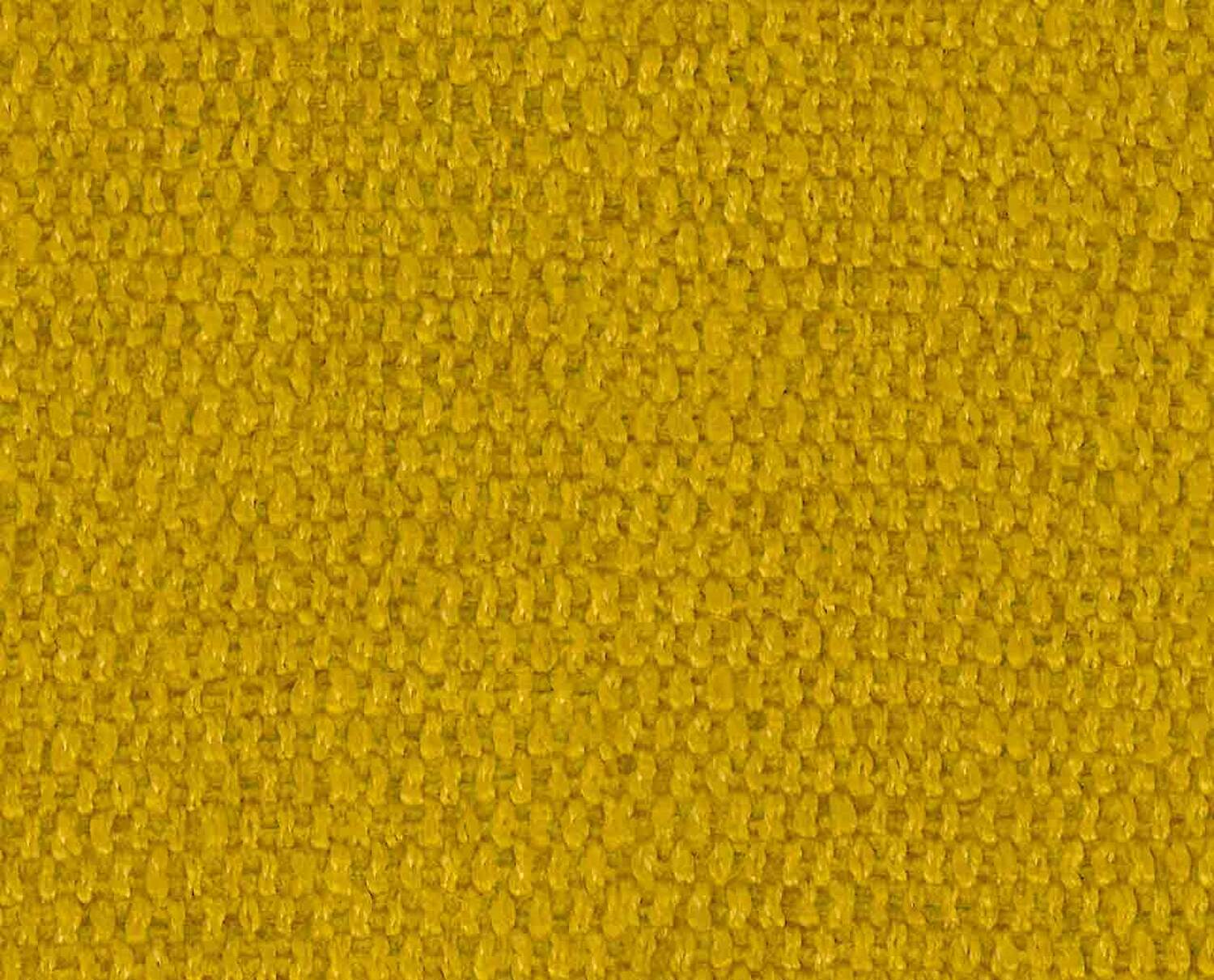
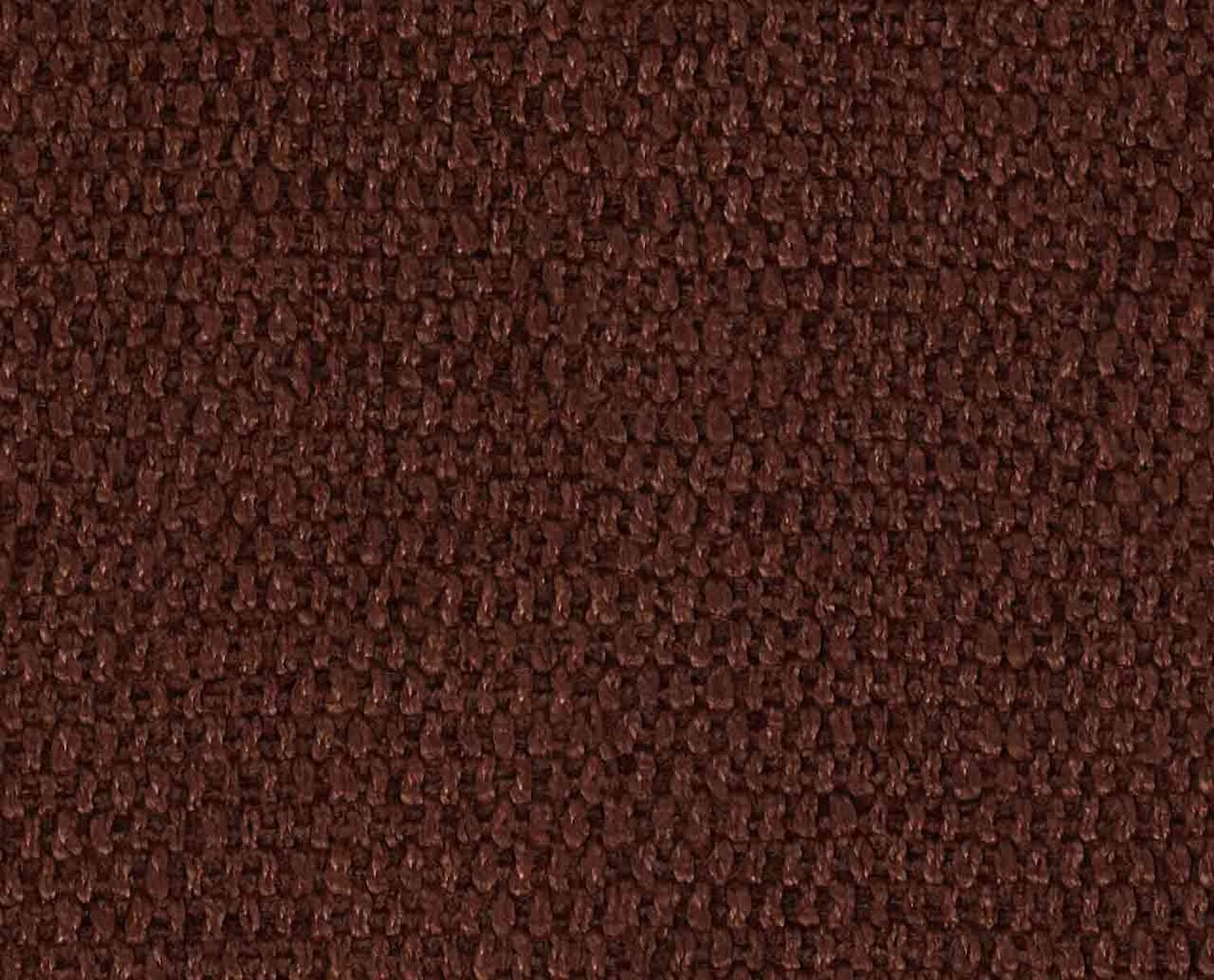
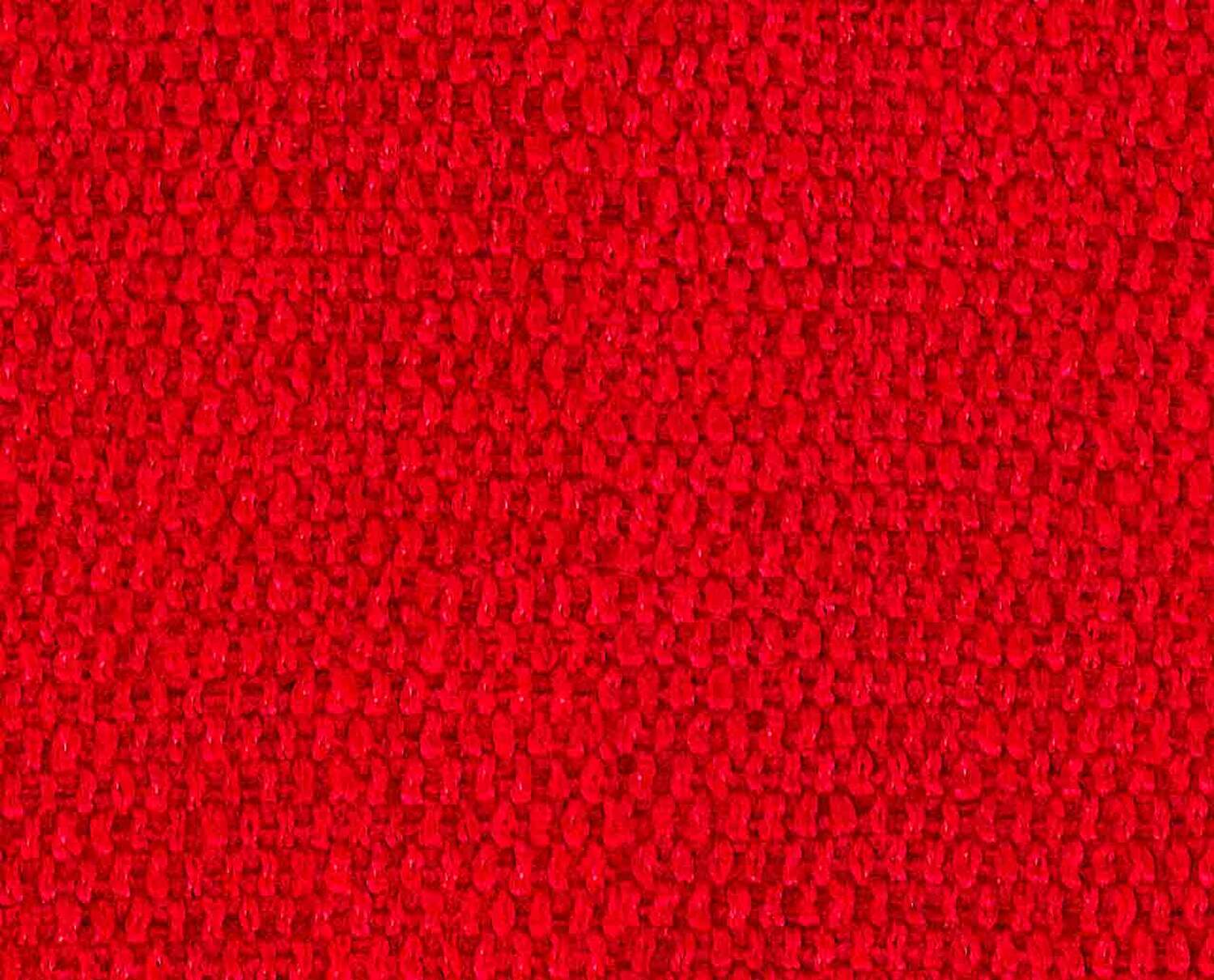
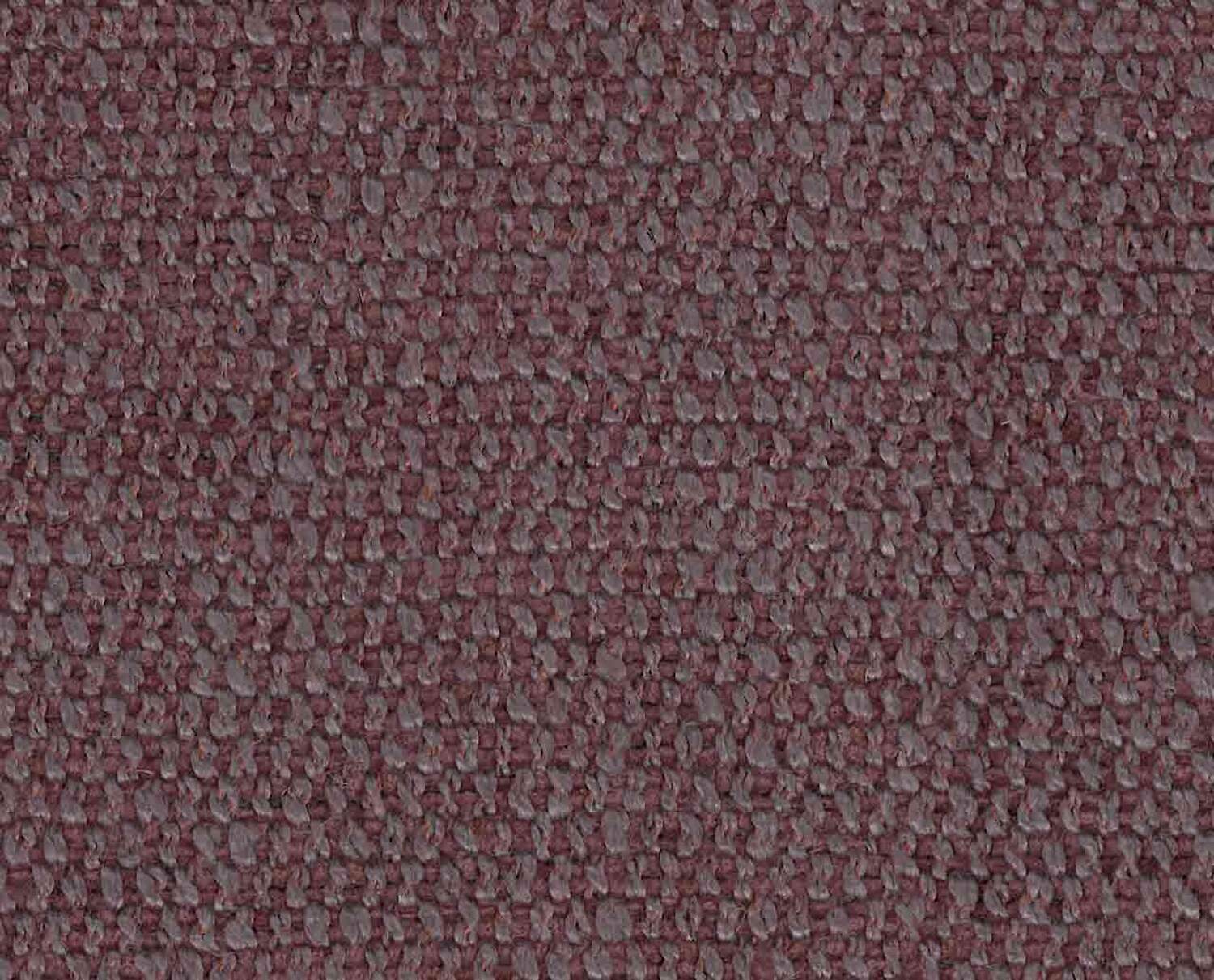
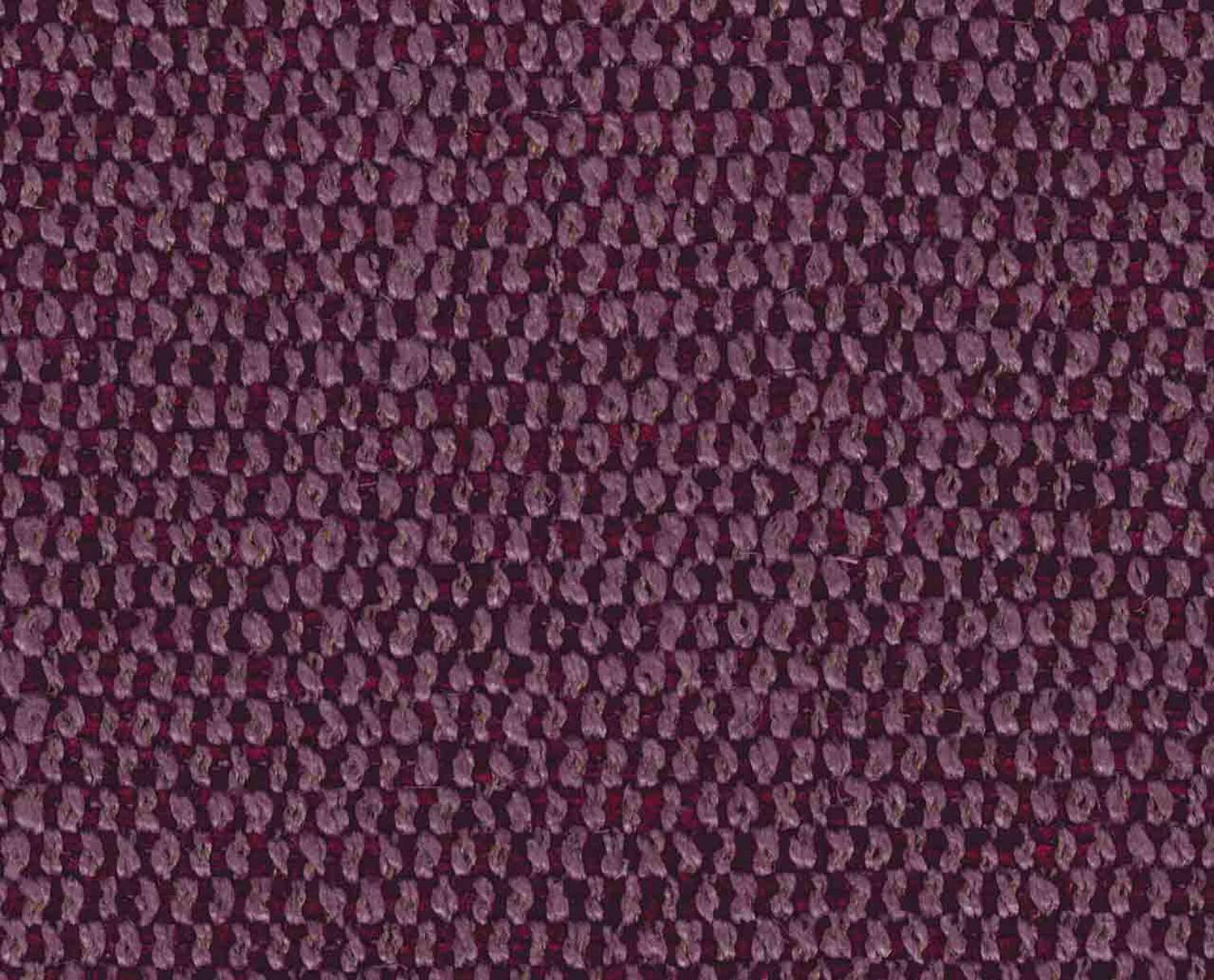
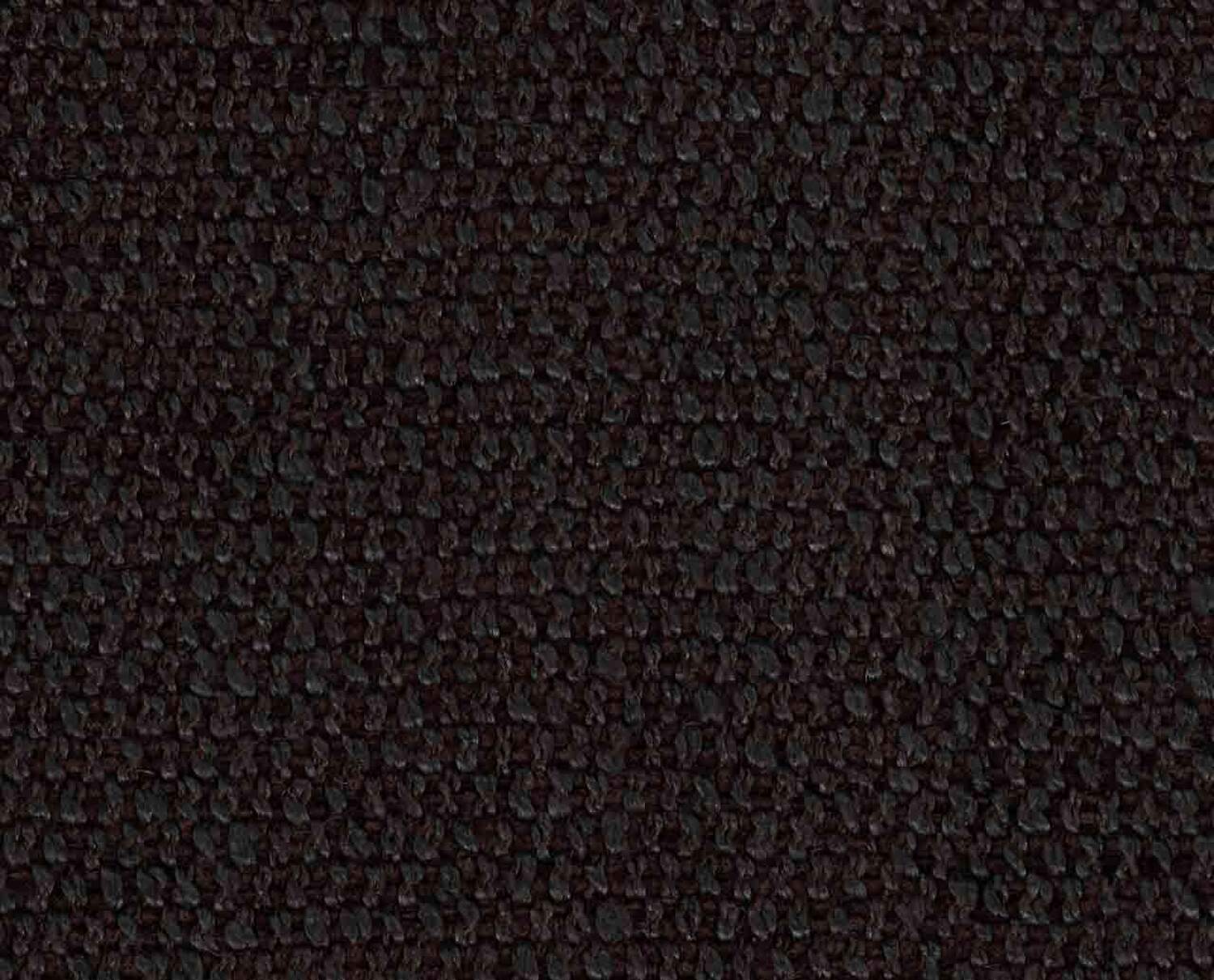
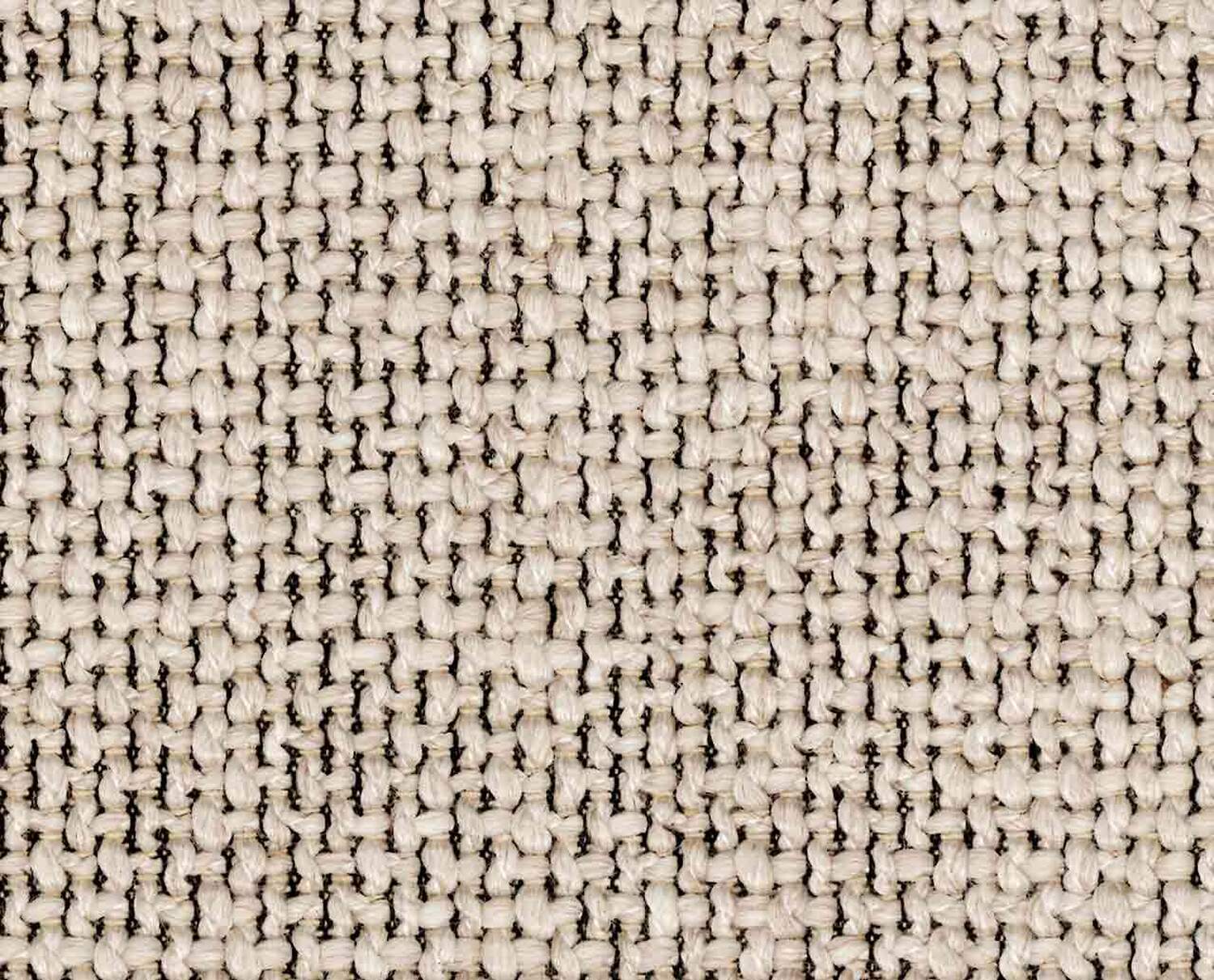
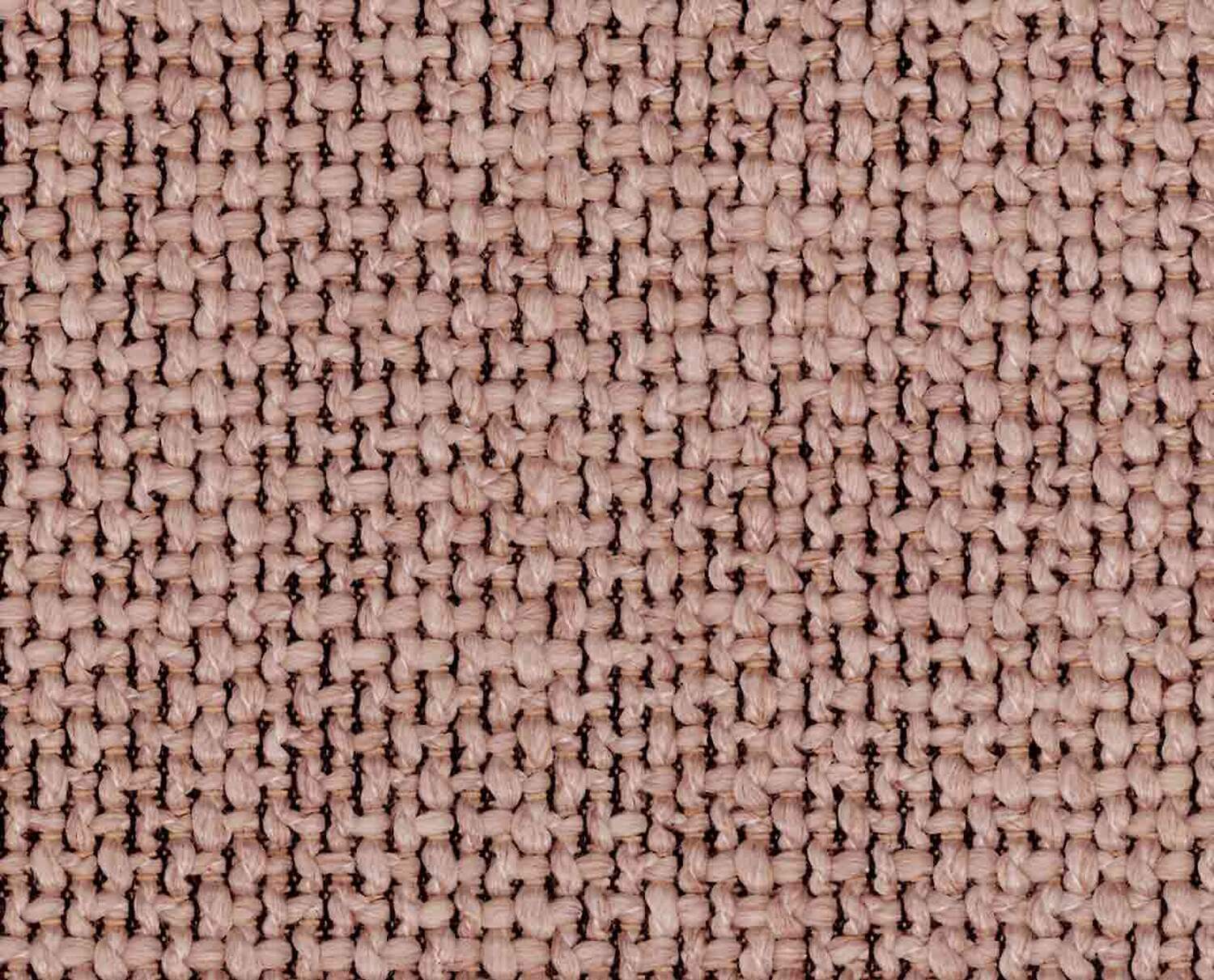
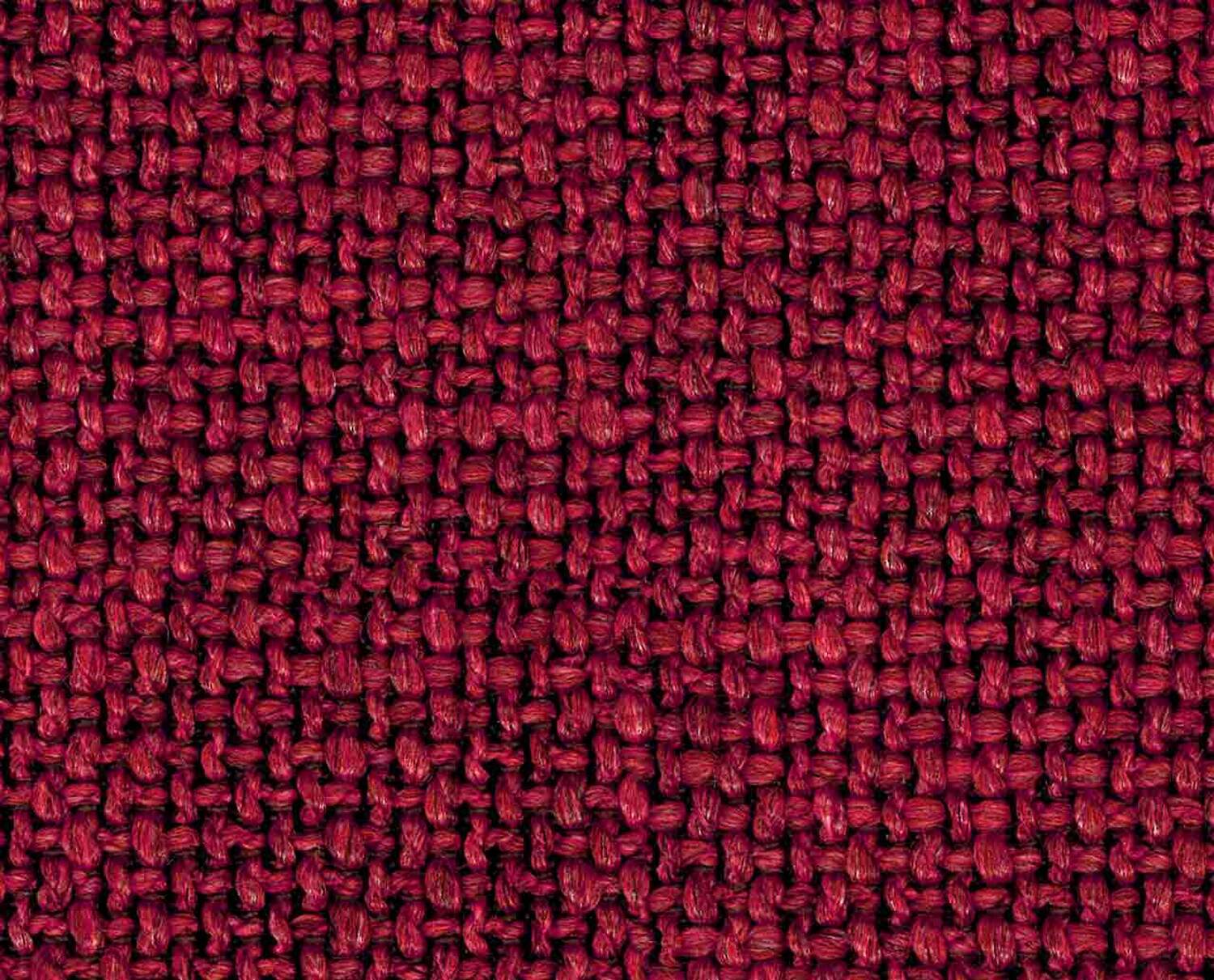
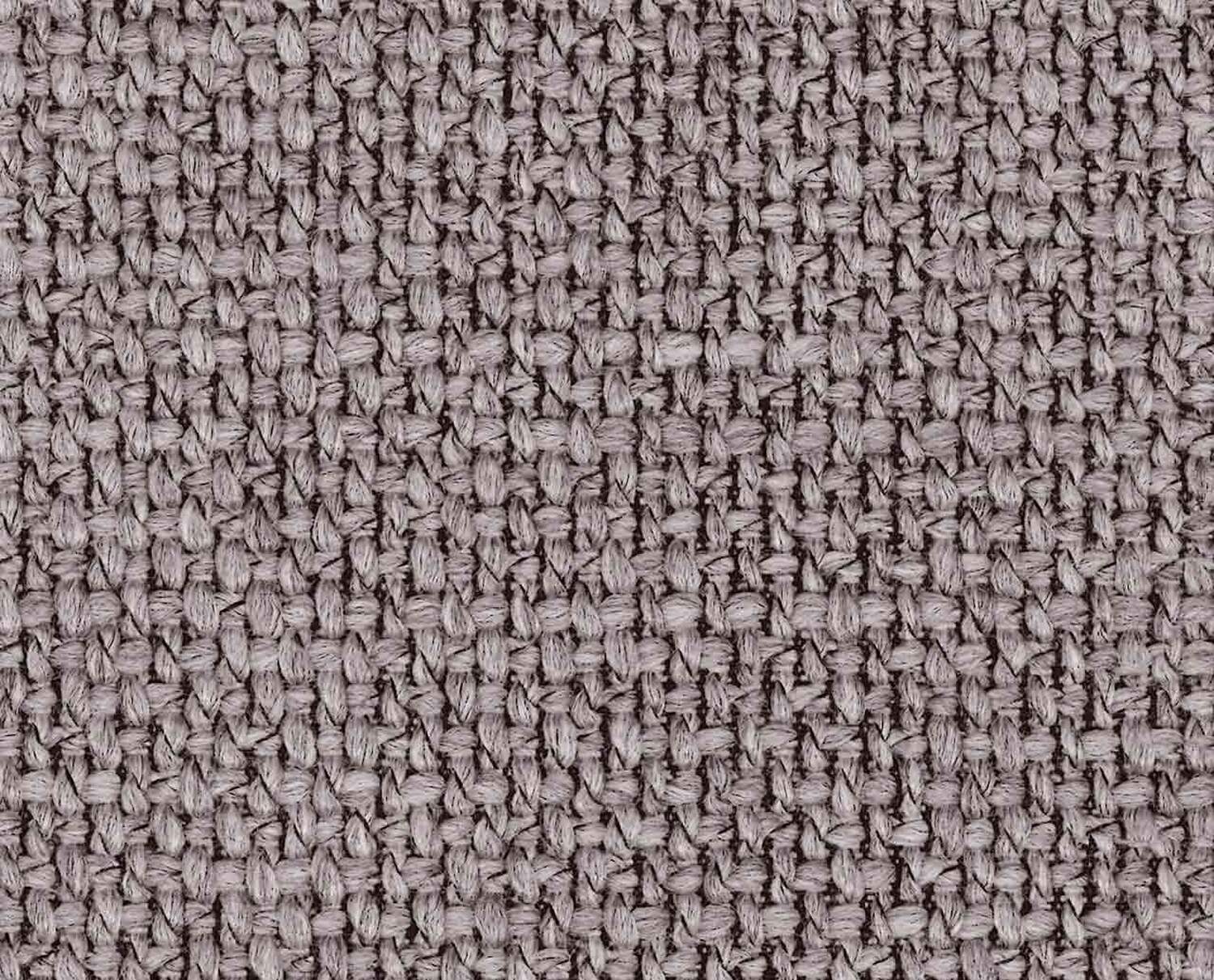
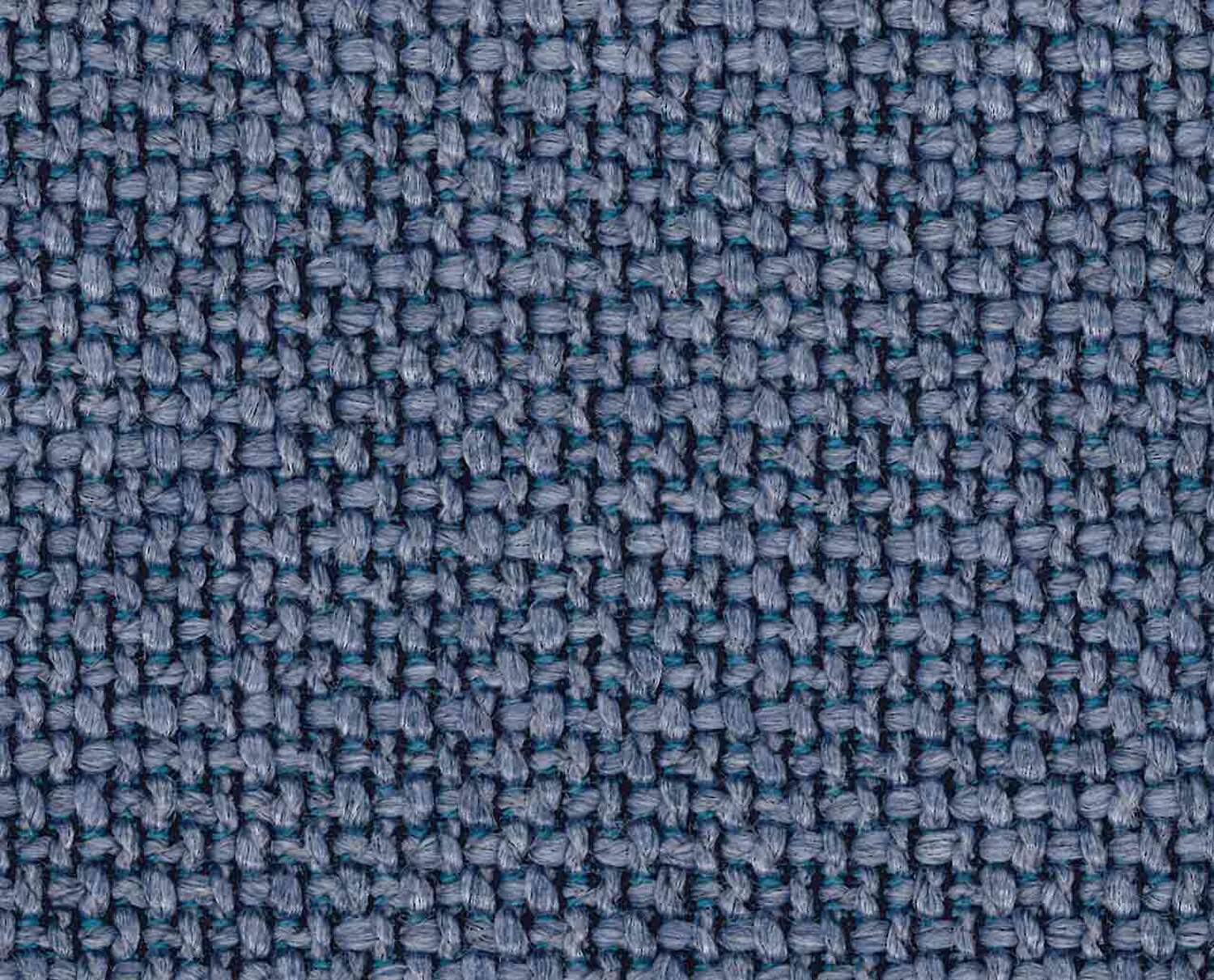
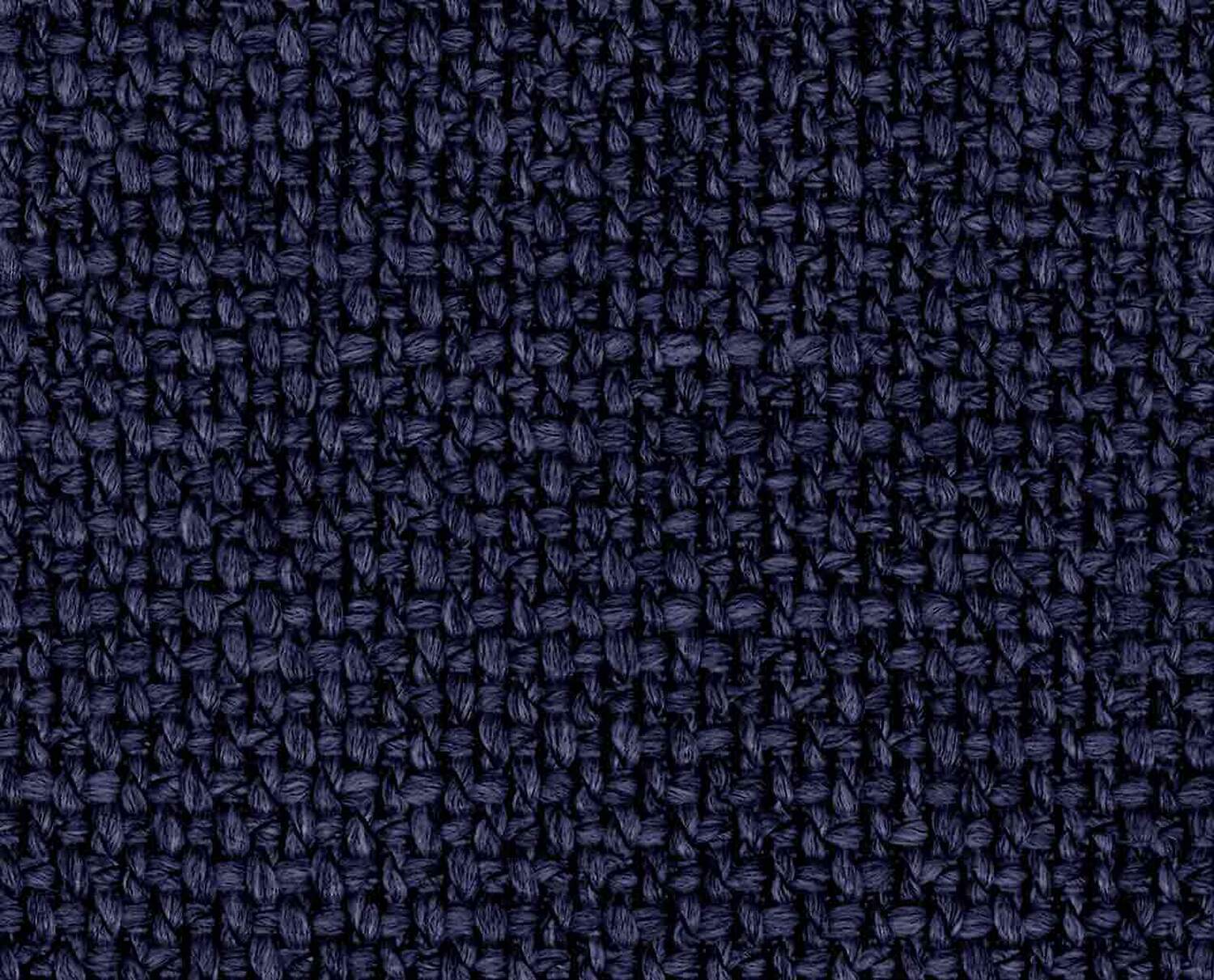
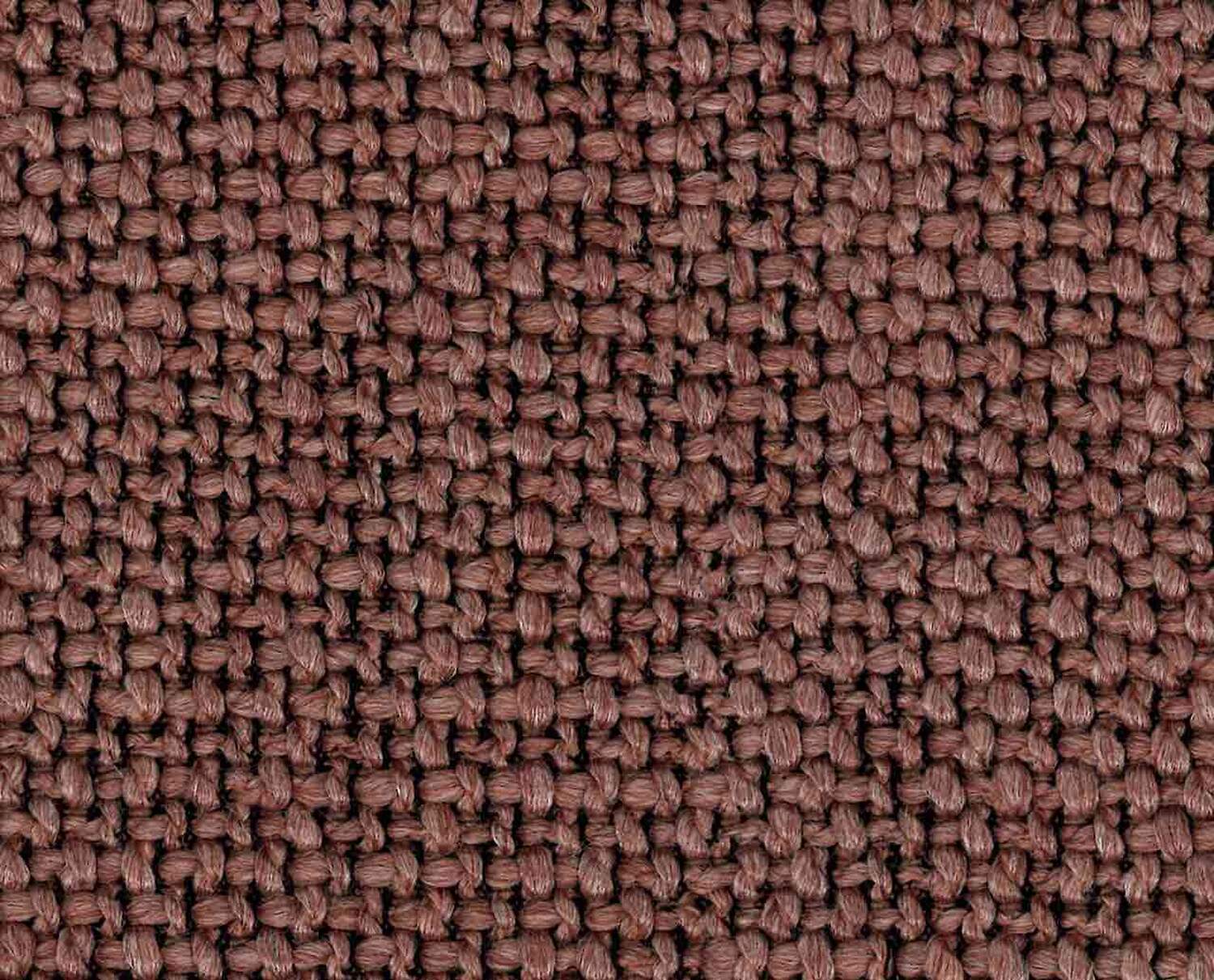
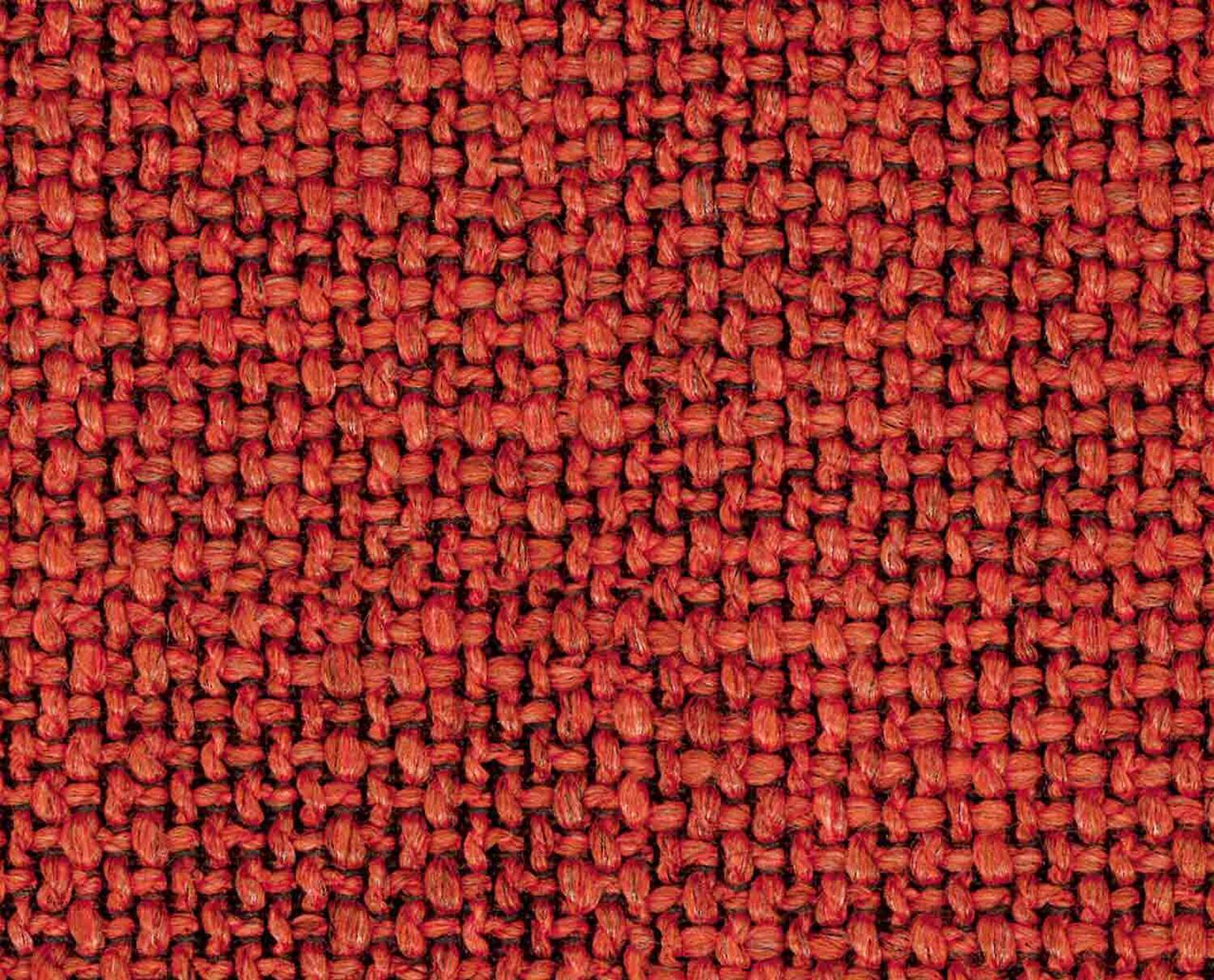
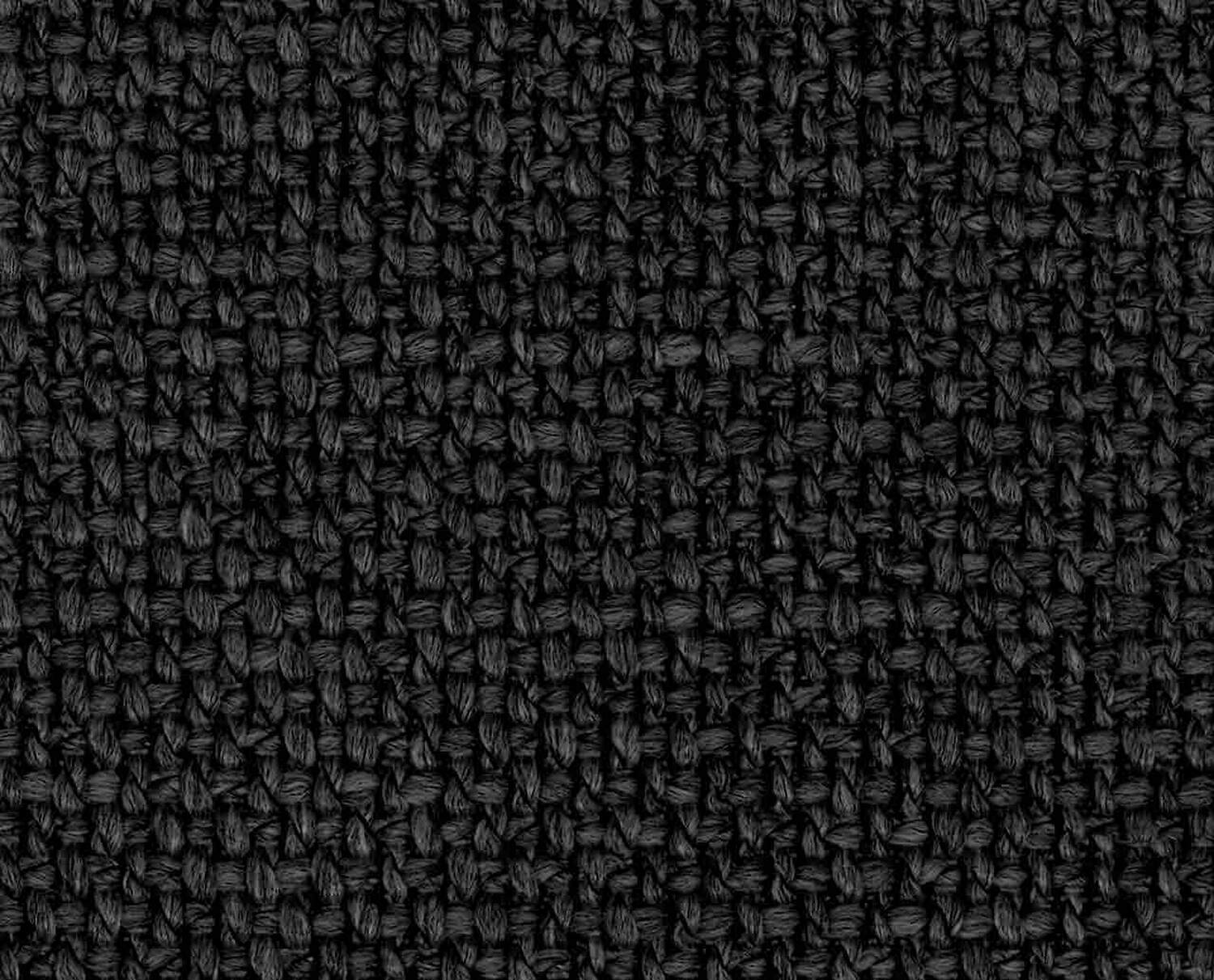
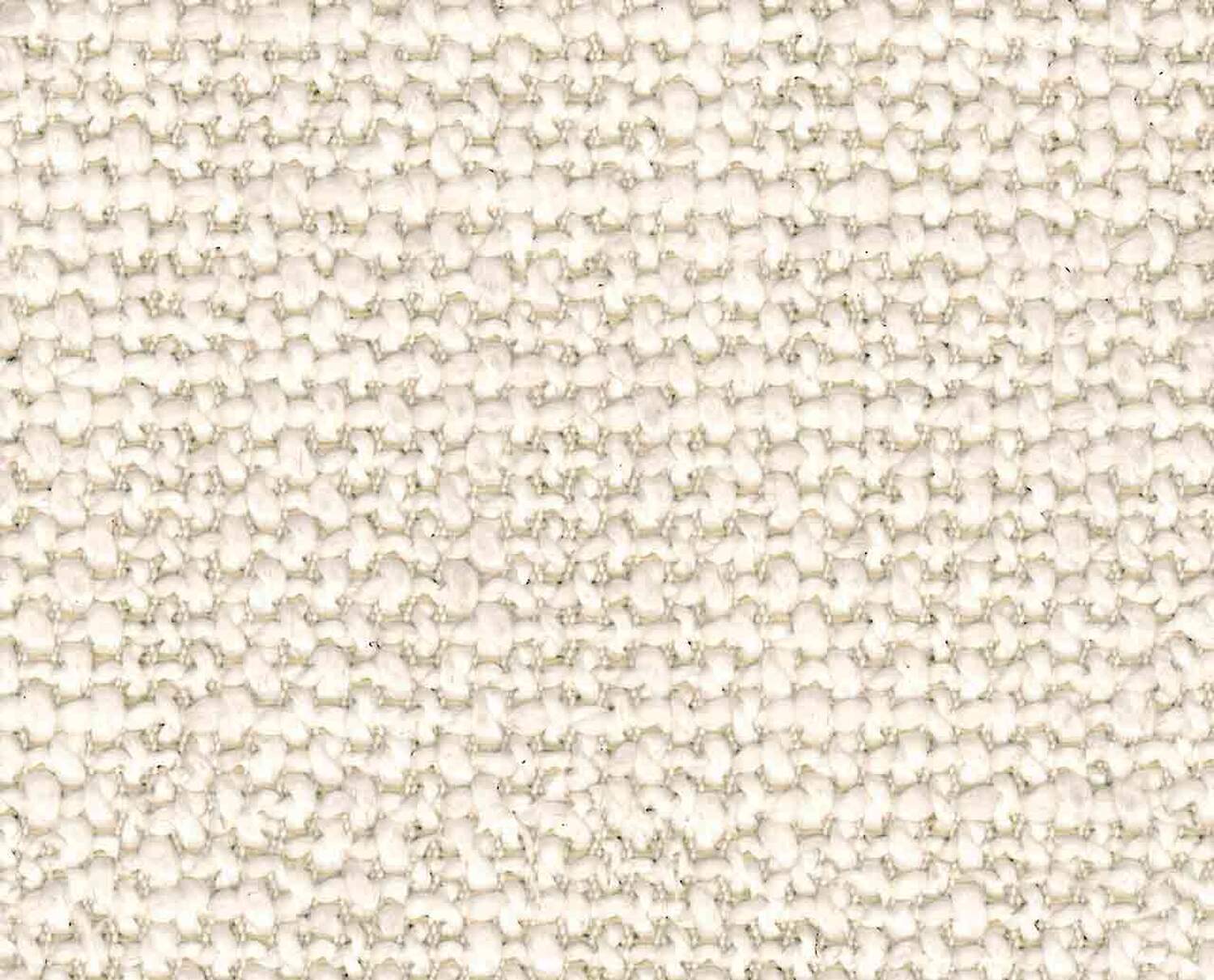
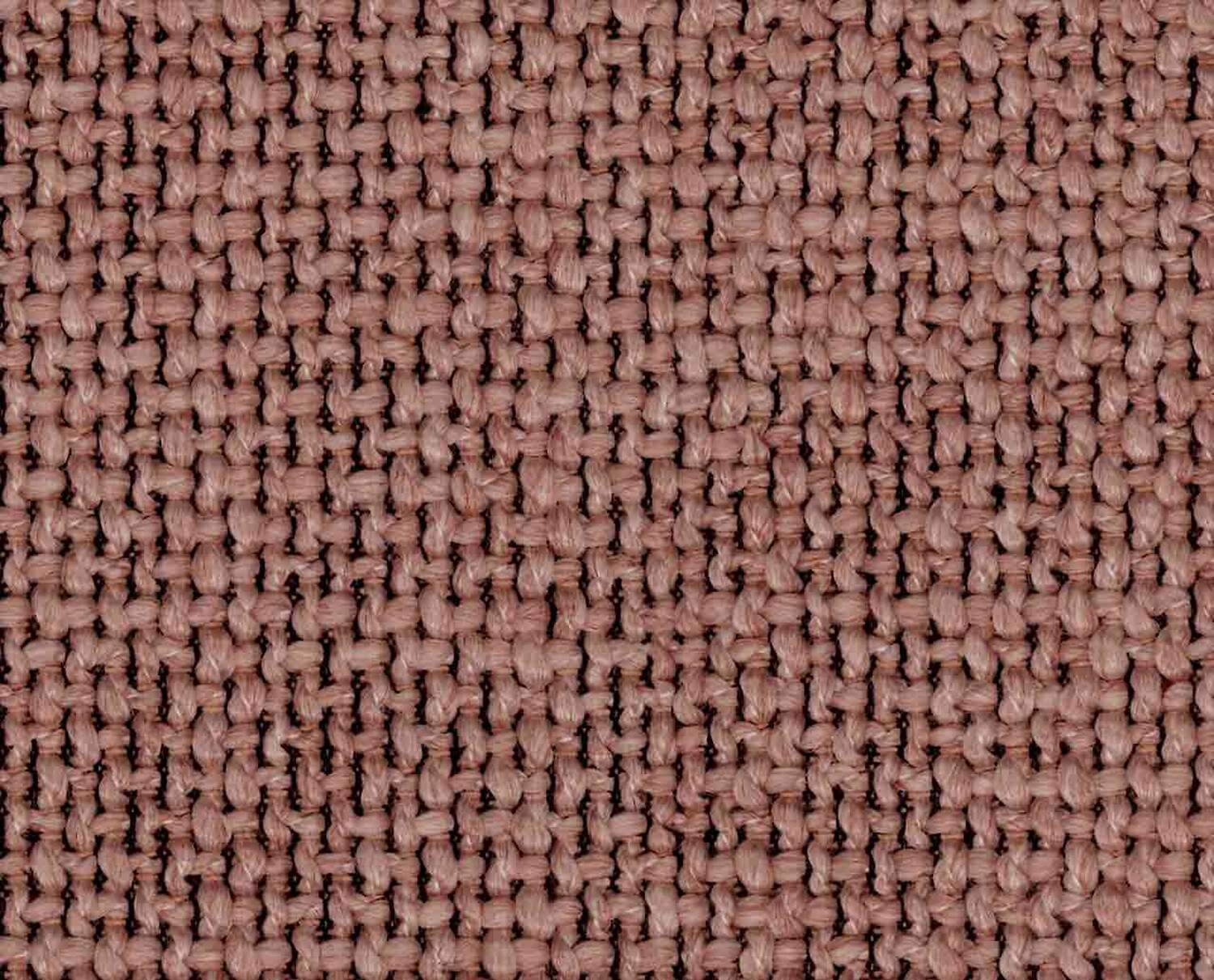
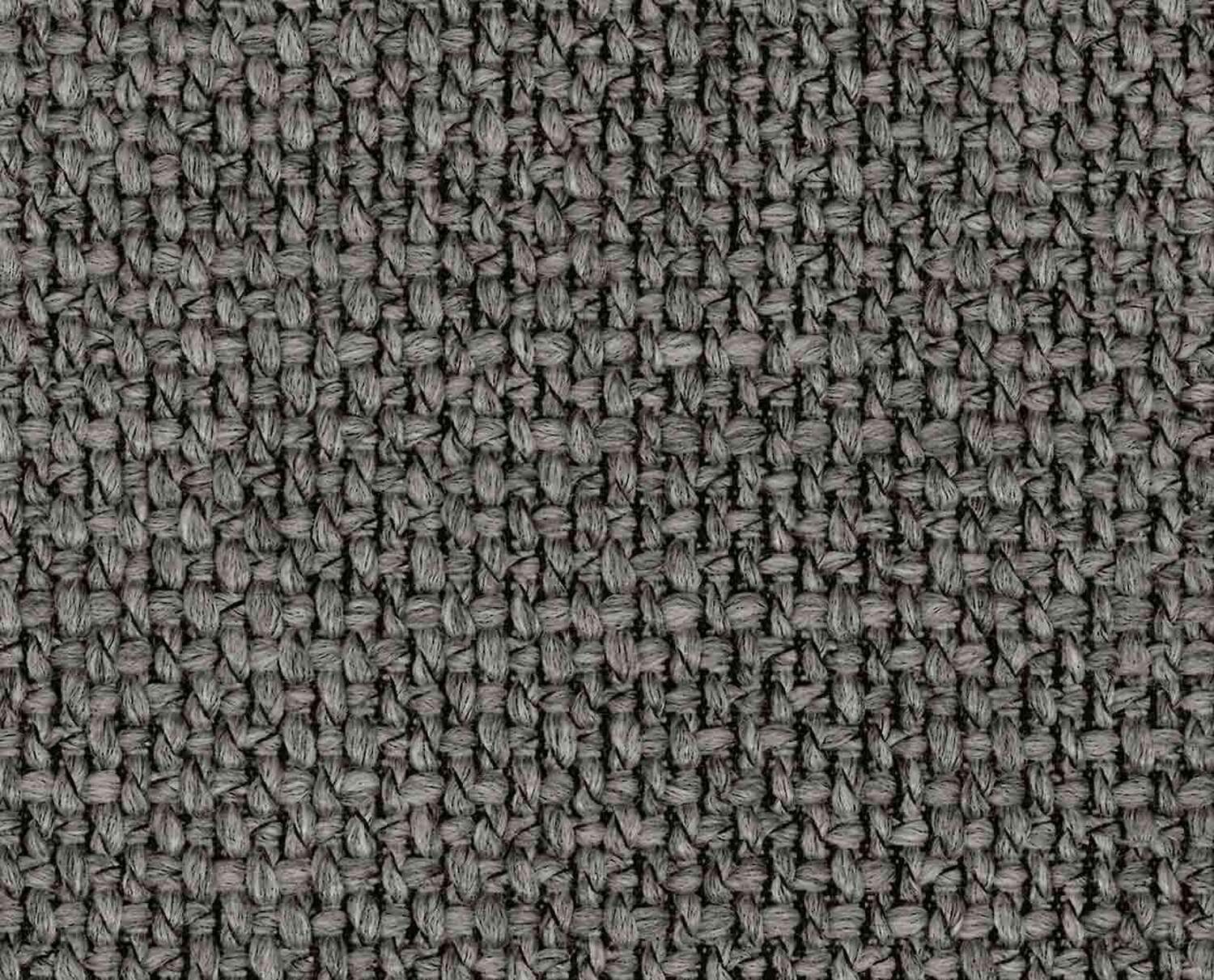
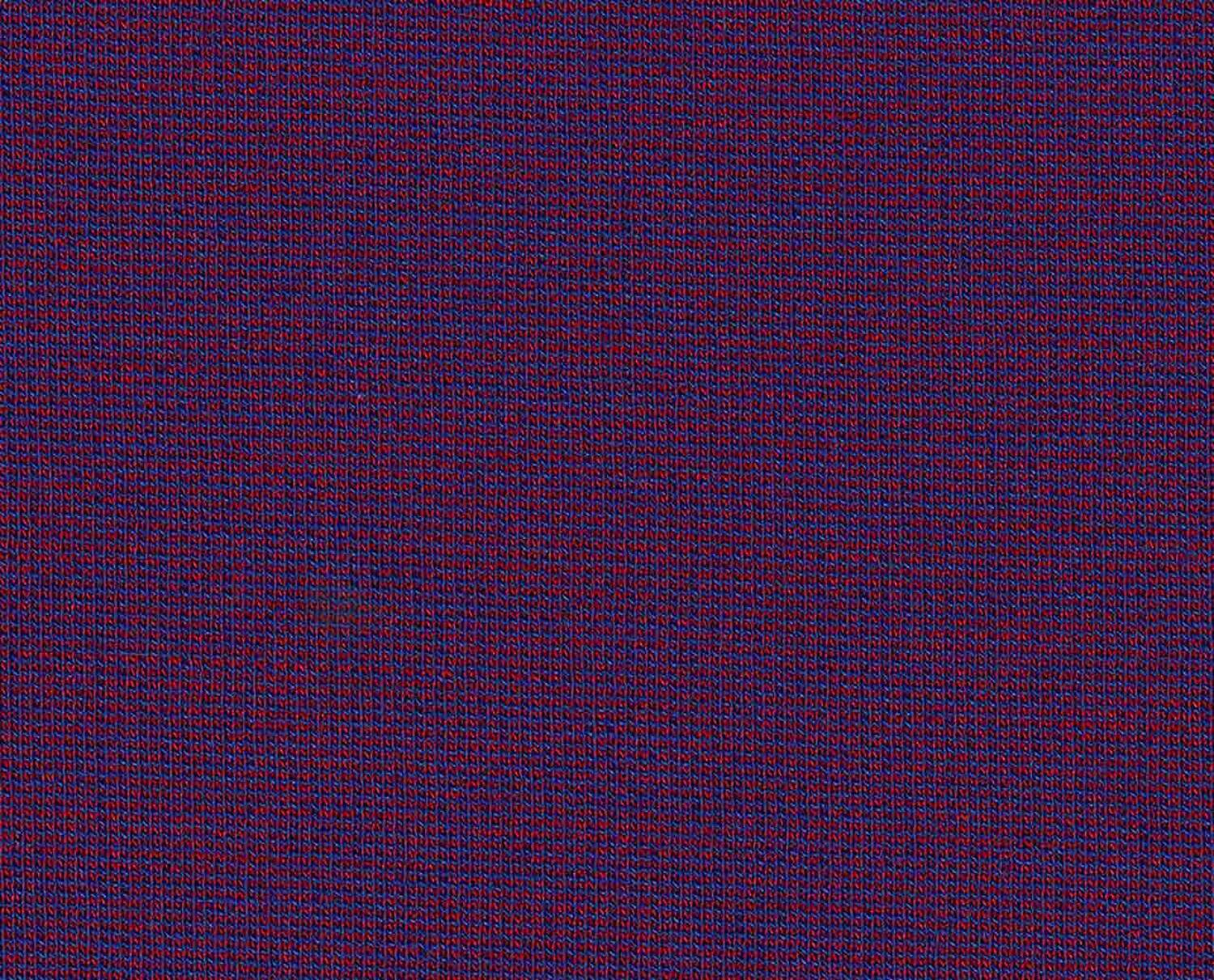
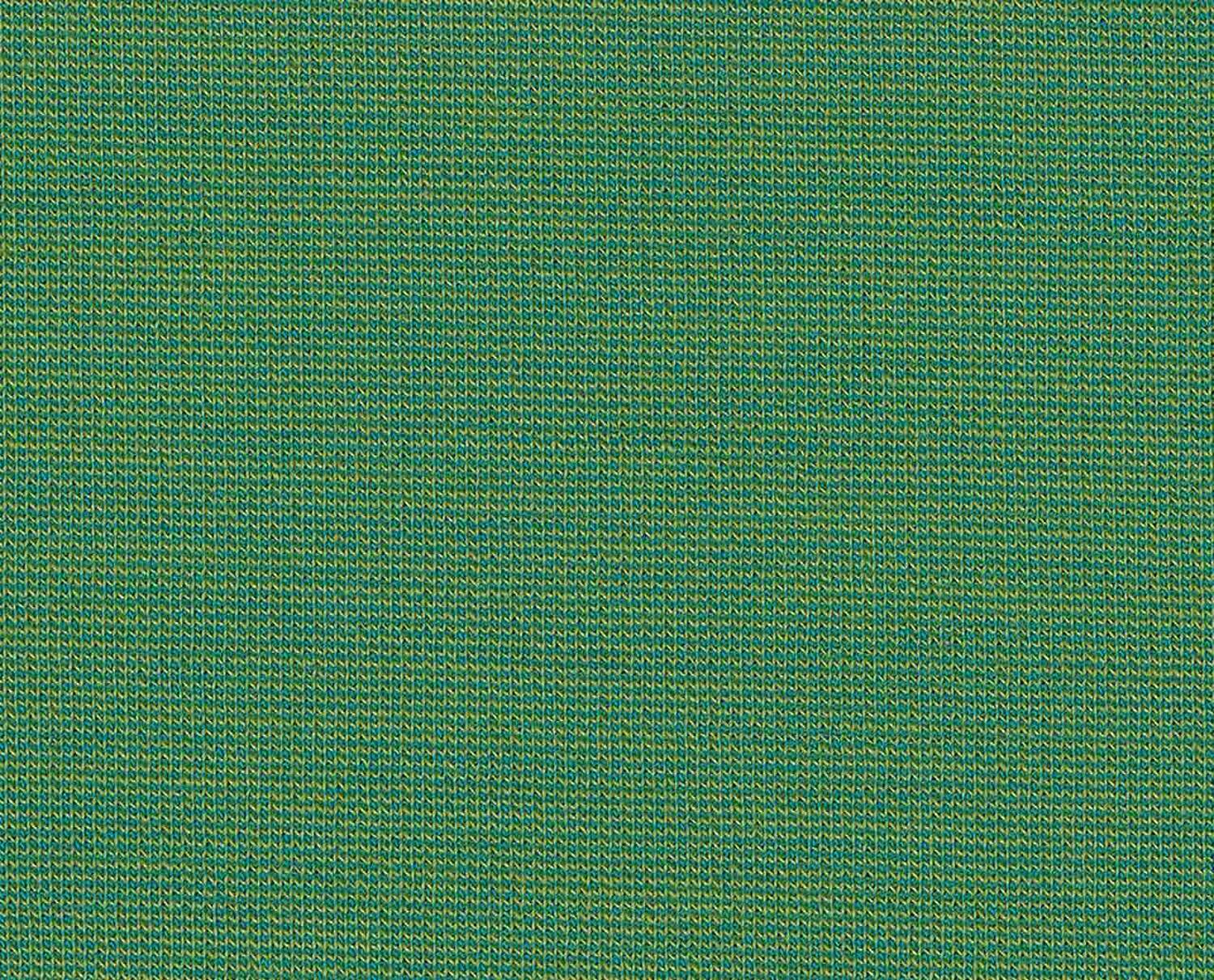
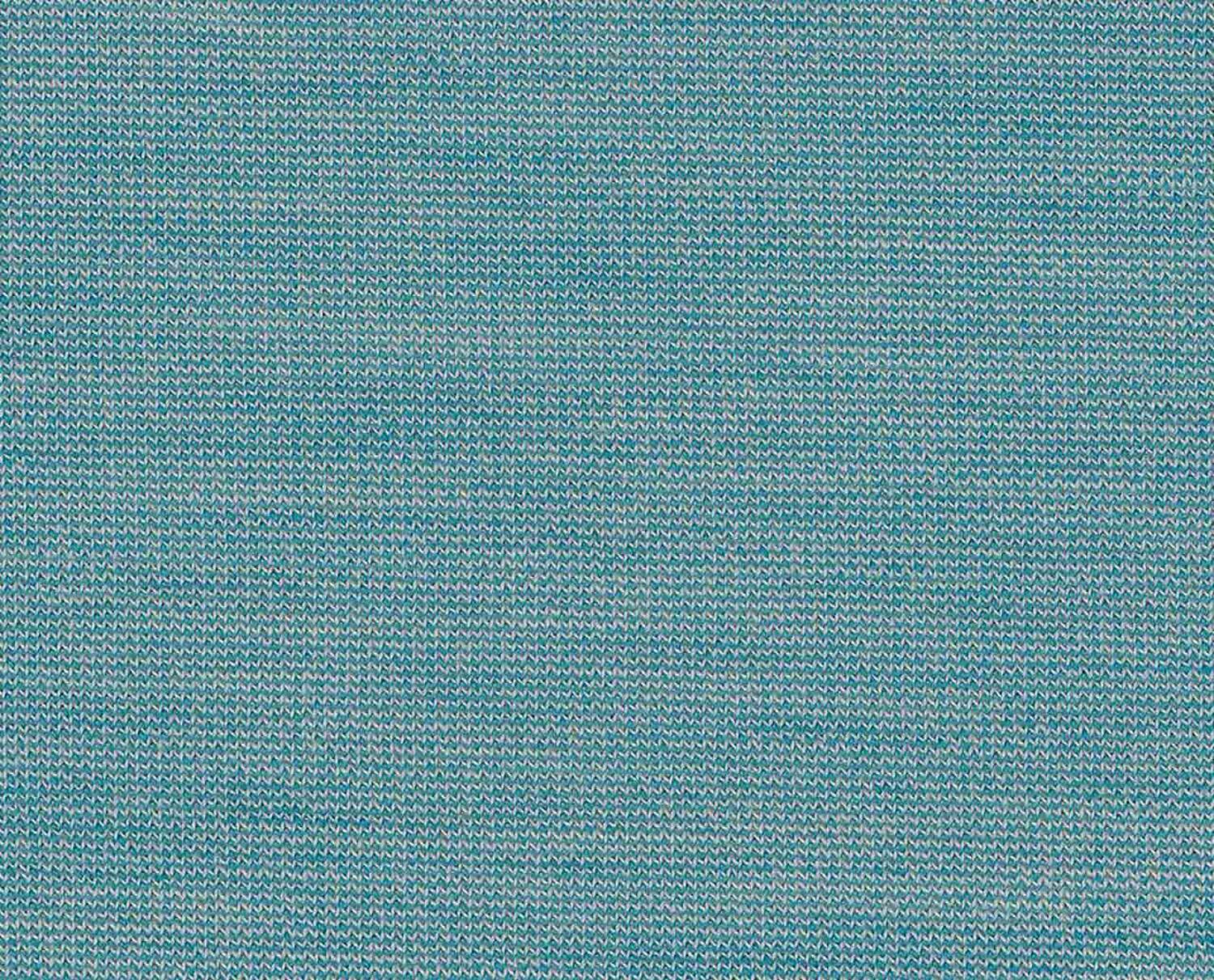
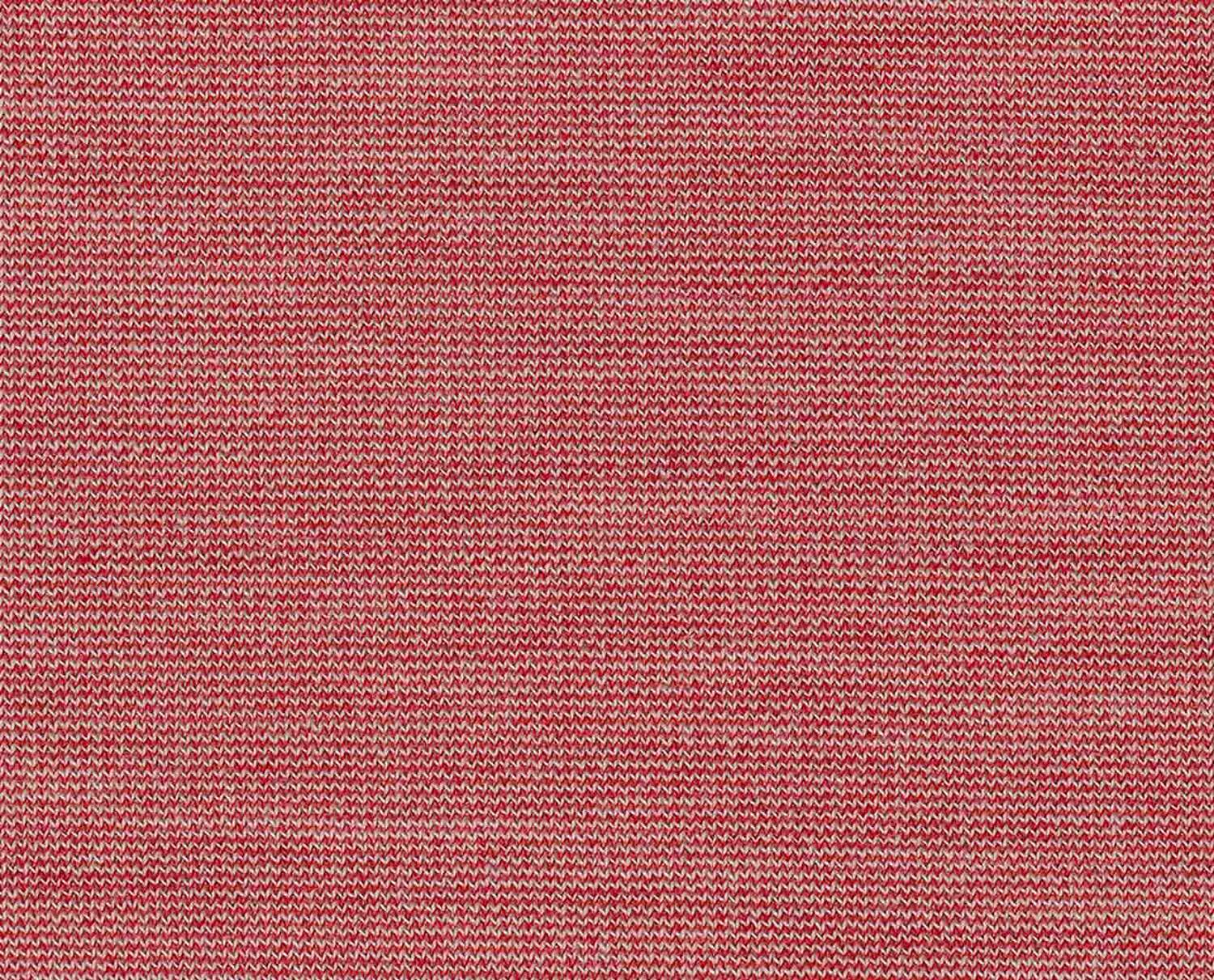
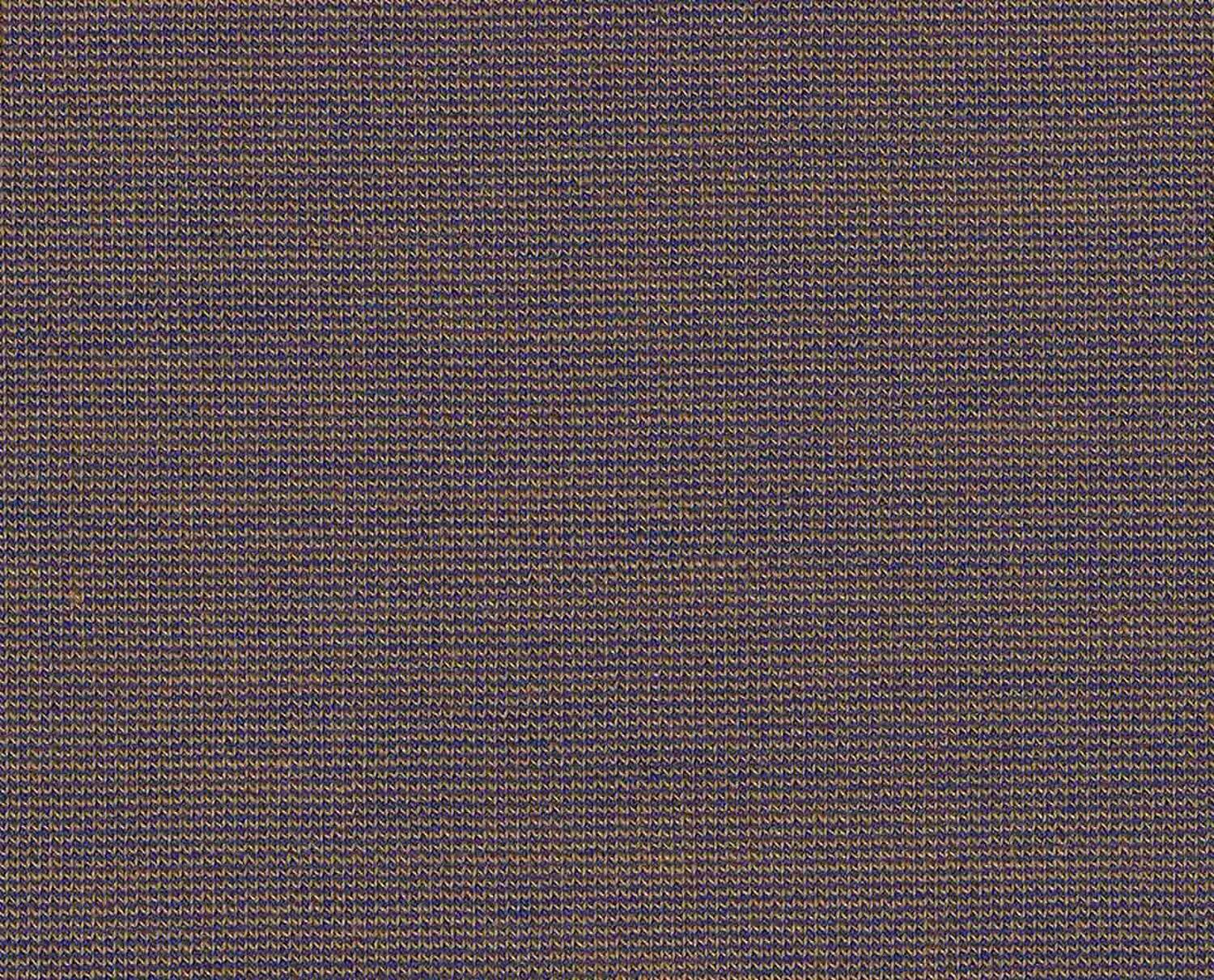
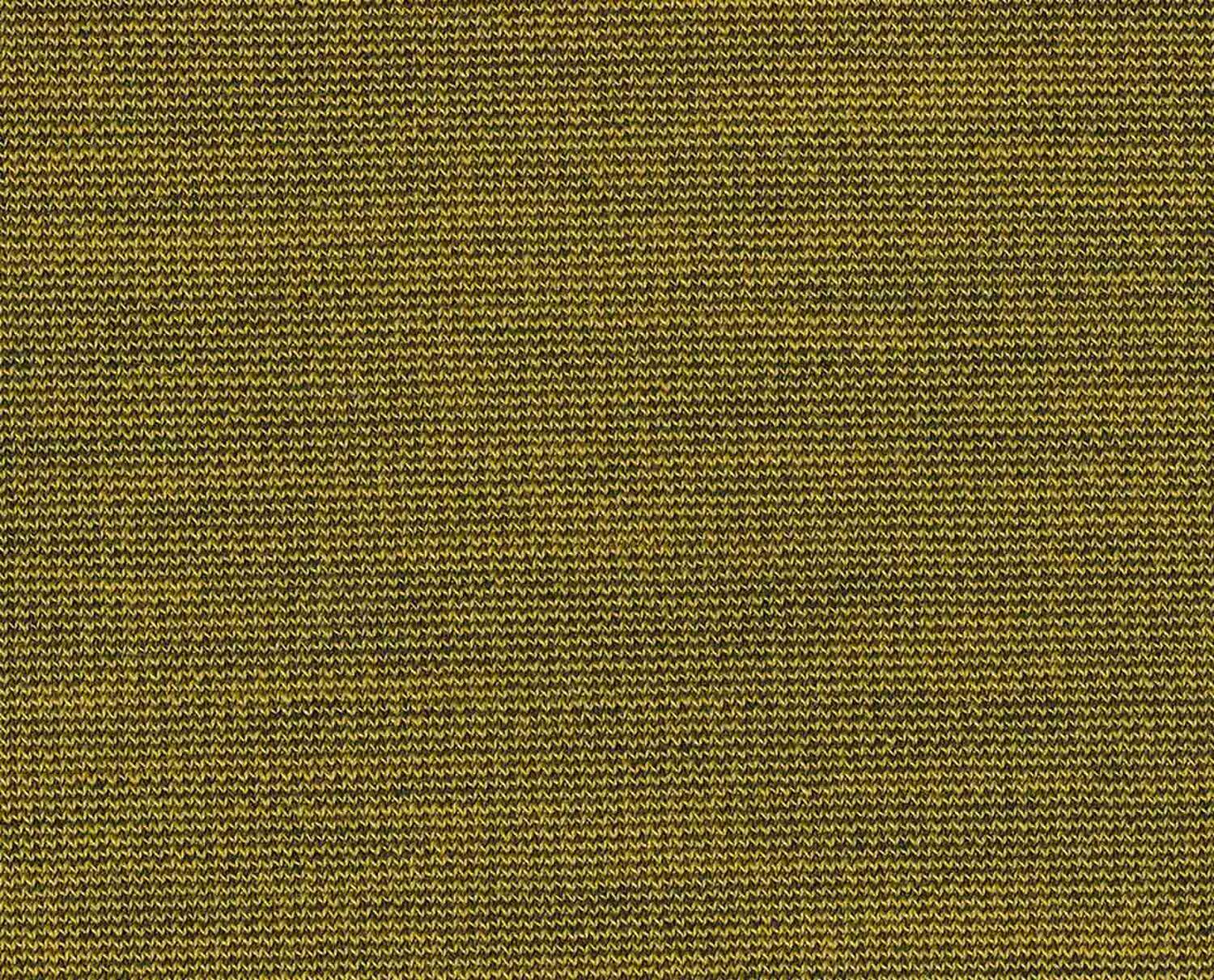
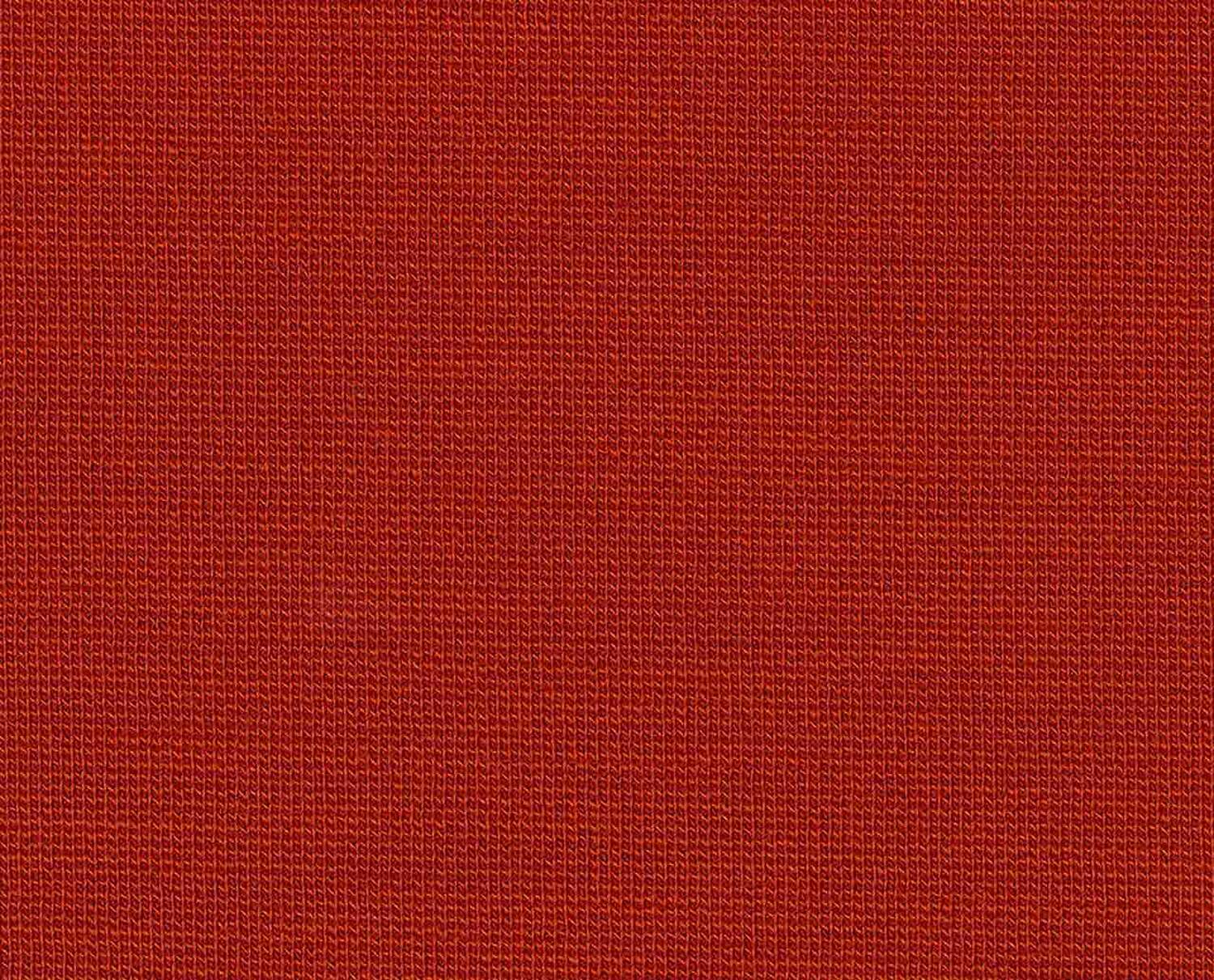
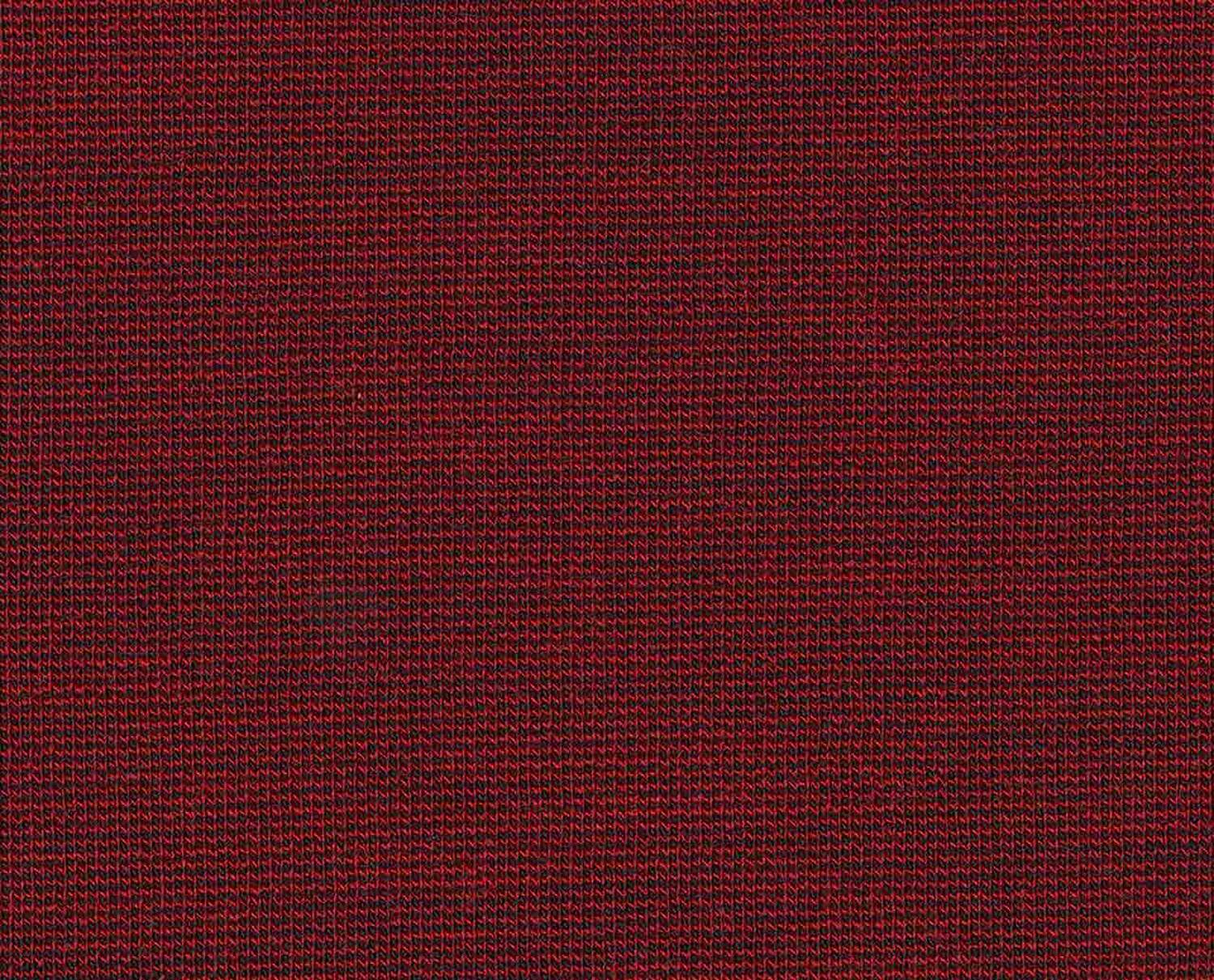
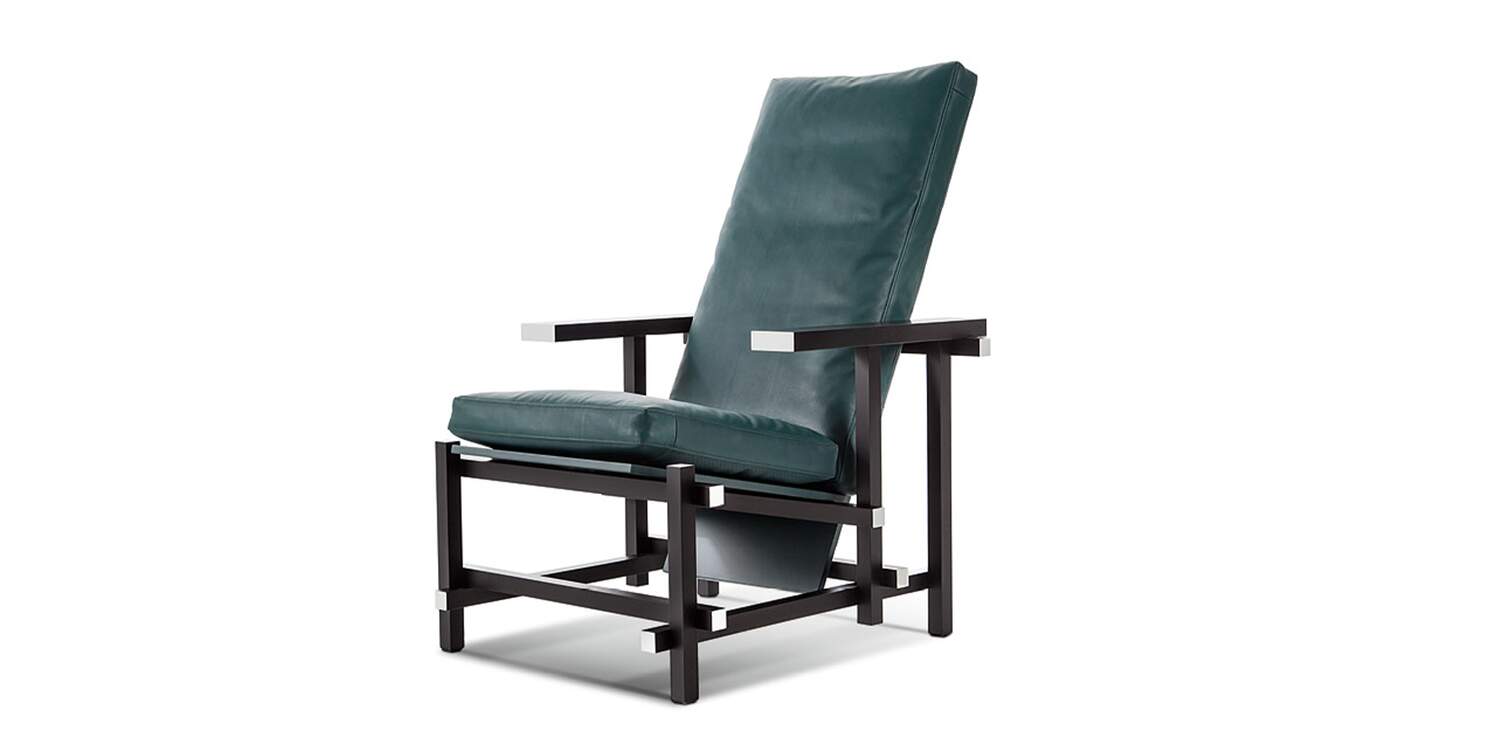
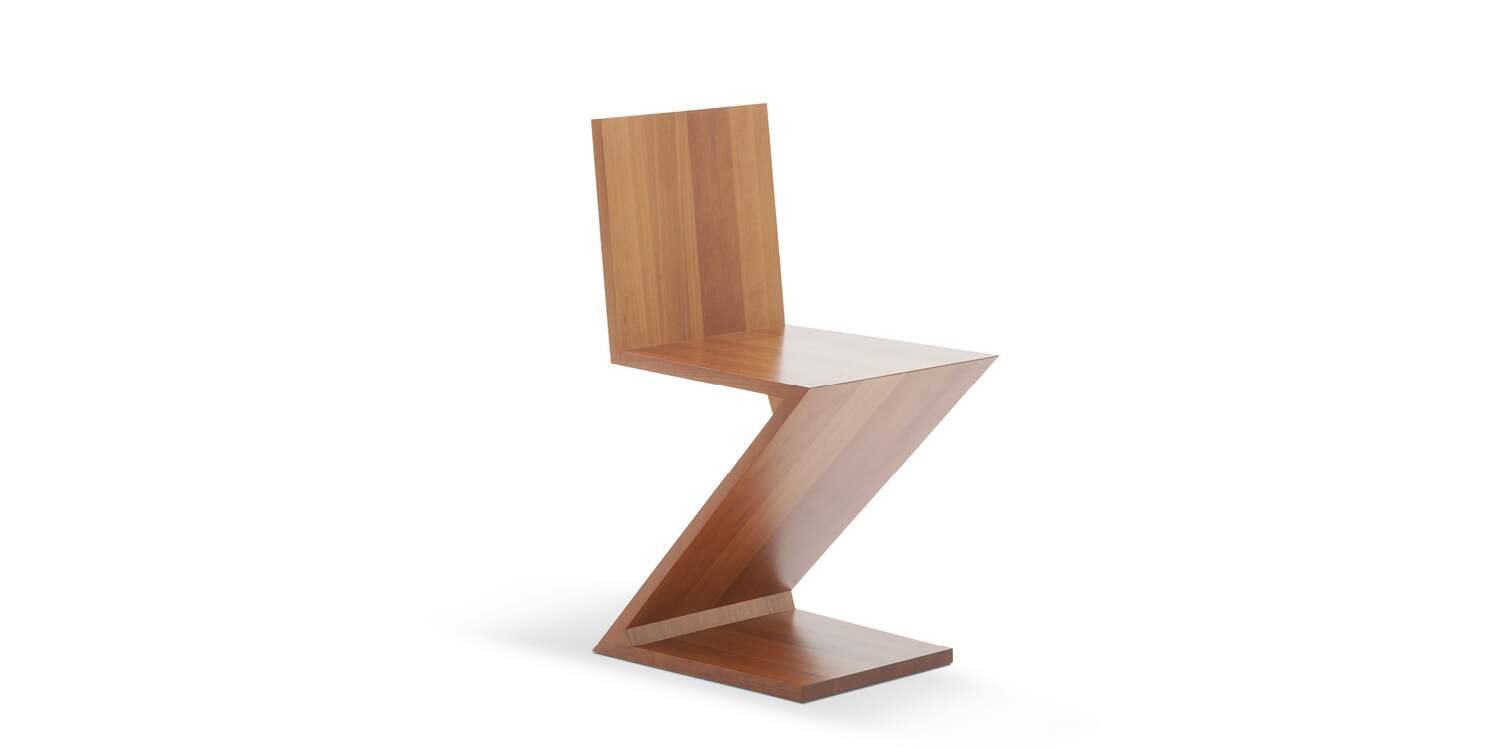
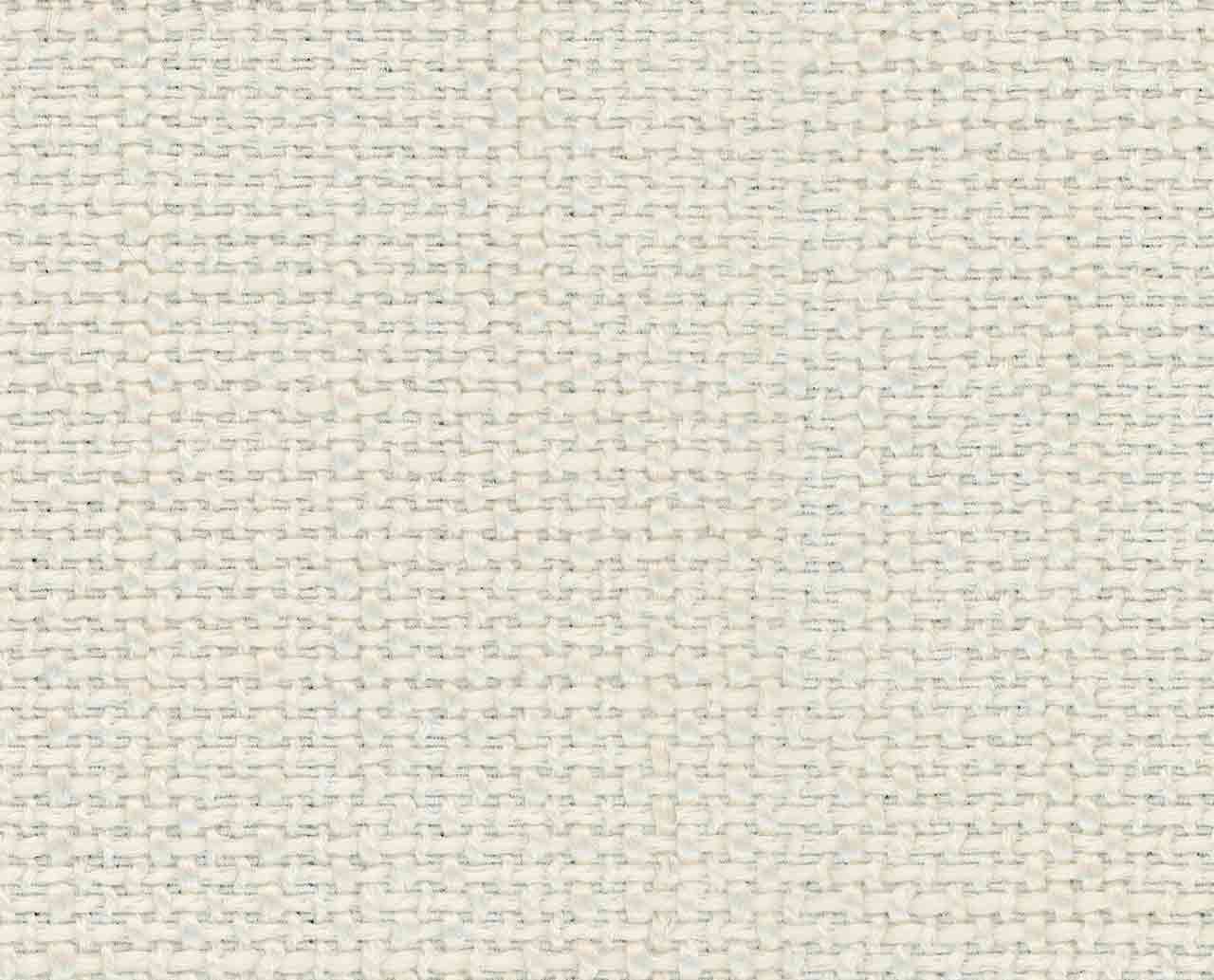
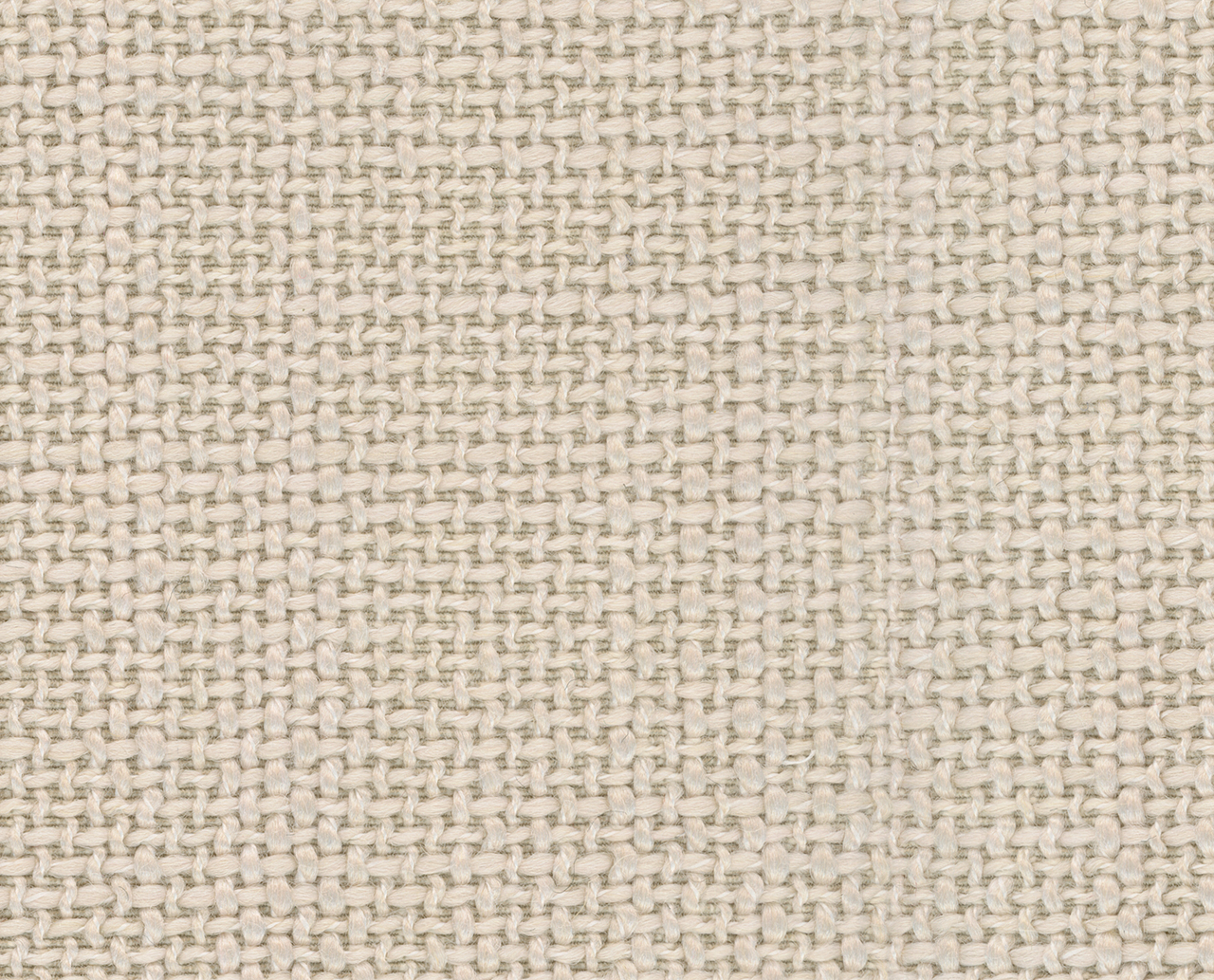
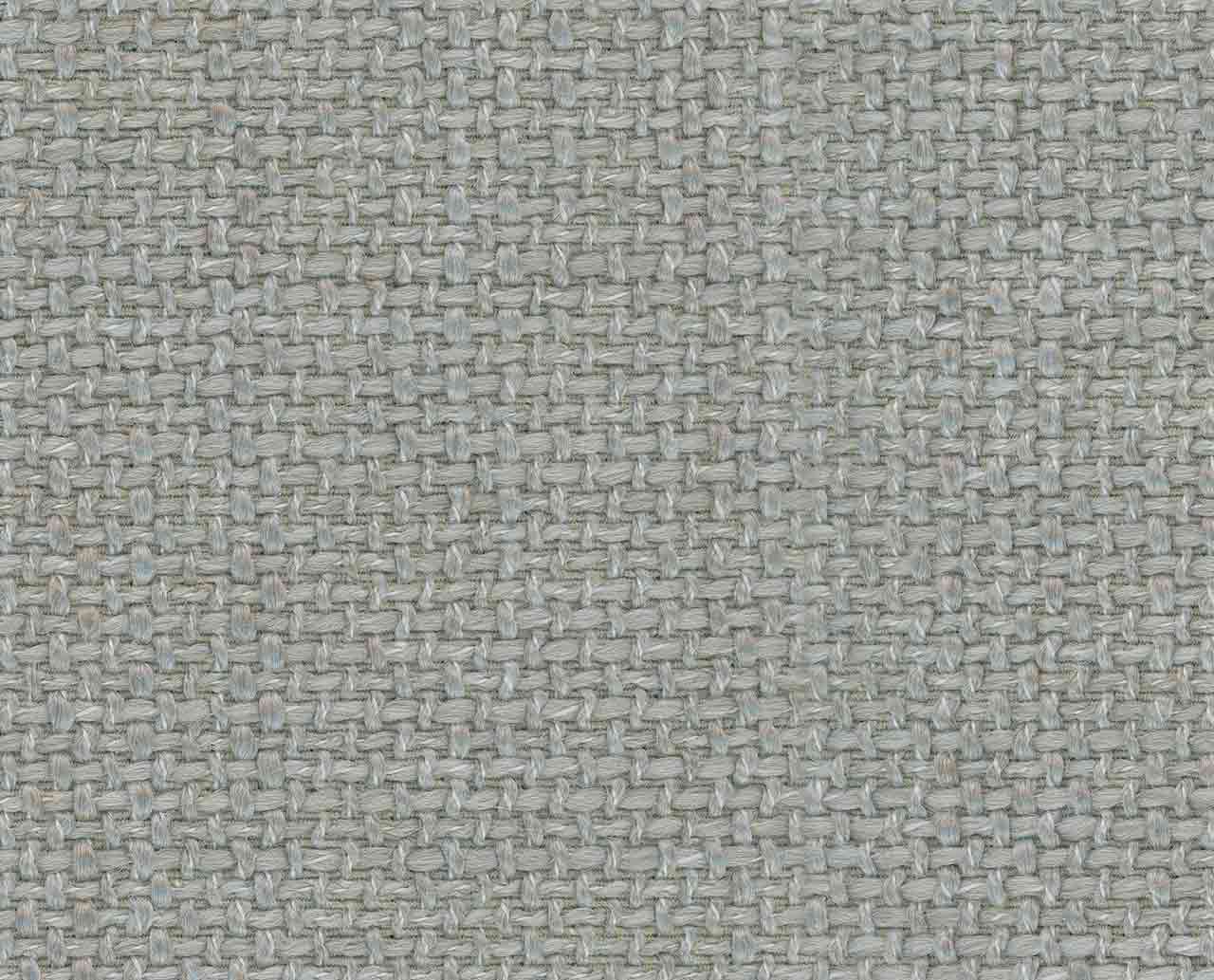
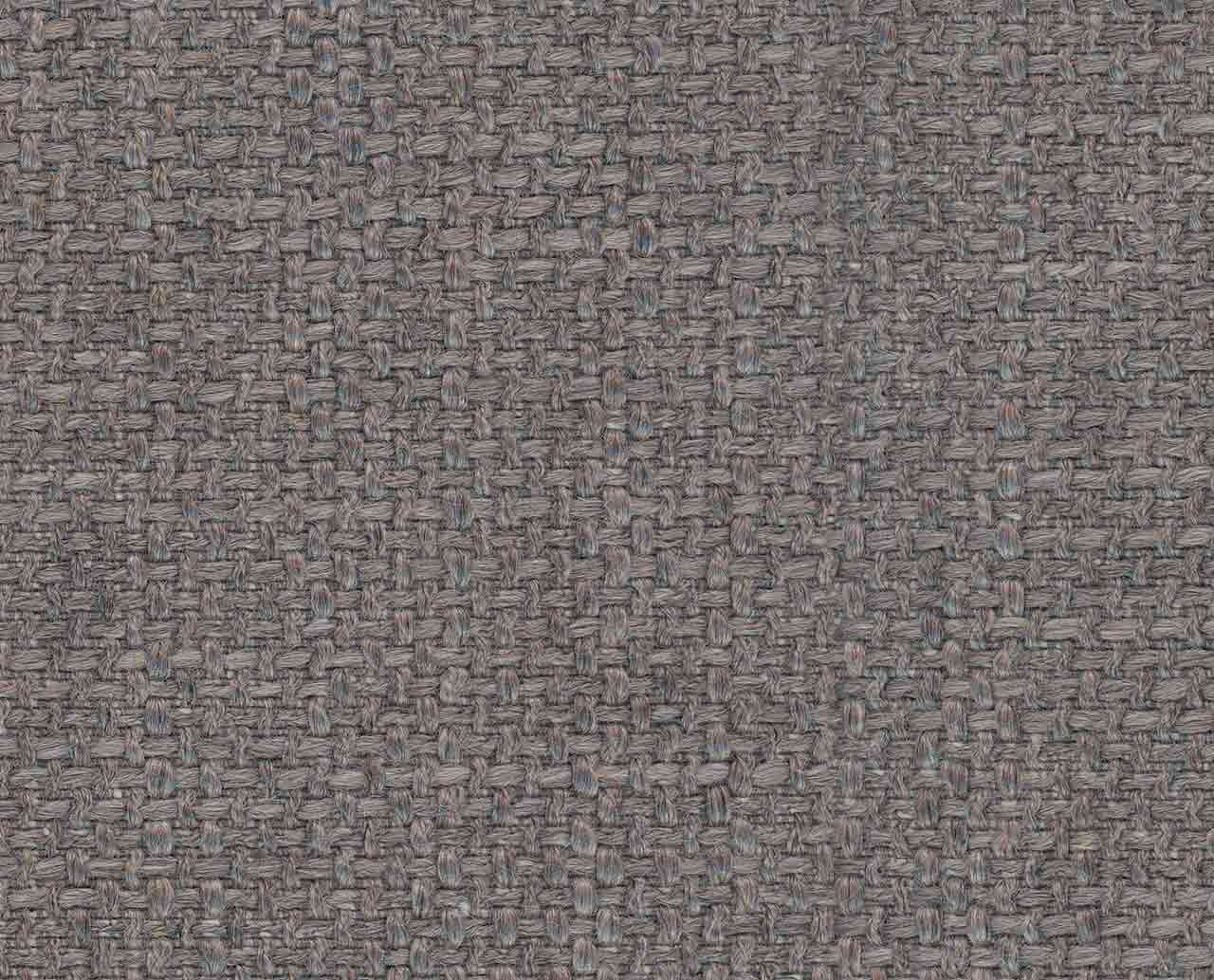
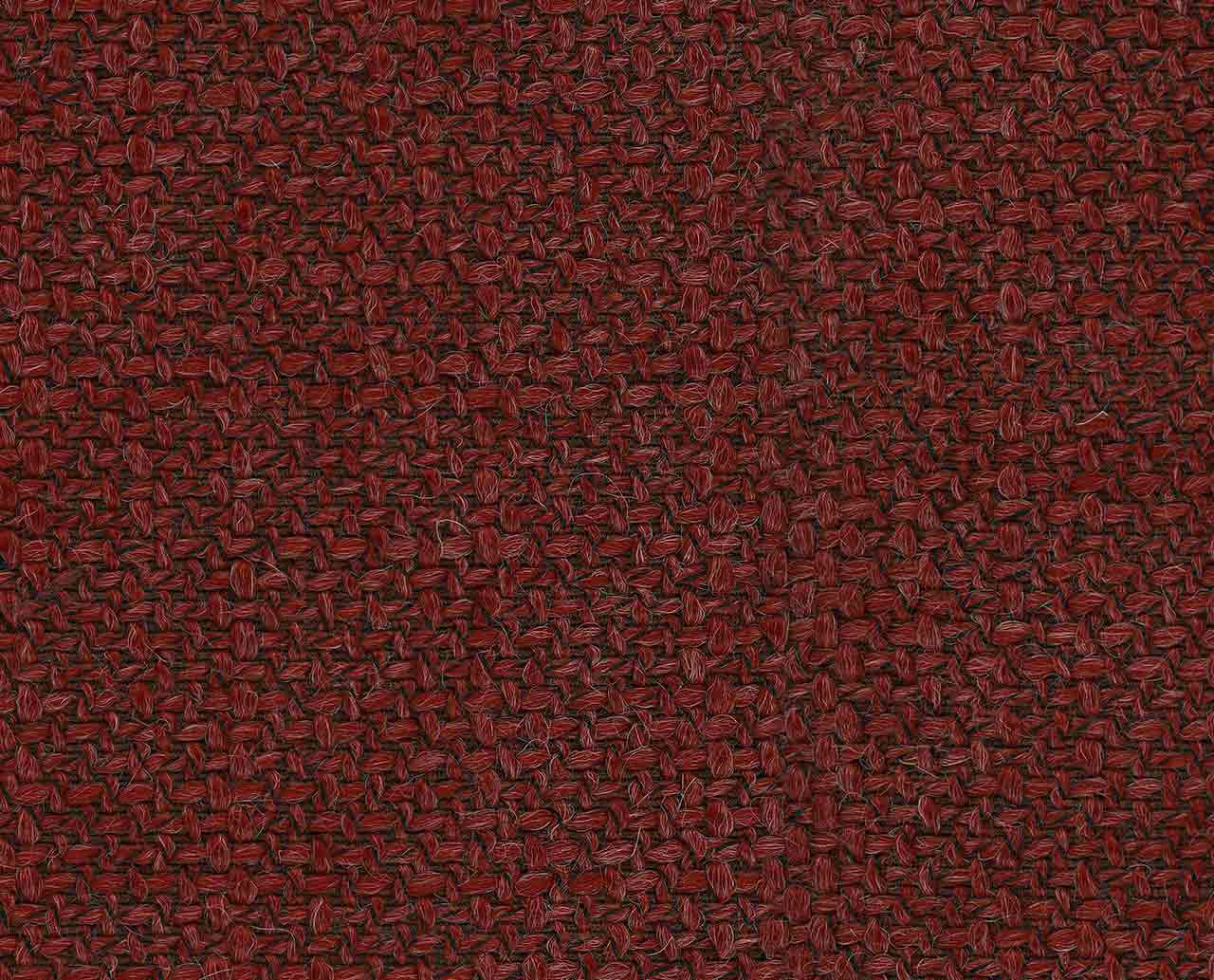
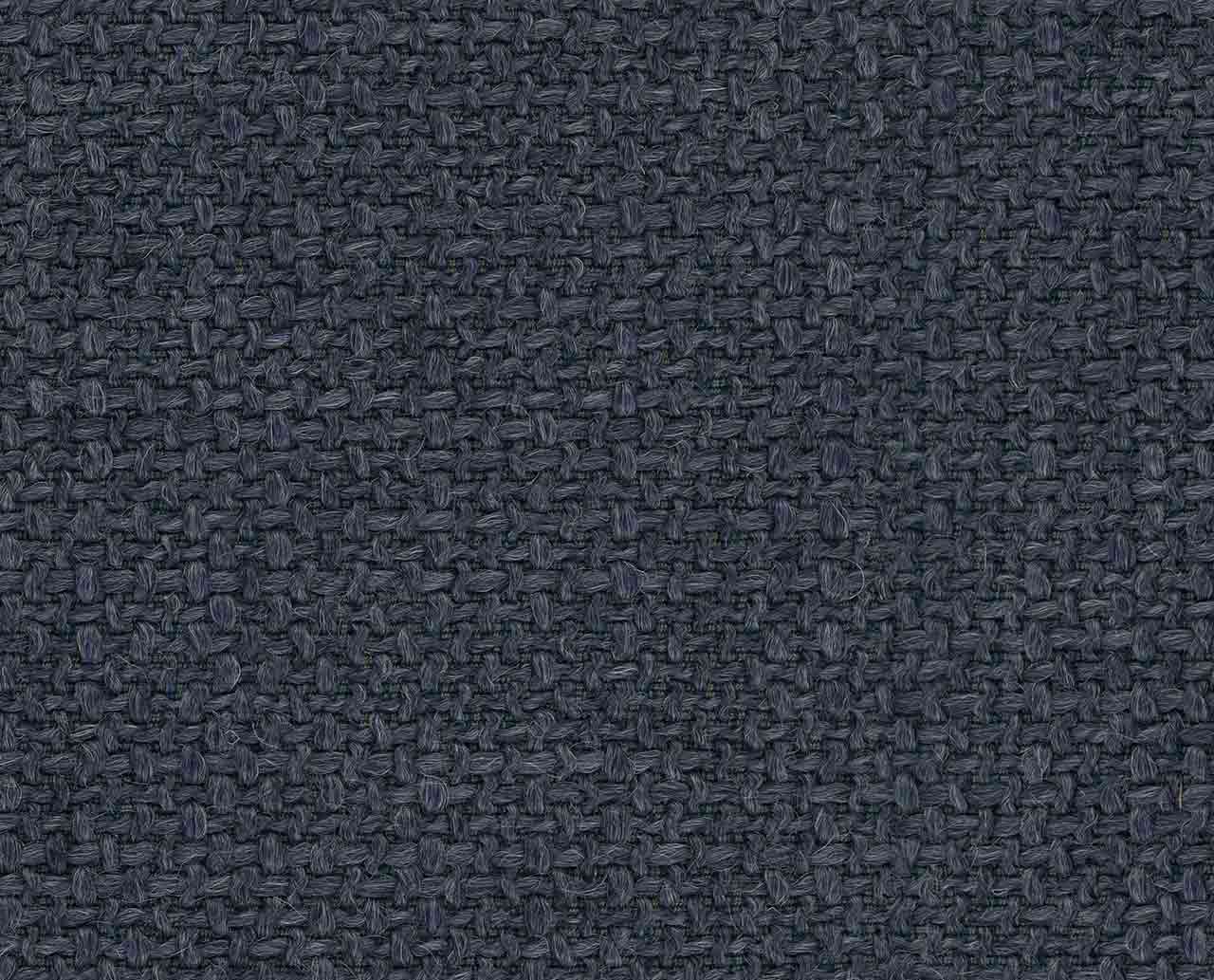
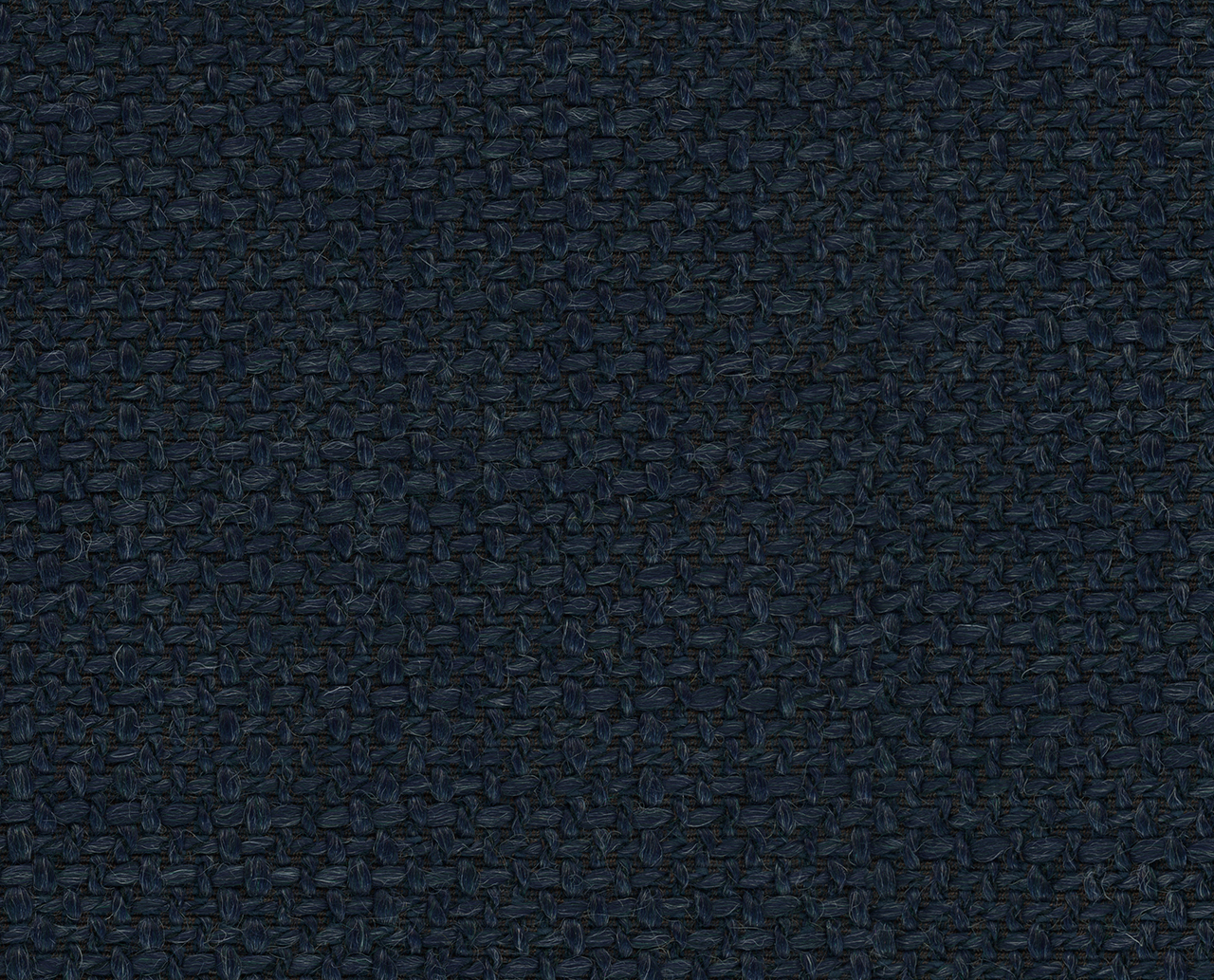
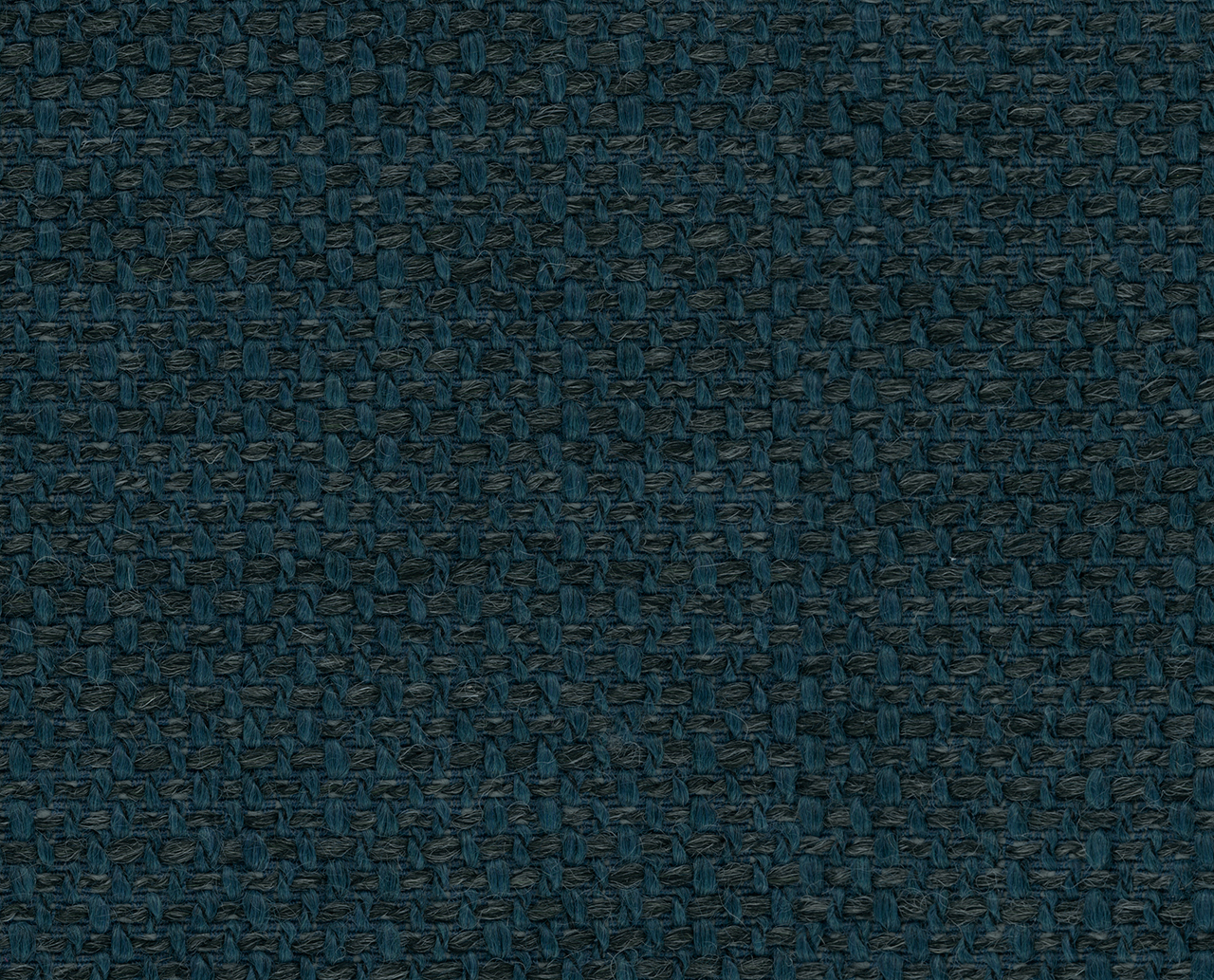
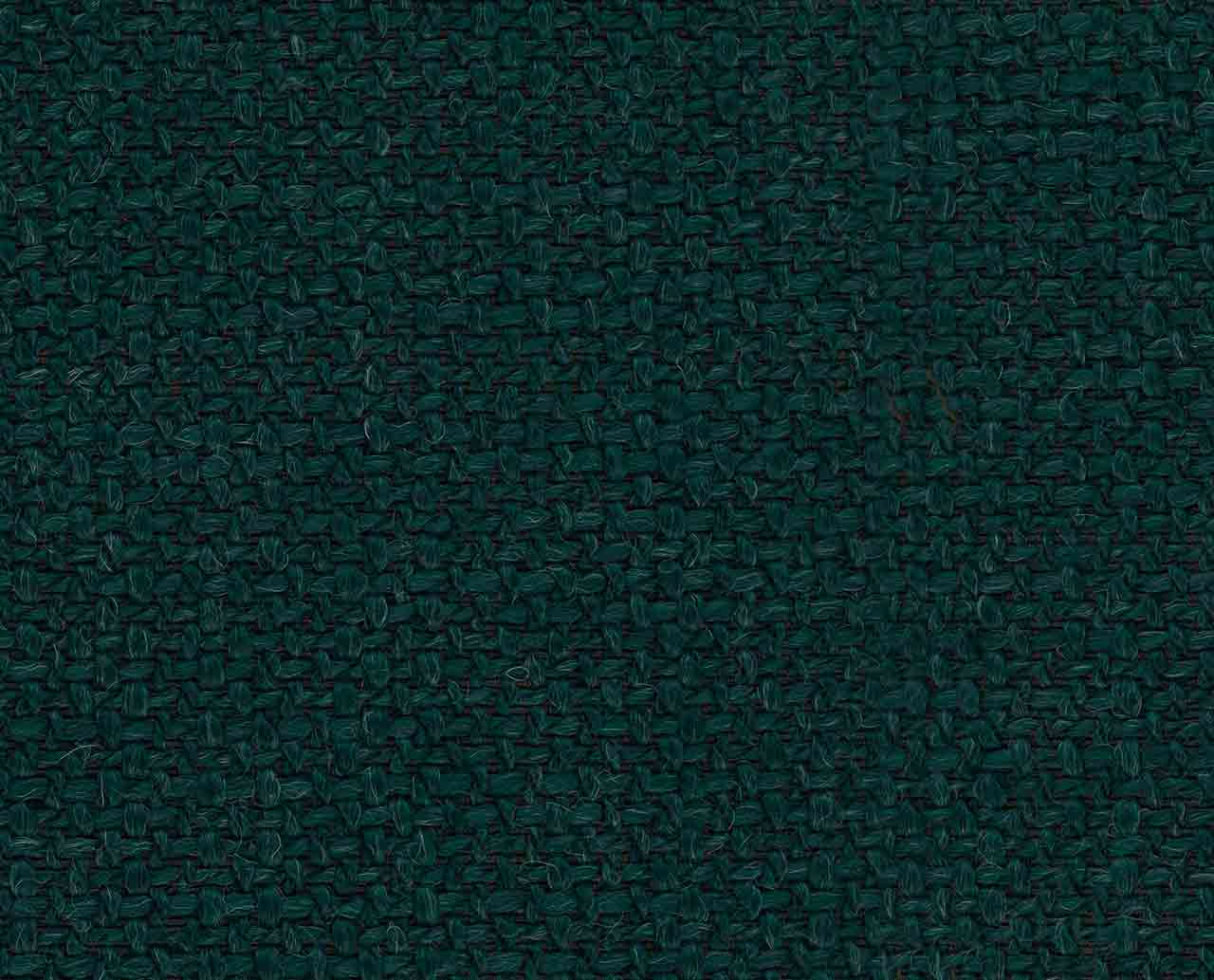
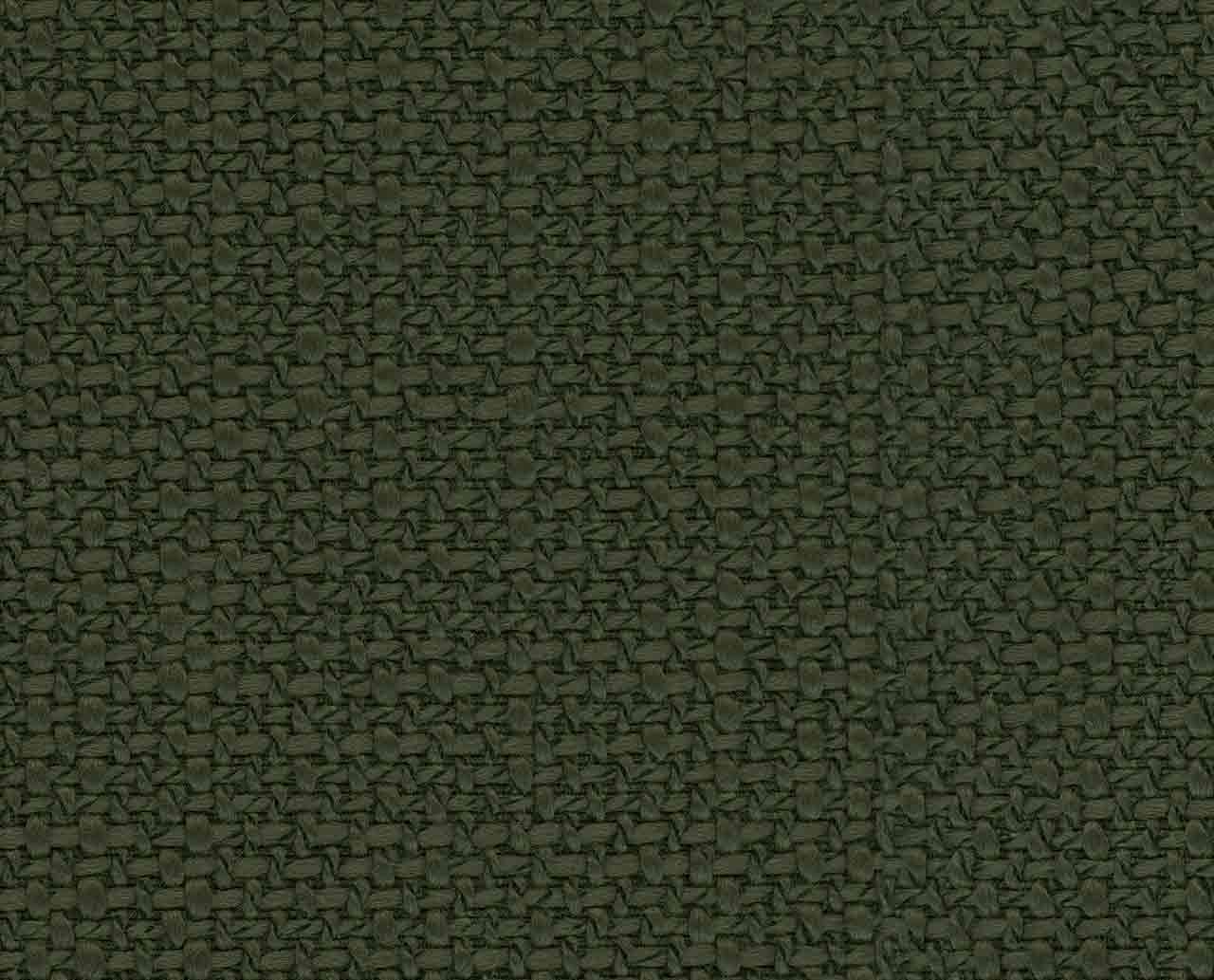
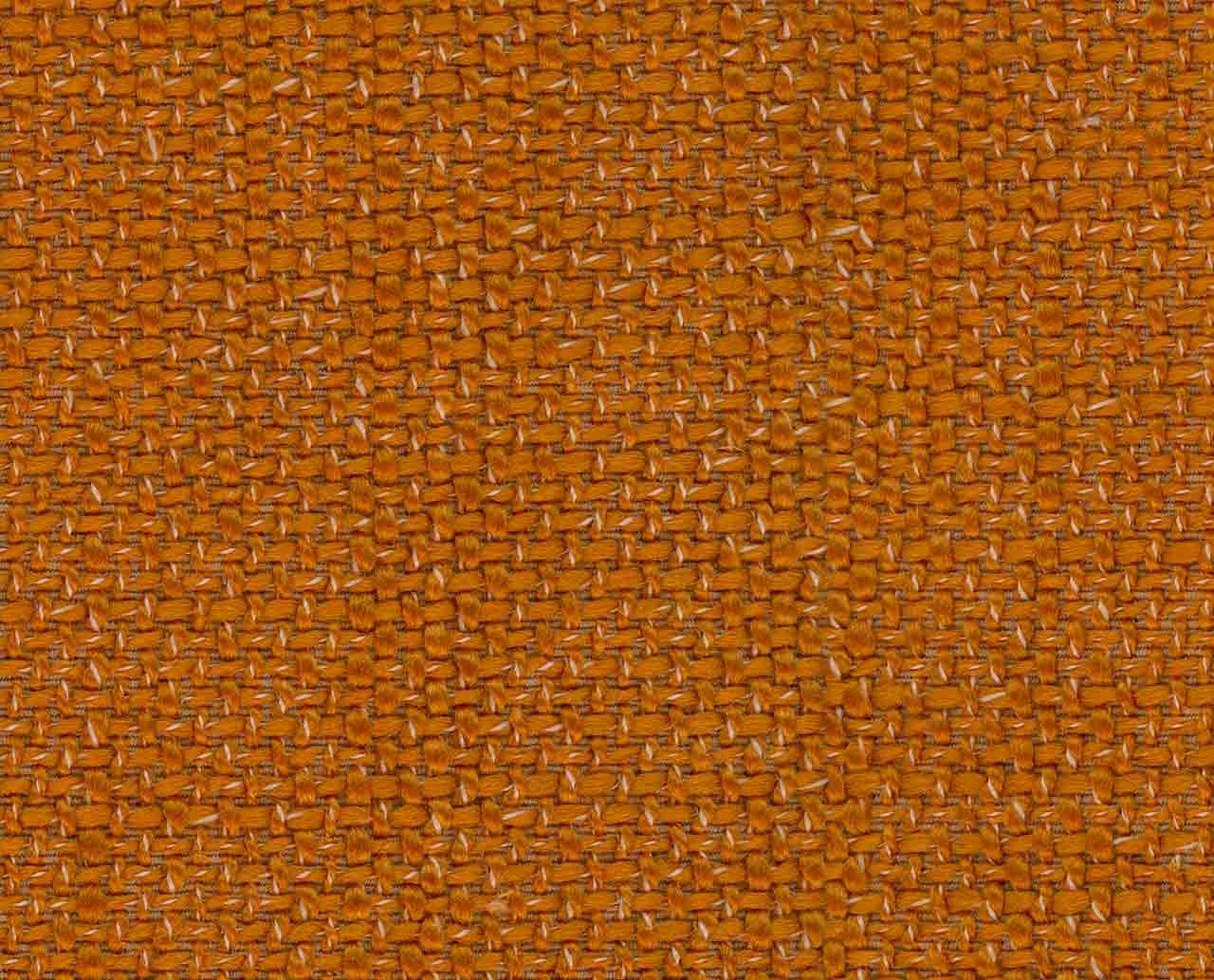
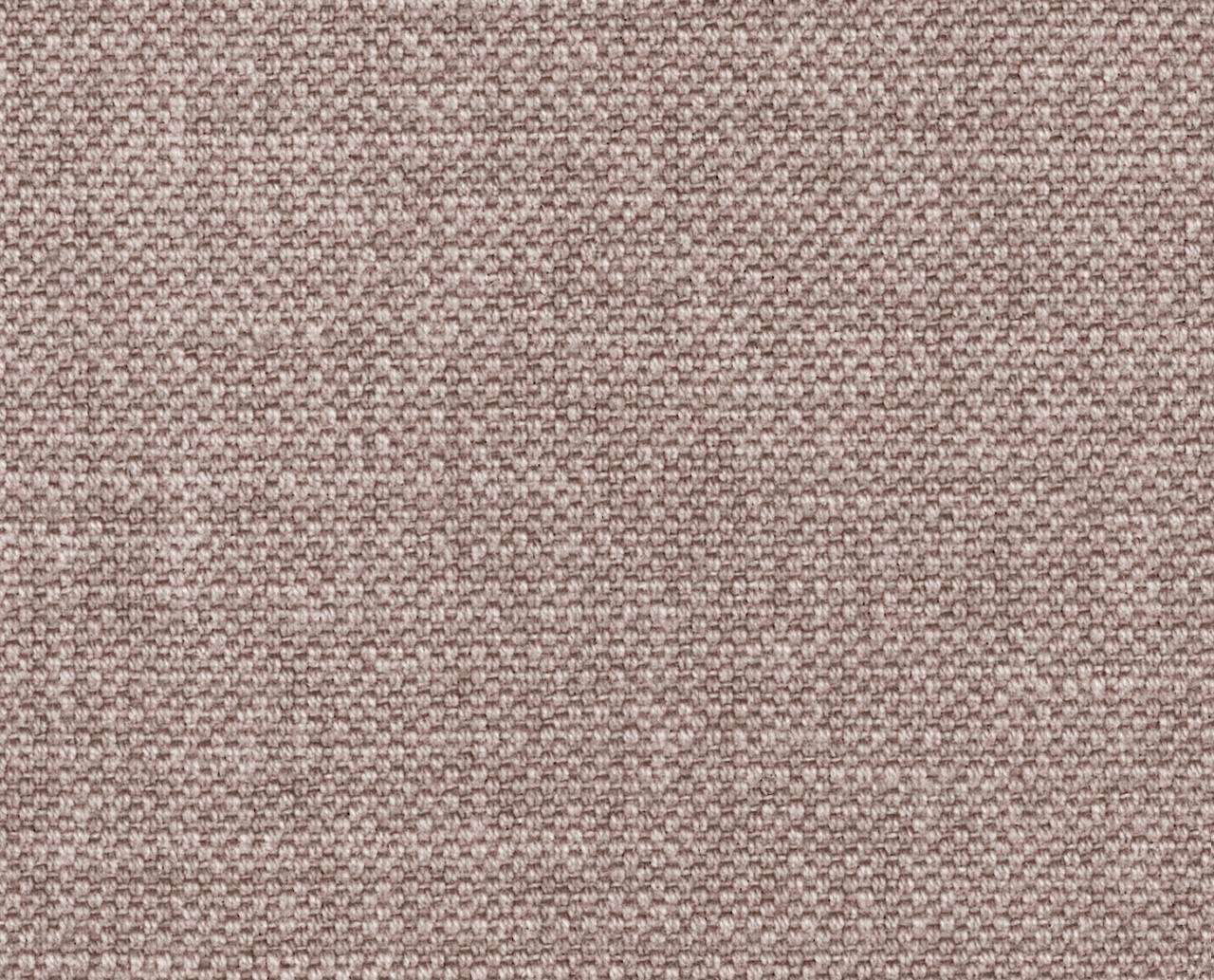
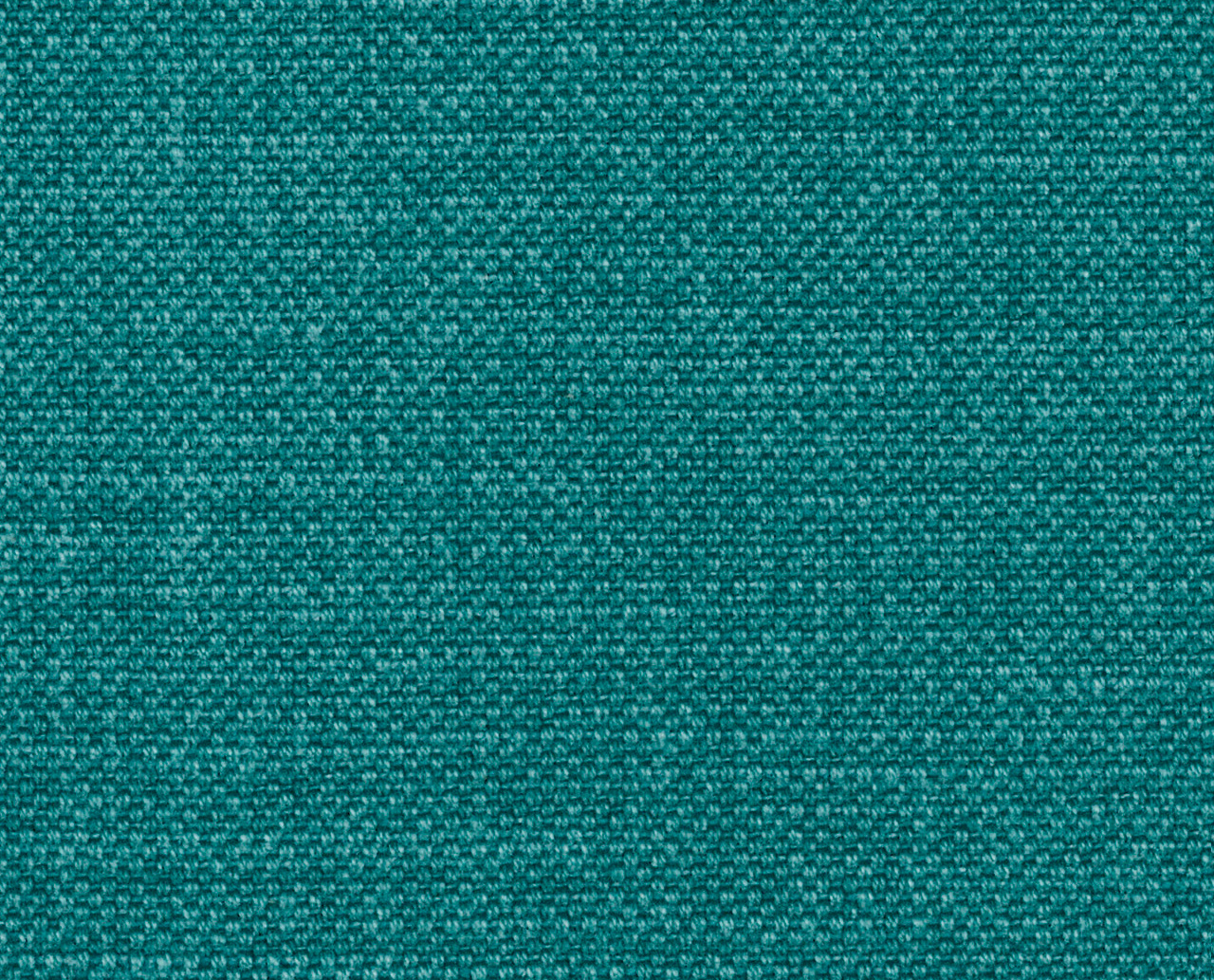
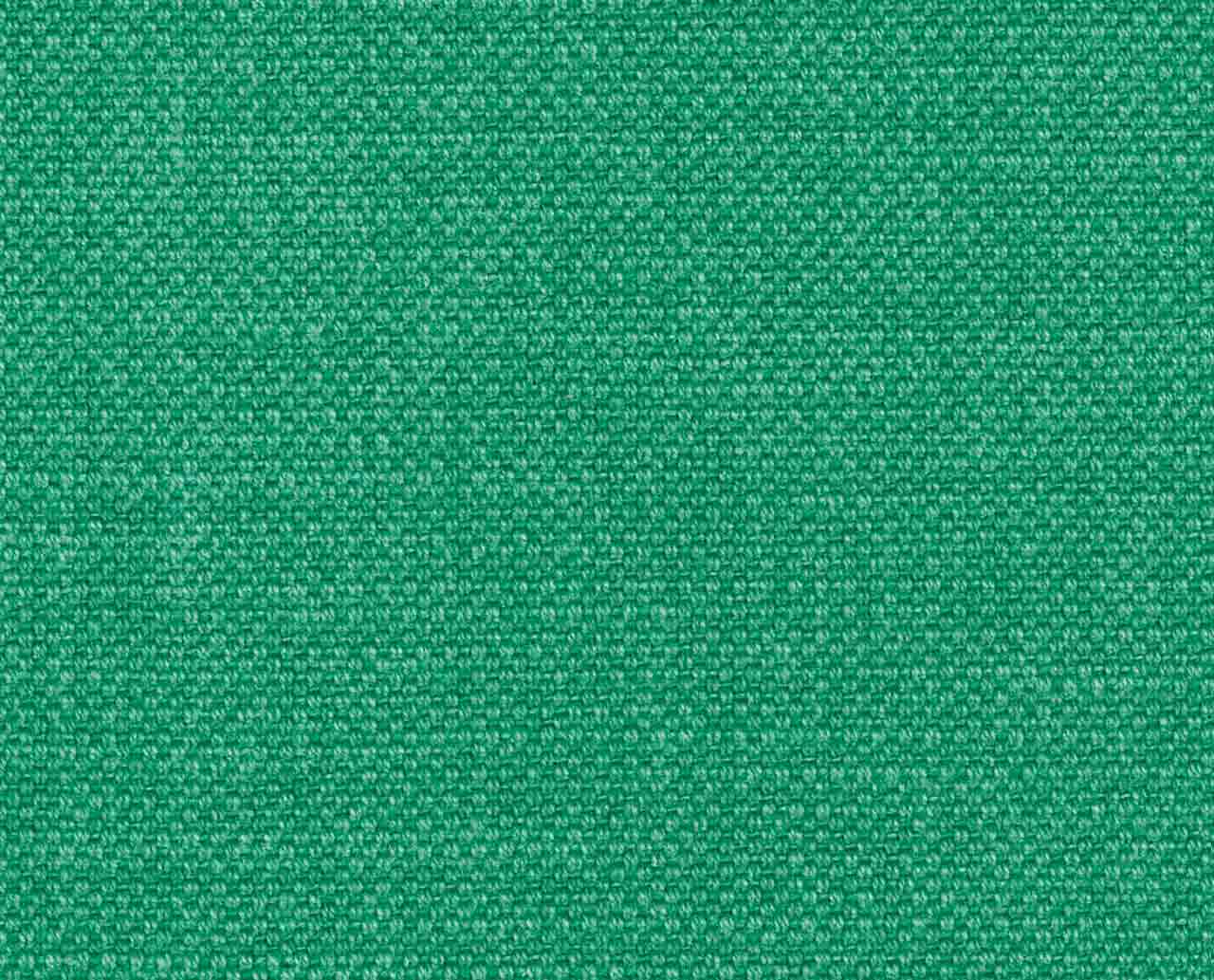
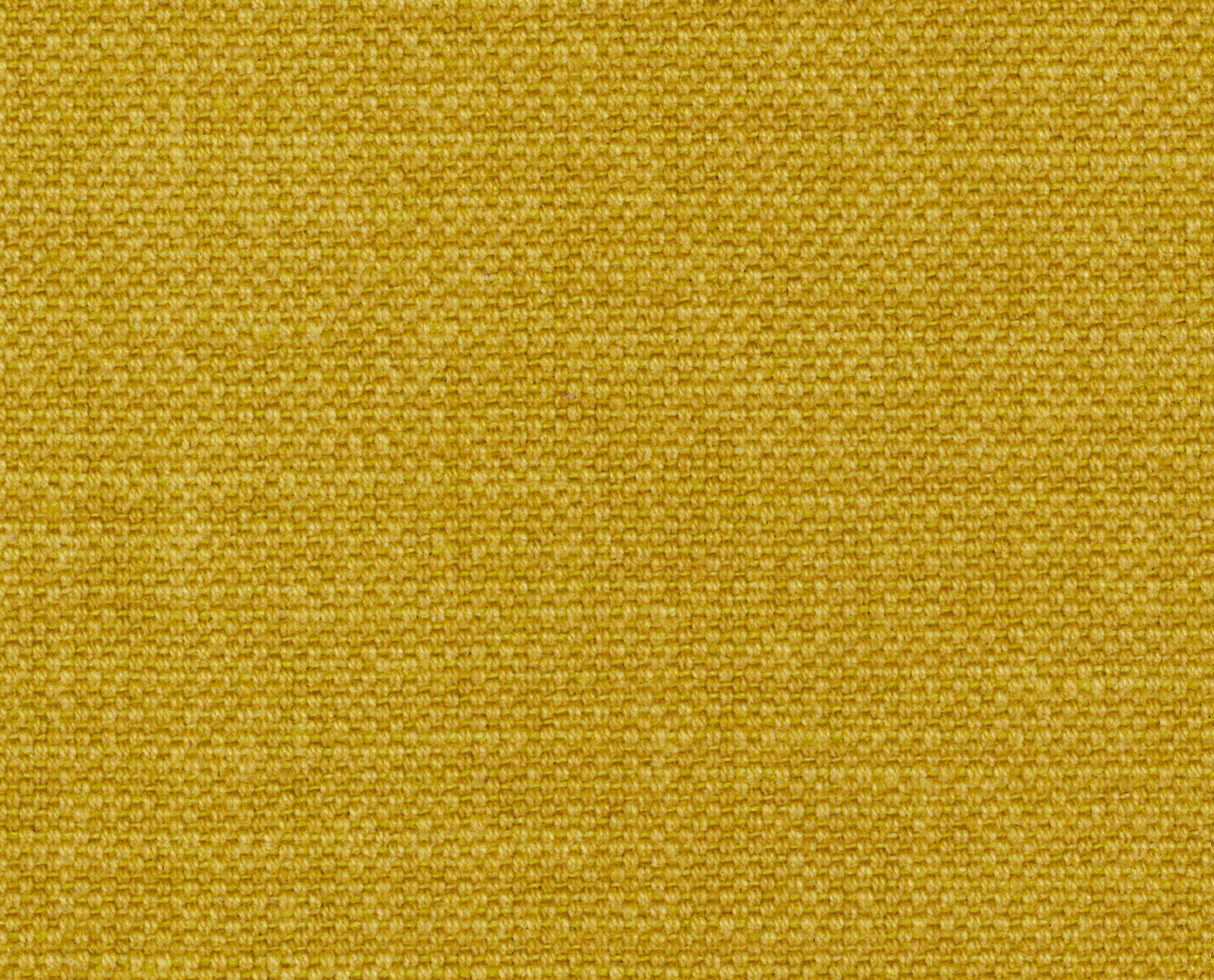
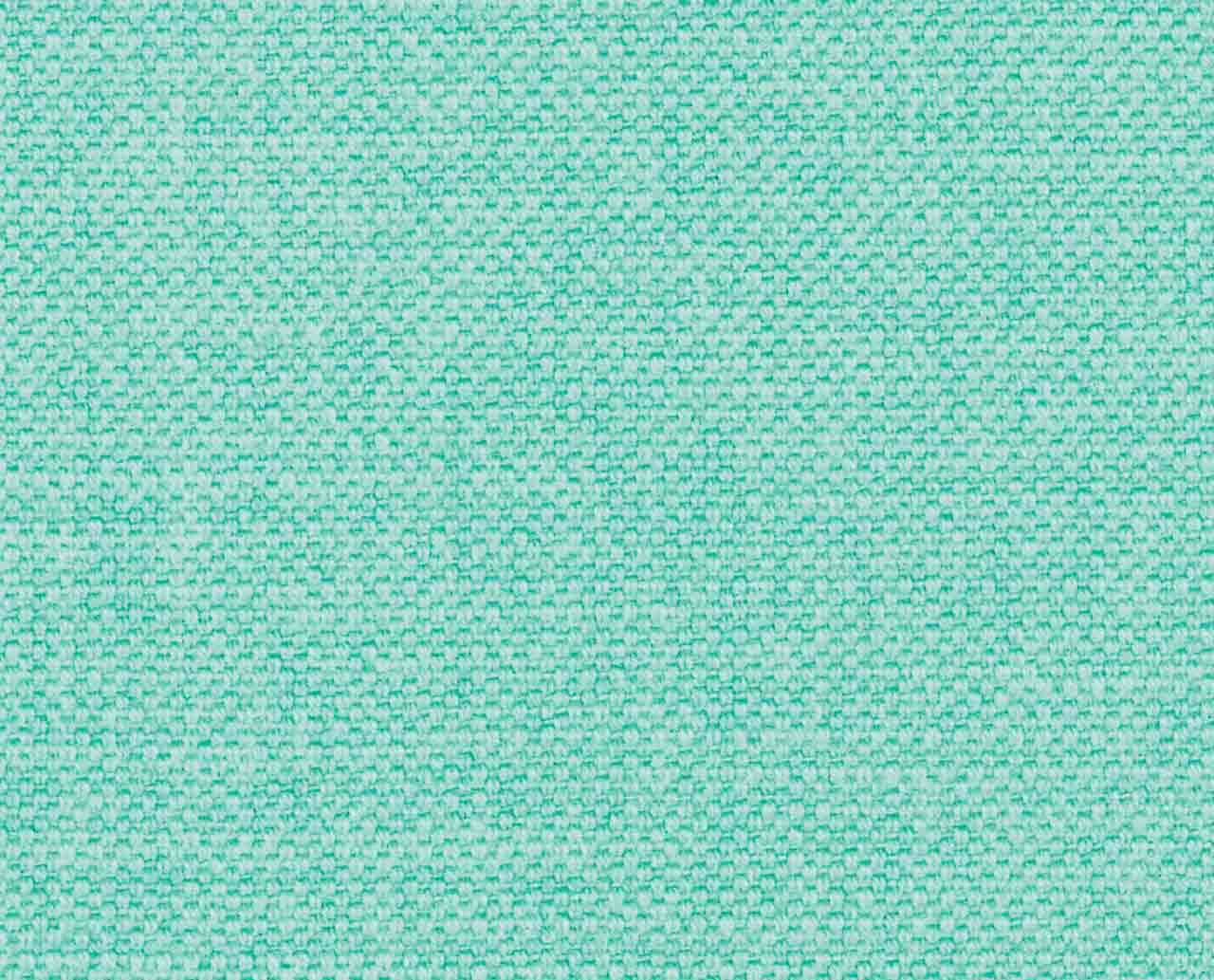
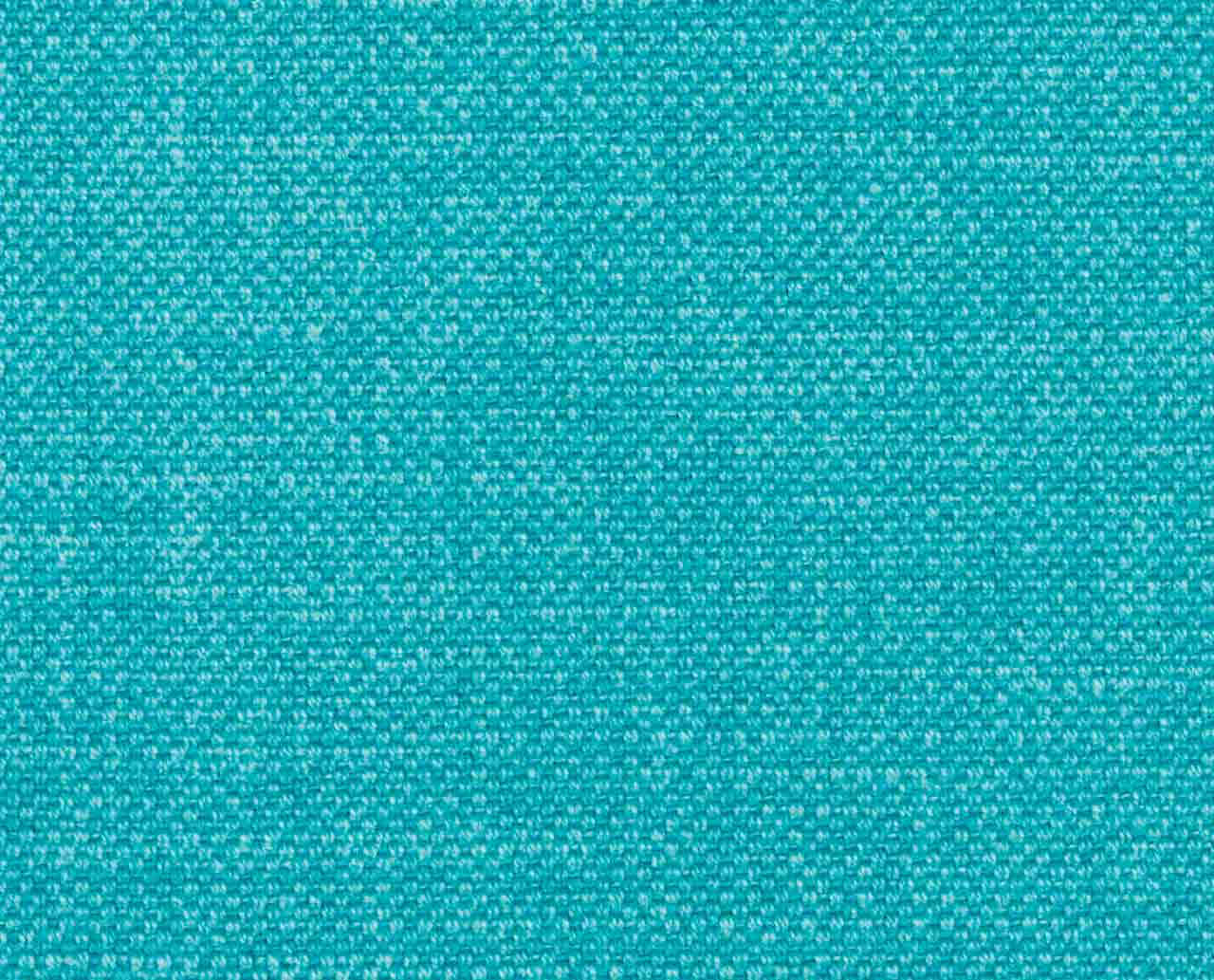
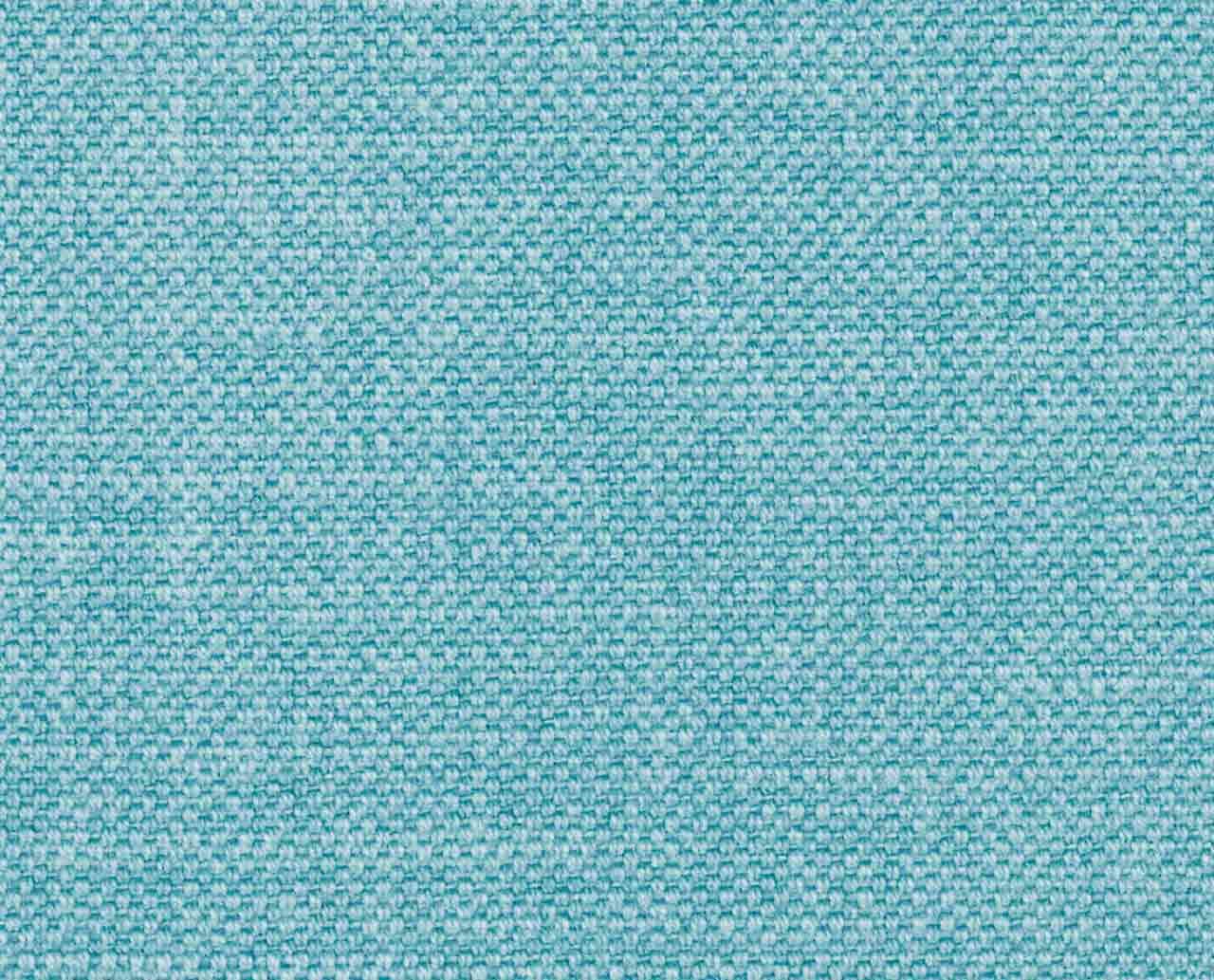
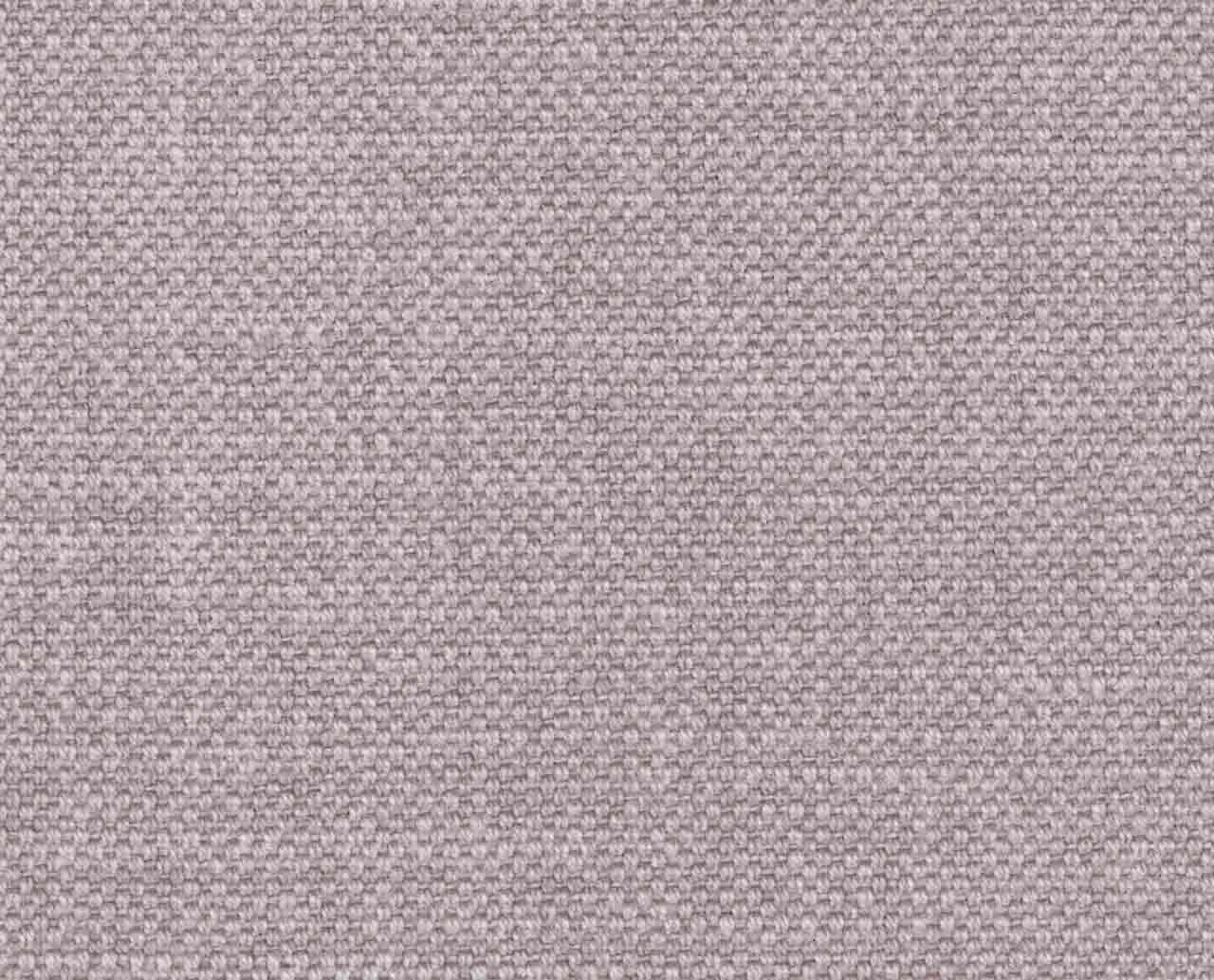
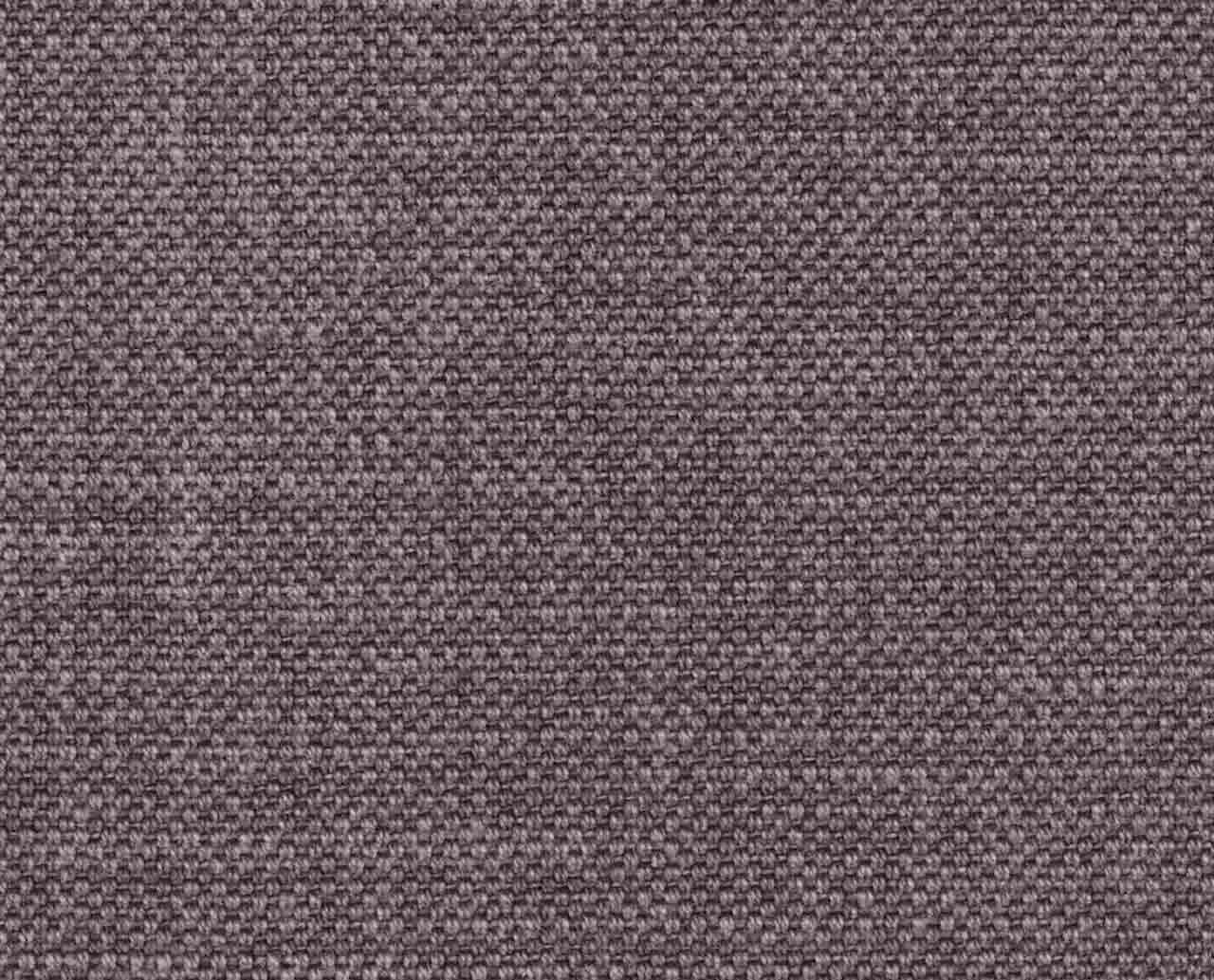
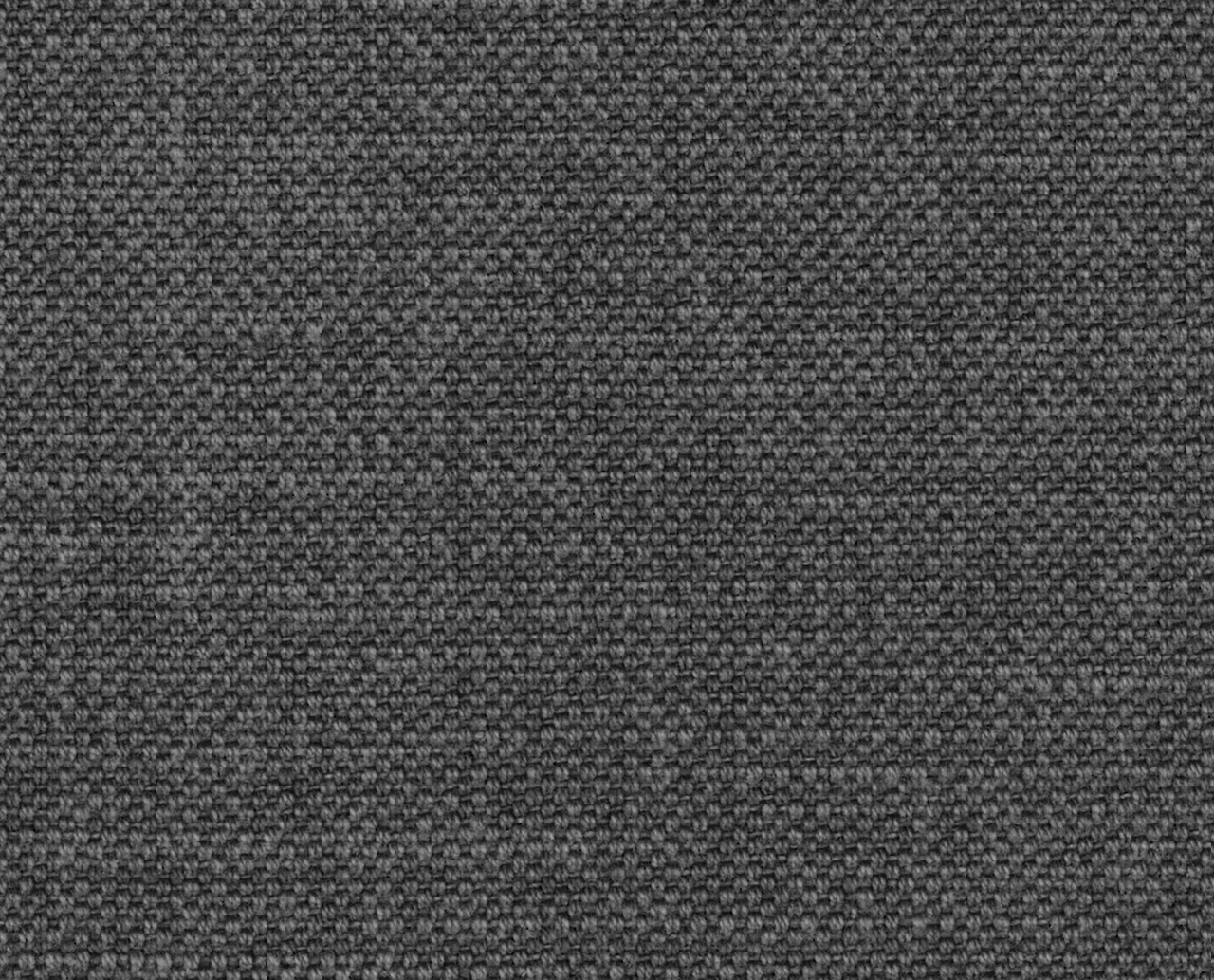
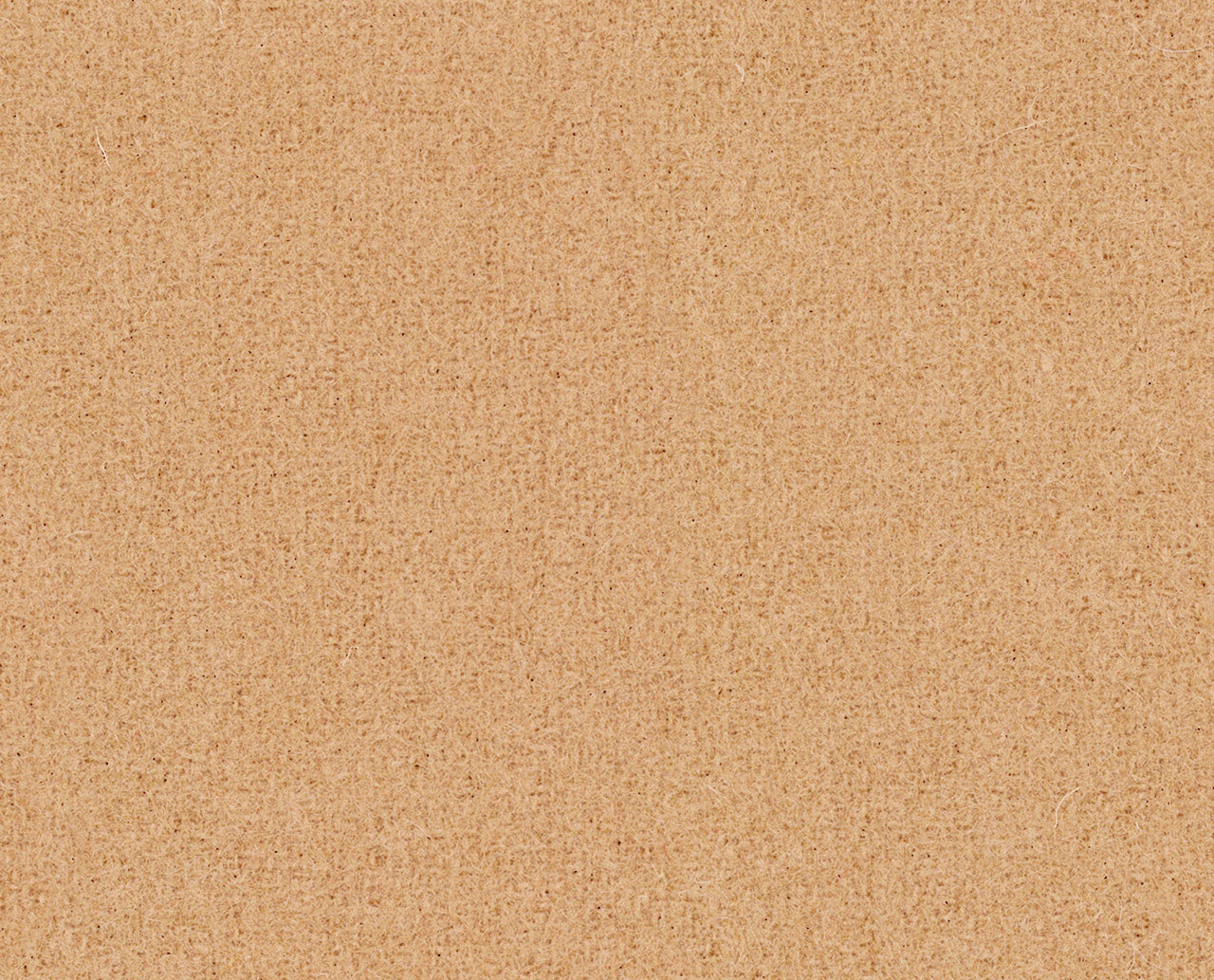
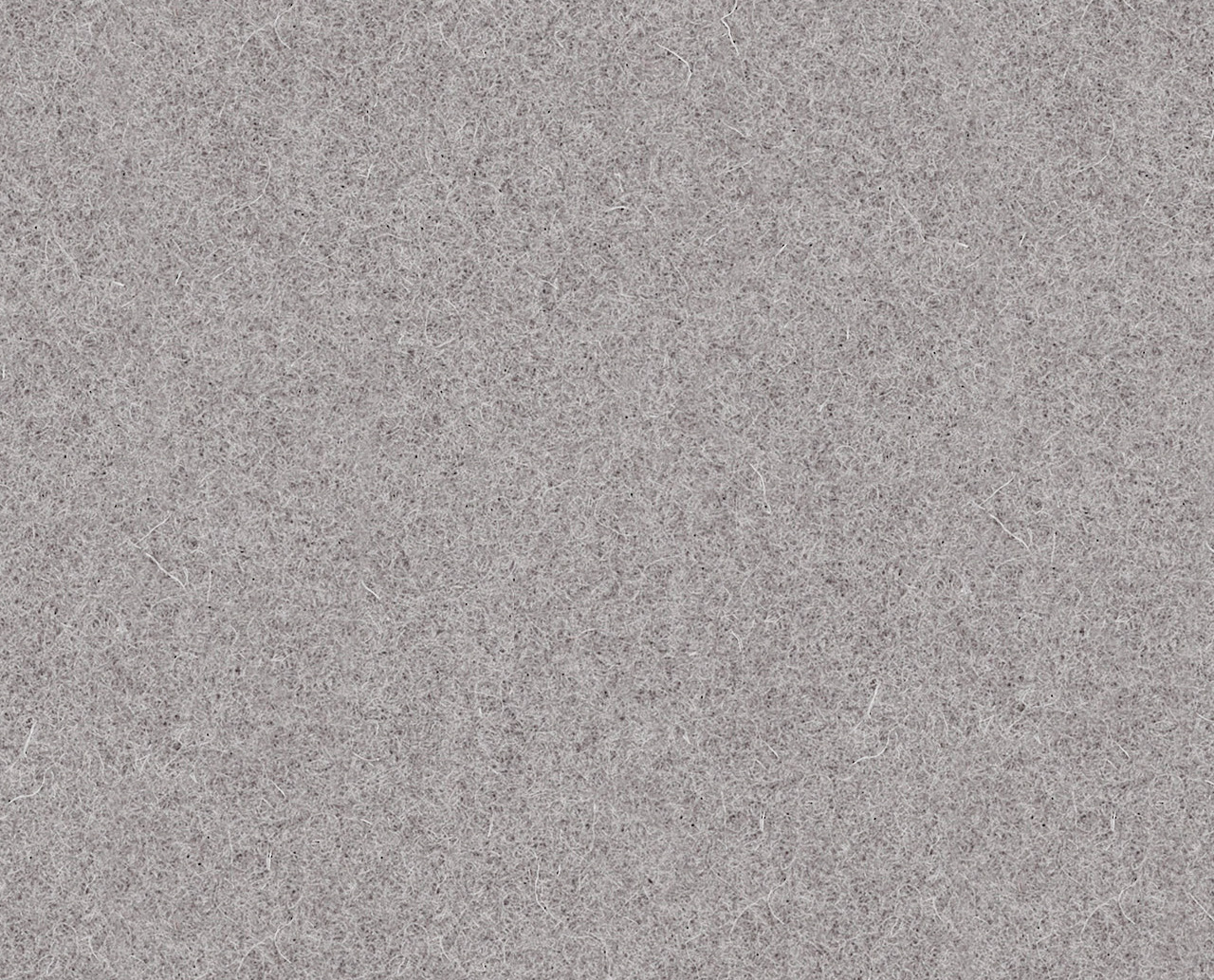
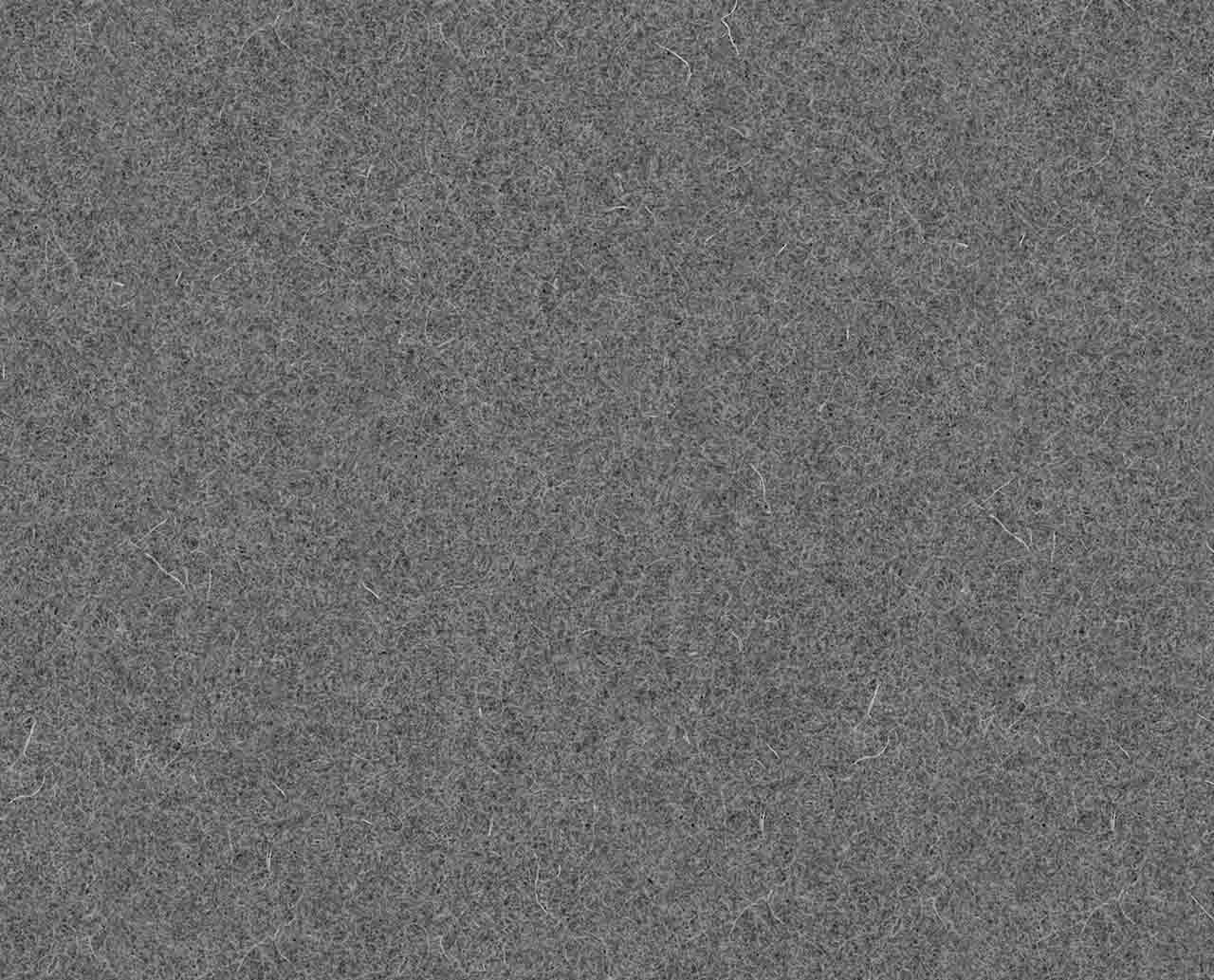
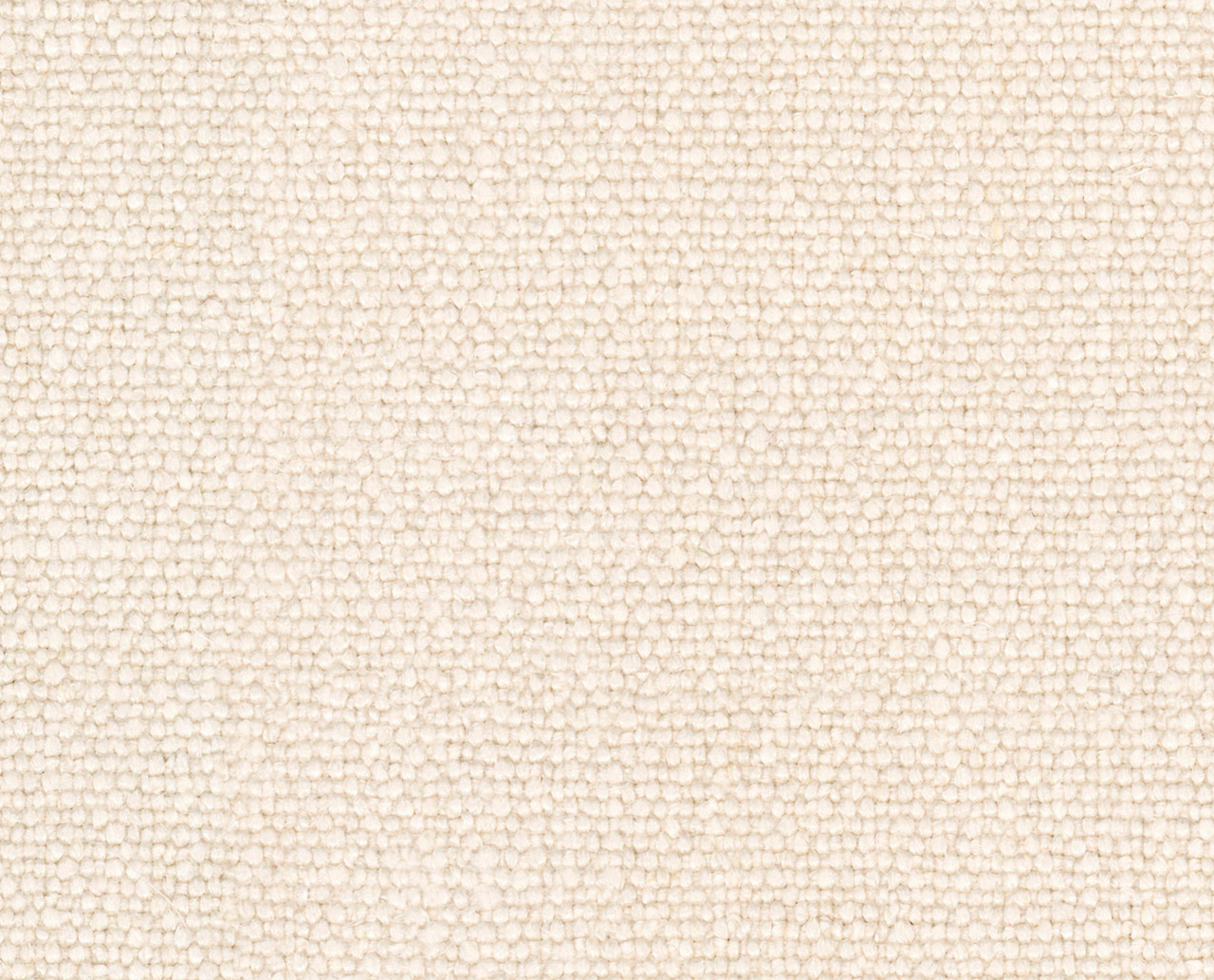
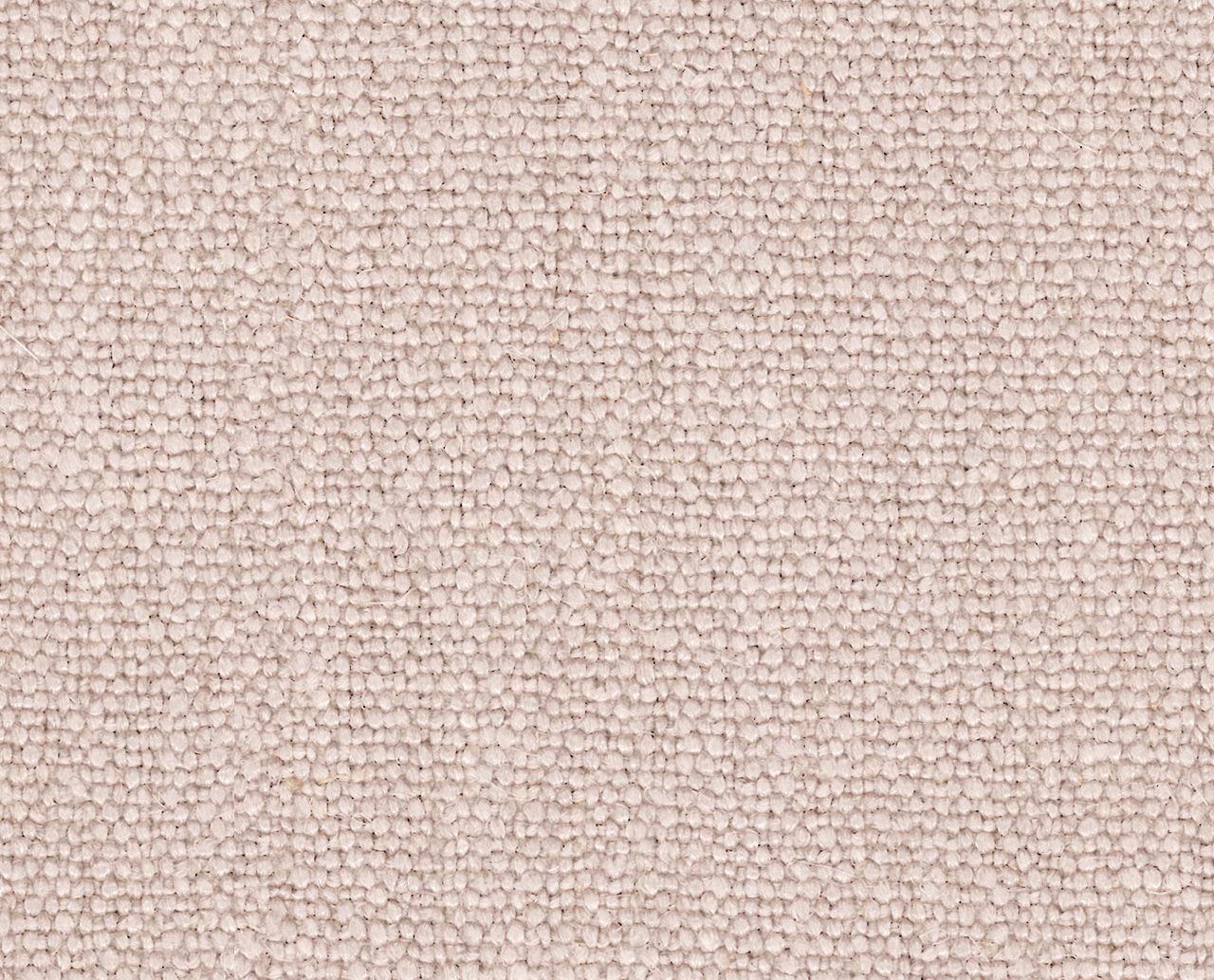
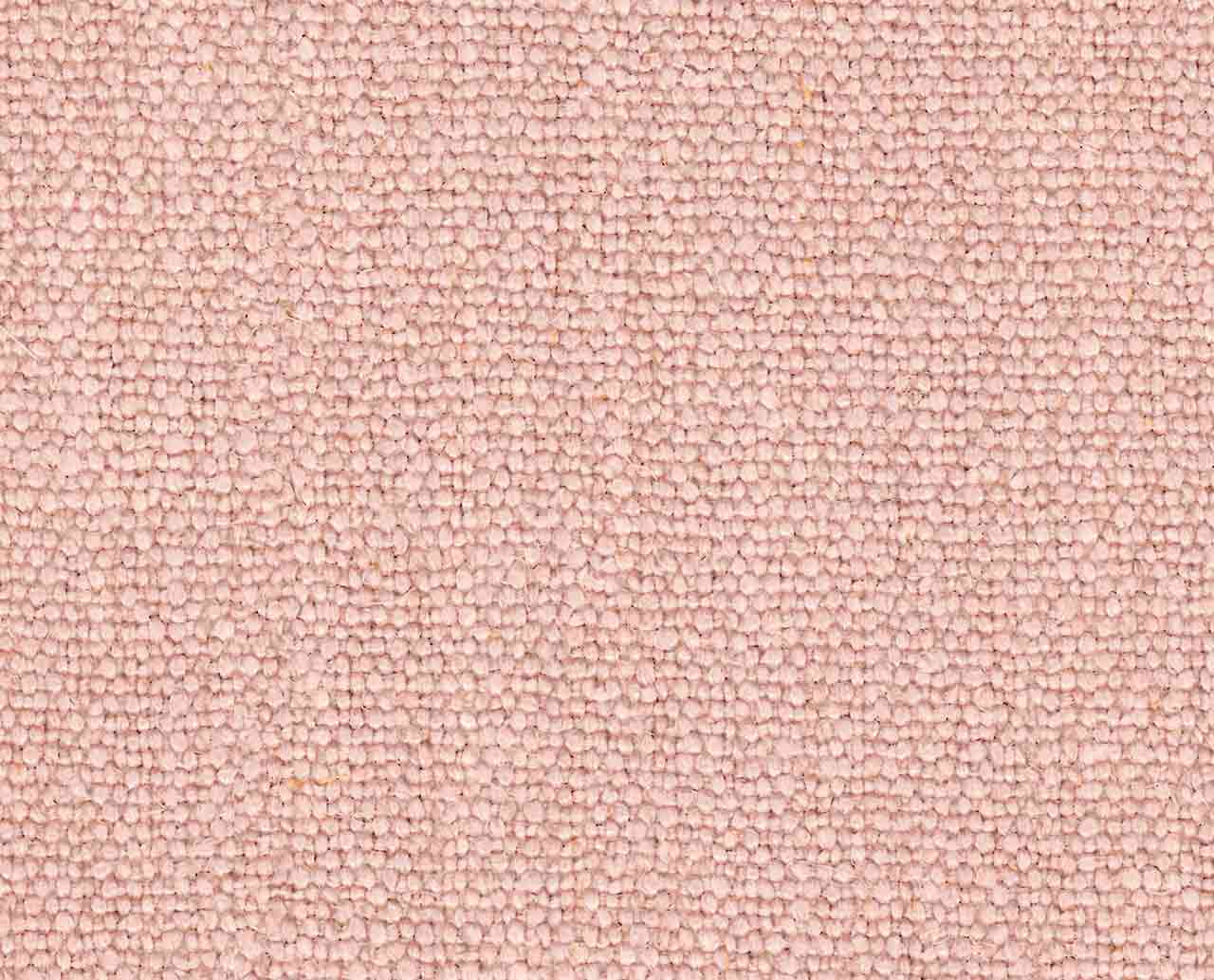
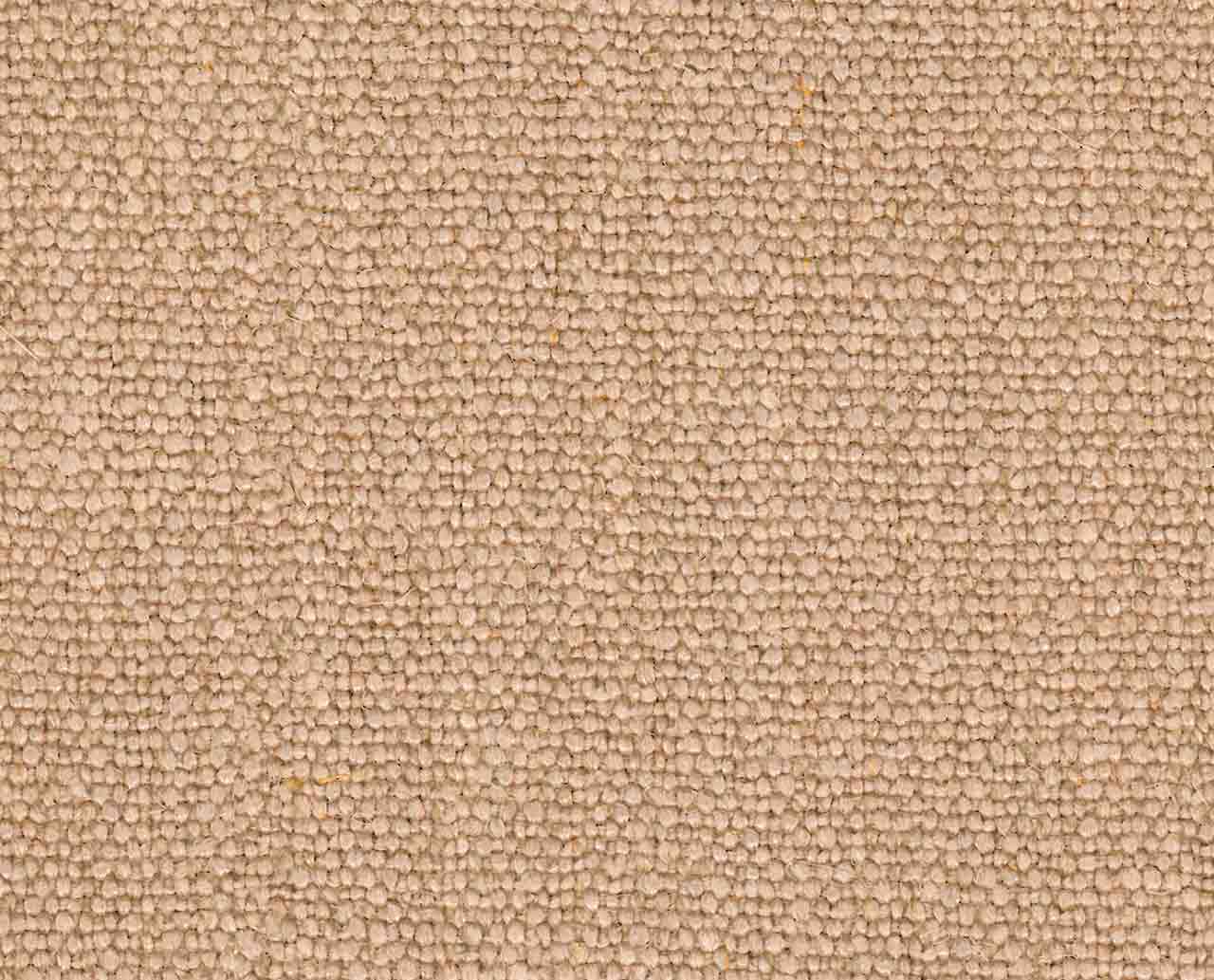
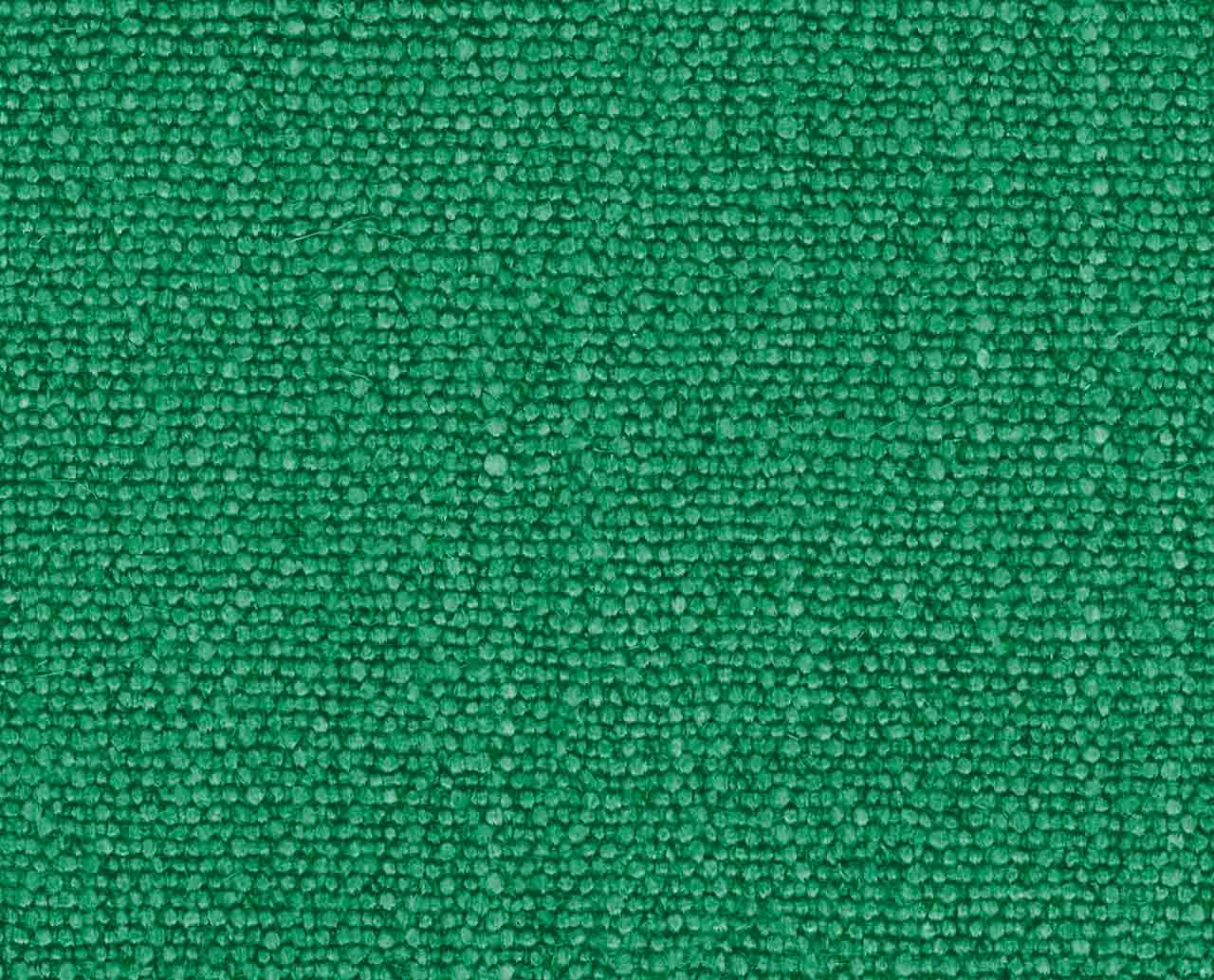
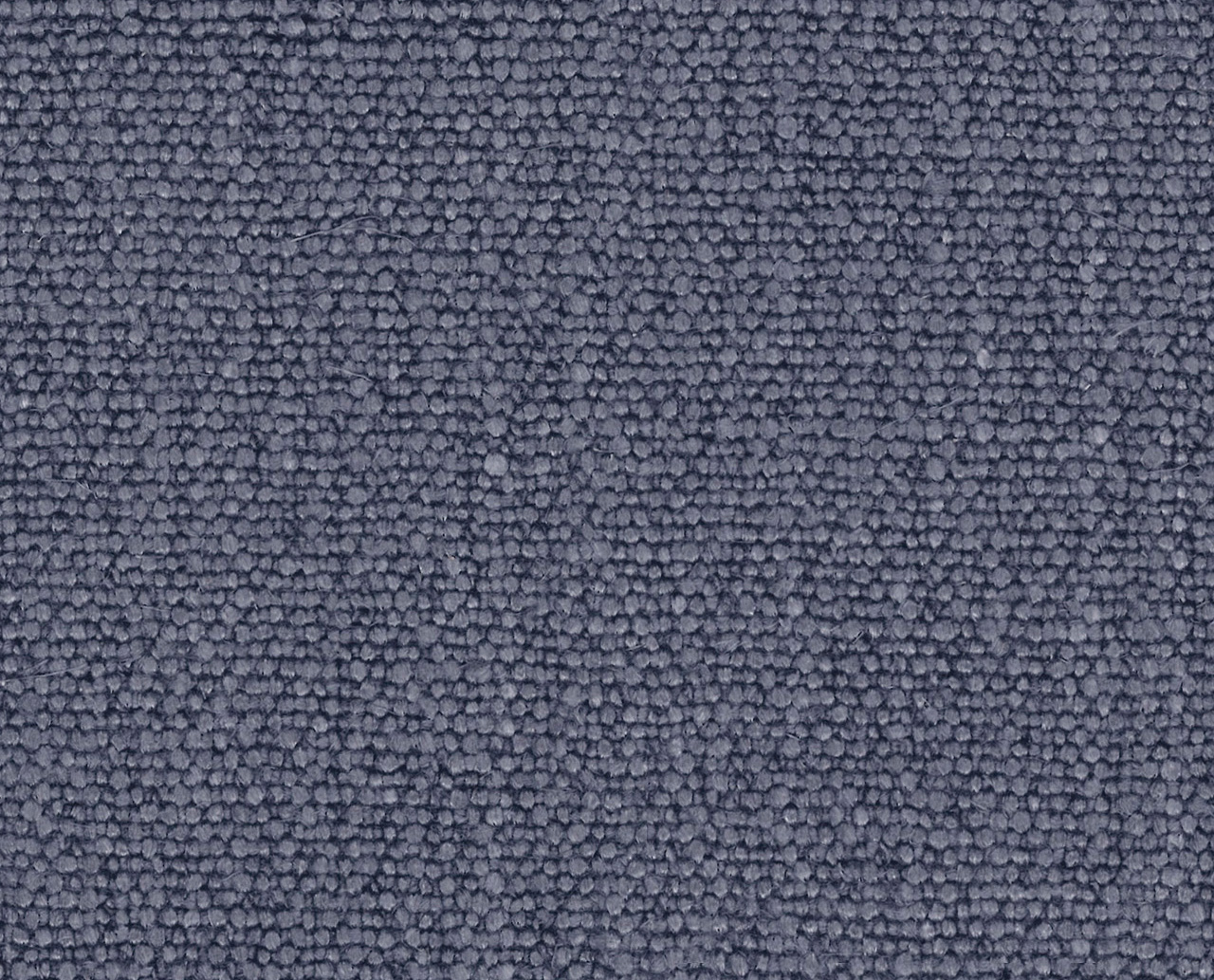
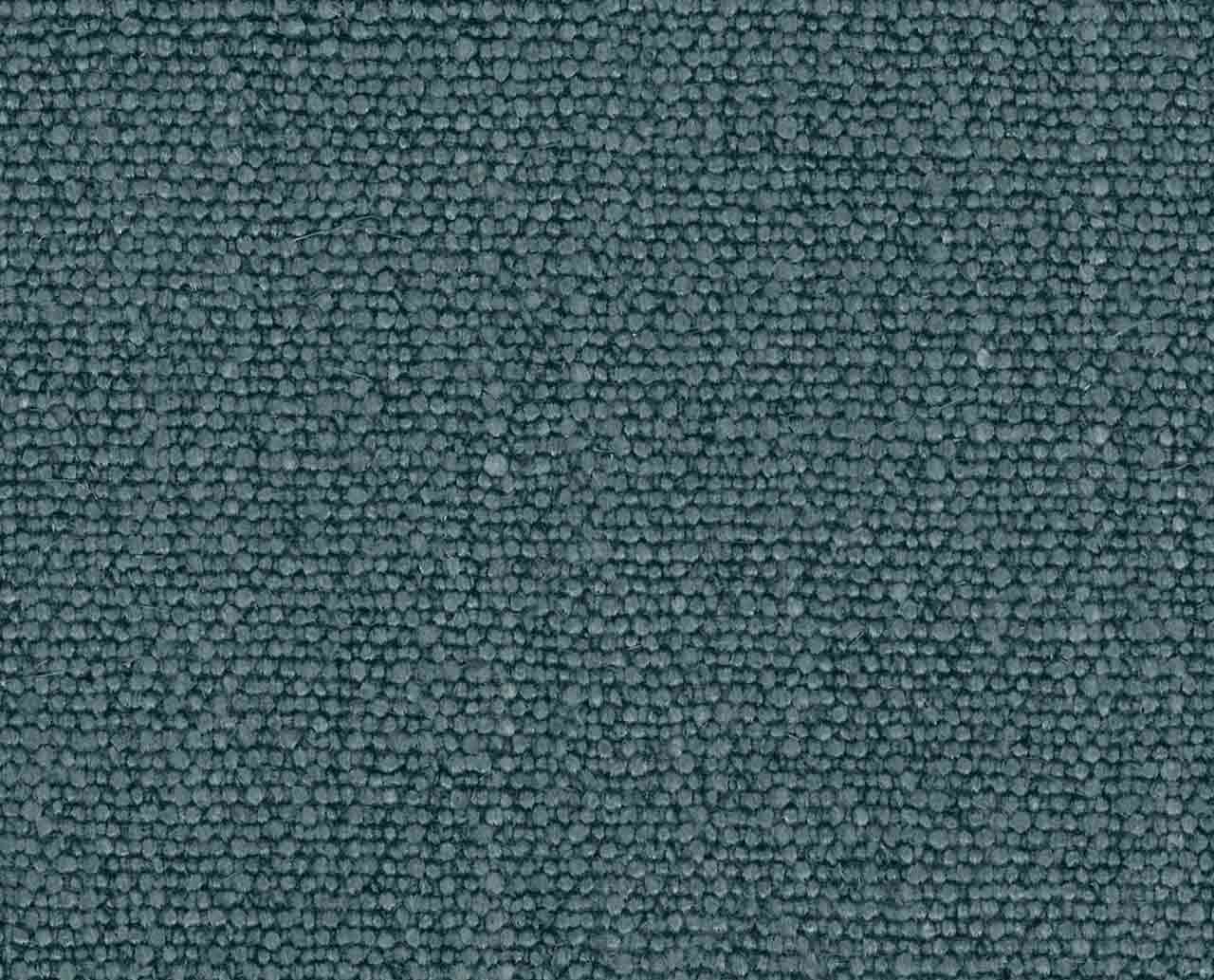
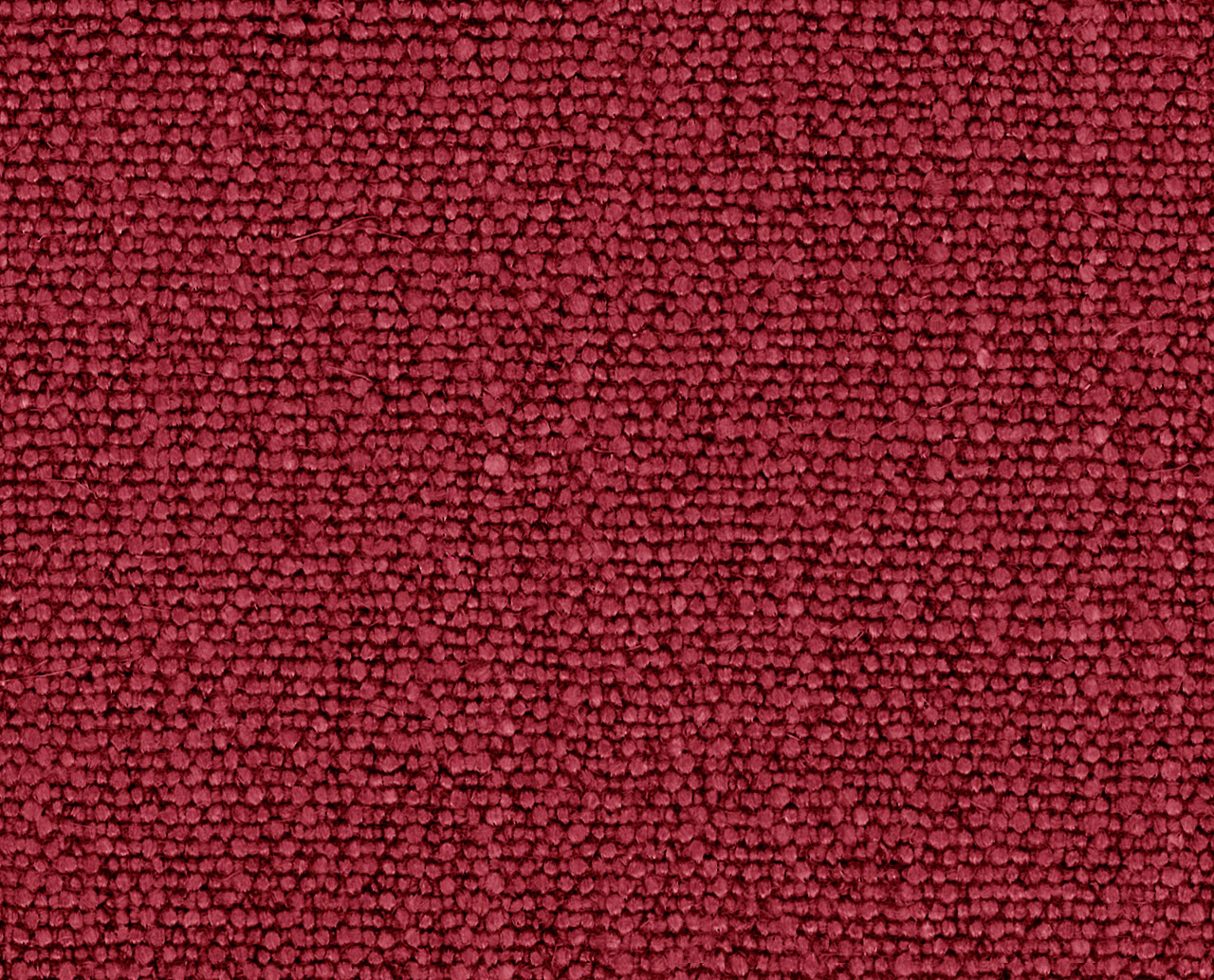
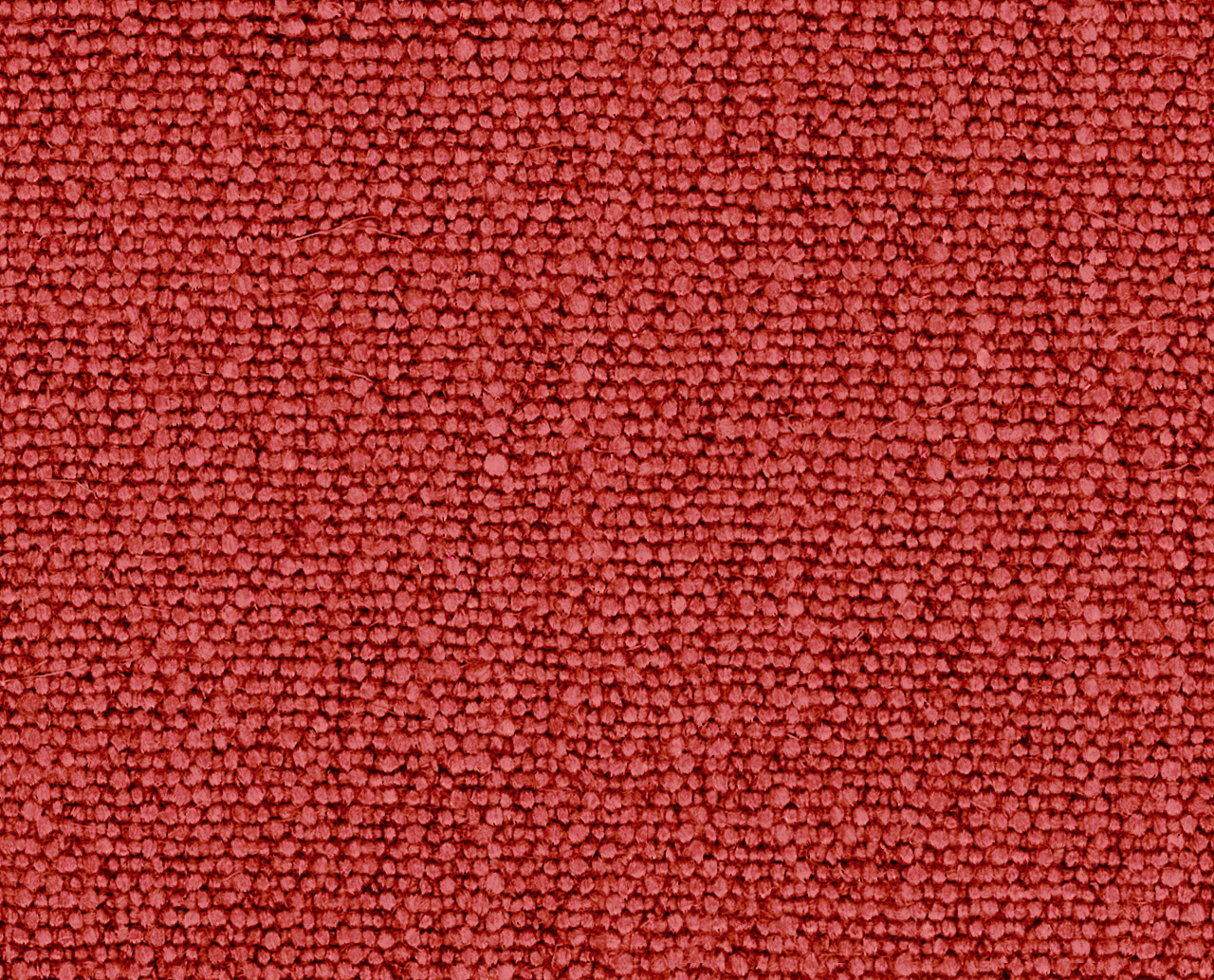
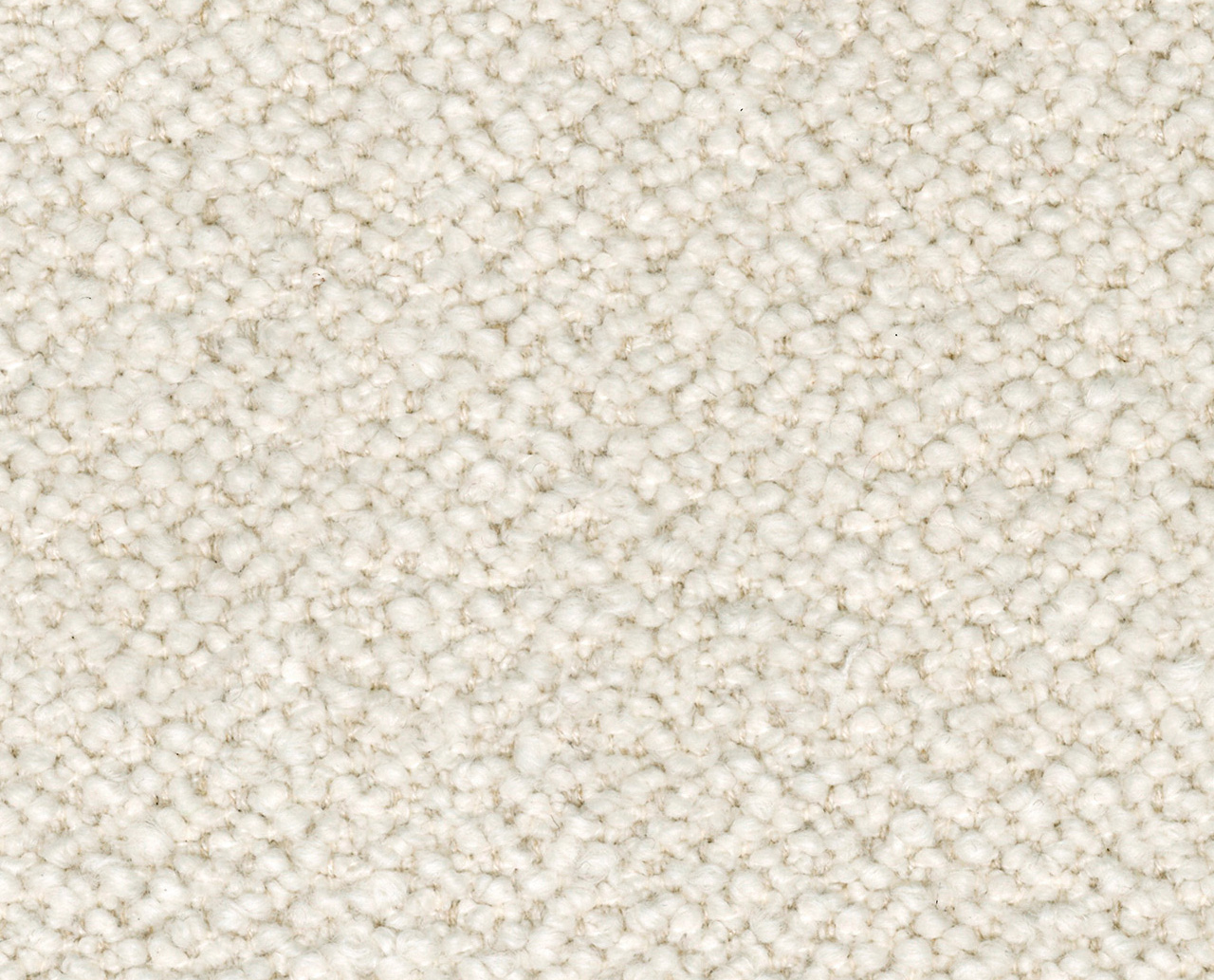
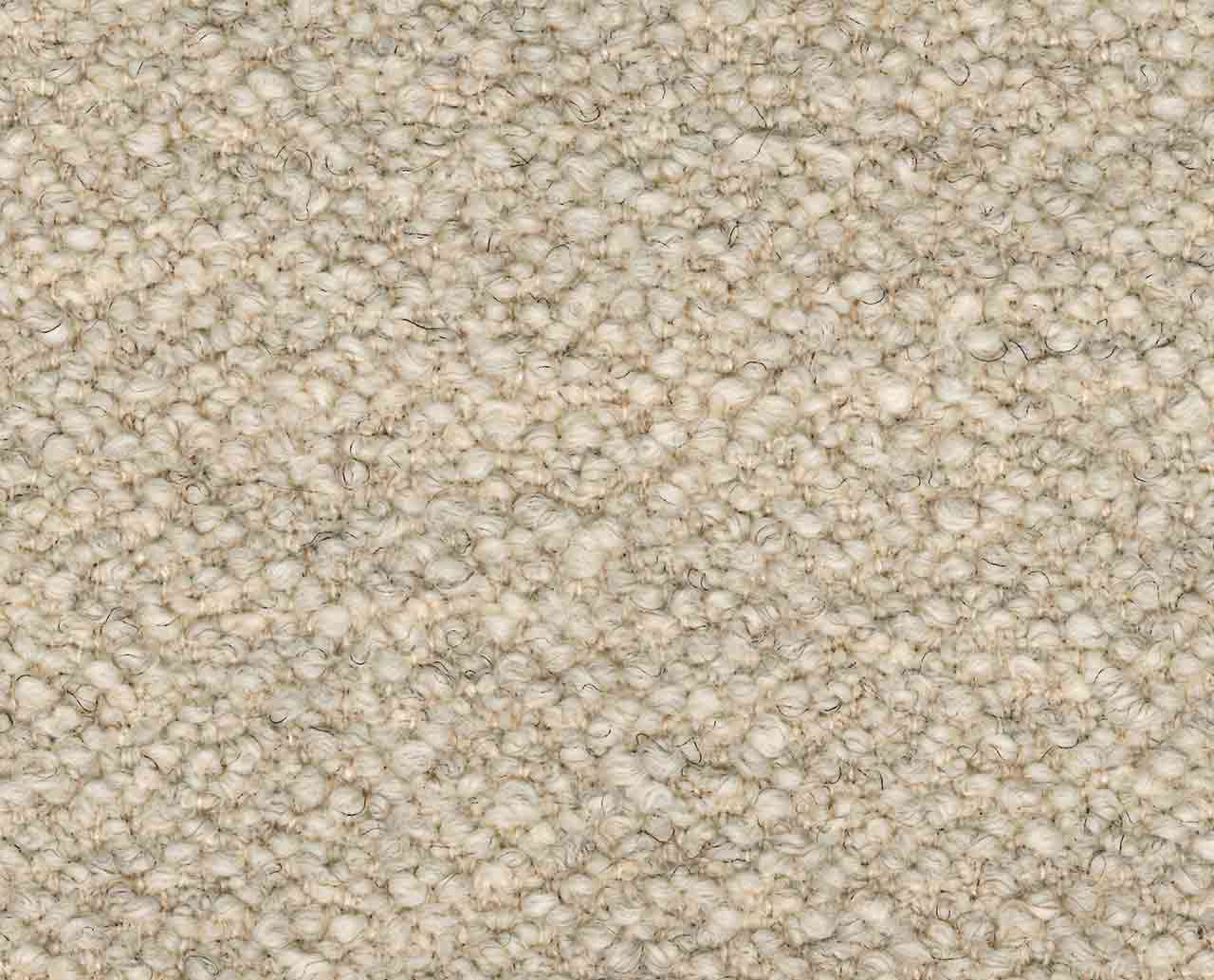
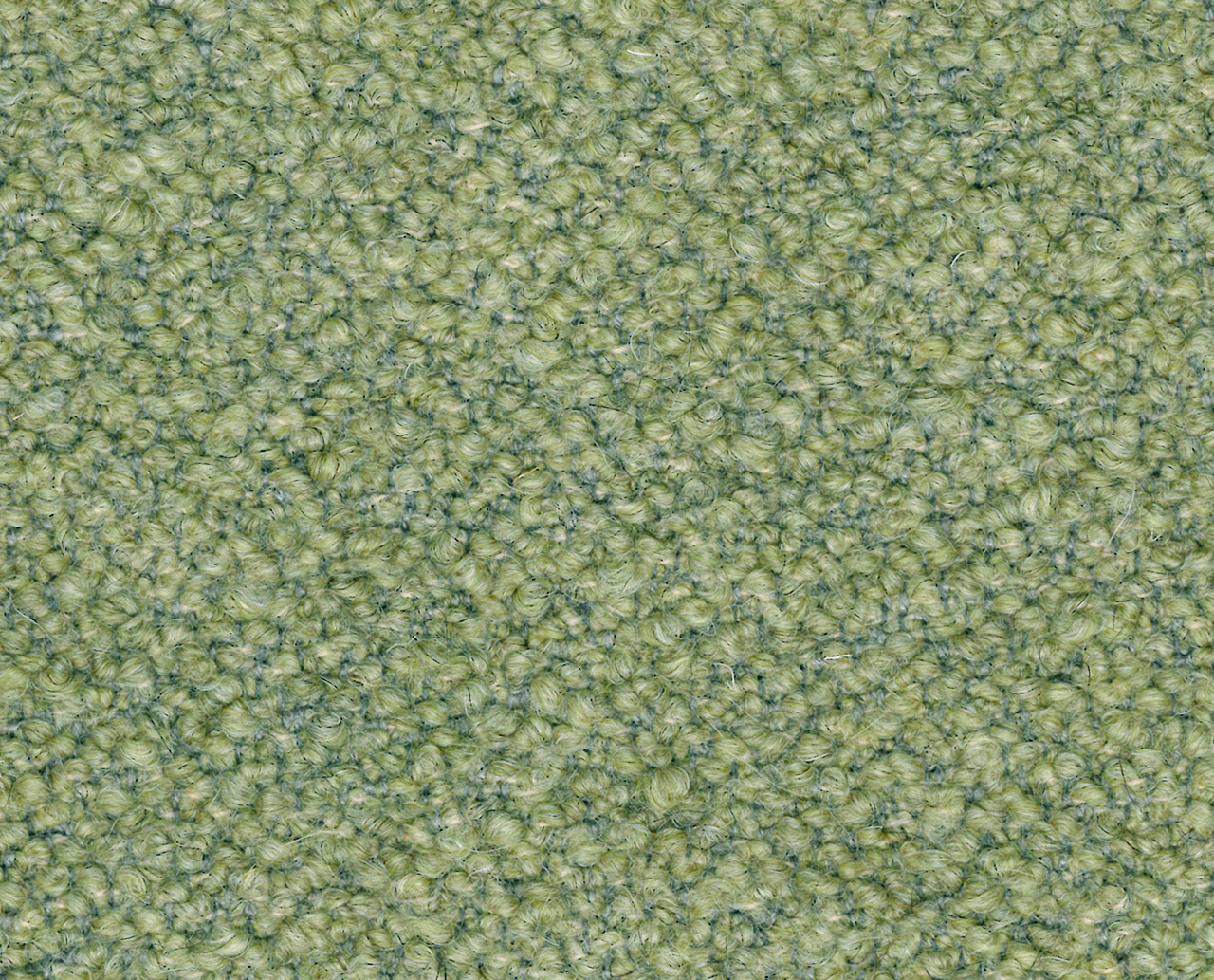
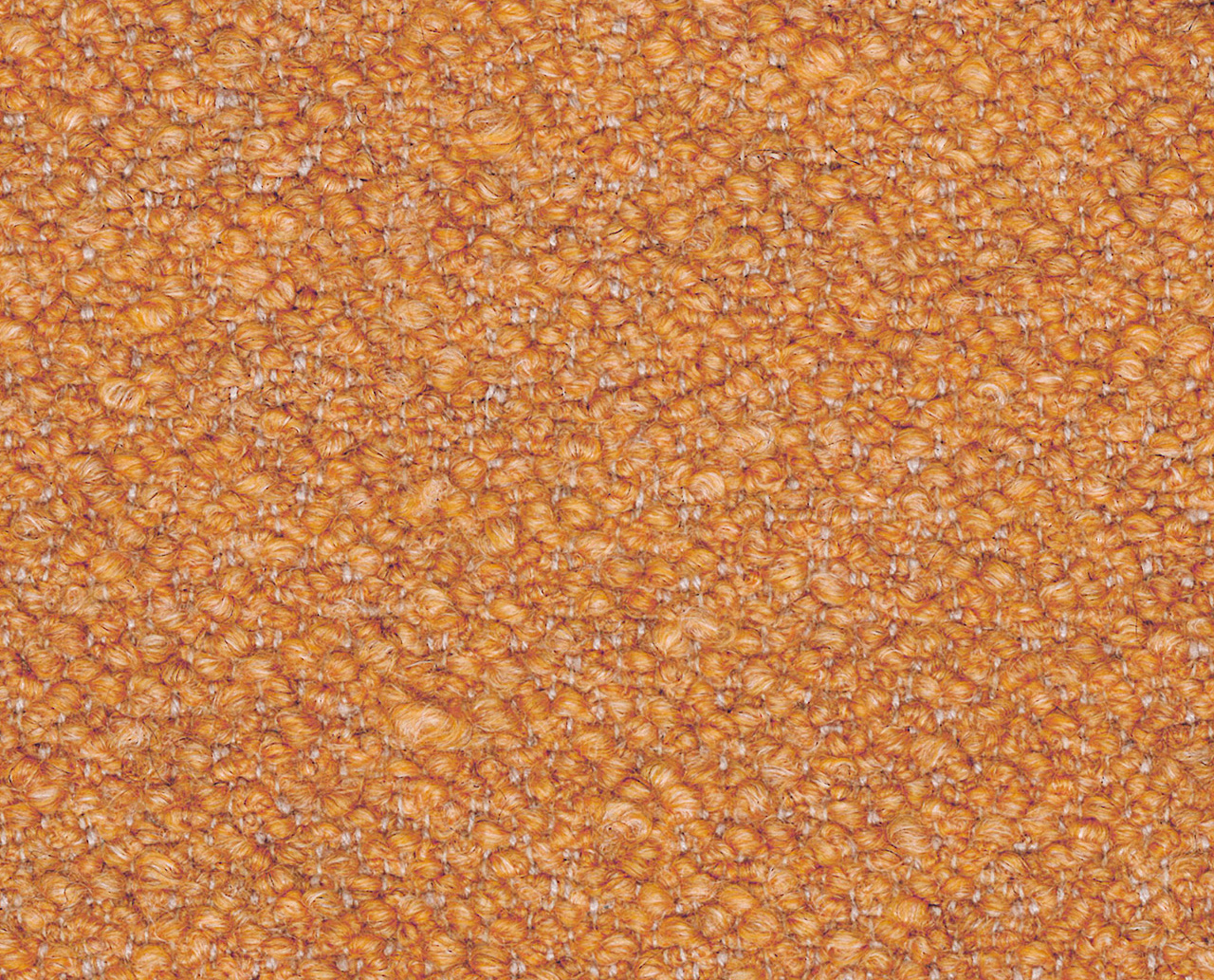
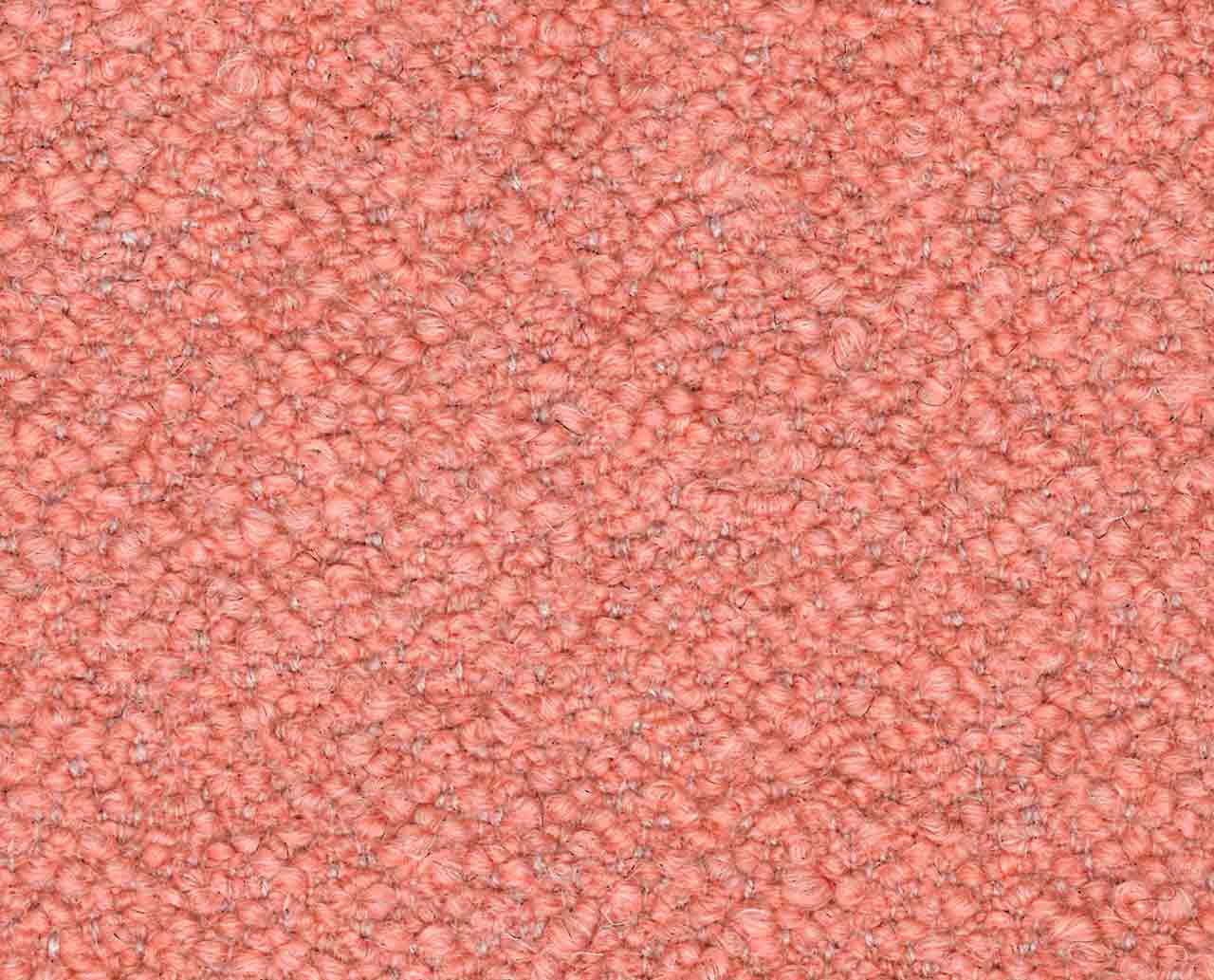
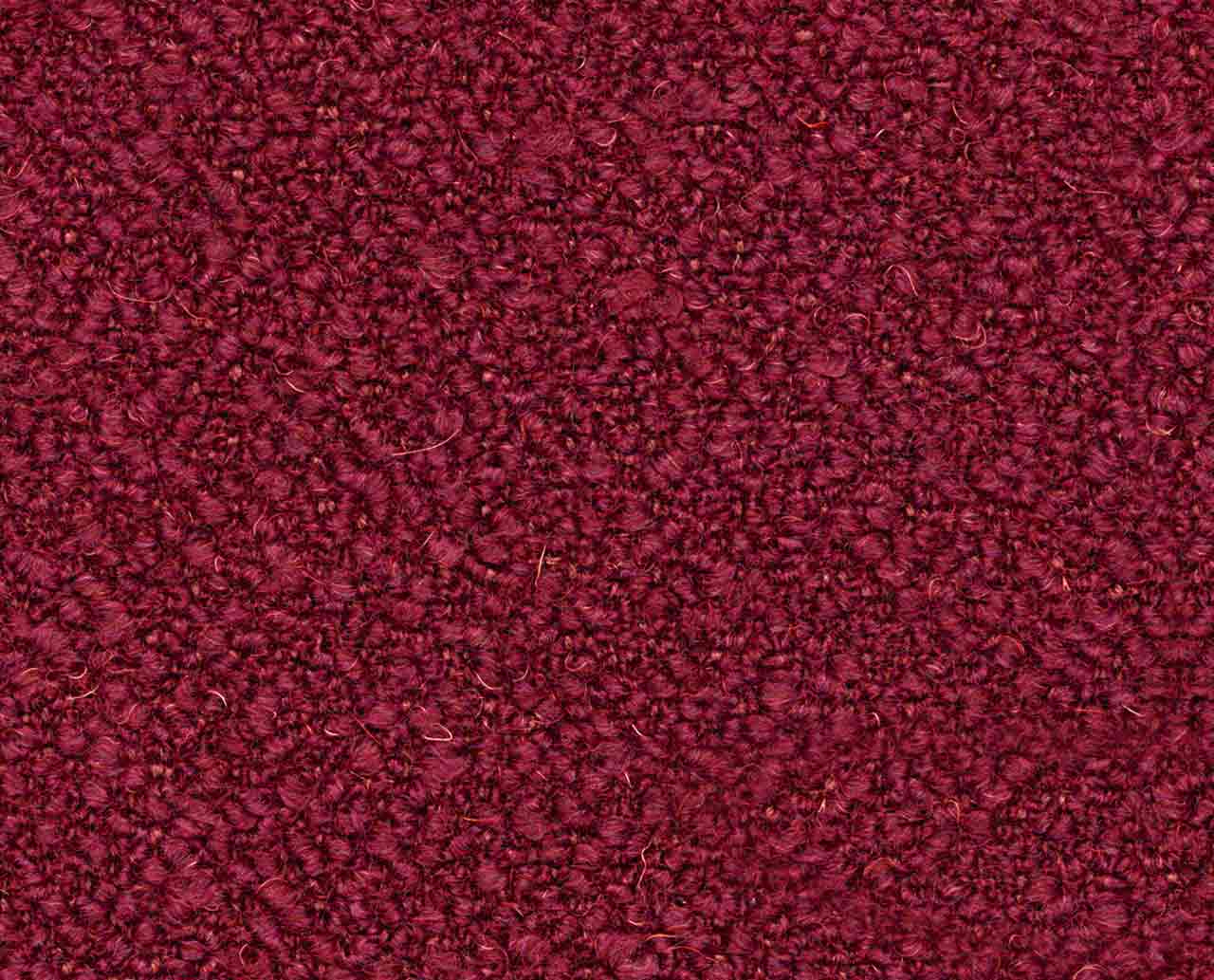
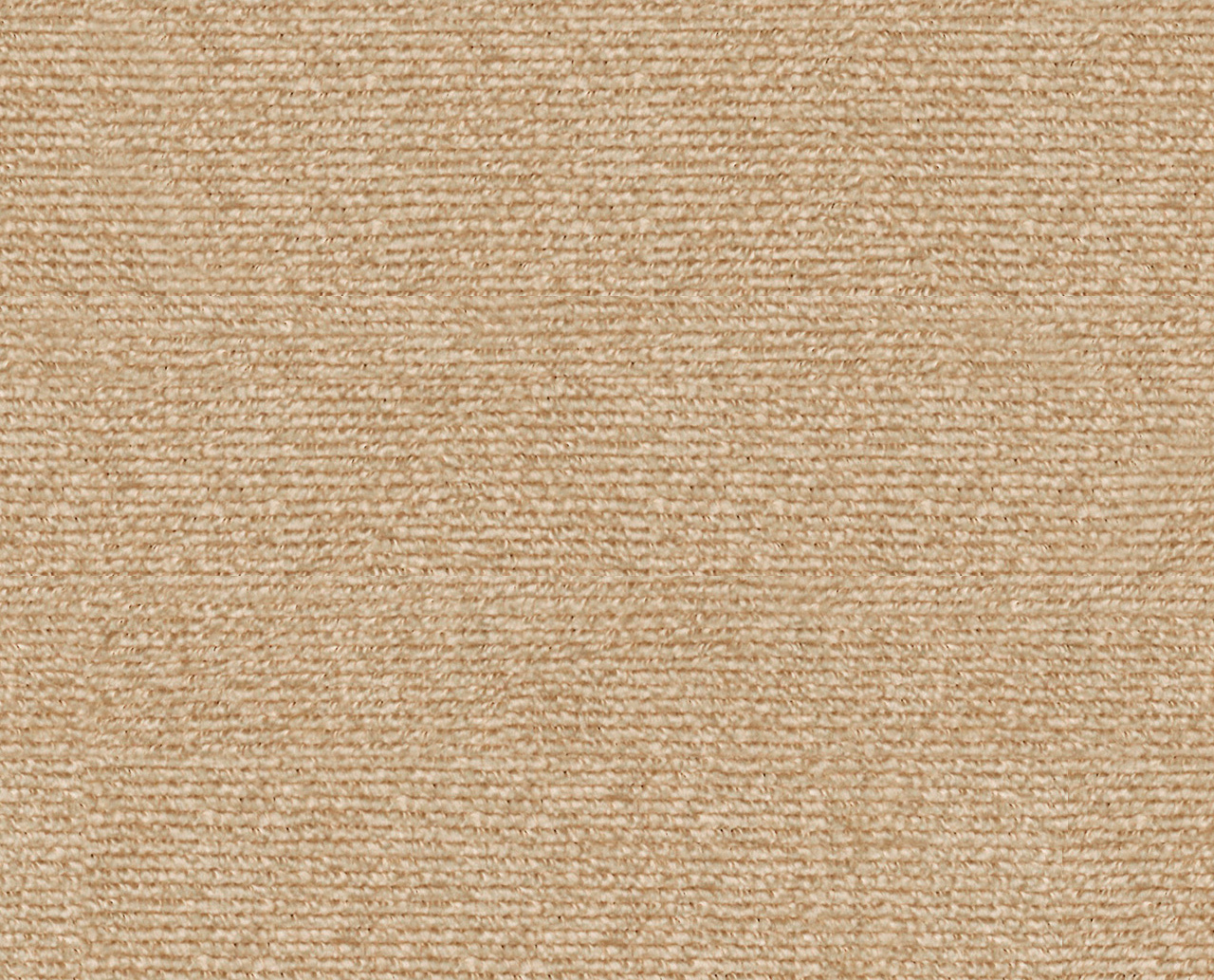
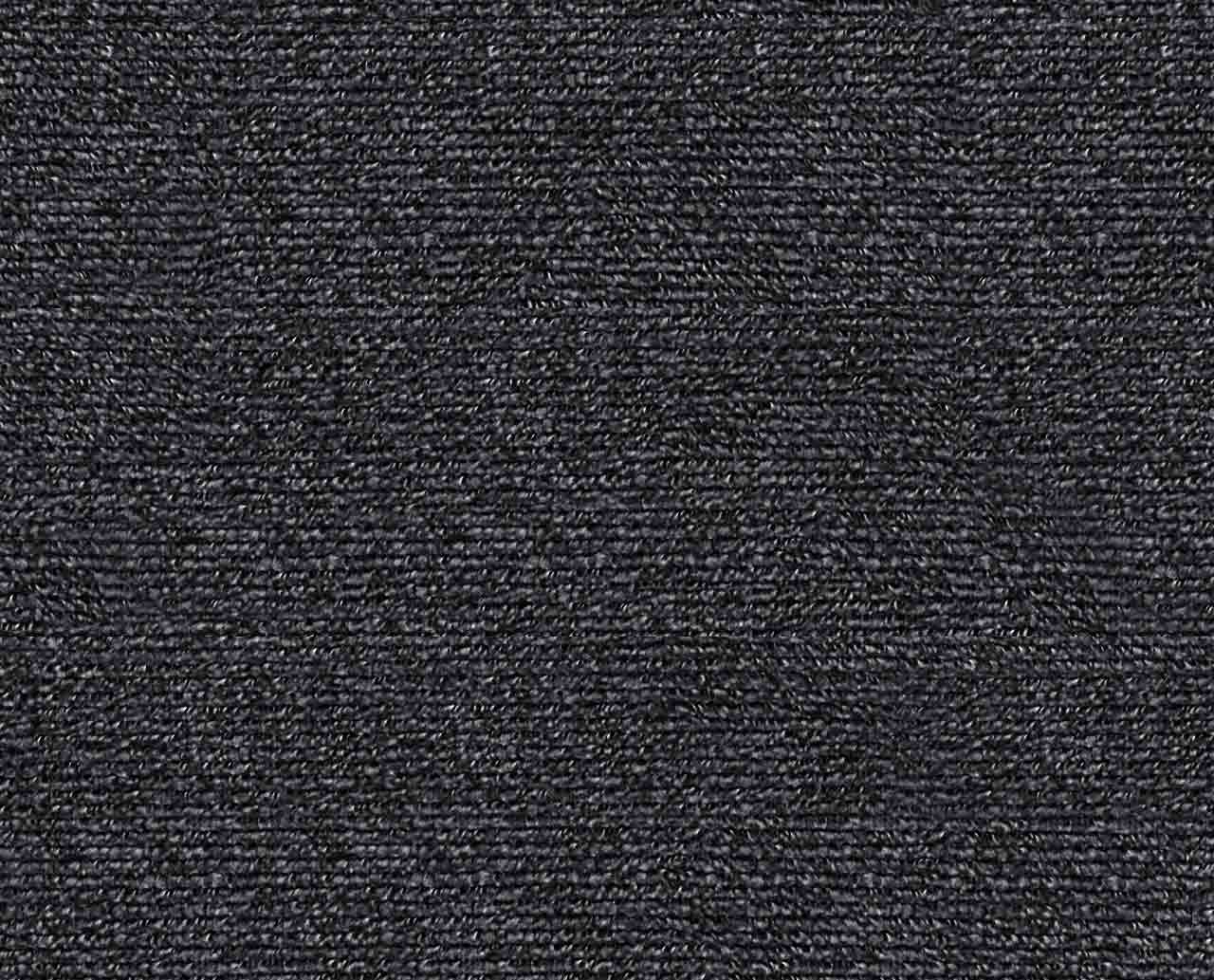
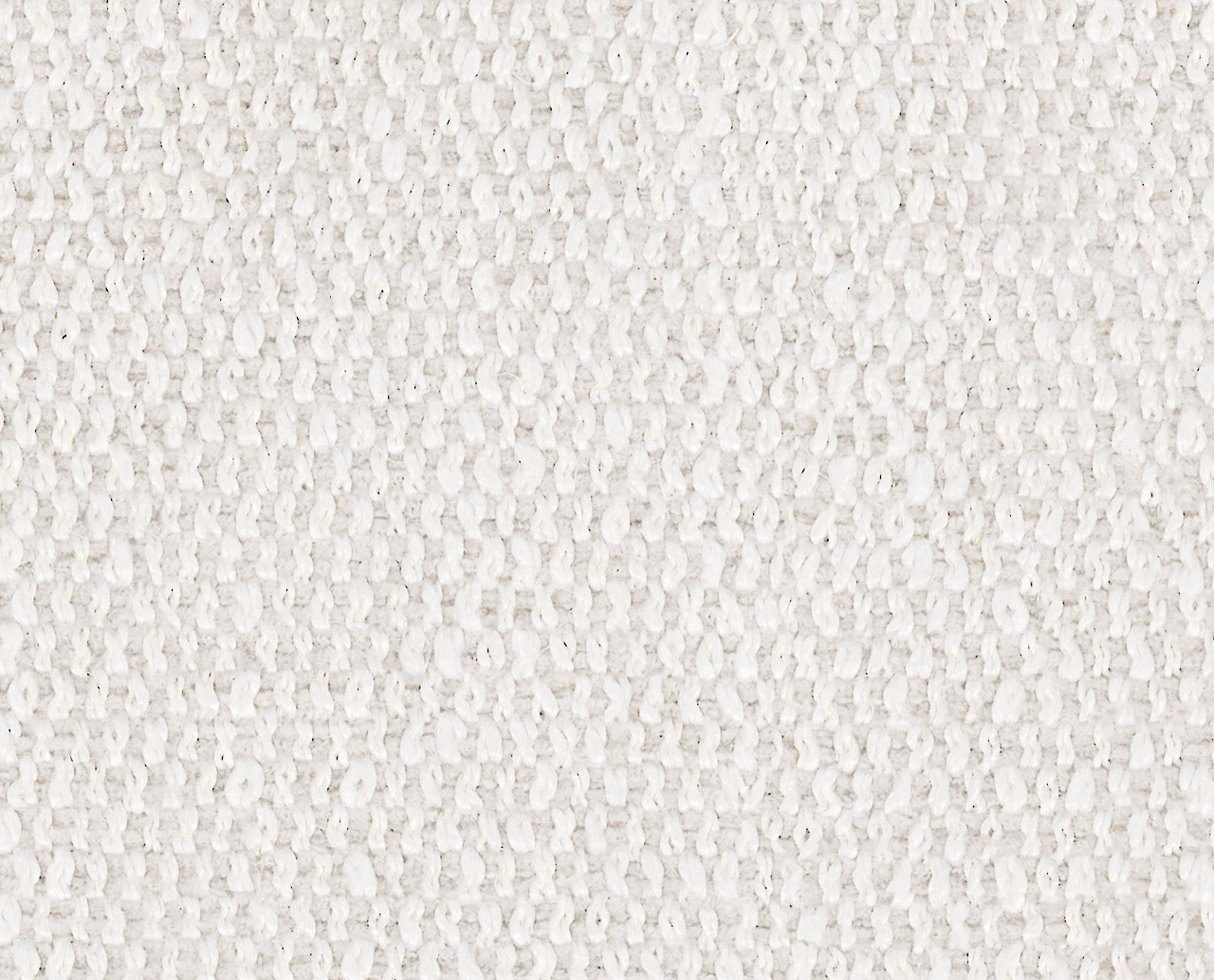
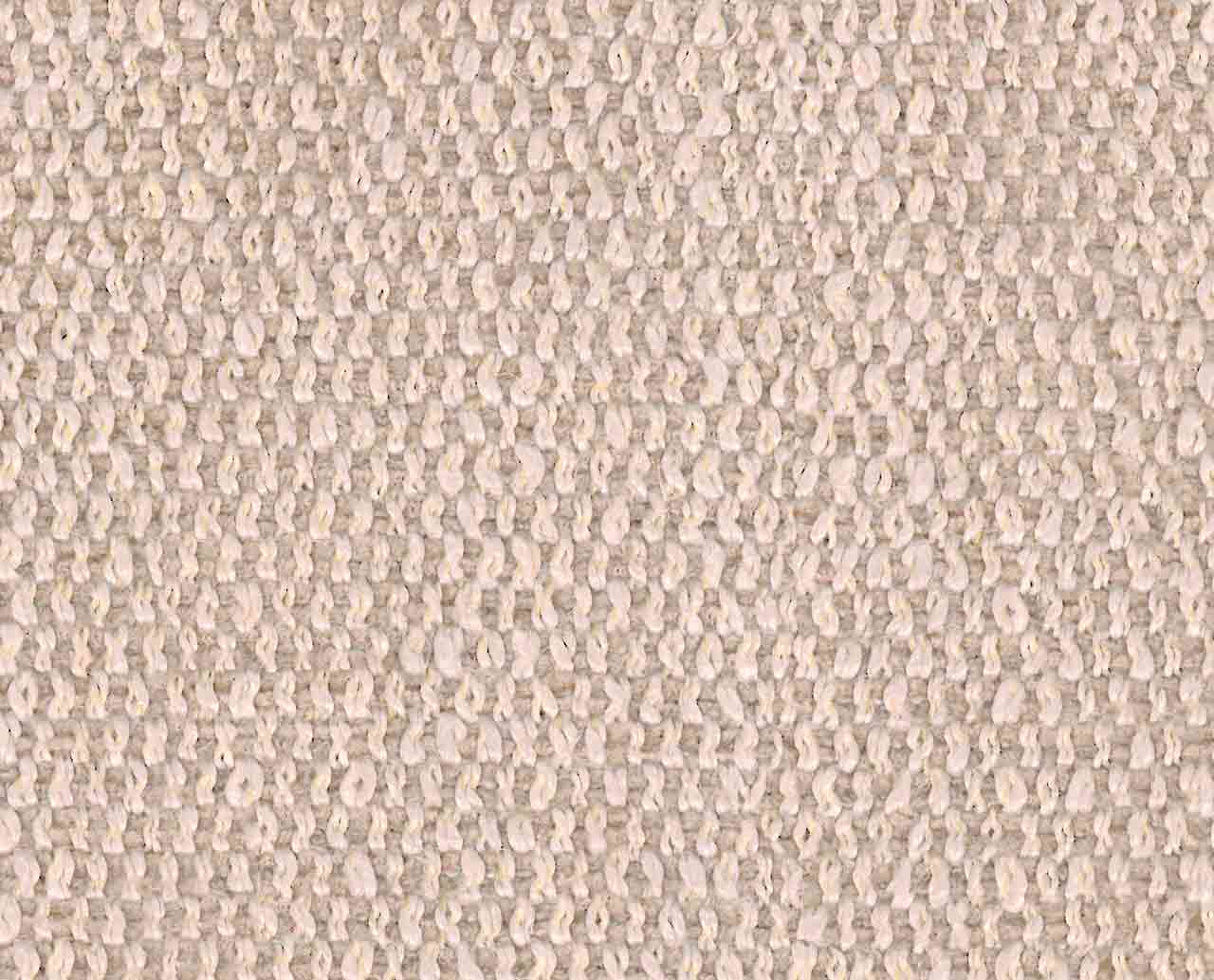
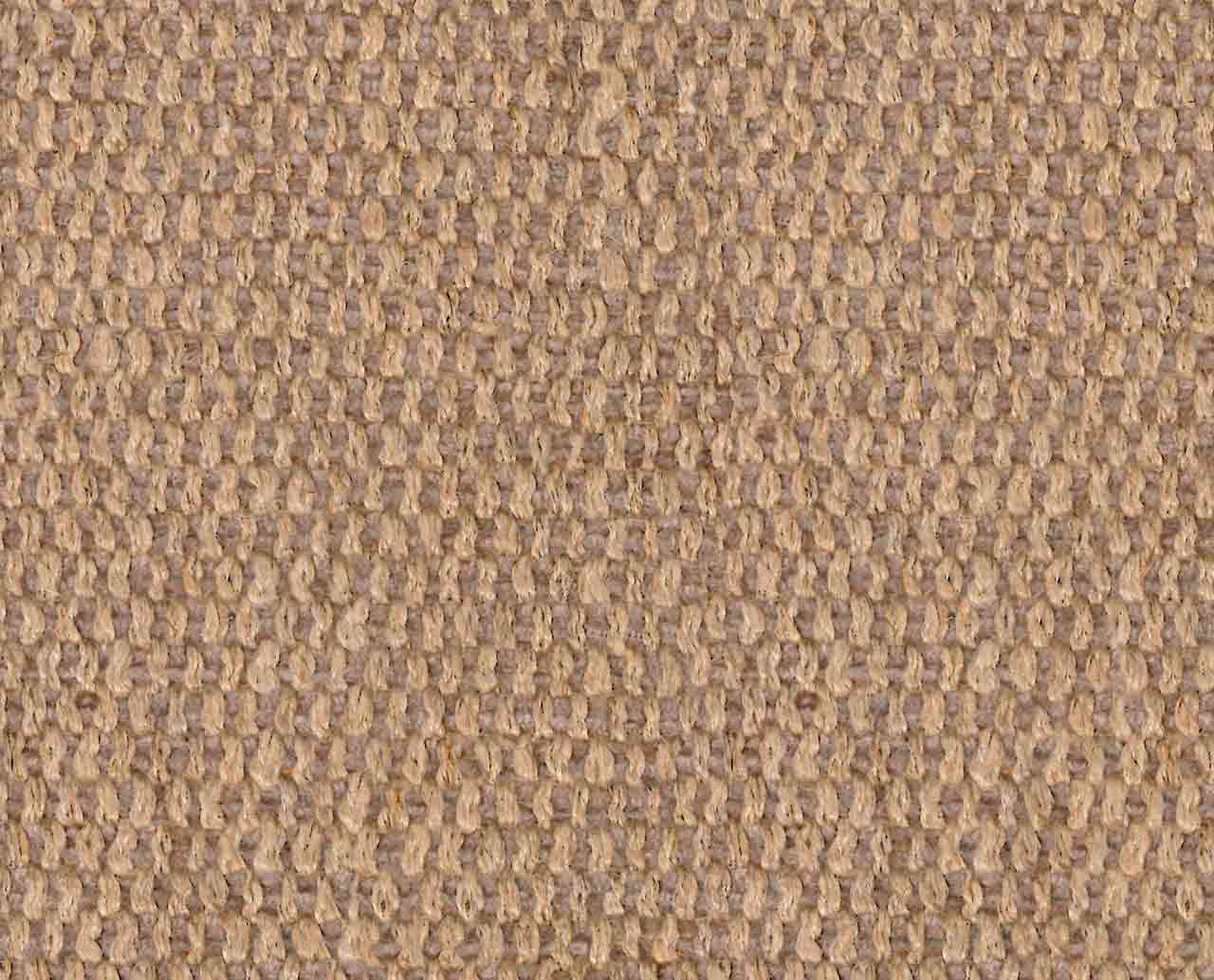
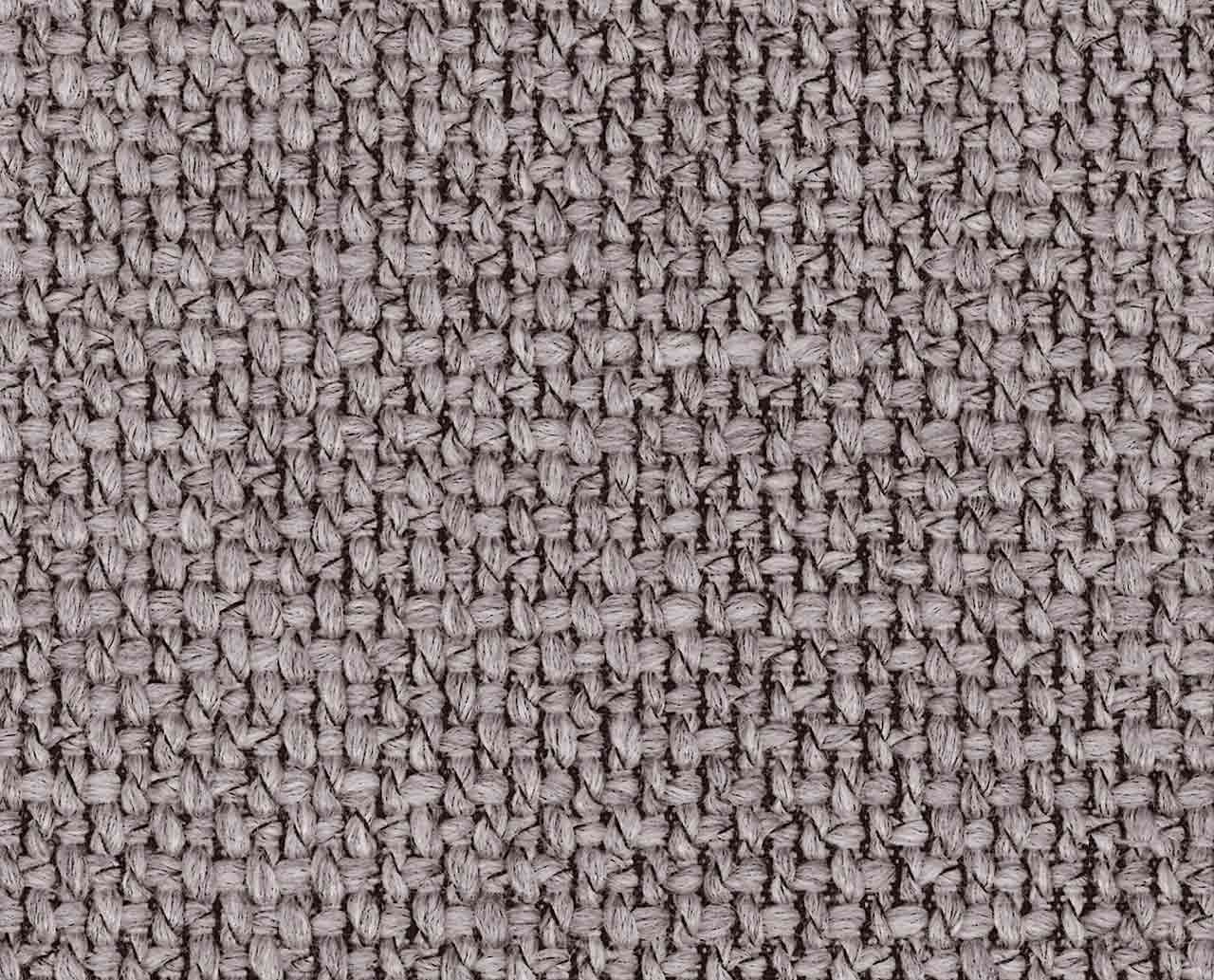
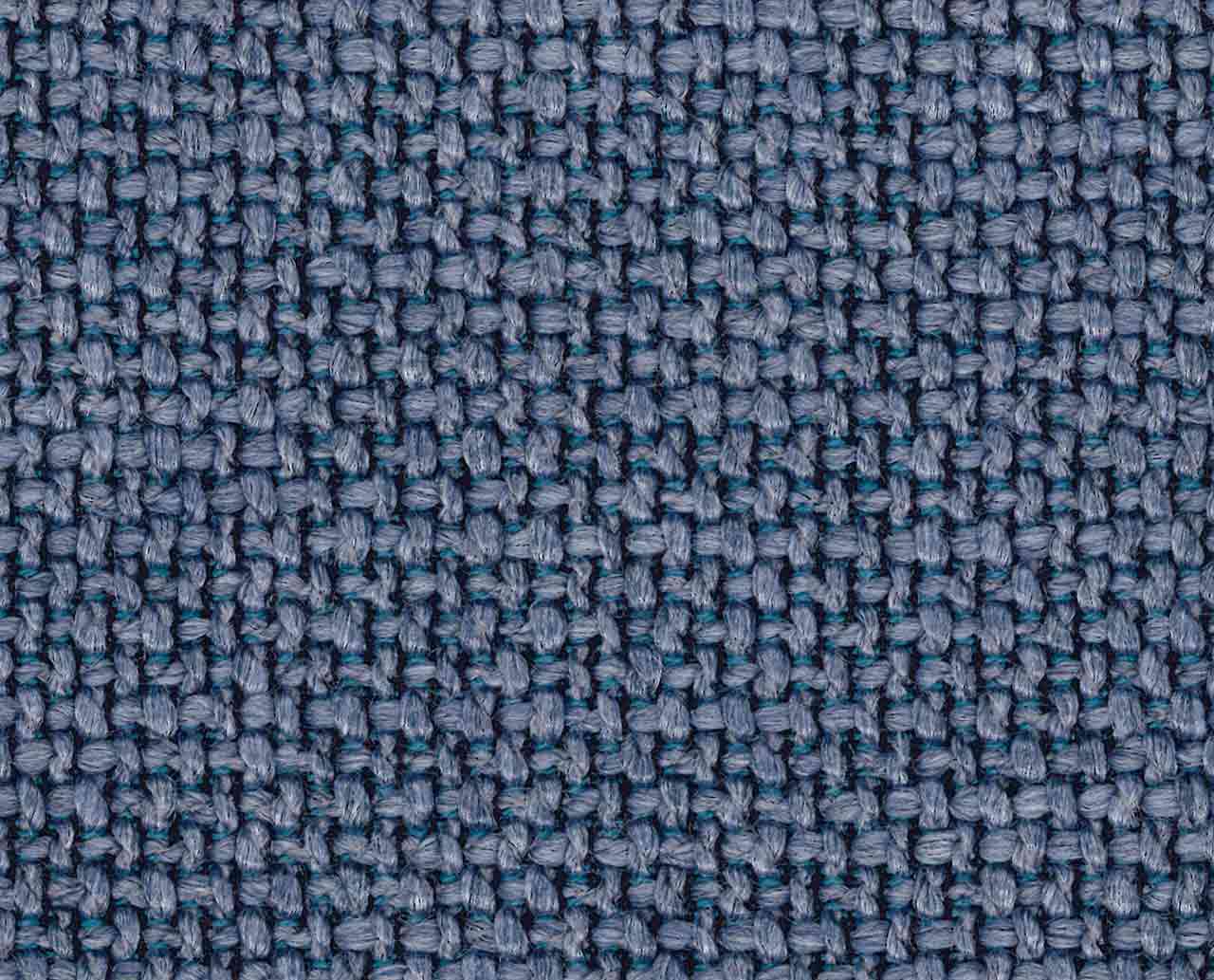
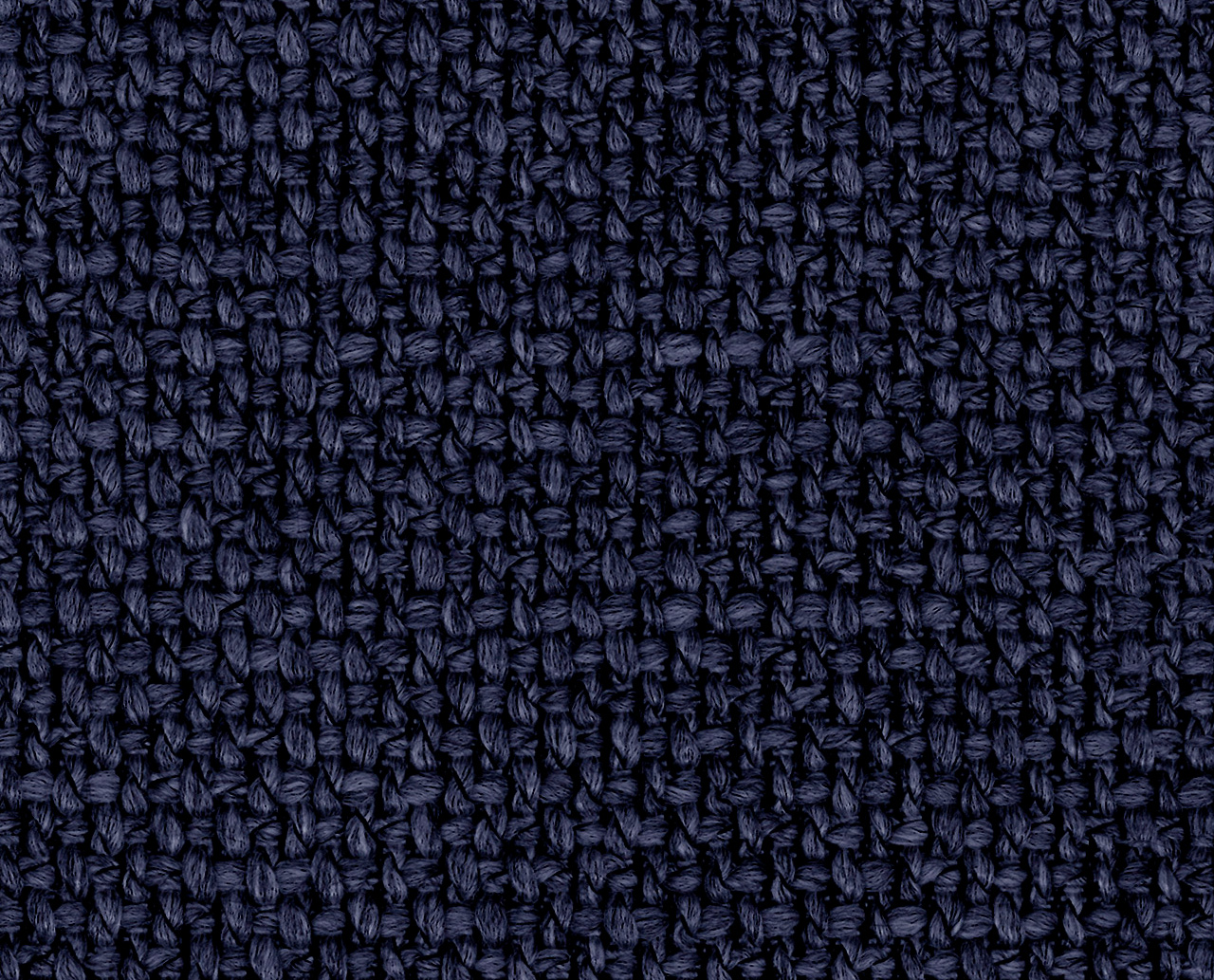
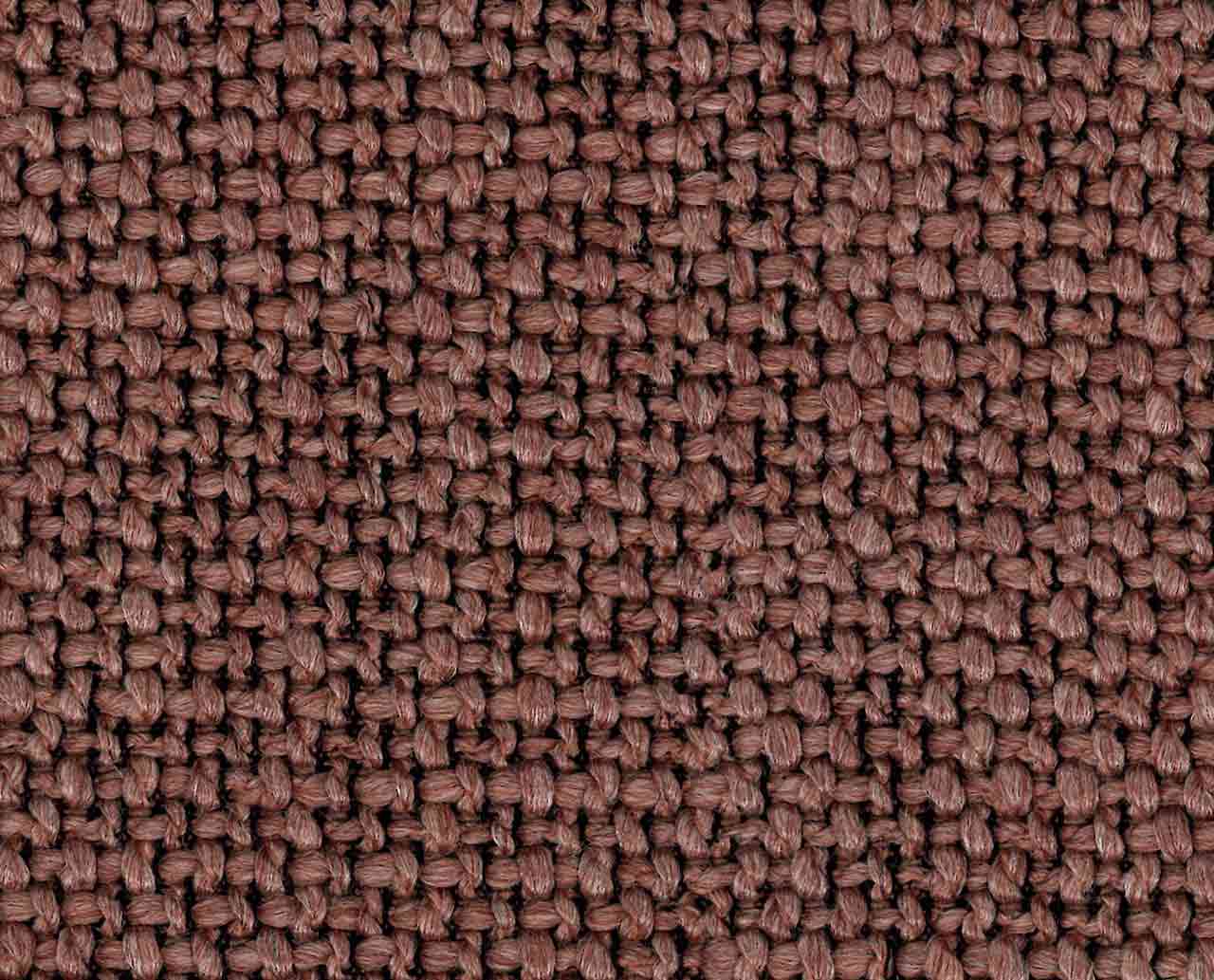
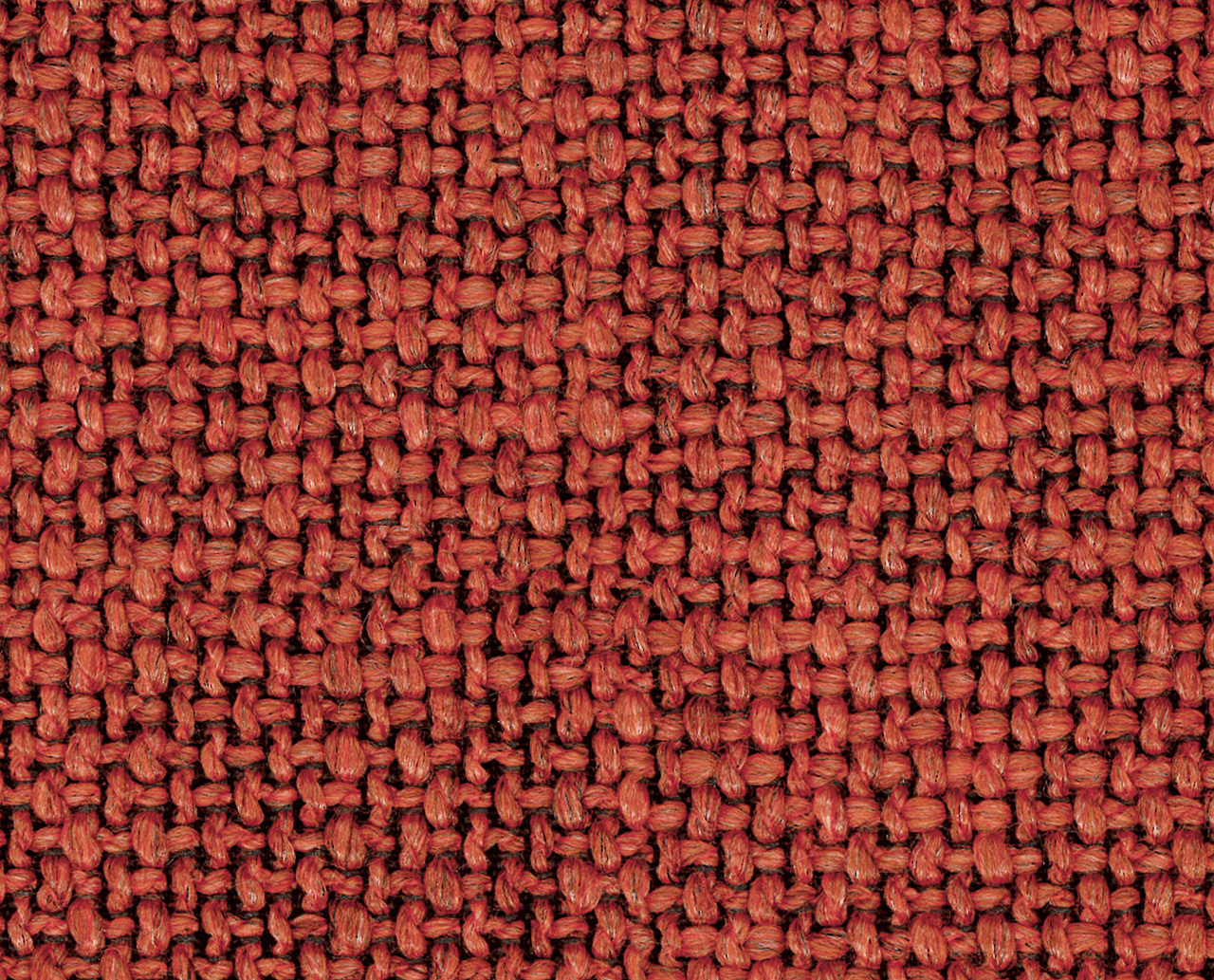
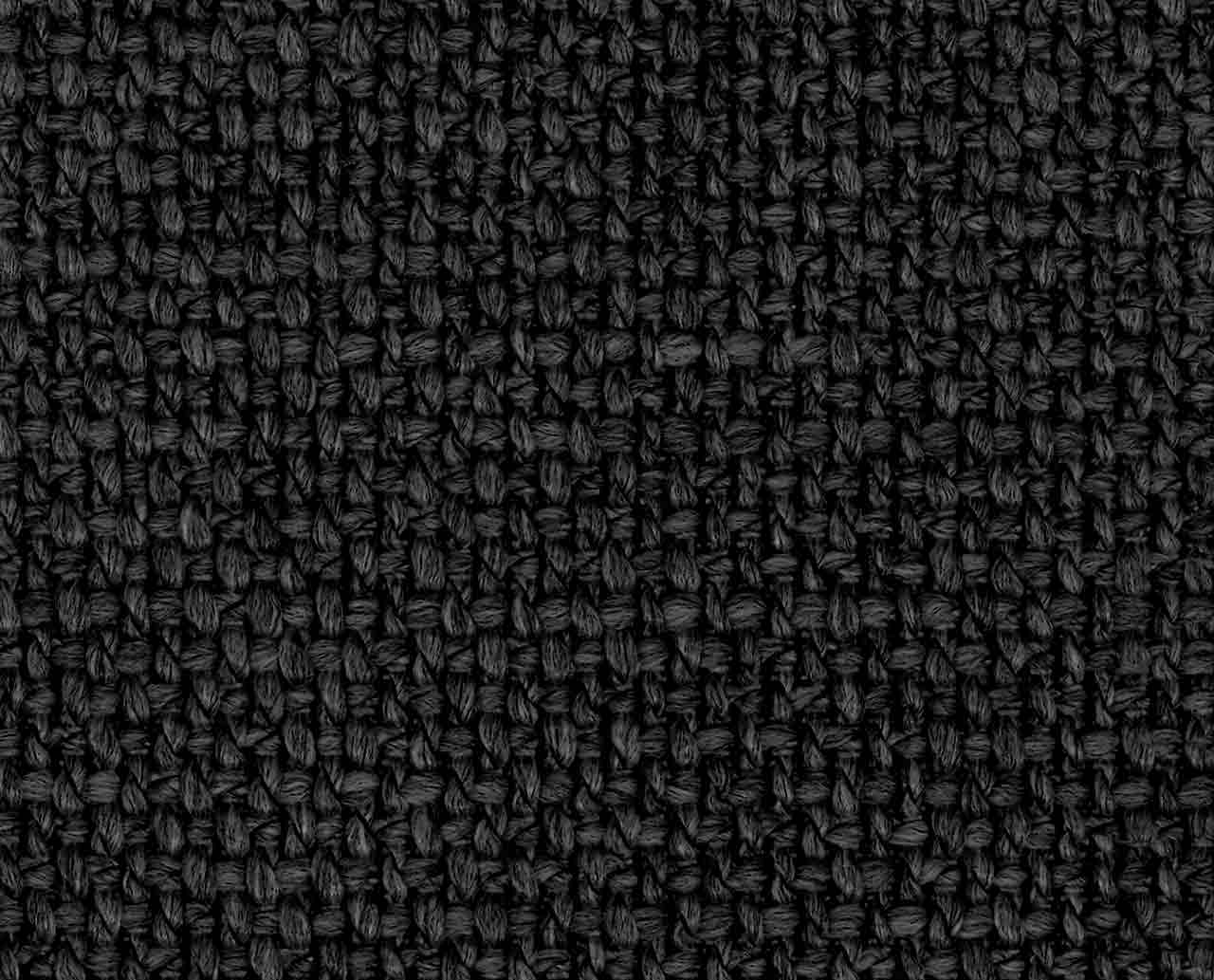
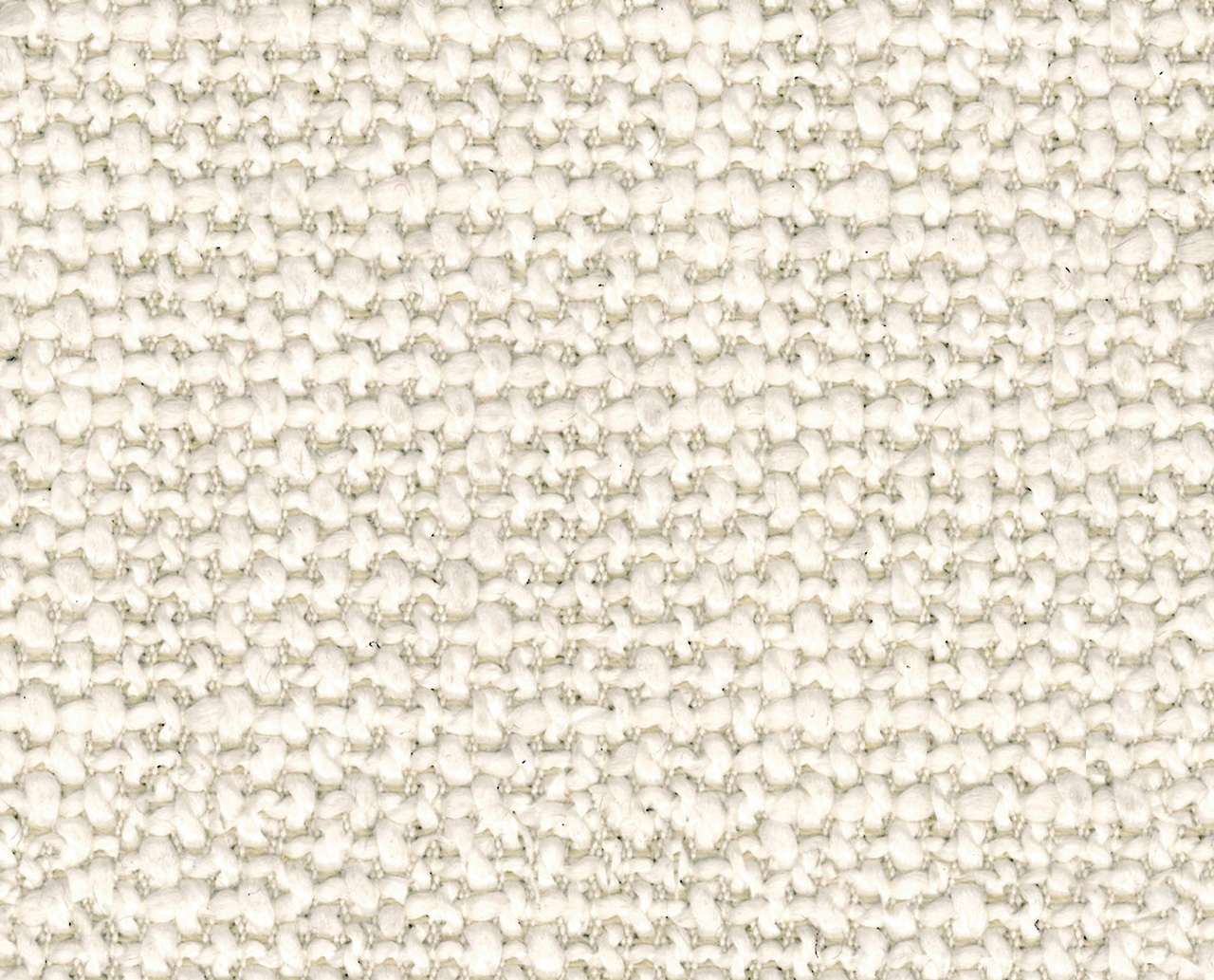
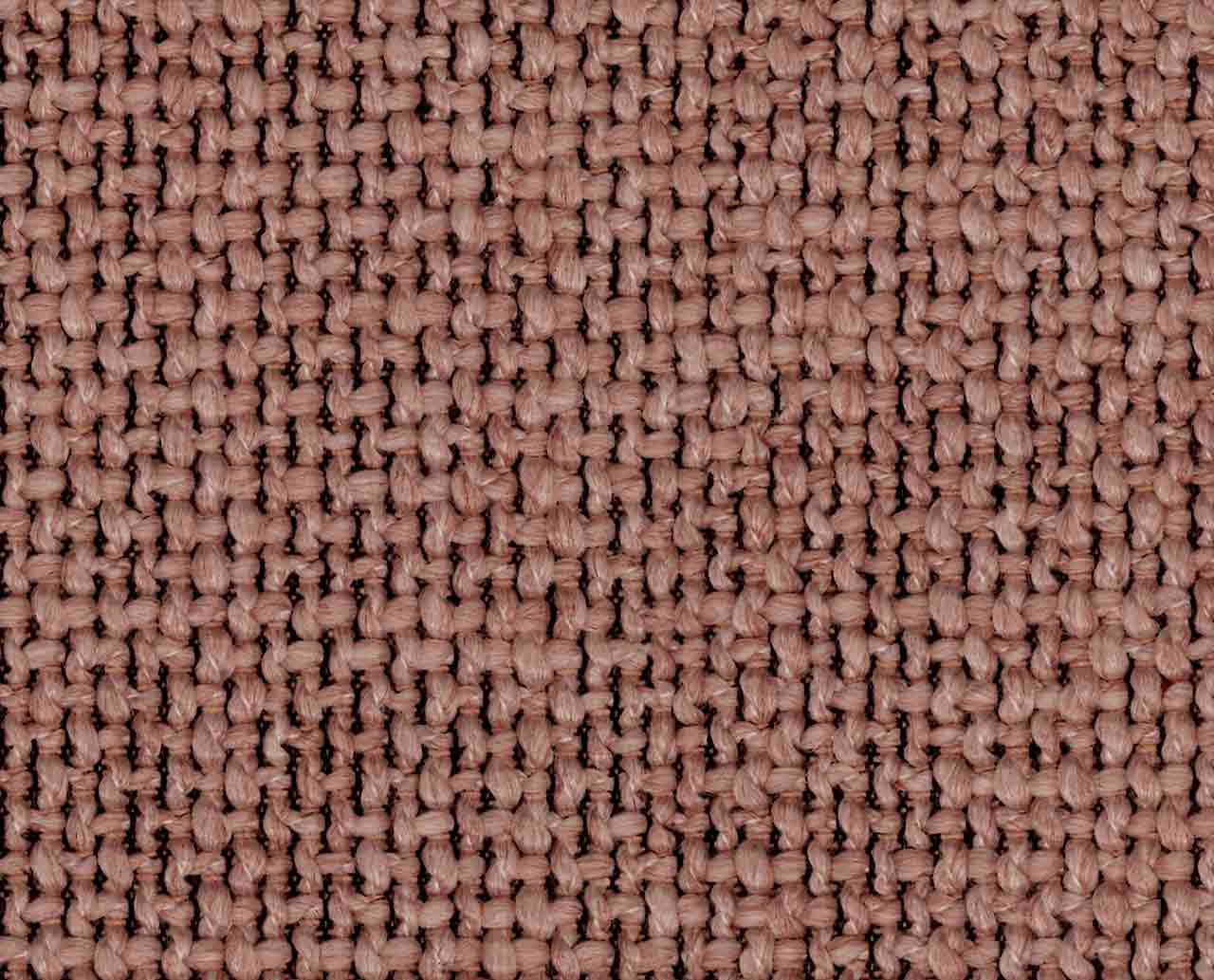
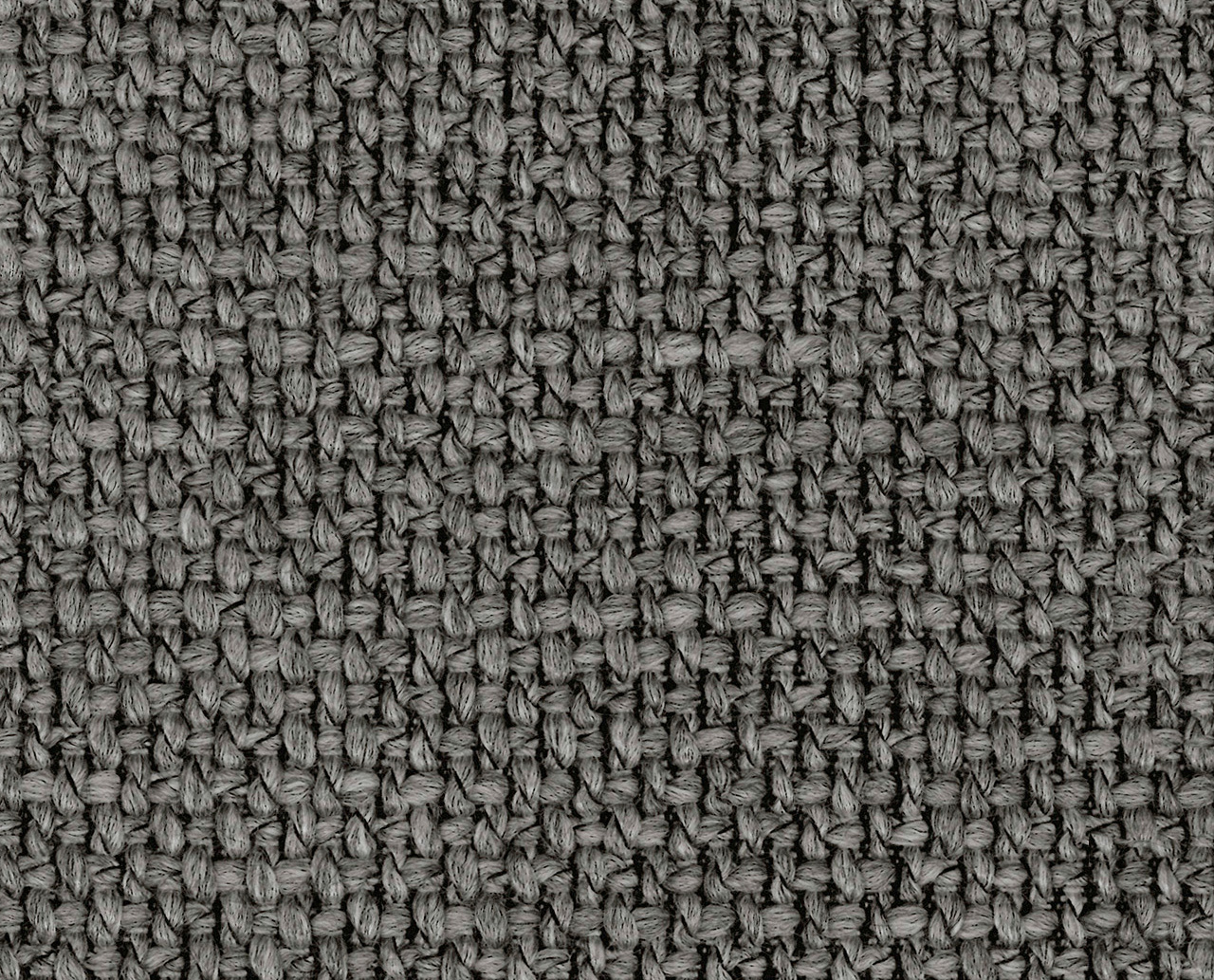
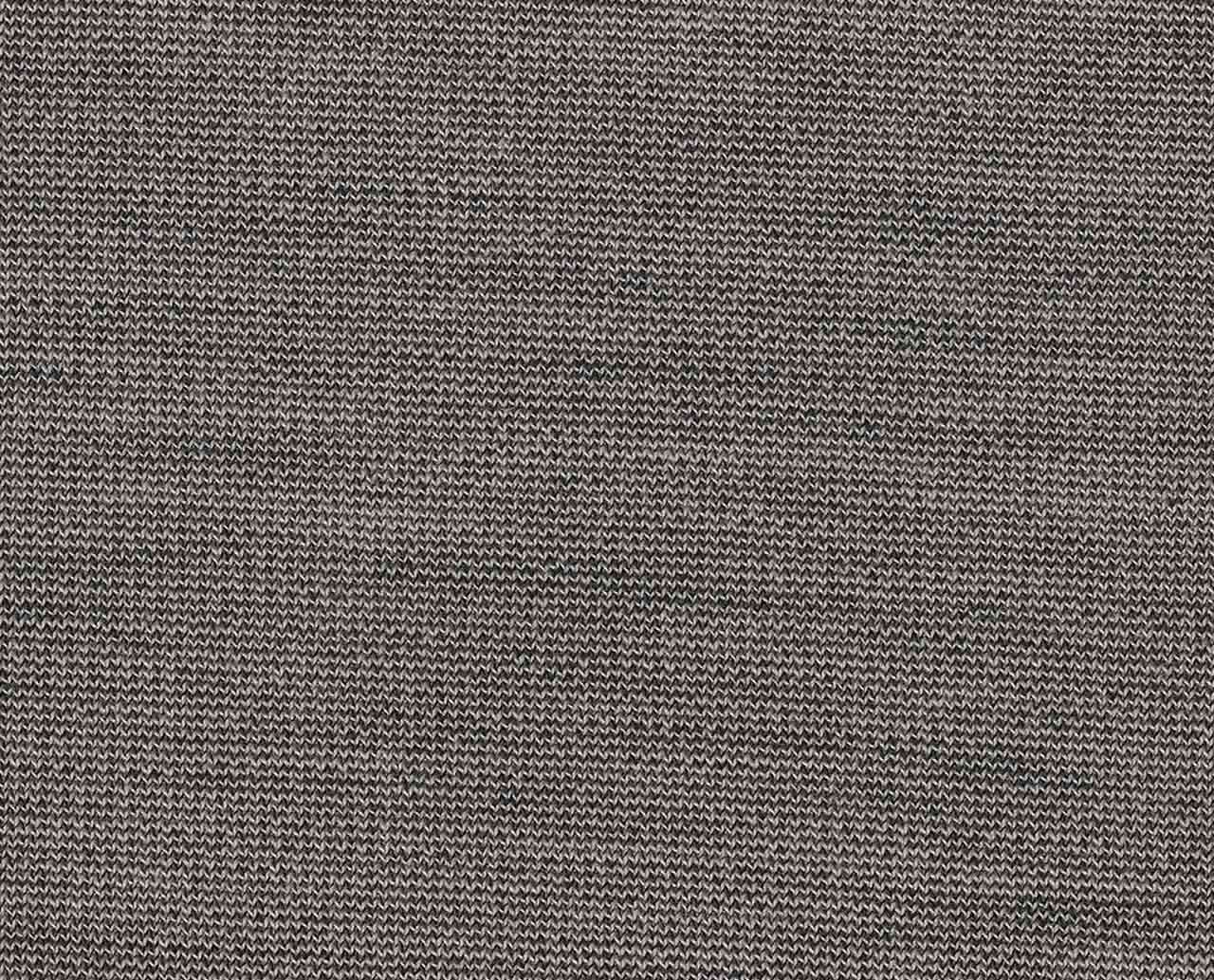
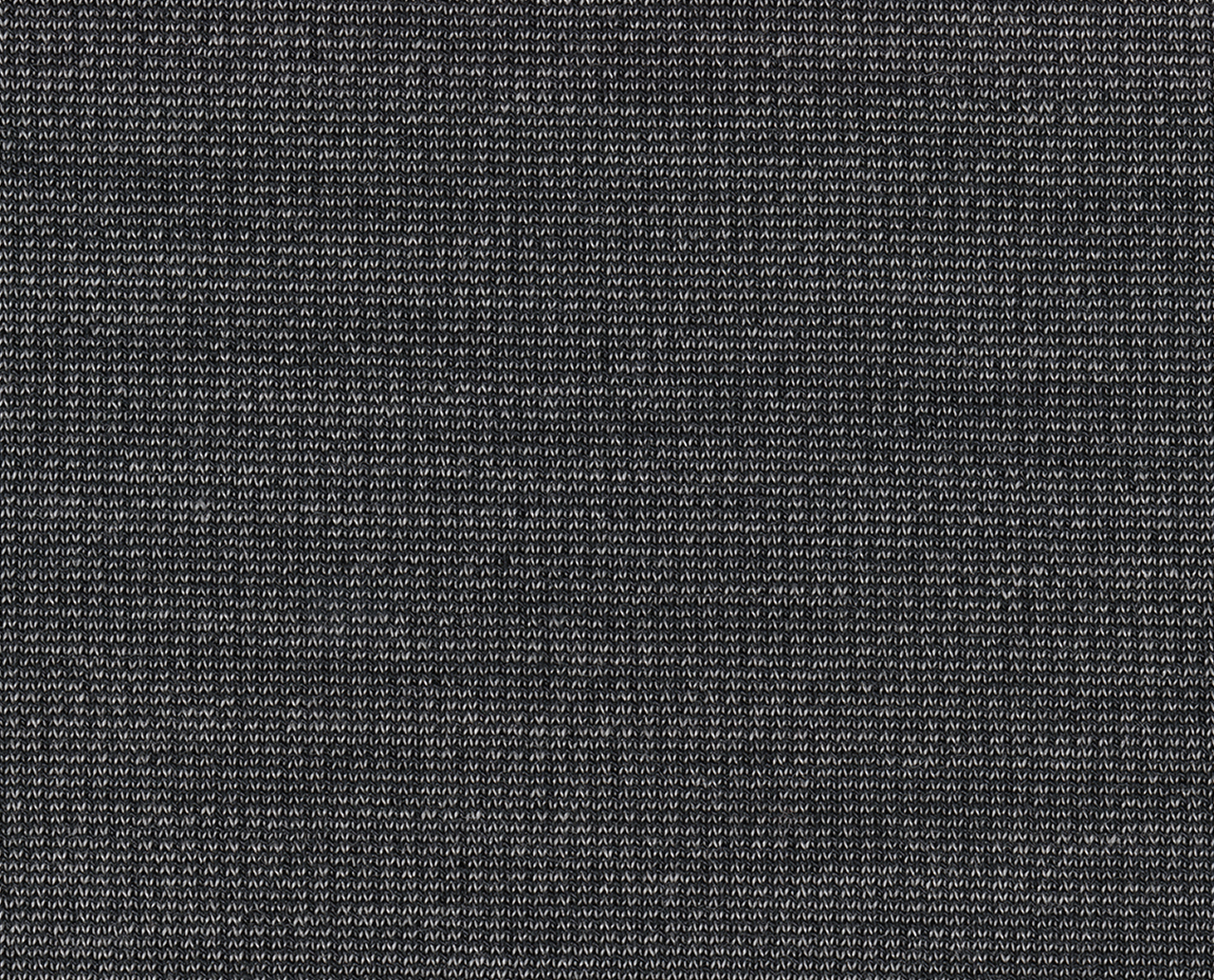
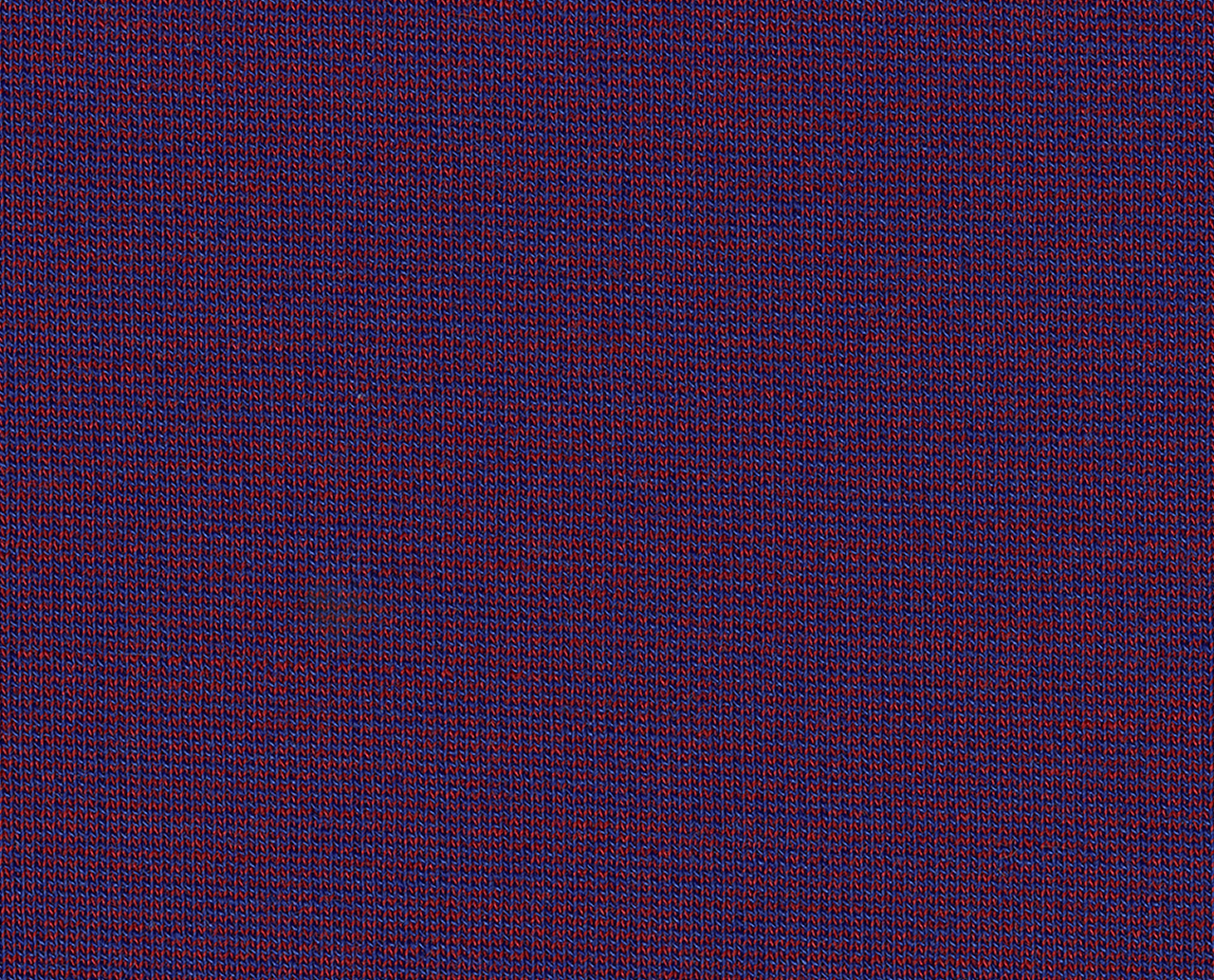
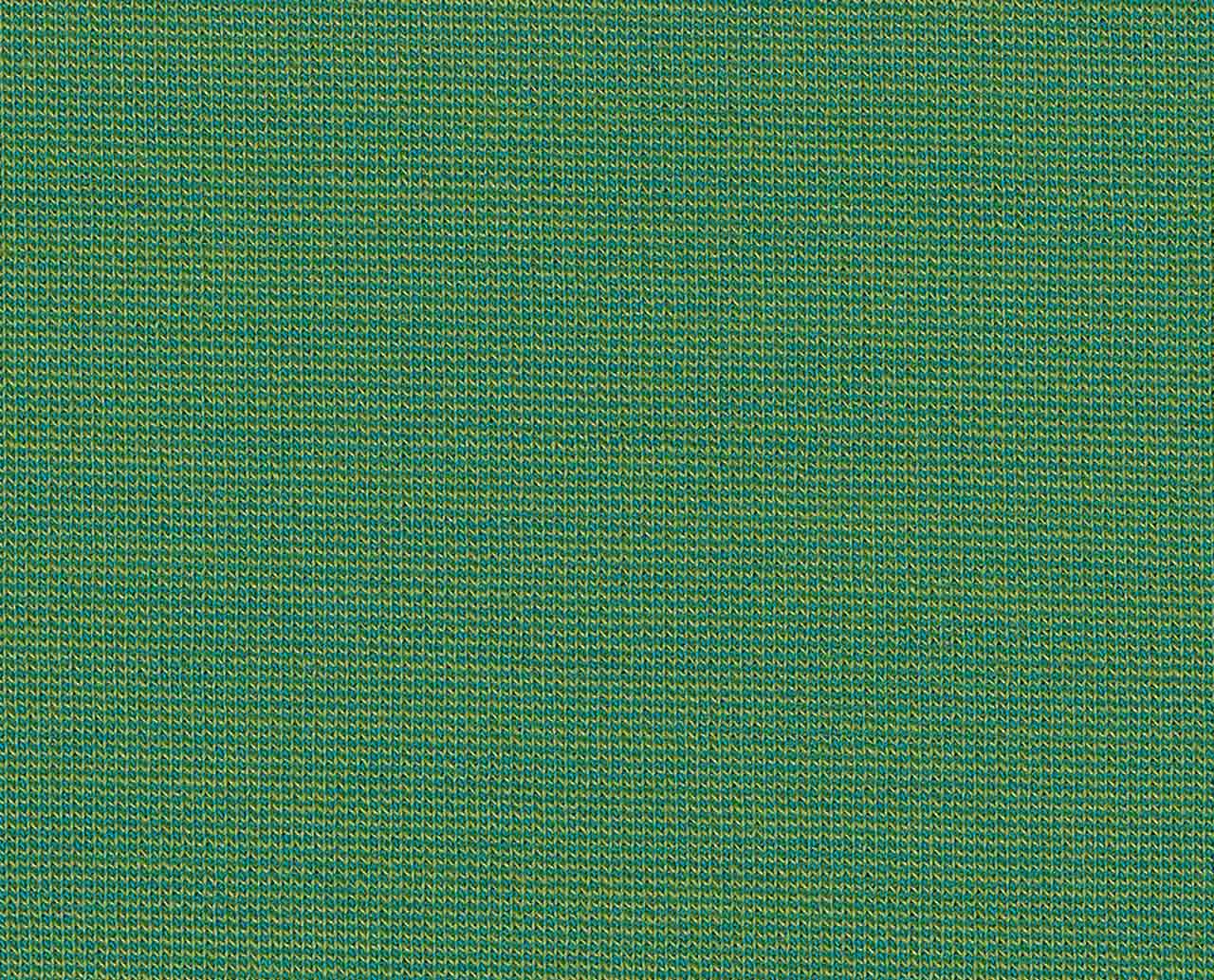
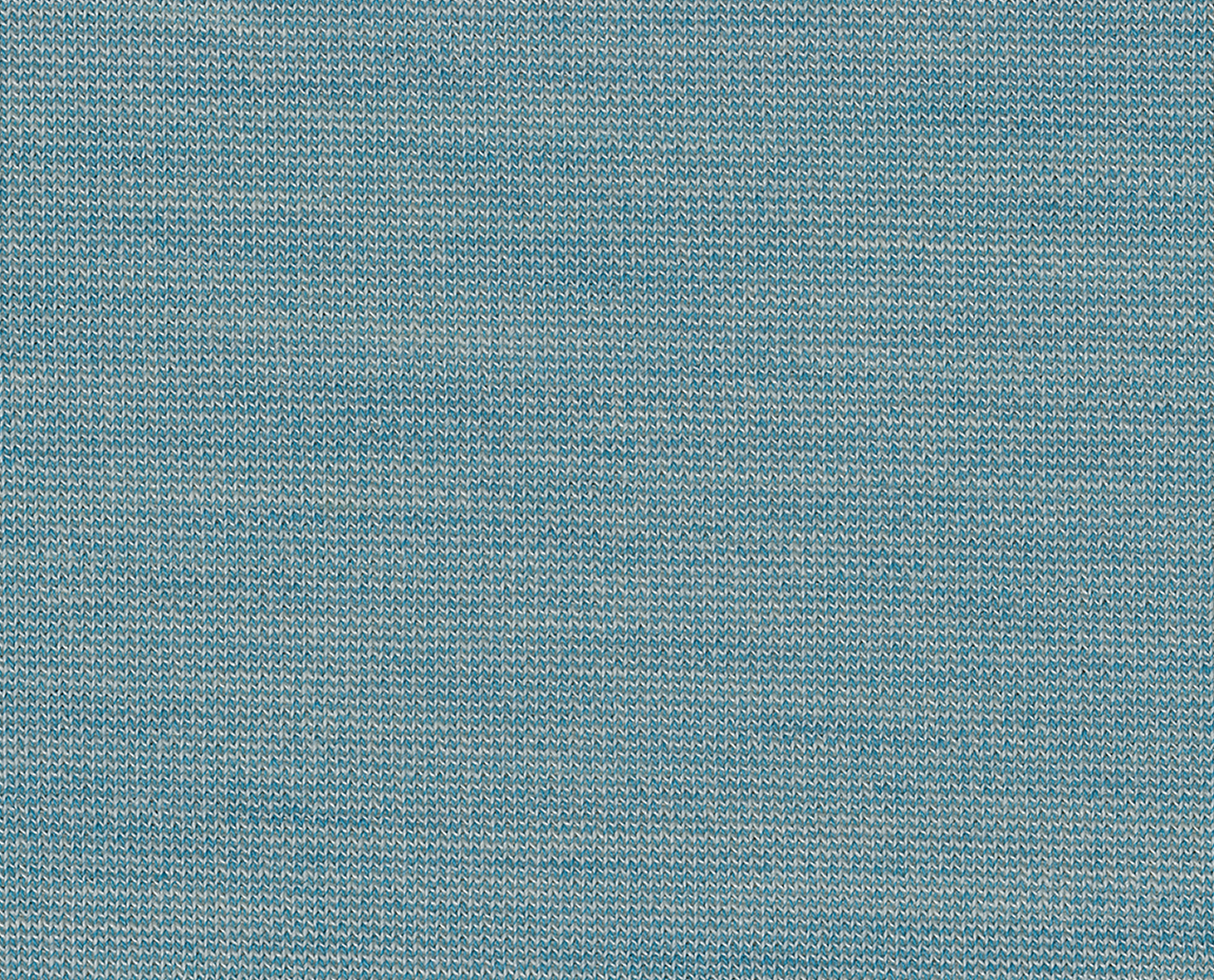
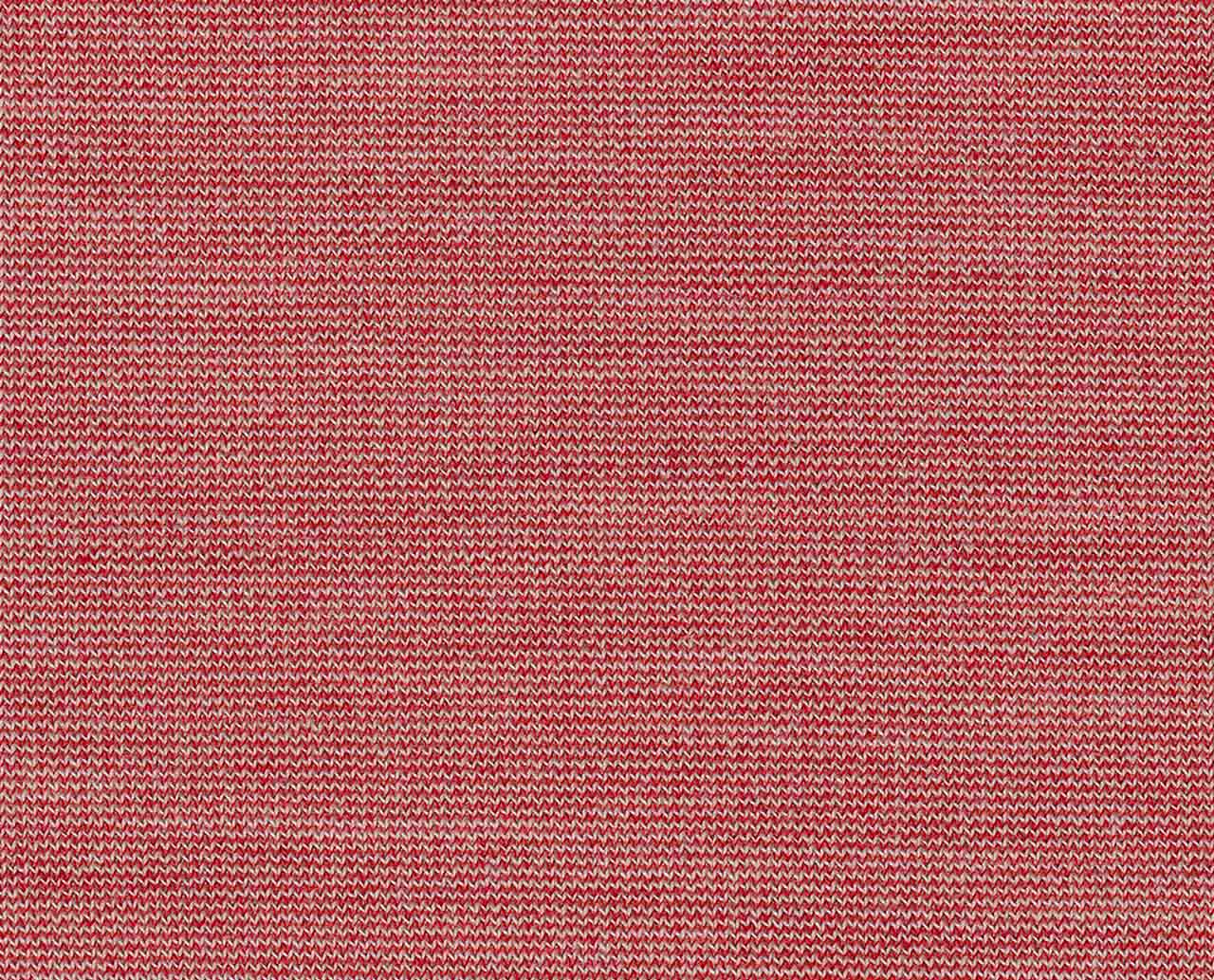
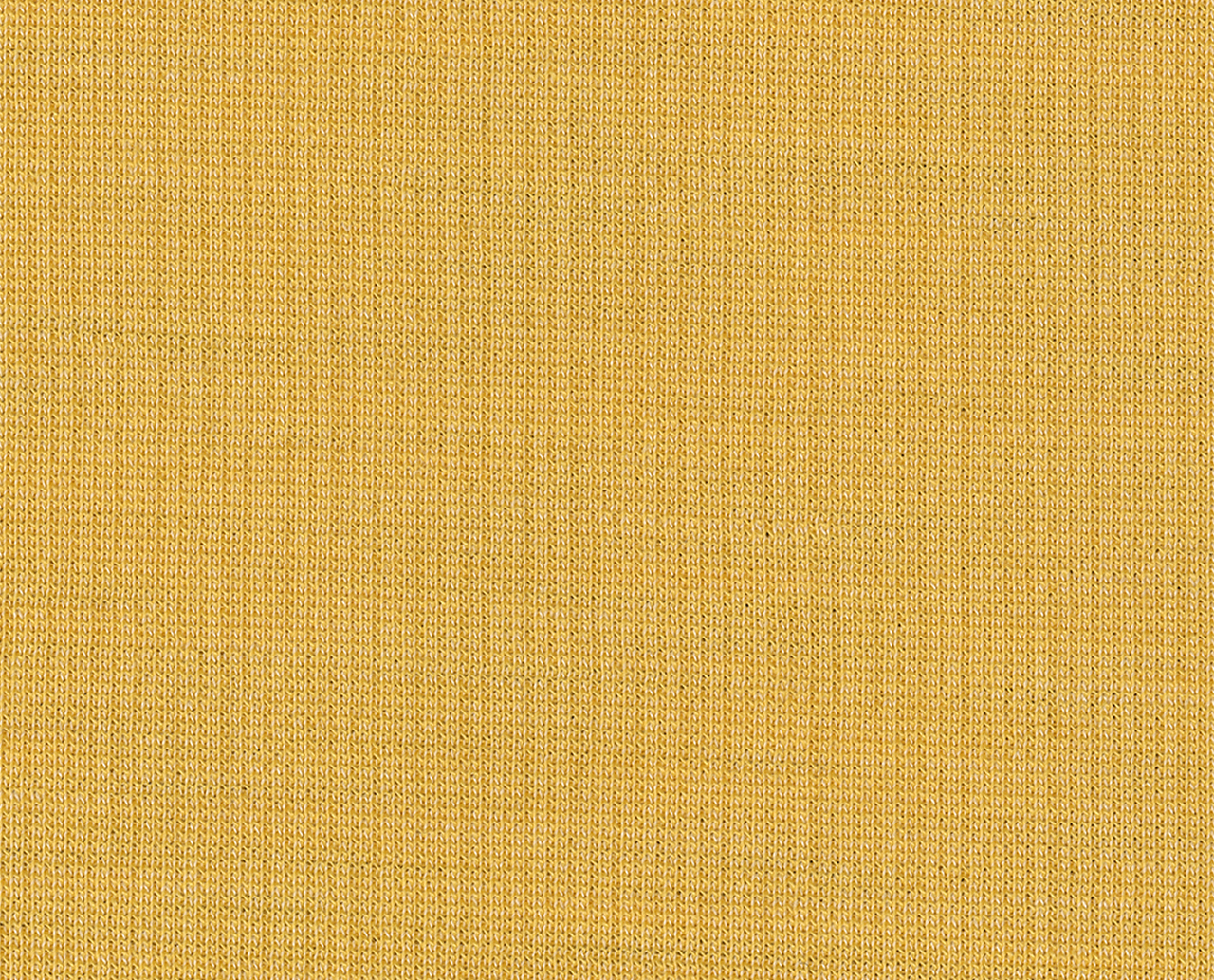
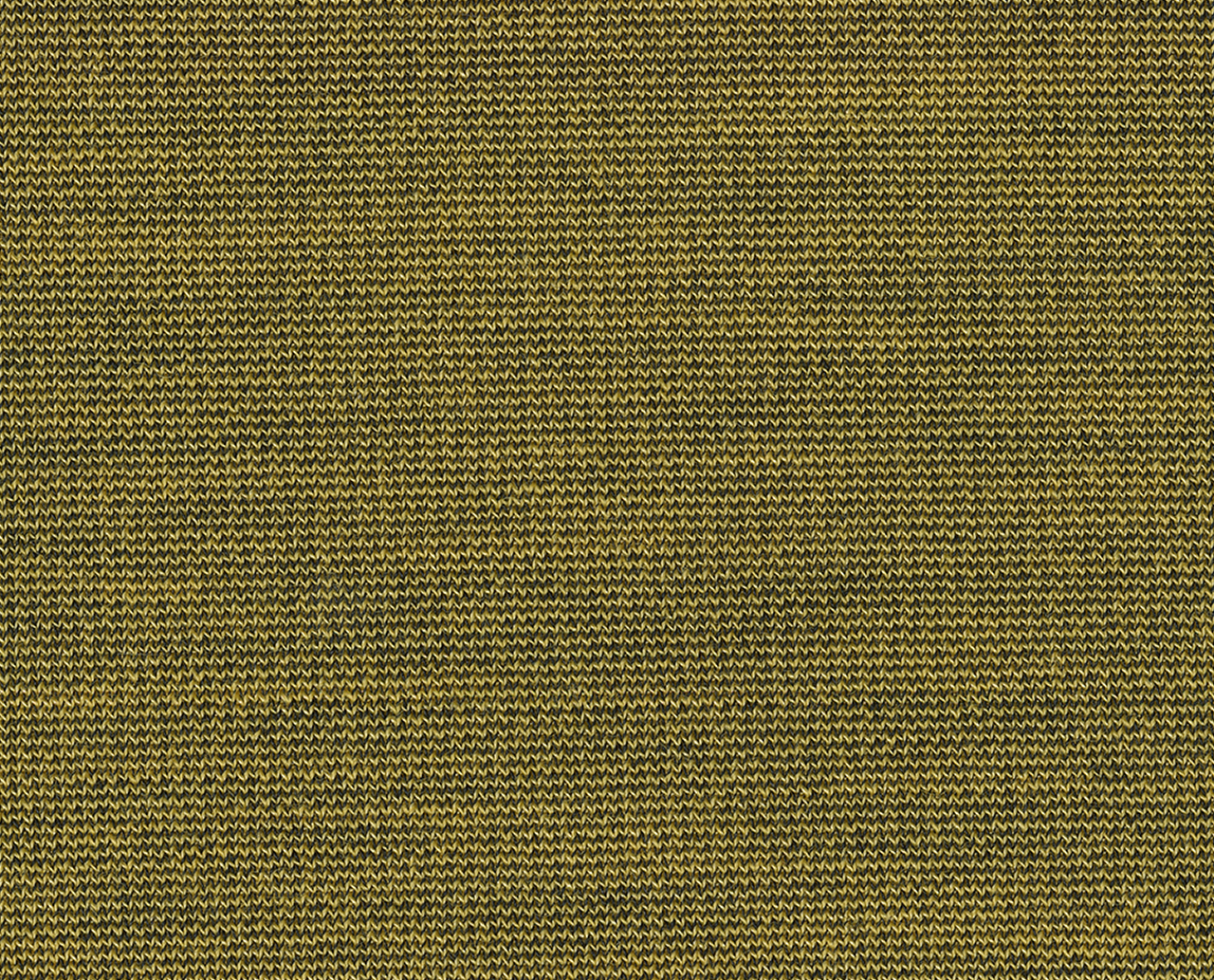
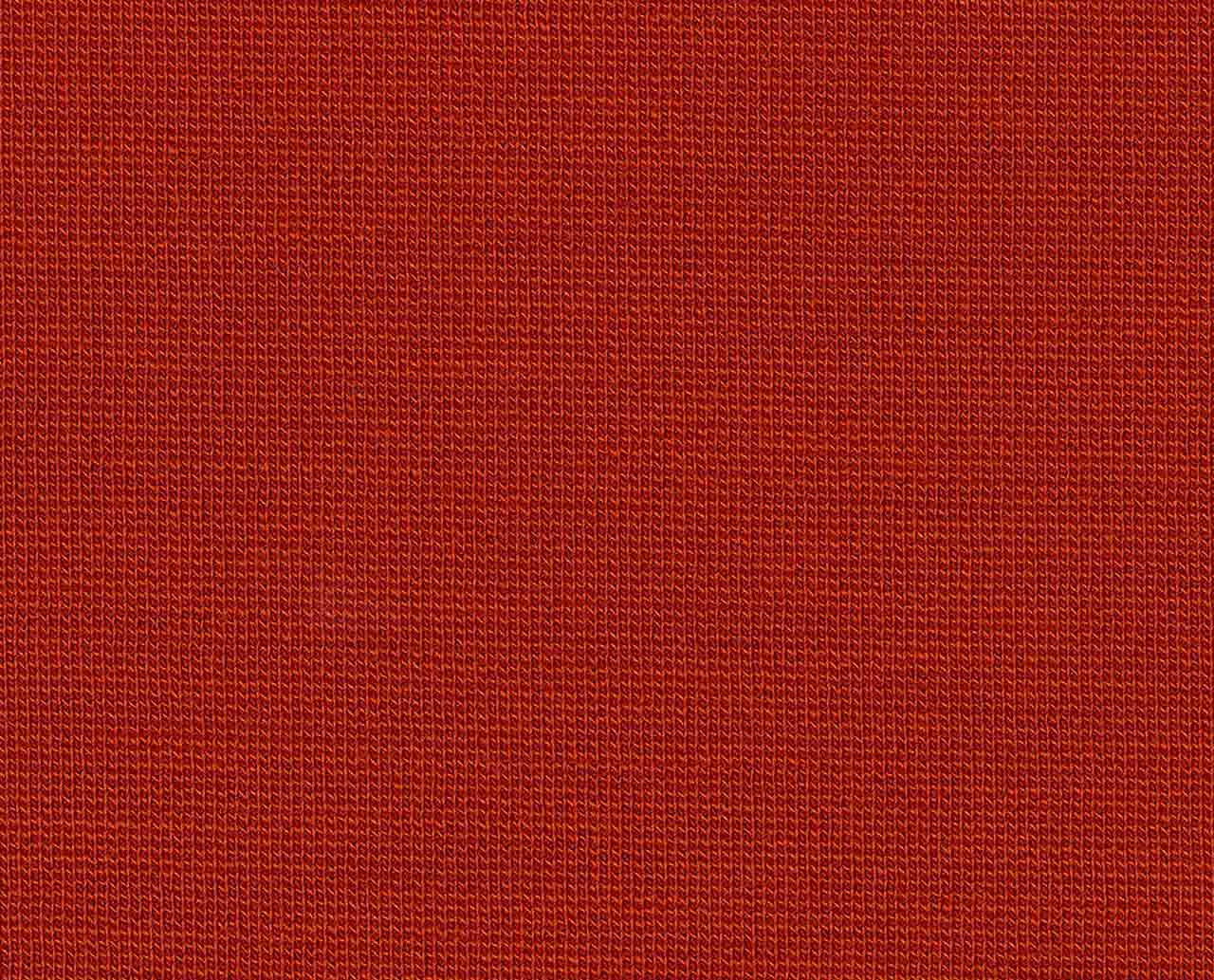
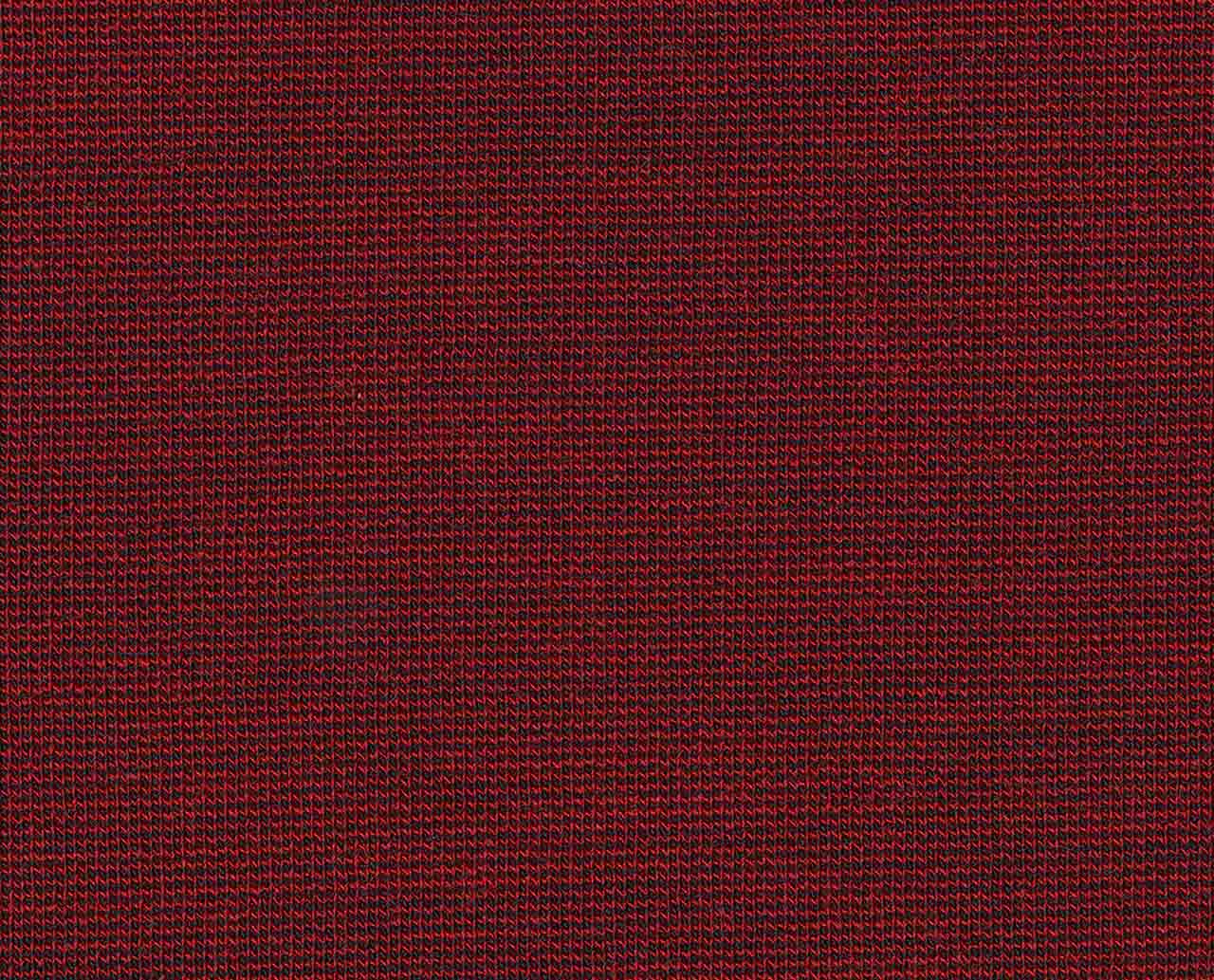
Gerrit Rietveld came up with the design for the Utrecht armchair in 1935 while working for the Metz & Co. department store in Amsterdam, where his brief was to make a chair for serial production. Taking market needs into account, while privileging a comfortable and relaxing experience, led to the elements of the chair being treated as separate units. As a consequence, the chair became an icon of both the Neoplastic movement (aka De Stijl), and of Rietveld’s experimental vision. In 2015, the original version of the chair, without the feet, was made available alongside the one with, as part of the Mutazioni collection, and was relaunched with its dimensions adjusted to take account of changes in people’s height over the previous 80 years. The chair is also available in the Gerrit fabric, with blanket stich or zig-zag top-stitching, in both cases in five colours.
I MAESTRI
Gerrit Thomas Rietveld, born in Utrecht on 24 June 1888, seems possessed of two personalities, each so distinct that one might take his work to be that of more than one artist. The first personality is that seen in the craftsman cabinet-maker working in a primordial idiom, re-inventing chairs and other furniture as if no one had ever built them before him and following a structural code all of his own; the second is that of the architect working with elegant formulas, determined to drive home the rationalist and neoplastic message in the context of European architecture. The two activities alternate, overlap, and fuse in a perfect osmosis unfolding then into a logical sequence.
A server error occurred. Please try again later.
The product sheet is not available for this item.
The server response is not valid. Please try again later.
The received document is empty. Please try again later.
Unable to connect to the server. Please check your connection and try again.
Please log in to download the product sheet.