




Access to your account to proceed
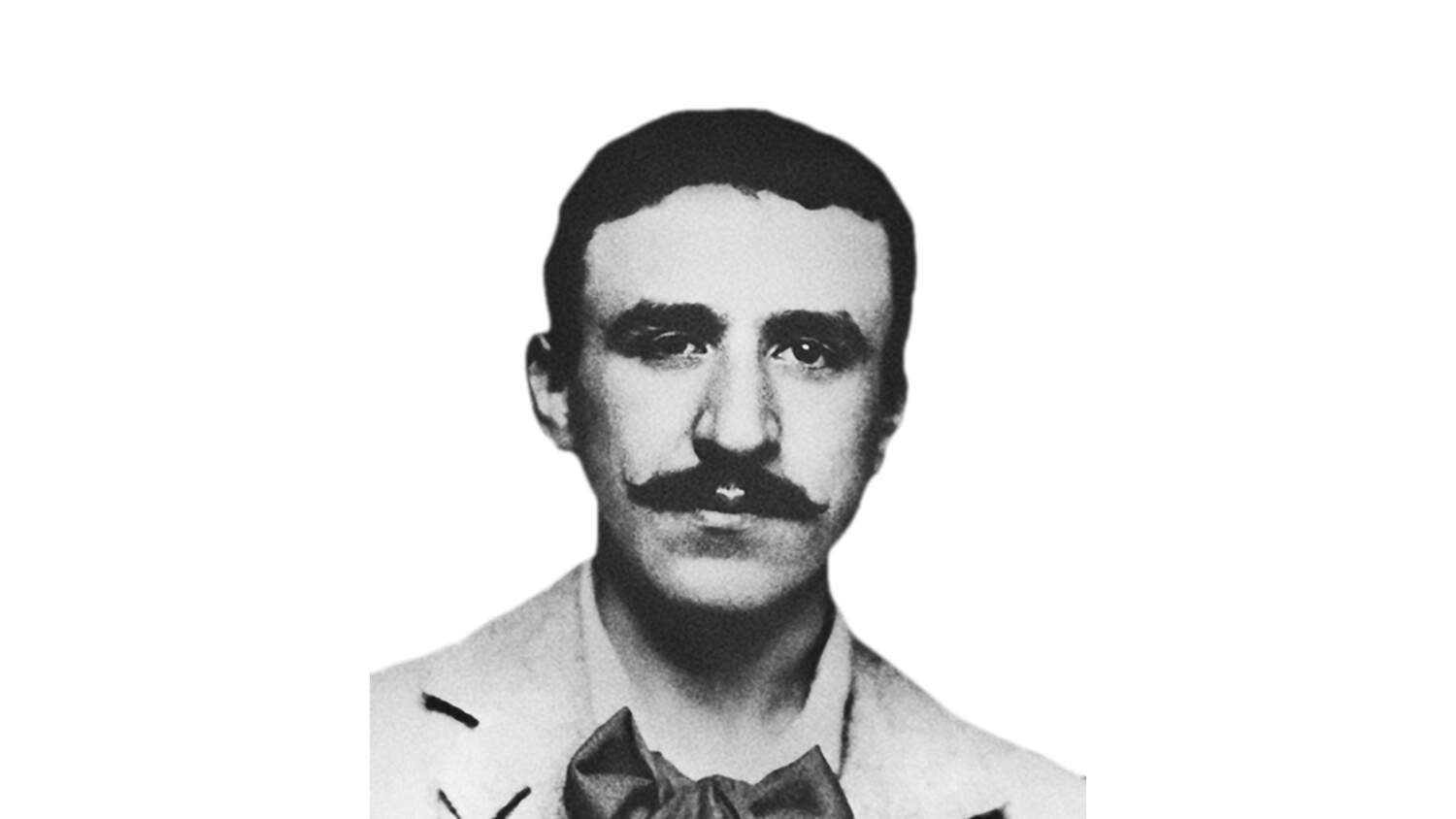
Charles Rennie Mackintosh

A masterful modern armchair. An expert re-edition by Cassina starting with the model the Scottish architect donated in 1904 to the “Willow Tea Room” in his native city, Glasgow.
DESIGN BY
PRODUCT CARE AND MAINTENANCE
In this manual you will find some recommendations for the care and maintenance of your Cassina products.
The materials are divided into different categories; each one is accompanied by its own information sheet with instructions, preventative measures and methods for cleaning.
Downloads
Access 2D and 3D drawings, technical sheets, and complete documentation to explore every detail of our products.
Designed for professionals and those seeking in-depth information.
1973
This throne-like armchair is a new iteration of the model that CRM donated, in 1904, to the “Willow Tea Rooms” in Glasgow, his native city. The tall semi- circular back served to separate the entrance area from the tea-room behind it. The back encompasses the seat, illustrating to perfection Mackintosh’s geometric and Art Nouveau style.
For Cassina, creating this chair meant marrying advanced technology and the company’s premier carpentry skills. The latter can be seen in the precision needed to assemble the components that make up the elegant, light-weight latticed frame.
I MAESTRI
Charles Rennie Mackintosh was born in Glasgow in 1868 and died in London on 10th December 1928. His personality is one of those that characterize the period immediately preceding the Modern Movement.s name is mainly connected with the design for the Glasgow School of Art: he was the animator and most authoritative exponent of the group known as the “Glasgow School” and he distinguished himself principally because he recovered the most authentic values of the Scottish idiom and of neo-Gothic taste.
Access to your account to proceed