




Access to your account to proceed
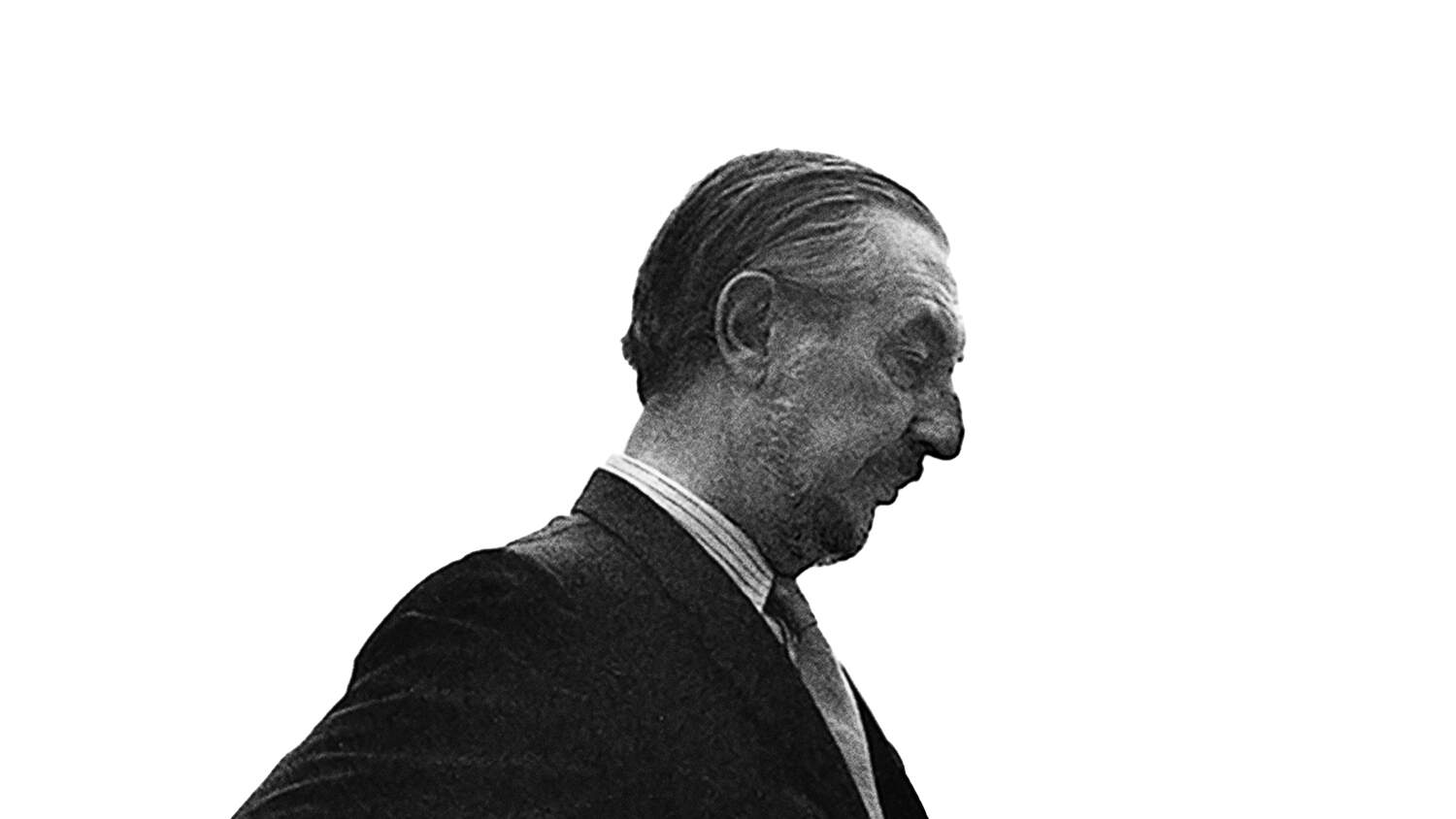
Carlo Scarpa


Carlo Scarpa designed this design table in 1974, successor to the popular Doge, with which it appears in the Ultrarazionale collection.
DESIGN BY
PRODUCT CARE AND MAINTENANCE
In this manual you will find some recommendations for the care and maintenance of your Cassina products.
The materials are divided into different categories; each one is accompanied by its own information sheet with instructions, preventative measures and methods for cleaning.
Downloads
Access 2D and 3D drawings, technical sheets, and complete documentation to explore every detail of our products.
Designed for professionals and those seeking in-depth information.
1974
Carlo Scarpa designed this masterpiece of a table in 1974, as a successor to the Doge, which is included in the collection known as Ultrarazionale.
While citing some of the same material characteristics as its predecessor, the base of the Sarpi is up-ended compared to the Doge, while the entire piece is smaller so it can fit into smaller spaces.
In 2009, Tobia Scarpa complemented the original octagonal table-top, which was later augmented by rectangular, square and round versions, with an elongated circle option, known as the Elistella, the shape cleverly based on Bernoulli’s Spiral(Spira Mirabilis).
I CONTEMPORANEI
Access to your account to proceed