






Access to your account to proceed
Le Corbusier, Pierre Jeanneret, Charlotte Perriand
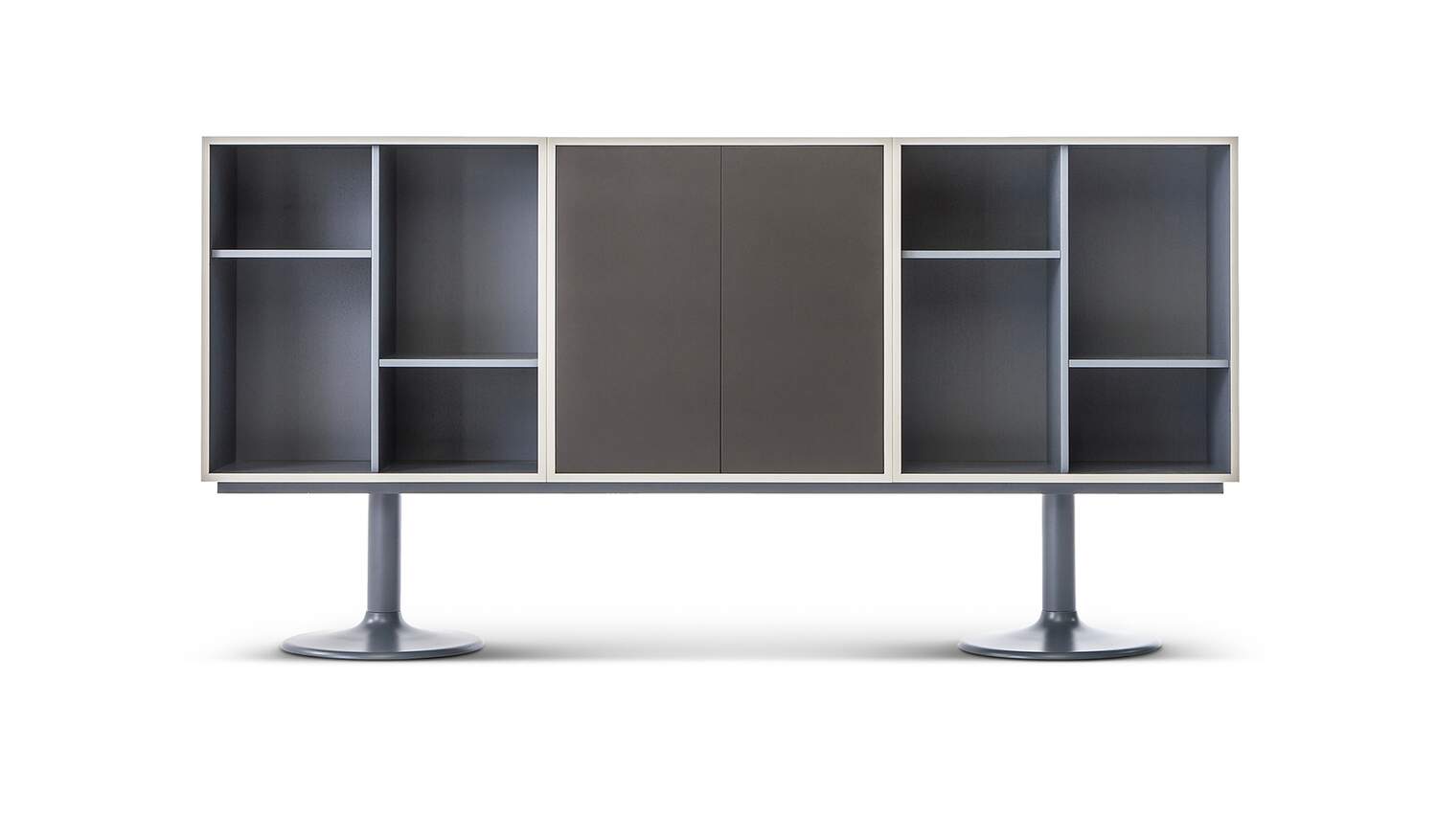
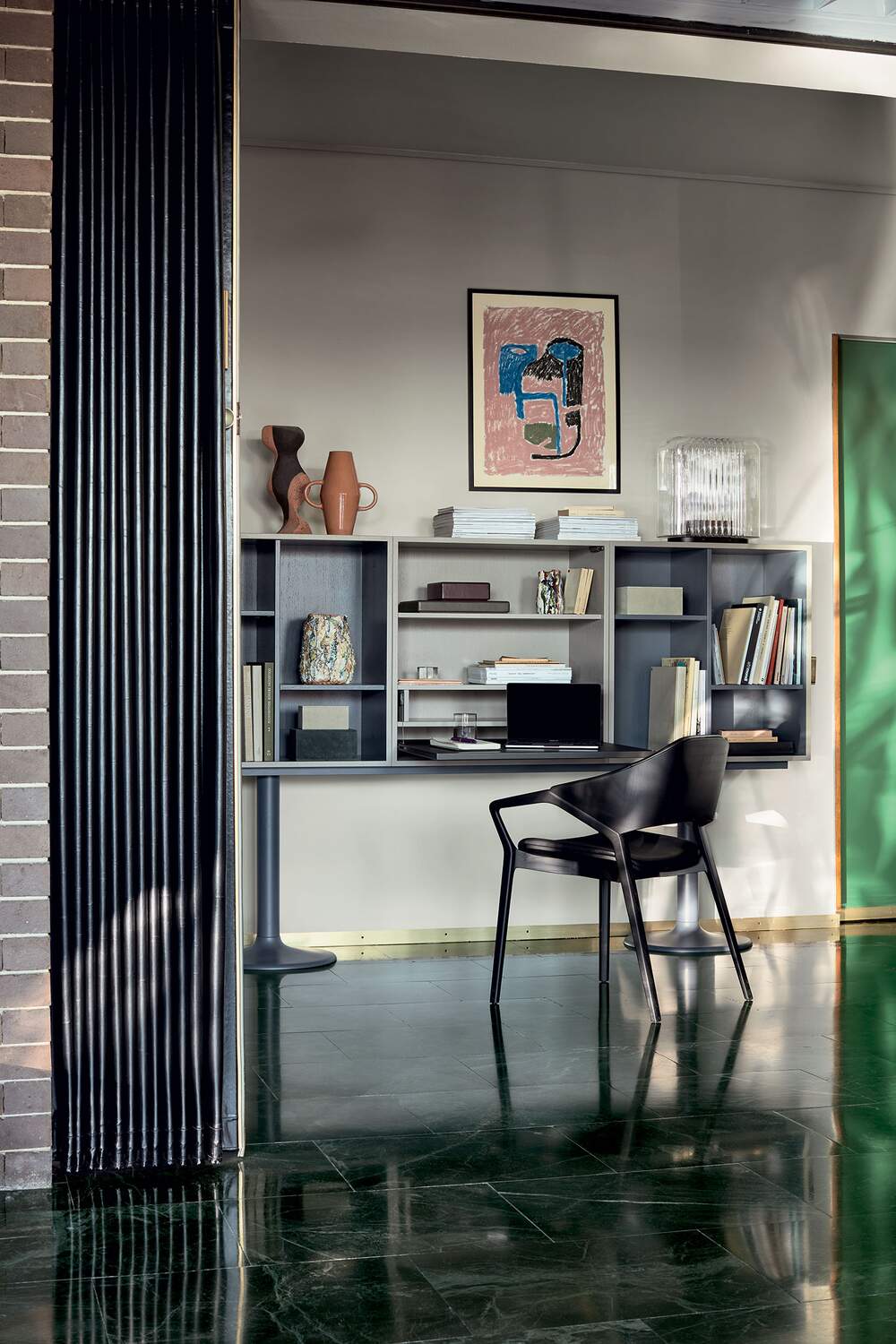
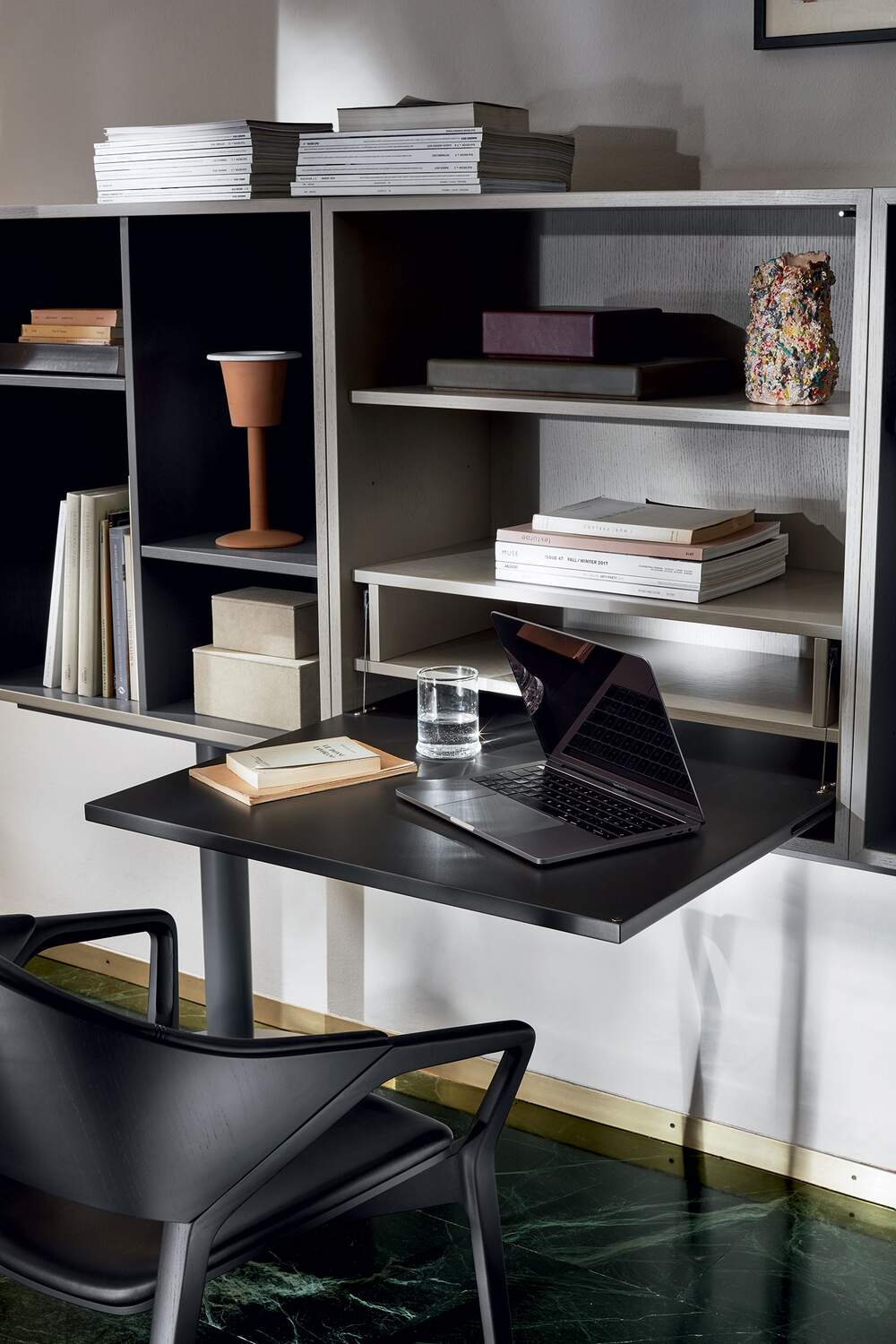
With their timeless, unique features, these combinable modular cabinets are capable of architecturally organizing any room, holding any object and arranging themselves in any space, to create an authentic furnished wall.
DESIGN BY
PRODUCT CARE AND MAINTENANCE
In this manual you will find some recommendations for the care and maintenance of your Cassina products.
The materials are divided into different categories; each one is accompanied by its own information sheet with instructions, preventative measures and methods for cleaning.
Downloads
Access 2D and 3D drawings, technical sheets, and complete documentation to explore every detail of our products.
Designed for professionals and those seeking in-depth information.
1978
The Casiers Standard, pieds corolle originated in a design project for a cabinet for the Maison du Jeune Homme [House for a Young Man], crafted for the International Expo in Brussels in 1935.
The Casiers Standard were relaunched in 2016 with a contemporary look with new features that highlight the inherent quality of the object, accentuating their characteristics of versatility and functionality. The containers are currently offered in fixed arrangements based on the standard-size 75x75x37.5 module equipped with shelves that can be adjusted to five heights and supported by two painted pedestal bases.
I MAESTRI
In 1922, Le Corbusier began working in the new rue de Sèvres, Paris, atelier with his cousin Pierre Jeanneret with whom he shared research projects and design criteria in a profound and life-long professional relationship.In October 1927, the pair decided to draw on the contribution of a young architect who had already begun to establish a reputation on the architectural scene of the time: Charlotte Perriand. Their collaboration lasted through to 1937 and was extremely fruitful, especially in the field of furniture design.
Access to your account to proceed