





Access to your account to proceed
Maximum comfort in a minimalist dining chair distinguished by its contrasts.
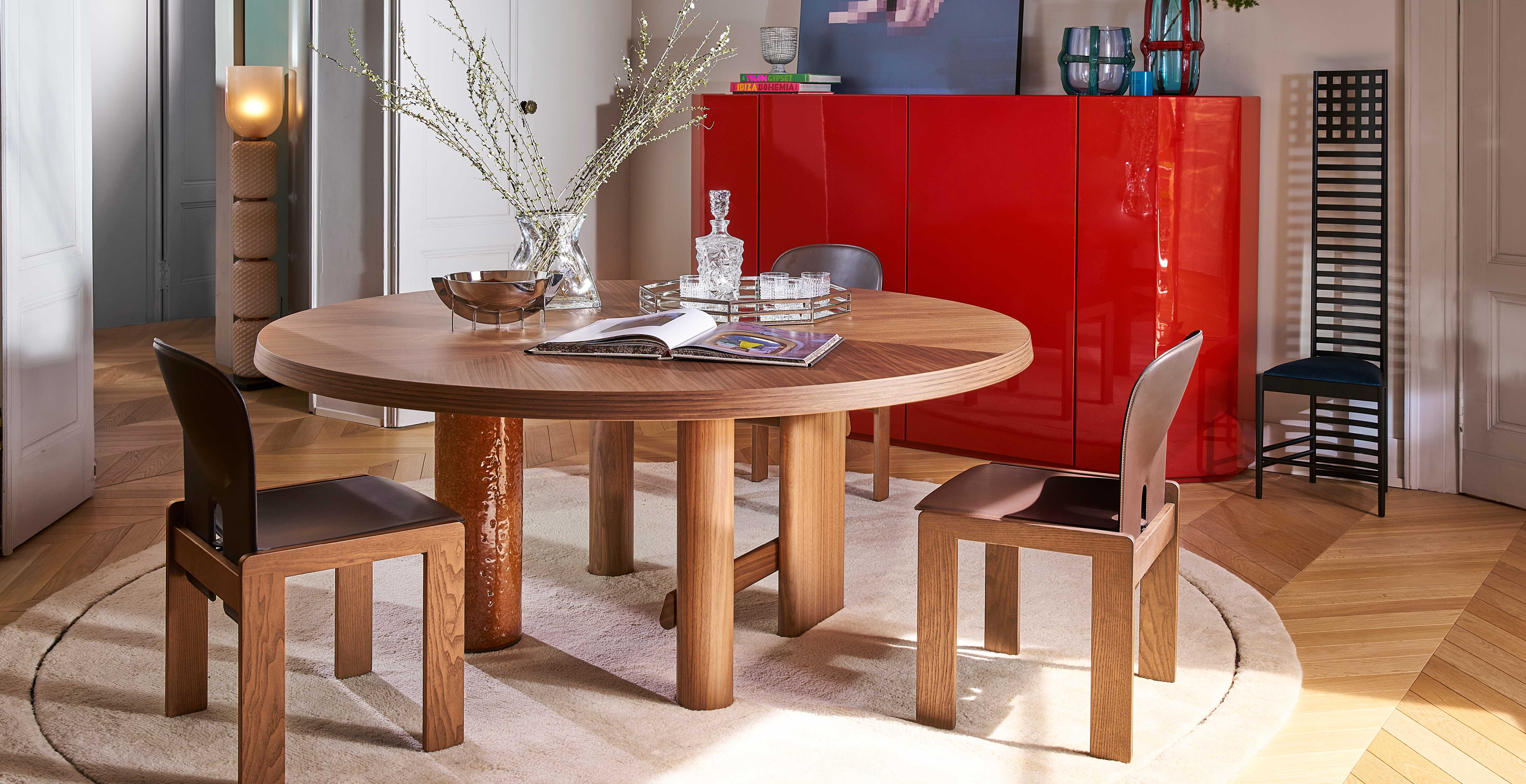


Maximum comfort in a minimalist dining chair distinguished by its contrasts.
PRODUCT CARE AND MAINTENANCE
In this manual you will find some recommendations for the care and maintenance of your Cassina products.
The materials are divided into different categories; each one is accompanied by its own information sheet with instructions, preventative measures and methods for cleaning.
Downloads
Access 2D and 3D drawings, technical sheets, and complete documentation to explore every detail of our products.
Designed for professionals and those seeking in-depth information.
2024
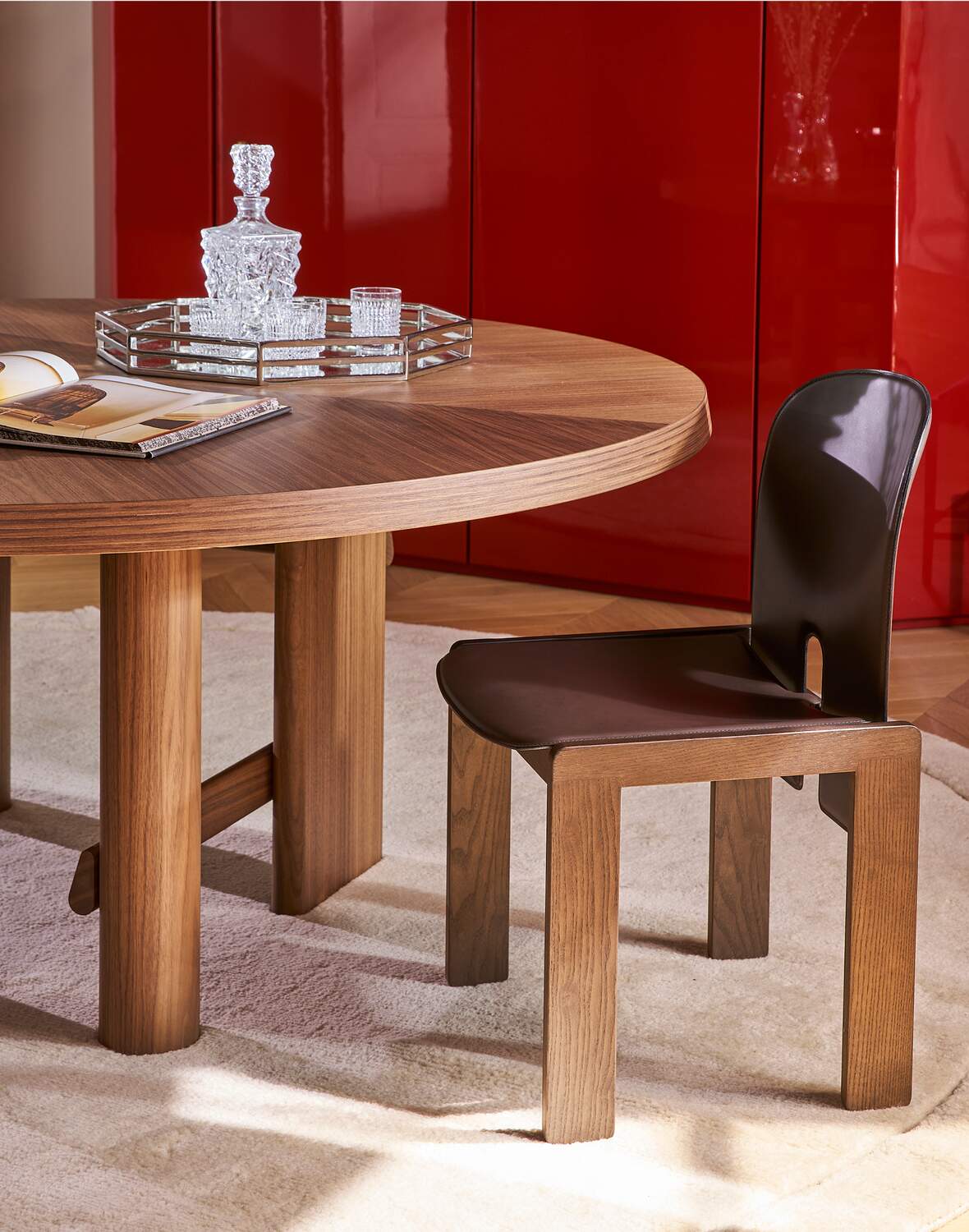
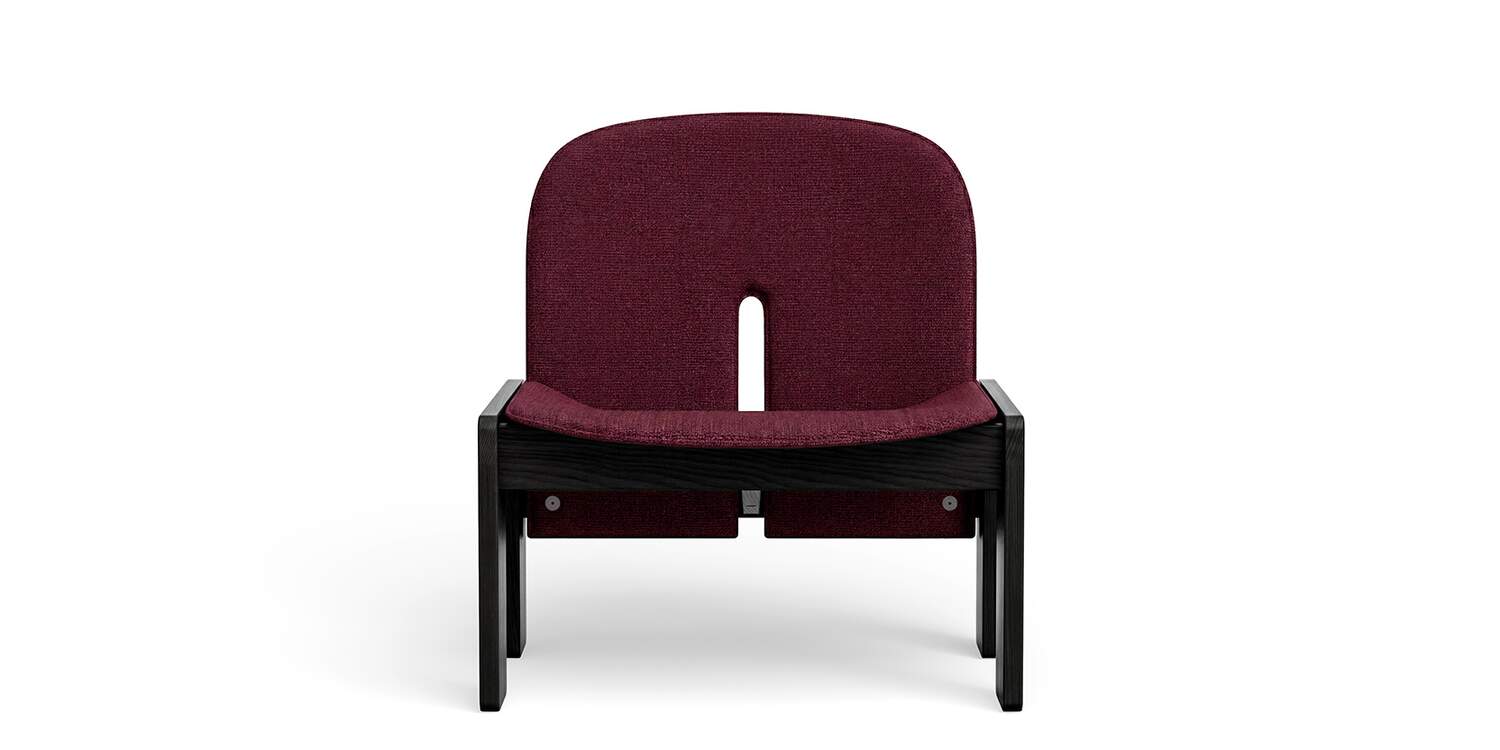
A dining chair with a sleek, anatomic design, crafted to offer maximum comfort and support to the back. Perfect for classic as well as contemporary interiors, Cassina presents, in collaboration with Karakter, the chair produced in 1965 on a design by Afra and Tobia Scarpa, based on a sketch by architect and designer maestro Carlo, father of Tobia. Scarpa 121 is composed of a robust wooden structure that creates a striking contrast with the lightness of the saddle leather-upholstered plywood seat and backrest. The 121 dining chair was designed along with the 925 lounge chair, of the following year. Both are masterful examples of the work of Afra and Tobia Scarpa; they share the same double trestle-style structure with rounded corners.
I CONTEMPORANEI
Tobia Scarpa was born in 1935, in Venice, where he earned a degree in architecture. With his wife Afra Bianchin (1937-2011), he opened a professional design studio, one of the most widely-acclaimed and well-known. Together, they worked on several innovative industrial design projects. In 1958, he began working with glass at Venini glassworks in Murano. In 1960, he started collaborating with Gavina.
Access to your account to proceed