LOADING
LOADING
01 hero castore dining table

Castore | Table

DESIGN BY Angelo Mangiarotti, 1975

DO YOU HAVE ANY OTHER QUESTIONS? WRITE TO US
Close
Upholstery Colour

DISTINCTIVE DESIGN AND VISUAL LIGHTNESS

Angelo Mangiarotti's Castore table stands out for its round glass top resting on a heavy marble pillar. Visually, Mangiarotti wants to make it look as if only a small marble bowl on top of the glass top is holding it in place.

PRODUCT CARE AND MAINTENANCE

In this manual you will find some recommendations for the care and maintenance of your Cassina products.

The materials are divided into different categories; each one is accompanied by its own information sheet with instructions, preventative measures and methods for cleaning.

Downloads

Access 2D and 3D drawings, technical sheets, and complete documentation to explore every detail of our products.

Designed for professionals and those seeking in-depth information.

rfa
2d dwg / 3D dwg
skp
3ds
obj
fbx
max

PRODUCTION YEAR

1975

Castore is a glass and marble table by Italian architect, sculptor and designer Angelo Mangiarotti. Designed in 1975 for Sorgente dei Mobili, the distinct design is now presented by Karakter, available as a 130cm dining table.


The round glass top rests on a heavy marble pillar, and visually, Mangiarotti would have it seem that only a small marble bowl on top of the glass plate is holding it in place. The rounded corners on both the pillar and the bowl add a sense of softness to the otherwise heavy aesthetics of the marble.


The marble bowl can be removed and used as an individual element. However, keeping it as an integral part of the design, you can enjoy additional rounded corners, as the bowl reflects in the glass table top.

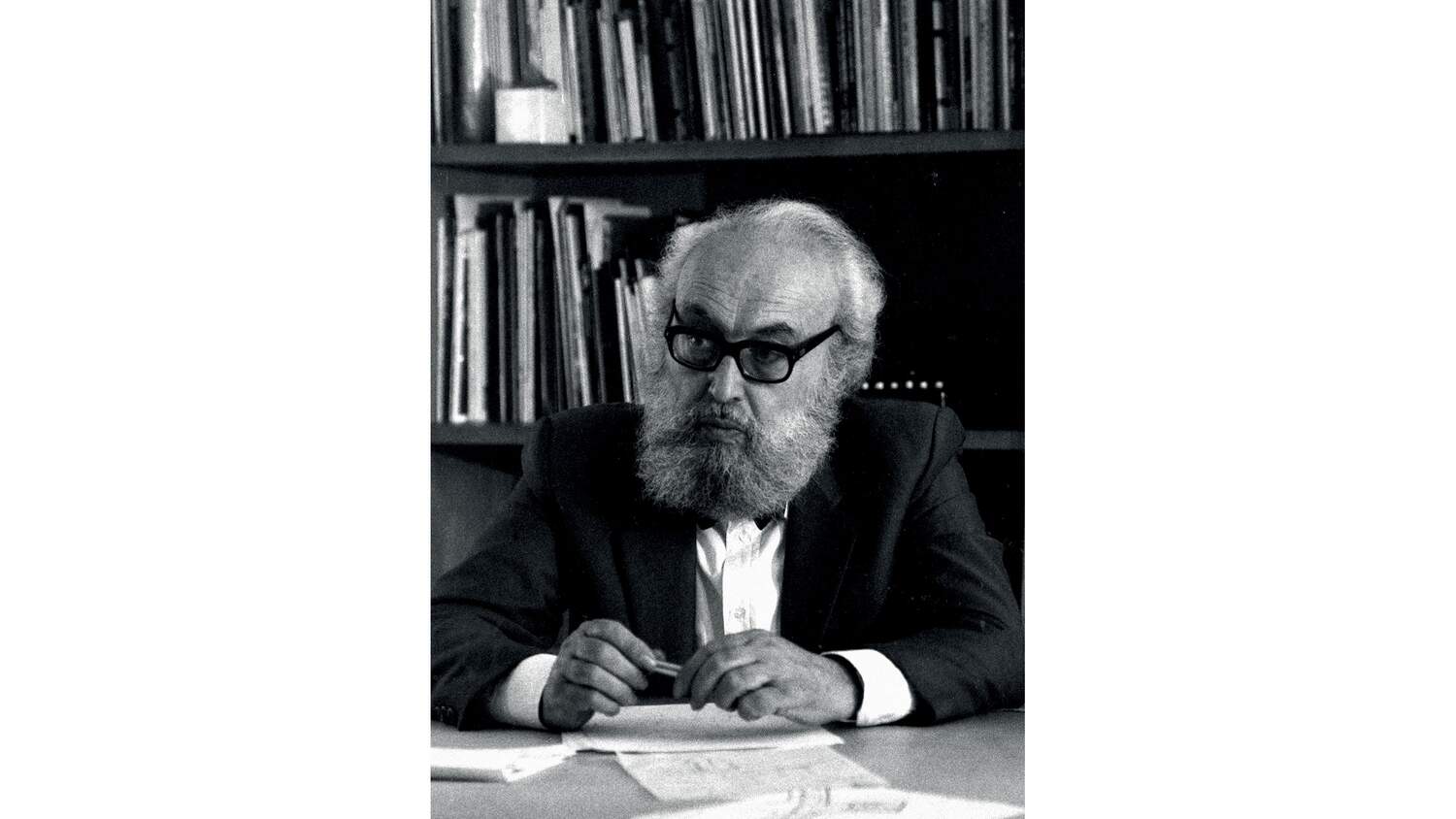
angelo mangiarotti
Angelo Mangiarotti

Italian architect, sculptor and designer Angelo Mangiarotti was born in Milan in 1921. Mangiarotti is quoted to have said, ”Happiness comes from honesty”. A quote that hints to his overall design approach rooted in the firm belief that architecture was a practical discipline and that industrial design was an expression of fine craftsmanship.


He wanted each individual material to be respected and to be used in an appropriate and honest way. Beyond his many architectural feats, Mangiarotti’s body of work boasts a wide array of creative projects from sculpture, to products and lighting.

Over the course of his career, he held lecturing positions at a number of distinguished design and architecture schools in Italy and abroad, he won numerous awards in both design and architecture, and his work has been included in exhibitions and collections at some of the world’s leading art and design institutions such as Centre Pompidou in Paris, Triennale Design Museum in Milan and Gallery MA in Tokyo.