





Access to your account to proceed
Le Corbusier
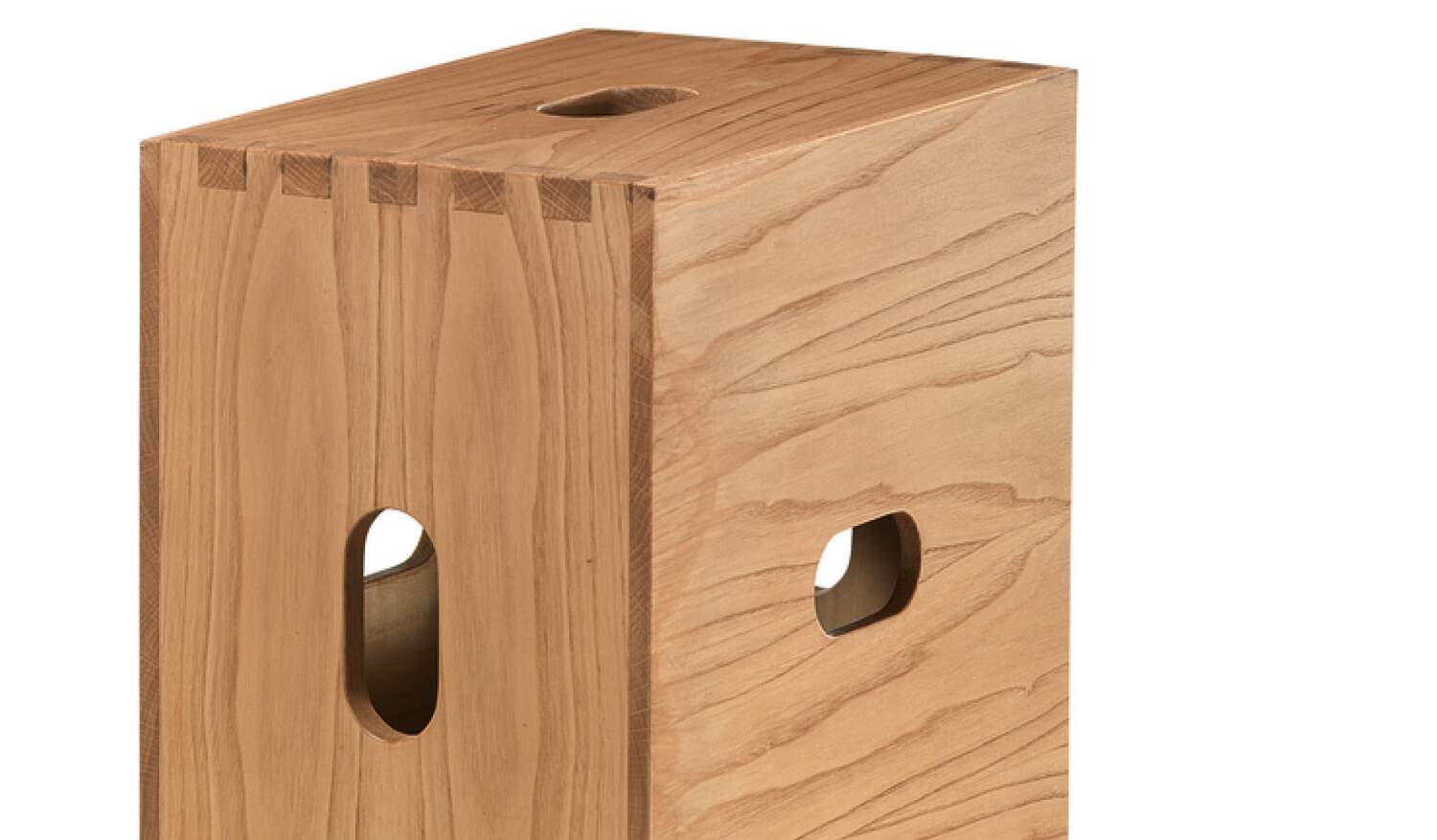
LC14 TABOURET CABANON
Designed in 1952 for his Cabanon, a cabin built by Le Corbusier on the Côte d'Azur where, alongside the many examples of built-in furniture, he envisioned furniture pieces that are all designed like boxes.
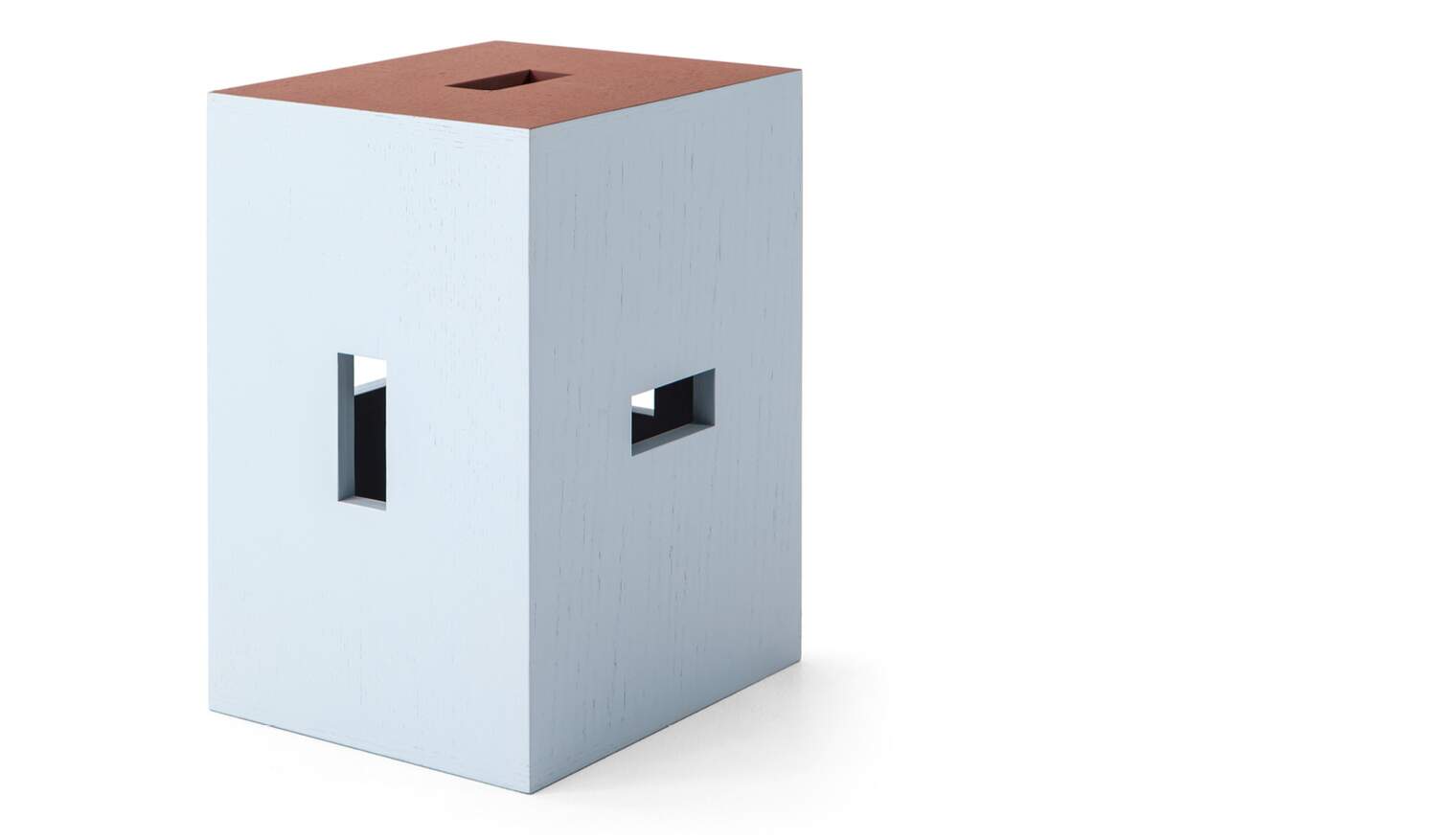
LC14 TABOURET NANTES REZÉ
Based on the concept of the ‘found object’ dear to the maestro in the latter part of his life, it was made for the children’s rooms at the Unité d’habitation of Nantes Rezé.
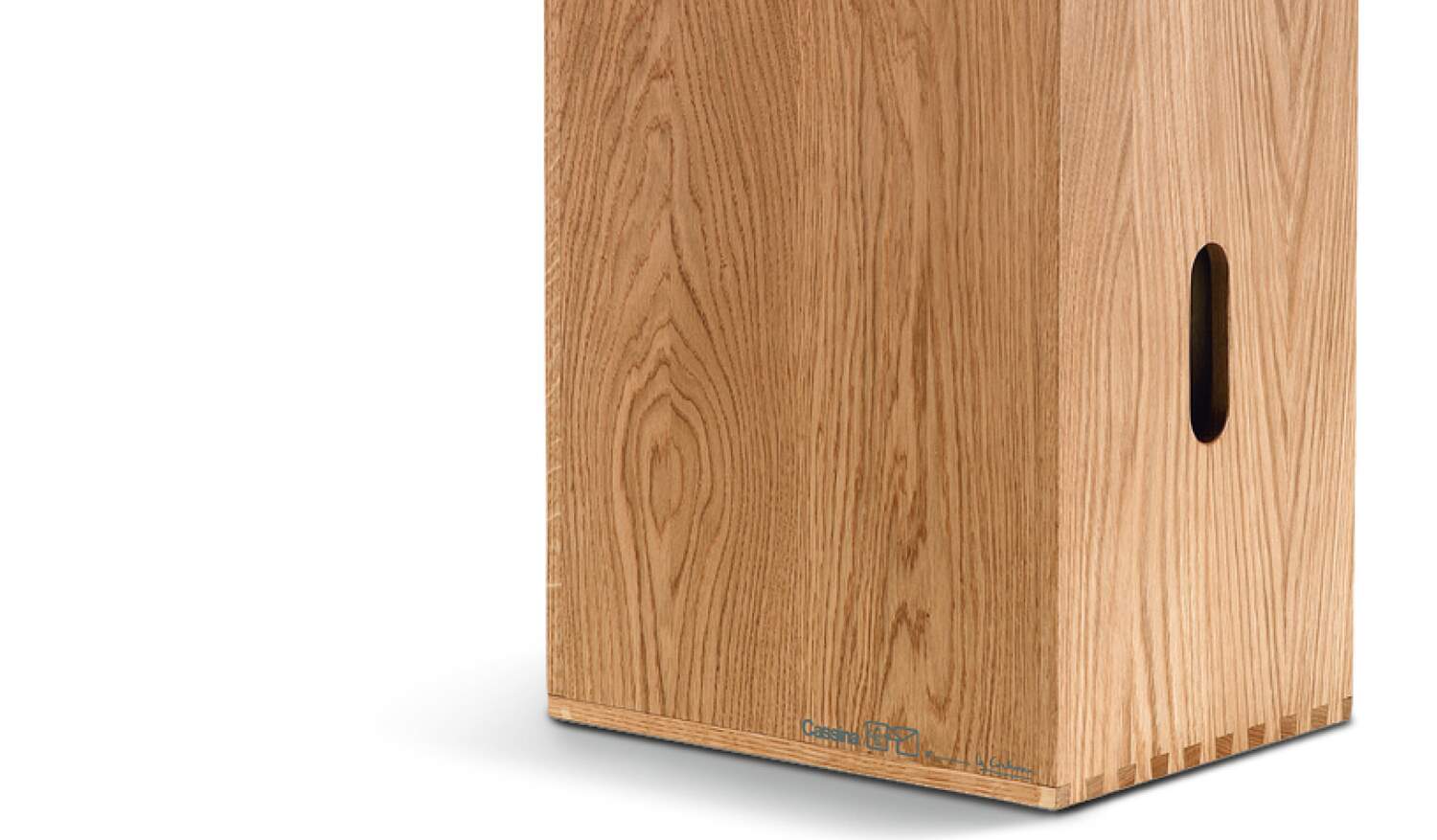
LC14 MAISON DU BRÉSIL
Designed by Le Corbusier in 1959 for the Maison du Brésil in Paris, this historic design stool is made of solid oak with natural stain.
DESIGN BY
PRODUCT CARE AND MAINTENANCE
In this manual you will find some recommendations for the care and maintenance of your Cassina products.
The materials are divided into different categories; each one is accompanied by its own information sheet with instructions, preventative measures and methods for cleaning.
Downloads
Access 2D and 3D drawings, technical sheets, and complete documentation to explore every detail of our products.
Designed for professionals and those seeking in-depth information.
1952
LC14 TABOURET CABANON
Designed in 1952 for his Cabanon, a cabin built by Le Corbusier on the Côte d'Azur where, alongside the many examples of built-in furniture, he envisioned furniture pieces that are all designed like boxes. A Spartan and, at the same time, sophisticated seat, the masterful dovetail joints highlight the connecting points between the solid wood pieces. The oblong opening along each side makes it simple to move the historic Tabouret. Made of solid chestnut, natural stain.
LC14 TABOURET NANTES REZÉ
The model of this design stool or low table predates - in its 3-D composition - the Tabouret du Brésil distinguishing itself through the greater simplicity of its joints. Based on the concept of the ‘found object’ dear to the maestro in the latter part of his life, it was made for the children’s rooms at the Unité d’habitation of Nantes Rezé. This design piece makes use of simplified, minimal corner joints. The different sides, in open pore lacquered oak, feature two colors from the Le Corbusier palette. The hand-holes are un-rounded rectangular slots.
LC14 MAISON DU BRÉSIL
Designed by Le Corbusier in 1959 for the Maison du Brésil in Paris, this historic design stool is made of solid oak with natural stain. Oblong openings on the two main sides make it easy to move the stool, which can be positioned horizontally or vertically. The exclusive dovetail joints on the corners exploit the precise joinery skills of Cassina in working solid wood.
I MAESTRI
Charles-Edouard Jeanneret, known as Le Corbusier, was born at La Chaux-de-Fonds, in the Swiss Jura, in 1887; he died in France, at Roquebrune-Cap-Martin, on the French Côte d’Azur, in 1965.Early in his career his work met with some resistance owing to its alleged «revolutionary» nature and the radical look it acquired from its «purist» experiments; in time , however, it won the recognition it deserved and it is still widely admired. His message is still being assimilated by an ever increasing number of people in the profession, but his far-out avant-garde attitudes should be interpreted with due consideration for the use of rational systems in his planning method, evidenced by extremely simple modules and formes based on the functional logic.
Access to your account to proceed